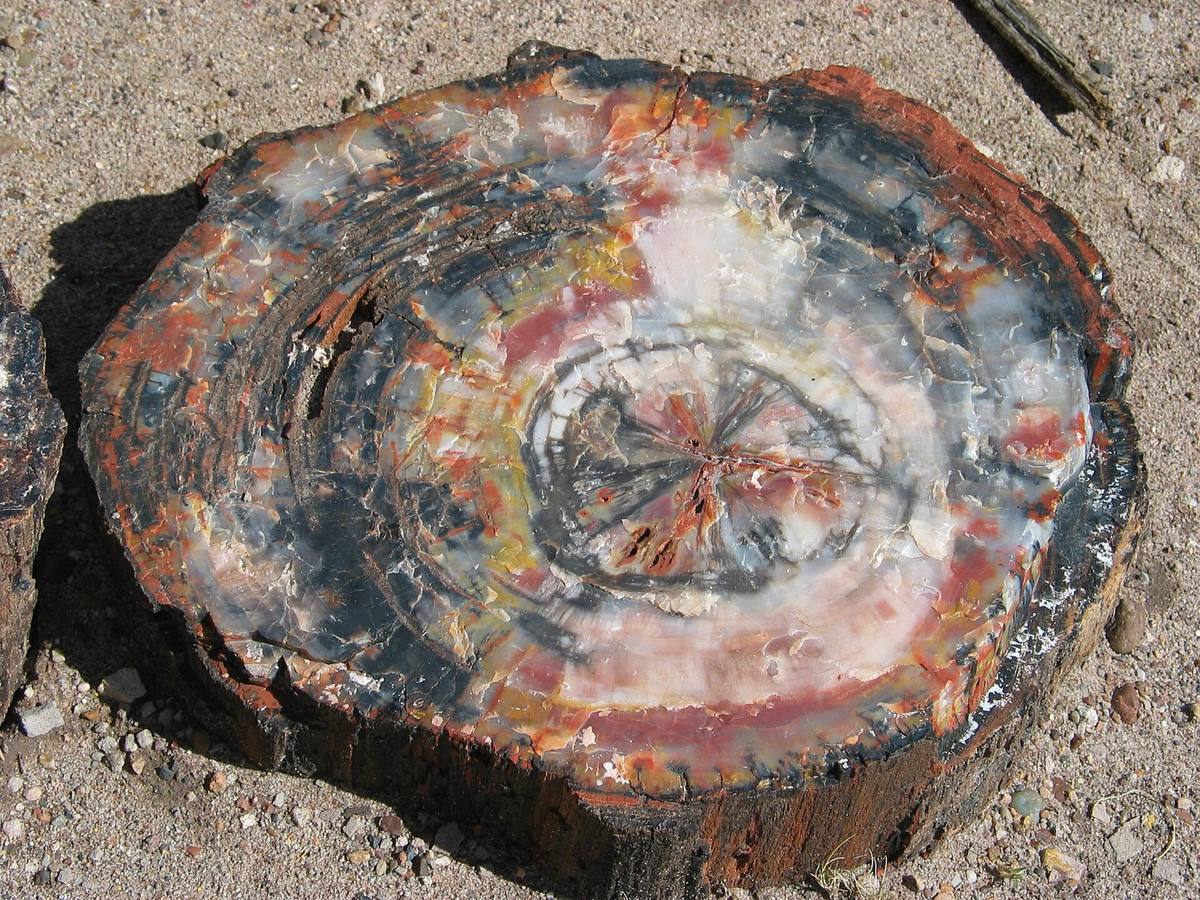
Agatized wood is a type of fossilized wood where organic material has been completely replaced by silica, specifically chalcedony, while retaining its original cellular structure. Collectors often look for high-contrast colors and intact growth rings, commonly found in areas of ancient volcanic ash fall or sedimentary riverbeds.
Spotting agatized wood in the field
Field marks- 1
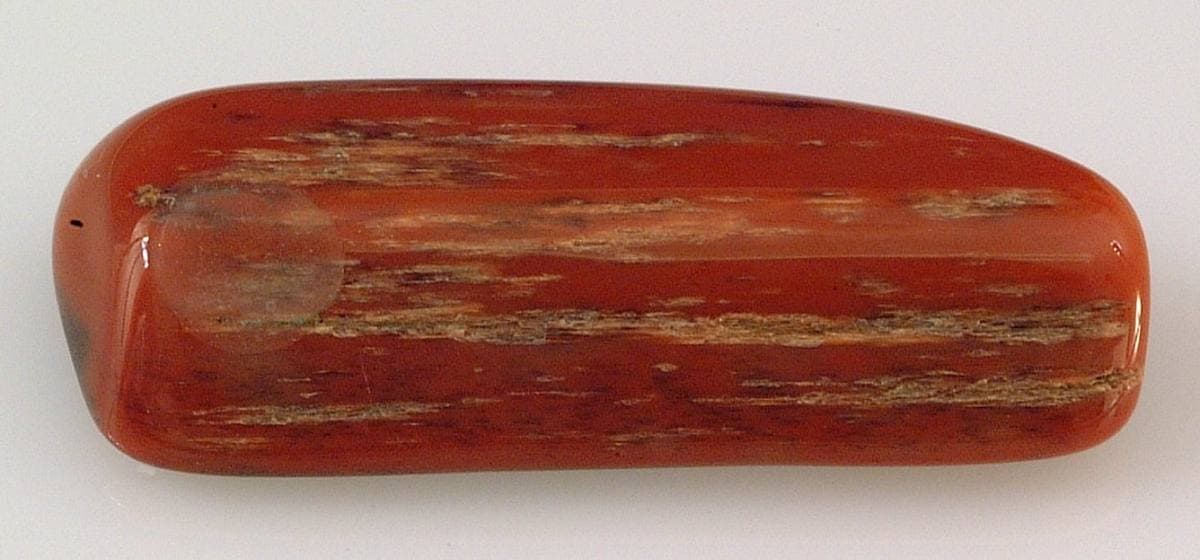
Wood structure preserved in translucent chalcedony rather than dull porous silica
- 2
Takes a glassy polish and shows translucent edges when chipped
- 3
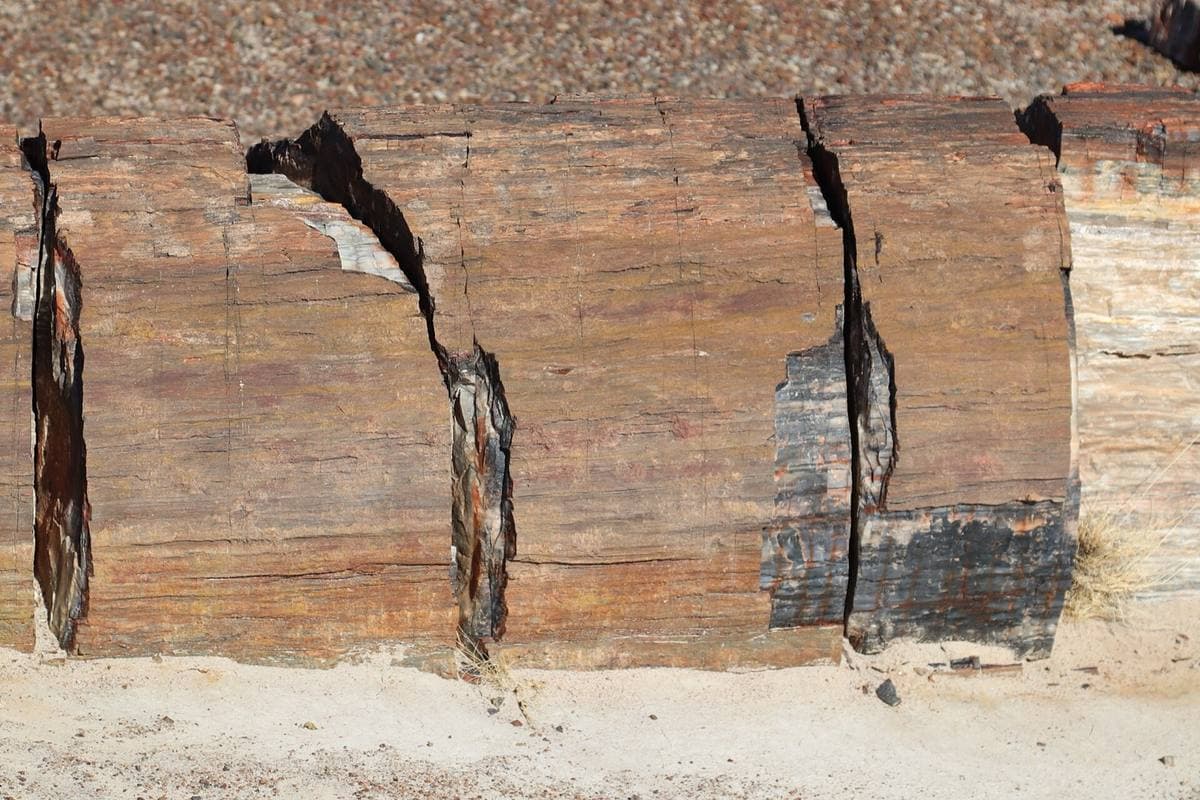
Often has agate-filled cracks and cavities cutting across the grain
This is the good stuff, and the distinction from ordinary petrified wood is entirely practical: chalcedony replacement means hardness 7, no porosity, and a real polish. Field test by chipping a corner and holding it to the light. If the edge is translucent and the break is glassy, you have agatized wood; if it is chalky and opaque, you have common petrified wood that will never come up on the wheel.
Straight answers
- Is it worth cutting?
- Excellent cab and slab material. Cracks that were healed with agate are a feature; cracks that were never healed will open on the saw.
- What is it really worth?
- Well above ordinary petrified wood. Arizona rainbow material and clean limb sections with agate centers are the premium end.
- Can you legally keep it?
- Falls under the same BLM petrified wood rule: 25 pounds plus one piece per day, 250 pounds per year, personal use only, no sale or barter.
Often confused with
Agatized Wood vs. its common look-alikes, and how to tell them apart in the field.
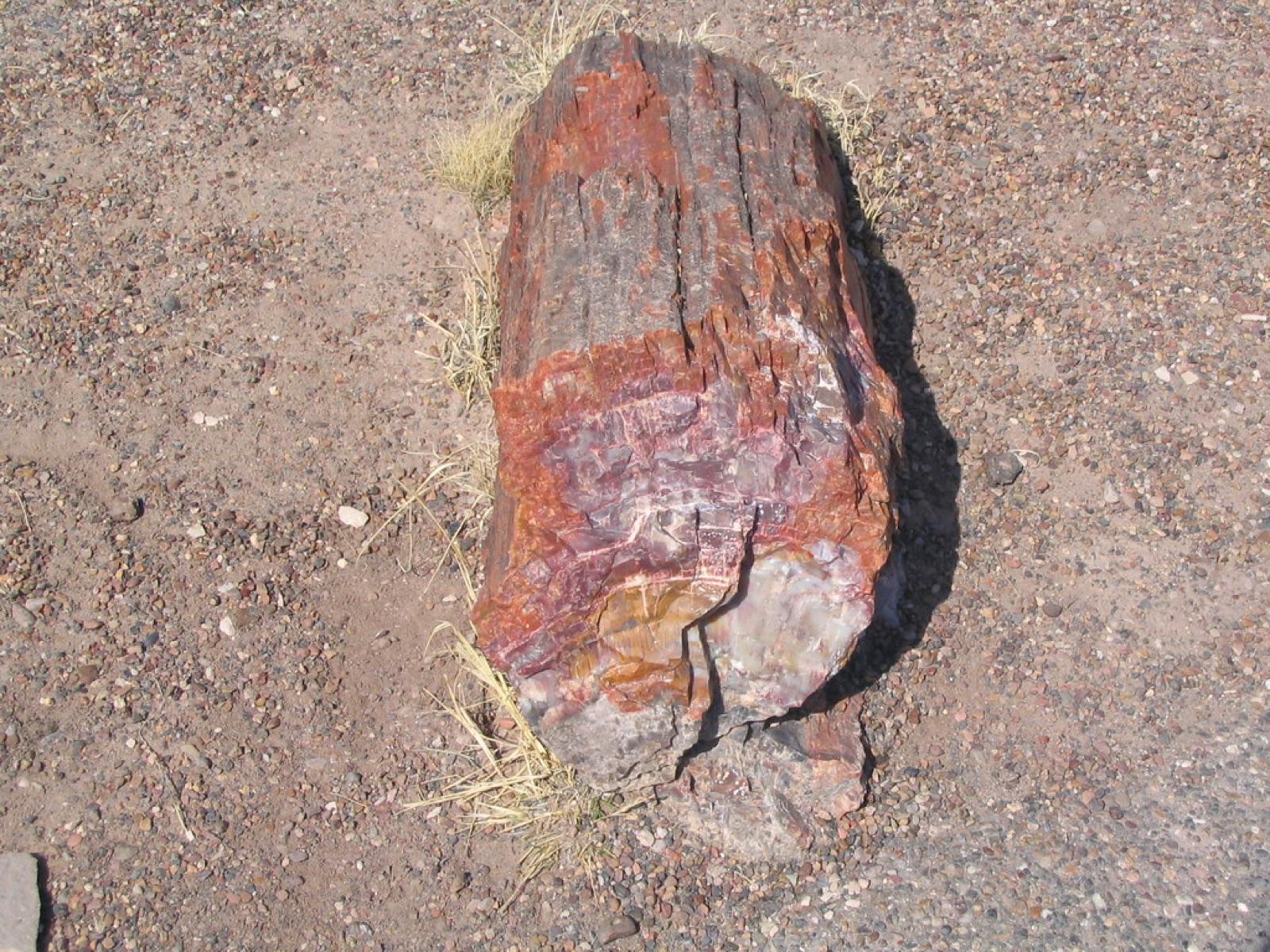
How to tell apart: Same origin, different quality of replacement. Chip a corner: agatized is translucent and glassy, ordinary is opaque and chalky.
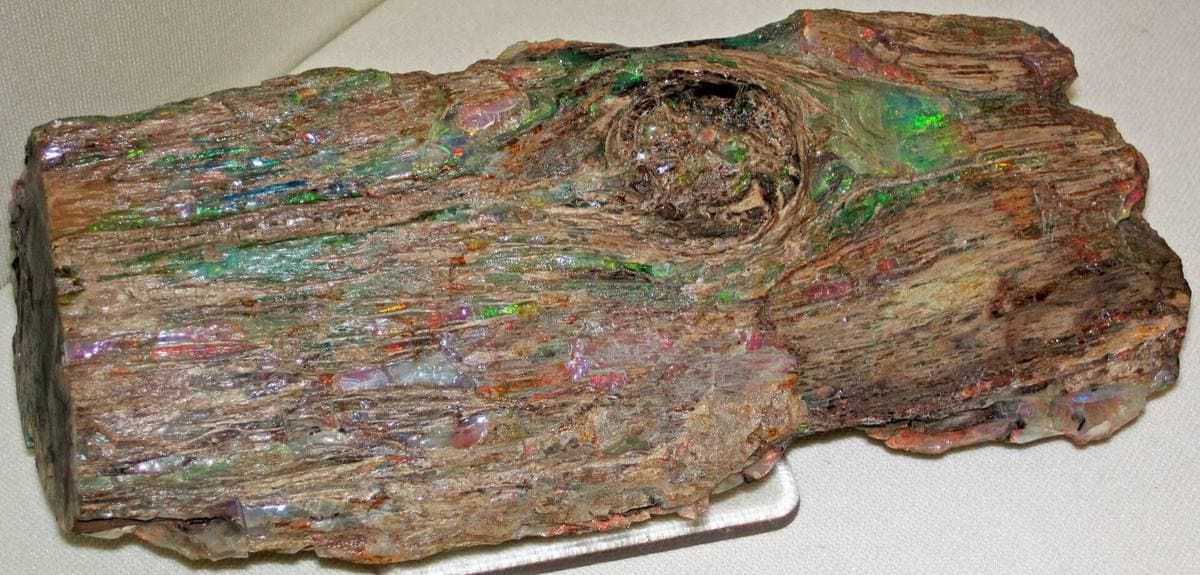
How to tell apart: Opalized wood is softer at 5.5 to 6.5, lighter in the hand, and may show a waxy or resinous rather than glassy luster.
Often found alongside agatized wood
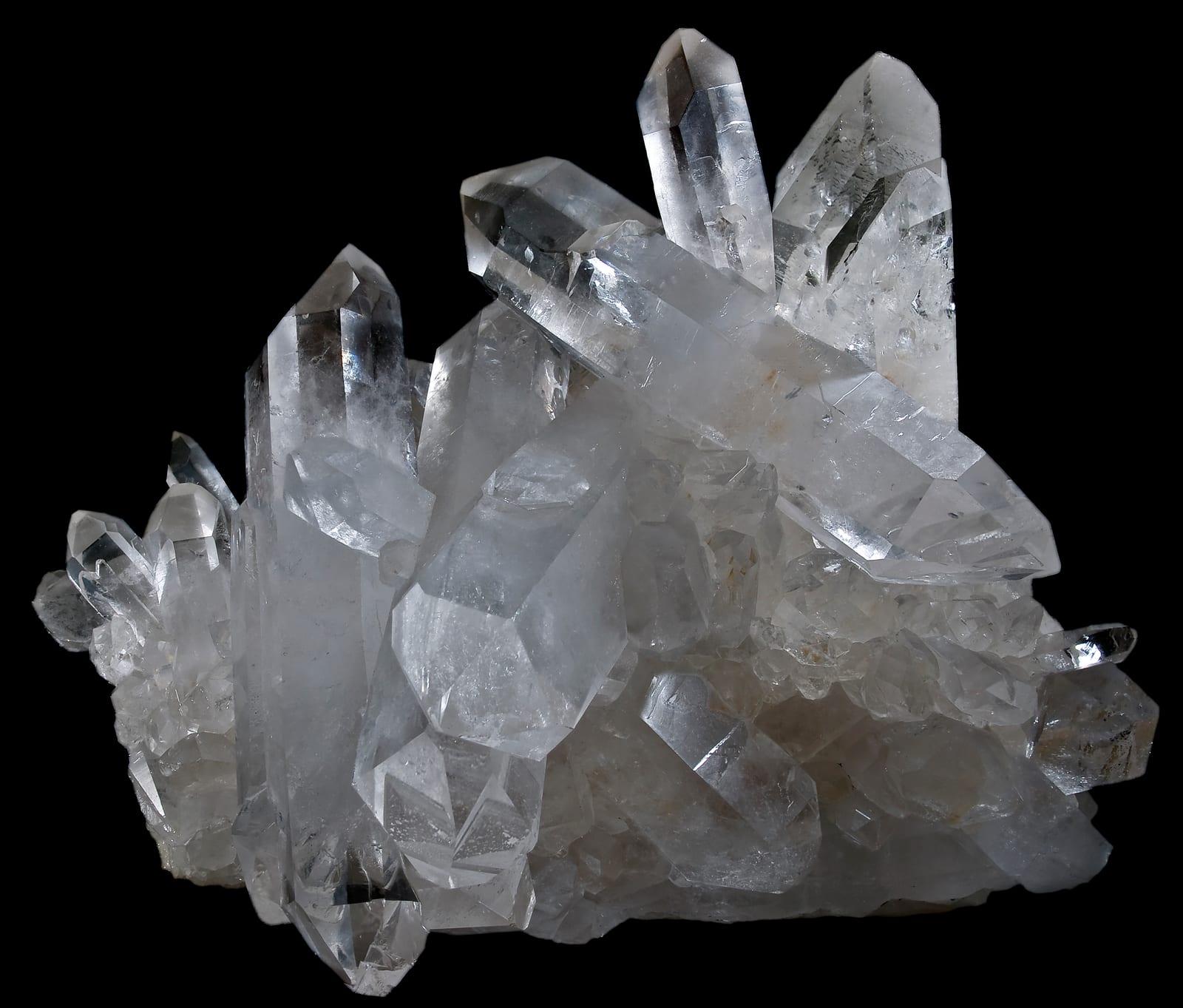
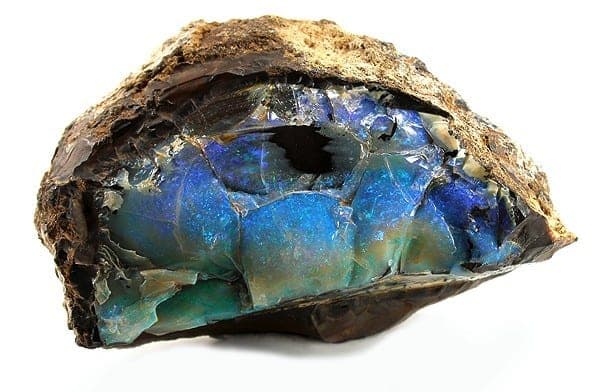
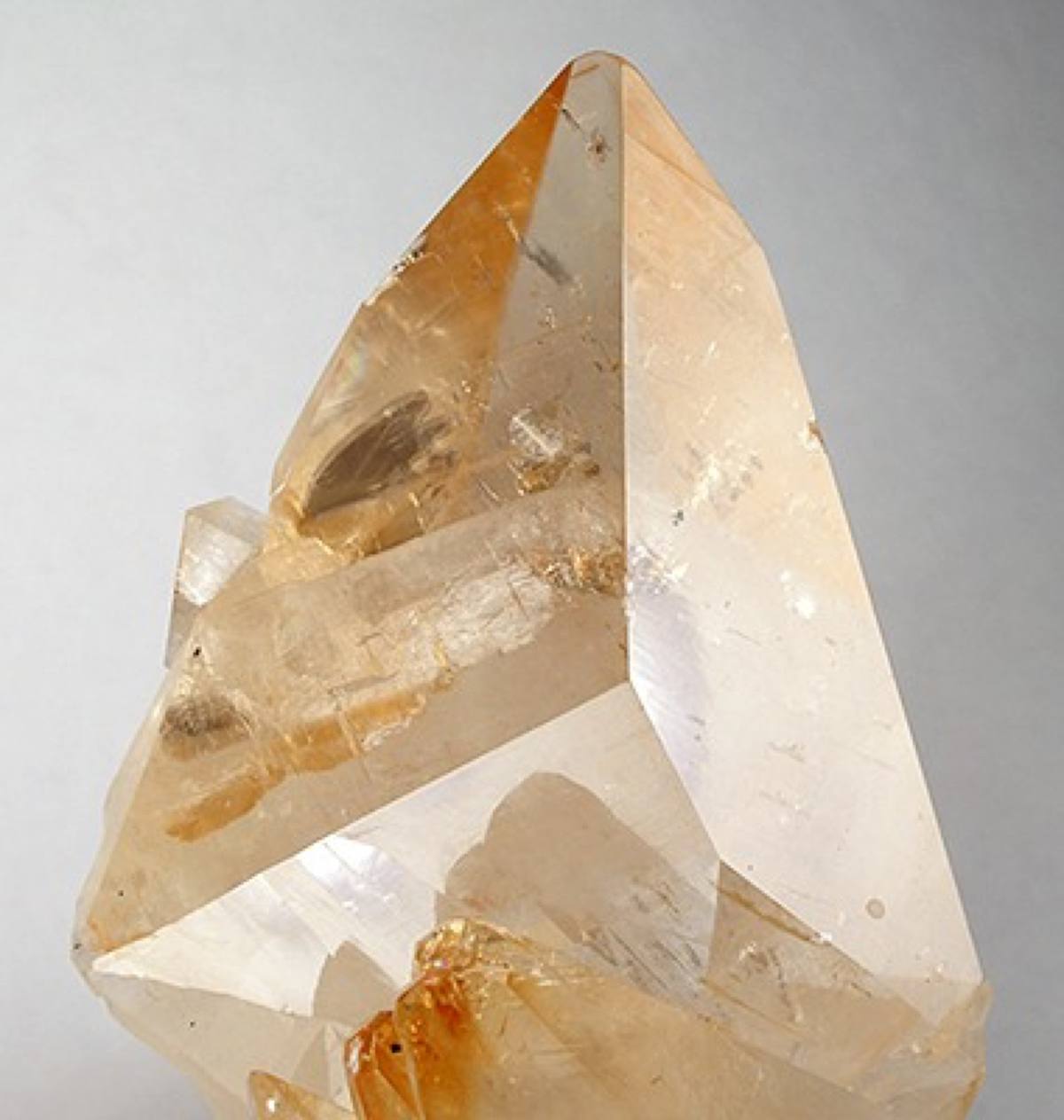
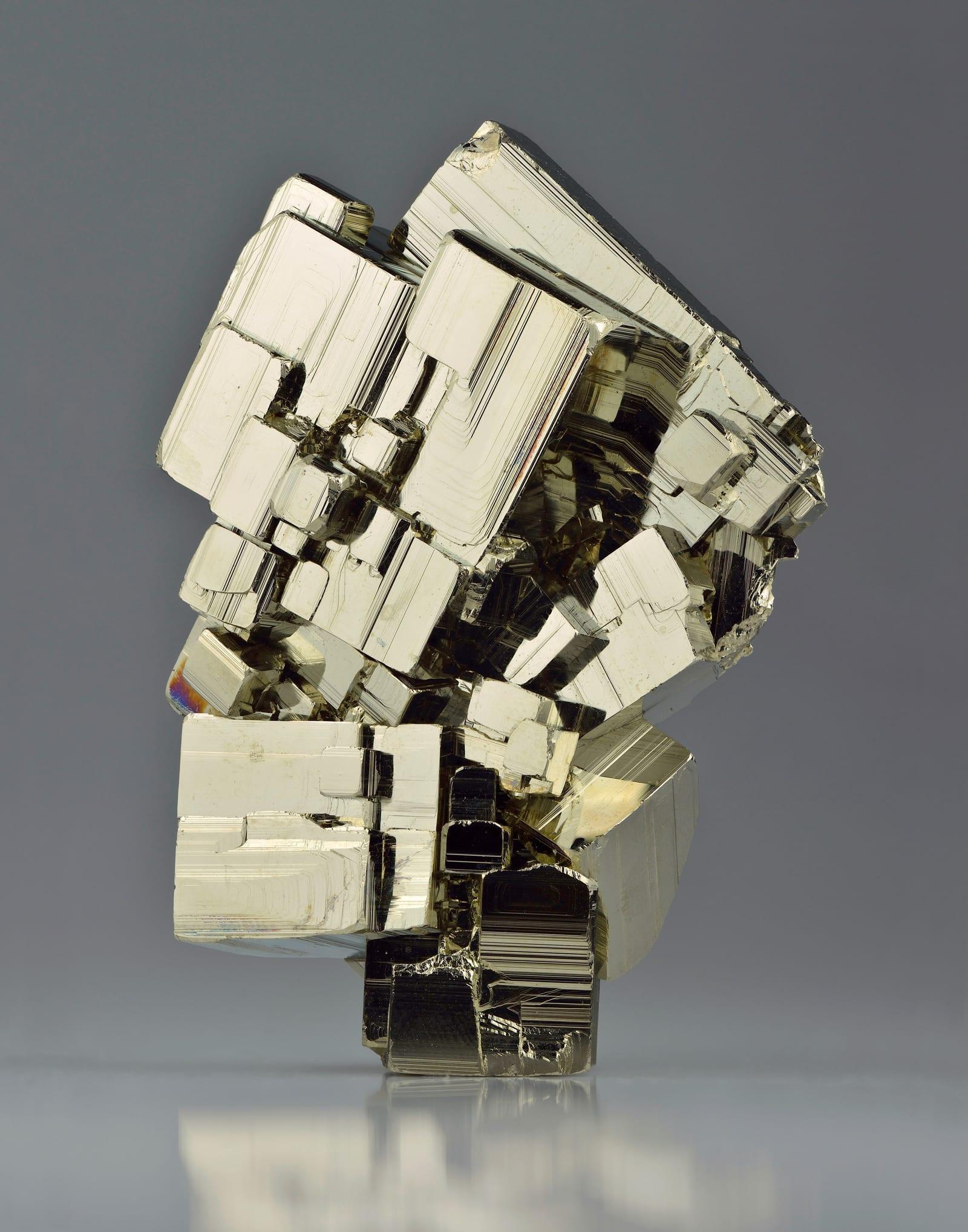
Minerals reported to co-occur with agatized wood. Spotting these in float or country rock is a strong cue you are in the right ground.
All properties
- Mohs hardness
- 6.5-7
- Density
- 2.58-2.65 g/cm³
- Luster
- Vitreous
- Transparency
- Translucent
- Rarity
- Common
- Uses
- Lapidary, Collector, Decorative
- Host rock
- sedimentary deposits
- Organism
- Trees and tree-like plants
- Preservation
- Cell walls replicated by silica, here as agate (chalcedony)
Where rockhounds find agatized wood
54 mapped spotsClassic worldwide localities
- Arizona, USA
- Madagascar
- Argentina
- Indonesia
- Australia
U.S. states with agatized wood
Each link opens a state-specific list of mapped rockhounding spots that produce agatized wood.
Field-hunting tip
Where it forms: sedimentary deposits. If you start seeing quartz, opal, calcite in float, you are in the right ground. In the U.S., the densest reported localities are in Texas, Nebraska, New Mexico. Start trip planning there.
More agatized wood photos
Common questions
How do you identify agatized wood?+
Where is agatized wood found?+
Can I find agatized wood in the United States?+
What rocks look like agatized wood?+
What minerals are found with agatized wood?+
What kind of rock does agatized wood form in?+
What is agatized wood used for?+
Find agatized wood on the map
RockHoundR shows mapped rockhounding spots, access rules, and lets you log every find.