
Picture Jasper is an opaque, microcrystalline variety of quartz characterized by complex, landscape-like patterns created by iron oxide or manganese dendrites within the silica matrix. Collectors prize it for its unique, often scenic inclusions that resemble mountain ranges or forests when cut and polished. It is typically found in sedimentary environments where silica-rich fluids have filled cavities or replaced original rock materials.
Spotting picture jasper in the field
Field marks- 1
Opaque tan, cream and brown in horizontal bands that read like a desert horizon
- 2
Dull and chalky on a weathered face, taking a hard glassy polish on a cut one
- 3
No translucency at all, even on a thin edge
Picture jasper is a catch-all for jaspers whose sediment layering happens to look like scenery, and almost all of the good beds are in eastern Oregon and southwestern Idaho. In the field it is genuinely unglamorous: a dusty brown lump on a dusty brown hillside. Look in road cuts and washes where erosion has exposed fresh material, and carry a hammer, because the weathered rind on a picture jasper hides everything and a single chip on a corner tells you whether the layering is there.
Straight answers
- Is it worth cutting?
- Cut perpendicular to the layering so the horizon lines run across the face. Jasper takes a mirror polish but is prone to undercutting where softer clay seams run through, so inspect a wet slab under strong light before you commit to a cab.
- What is it really worth?
- Cheap by the pound as rough, with everything depending on whether a given slab makes a picture. Named beds like Biggs and Owyhee carry real premiums; unnamed picture jasper does not.
- Can you legally keep it?
- Most of the classic Oregon and Idaho ground is BLM, open to personal-use collecting in reasonable quantities. Several of the best-known beds are on patented claims or private ranch land, so check status before you dig.
Often confused with
Picture Jasper vs. its common look-alikes, and how to tell them apart in the field.
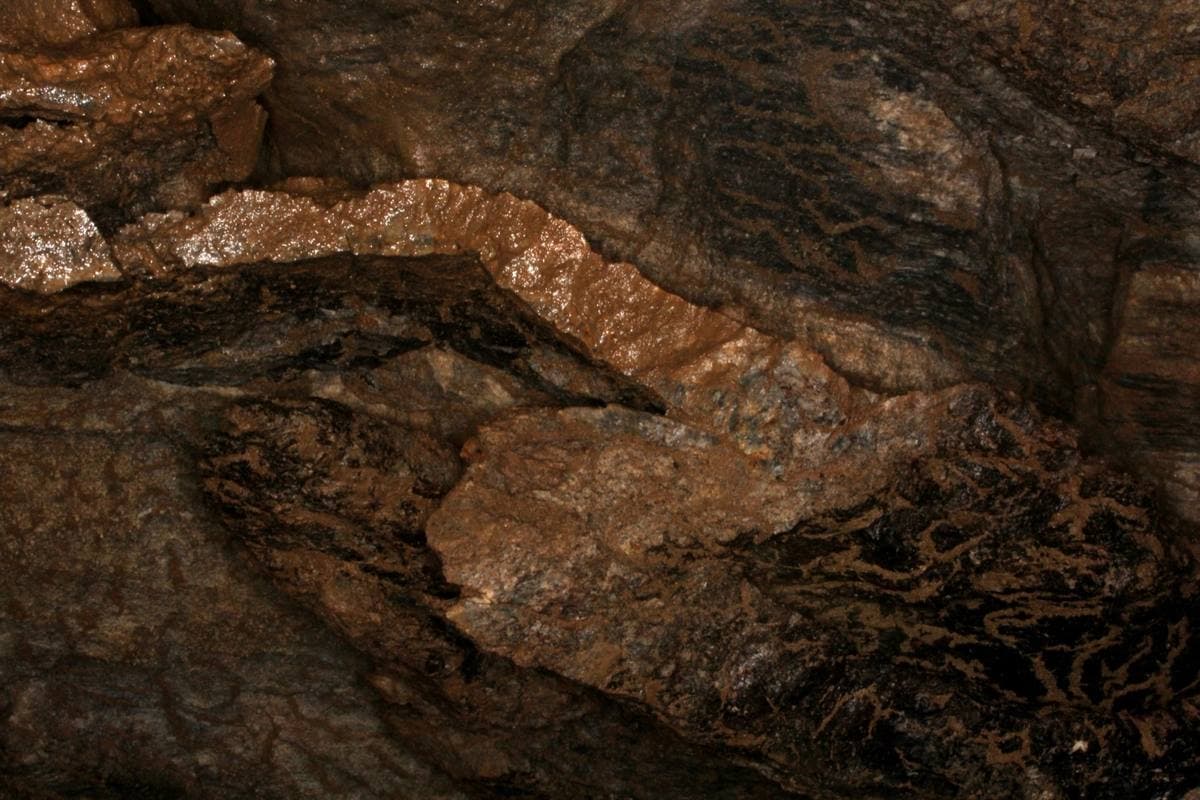
How to tell apart: Chert is the same material without the layering that makes a picture. If a chipped face shows no banding, it is chert regardless of what it looked like from a distance.
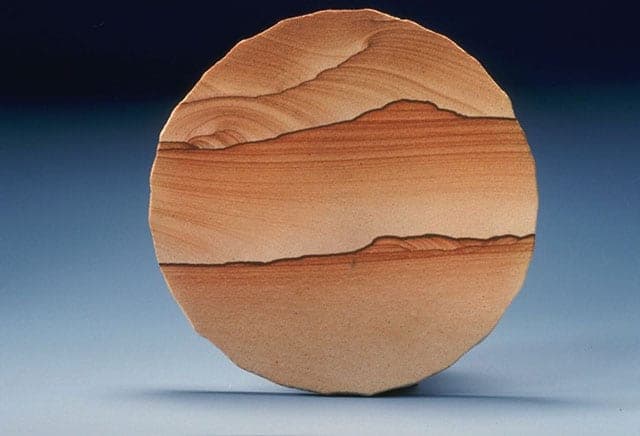
How to tell apart: Sandstone is soft enough to scratch with a knife and feels gritty. Jasper is hardness 7 and feels dense and smooth.
Often found alongside picture jasper
Minerals reported to co-occur with picture jasper. Spotting these in float or country rock is a strong cue you are in the right ground.
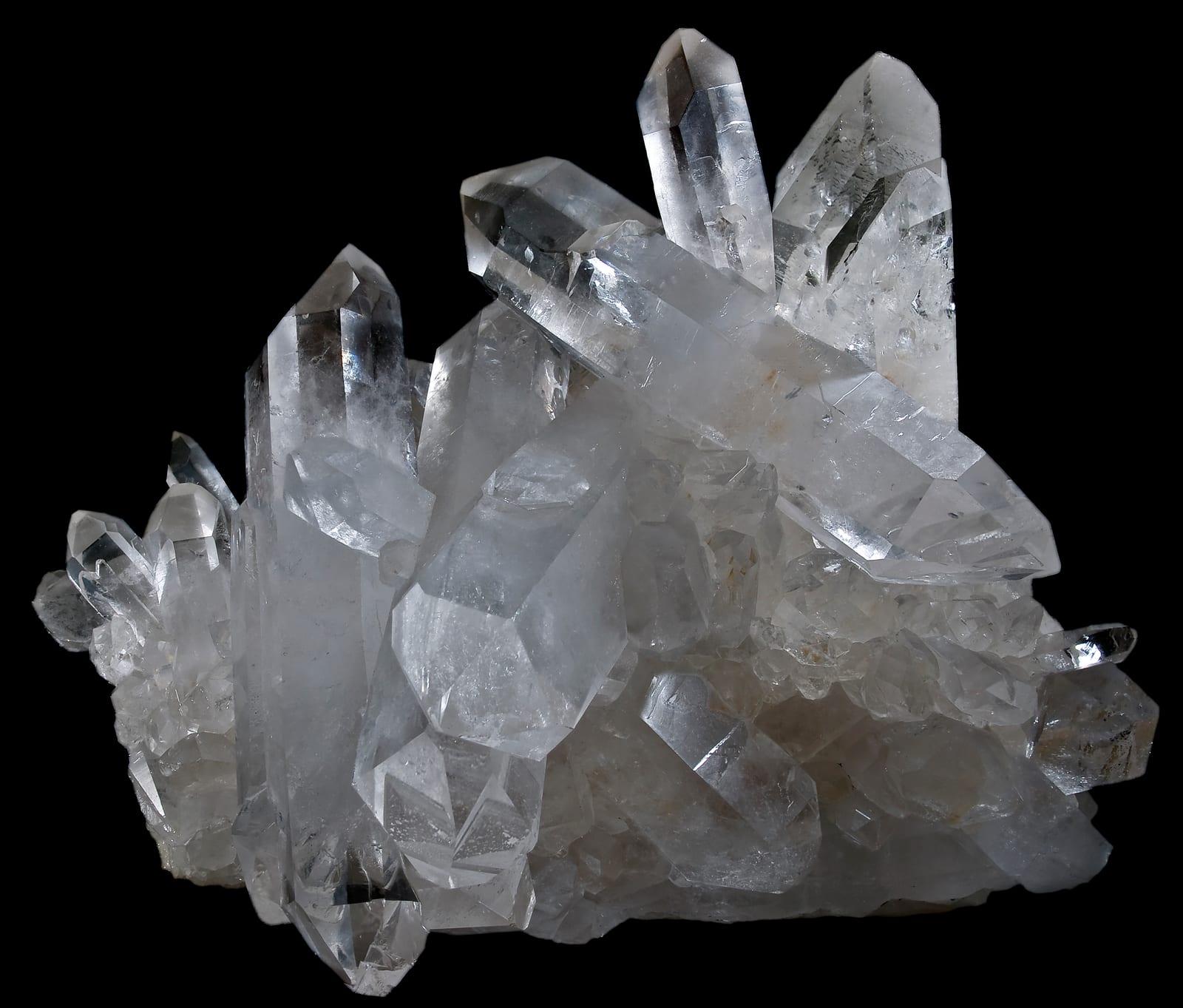
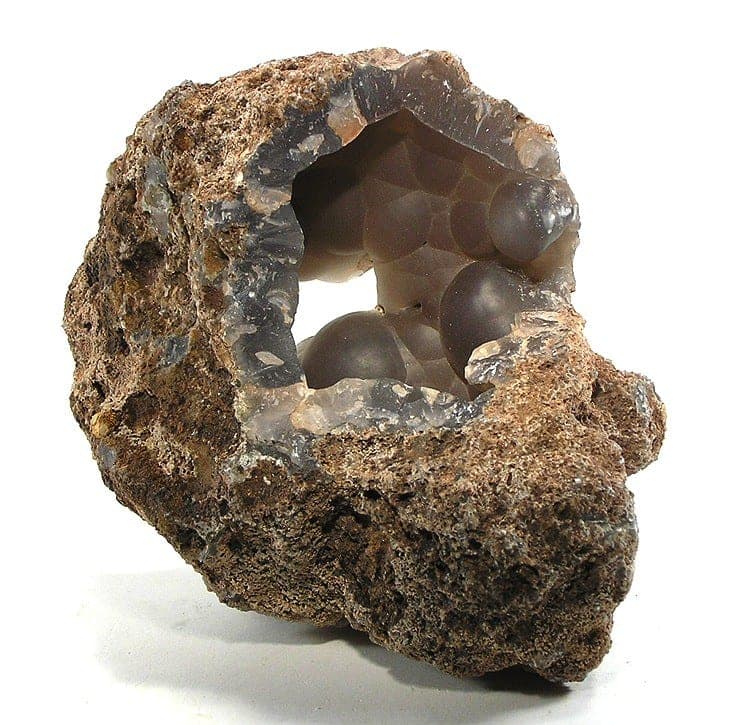
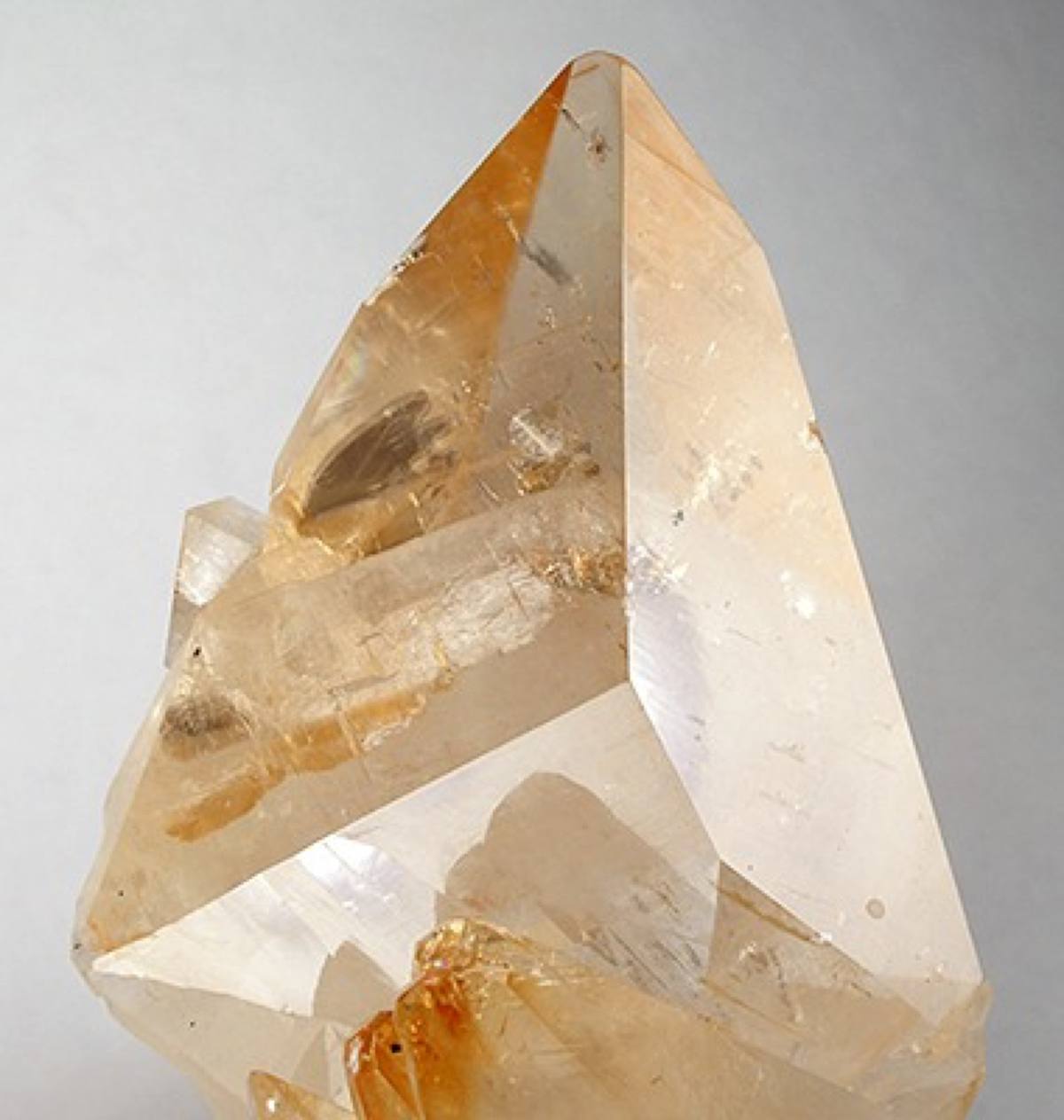
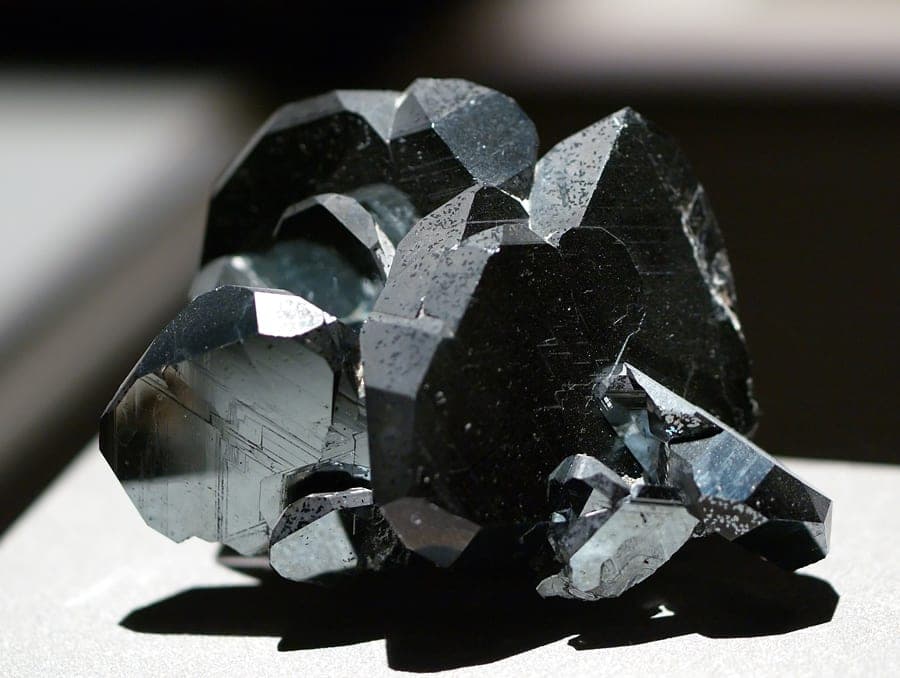
All properties
- Chemical formula
- SiO₂
- Mohs hardness
- 6.5-7
- Density
- 2.6-2.7 g/cm³
- Streak
- White
- Luster
- Vitreous
- Transparency
- Opaque
- Crystal system
- Trigonal
- Crystal habit
- Massive
- Cleavage
- None
- Rarity
- Common
- Uses
- Lapidary, Decorative, Collector
- Host rock
- sedimentary
Where rockhounds find picture jasper
Classic worldwide localities
- Oregon, USA
- Idaho, USA
- Mexico
- Egypt
- Madagascar
Field-hunting tip
Where it forms: sedimentary. If you start seeing quartz, chalcedony, calcite in float, you are in the right ground. Typical habit: massive. Train your eye for that shape before scanning the outcrop.
Common questions
How do you identify picture jasper?+
Where is picture jasper found?+
What rocks look like picture jasper?+
What minerals are found with picture jasper?+
What kind of rock does picture jasper form in?+
What is picture jasper used for?+
Find picture jasper on the map
RockHoundR shows mapped rockhounding spots, access rules, and lets you log every find.

