Roscoelite is a vanadium-rich mica that is easily identified by its distinctive olive-green to dark green color and micaceous, scaly habit. It is commonly found associated with gold deposits or vanadium-bearing sandstone and is often noted by collectors for its unusual chemistry and attractive green color.
Is this roscoelite?
5-step field checkRun through these checks against the specimen in your hand. The more boxes tick, the more confident the ID.
- 1Test the hardnessTry to scratch roscoelite with a known reference. Roscoelite sits at Mohs 2.5, softer than the next harder reference, harder than the previous one.
- 2Check the streakDrag the specimen across an unglazed porcelain plate. Streak: greenish white.
- 3Read the lusterHold the specimen under a strong light. Luster: pearly.
- 4Match the color rangeCompare against the expected color range: brown green, greenish brown, yellow green, dark brown, dark green.
- 5Look at form & habitCrystal system: monoclinic. Typical habit: massive, micaceous, scaly.
Often confused with
Roscoelite vs. its common look-alikes, and how to tell them apart in the field.
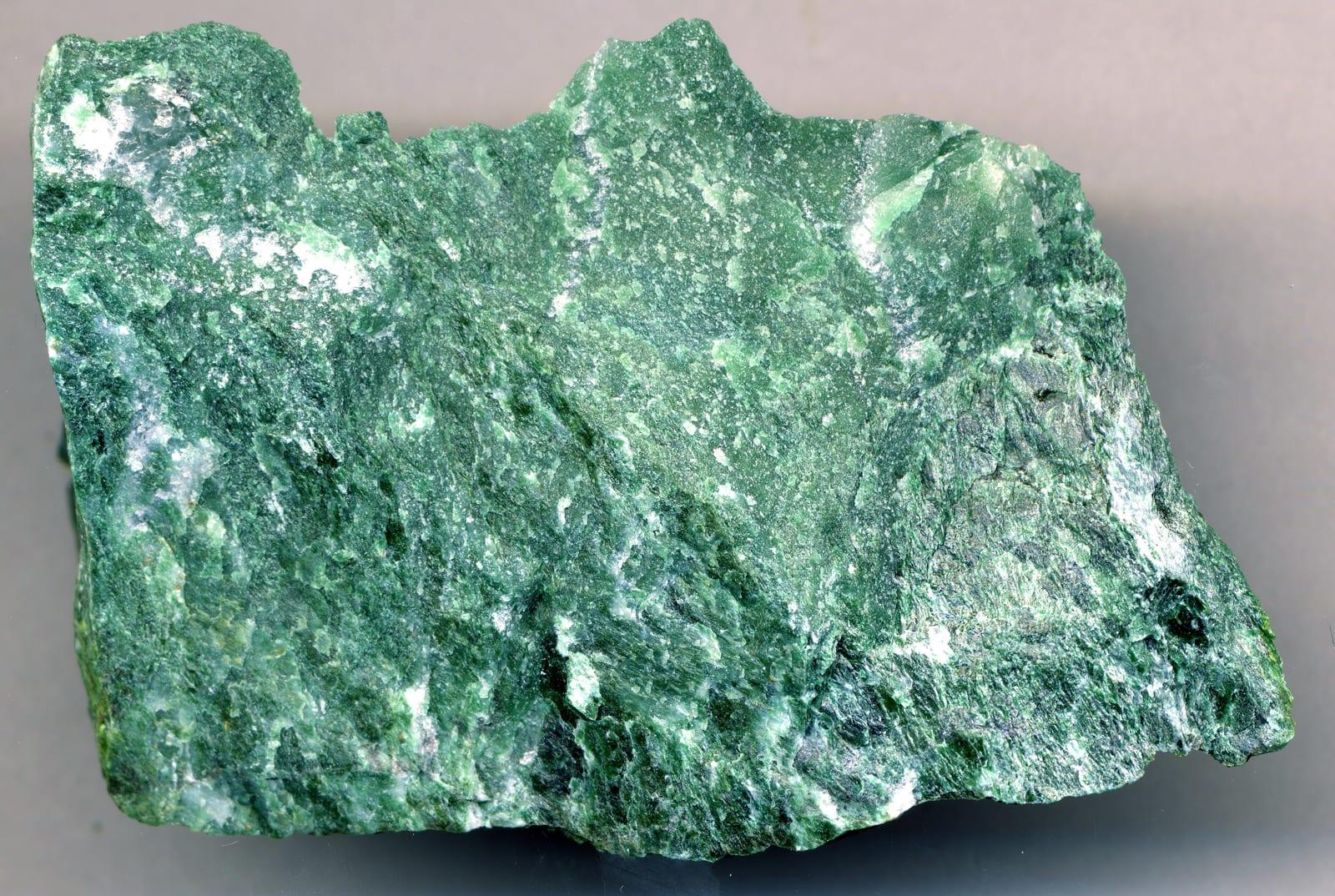
How to tell apart: Streak differs, so Roscoelite leaves greenish white, Fuchsite leaves white.
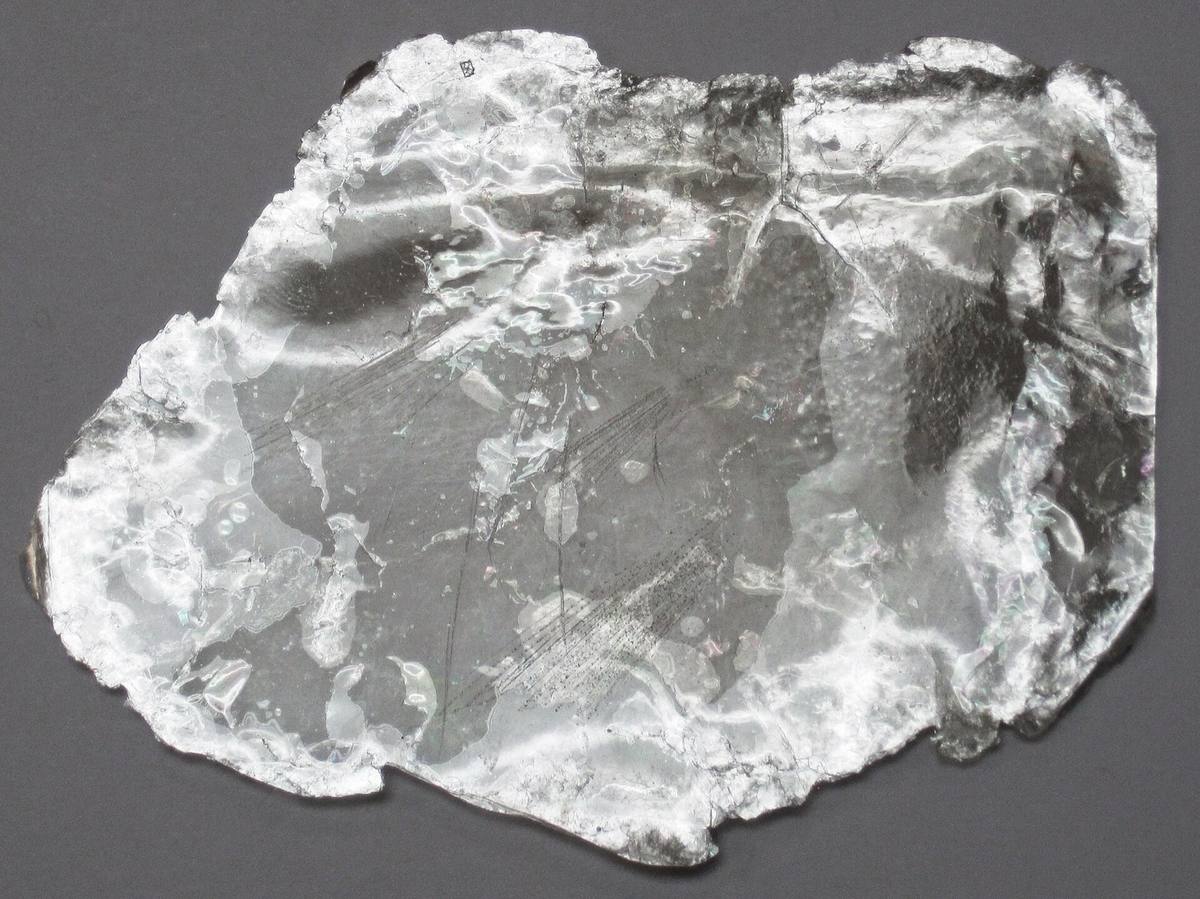
How to tell apart: Streak differs, so Roscoelite leaves greenish white, Muscovite leaves white; luster reads pearly on Roscoelite and vitreous to pearly or silky on Muscovite.
Often found alongside roscoelite
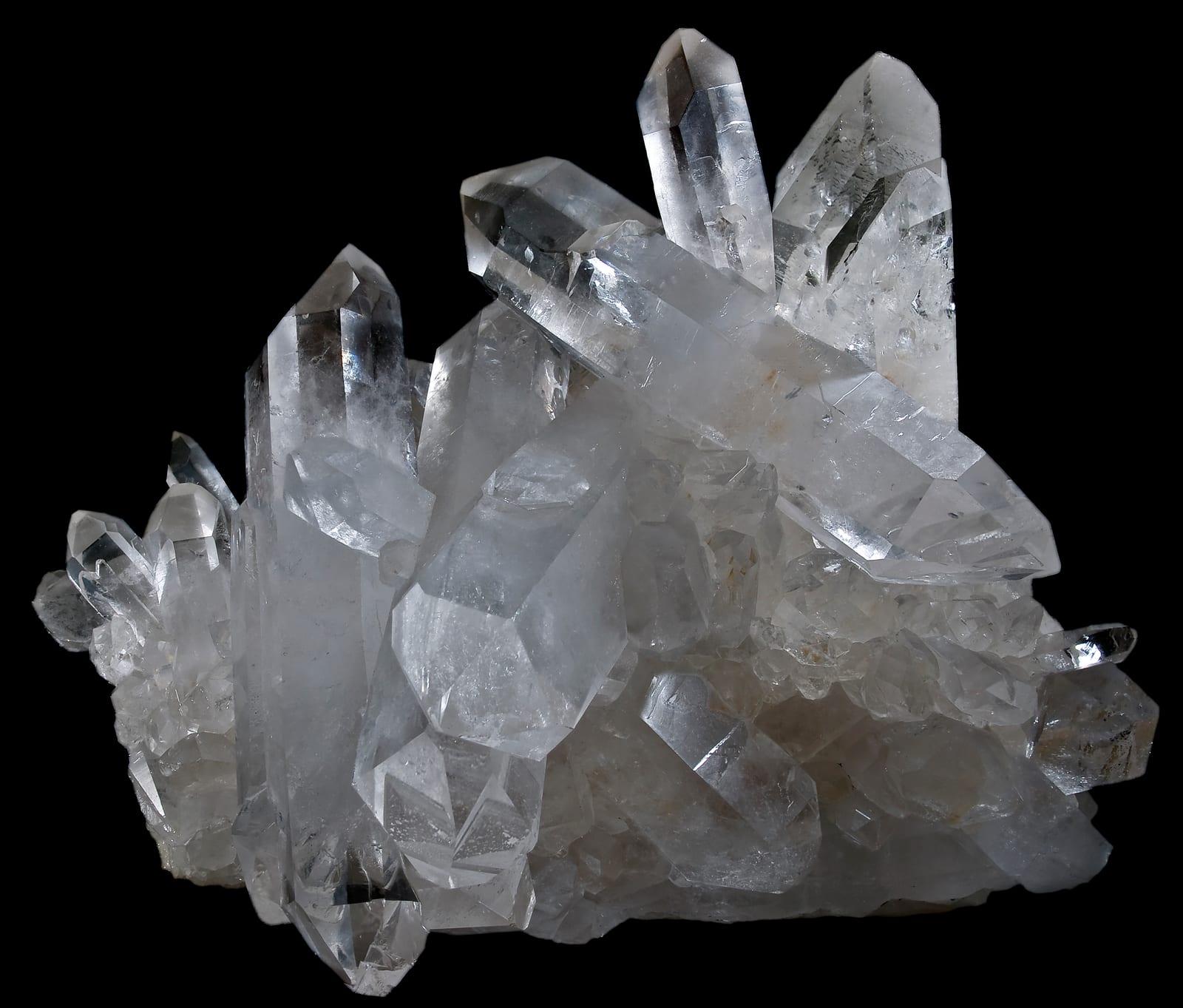
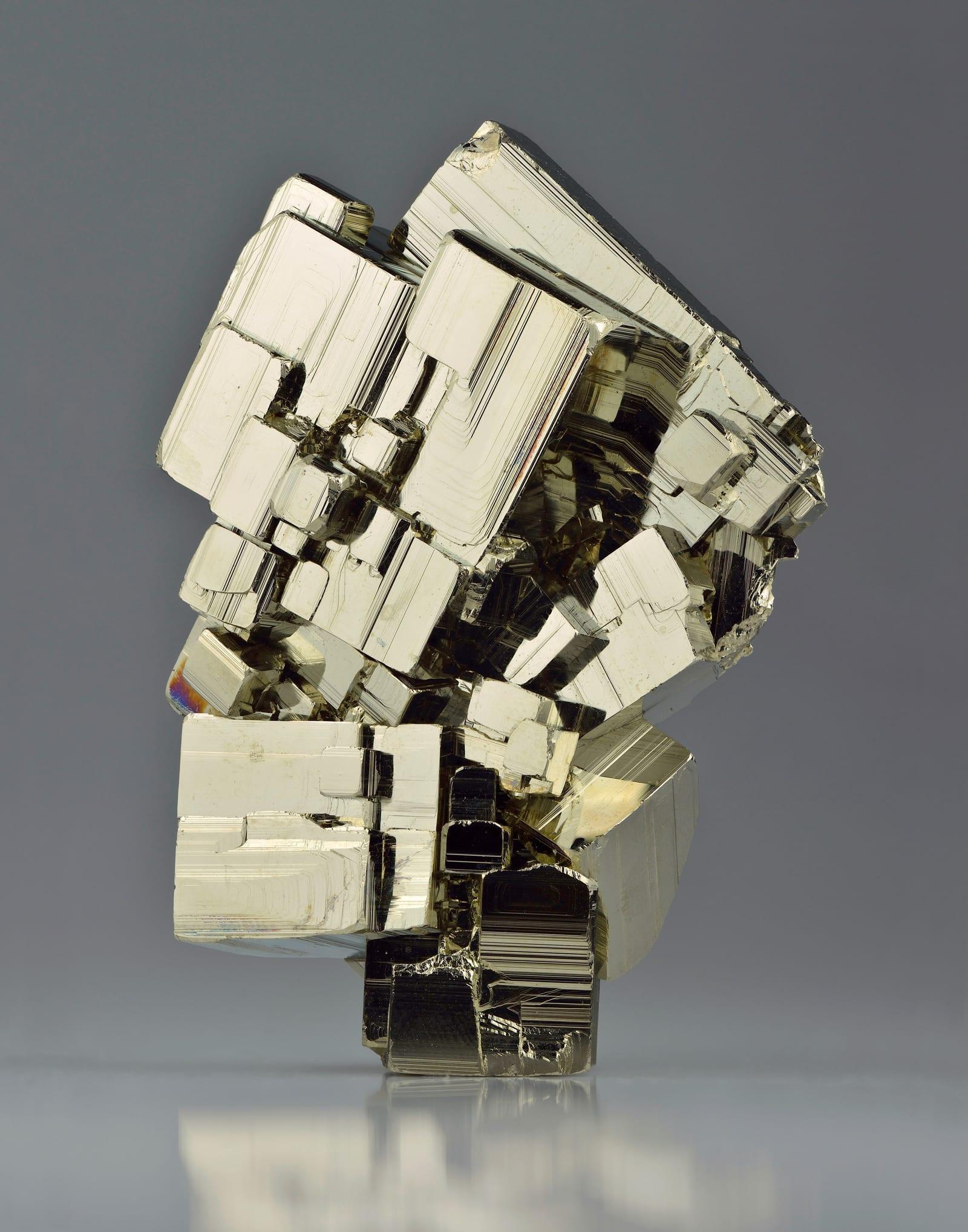
Minerals reported to co-occur with roscoelite. Spotting these in float or country rock is a strong cue you are in the right ground.
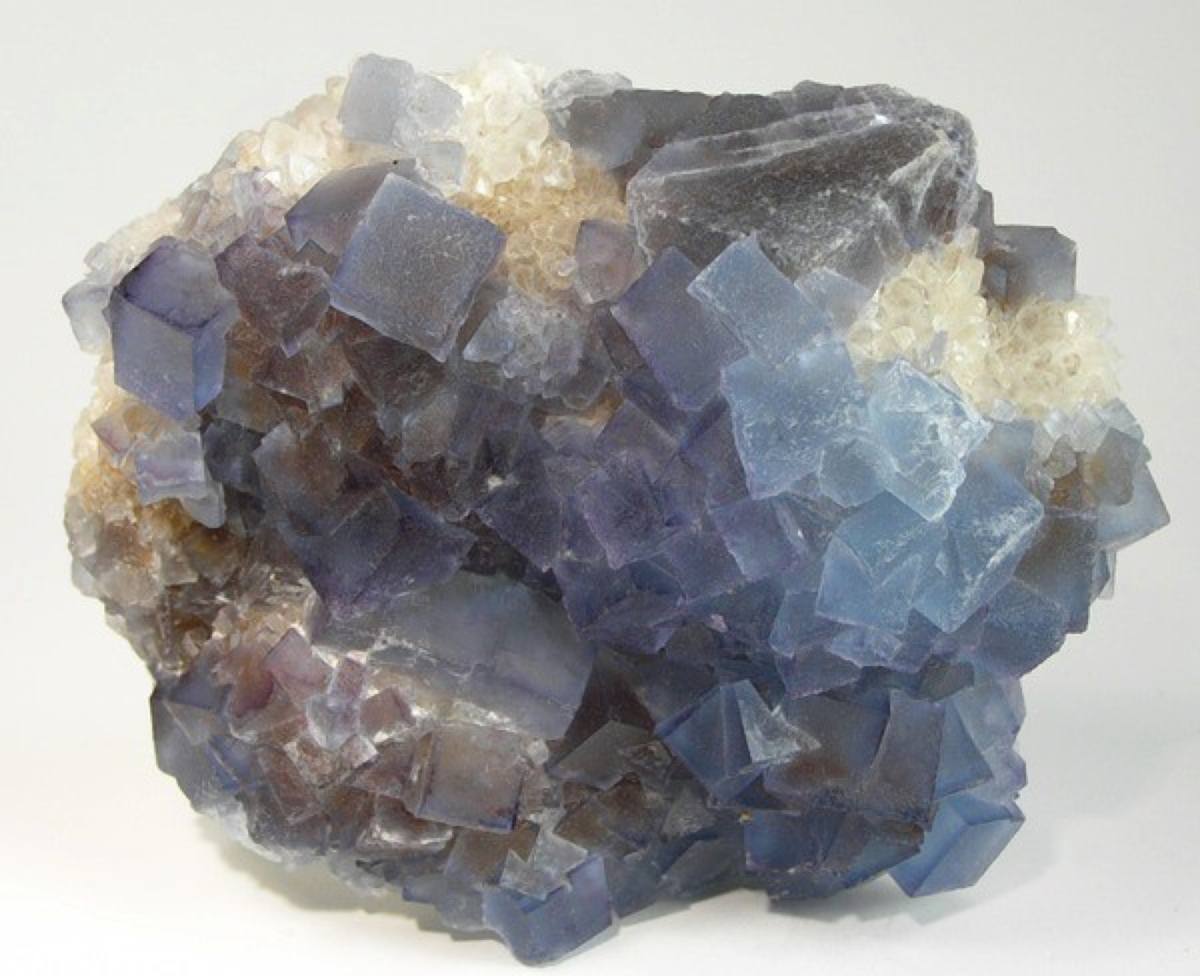
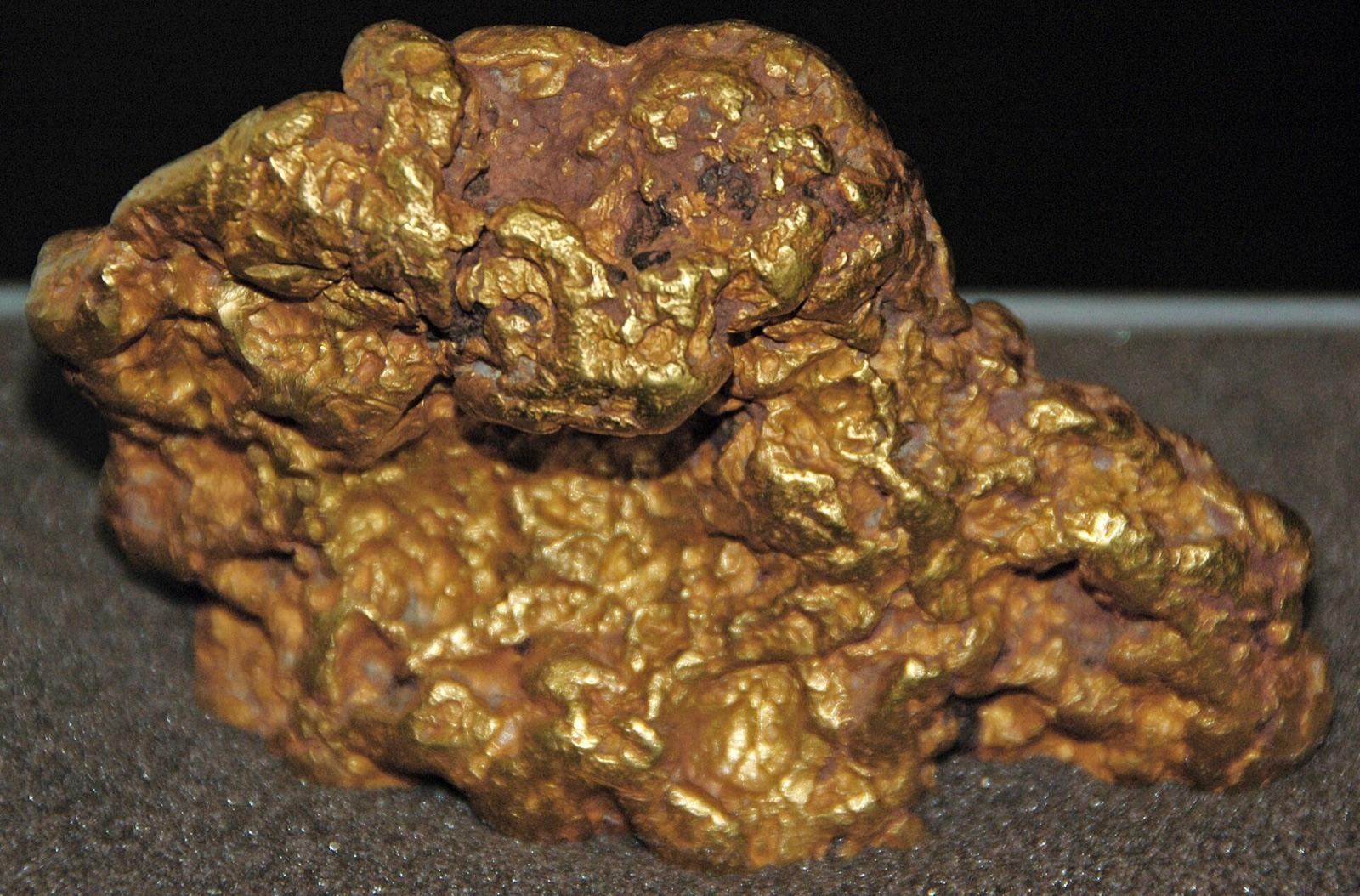
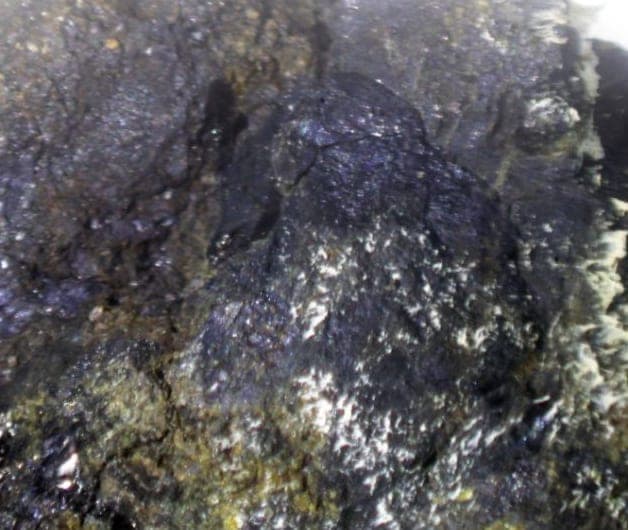
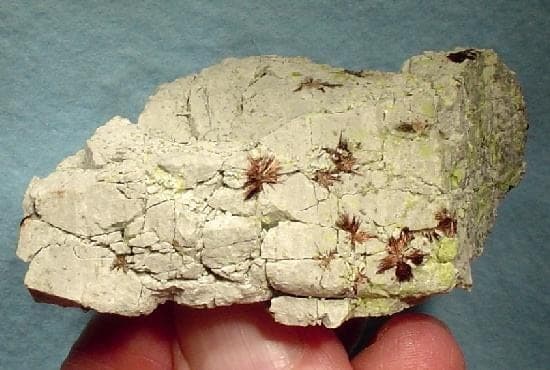
All properties
- Chemical formula
- KV₂(Si₃Al)O₁₀(OH)₂
- Mohs hardness
- 2.5
- Density
- 2.92-2.94 g/cm³
- Streak
- Greenish white
- Luster
- Pearly
- Transparency
- Transparent to translucent
- Crystal system
- Monoclinic
- Crystal habit
- Massive, micaceous, scaly
- Cleavage
- Perfect on {001}
- Rarity
- Uncommon
- Uses
- Collector, Research
- Host rock
- An early-stage gangue mineral in low-temperature epithermal Au-Ag-Te deposits; from the oxidized portions of low-temperature sedimentary U-V ores
Where rockhounds find roscoelite
Classic worldwide localities
- Stuckslager mine, Lotus, El Dorado Co., California, USA
- Spotted Horse mine, Maiden, Fergus Co., Montana, USA
- Baker, Mammoth, and North Pole mines, Baker Co., Oregon, USA
- Monument No. 2 mine, Apache Co., and Monument No. 1 and Mitten No. 2 mines, Navajo Co., Arizona, USA
- Yamato mine, Amamioshima Island, Kagoshima Prefecture, Japan
- Kalgoorlie, Western Australia and Radium Hill, Olary, South Australia
Field-hunting tip
Where it forms: An early-stage gangue mineral in low-temperature epithermal Au-Ag-Te deposits; from the oxidized portions of low-temperature sedimentary U-V ores. If you start seeing quartz, pyrite, carbonates in float, you are in the right ground. Typical habit: massive, micaceous, scaly. Train your eye for that shape before scanning the outcrop.
Common questions
How do you identify roscoelite?+
Where is roscoelite found?+
Is roscoelite safe to handle?+
What rocks look like roscoelite?+
What minerals are found with roscoelite?+
What kind of rock does roscoelite form in?+
What is roscoelite used for?+
Find roscoelite on the map
RockHoundR shows mapped rockhounding spots, access rules, and lets you log every find.