Rose quartz is a variety of quartz known for its delicate pink coloration caused by trace amounts of titanium, iron, or manganese. It is almost exclusively found in massive form within pegmatites and is a popular choice for lapidary work and carvings due to its durability and color.
Spotting rose quartz in the field
Field marks- 1
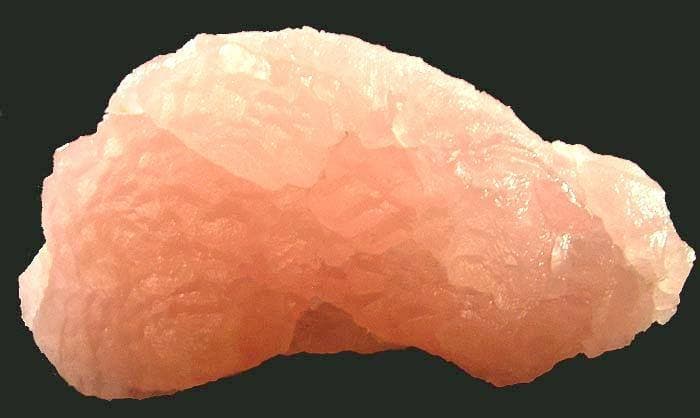
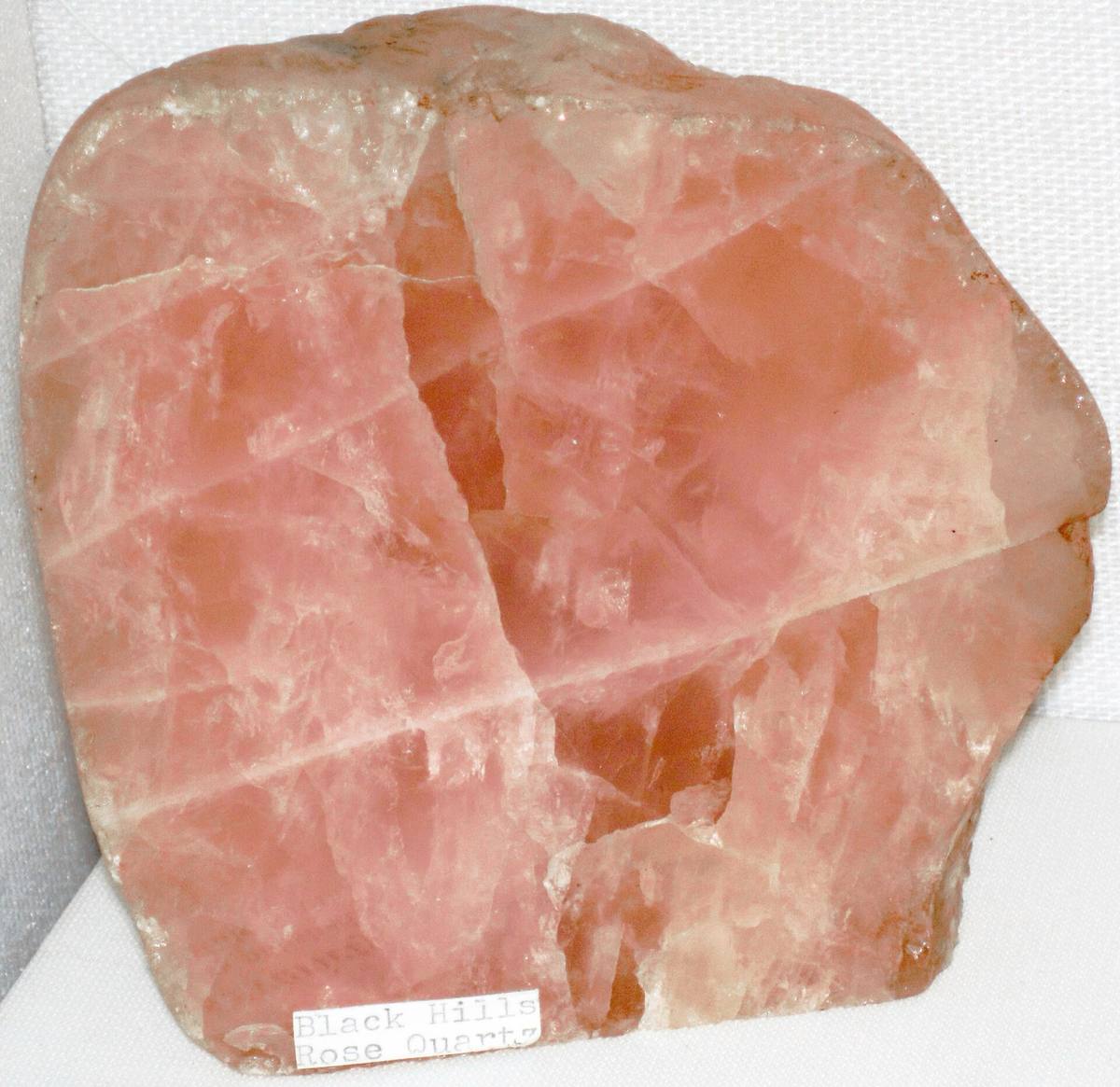
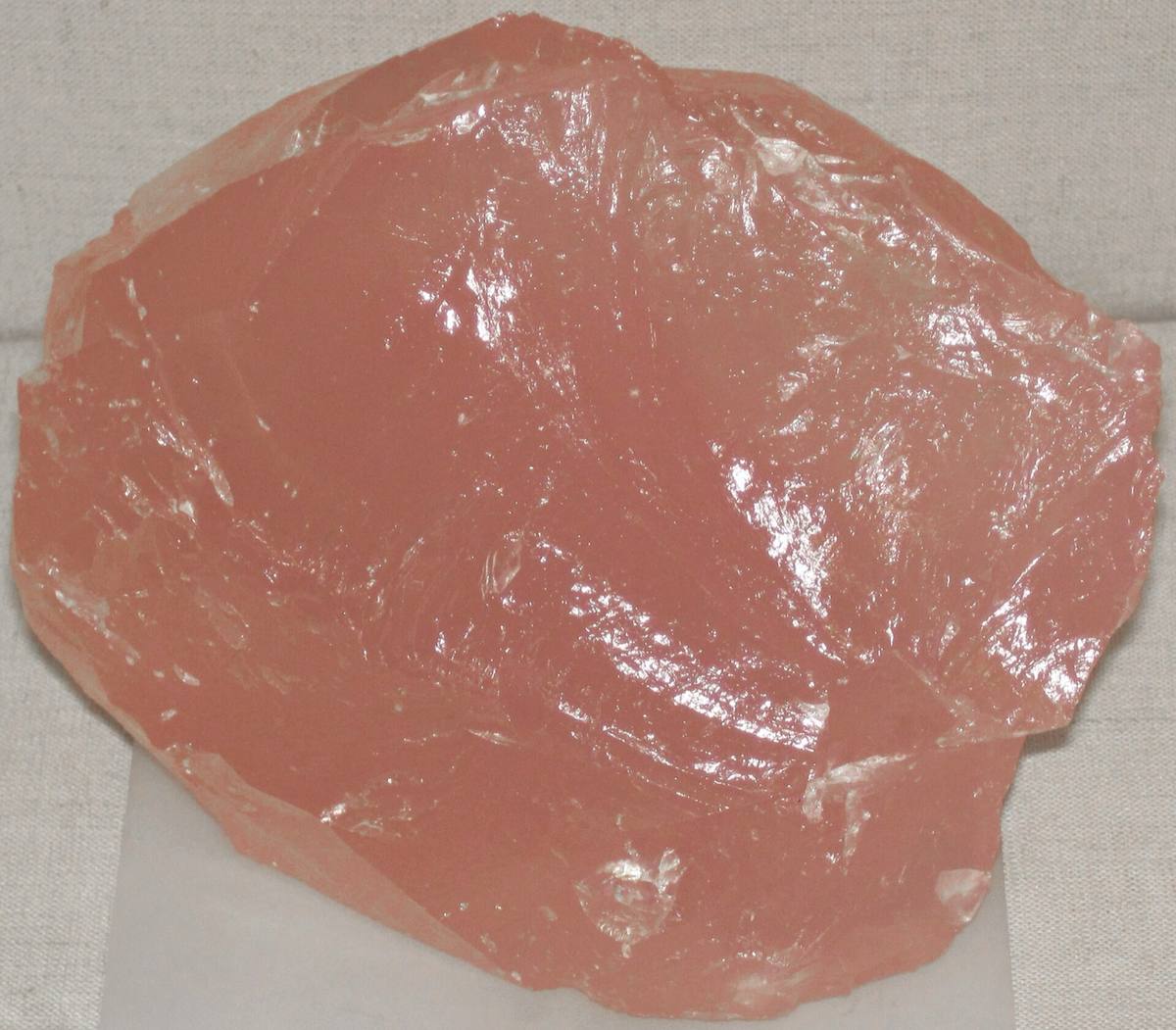
Soft pink, almost always massive and cloudy rather than in distinct crystals
- 2
Translucent with a milky haze, not glass-clear
- 3
Occurs in pegmatite cores, often as large lumps rather than pockets
Rose quartz is a pegmatite material and it almost never forms good crystals, which is worth knowing because well-formed pink quartz crystals are a genuinely rare and different thing. What you look for is massive pink material in the core zone of a pegmatite, often in blocks large enough to need two hands. The Black Hills of South Dakota are the classic American ground. Color fades in sunlight, sometimes noticeably within a year on a windowsill.
Straight answers
- Is it worth cutting?
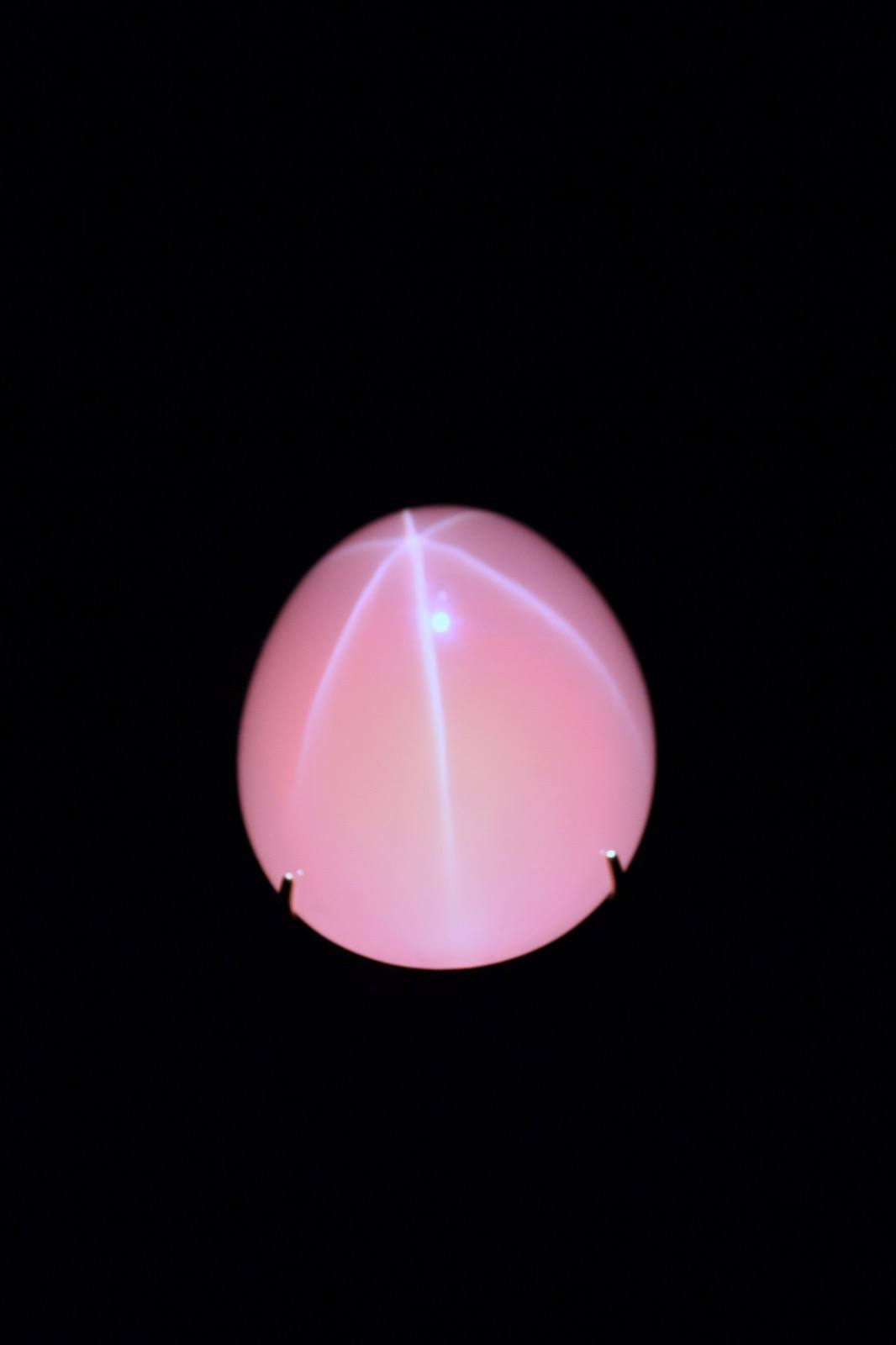
- Tumbles and cabs well but is often full of internal fractures, so a piece that looks solid can fall apart on the saw. Some material shows a star when cut as a high dome and lit from a single point.
- What is it really worth?
- Inexpensive and widely available. Deep even color without excessive fracturing is the part worth paying for.
- Can you legally keep it?
- Black Hills pegmatites include both open national forest ground and private claims. Check status before digging.
Where it is worth going
- Custer and the Black HillsCuster County, South Dakota
Historic pegmatite district. Rose quartz is the state mineral of South Dakota.
Often confused with
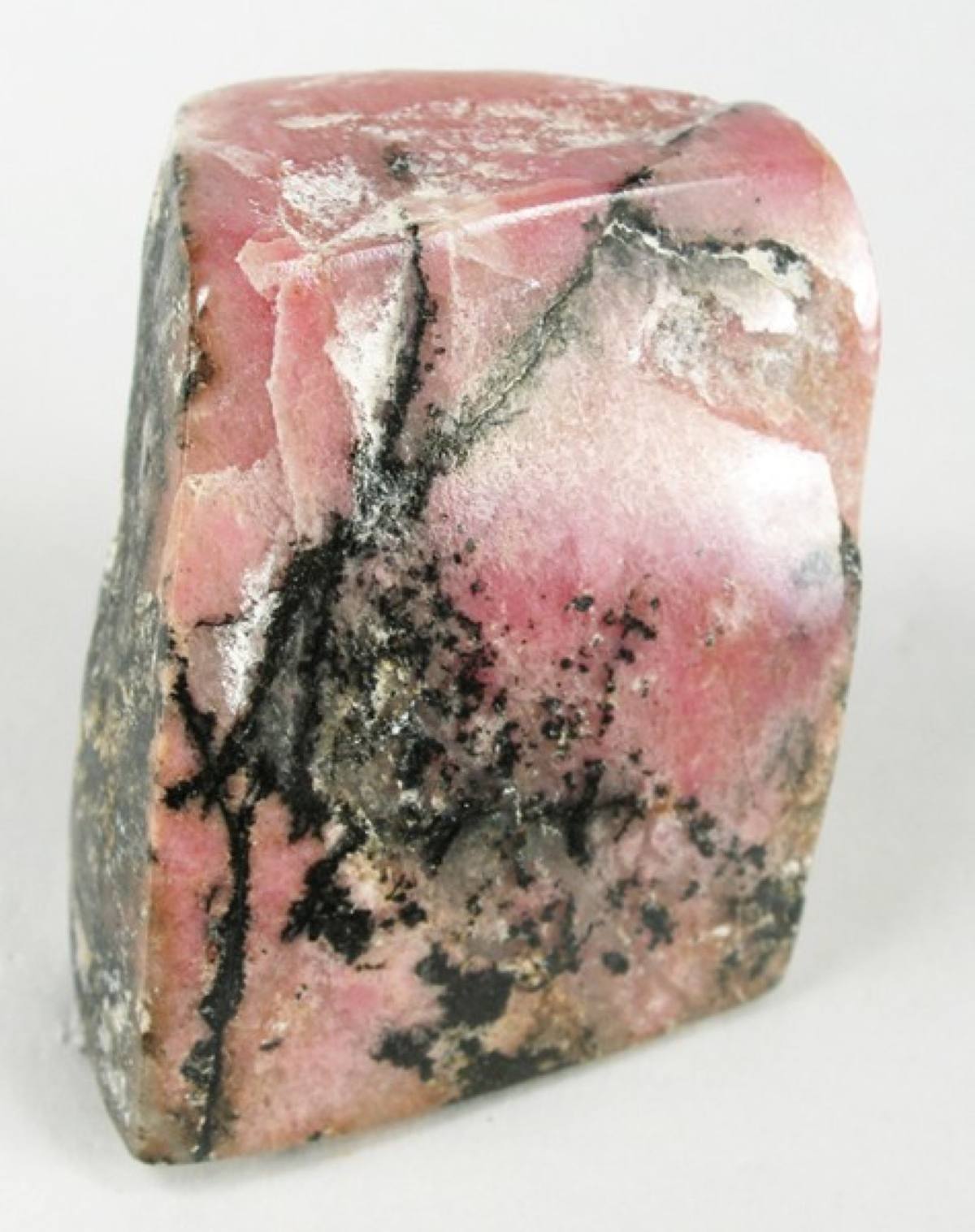
Rose Quartz vs. its common look-alikes, and how to tell them apart in the field.
Often found alongside rose quartz
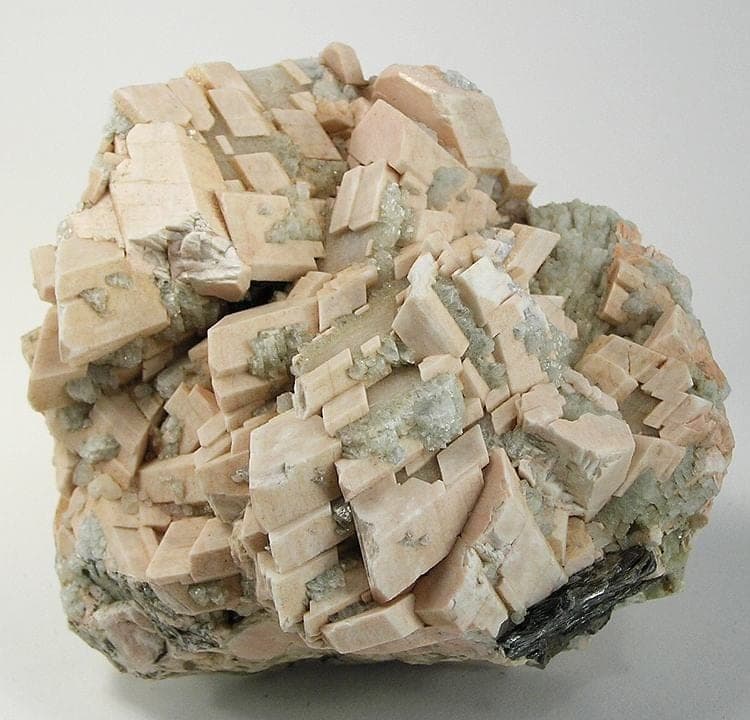
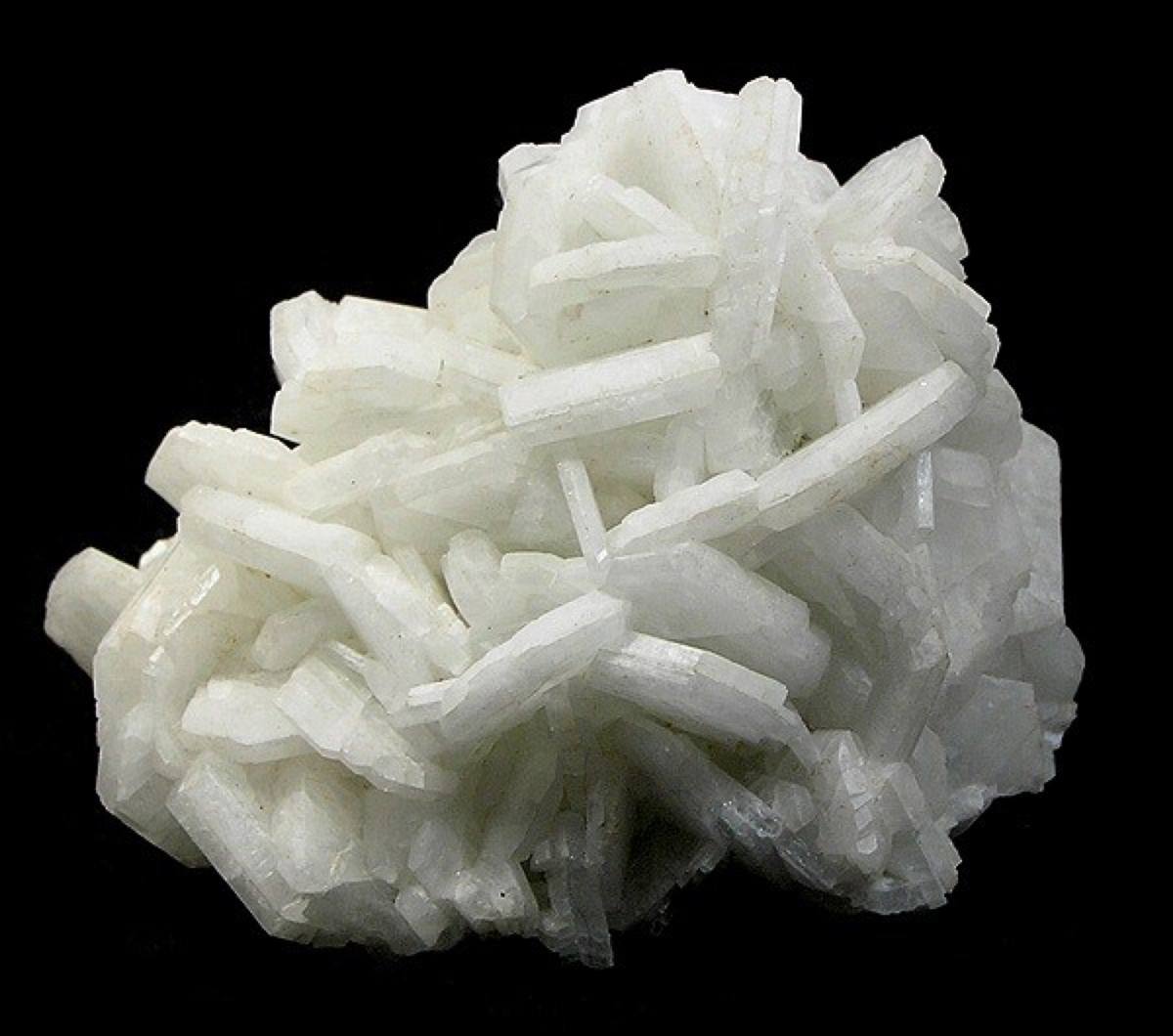
Minerals reported to co-occur with rose quartz. Spotting these in float or country rock is a strong cue you are in the right ground.
All properties
- Chemical formula
- SiO₂
- Mohs hardness
- 7
- Density
- 2.65 g/cm³
- Streak
- White
- Luster
- Vitreous
- Transparency
- Translucent
- Crystal system
- Trigonal
- Crystal habit
- Massive
- Cleavage
- None
- Rarity
- Common
- Uses
- Gemstone, Lapidary, Collector, Decorative
- Host rock
- pegmatites
Where rockhounds find rose quartz
30 mapped spotsClassic worldwide localities
- Brazil
- Madagascar
- South Dakota, USA
- India
- Sri Lanka
U.S. states with rose quartz
Each link opens a state-specific list of mapped rockhounding spots that produce rose quartz.
Field-hunting tip
Where it forms: pegmatites. If you start seeing microcline, albite, muscovite in float, you are in the right ground. Typical habit: massive. Train your eye for that shape before scanning the outcrop. In the U.S., the densest reported localities are in Connecticut, New Hampshire, Georgia. Start trip planning there.
More rose quartz photos
Common questions
How do you identify rose quartz?+
Where is rose quartz found?+
Can I find rose quartz in the United States?+
What rocks look like rose quartz?+
What minerals are found with rose quartz?+
What kind of rock does rose quartz form in?+
What is rose quartz used for?+
Find rose quartz on the map
RockHoundR shows mapped rockhounding spots, access rules, and lets you log every find.