Sard is a translucent, brownish-red variety of chalcedony that is generally darker and more opaque than carnelian. It is often carved into cameos or used in intaglios due to its toughness and uniform color distribution. It is typically found in sedimentary environments or as fillings in cavities within volcanic rocks.
Spotting sard in the field
Field marks- 1
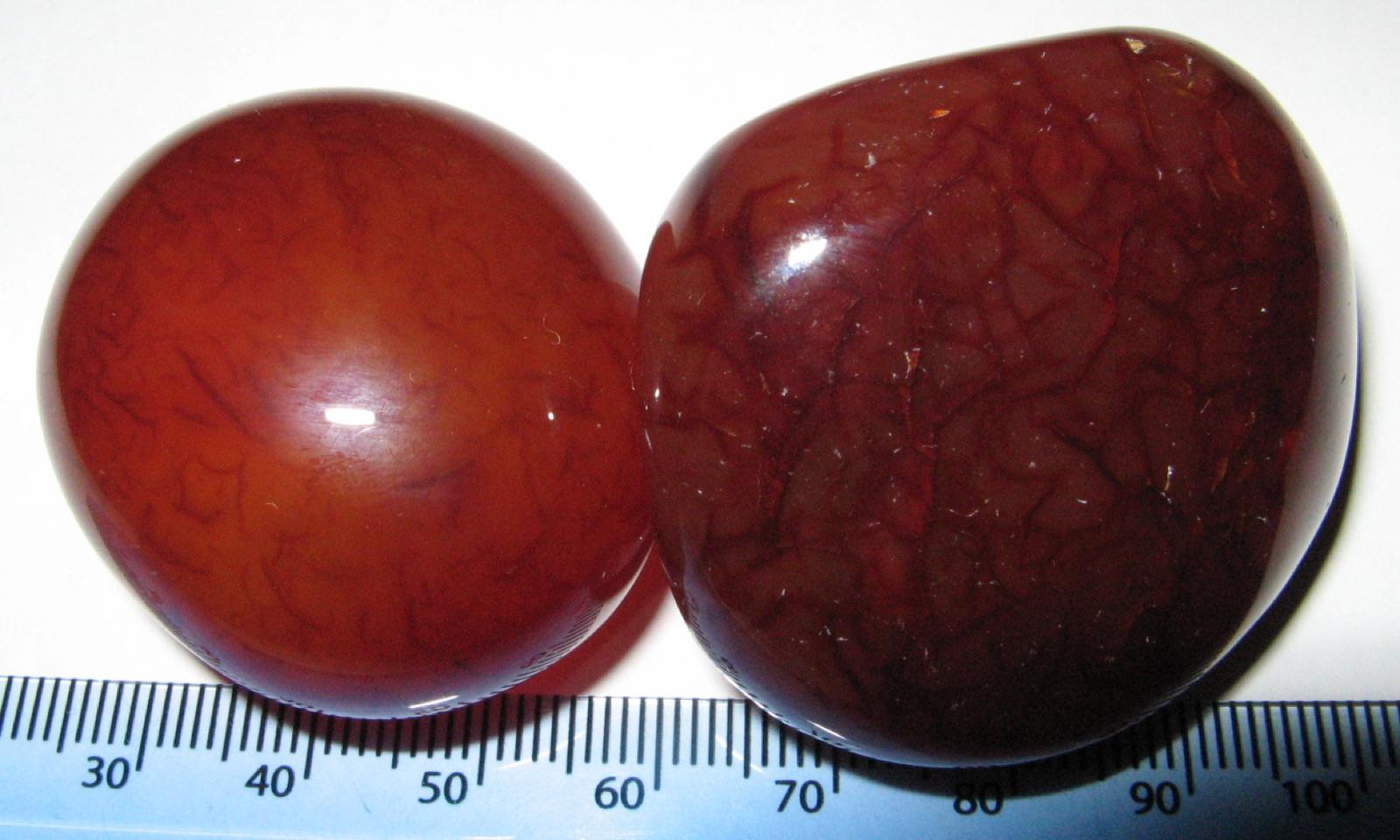
Even brown to reddish brown, translucent, unbanded
- 2
Warmer and darker than carnelian, without going opaque
- 3
Waxy luster, conchoidal fracture
Sard sits on a continuum with carnelian and the boundary is not sharp. In practice, hold the stone to the light: if the transmitted color is orange it is carnelian, if it is brown it is sard. When sard alternates with white in straight parallel layers, the result is sardonyx, which has been carved into cameos for two thousand years.
Straight answers
- Is it worth cutting?
- Behaves exactly like carnelian on the wheel and in the tumbler.
- What is it really worth?
- Inexpensive. Sardonyx with clean, straight banding is worth more than plain sard because it can be carved in layers.
- Can you legally keep it?
- Ordinary personal-use collecting rules apply.
Often confused with
Sard vs. its common look-alikes, and how to tell them apart in the field.
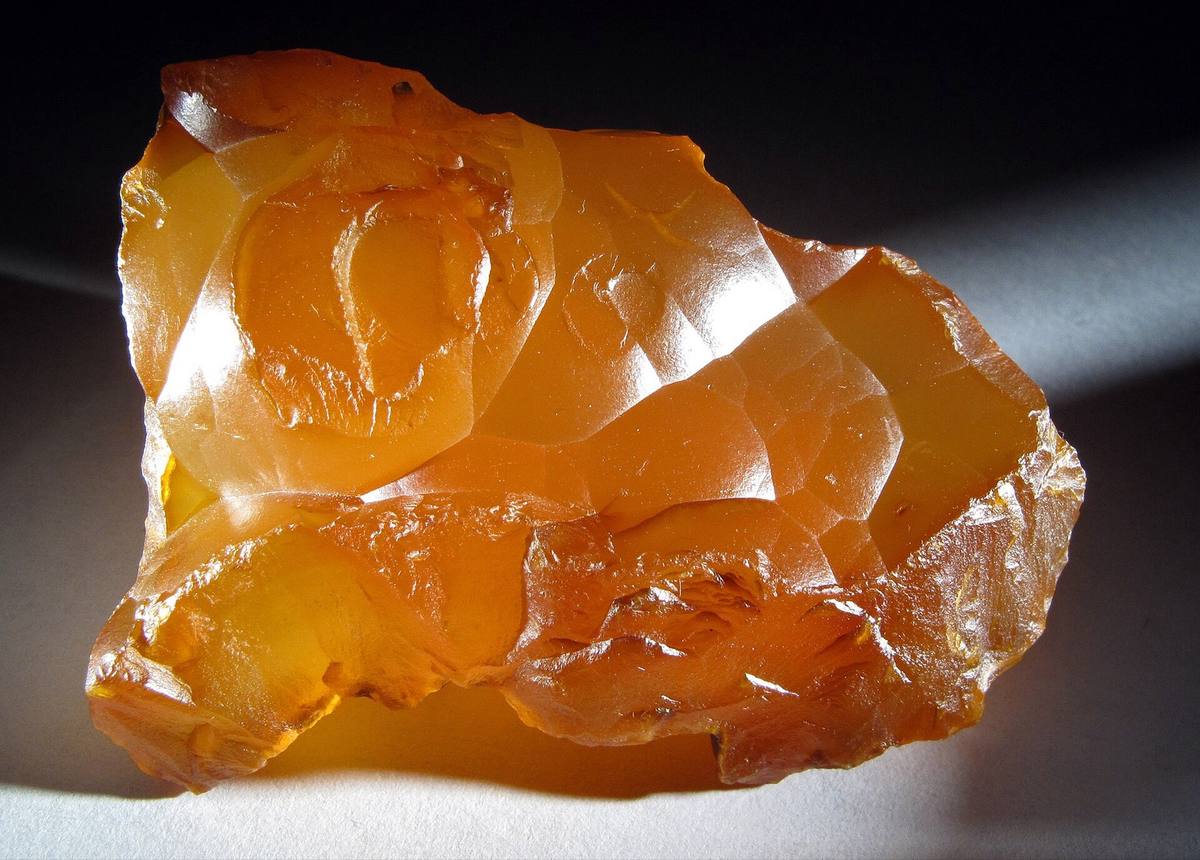
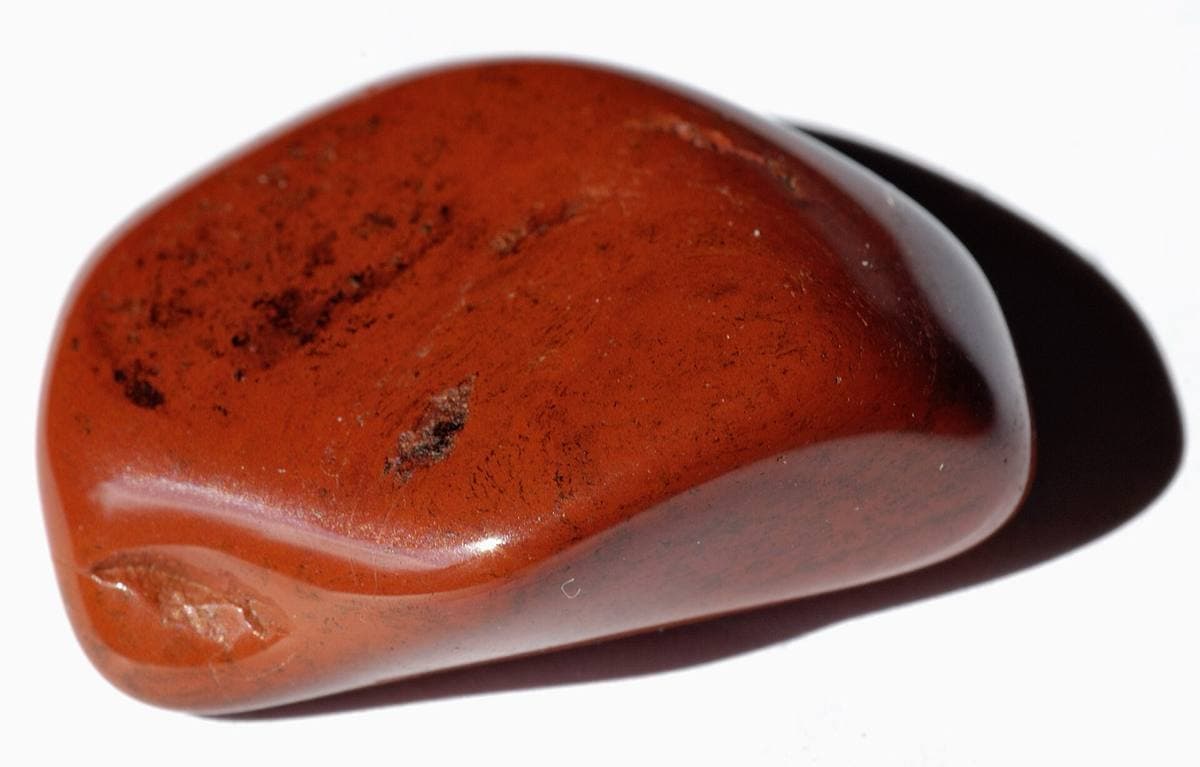
Often found alongside sard
Minerals reported to co-occur with sard. Spotting these in float or country rock is a strong cue you are in the right ground.
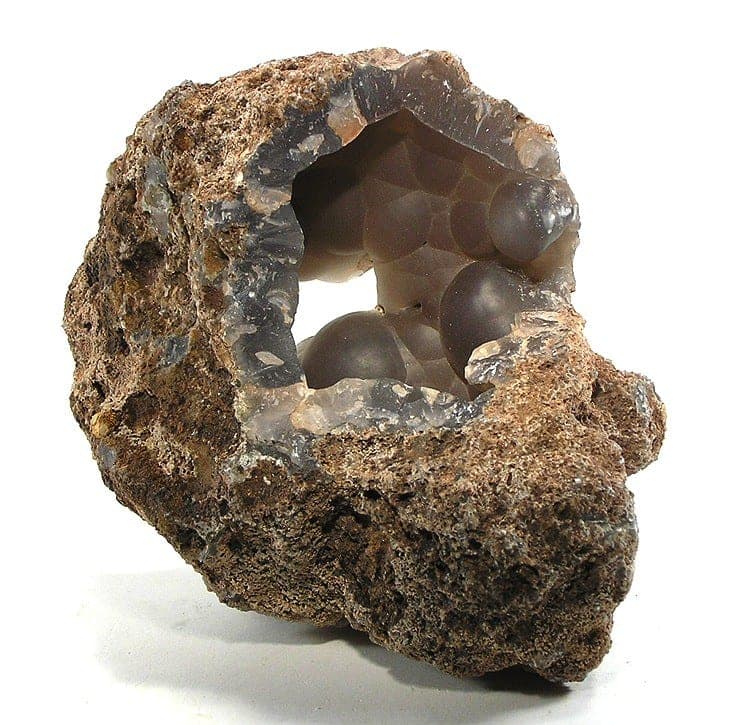
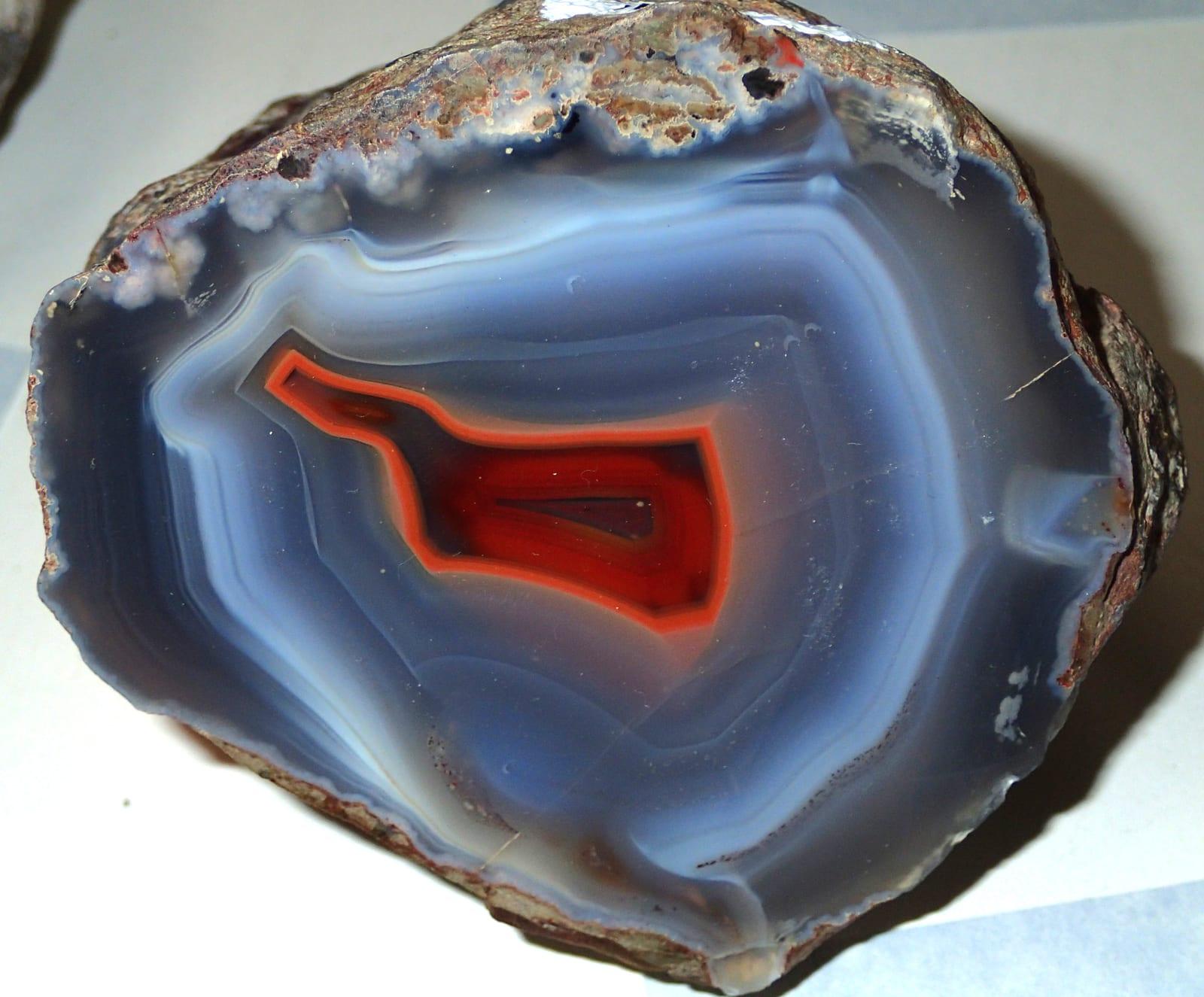
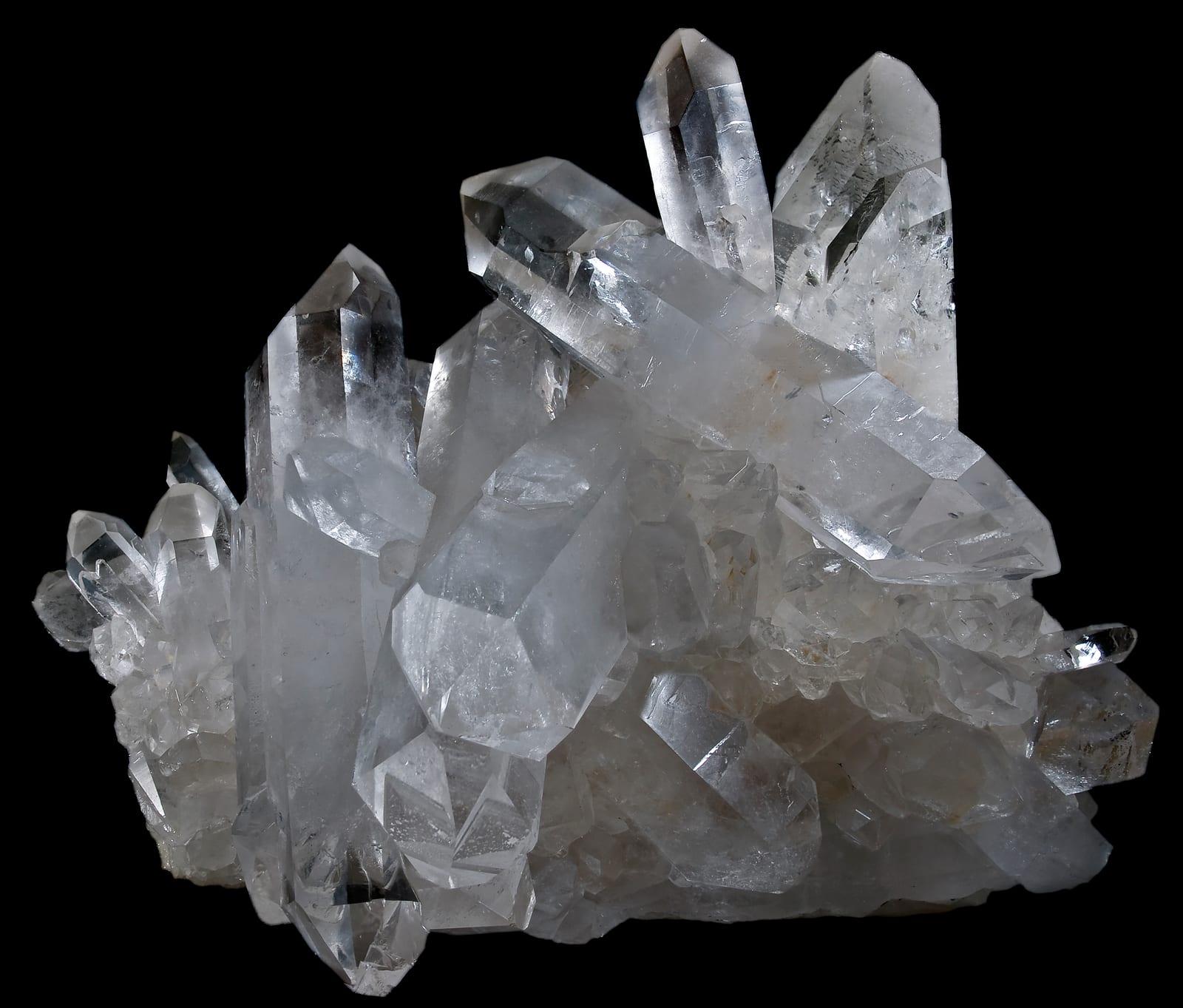
All properties
- Chemical formula
- SiO₂
- Mohs hardness
- 6.5-7
- Density
- 2.6-2.65 g/cm³
- Streak
- White
- Luster
- Waxy
- Transparency
- Translucent
- Crystal system
- Trigonal
- Crystal habit
- Massive
- Cleavage
- None
- Rarity
- Common
- Uses
- Gemstone, Lapidary, Ornamental
- Host rock
- hydrothermal veins and cavities
Where rockhounds find sard
1 mapped spotsClassic worldwide localities
- India
- Brazil
- Germany
- Uruguay
- Madagascar
Field-hunting tip
Where it forms: hydrothermal veins and cavities. If you start seeing chalcedony, agate, quartz in float, you are in the right ground. Typical habit: massive. Train your eye for that shape before scanning the outcrop. In the U.S., the densest reported localities are in New Jersey. Start trip planning there.
More sard photos
Common questions
How do you identify sard?+
Where is sard found?+
Can I find sard in the United States?+
What rocks look like sard?+
What minerals are found with sard?+
What kind of rock does sard form in?+
What is sard used for?+
Find sard on the map
RockHoundR shows mapped rockhounding spots, access rules, and lets you log every find.