Carnelian is a translucent, reddish-orange variety of chalcedony that has been used in jewelry for thousands of years. It is typically found in volcanic cavities or as rounded nodules in gravel beds, prized by collectors for its warm, vibrant color and smooth, waxy luster.
Spotting carnelian in the field
Field marks- 1
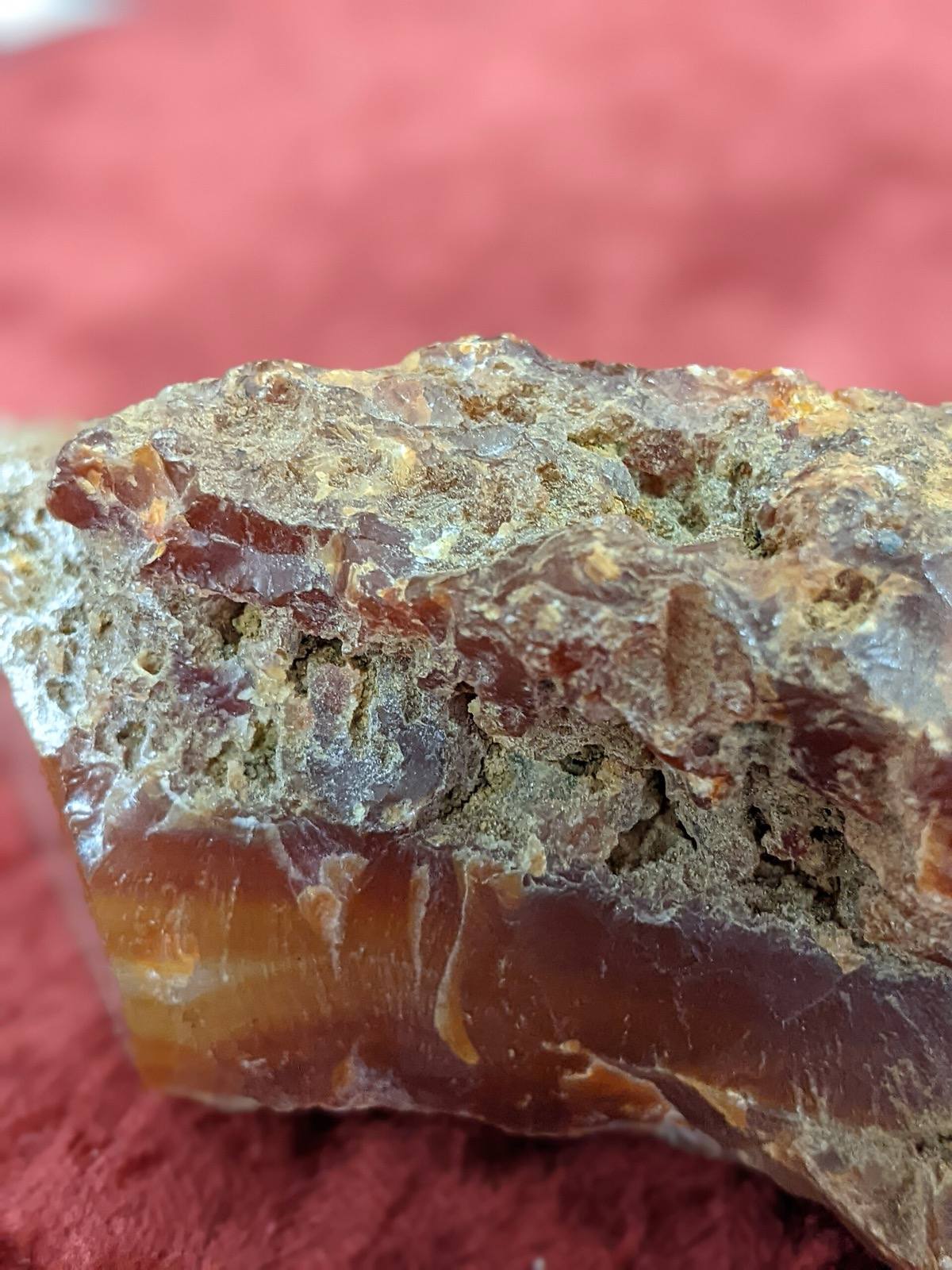
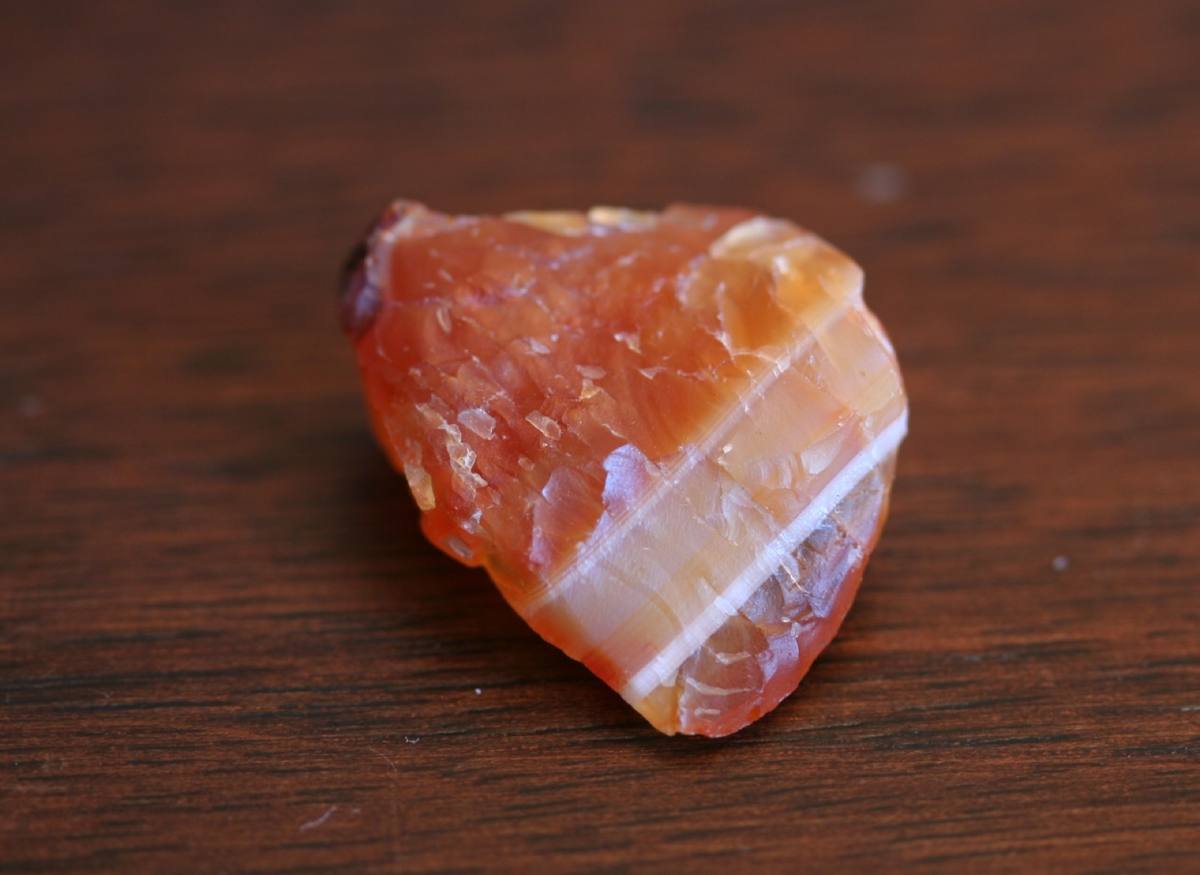
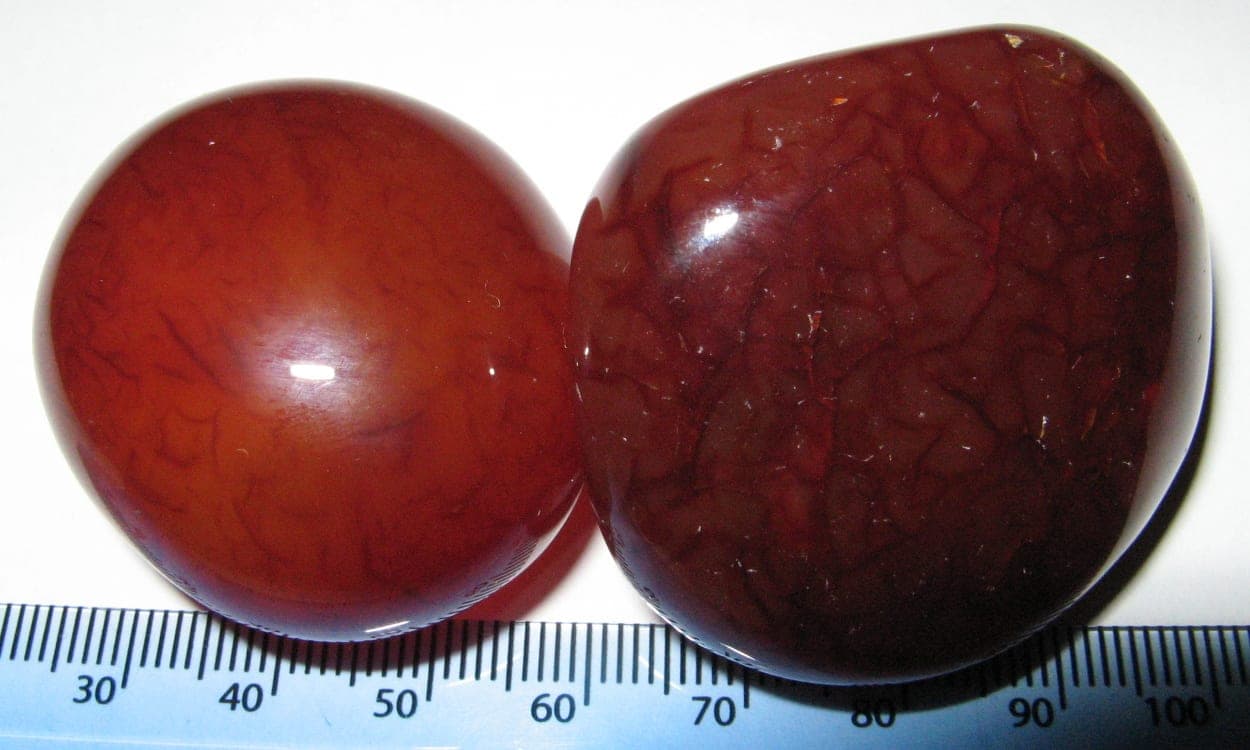
Even orange to blood red, translucent, with no banding
- 2
Glows a strong warm orange when backlit against the sun
- 3
Waxy luster and smooth conchoidal fracture
Carnelian is the beginner's reward: it is one of the very few things you can identify at a distance and be right about. Beach and desert-pavement hunting both work, and the technique is the same in each, which is to keep the sun in front of you rather than behind so translucent stones light up. It occurs widely, including Oregon and Washington beaches, the desert Southwest, and gravel across the Midwest that the glaciers moved.
Straight answers
- Is it worth cutting?
- Forgiving, popular and stable at hardness 7. A staple first tumbling stone.
- What is it really worth?
- Inexpensive. Note that a large share of commercial carnelian is heat-treated agate or dyed chalcedony, especially the very even, very saturated beads.
- Can you legally keep it?
- Ordinary personal-use collecting rules apply. Widely available on public land in the West.
Often confused with
Carnelian vs. its common look-alikes, and how to tell them apart in the field.
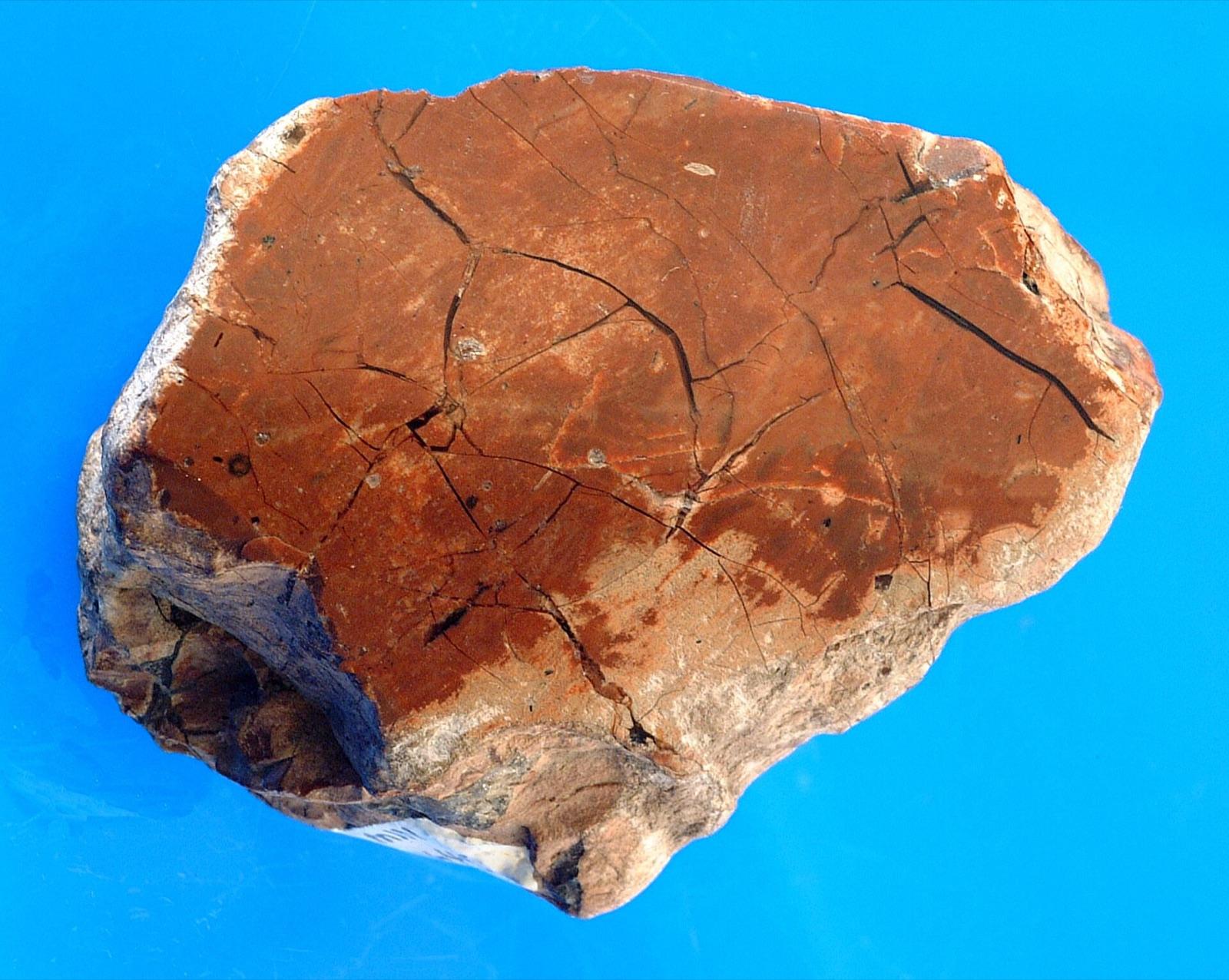
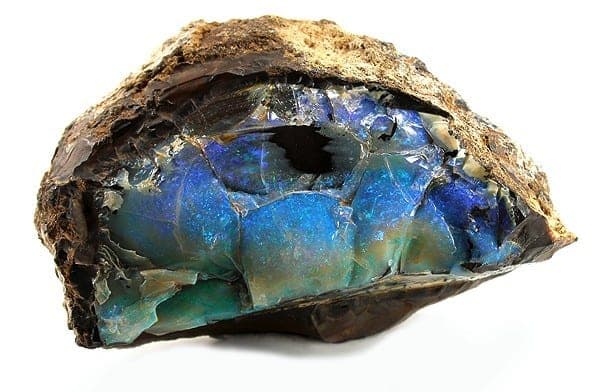
How to tell apart: Sard is the same mineral in browner tones. The line between them is a judgment call, and dealers use whichever name sells better.
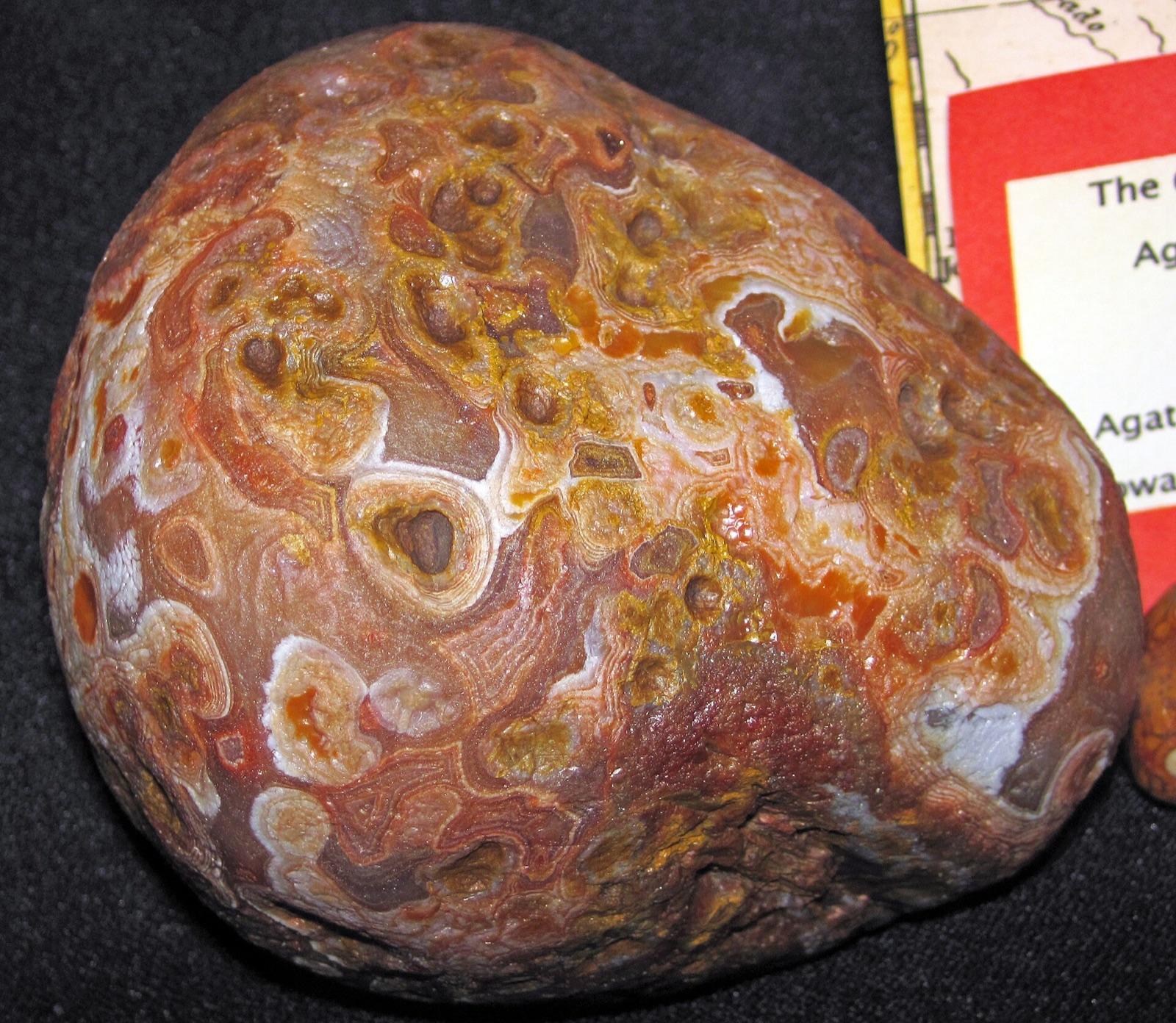
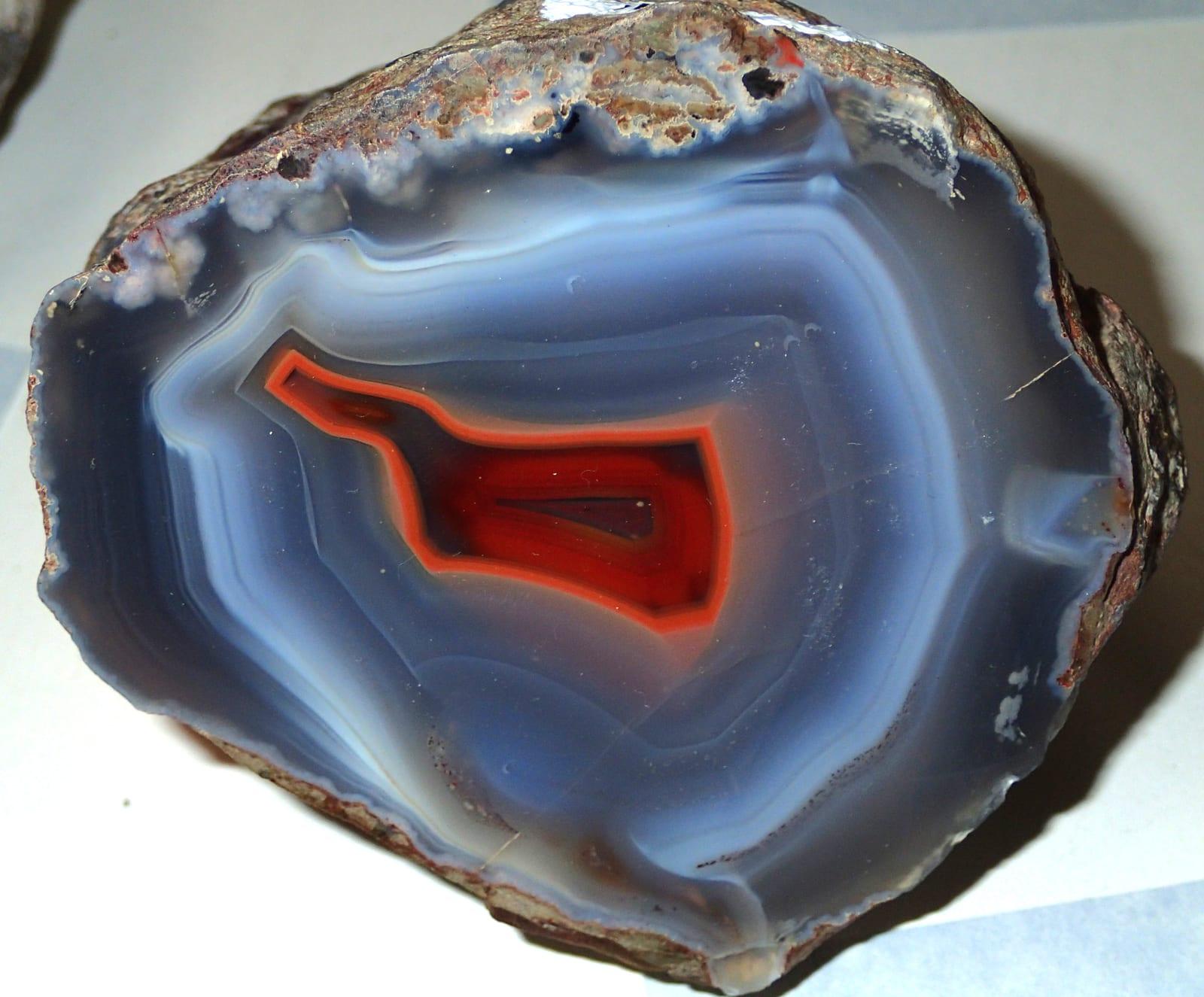
How to tell apart: Where both occur, look for banding. Carnelian is uniformly colored; the agate is banded even if you need a chipped face to see it.
Often found alongside carnelian
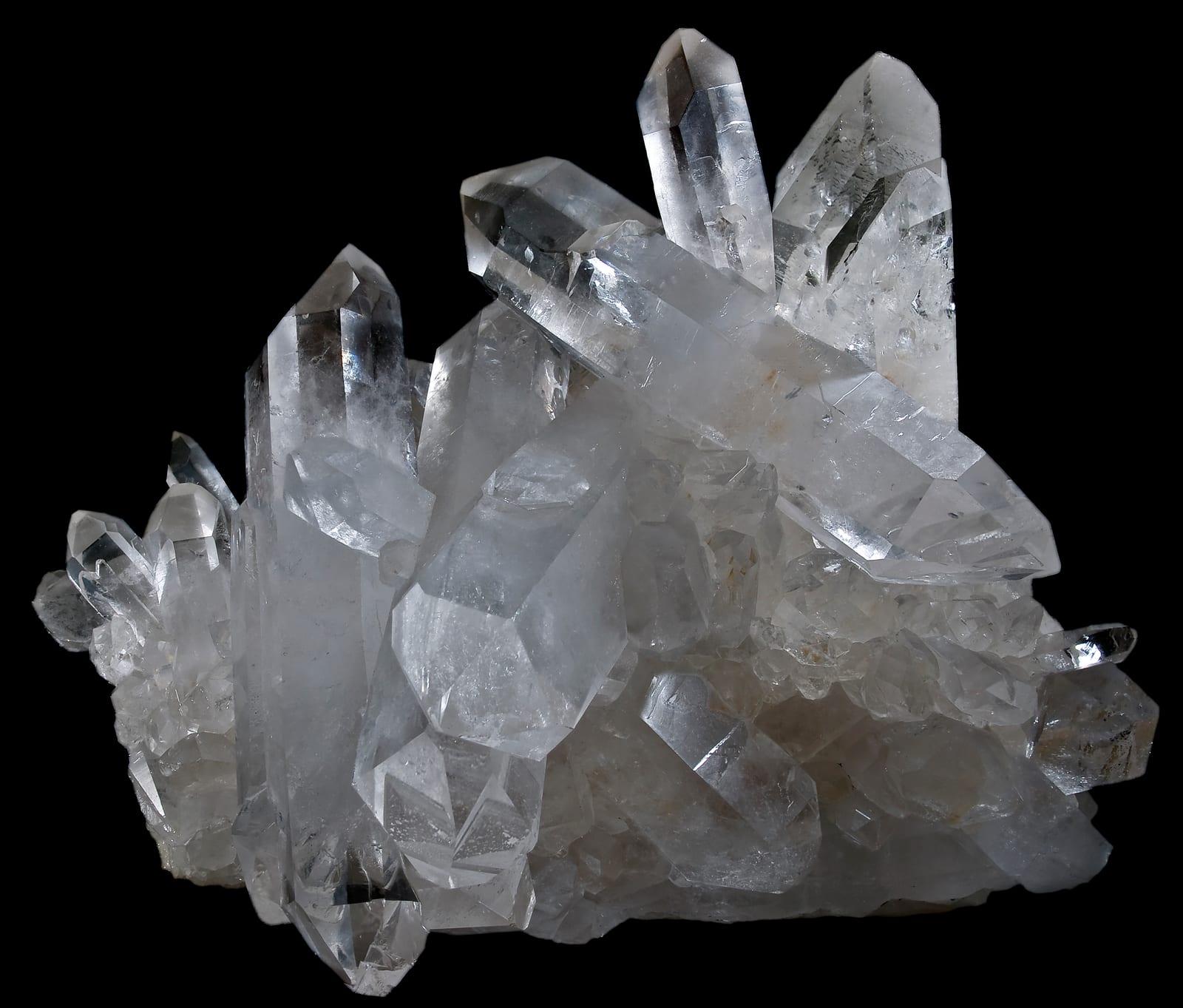
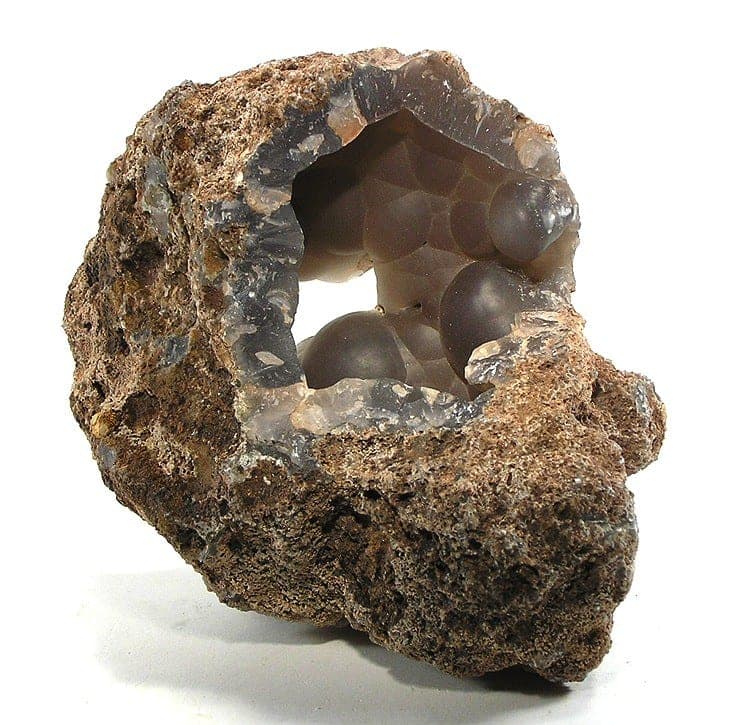
Minerals reported to co-occur with carnelian. Spotting these in float or country rock is a strong cue you are in the right ground.
All properties
- Chemical formula
- SiO₂
- Mohs hardness
- 6.5-7
- Density
- 2.58-2.64 g/cm³
- Streak
- White
- Luster
- Vitreous to waxy
- Transparency
- Translucent
- Crystal system
- Trigonal
- Crystal habit
- Massive, nodules, botryoidal
- Cleavage
- None
- Rarity
- Common
- Uses
- Gemstone, Lapidary, Ornamental
- Host rock
- volcanic cavities, hydrothermal veins
Where rockhounds find carnelian
53 mapped spotsClassic worldwide localities
- India
- Brazil
- Uruguay
- Egypt
- USA
U.S. states with carnelian
Each link opens a state-specific list of mapped rockhounding spots that produce carnelian.
Field-hunting tip
Where it forms: volcanic cavities, hydrothermal veins. If you start seeing quartz, chalcedony, agate in float, you are in the right ground. Typical habit: massive, nodules, botryoidal. Train your eye for that shape before scanning the outcrop. In the U.S., the densest reported localities are in Oregon, Washington, North Carolina. Start trip planning there.
More carnelian photos
Common questions
How do you identify carnelian?+
Where is carnelian found?+
Can I find carnelian in the United States?+
What rocks look like carnelian?+
What minerals are found with carnelian?+
What kind of rock does carnelian form in?+
What is carnelian used for?+
Find carnelian on the map
RockHoundR shows mapped rockhounding spots, access rules, and lets you log every find.