Selenite is a crystalline variety of gypsum characterized by its soft, pearly luster and perfect cleavage into thin, flexible sheets. It is famously found in massive, giant crystal structures in karst cave systems and as fibrous 'Satin Spar' in sedimentary layers.
Spotting selenite in the field
Field marks- 1
So soft a fingernail scratches it, hardness 2, which nothing else clear does
- 2
Splits into thin flexible transparent sheets along one perfect cleavage
- 3
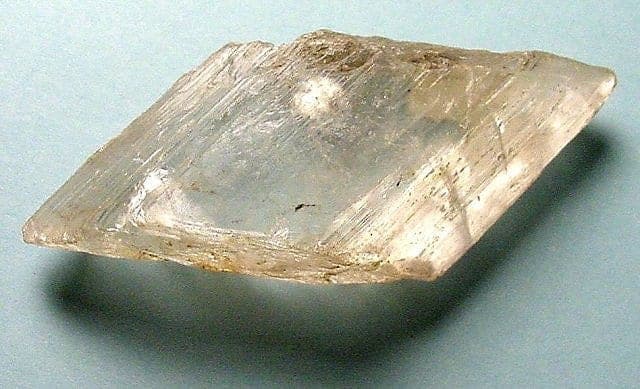
Colorless and glassy, or in the satin spar variety, fibrous and silky
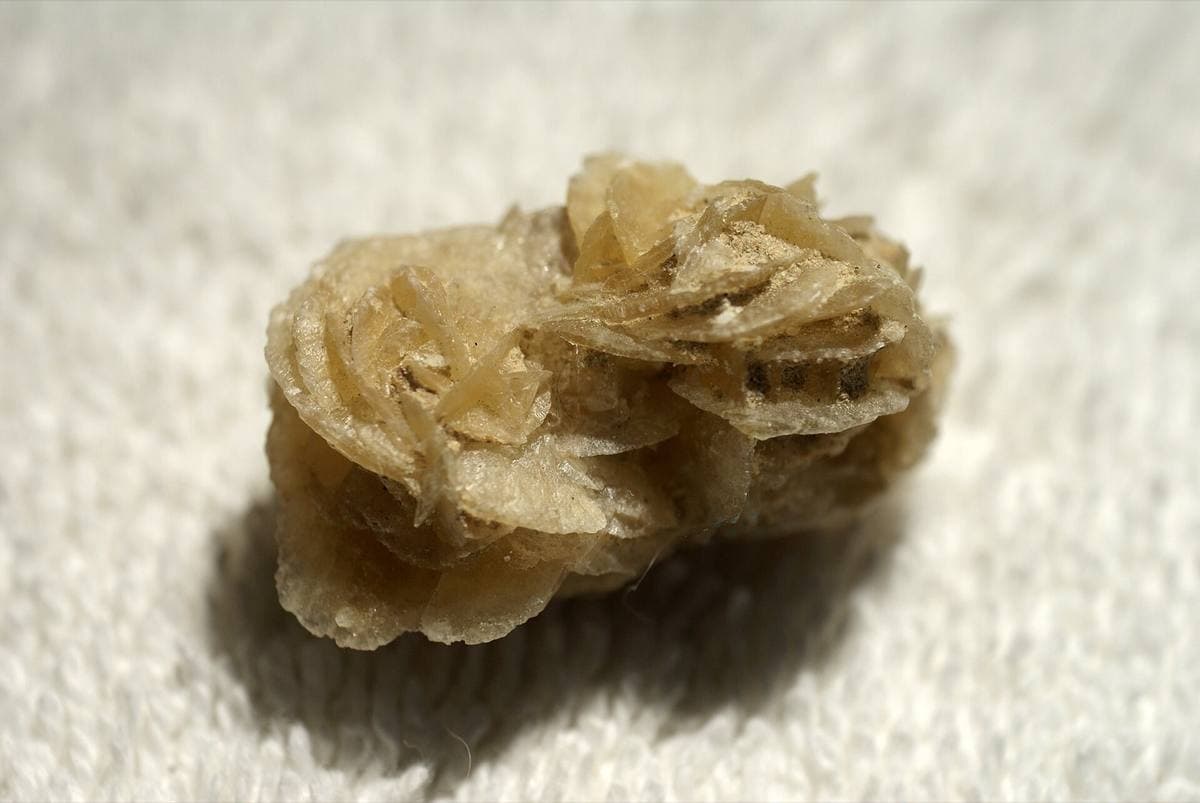
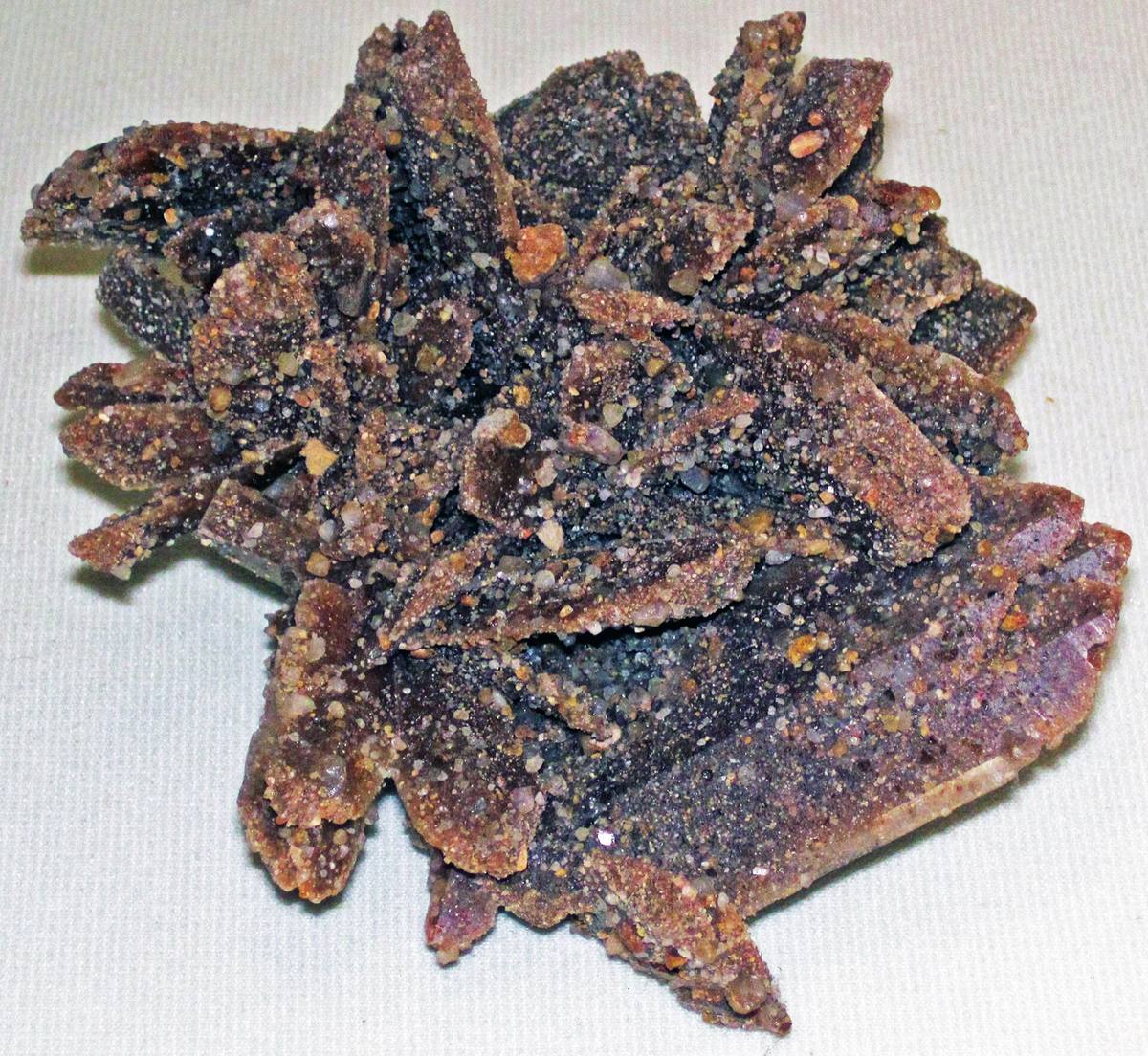
The fingernail test is definitive: nothing else that looks like clear glassy crystal is soft enough to mark with a nail. Selenite is crystalline gypsum and it forms in evaporite settings, salt flats, and desert playas. The Great Salt Plains in Oklahoma is one of the best public digging experiences in the country, producing hourglass selenite crystals with a distinctive internal sand inclusion, and the digging is genuinely easy: wet sand, a shovel, and patience. Desert rose is the rosette form, which also occurs in barite.
Straight answers
- Is it worth cutting?
- Far too soft to cut for wear. It dissolves slowly in water, so do not wash specimens or leave them damp.
- What is it really worth?
- Very low. The hourglass selenite from Oklahoma is prized as a curiosity rather than for money.
- Can you legally keep it?
- The Great Salt Plains digging area is open to the public seasonally, typically April through mid-October, with a limit on how much you may take per person per day. Check current dates and limits with the refuge, since the area is a wildlife refuge with seasonal closures.
Where it is worth going
- Great Salt PlainsAlfalfa County, Oklahoma
Public digging for hourglass selenite in a seasonal window. Dig a hole, let it fill with water, and feel for crystals.
Often confused with
Selenite vs. its common look-alikes, and how to tell them apart in the field.
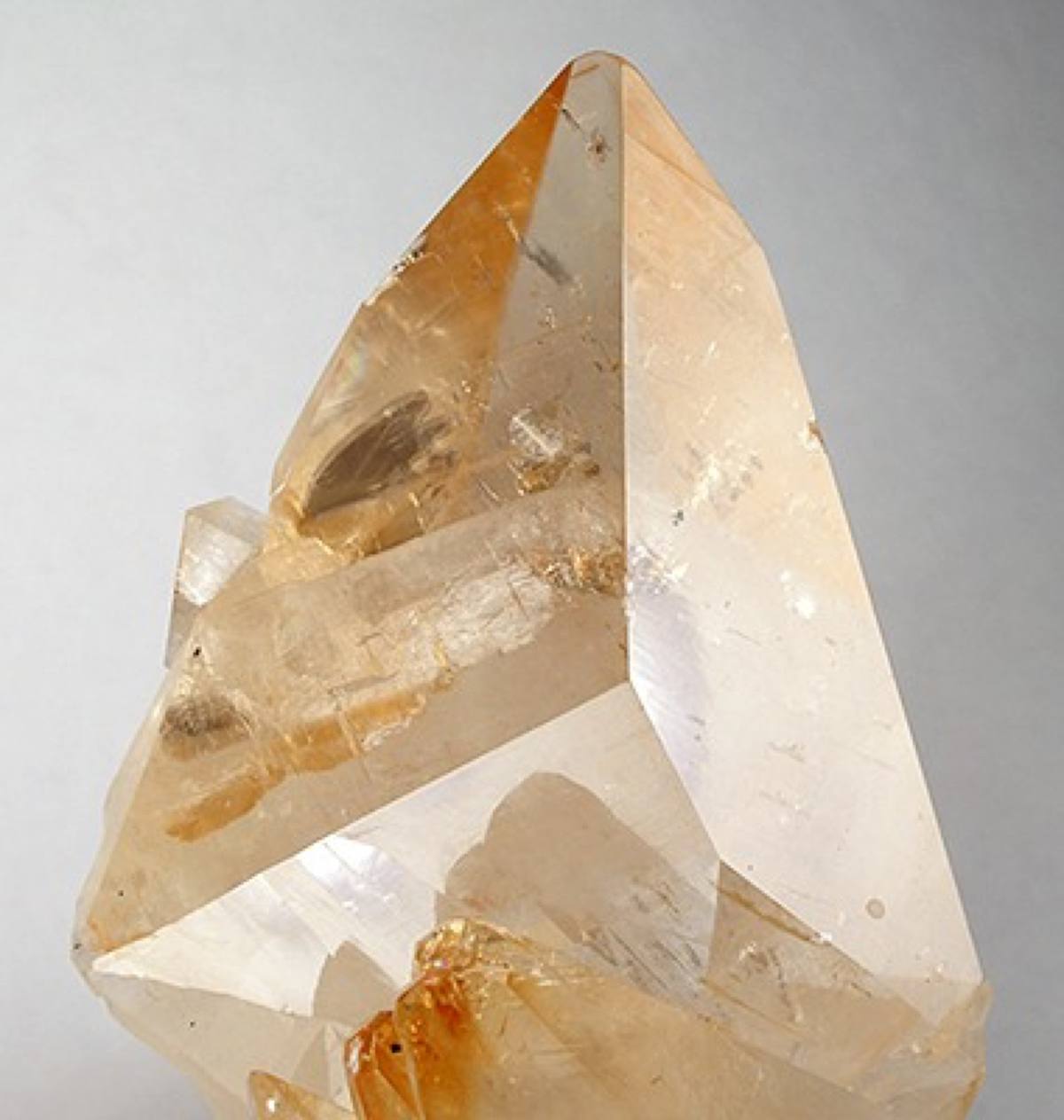
How to tell apart: Calcite is harder at 3 and fizzes in acid. Selenite is softer and does not react.
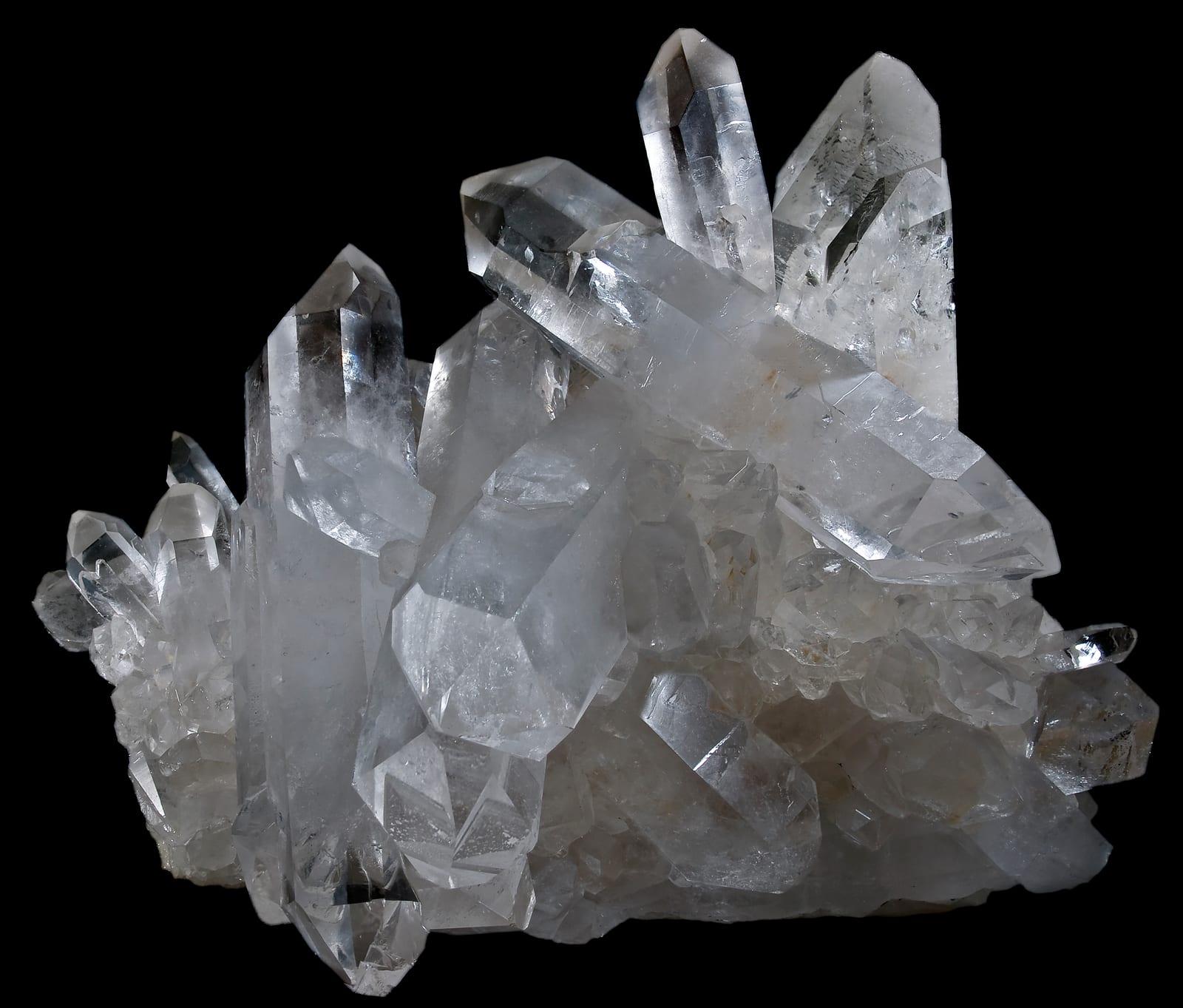
How to tell apart: No contest once you try a fingernail. Quartz is hardness 7.
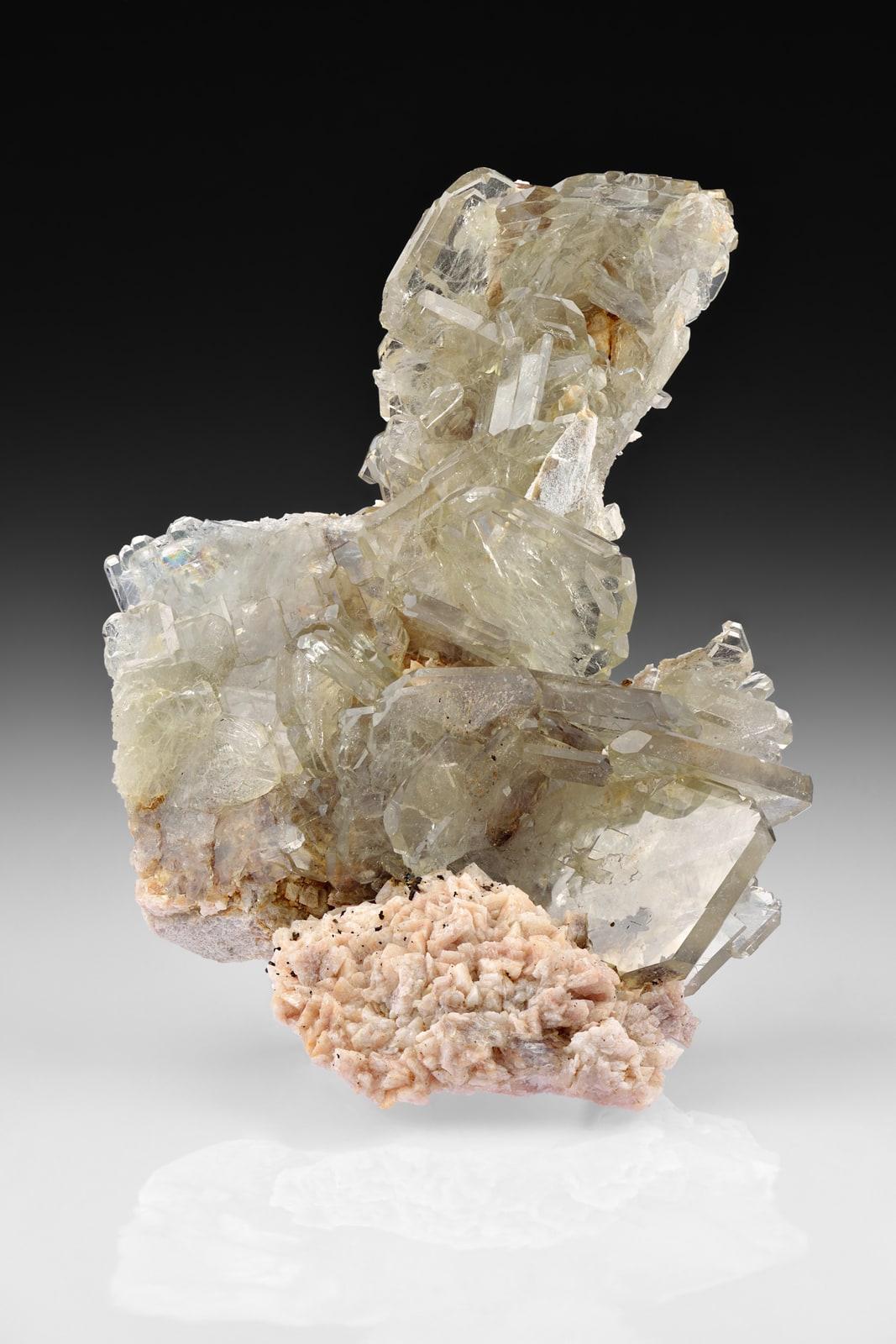
How to tell apart: Barite roses and gypsum desert roses look alike. Barite is dramatically heavier.
Often found alongside selenite
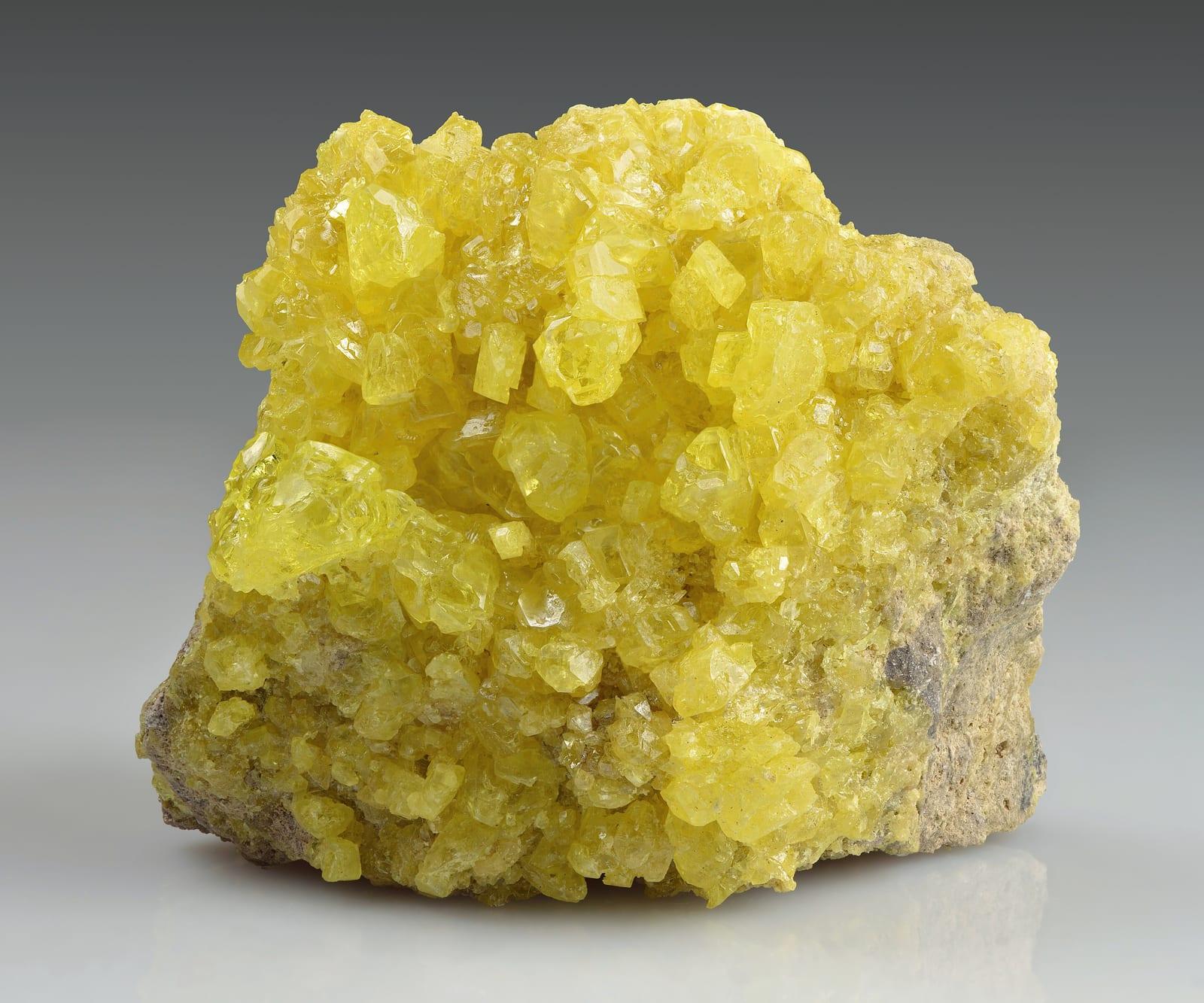
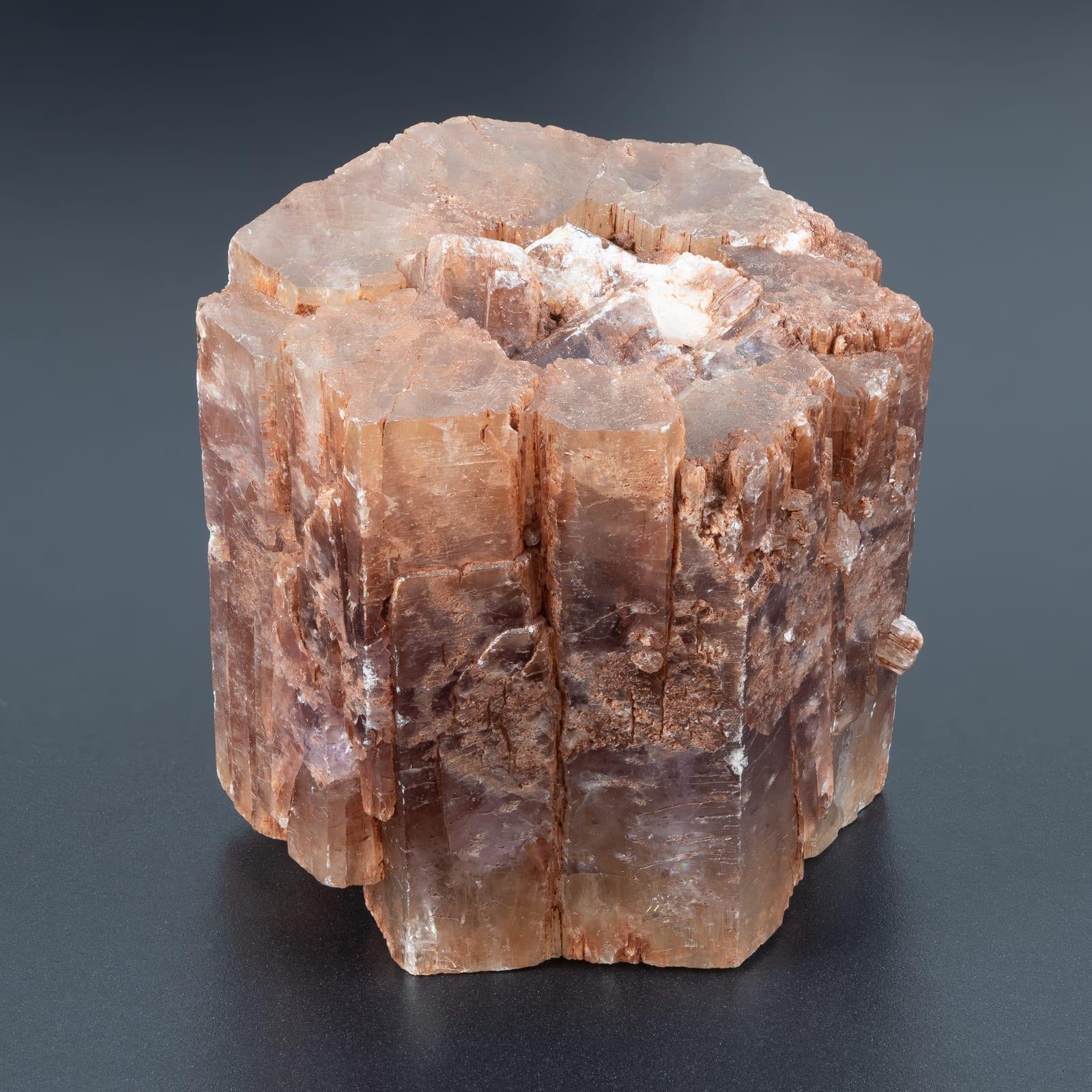
Minerals reported to co-occur with selenite. Spotting these in float or country rock is a strong cue you are in the right ground.
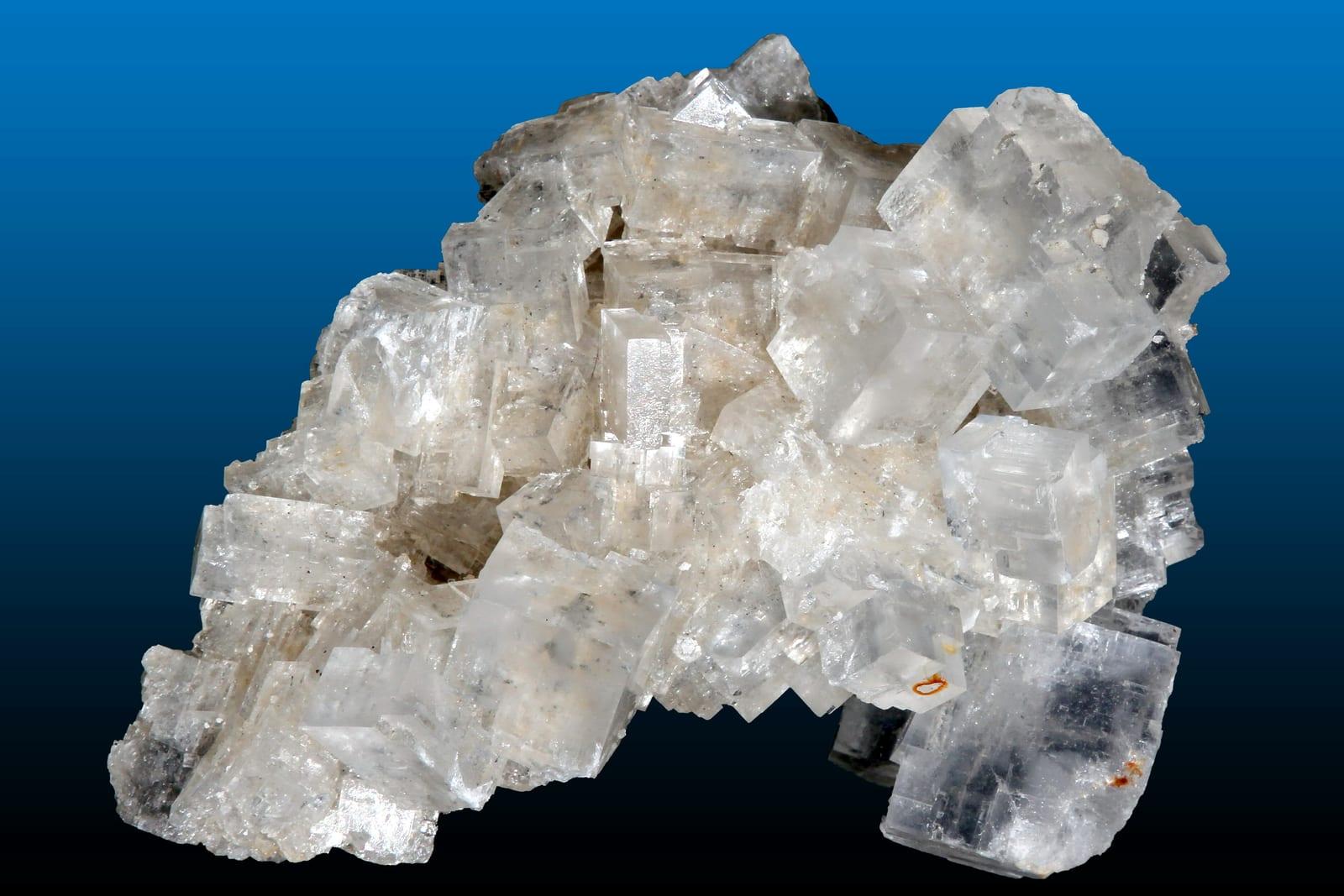
All properties
- Chemical formula
- CaSO₄·2H₂O
- Mohs hardness
- 2
- Density
- 2.3 g/cm³
- Streak
- White
- Luster
- Pearly
- Transparency
- Transparent
- Crystal system
- Monoclinic
- Crystal habit
- Bladed crystals, fibrous, tabular, selenite roses
- Cleavage
- Perfect in one direction
- Fluorescence
- Often fluoresces white or yellow under LW UV
- Rarity
- Common
- Uses
- Collector, Decorative, Lapidary
- Host rock
- sedimentary evaporite deposits, hydrothermal veins, clay beds
Where rockhounds find selenite
28 mapped spotsClassic worldwide localities
- Naica Mine, Mexico
- Morocco
- Oklahoma, USA
- Australia
- Spain
U.S. states with selenite
Each link opens a state-specific list of mapped rockhounding spots that produce selenite.
Field-hunting tip
Where it forms: sedimentary evaporite deposits, hydrothermal veins, clay beds. If you start seeing calcite, halite, sulfur in float, you are in the right ground. Typical habit: bladed crystals, fibrous, tabular, selenite roses. Train your eye for that shape before scanning the outcrop. In the U.S., the densest reported localities are in Utah, North Dakota, Oklahoma. Start trip planning there.
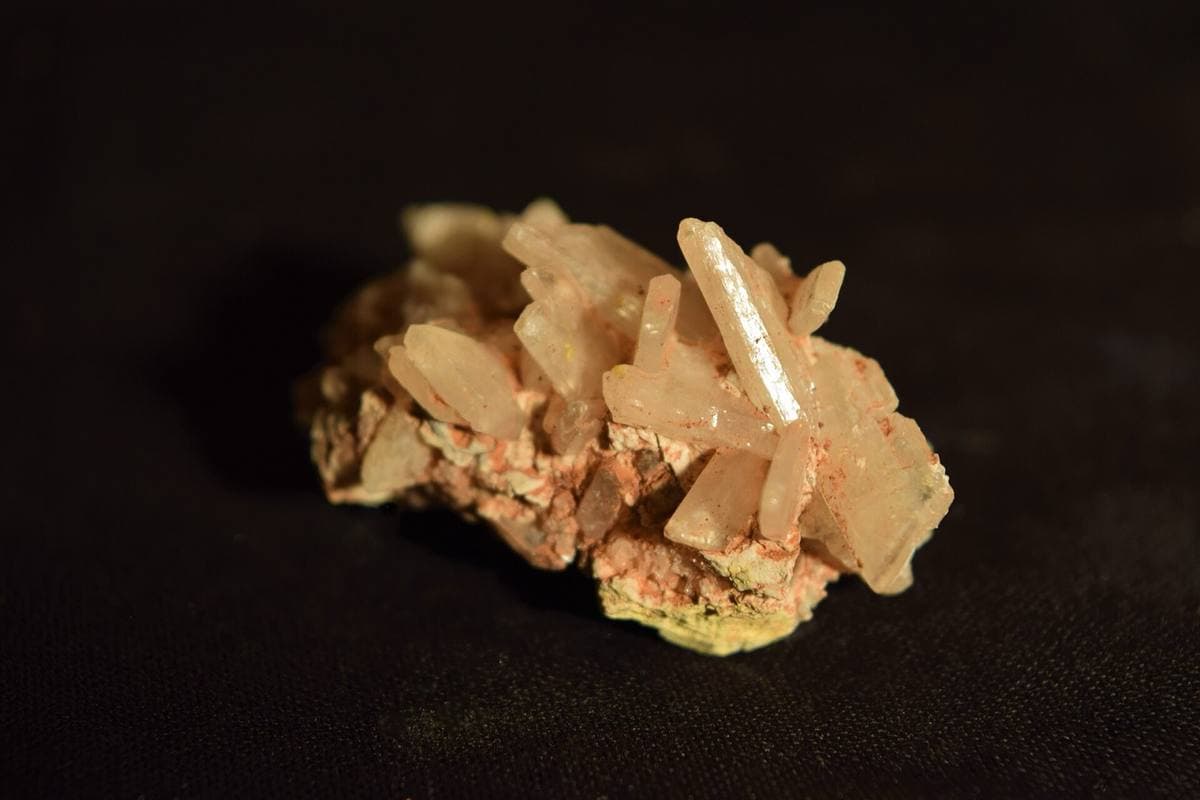
More selenite photos
Common questions
How do you identify selenite?+
Where is selenite found?+
Can I find selenite in the United States?+
What rocks look like selenite?+
What minerals are found with selenite?+
What kind of rock does selenite form in?+
What is selenite used for?+
Find selenite on the map
RockHoundR shows mapped rockhounding spots, access rules, and lets you log every find.