Silicified ferns occur when ancient fern tissues are replaced molecule-by-molecule by silica-rich water over geological time, effectively turning the plant matter into stone. Collectors look for intricate, detailed venation patterns within the matrix, often preserved in shades of brown or grey due to mineral impurities. These specimens are highly popular in lapidary work for cabochons and display pieces due to their striking organic detail.
Is this silicified ferns?
5-step field checkRun through these checks against the specimen in your hand. The more boxes tick, the more confident the ID.
- 1Test the hardnessTry to scratch silicified ferns with a known reference. Silicified Ferns sits at Mohs 6.5-7, softer than the next harder reference, harder than the previous one.
- 2Check the streakDrag the specimen across an unglazed porcelain plate. Silicified Ferns leaves a white streak.
- 3Read the lusterHold the specimen under a strong light. Silicified Ferns typically shows a vitreous to waxy luster.
- 4Match the color rangeCompare against the expected color range: brown, black, gray, tan, red, yellow.
- 5Look at form & habitCrystal system: trigonal. Typical habit: pseudomorphous.
Often confused with
Silicified Ferns vs. its common look-alikes, and how to tell them apart in the field.
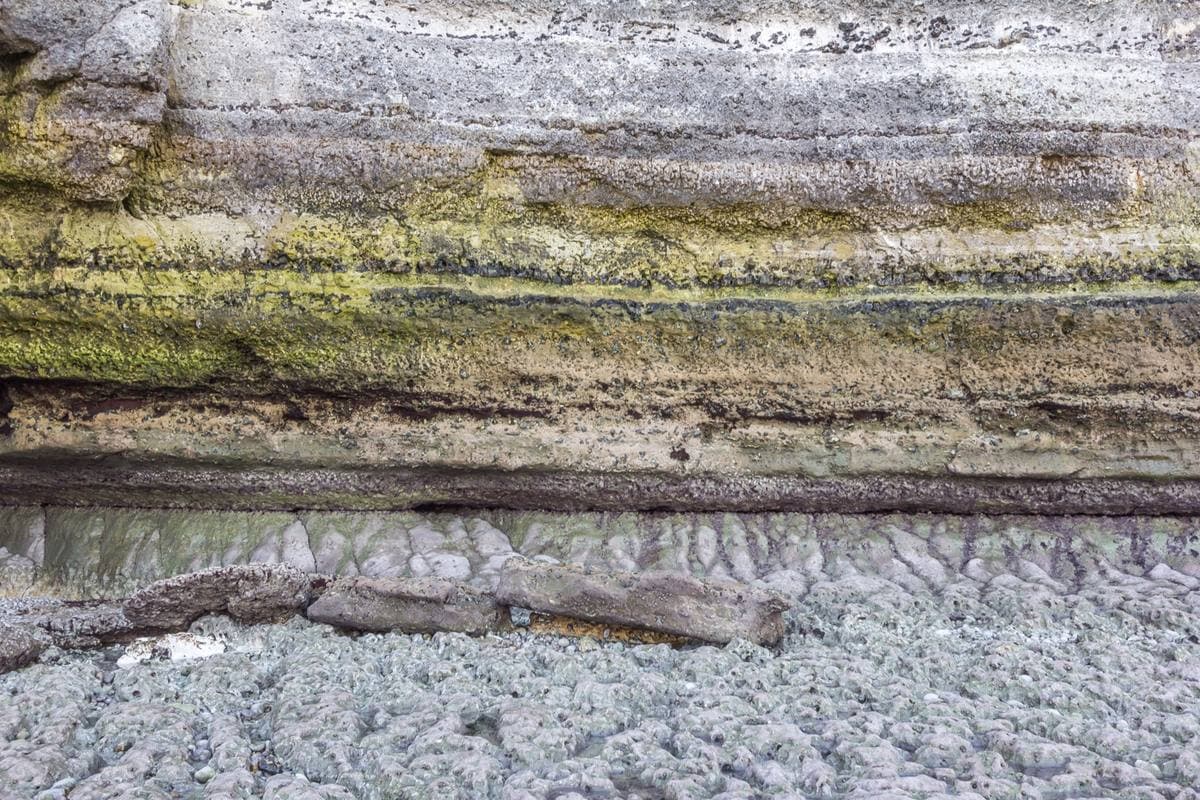
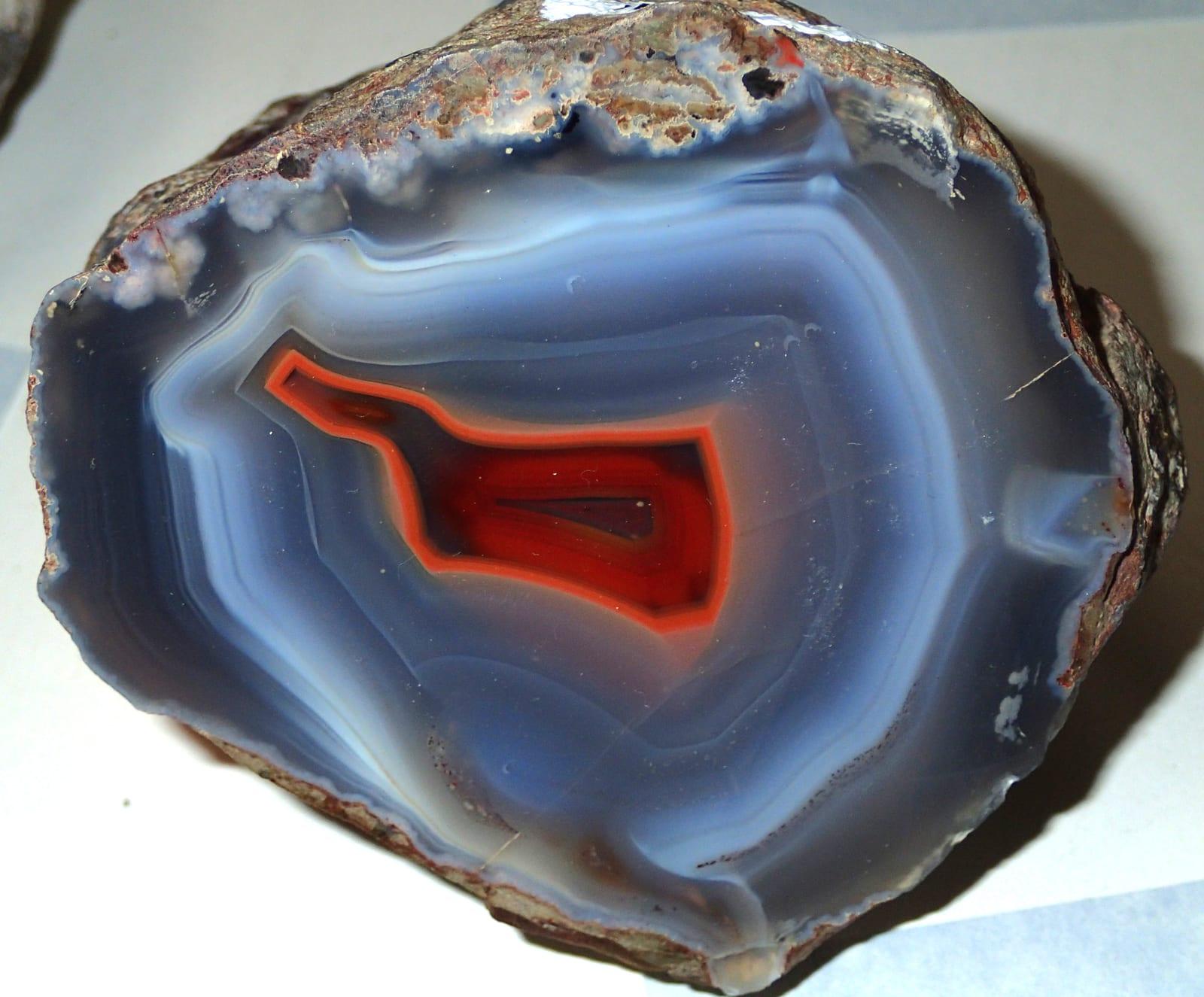
Often found alongside silicified ferns
Minerals reported to co-occur with silicified ferns. Spotting these in float or country rock is a strong cue you are in the right ground.
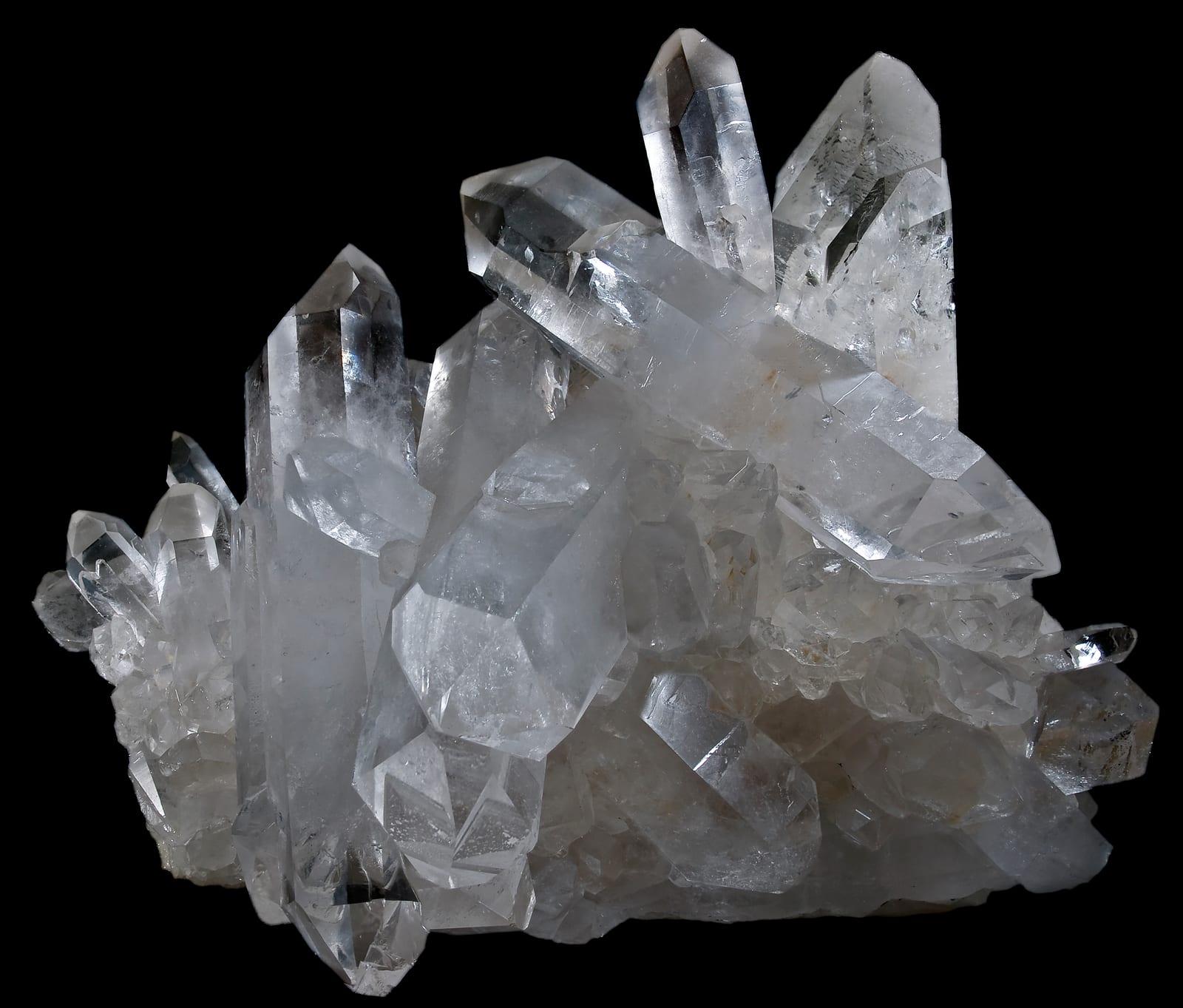
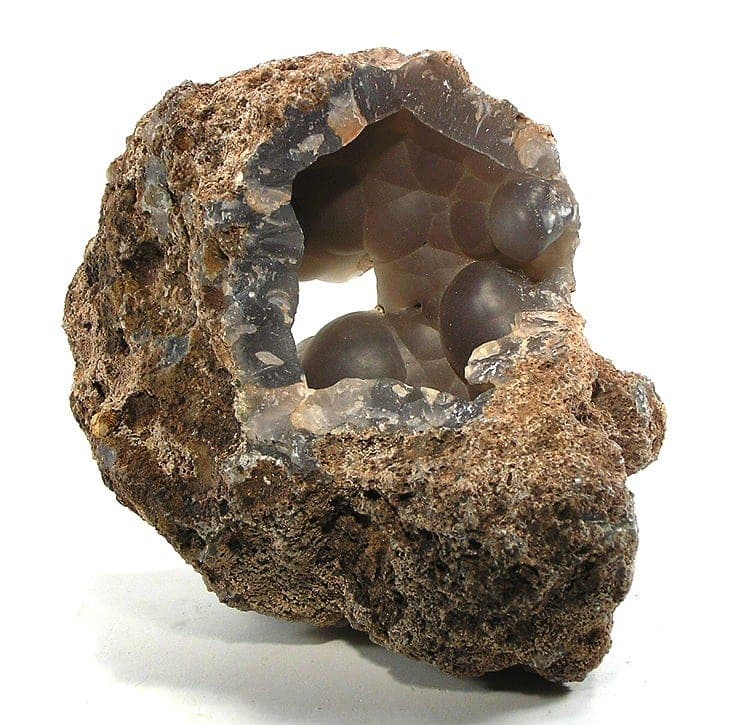
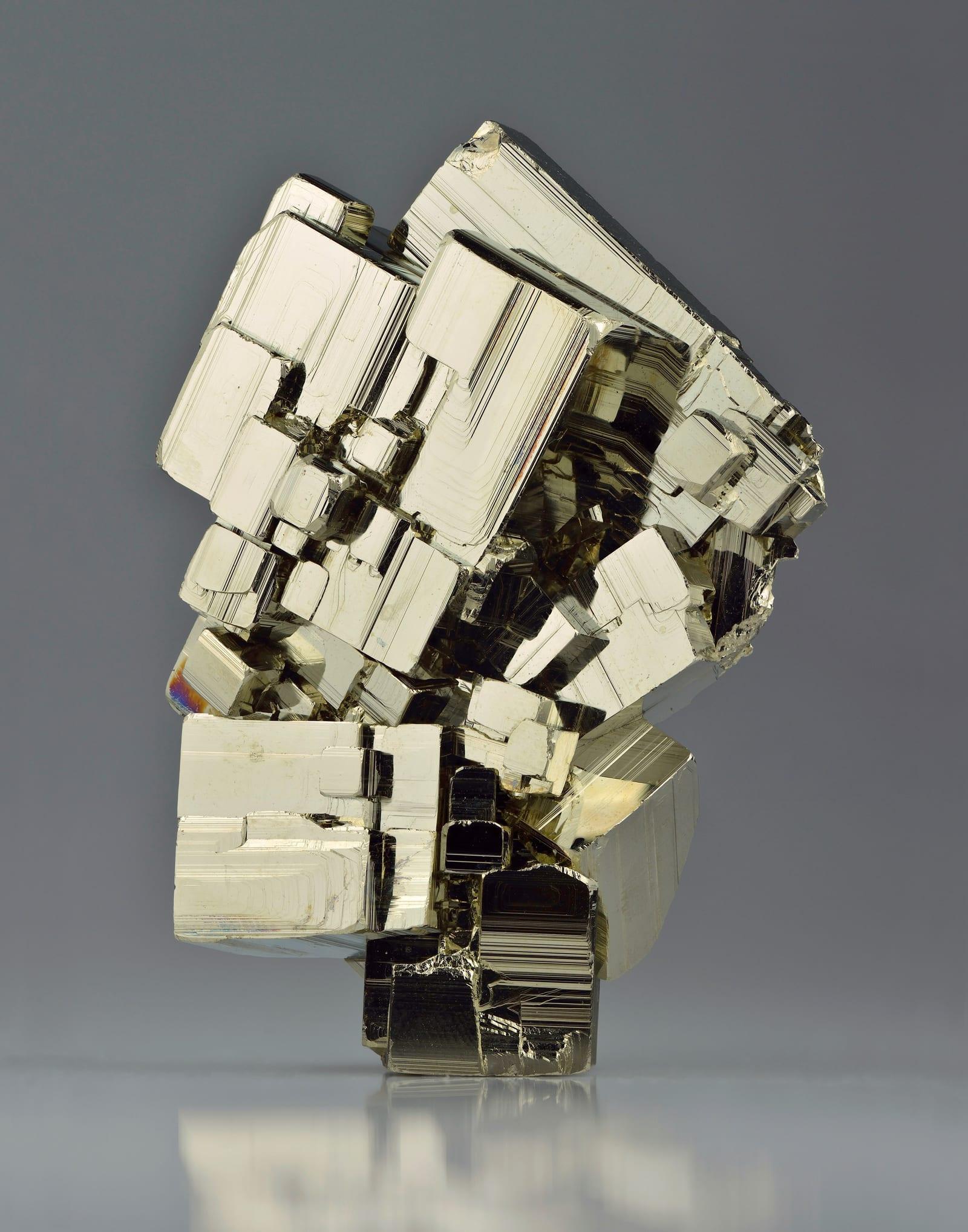
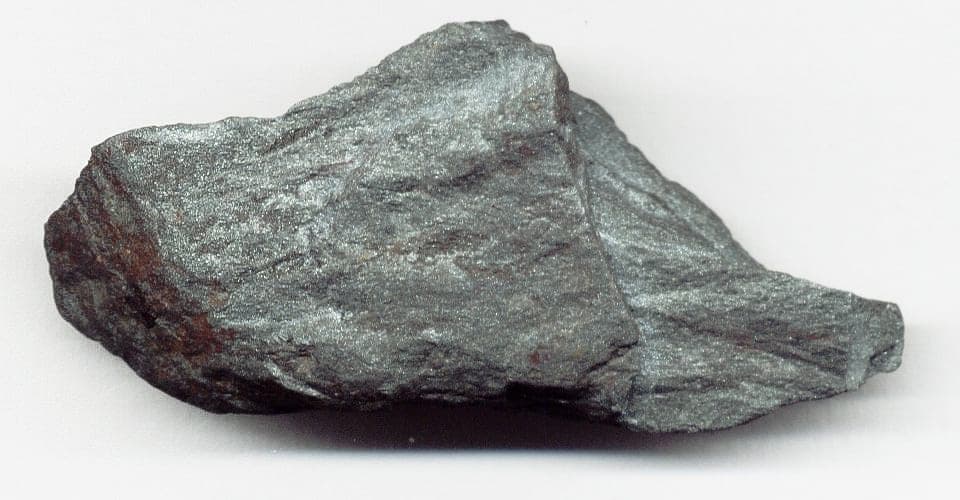
All properties
- Chemical formula
- SiO₂
- Mohs hardness
- 6.5-7
- Density
- 2.5-2.7 g/cm³
- Streak
- White
- Luster
- Vitreous to Waxy
- Transparency
- Opaque
- Crystal system
- Trigonal
- Crystal habit
- Pseudomorphous
- Cleavage
- None
- Rarity
- Common
- Uses
- Lapidary, Collector, Decorative
- Host rock
- Sedimentary Strata
- Typical price
- $10-100 for slabs or polished specimens
Where rockhounds find silicified ferns
1 mapped spotsClassic worldwide localities
- Arizona, USA
- Madagascar
- Germany
- Czech Republic
- Wyoming, USA
Field-hunting tip
Look in sedimentary strata country, the host setting where silicified ferns typically forms. If you start seeing quartz, chalcedony, pyrite in float, you are in the right ground. Field specimens usually show a pseudomorphous habit, so train your eye for that shape before scanning the outcrop. In the U.S., the densest reported localities are in Nebraska. Start trip planning there.
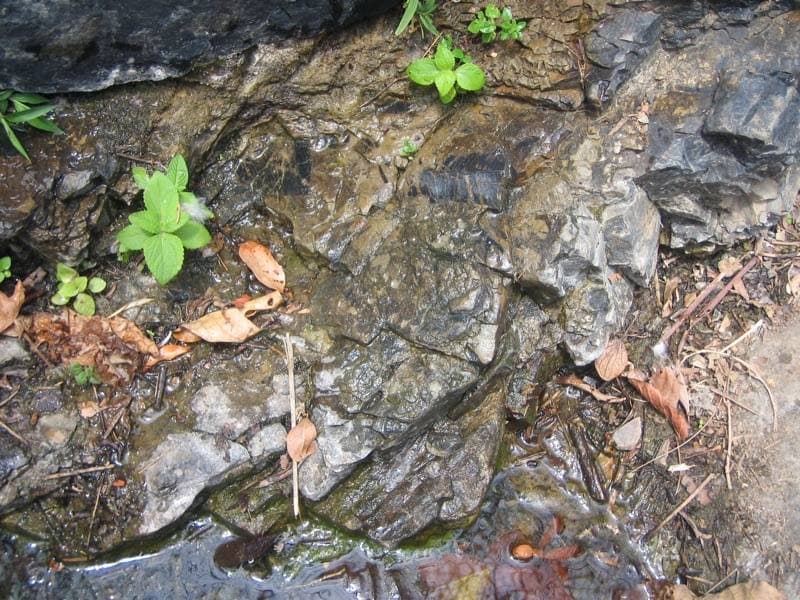
More silicified ferns photos
Common questions
How do you identify silicified ferns?+
Where is silicified ferns found?+
Can I find silicified ferns in the United States?+
How much is silicified ferns worth?+
What rocks look like silicified ferns?+
What minerals are found with silicified ferns?+
What kind of rock does silicified ferns form in?+
What is silicified ferns used for?+
Find silicified ferns on the map
RockHoundR shows mapped rockhounding spots, access rules, and lets you log every find.