Sodalite is a rich royal blue tectosilicate mineral widely prized by collectors and lapidary artists for its intense color. It typically occurs in massive form and is often associated with white calcite veining, which provides a striking contrast. It is easily distinguished from Lapis Lazuli by its lack of the pervasive pyrite inclusions common in that rock.
Spotting sodalite in the field
Field marks- 1
Royal blue with a slightly violet cast, opaque, usually with white veining
- 2
Rarely carries pyrite, unlike lapis
- 3
Hardness 5.5 to 6, and some varieties fluoresce bright orange under ultraviolet light
Sodalite occurs in alkaline igneous rocks, with Bancroft in Ontario the classic North American locality and Brazil supplying most commercial material. The fluorescence is the fun part and the practically useful part: sodalite-bearing rock along Lake Superior's Michigan shore glows orange under ultraviolet light and is sold as yooperlite, which turned an ordinary grey beach cobble into a collectible almost overnight. Take a UV light to a Michigan beach after dark and you will find them.
Before you collect
Shortwave ultraviolet lamps damage eyes and skin. Yooperlite hunting is usually done with longwave or 365 nm lights, which are safer, but wear UV-rated glasses regardless and never shine any UV lamp at a person.
Straight answers
- Is it worth cutting?
- Easy to cut and forgiving, a good early cabbing material. White veins are softer and can undercut slightly.
- What is it really worth?
- Inexpensive. Deep even blue with minimal veining is the quality end, and UV-fluorescent yooperlite carries a novelty premium.
- Can you legally keep it?
- Michigan beach collecting for yooperlite follows the state's 25 pounds per person per year limit on state land and Great Lakes bottomlands. National lakeshores prohibit collecting.
Where it is worth going
- Lake Superior shoreKeweenaw and Upper Peninsula beaches, Michigan
Yooperlite, a sodalite-bearing syenite that fluoresces bright orange. Found at night with a UV light.
Often confused with
Sodalite vs. its common look-alikes, and how to tell them apart in the field.
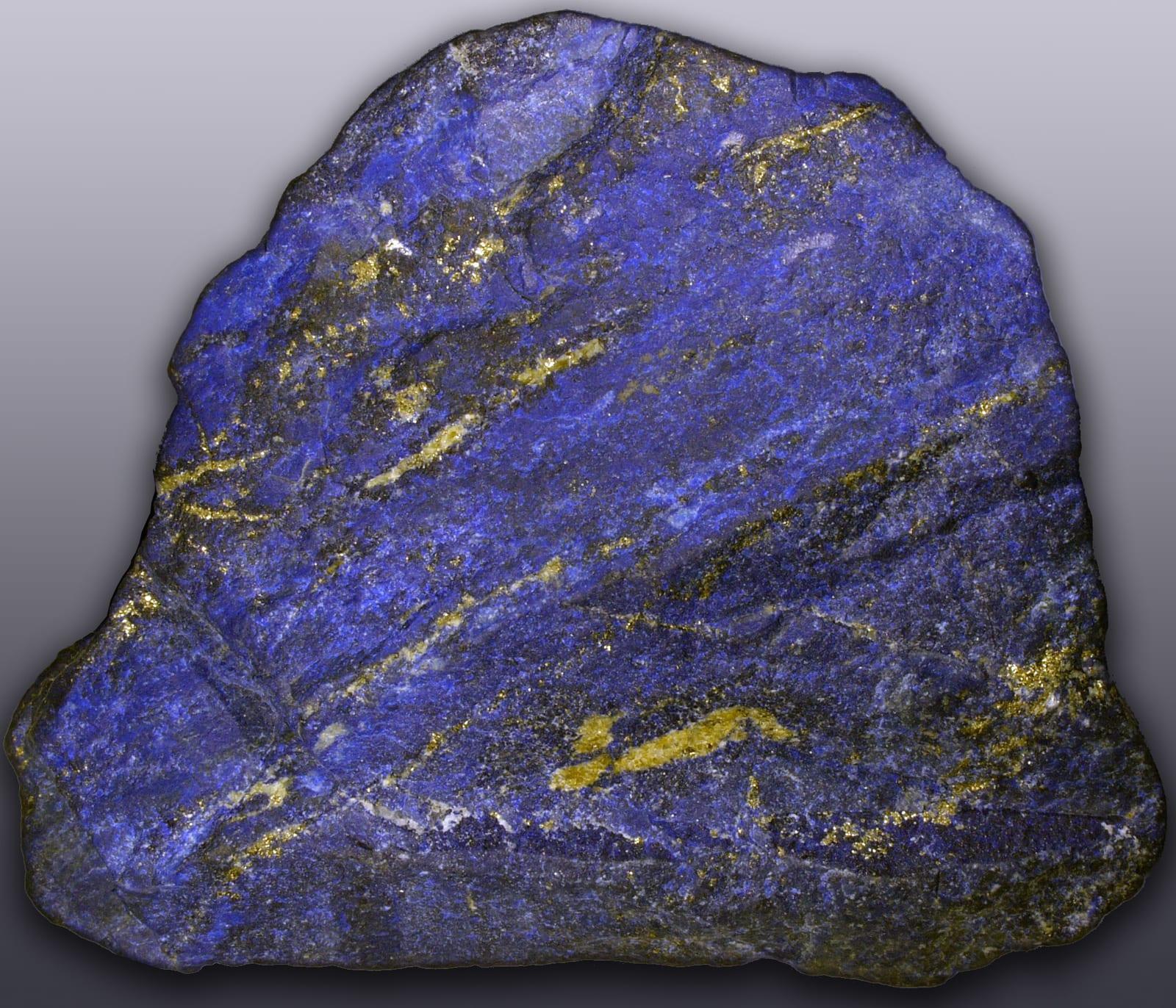
How to tell apart: Lapis is deeper blue and usually has pyrite flecks. Sodalite is more violet and typically has white veining without pyrite.
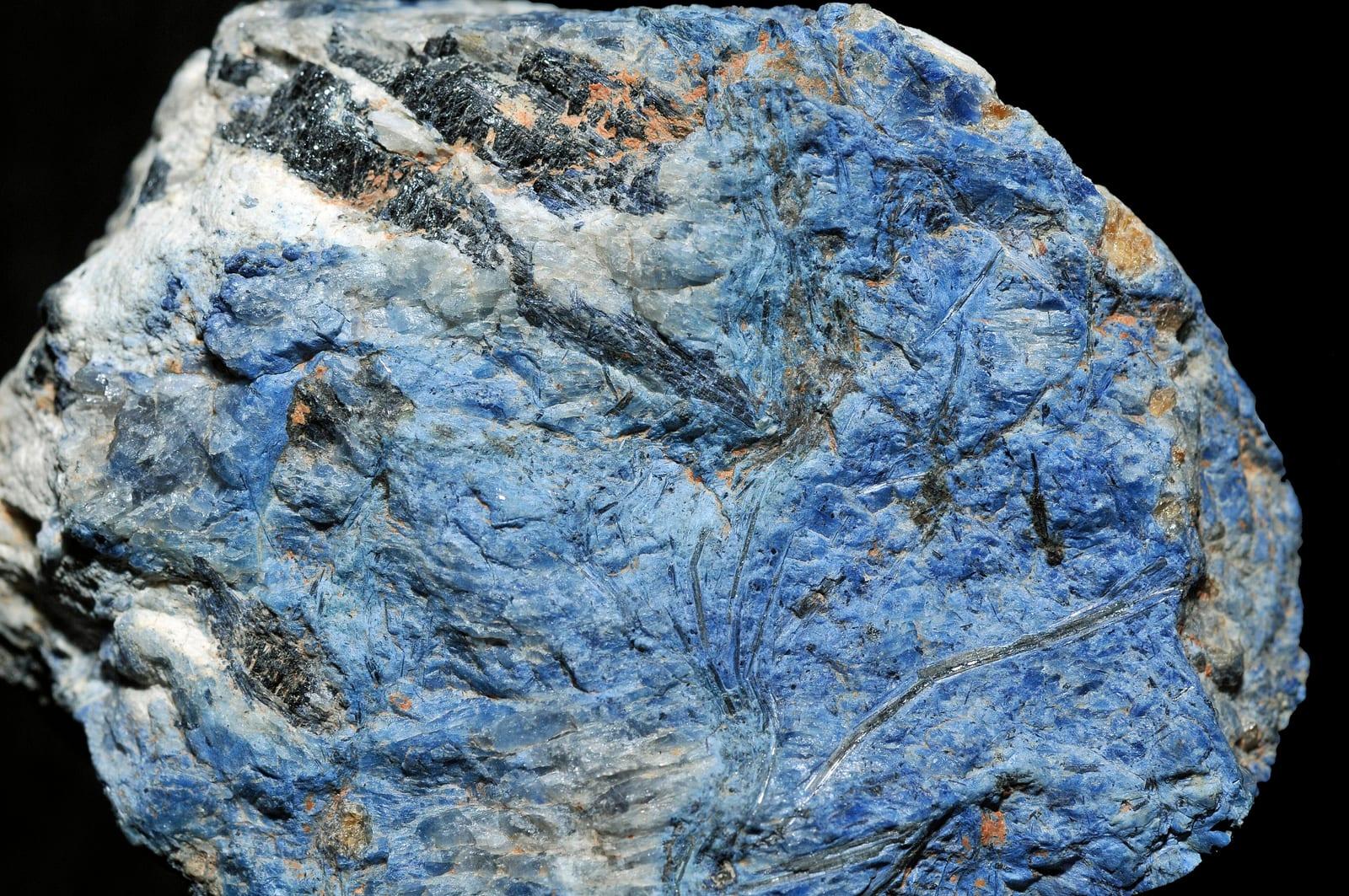
How to tell apart: Dumortierite is harder at 7 and more fibrous. Sodalite is softer with a more even massive texture.
Often found alongside sodalite
Minerals reported to co-occur with sodalite. Spotting these in float or country rock is a strong cue you are in the right ground.
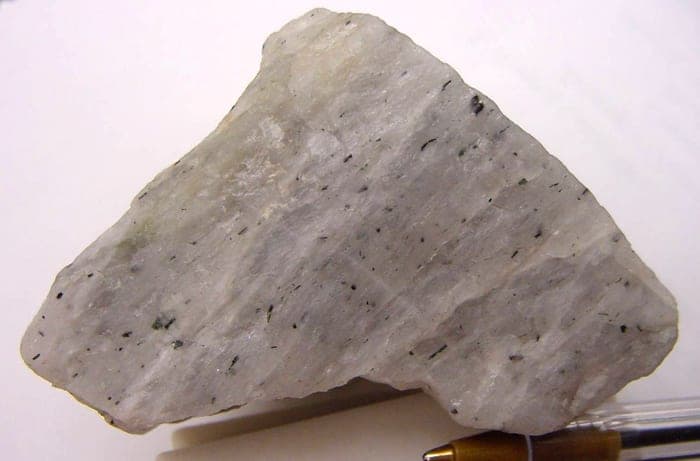
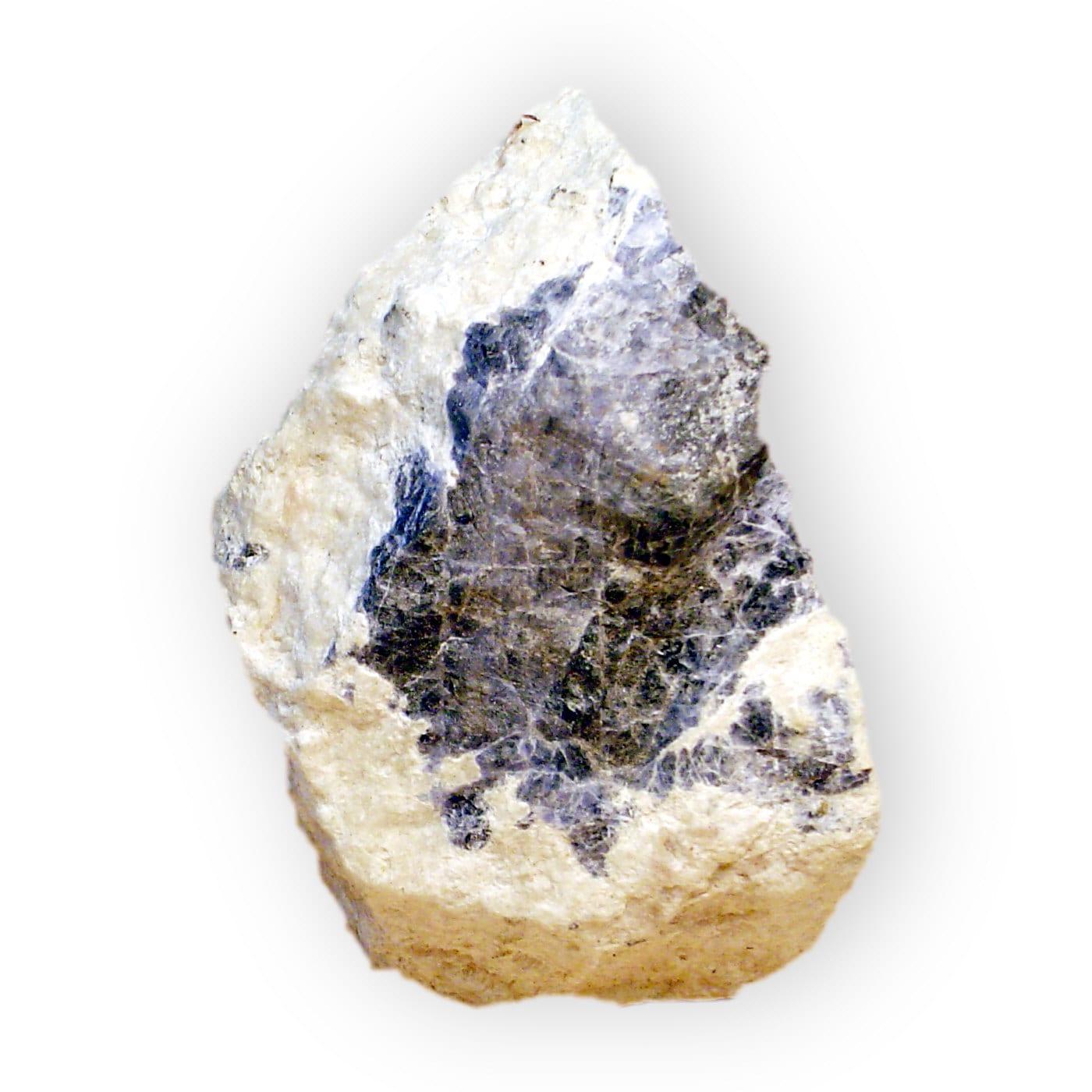
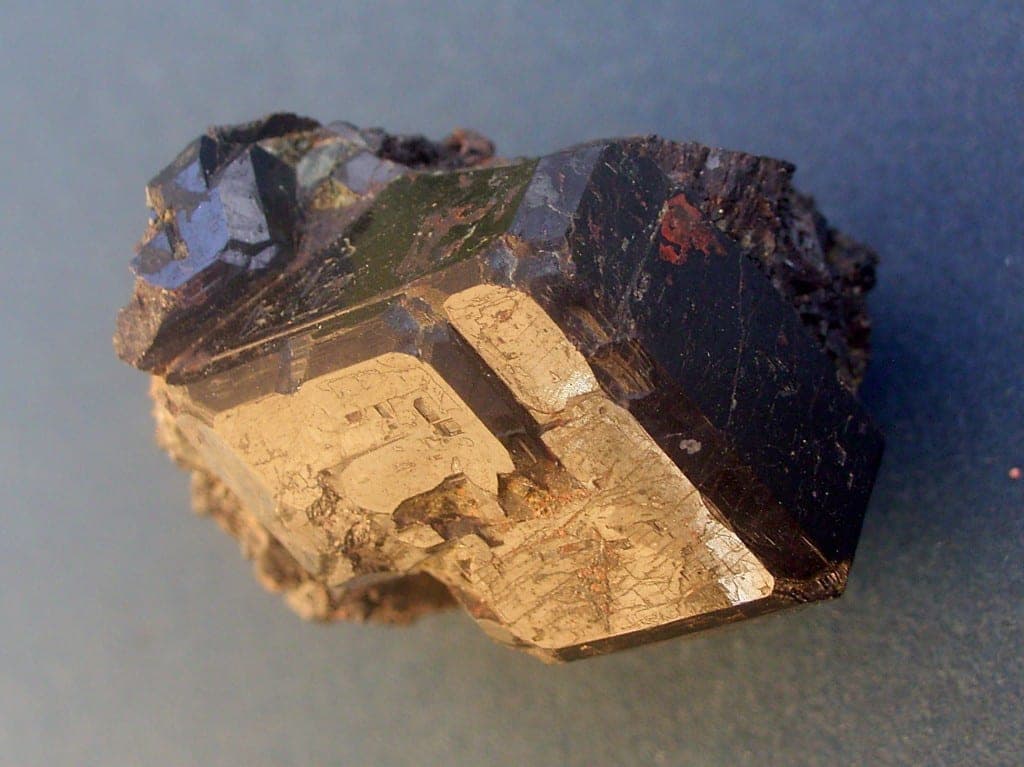
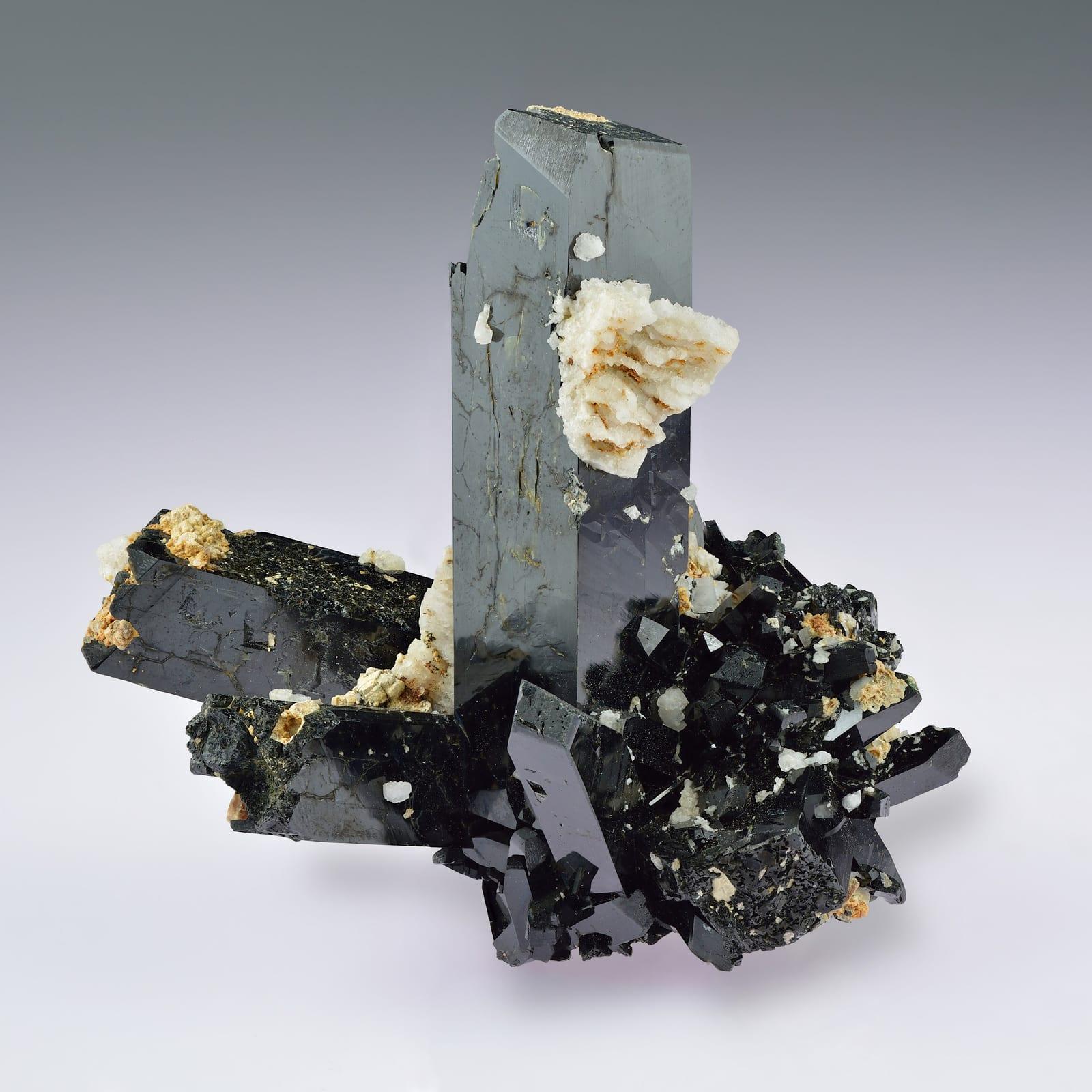
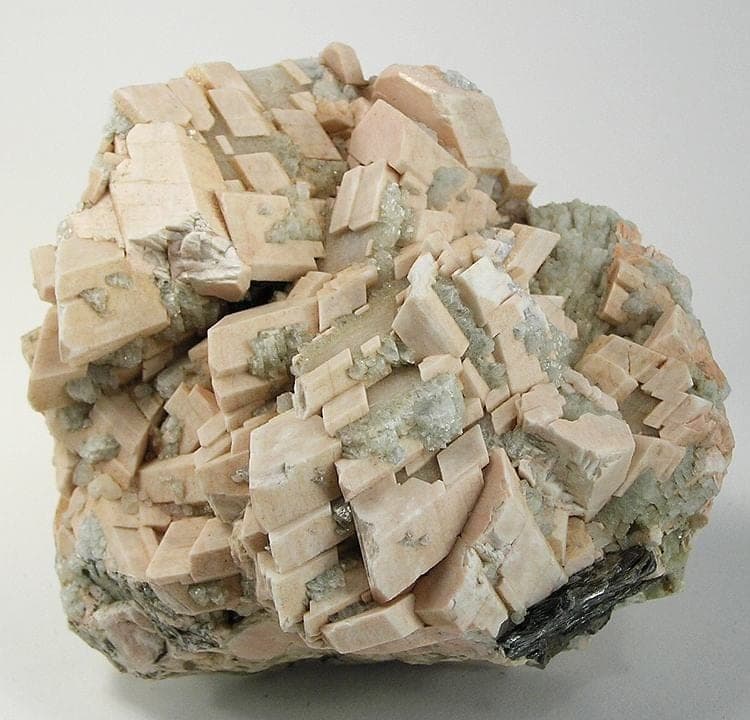
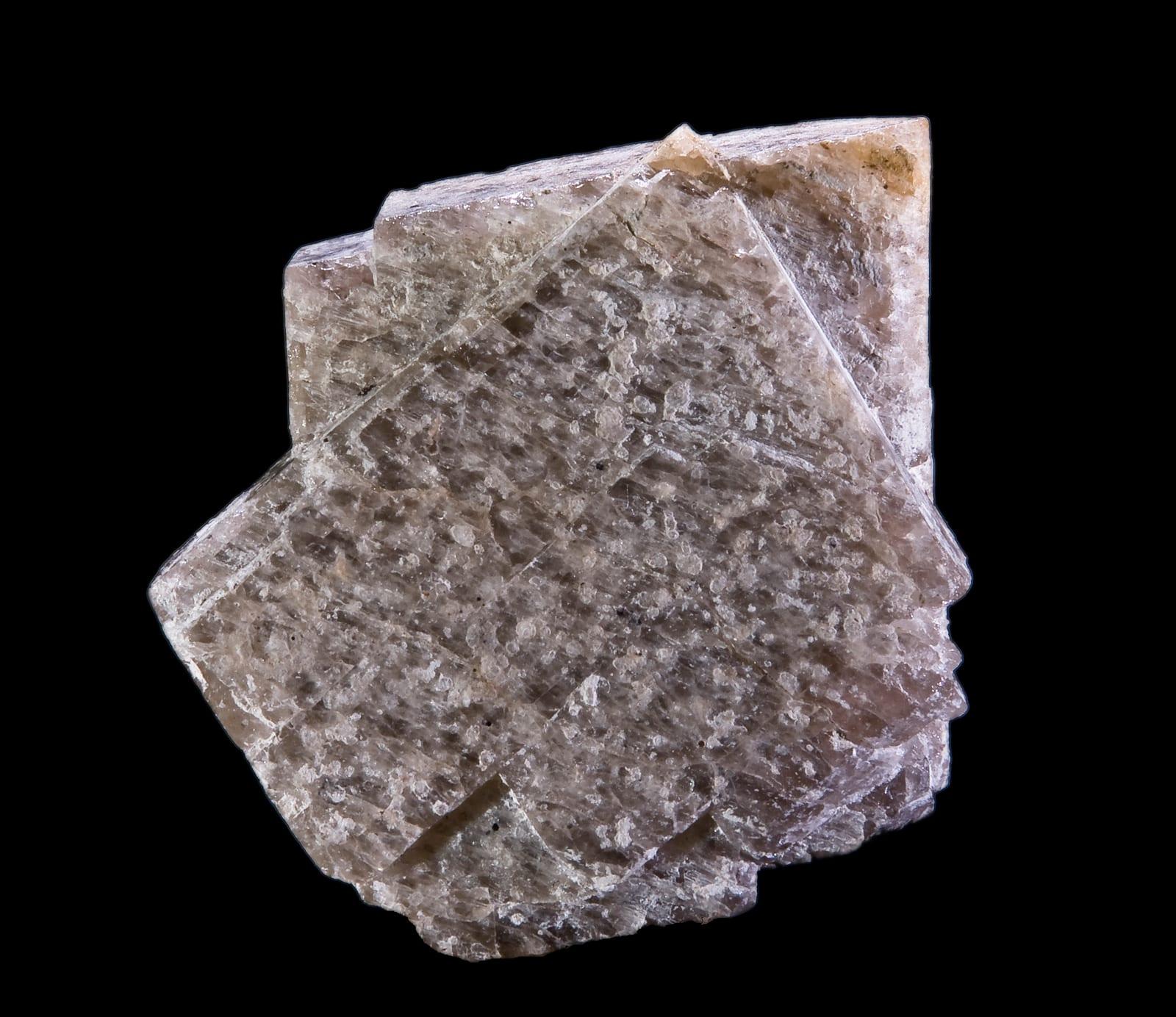
All properties
- Chemical formula
- Na₈Al₆Si₆O₂₄Cl₂
- Mohs hardness
- 5.5-6
- Density
- 2.27-2.33 g/cm³
- Streak
- White
- Luster
- Vitreous to greasy
- Transparency
- Transparent to translucent
- Crystal system
- Cubic
- Crystal habit
- Massive, granular, or rare dodecahedral crystals
- Cleavage
- {110}, poor
- Fluorescence
- Yellow white orange under SW UV; yellow white under LW UV
- Rarity
- Common
- Uses
- Collector, Decorative, Lapidary
- Host rock
- Formed in nepheline syenites, phonolites, and related rock types
Where rockhounds find sodalite
5 mapped spotsClassic worldwide localities
- Litchfield, Kennebec Co., Maine, and at Magnet Cove, Hot Spring Co., Arkansas, USA
- Langesundsfjord, Norway
- Khibiny and Lovozero massifs, Kola Peninsula, Russia
- Monte Somma and Vesuvius, Campania, Italy
- Bellerberg volcano, two km north of Mayen, in the Eifel district, Germany
- Bancroft, Ontario, Canada
Field-hunting tip
Where it forms: Formed in nepheline syenites, phonolites, and related rock types. If you start seeing nepheline, cancrinite, titanian andradite in float, you are in the right ground. Typical habit: massive, granular, or rare dodecahedral crystals. Train your eye for that shape before scanning the outcrop. In the U.S., the densest reported localities are in Wisconsin, North Carolina, Utah. Start trip planning there.
Common questions
How do you identify sodalite?+
Where is sodalite found?+
Can I find sodalite in the United States?+
What rocks look like sodalite?+
What minerals are found with sodalite?+
What kind of rock does sodalite form in?+
What is sodalite used for?+
Find sodalite on the map
RockHoundR shows mapped rockhounding spots, access rules, and lets you log every find.