Lapis lazuli is a metamorphic rock composed primarily of the mineral lazurite, usually accompanied by white calcite and brassy pyrite inclusions. Collectors prize it for its intense, deep blue color, which has been used as a pigment and gemstone for thousands of years. It is typically found in massive, non-crystalline forms within contact-metamorphosed limestone deposits.
Spotting lapis lazuli in the field
Field marks- 1
Deep, intense royal blue, opaque, usually with brassy pyrite flecks
- 2
White calcite veining is common and reduces the grade
- 3
Hardness around 5 to 6, and it is a rock rather than a single mineral
Lapis is a rock made mostly of lazurite with pyrite and calcite, and the gold pyrite flecks are the classic authenticity cue. The overwhelming source, for six thousand years, has been the Sar-e-Sang mines in Badakhshan, Afghanistan, and it forms in metamorphosed limestone. American occurrences exist in California and Colorado but are minor. Because it is a rock, quality varies wildly within a single piece.
Straight answers
- Is it worth cutting?
- Cuts well, though pyrite is much harder than the surrounding lazurite and tends to stand proud on polish. Calcite is softer and undercuts. Expect an uneven surface unless the material is high grade.
- What is it really worth?
- Moderate to high. Deep even blue with fine well-distributed pyrite and minimal calcite is what commands price. Heavily calcite-veined material is cheap, and dyeing to hide calcite is common.
- Can you legally keep it?
- Imported. Afghan lapis has at points been linked to conflict financing, so buying from dealers who can speak to their supply chain is worth the effort.
Often confused with
Lapis Lazuli vs. its common look-alikes, and how to tell them apart in the field.
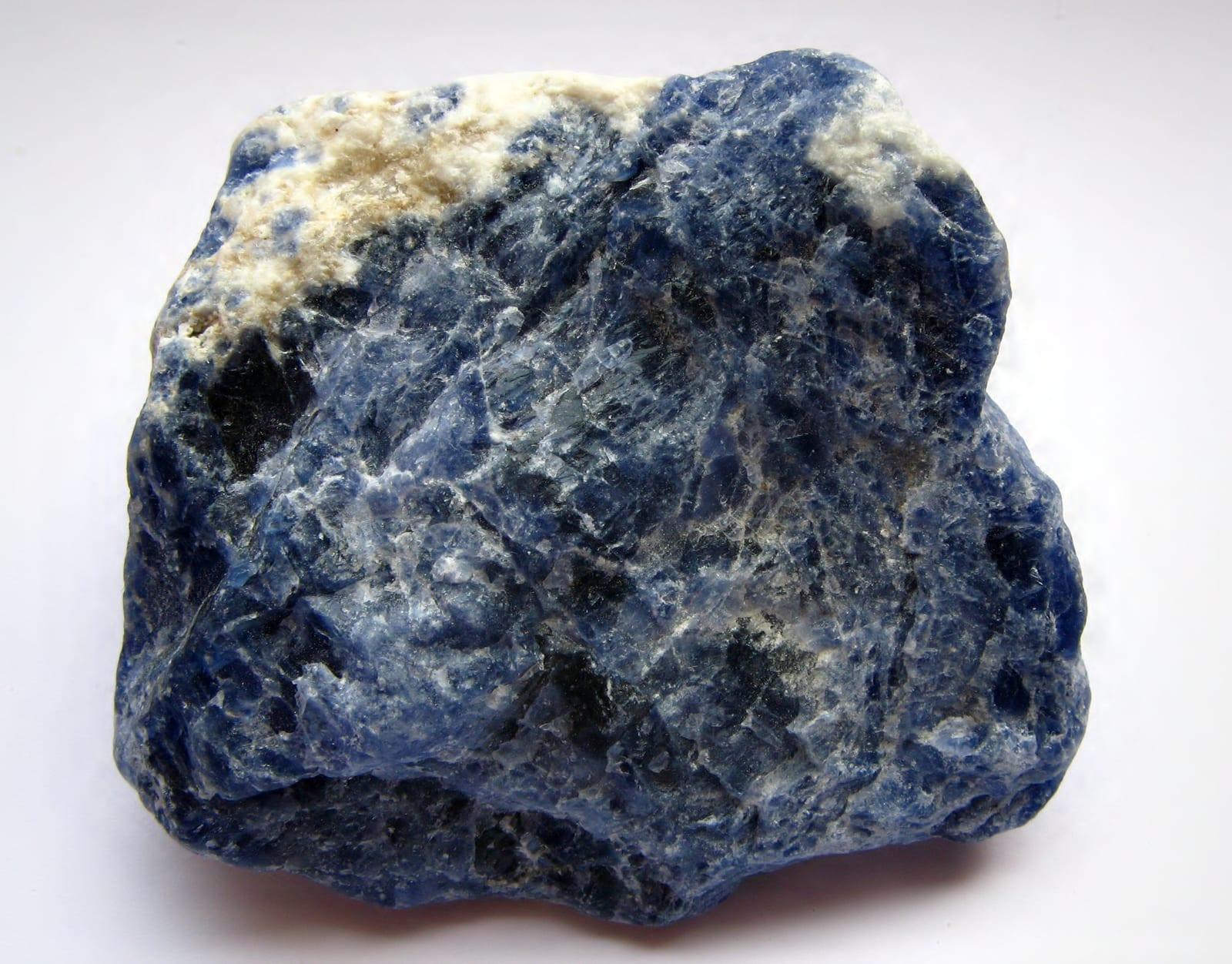
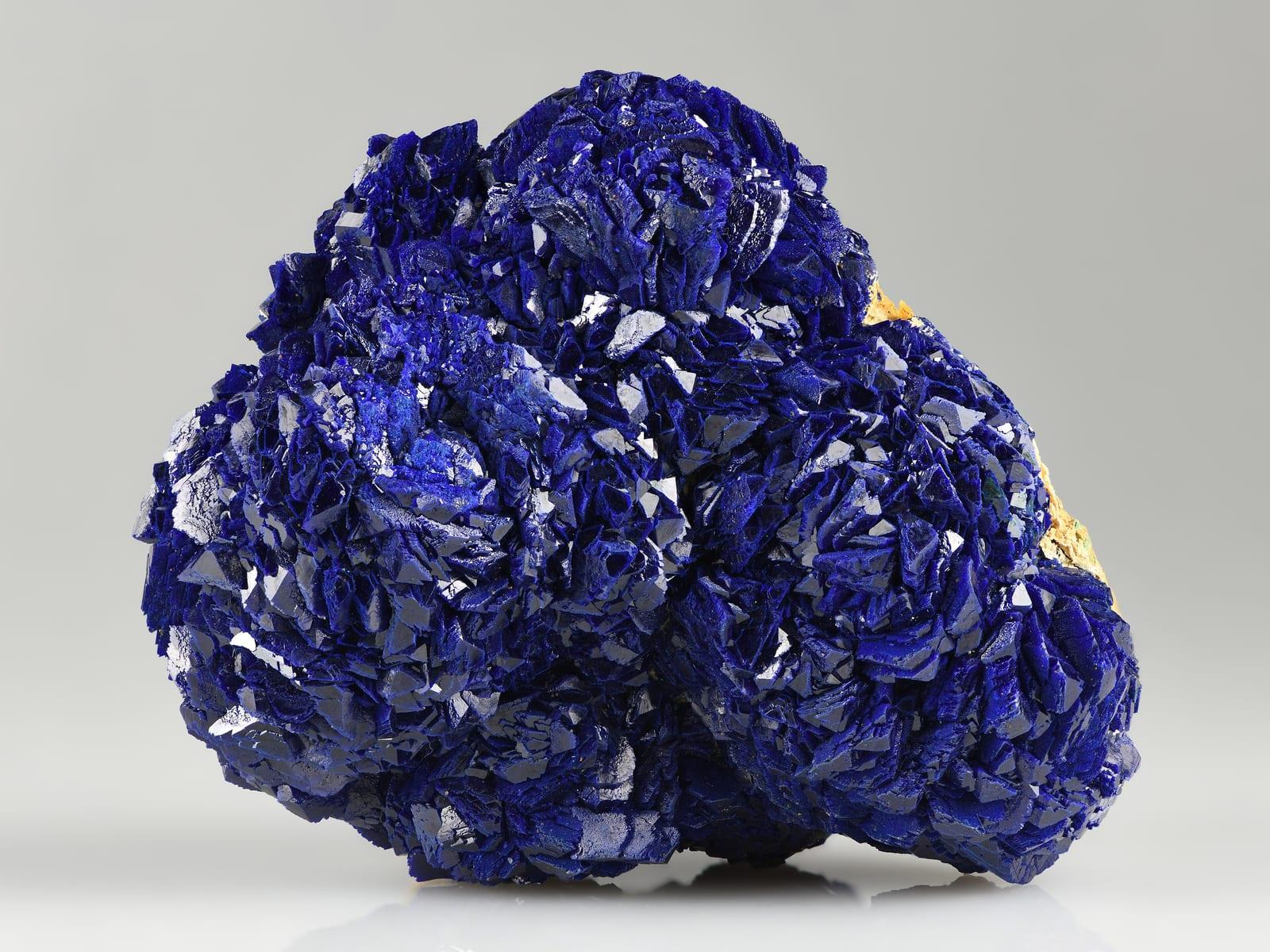
Often found alongside lapis lazuli
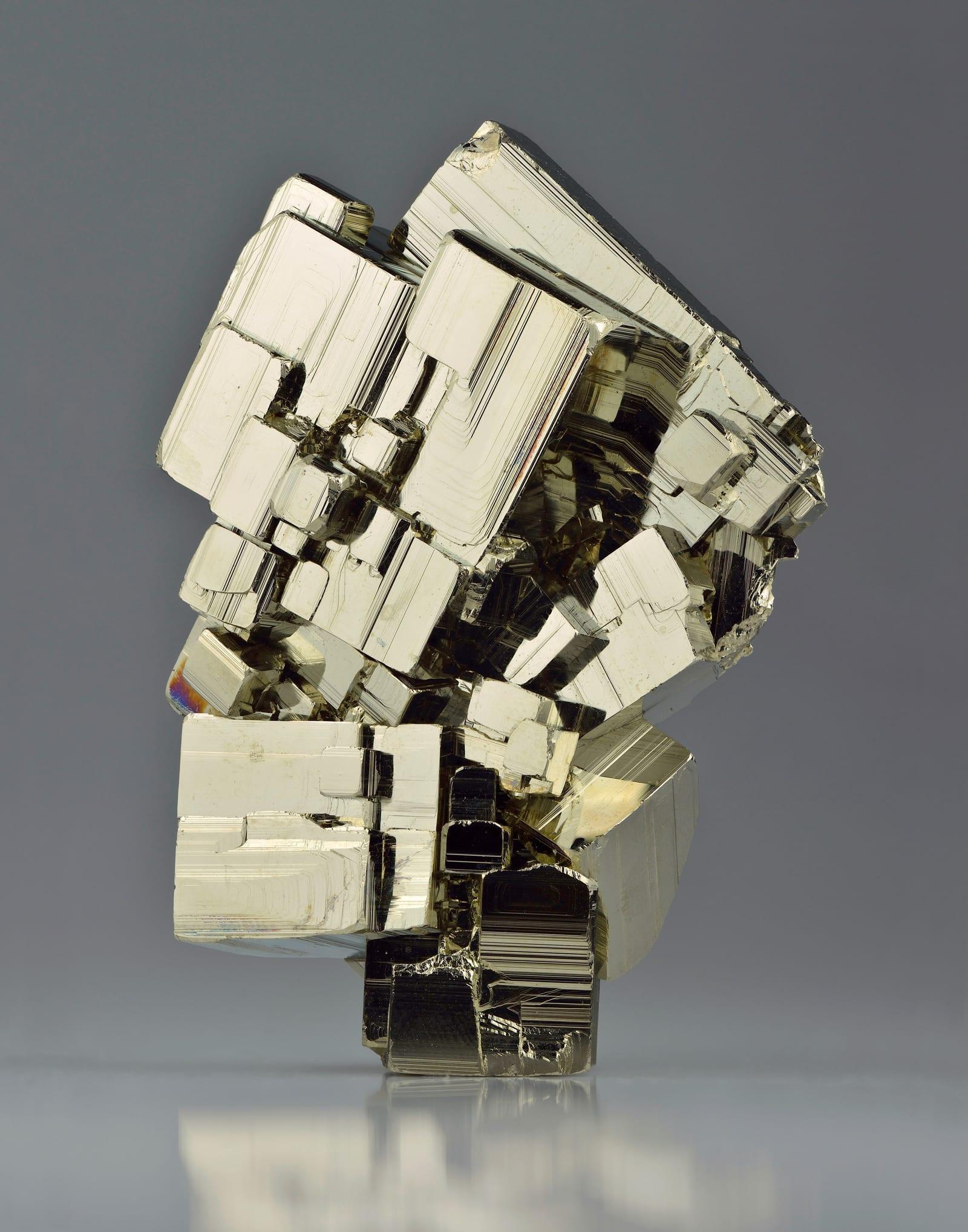
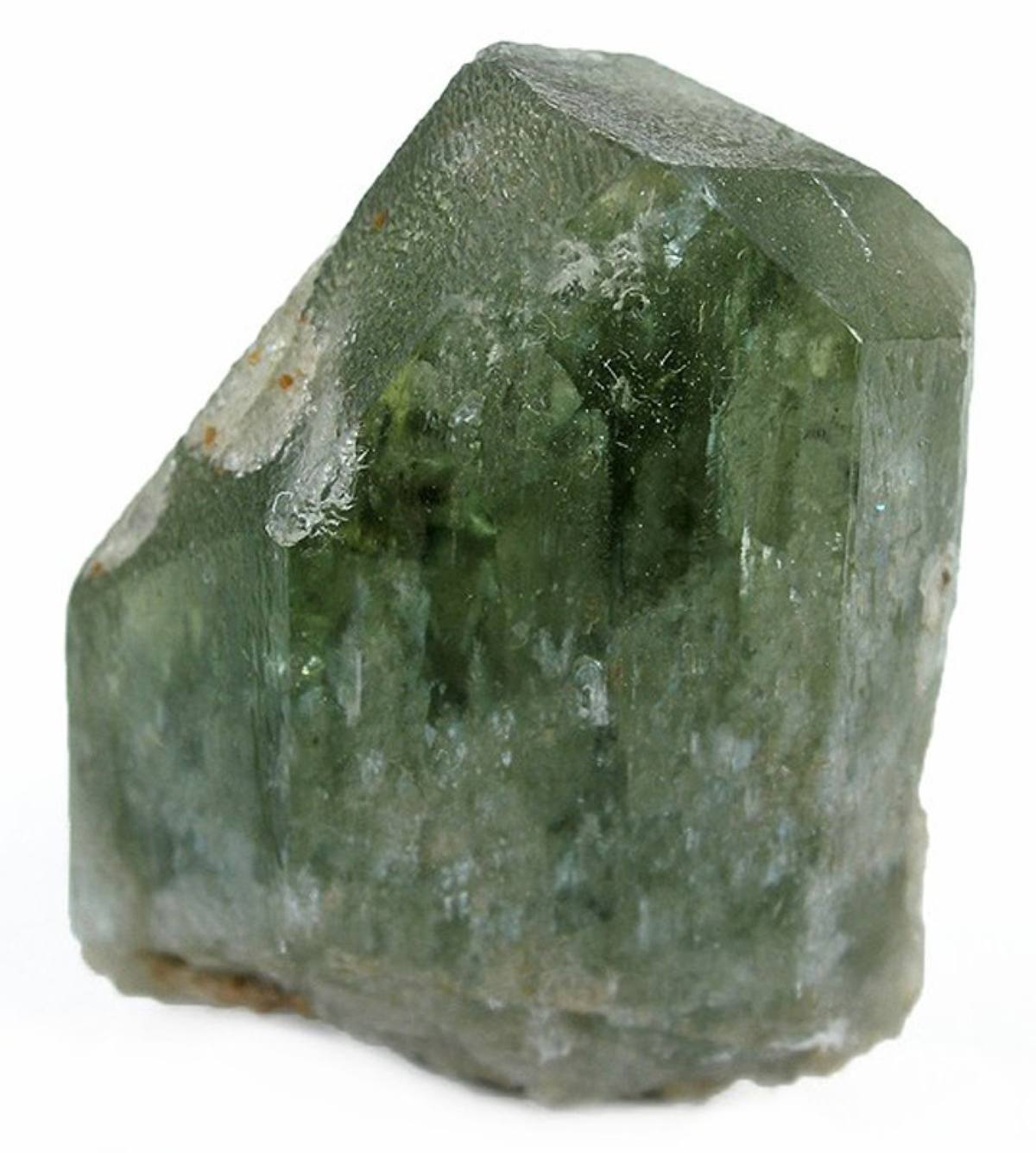
Minerals reported to co-occur with lapis lazuli. Spotting these in float or country rock is a strong cue you are in the right ground.
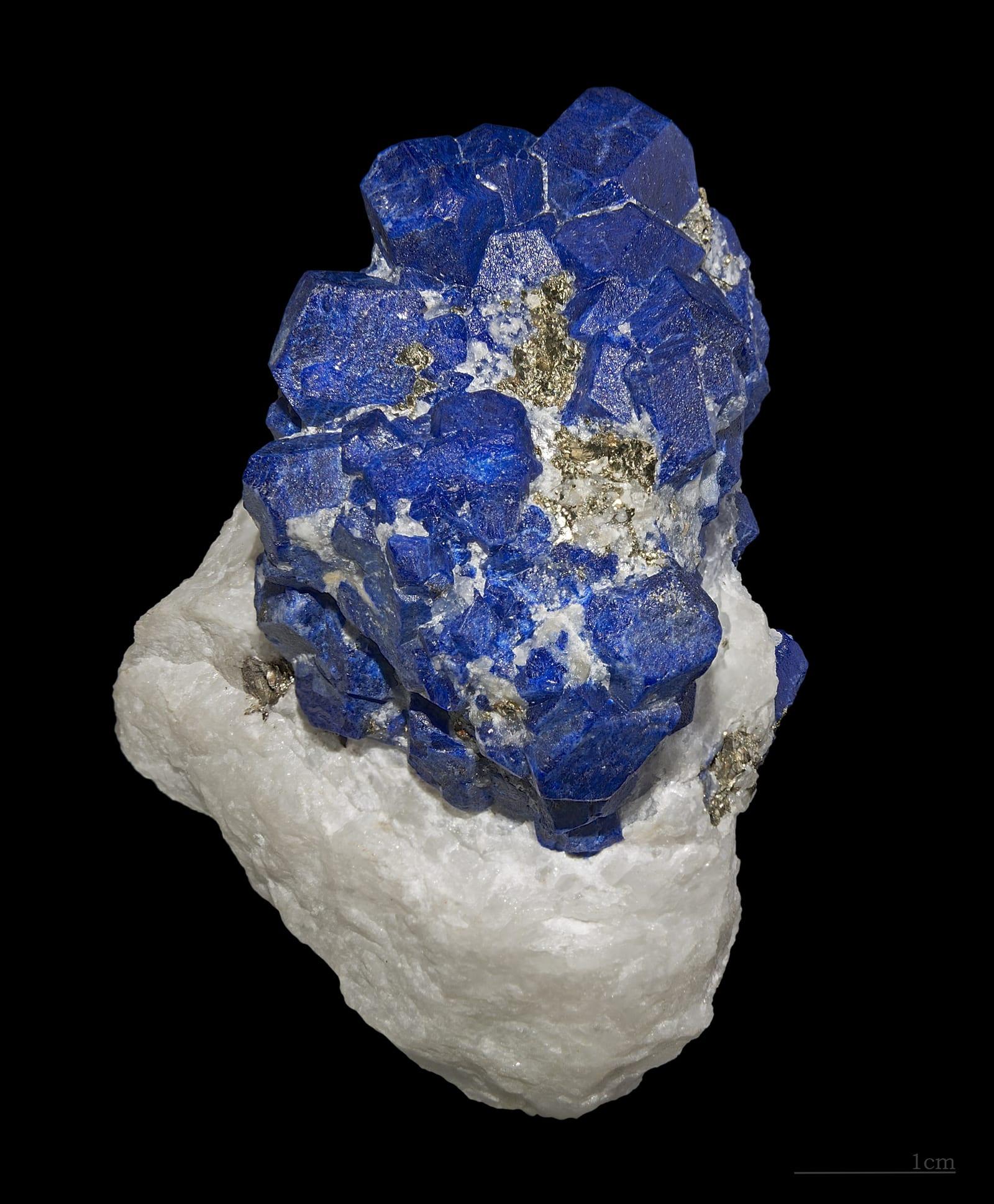
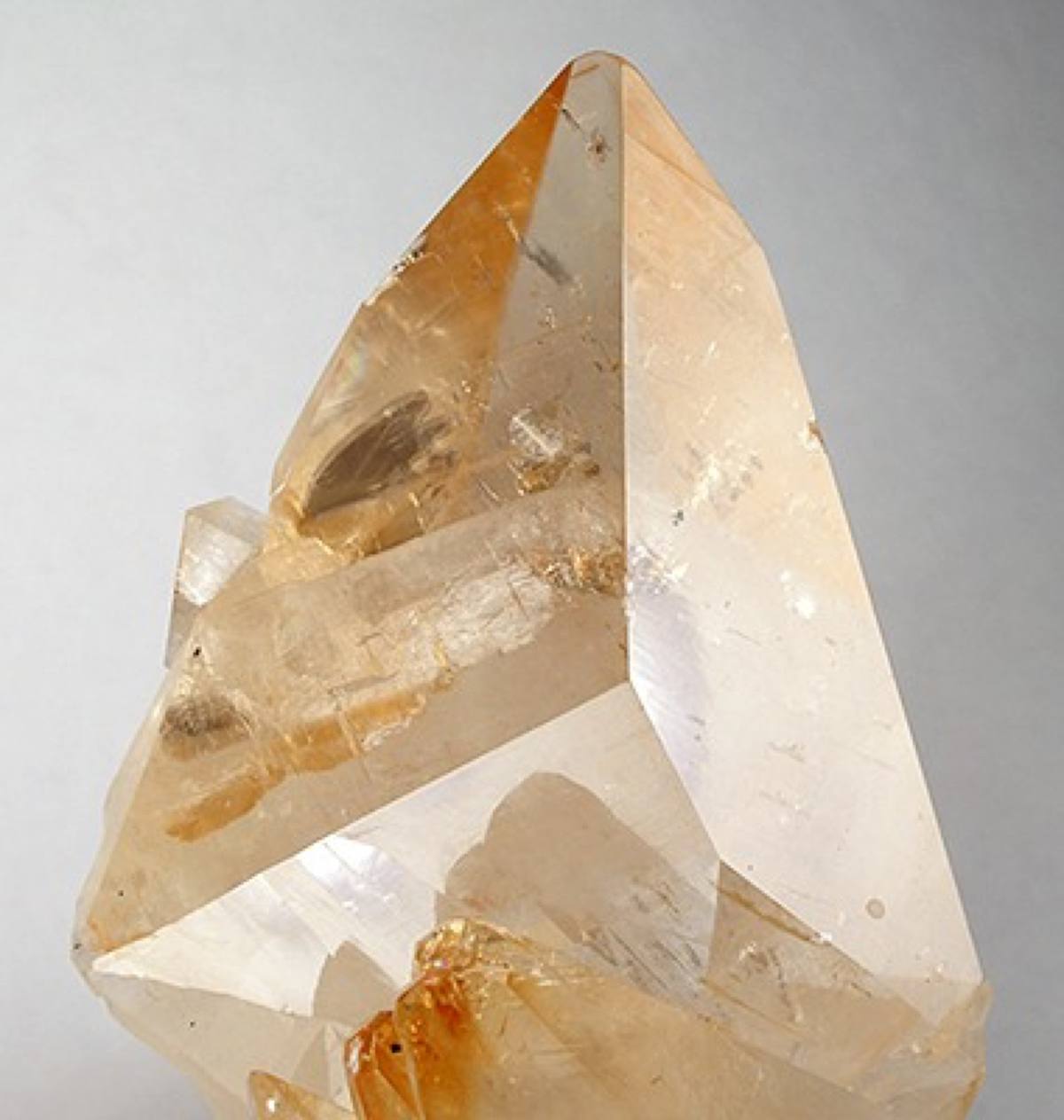
All properties
- Mohs hardness
- 5-5.5
- Density
- 2.4-2.9 g/cm³
- Streak
- Light blue
- Luster
- Dull to vitreous
- Transparency
- Opaque
- Crystal system
- Cubic
- Crystal habit
- Massive
- Cleavage
- None
- Rarity
- Common
- Uses
- Decorative, Lapidary, Jewelry, Pigment
- Host rock
- metamorphosed limestone (skarn)
Where rockhounds find lapis lazuli
1 mapped spotsClassic worldwide localities
- Sar-e-Sang, Afghanistan
- Ovalle, Chile
- Lake Baikal, Russia
- Mancos, USA
Field-hunting tip
Where it forms: metamorphosed limestone (skarn). If you start seeing lazurite, calcite, pyrite in float, you are in the right ground. Typical habit: massive. Train your eye for that shape before scanning the outcrop. In the U.S., the densest reported localities are in Colorado. Start trip planning there.
Common questions
How do you identify lapis lazuli?+
Where is lapis lazuli found?+
Can I find lapis lazuli in the United States?+
What rocks look like lapis lazuli?+
What minerals are found with lapis lazuli?+
What kind of rock does lapis lazuli form in?+
What is lapis lazuli used for?+
Find lapis lazuli on the map
RockHoundR shows mapped rockhounding spots, access rules, and lets you log every find.