Star Garnet is a variety of almandine garnet containing needle-like rutile inclusions oriented to create a four or six-rayed star effect via asterism. They are typically found as dodecahedral crystals in schist and require careful polishing to reveal the star properly. Emerald Creek in Idaho is world-famous for producing these unique specimens.
Spotting star garnet in the field
Field marks- 1
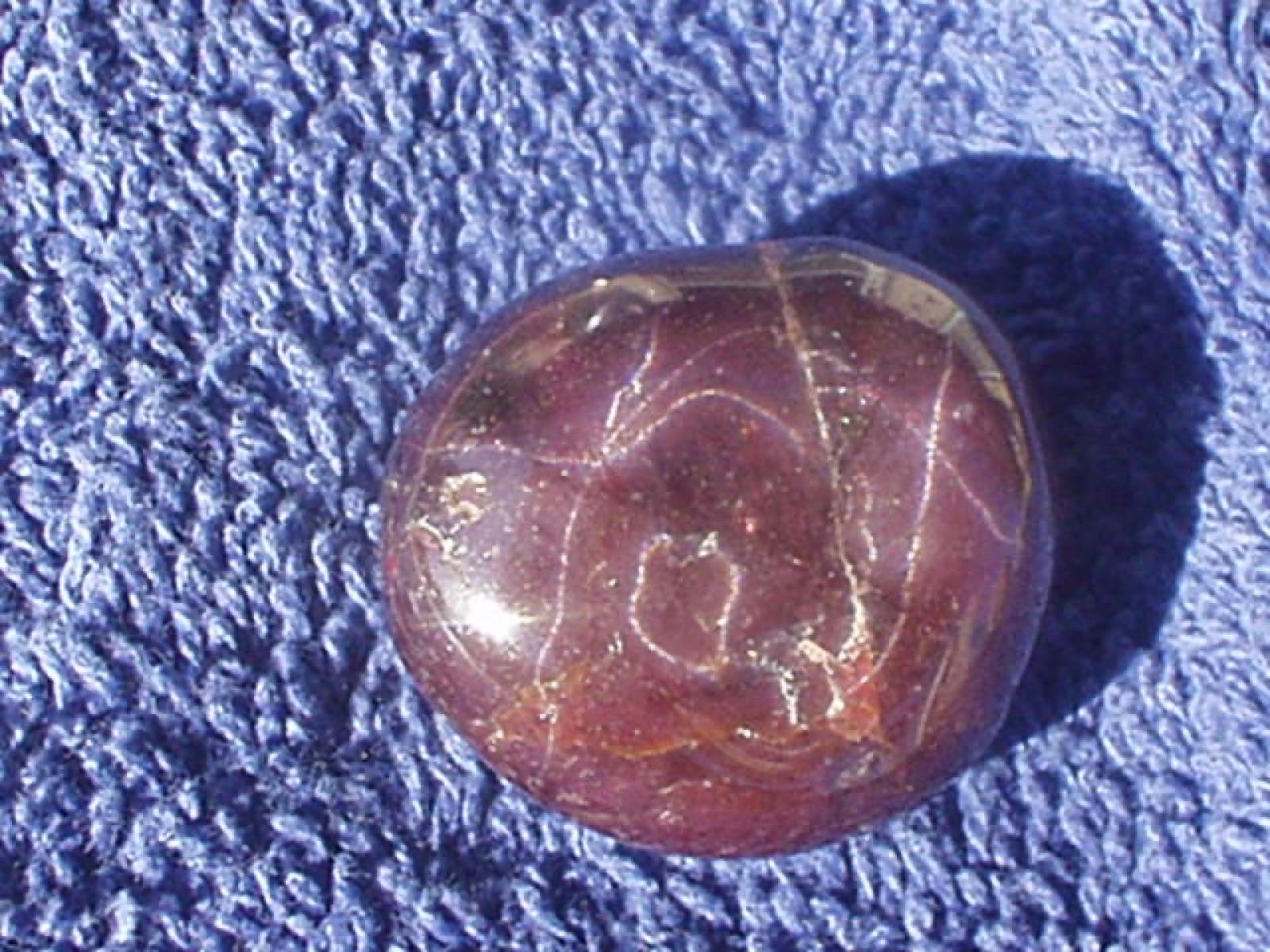
Dark purplish red almandine, opaque, with a silvery four or six-rayed star
- 2
The star only shows on a polished dome under a single point light
- 3
Rough crystals look like ordinary dull red garnet until cut
Star garnet is the state gem of Idaho and the Emerald Creek area is essentially the only place in the world besides India that produces six-rayed stars. The Forest Service runs a public digging area there: you buy a permit for the day, dig gravel from the streambed, and screen it, and there is a seasonal limit on how much you may keep. It is genuinely productive and genuinely hard work, standing in cold water shoveling gravel. The star is invisible in rough, so you keep everything dark red and sort later.
Straight answers
- Is it worth cutting?
- Must be cut as a high dome with the star centered, which requires finding the crystal's orientation first. A flat cut destroys the effect and the value.
- What is it really worth?
- Moderate. Sharp, well-centered six-rayed stars on a well-shaped dome are worth substantially more than four-rayed or off-center stones.
- Can you legally keep it?
- The Emerald Creek Garnet Area is run by the Idaho Panhandle National Forests as a public dig. It requires a daily permit bought on site, operates a limited summer season, and caps how much garnet you may keep per season.
Where it is worth going
- Emerald Creek Garnet AreaBenewah County, Idaho
Forest Service public dig with a daily permit and a seasonal keep limit. One of the only six-rayed star garnet sources on Earth.
Often confused with
Star Garnet vs. its common look-alikes, and how to tell them apart in the field.
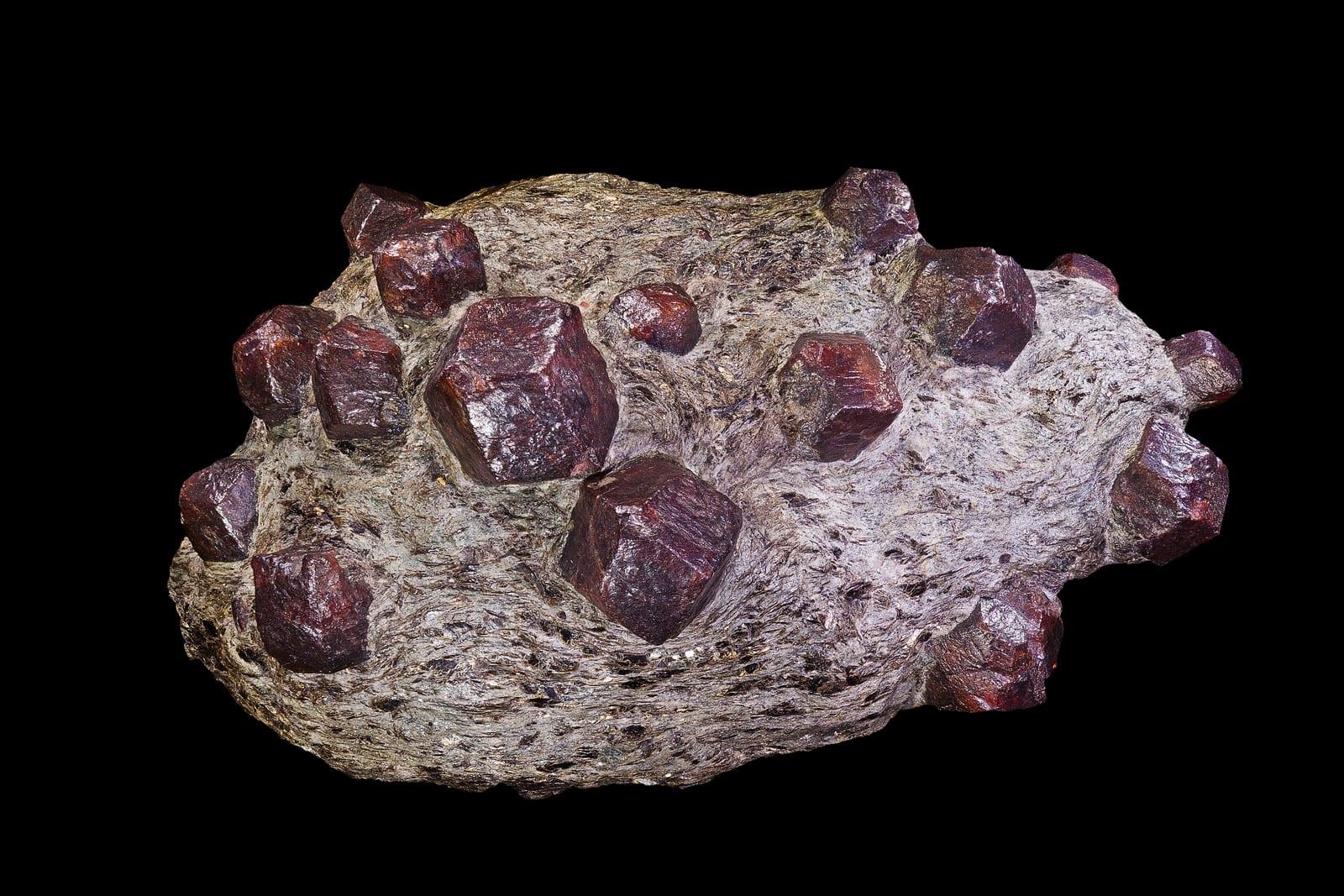
Often found alongside star garnet
Minerals reported to co-occur with star garnet. Spotting these in float or country rock is a strong cue you are in the right ground.
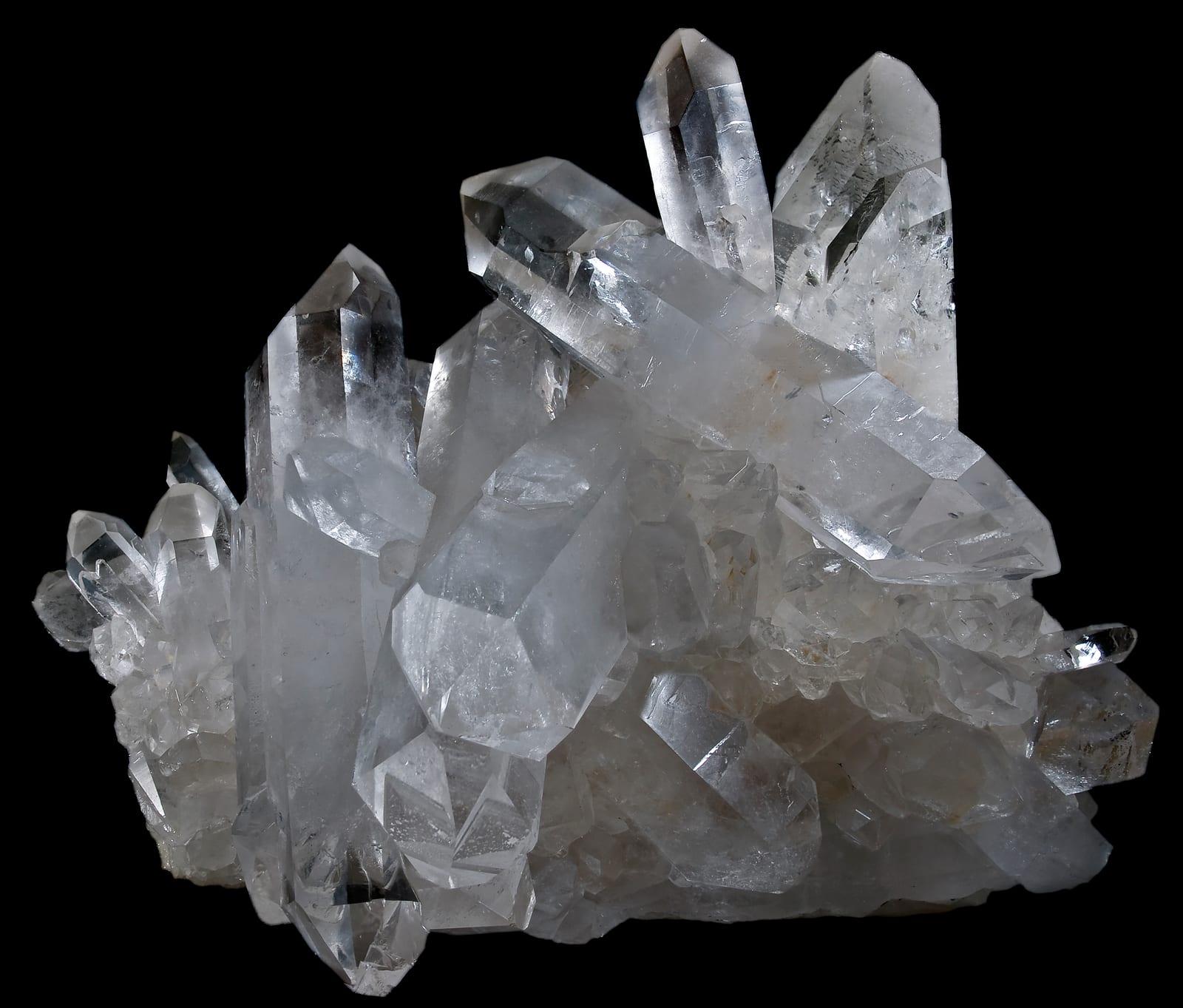
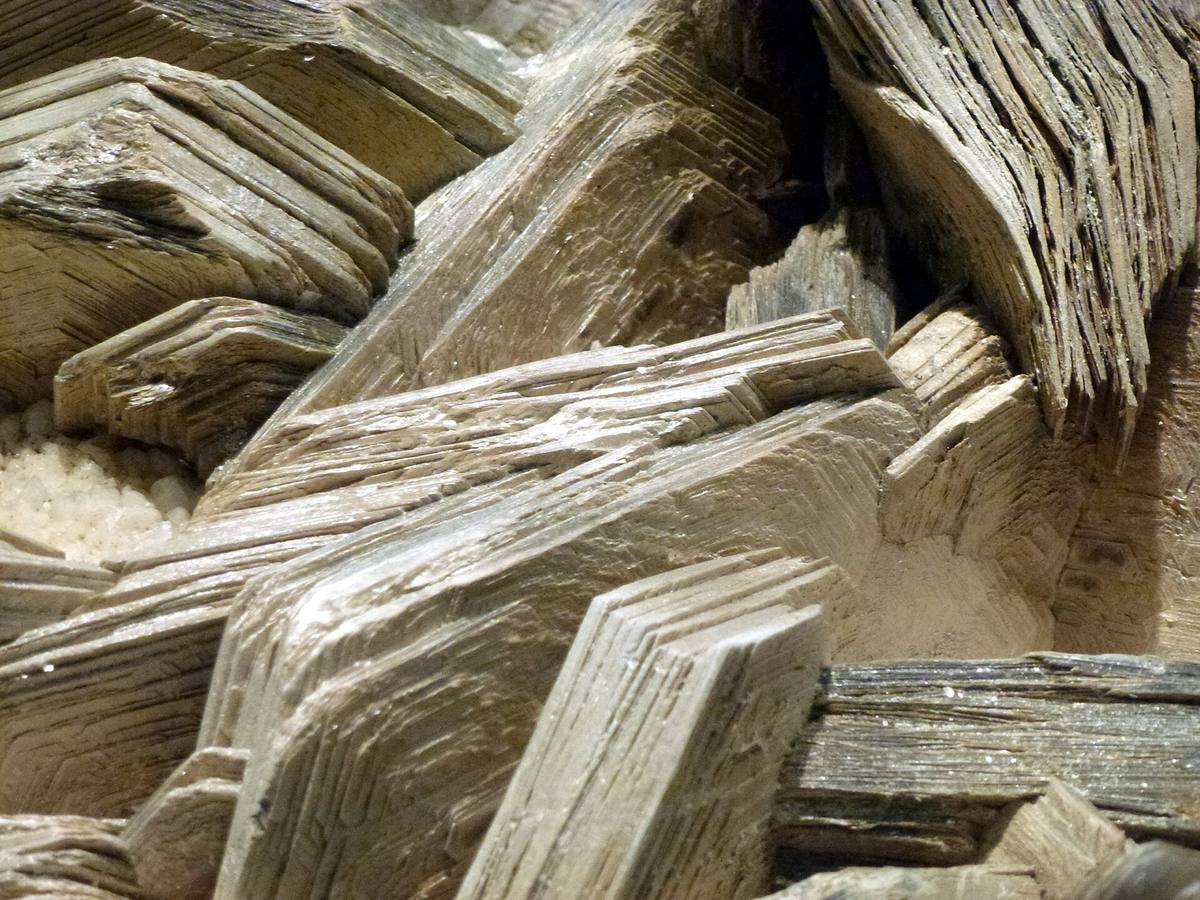
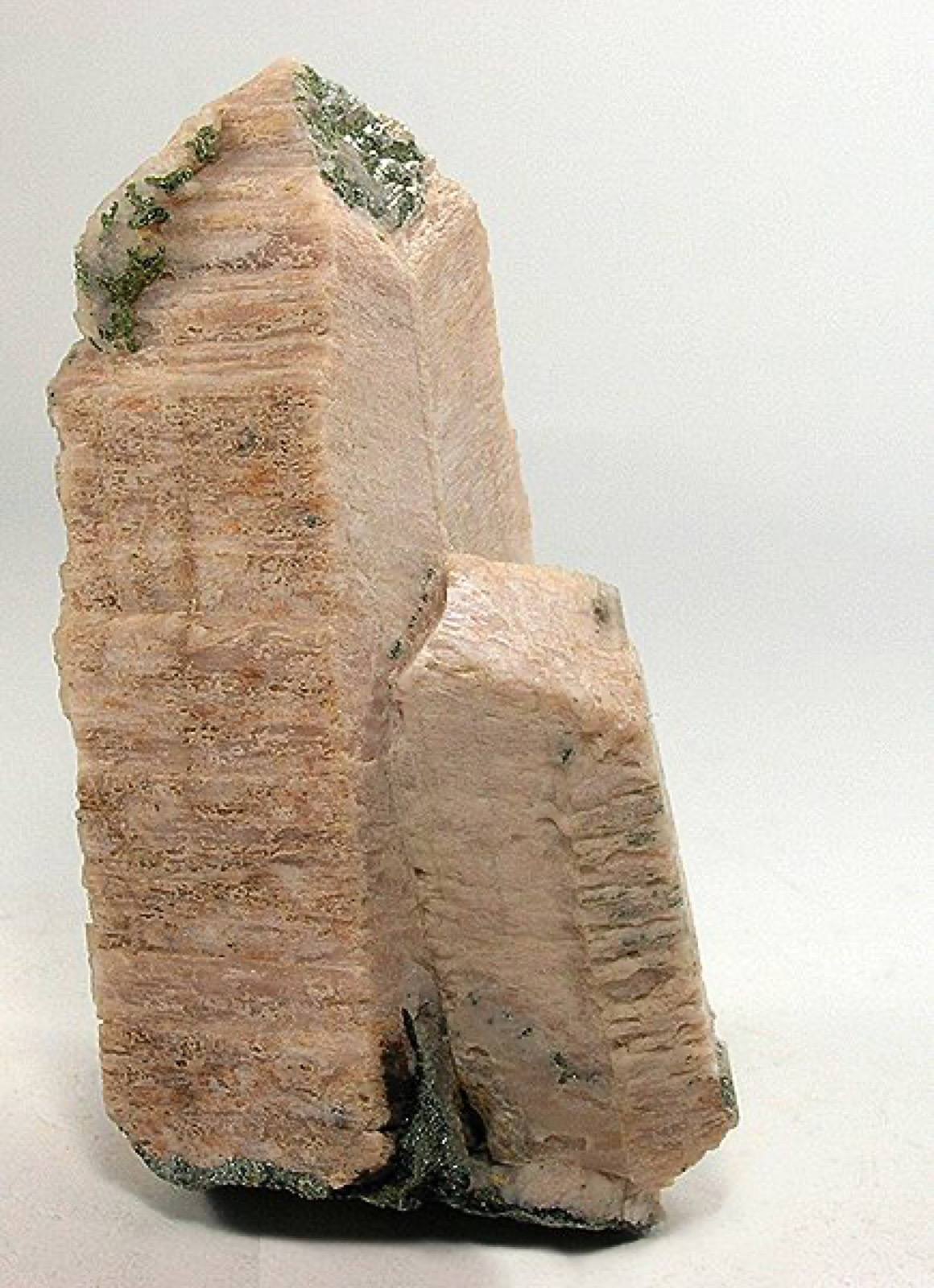
All properties
- Chemical formula
- Fe₃Al₂(SiO₄)₃
- Mohs hardness
- 7-7.5
- Density
- 3.5-4.3 g/cm³
- Streak
- White
- Luster
- Vitreous
- Transparency
- Opaque
- Crystal system
- Cubic
- Crystal habit
- Dodecahedral crystals with inclusions
- Cleavage
- None
- Rarity
- Uncommon
- Uses
- Collector, Gemstone, Lapidary
- Host rock
- metamorphic schist
Where rockhounds find star garnet
1 mapped spotsClassic worldwide localities
- Emerald Creek, Idaho, USA
- India
- Sri Lanka
Field-hunting tip
Where it forms: metamorphic schist. If you start seeing quartz, mica, feldspar in float, you are in the right ground. Typical habit: dodecahedral crystals with inclusions. Train your eye for that shape before scanning the outcrop. In the U.S., the densest reported localities are in Idaho. Start trip planning there.
More star garnet photos
Common questions
How do you identify star garnet?+
Where is star garnet found?+
Can I find star garnet in the United States?+
What rocks look like star garnet?+
What minerals are found with star garnet?+
What kind of rock does star garnet form in?+
What is star garnet used for?+
Find star garnet on the map
RockHoundR shows mapped rockhounding spots, access rules, and lets you log every find.