Spessartine is a manganese-rich garnet prized for its vibrant orange to reddish-orange color, often marketed as mandarin garnet. It typically forms as sharp, well-developed dodecahedral crystals in pegmatites and metamorphic environments. Collectors should look for high-luster, gemmy crystals, especially from the famous pockets of Namibia and Brazil.
Spotting spessartine in the field
Field marks- 1
Orange to reddish orange, often bright and transparent
- 2
Standard rounded garnet crystal form
- 3
Frequently perched on feldspar or smoky quartz in pegmatite pockets
Spessartine is the manganese garnet and its orange is distinctive enough to identify on sight. Unlike almandine it is a pegmatite pocket mineral more than a schist mineral, so the search is different: work pegmatite pocket zones and dumps. Small bright orange crystals on white feldspar make some of the most attractive small cabinet specimens in the hobby, and they are often worth more as specimens than as cut stones.
Straight answers
- Is it worth cutting?
- Facets very well and the bright orange is striking. Clean material is uncommon in larger sizes.
- What is it really worth?
- Moderate to high for clean transparent stones with strong orange color. Specimen material on matrix often outsells the loose crystals.
- Can you legally keep it?
- Pegmatite localities vary between claimed, private and open. Check status.
Often confused with
Spessartine vs. its common look-alikes, and how to tell them apart in the field.
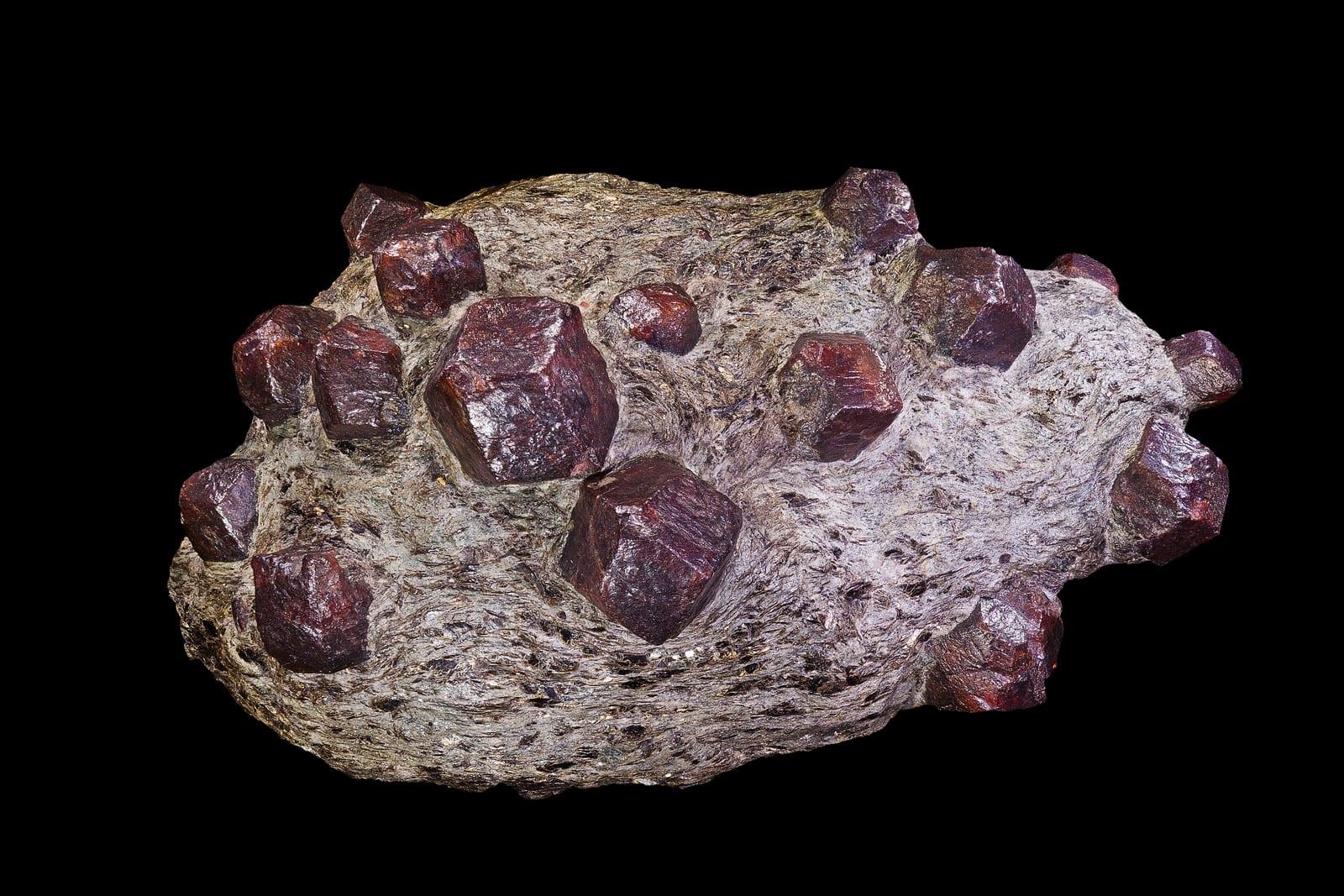
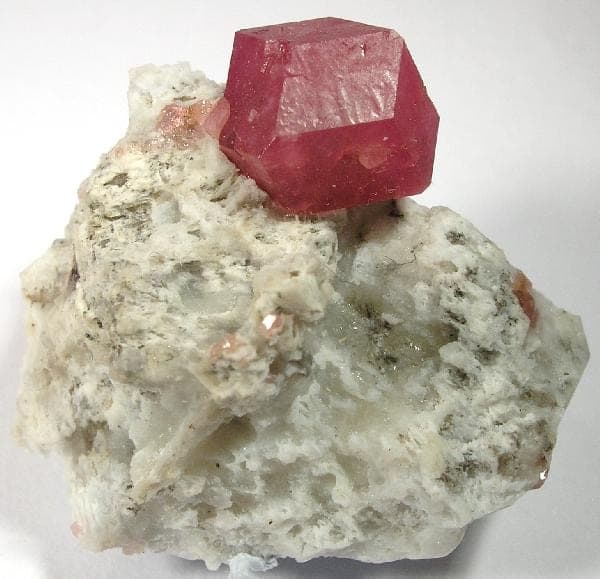
Often found alongside spessartine
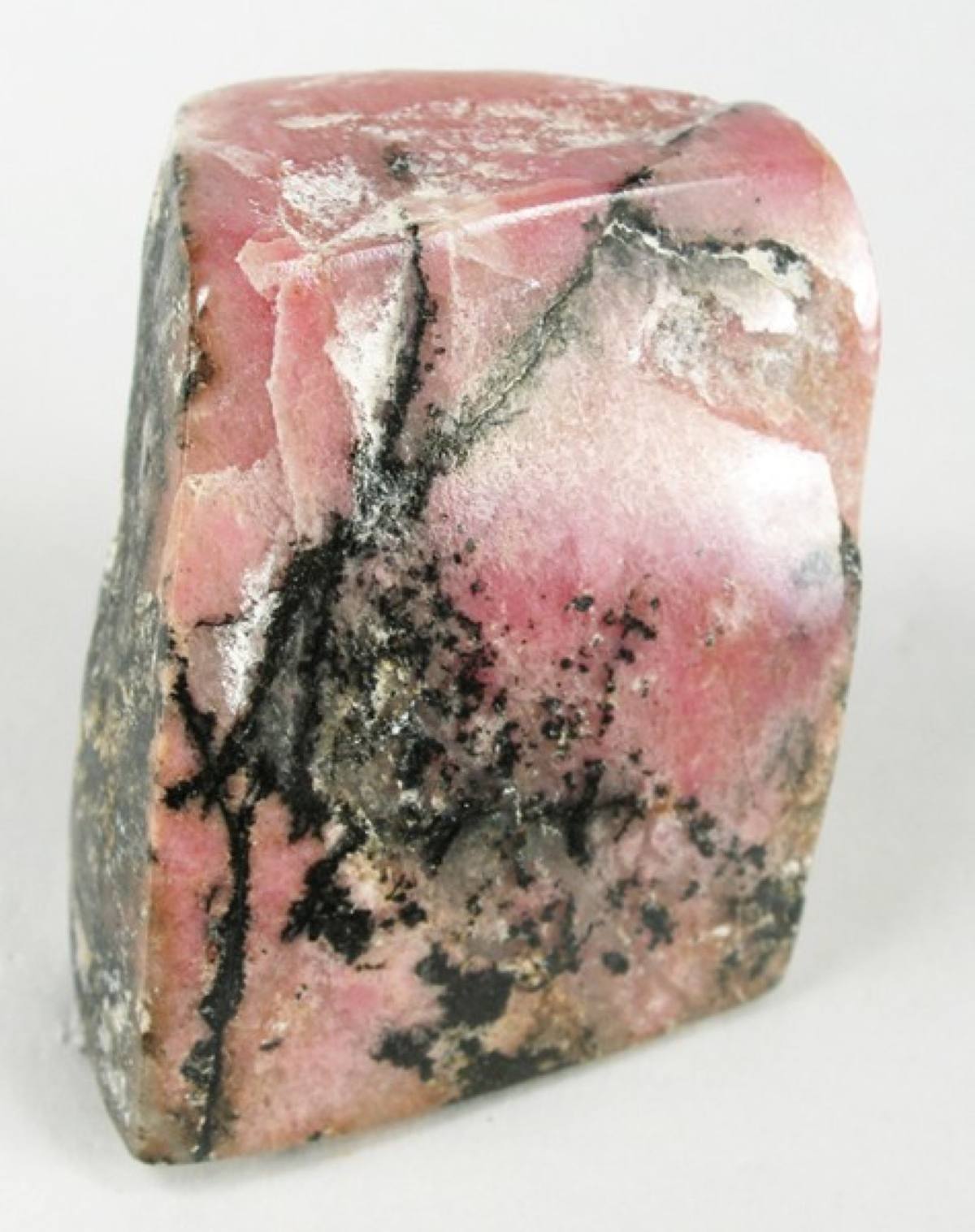
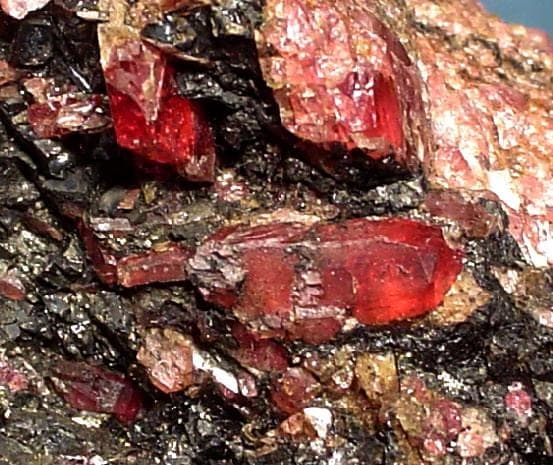
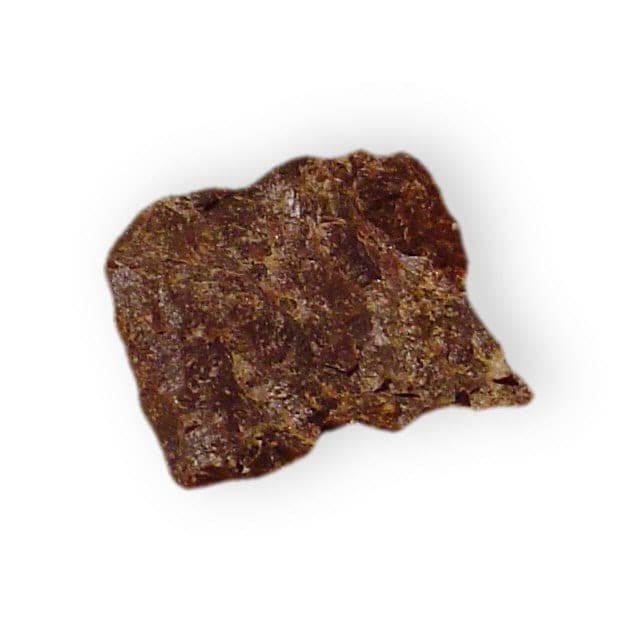
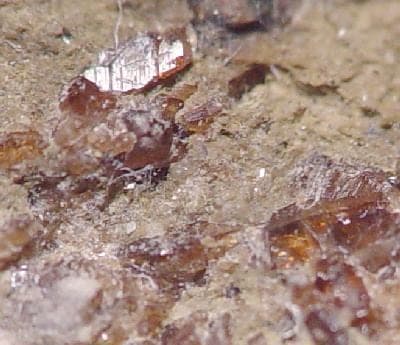
Minerals reported to co-occur with spessartine. Spotting these in float or country rock is a strong cue you are in the right ground.
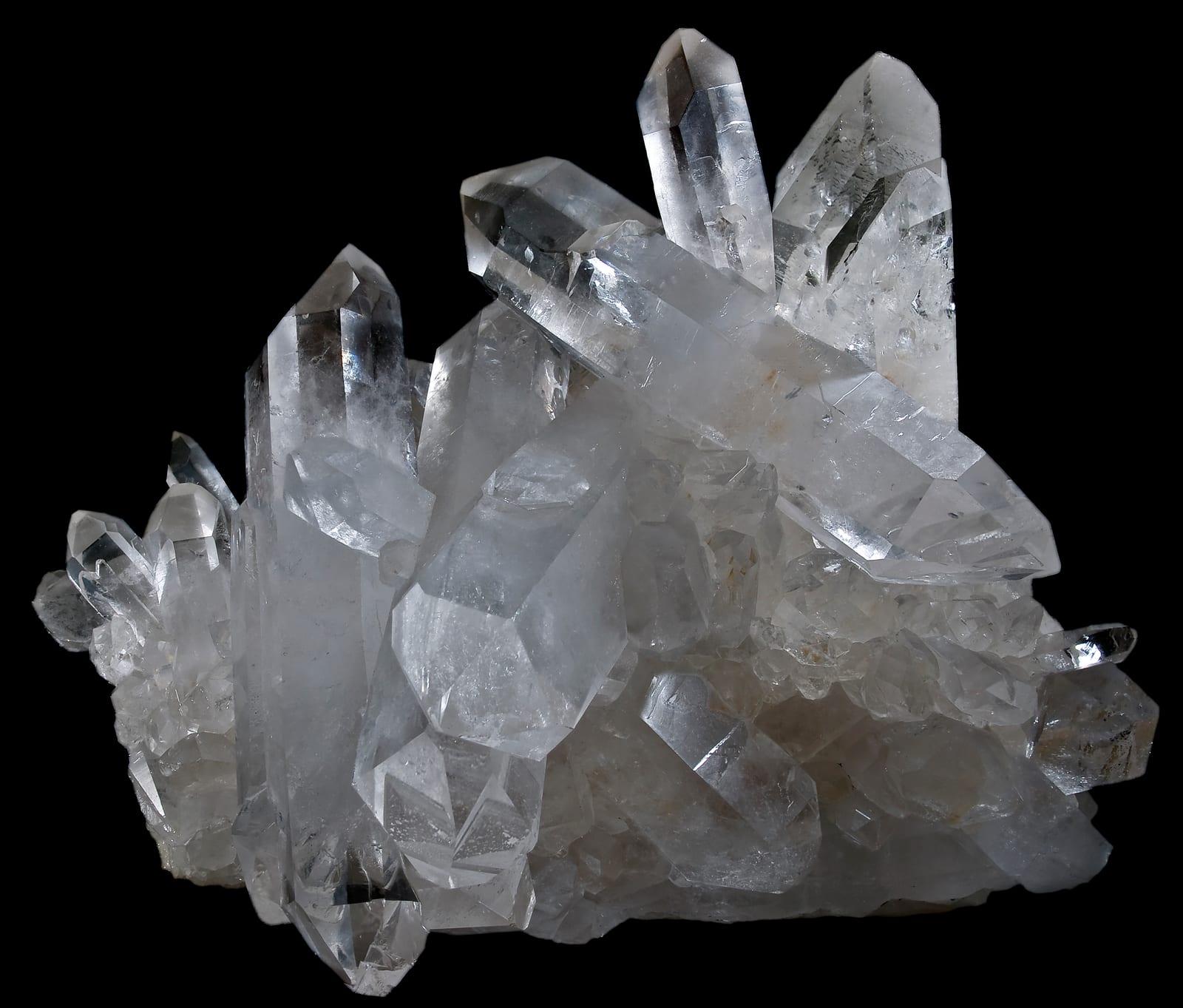
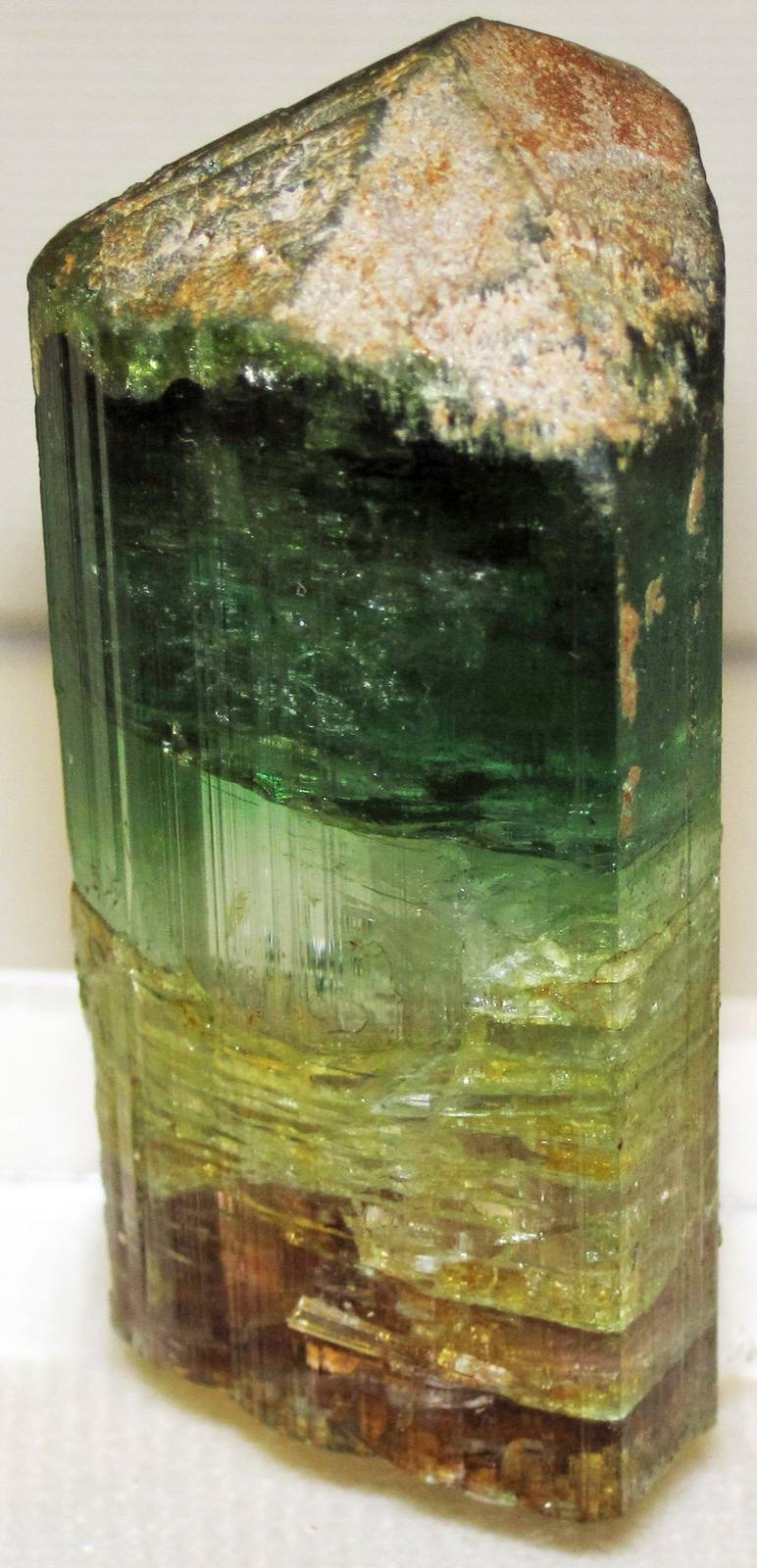
All properties
- Chemical formula
- Mn₃Al₂(SiO₄)₃
- Mohs hardness
- 7-7.5
- Density
- 4.190 g/cm³
- Streak
- White
- Luster
- Vitreous
- Transparency
- Transparent to translucent
- Crystal system
- Cubic
- Crystal habit
- Dodecahedral or trapezohedral crystals
- Cleavage
- Distinct
- Rarity
- Uncommon
- Uses
- Collector, Gemstone, Lapidary
- Host rock
- Common in granite pegmatites, granites, and rhyolites
Where rockhounds find spessartine
1 mapped spotsClassic worldwide localities
- Leiper's quarry, Avondale, Delaware Co., Pennsylvania, USA
- Rutherford mine, Amelia, Amelia Co., Virginia, USA
- Ramona and Pala districts, San Diego Co., California, USA
- Thomas Range, Juab Co., Utah, USA
- Aschaffenburg, Spessart Mountains, Bavaria, Germany
- Seriphos, Cyclades Islands, Greece
Field-hunting tip
Where it forms: Common in granite pegmatites, granites, and rhyolites. If you start seeing quartz, potassic feldspar, tourmaline in float, you are in the right ground. Typical habit: dodecahedral or trapezohedral crystals. Train your eye for that shape before scanning the outcrop. In the U.S., the densest reported localities are in Colorado. Start trip planning there.
Common questions
How do you identify spessartine?+
Where is spessartine found?+
Can I find spessartine in the United States?+
What rocks look like spessartine?+
What minerals are found with spessartine?+
What kind of rock does spessartine form in?+
What is spessartine used for?+
Find spessartine on the map
RockHoundR shows mapped rockhounding spots, access rules, and lets you log every find.