
Todorokite is a hydrated manganese oxide mineral typically found in sedimentary marine deposits and oxidized hydrothermal zones. It usually occurs as earthy or fibrous masses and crusts, often appearing as a dark, nondescript coating on other rocks. It is highly significant in geology as a major constituent of deep-sea polymetallic nodules.
Is this todorokite?
5-step field checkRun through these checks against the specimen in your hand. The more boxes tick, the more confident the ID.
- 1Test the hardnessTry to scratch todorokite with a known reference. Todorokite sits at Mohs 1.5, softer than the next harder reference, harder than the previous one.
- 2Check the streakDrag the specimen across an unglazed porcelain plate. Streak: black.
- 3Read the lusterHold the specimen under a strong light. Luster: metallic to dull; silky in aggregates.
- 4Match the color rangeCompare against the expected color range: black, brownish black, gray, grayish black, dark brown.
- 5Look at form & habitCrystal system: monoclinic. Typical habit: aggregates, nodular, reniform.
Often confused with
Todorokite vs. its common look-alikes, and how to tell them apart in the field.
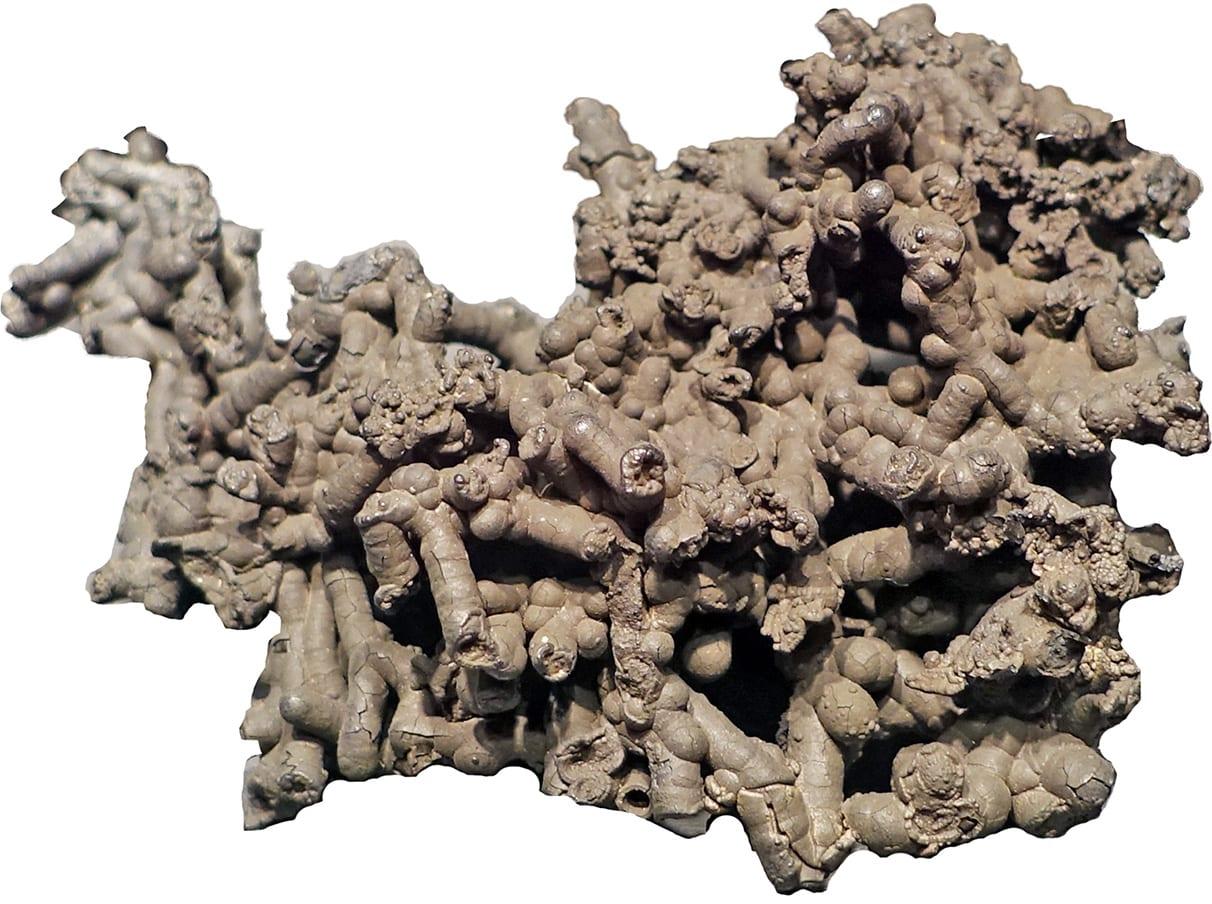
How to tell apart: Psilomelane is the harder of the two (Mohs 5-6 vs. 1.5); streak differs, so Todorokite leaves black, Psilomelane leaves brownish black; luster reads metallic to dull; silky in aggregates on Todorokite and submetallic on Psilomelane.
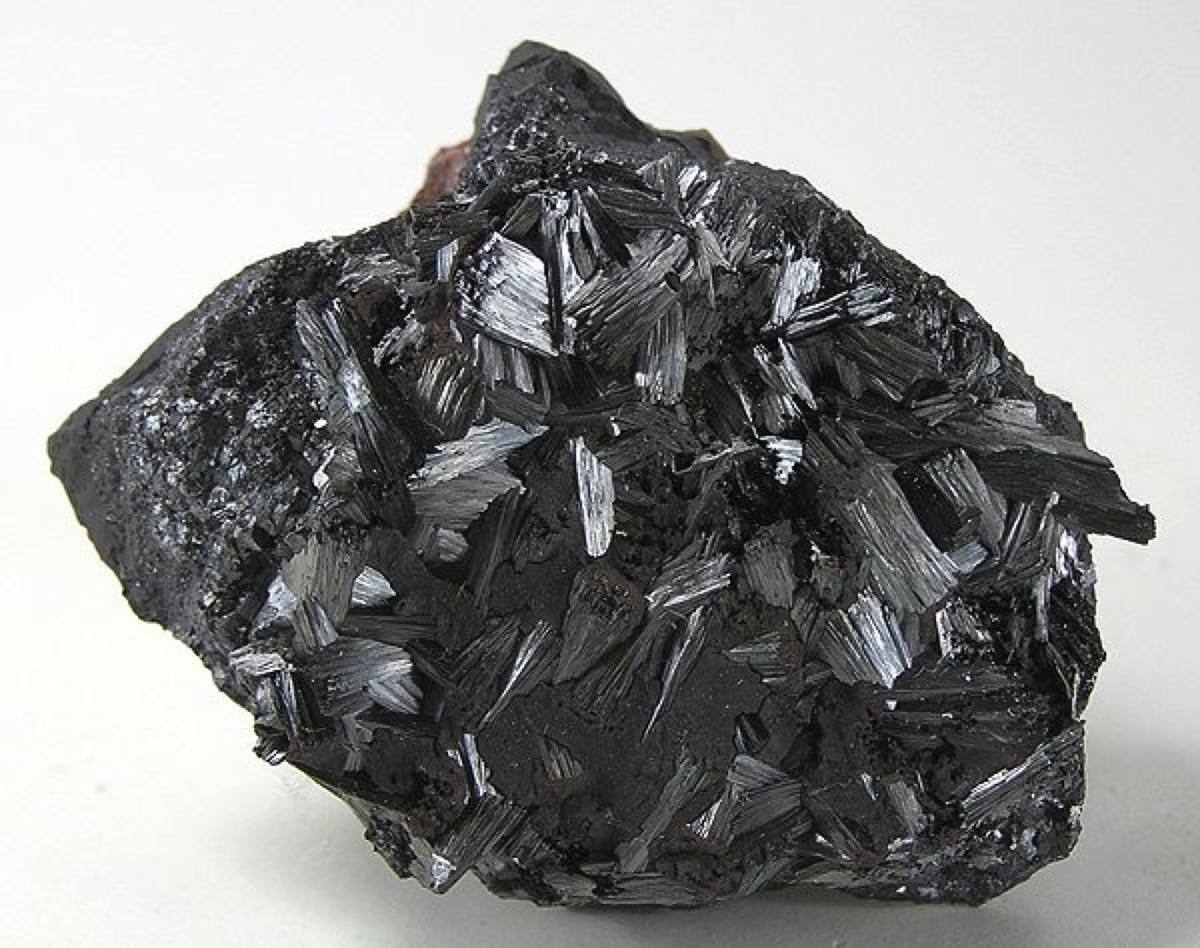
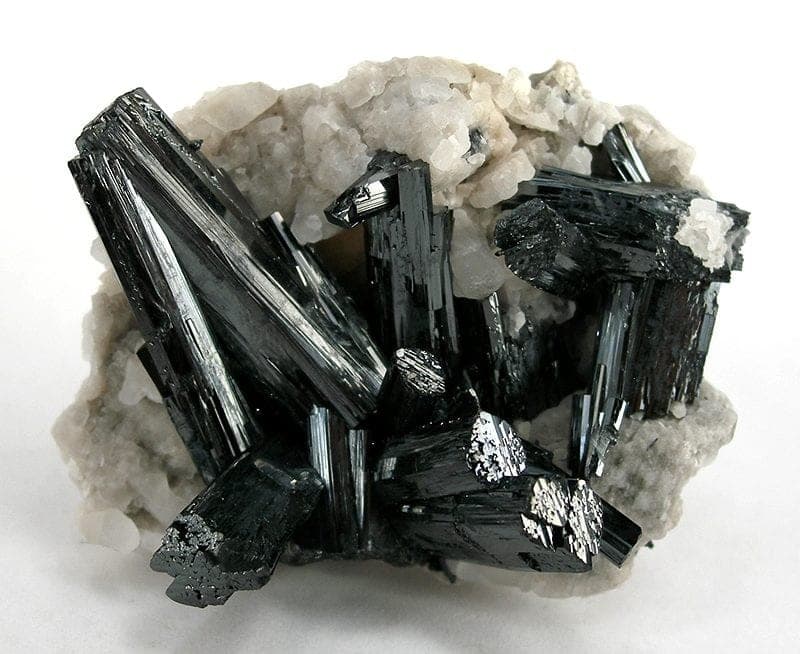
How to tell apart: Manganite is the harder of the two (Mohs 4 vs. 1.5); streak differs, so Todorokite leaves black, Manganite leaves reddish brown to nearly black; luster reads metallic to dull; silky in aggregates on Todorokite and submetallic on Manganite.
Often found alongside todorokite
Minerals reported to co-occur with todorokite. Spotting these in float or country rock is a strong cue you are in the right ground.
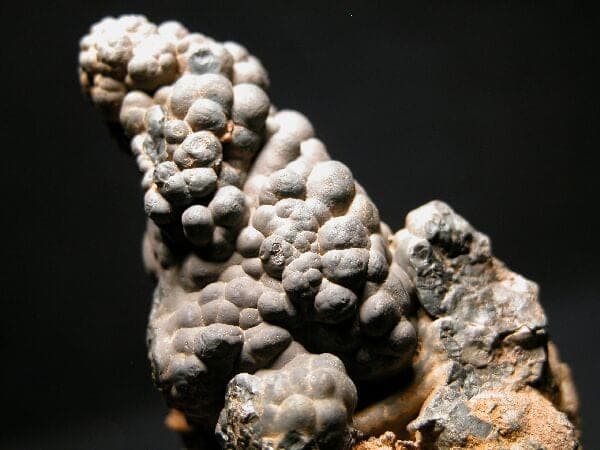
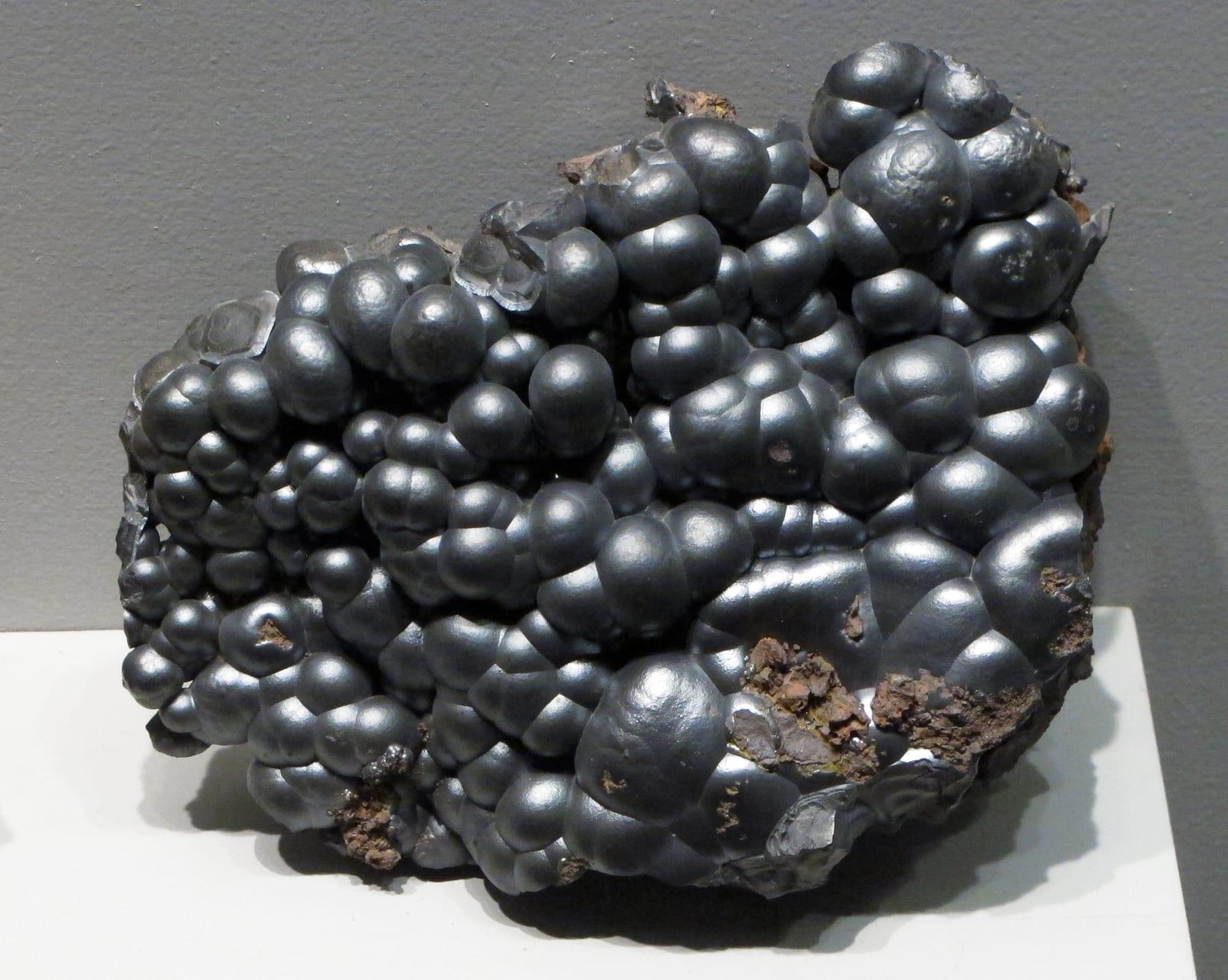
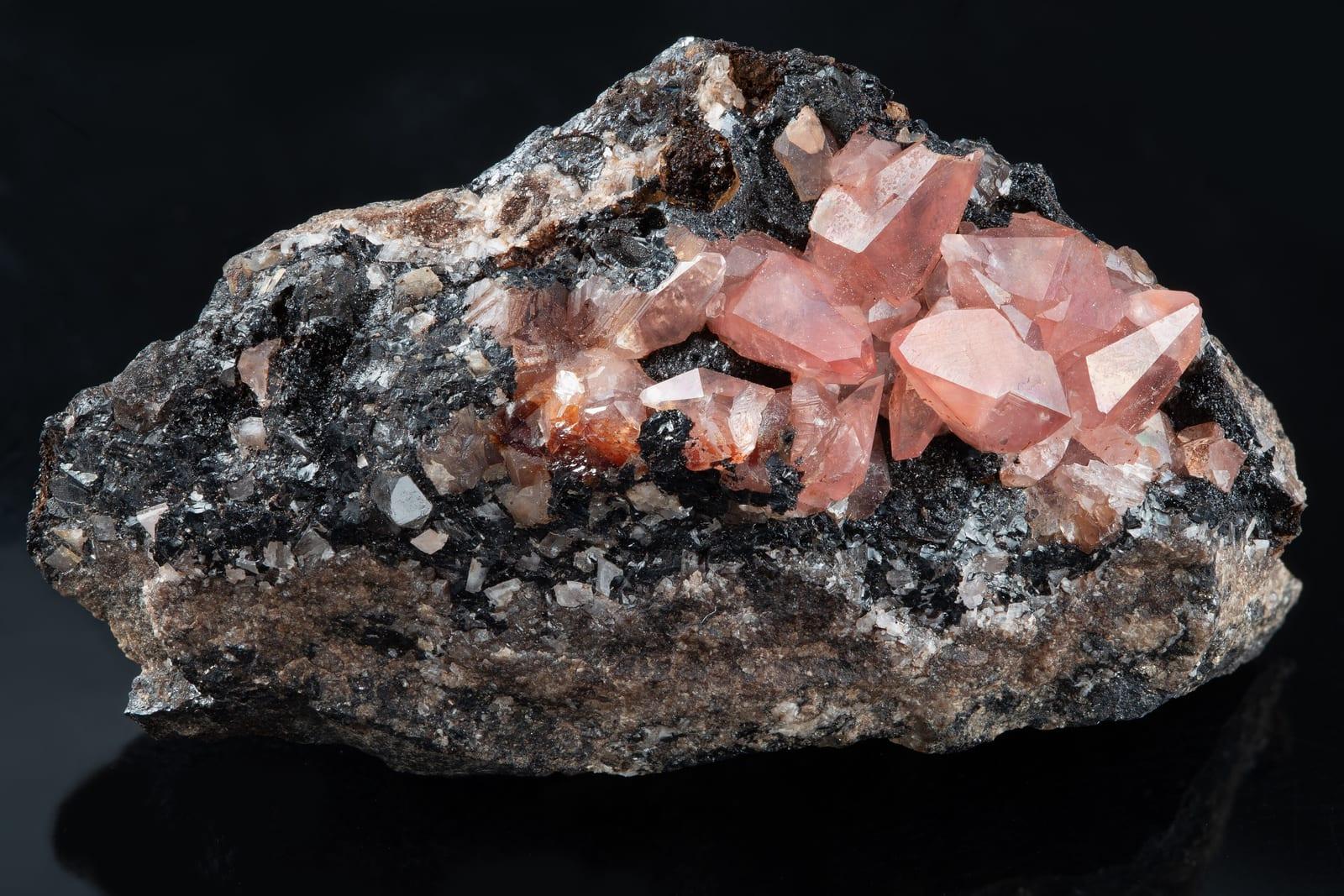
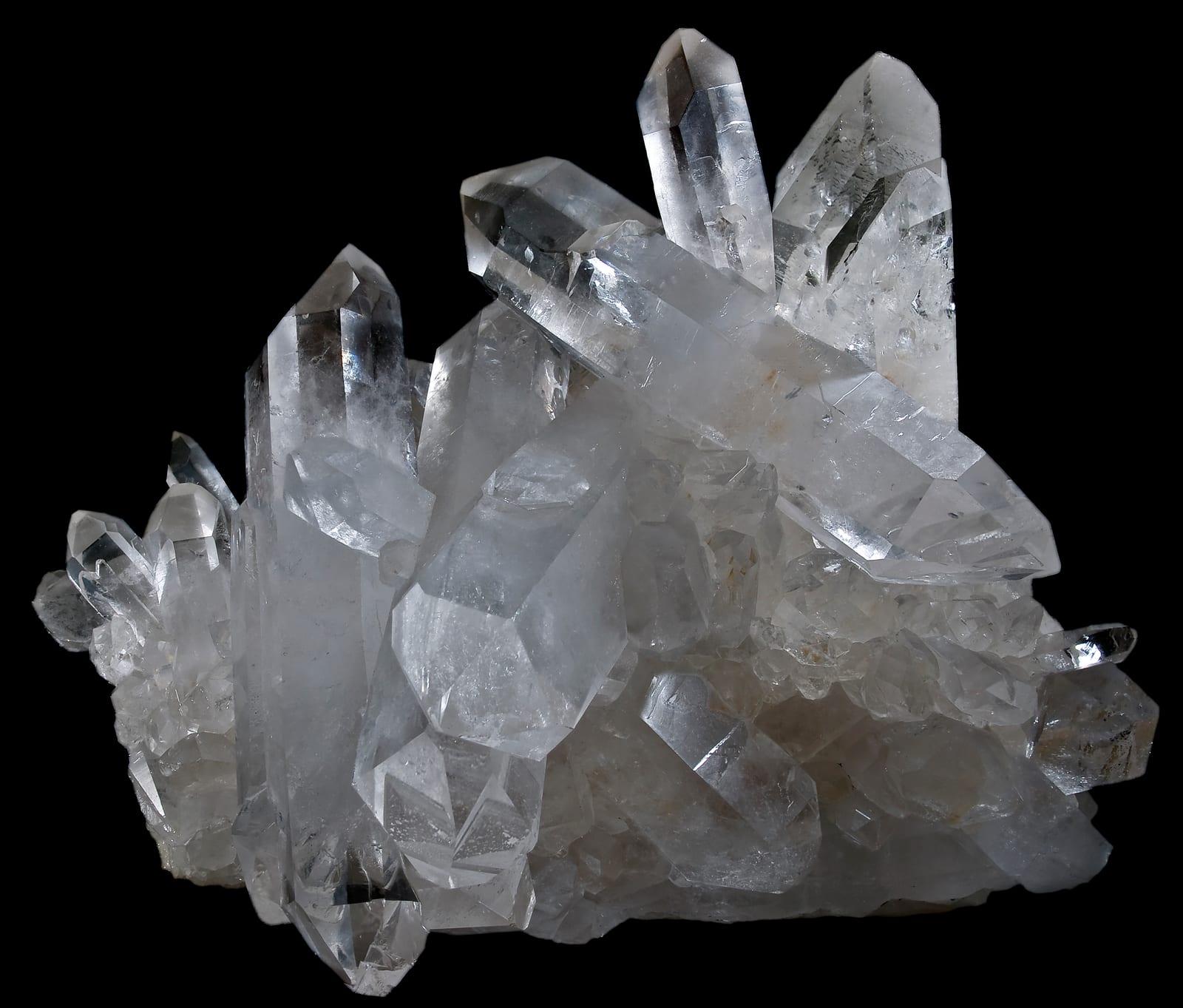
All properties
- Chemical formula
- (Na,Ca,K,Ba,Sr)₁-x(Mn,Mn,Mg,Al)₆O₁₂·3-4H₂O
- Mohs hardness
- 1.5
- Density
- 3.66 g/cm³
- Streak
- Black
- Luster
- Metallic to dull; silky in aggregates
- Transparency
- Opaque, transparent in thinnest slivers
- Crystal system
- Monoclinic
- Crystal habit
- Aggregates, nodular, reniform
- Cleavage
- {100} and {010}, perfect
- Rarity
- Common
- Uses
- Collector, Scientific research
- Host rock
- A secondary mineral produced from weathering or hydrothermal alteration of other manganese-bearing species; in sedimentary marine fumarolic deposits; the principal manganese oxide in deep-sea manganese nodules
Where rockhounds find todorokite
Classic worldwide localities
- Sterling Hill, Ogdensburg, Sussex Co., New Jersey, and the Tip Top mine, 8.5 km southwest of Custer, Custer Co., South Dakota, USA
- Todoroki mine, south of Ginzan, Hokkaido, Japan
- Groote Eylandt, Northern Territory, Australia
- Charco Redondo–Taratana district, Oriente Province, Cuba
- Urandi, Bahia, Brazil
- Nsuta, Ghana
Field-hunting tip
Where it forms: A secondary mineral produced from weathering or hydrothermal alteration of other manganese-bearing species; in sedimentary marine fumarolic deposits; the principal manganese oxide in deep-sea manganese nodules. If you start seeing pyrolusite, cryptomelane, romanèchite in float, you are in the right ground. Typical habit: aggregates, nodular, reniform. Train your eye for that shape before scanning the outcrop.
Common questions
How do you identify todorokite?+
Where is todorokite found?+
What rocks look like todorokite?+
What minerals are found with todorokite?+
What kind of rock does todorokite form in?+
What is todorokite used for?+
Find todorokite on the map
RockHoundR shows mapped rockhounding spots, access rules, and lets you log every find.

