Tsumebite is a striking secondary phosphate mineral primarily known from the type locality at the Tsumeb Mine in Namibia. It typically forms attractive bright green, tabular, wedge-shaped crystals and is highly sought after by collectors of rare lead-copper species.
Is this tsumebite?
5-step field checkRun through these checks against the specimen in your hand. The more boxes tick, the more confident the ID.
- 1Test the hardnessTry to scratch tsumebite with a known reference. Tsumebite sits at Mohs 3.5, softer than the next harder reference, harder than the previous one.
- 2Check the streakDrag the specimen across an unglazed porcelain plate. Streak: green.
- 3Read the lusterHold the specimen under a strong light. Luster: vitreous, brilliant.
- 4Match the color rangeCompare against the expected color range: emerald green.
- 5Look at form & habitCrystal system: monoclinic. Typical habit: encrustations.
Often confused with
Tsumebite vs. its common look-alikes, and how to tell them apart in the field.
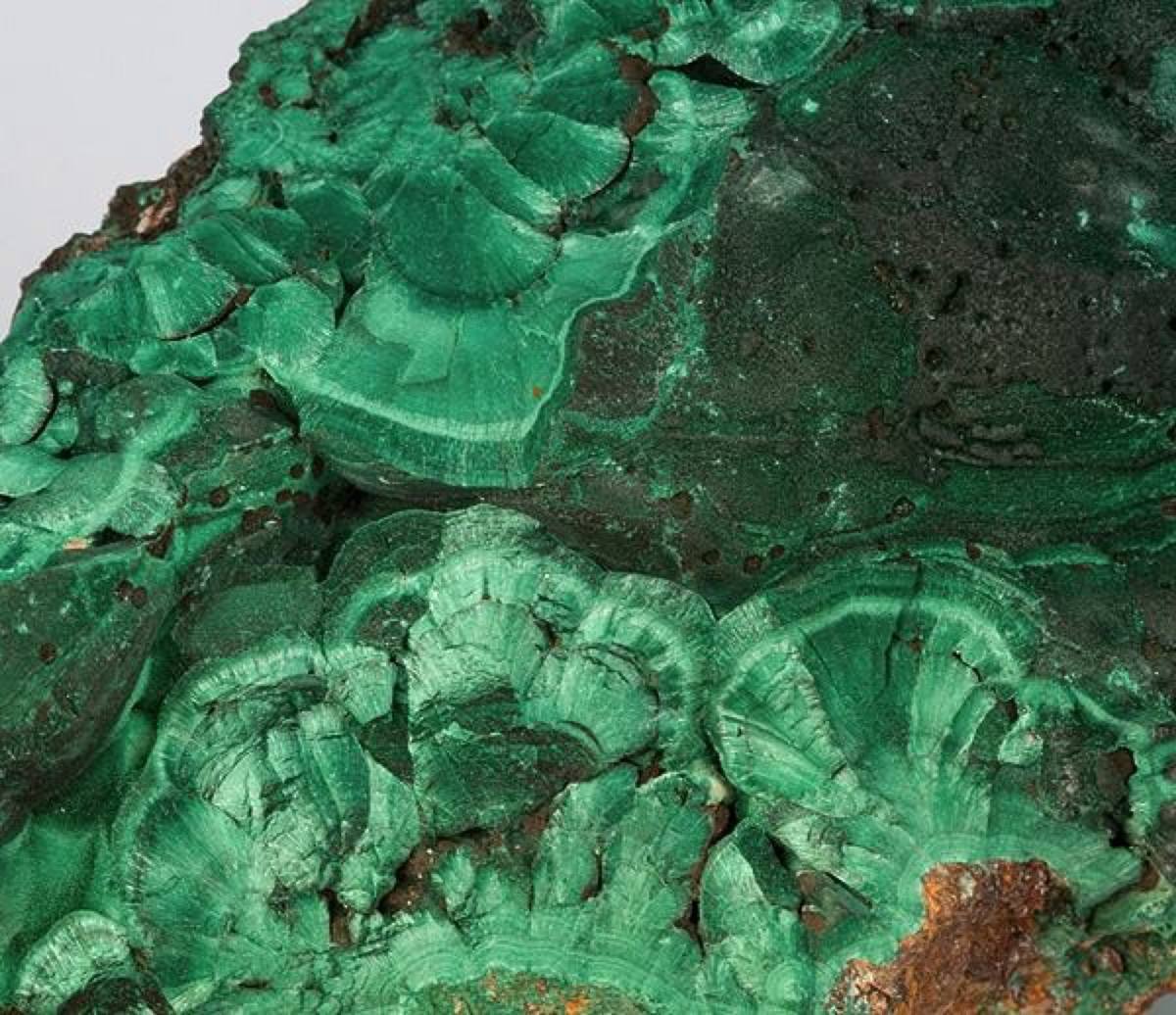
How to tell apart: Streak differs, so Tsumebite leaves green, Malachite leaves pale green; luster reads vitreous, brilliant on Tsumebite and adamantine to vitreous; silky if fibrous; dull to earthy if massive on Malachite.
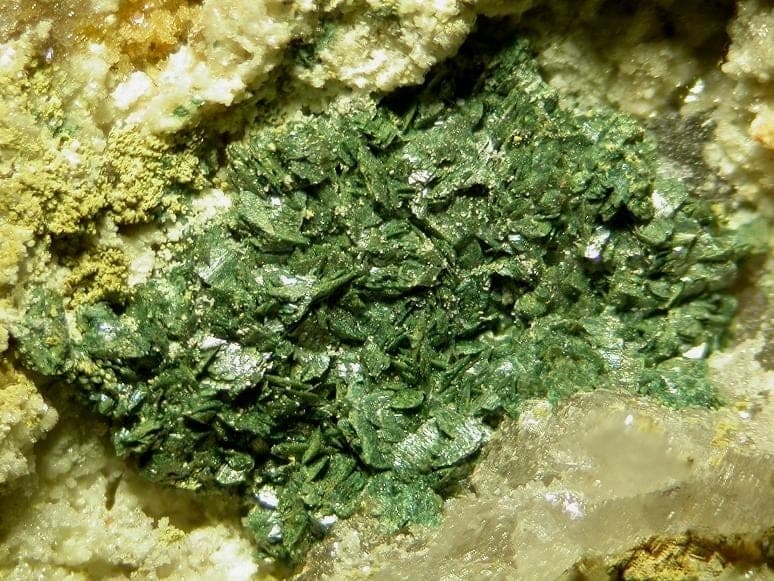
How to tell apart: Streak differs, so Tsumebite leaves green, Vauquelinite leaves greenish to brownish; luster reads vitreous, brilliant on Tsumebite and adamantine to resinous on Vauquelinite.
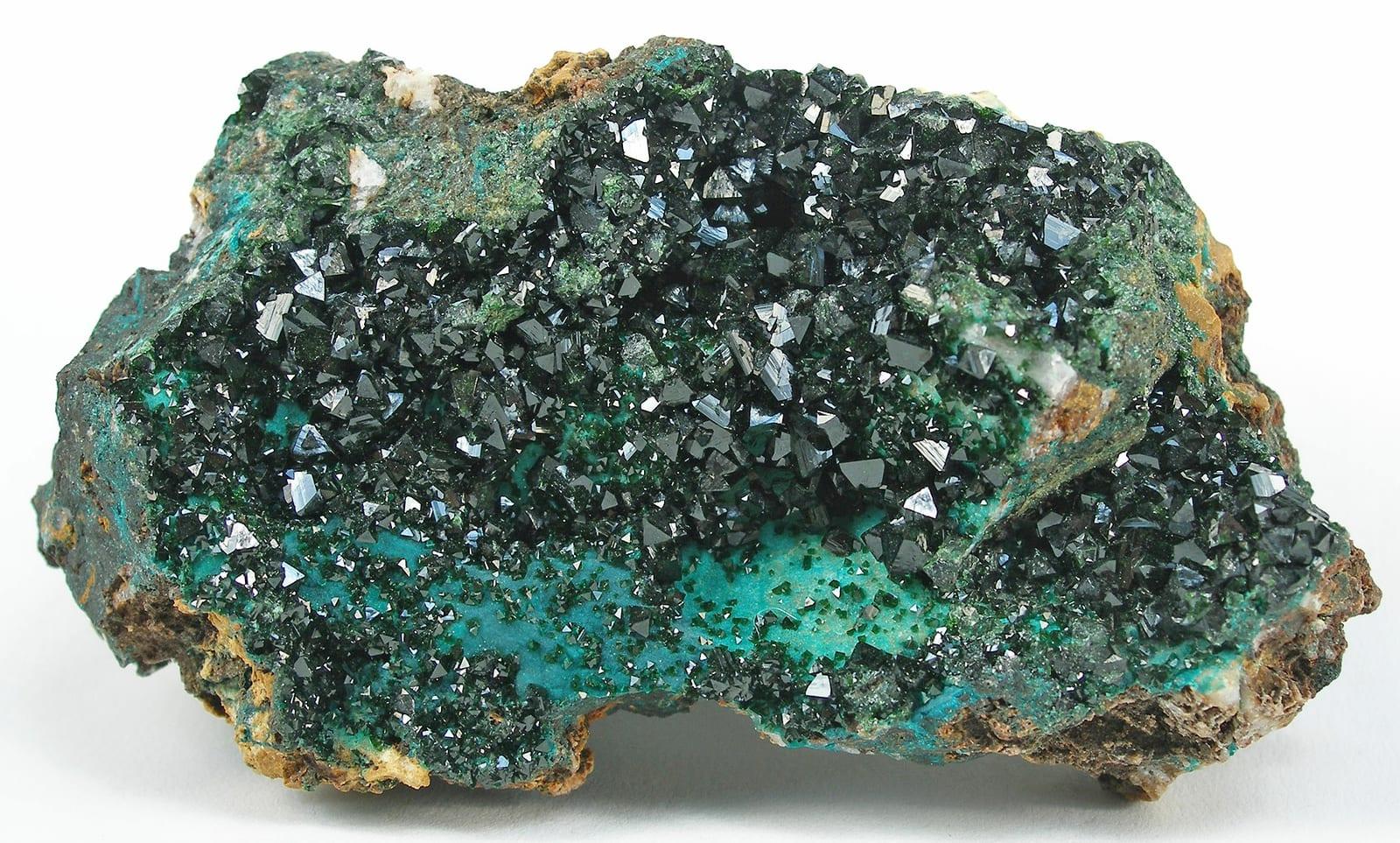
How to tell apart: Streak differs, so Tsumebite leaves green, Libethenite leaves light green.
Often found alongside tsumebite
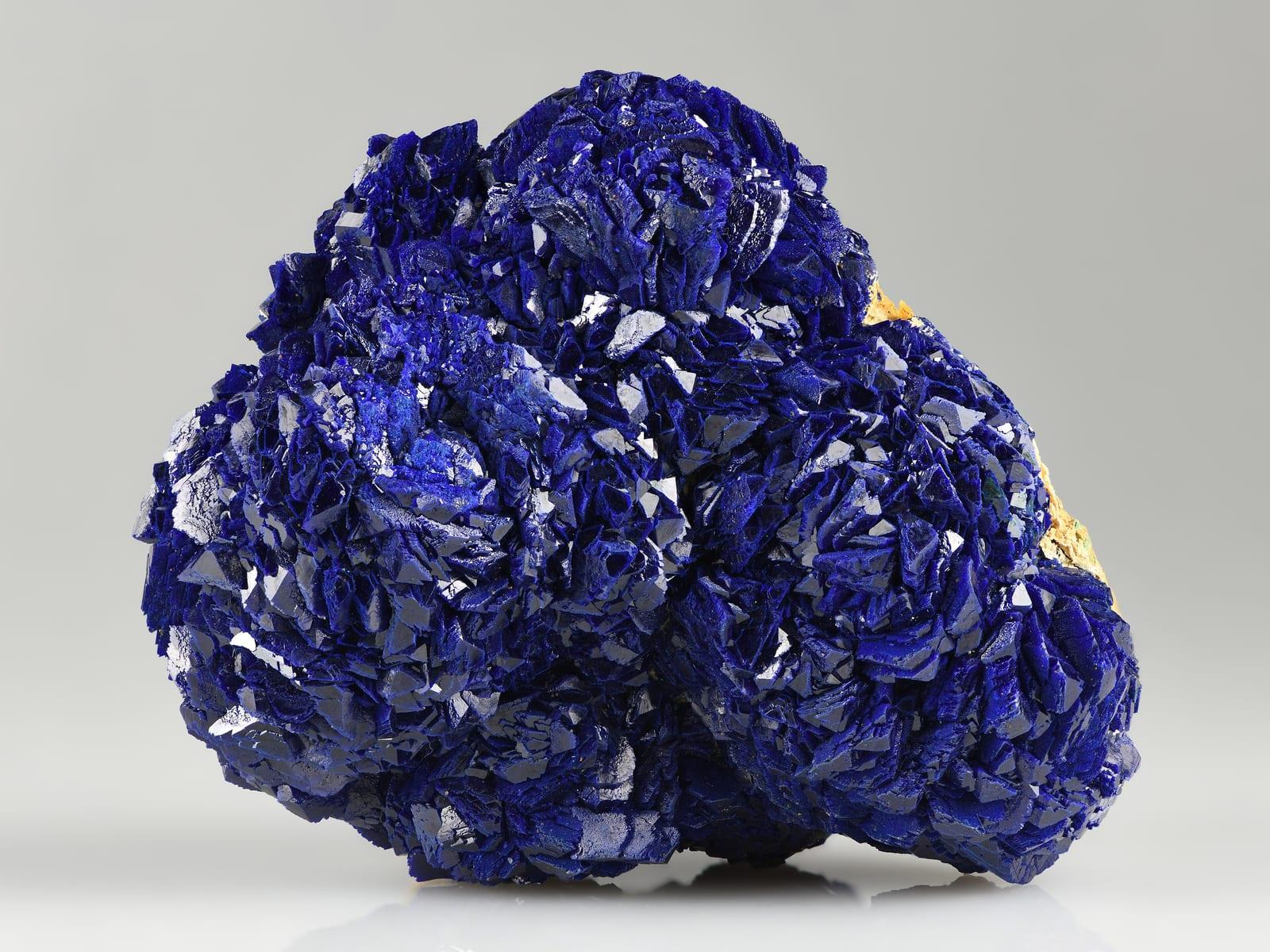
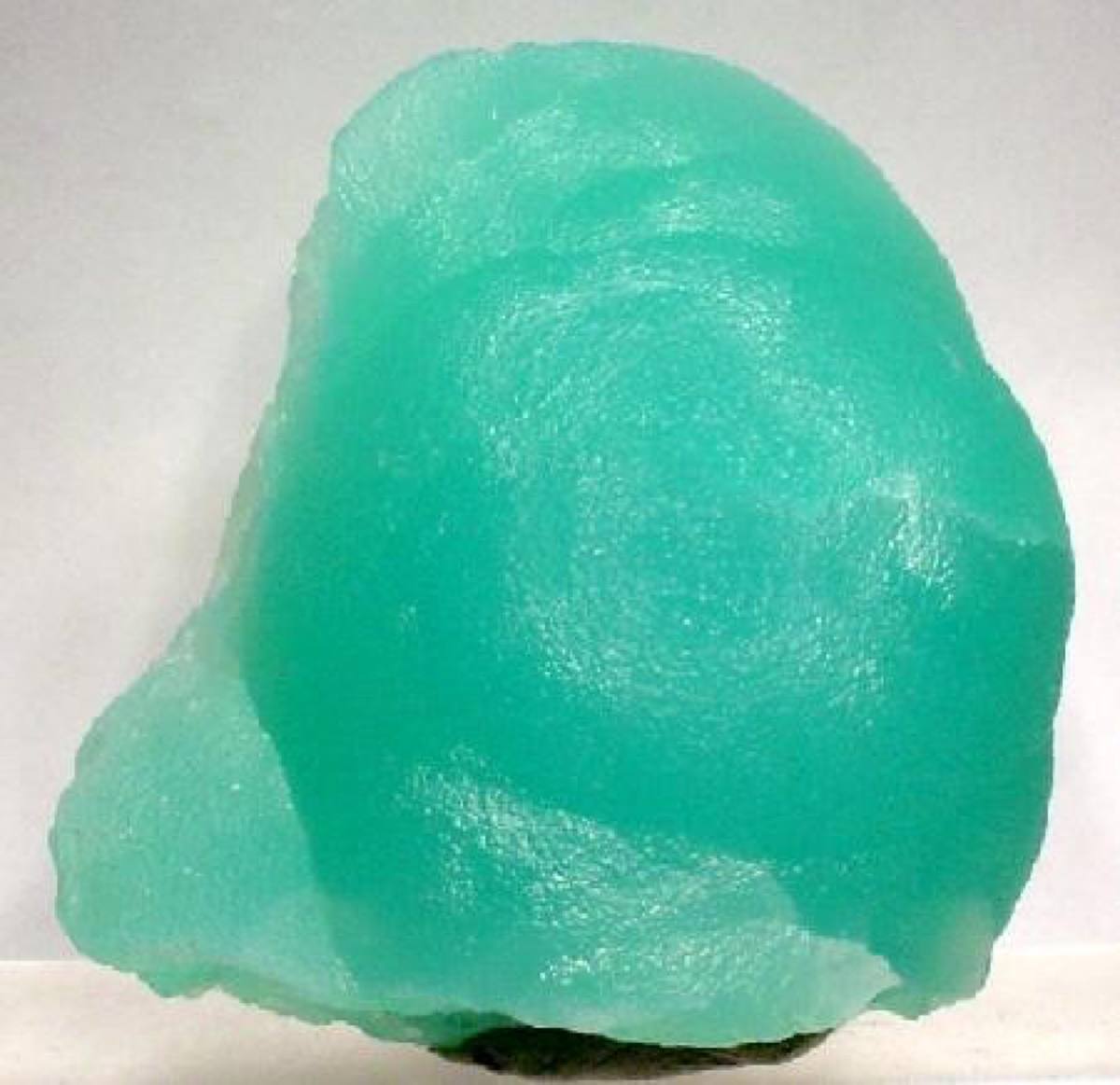
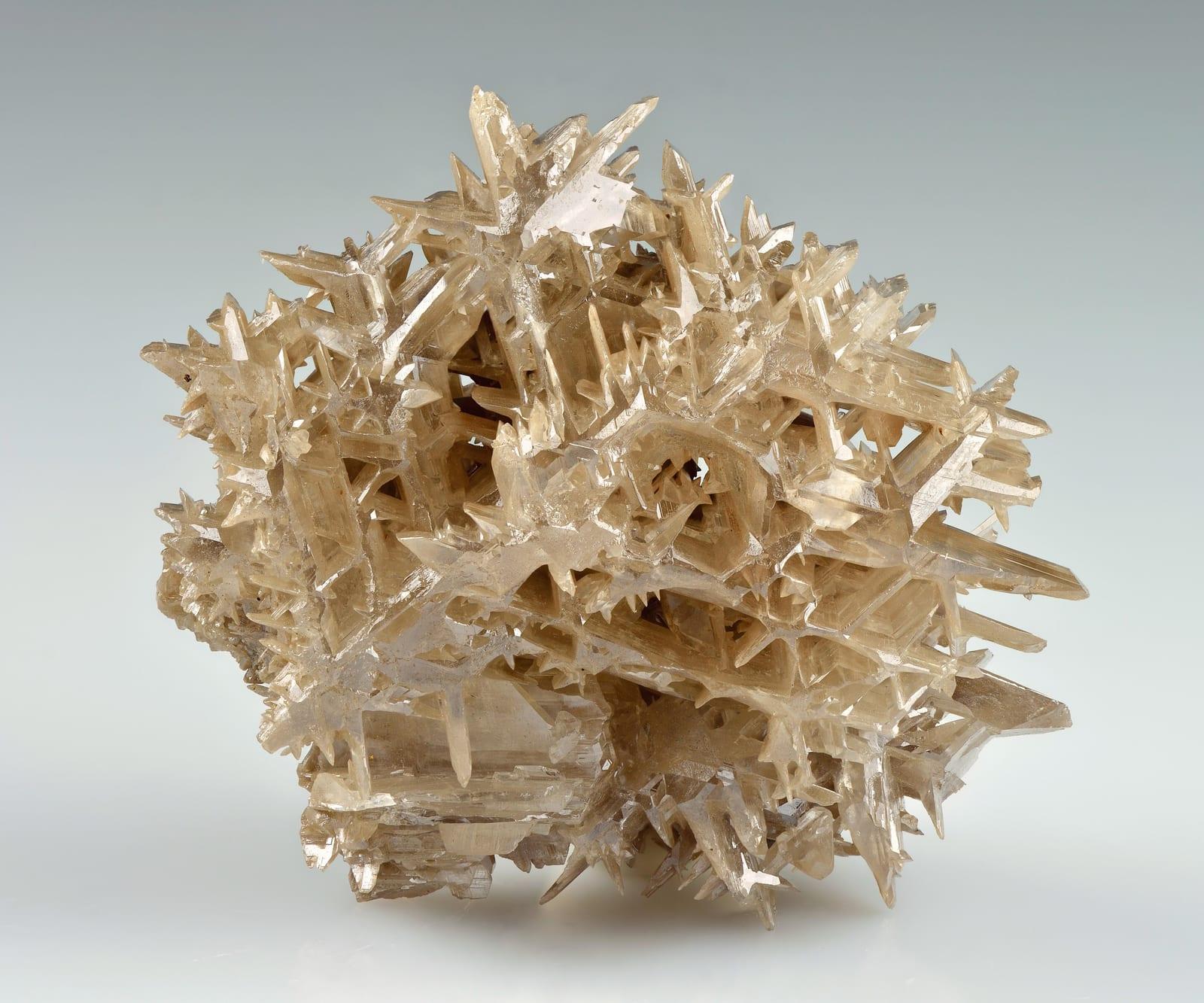
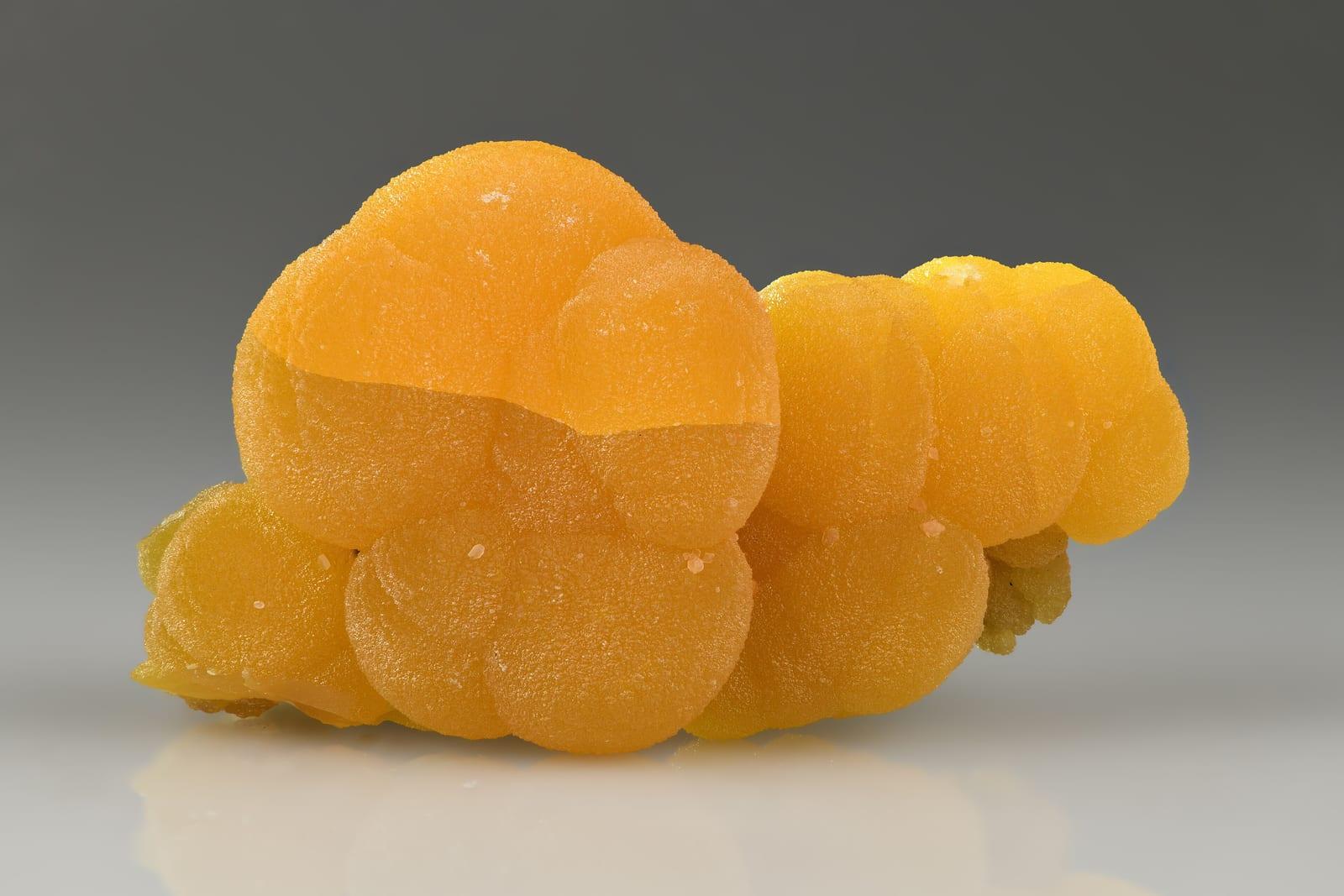
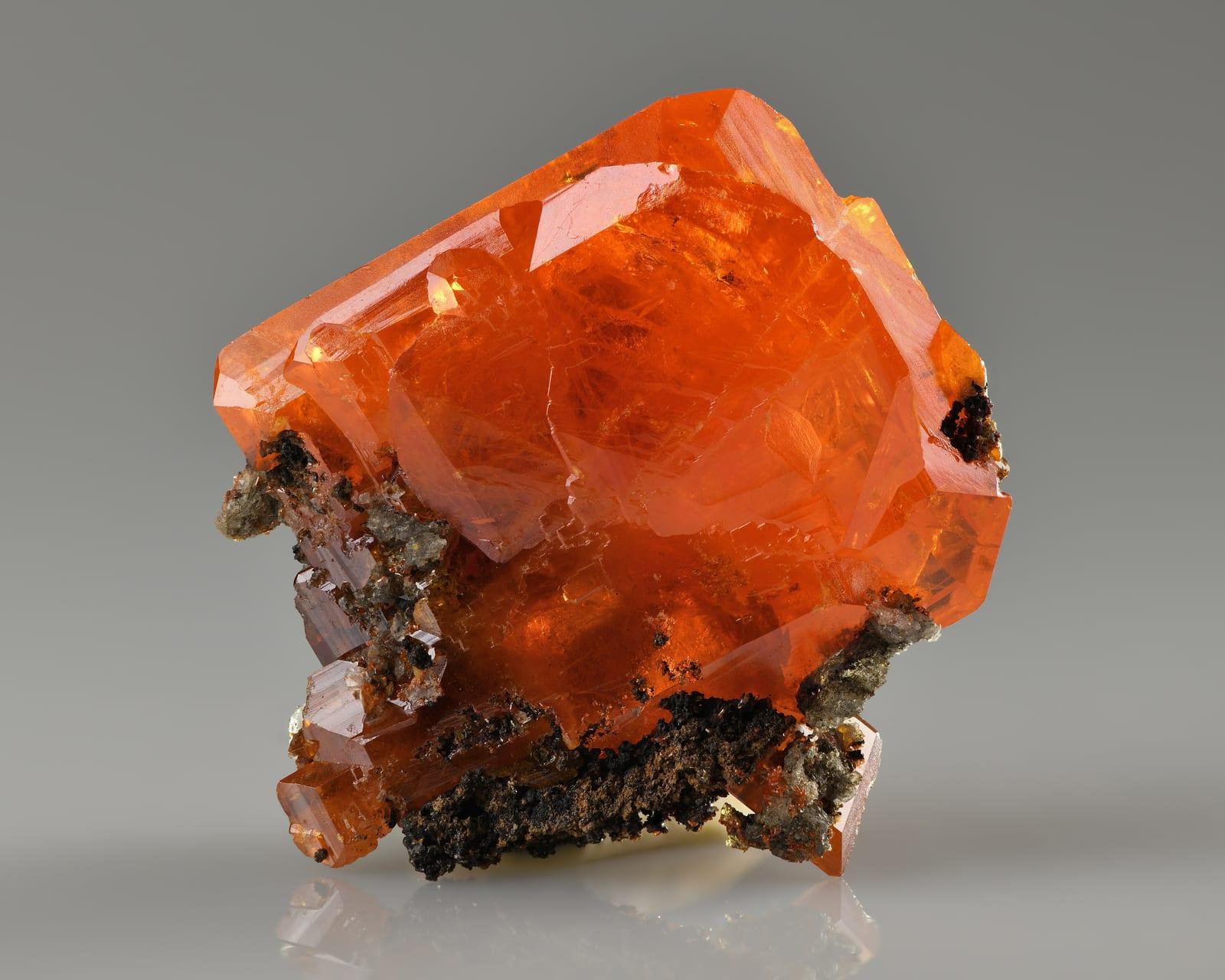
Minerals reported to co-occur with tsumebite. Spotting these in float or country rock is a strong cue you are in the right ground.
All properties
- Chemical formula
- Pb₂Cu(PO₄)(SO₄)(OH)
- Mohs hardness
- 3.5
- Density
- 6.01-6.13 g/cm³
- Colors
- Streak
- Green
- Luster
- Vitreous, brilliant
- Transparency
- Transparent
- Crystal system
- Monoclinic
- Crystal habit
- Encrustations
- Cleavage
- None
- Rarity
- Rare
- Uses
- Collector
- Host rock
- A rare secondary mineral in the oxidized zone of some arsenic-bearing Pb–Cu deposits
Where rockhounds find tsumebite
Classic worldwide localities
- Morenci, Greenlee Co., Arizona, USA
- Mammoth-St. Anthony mine, Tiger, Pinal Co., Arizona, USA
- Mex-Tex mine, near Bingham, Hansonburg district, Socorro Co., New Mexico, USA
- Blue Bell claims, near Baker, San Bernardino Co., California, USA
- Tsumeb, Namibia
- Kipushi, 28 km southwest of Lubumbashi, Katanga Province, Congo (Shaba Province, Zaire)
Field-hunting tip
Where it forms: A rare secondary mineral in the oxidized zone of some arsenic-bearing Pb–Cu deposits. If you start seeing azurite, smithsonite, malachite in float, you are in the right ground. Typical habit: encrustations. Train your eye for that shape before scanning the outcrop.
Common questions
How do you identify tsumebite?+
Where is tsumebite found?+
Is tsumebite safe to handle?+
What rocks look like tsumebite?+
What minerals are found with tsumebite?+
What kind of rock does tsumebite form in?+
What is tsumebite used for?+
Find tsumebite on the map
RockHoundR shows mapped rockhounding spots, access rules, and lets you log every find.