Volborthite is a secondary vanadium mineral typically found as vibrant green to yellow crusts or botryoidal coatings in oxidized copper deposits. Collectors usually search for its characteristic radiating habit or crystalline aggregates often associated with other copper minerals. It is sought after for its distinct color and structural beauty, though it requires careful handling due to its heavy metal content.
Is this volborthite?
5-step field checkRun through these checks against the specimen in your hand. The more boxes tick, the more confident the ID.
- 1Test the hardnessTry to scratch volborthite with a known reference. Volborthite sits at Mohs 3.5, softer than the next harder reference, harder than the previous one.
- 2Check the streakDrag the specimen across an unglazed porcelain plate. Streak: light green.
- 3Read the lusterHold the specimen under a strong light. Luster: vitreous, oily, resinous, waxy, pearly on the cleavage.
- 4Match the color rangeCompare against the expected color range: yellow, brownish yellow, greenish yellow, yellow green, light brown.
- 5Look at form & habitCrystal system: monoclinic. Typical habit: globular, scaly.
Often confused with
Volborthite vs. its common look-alikes, and how to tell them apart in the field.
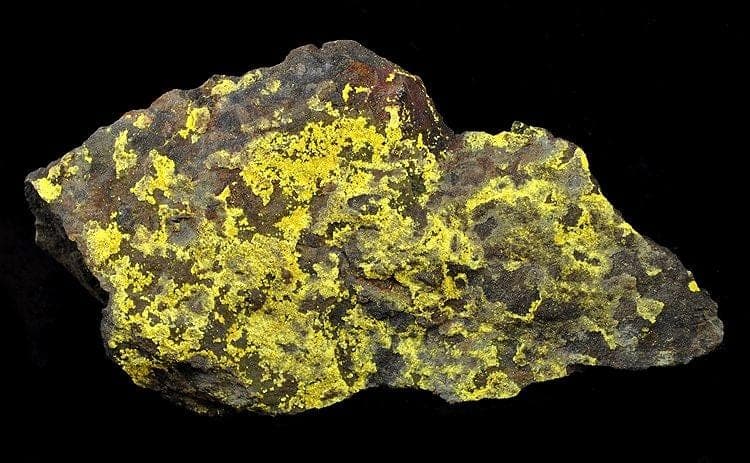
How to tell apart: Volborthite is noticeably harder (Mohs 3.5 vs. ~2); luster reads vitreous, oily, resinous, waxy, pearly on the cleavage on Volborthite and adamantine, pearly on {001}, may be dull to waxy if massive on Tyuyamunite.
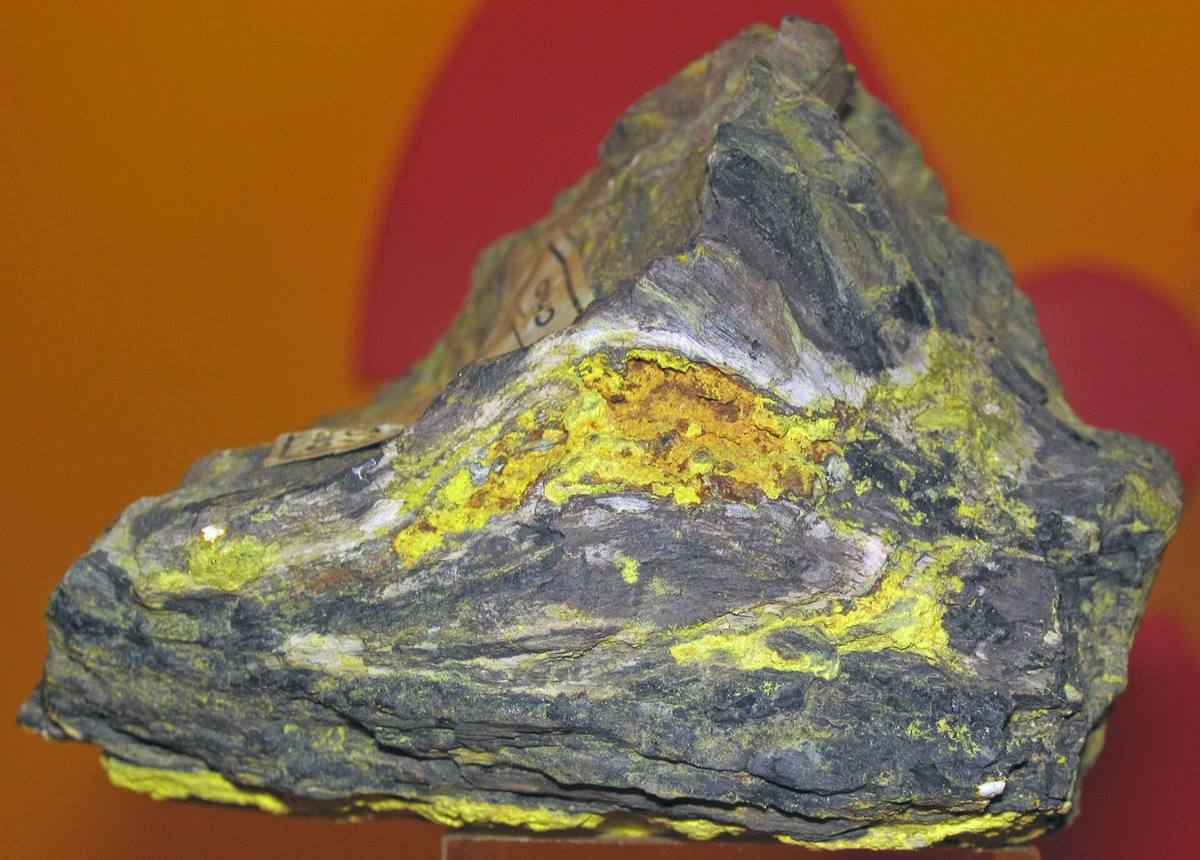
How to tell apart: Volborthite is noticeably harder (Mohs 3.5 vs. 2); streak differs, so Volborthite leaves light green, Carnotite leaves strontian-yellow; luster reads vitreous, oily, resinous, waxy, pearly on the cleavage on Volborthite and dull, earthy; silky when crystalline on Carnotite.
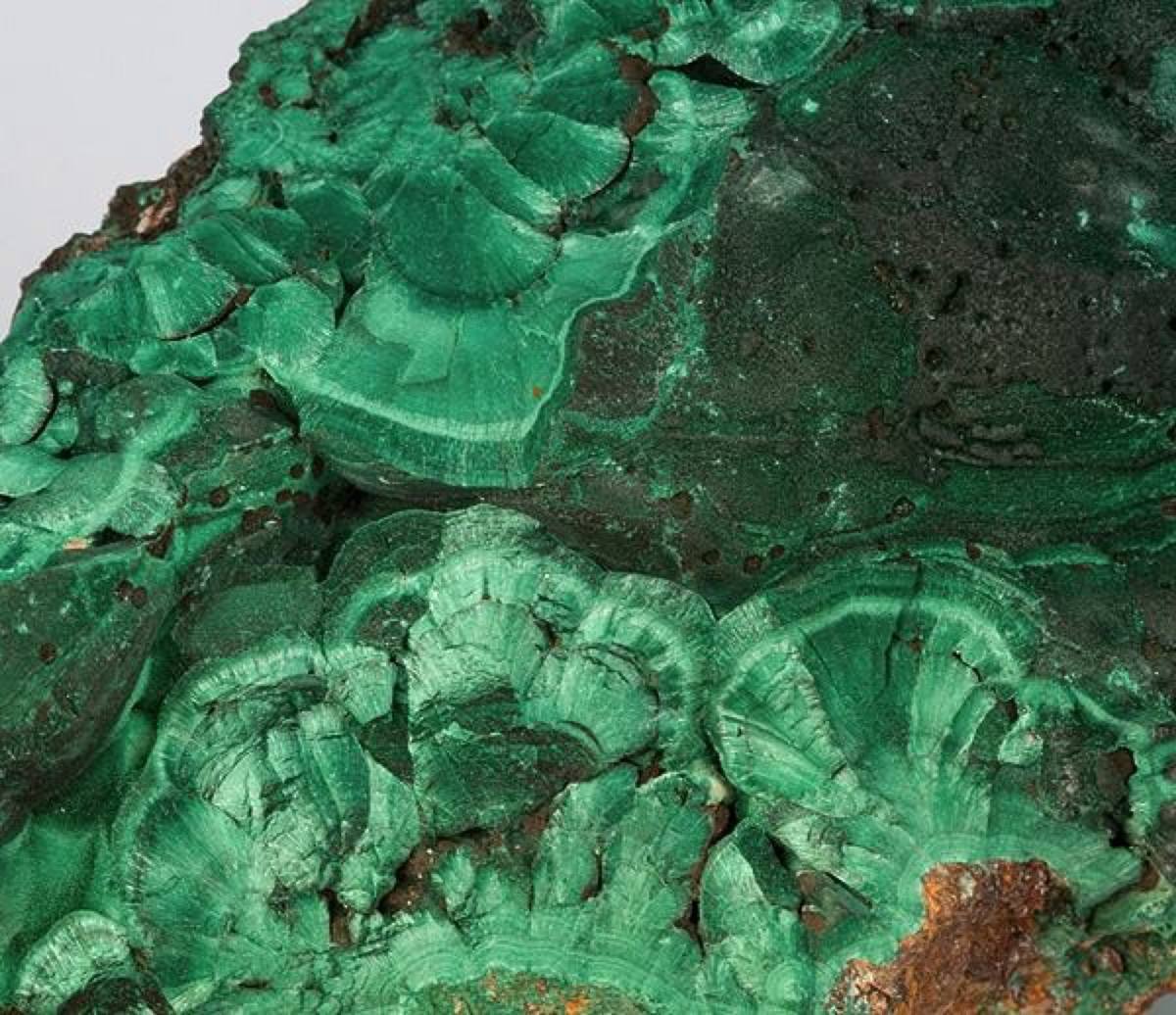
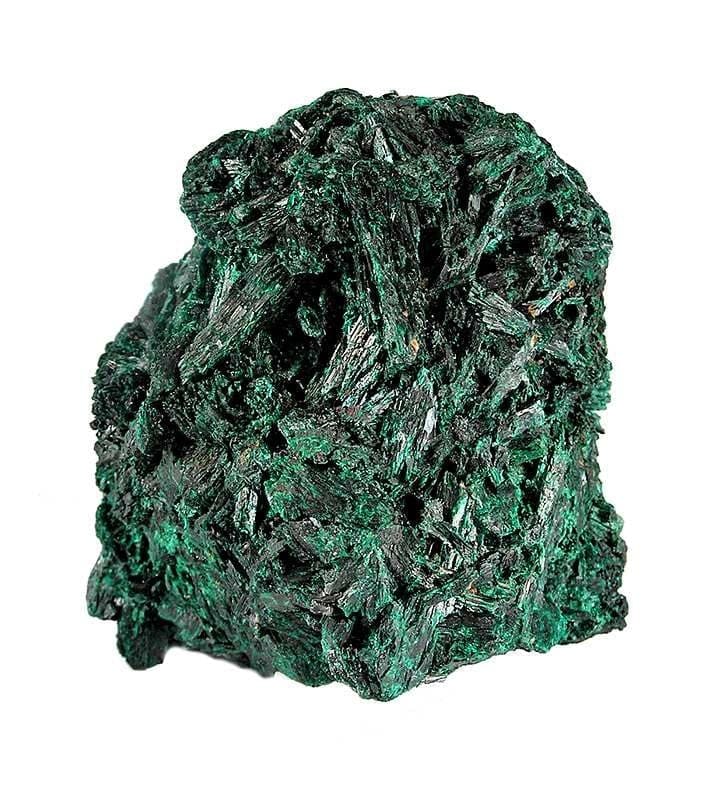
How to tell apart: Streak differs, so Volborthite leaves light green, Malachite leaves pale green; luster reads vitreous, oily, resinous, waxy, pearly on the cleavage on Volborthite and adamantine to vitreous; silky if fibrous; dull to earthy if massive on Malachite.
Often found alongside volborthite
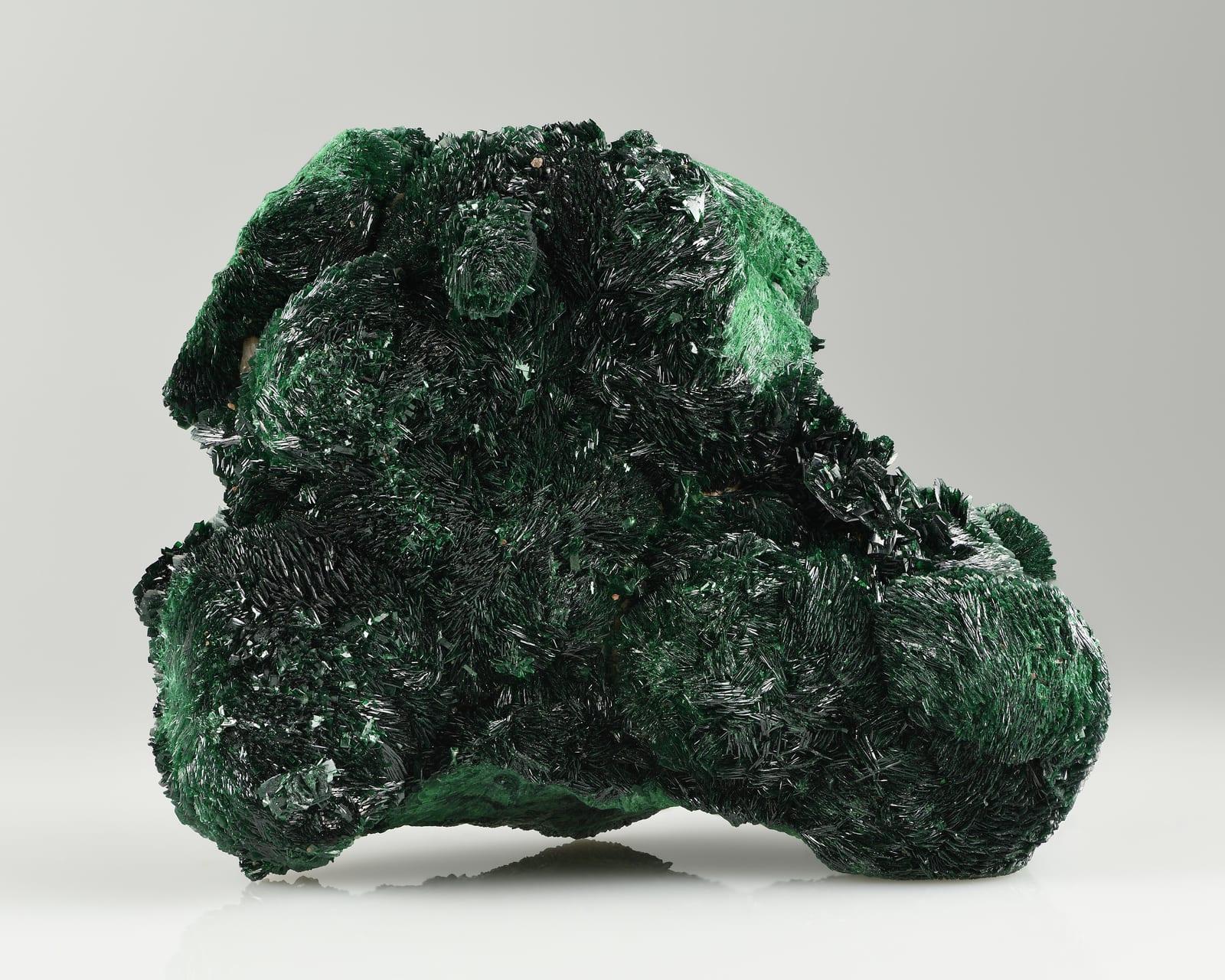
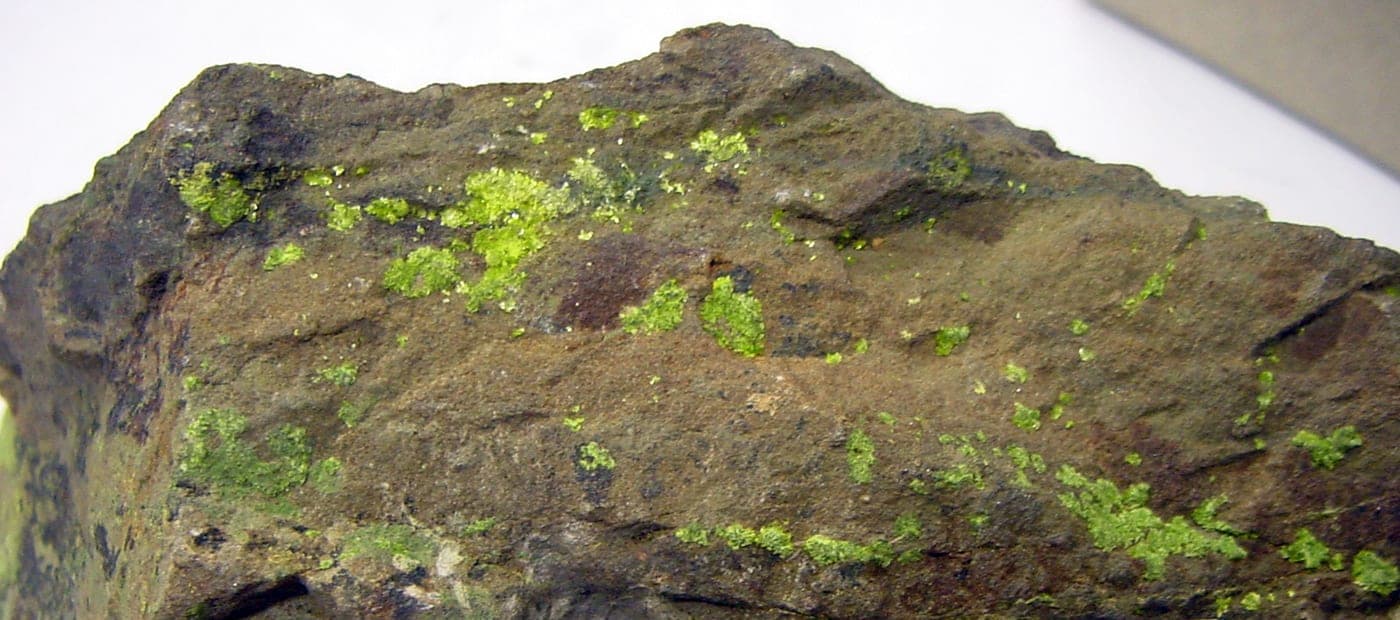
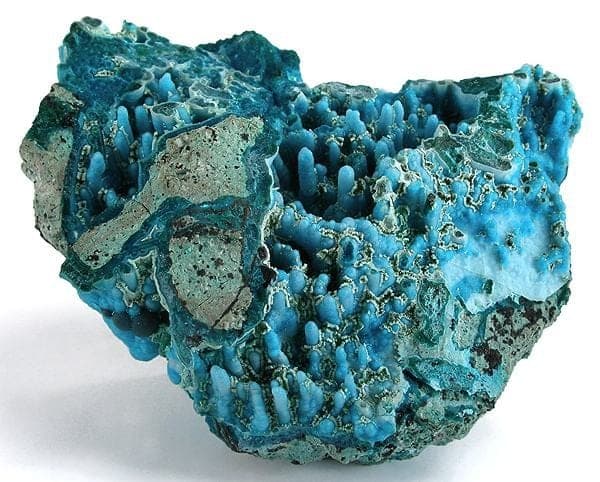
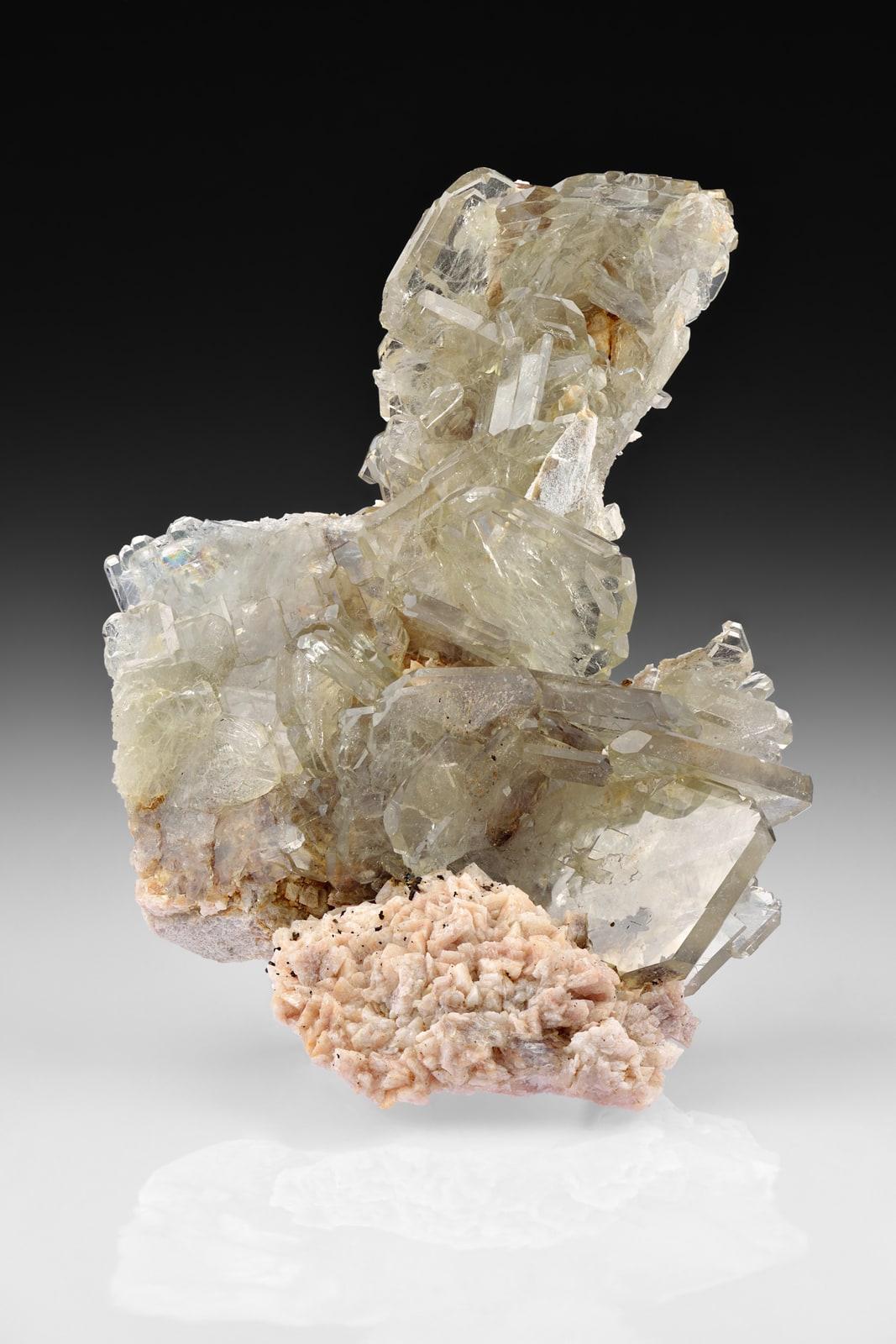
Minerals reported to co-occur with volborthite. Spotting these in float or country rock is a strong cue you are in the right ground.
All properties
- Chemical formula
- Cu₃(V₂O₇)(OH)₂·2H₂O
- Mohs hardness
- 3.5
- Density
- 3.5-3.8 g/cm³
- Streak
- Light green
- Luster
- Vitreous, oily, resinous, waxy, pearly on the cleavage
- Transparency
- Semitransparent
- Crystal system
- Monoclinic
- Crystal habit
- Globular, scaly
- Cleavage
- One, perfect
- Rarity
- Uncommon
- Uses
- Collector
- Host rock
- An uncommon secondary mineral in the oxidized zone of vanadium-bearing hydrothermal mineral deposits
Where rockhounds find volborthite
Classic worldwide localities
- Tennessee Queen mine, Richardson, near Thompson, Grand Co., Utah, USA
- Radium No. 5 mine, San Juan No. 3 mine, and Cougar mine, Slick Rock district, San Miguel Co., and probably, Colorado, USA
- Gold Quarry mine, near Carlin, Maggie Creek district, and in the Carlin mine, 50 km northwest of Elko, Lynn district, Eureka Co., Nevada, USA
- Monument No. 1 mine, Monument Valley, Navajo Co., Arizona, USA
- Later identified at the Sofronovskii copper mine, near Perm, and at Syssersk and Nizhni Tagil, Ural Mountains, Russia
- Hodzha-Akhmet quarry, near Uch-Kuduk, Kyzylkum desert, Uzbekistan
Field-hunting tip
Where it forms: An uncommon secondary mineral in the oxidized zone of vanadium-bearing hydrothermal mineral deposits. If you start seeing brochantite, malachite, atacamite in float, you are in the right ground. Typical habit: globular, scaly. Train your eye for that shape before scanning the outcrop.
Common questions
How do you identify volborthite?+
Where is volborthite found?+
Is volborthite safe to handle?+
What rocks look like volborthite?+
What minerals are found with volborthite?+
What kind of rock does volborthite form in?+
What is volborthite used for?+
Find volborthite on the map
RockHoundR shows mapped rockhounding spots, access rules, and lets you log every find.