
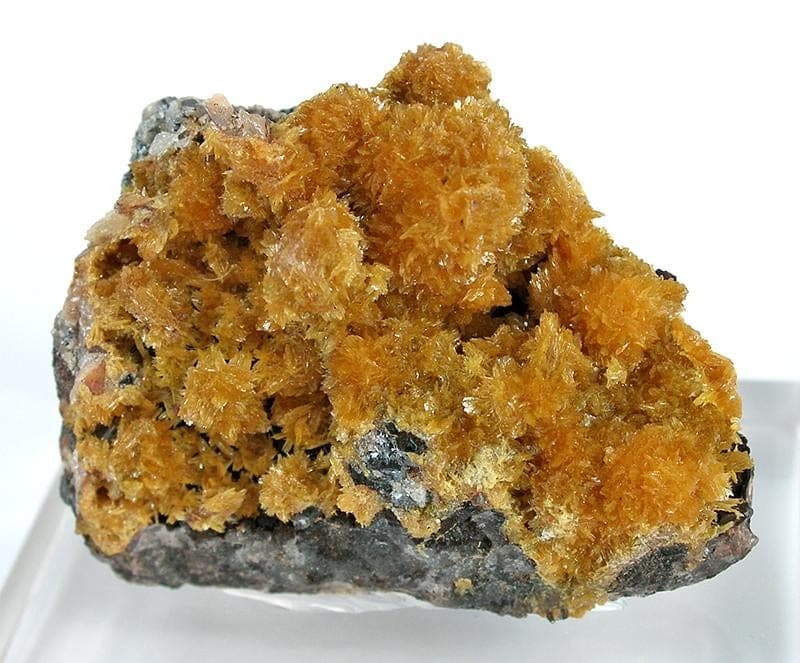
Yancowinnaite is a rare lead copper aluminum arsenate that forms yellow to greenish yellow platy crystals in rosettes. It is a secondary mineral in the weathering zone of a Cu-Pb-Zn sulfide deposit. It was first described from Kintore open cut, Broken Hill, New South Wales, Australia.
Is this yancowinnaite?
5-step field checkRun through these checks against the specimen in your hand. The more boxes tick, the more confident the ID.
- 1Test the hardnessTry to scratch yancowinnaite with a known reference. Yancowinnaite sits at Mohs ~3, softer than the next harder reference, harder than the previous one.
- 2Check the streakDrag the specimen across an unglazed porcelain plate. Streak: yellow.
- 3Read the lusterHold the specimen under a strong light. Luster: vitreous.
- 4Match the color rangeCompare against the expected color range: yellow, greenish yellow.
- 5Look at form & habitCrystal system: triclinic. Typical habit: platy crystals in rosette-like aggregates.
Often confused with
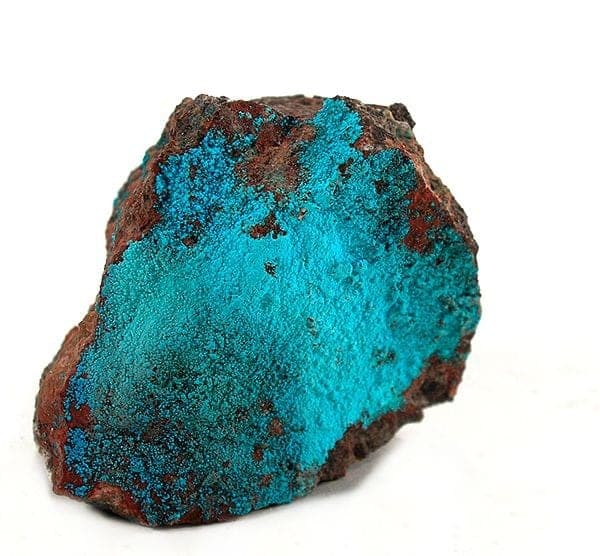
Yancowinnaite vs. its common look-alikes, and how to tell them apart in the field.
Often found alongside yancowinnaite
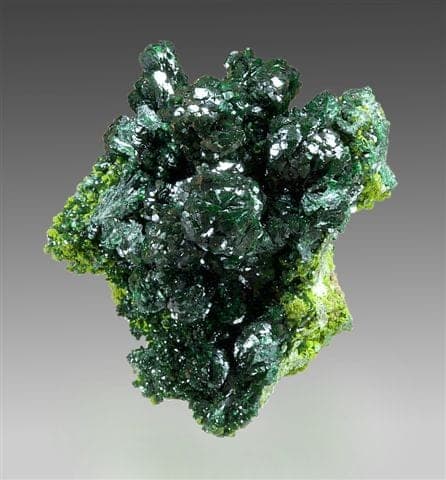
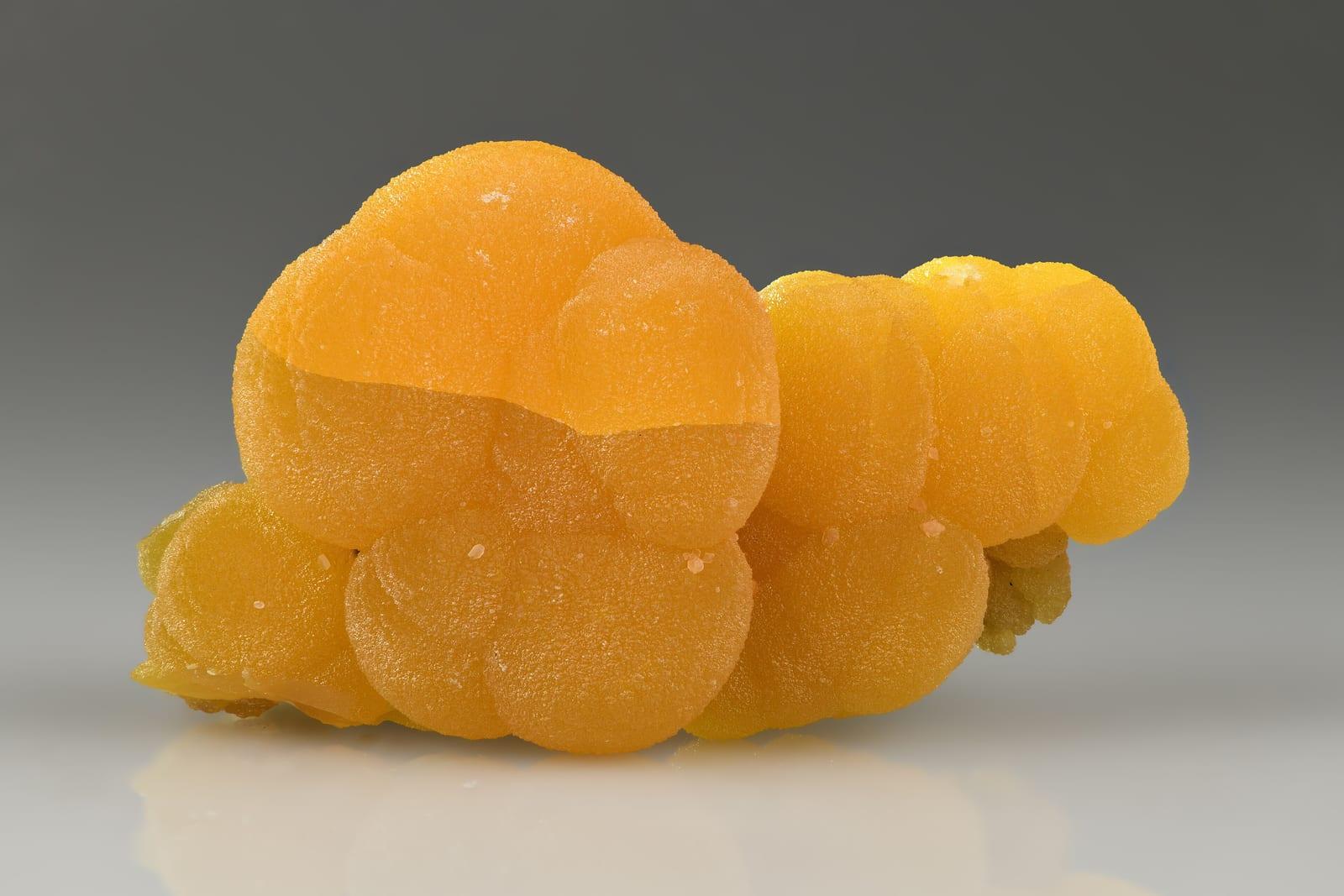
Minerals reported to co-occur with yancowinnaite. Spotting these in float or country rock is a strong cue you are in the right ground.
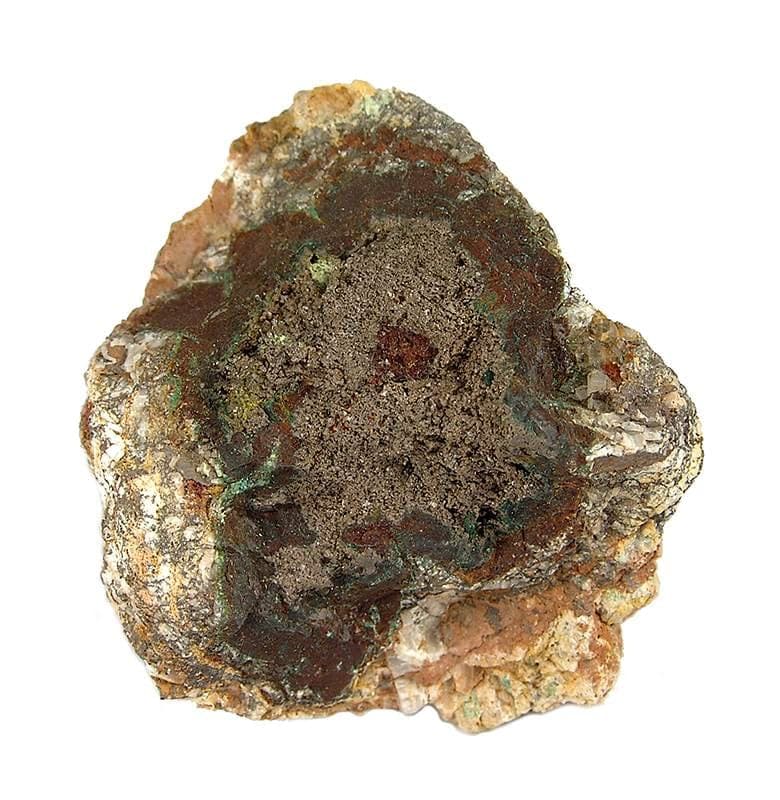
All properties
- Chemical formula
- PbCuAl(AsO₄)₂OH·H₂O
- Mohs hardness
- ~3
- Density
- 5.31 g/cm³
- Colors
- Streak
- Yellow
- Luster
- Vitreous
- Transparency
- Translucent
- Crystal system
- Triclinic
- Crystal habit
- Platy crystals in rosette-like aggregates
- Cleavage
- One perfect on {111} (by analogy to gartrellite)
- Rarity
- Rare
- Uses
- Collector
- Host rock
- Secondary in the weathering zone of a Cu-Pb-Zn sulfide deposit
Where rockhounds find yancowinnaite
Classic worldwide localities
- Kintore open cut, Broken Hill, New South Wales, Australia
Field-hunting tip
Where it forms: Secondary in the weathering zone of a Cu-Pb-Zn sulfide deposit. If you start seeing gartrellite, beudantite-segnitite, mimetite in float, you are in the right ground. Typical habit: platy crystals in rosette-like aggregates. Train your eye for that shape before scanning the outcrop.
Common questions
How do you identify yancowinnaite?+
Where is yancowinnaite found?+
Is yancowinnaite safe to handle?+
What rocks look like yancowinnaite?+
What minerals are found with yancowinnaite?+
What kind of rock does yancowinnaite form in?+
What is yancowinnaite used for?+
Find yancowinnaite on the map
RockHoundR shows mapped rockhounding spots, access rules, and lets you log every find.

