Zircon is highly prized by collectors for its brilliant adamantine luster and high refractive index, often resembling diamond in its cut state. It typically forms tetragonal prismatic crystals and is frequently found in igneous rocks, pegmatites, and alluvial deposits as a durable, heavy mineral.
Spotting zircon in the field
Field marks- 1
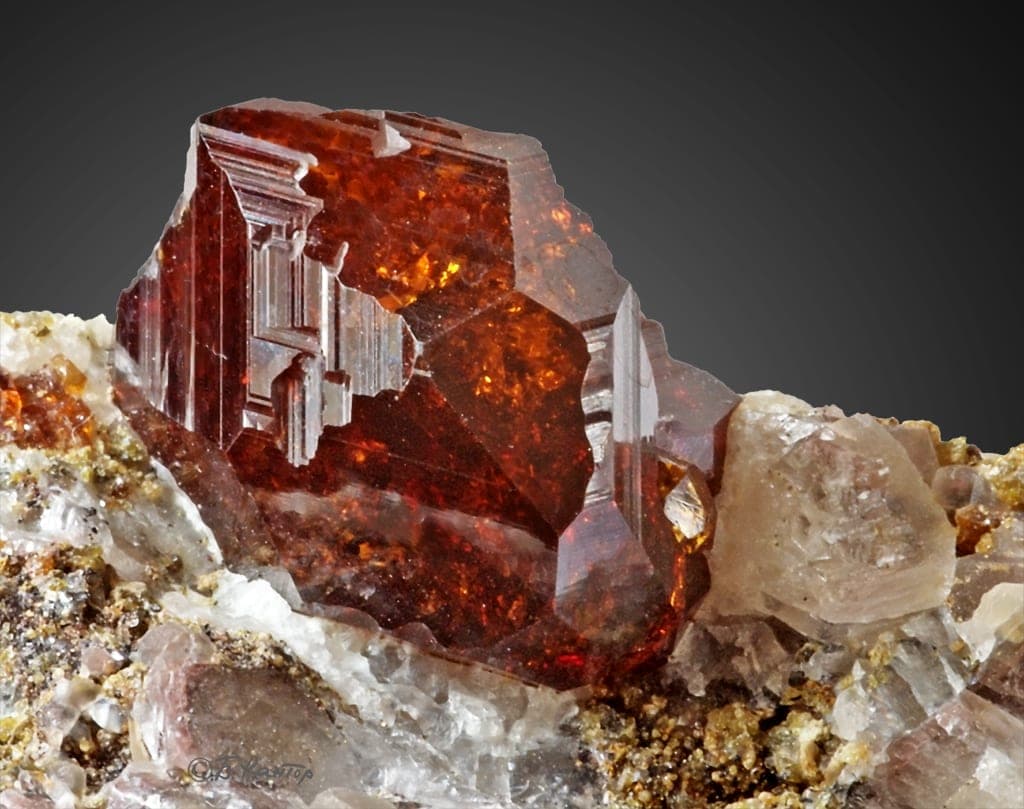
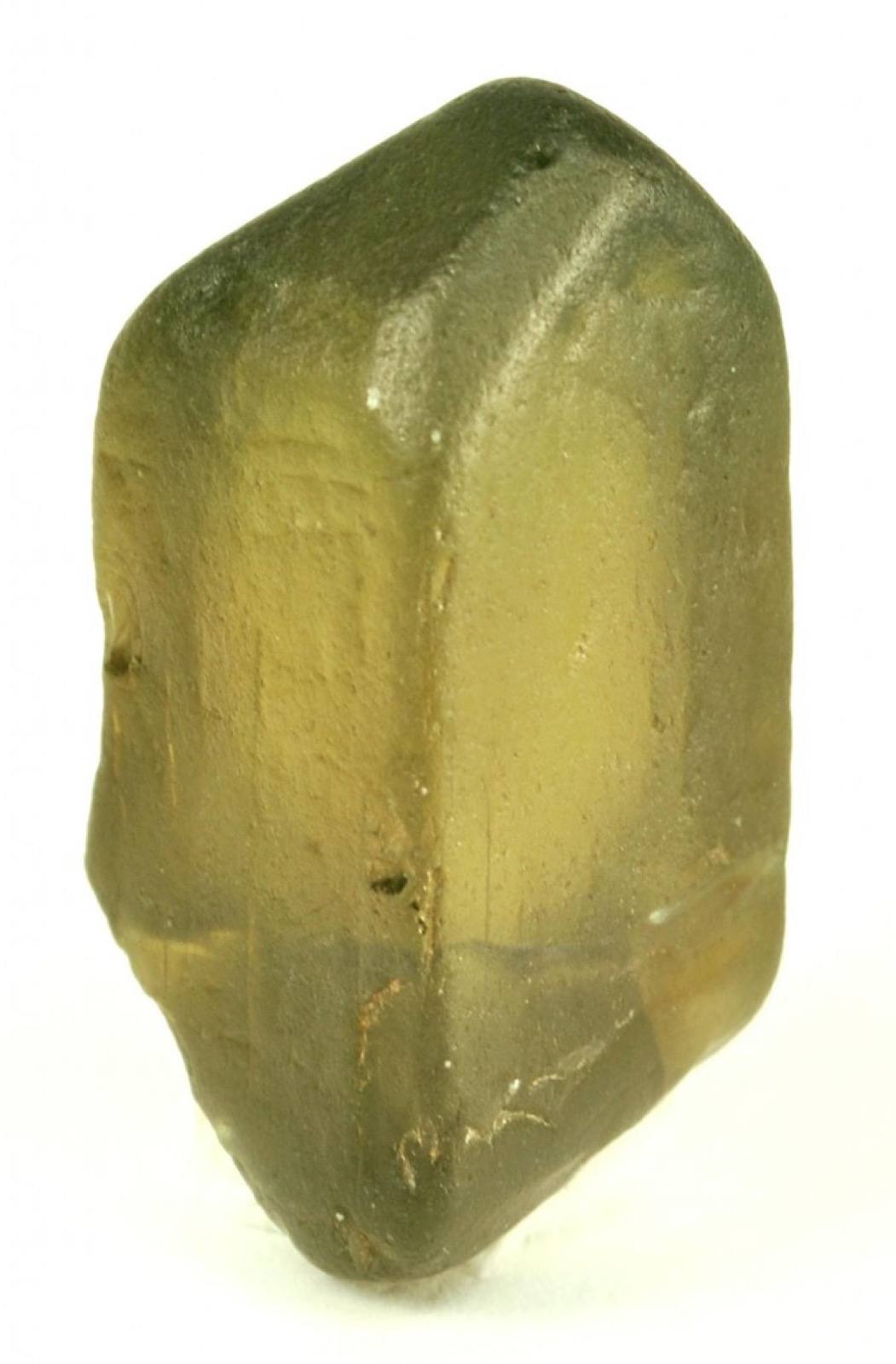
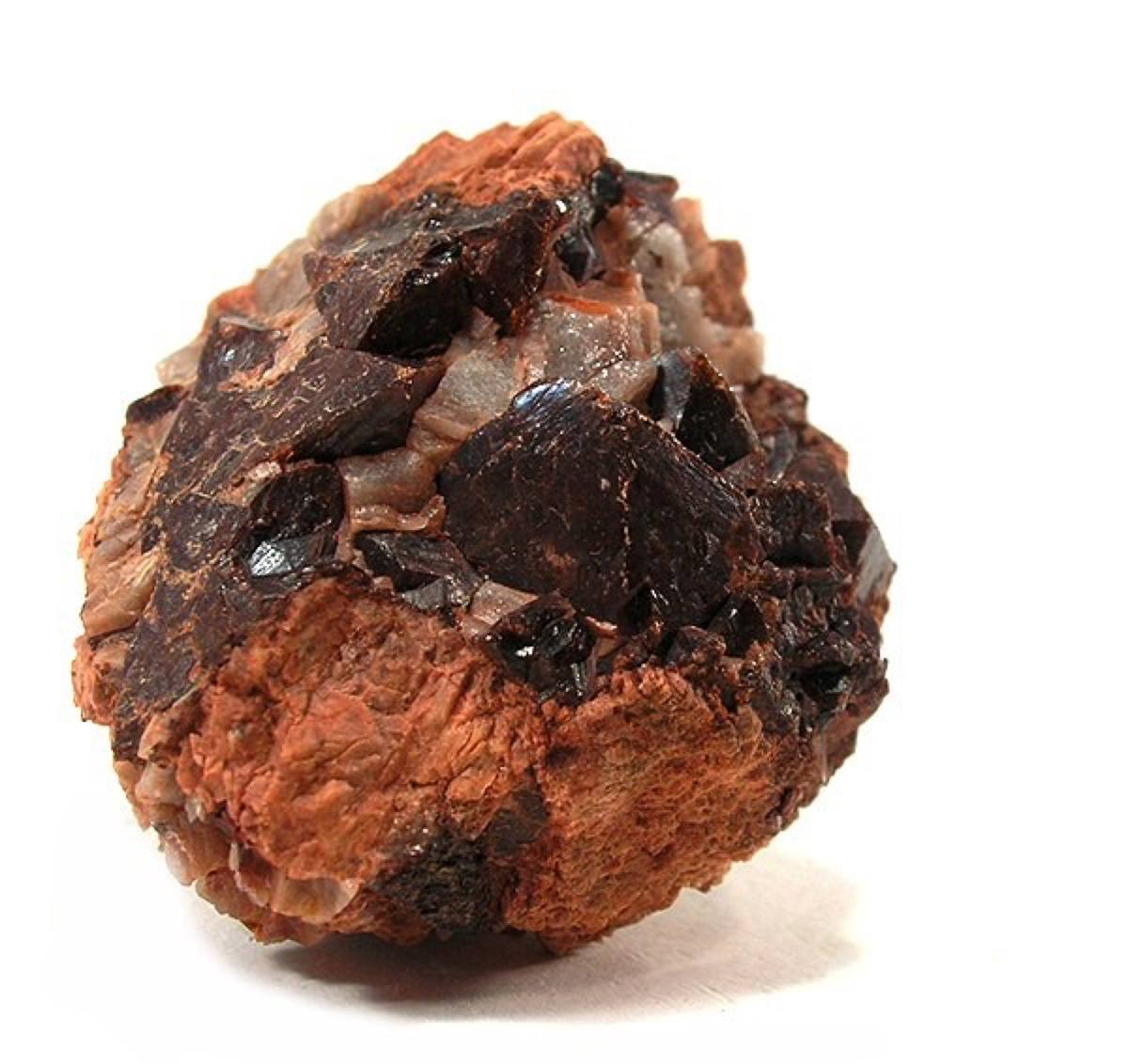
Small, stubby, square-section prisms with pyramidal ends
- 2
Very heavy for its size, and with an adamantine, almost diamond-like luster
- 3
Usually brown, red-brown or golden, and rarely larger than a fingernail
Zircon is small, heavy and bright, and it concentrates in the heavy fraction of stream gravels and beach sands because it survives weathering better than almost anything. Look in the same black sand concentrates where you would look for gold, and in pegmatite and syenite. The square cross-section with pyramid ends is distinctive. Some zircon is metamict, meaning internal radiation damage has broken down the crystal structure, leaving it duller and lower in density.
Straight answers
- Is it worth cutting?
- Facets brilliantly thanks to high refractive index and strong dispersion, but it is brittle at the facet edges and abrades in wear. Blue zircon is routinely produced by heating brown material.
- What is it really worth?
- Inexpensive to moderate. The trade has been unfairly dismissive of natural zircon, which is a genuinely fine faceting material.
- Can you legally keep it?
- Ordinary personal-use collecting rules apply. Trace radioactivity in zircon is not a handling concern at specimen scale.
Often confused with
Zircon vs. its common look-alikes, and how to tell them apart in the field.
Often found alongside zircon
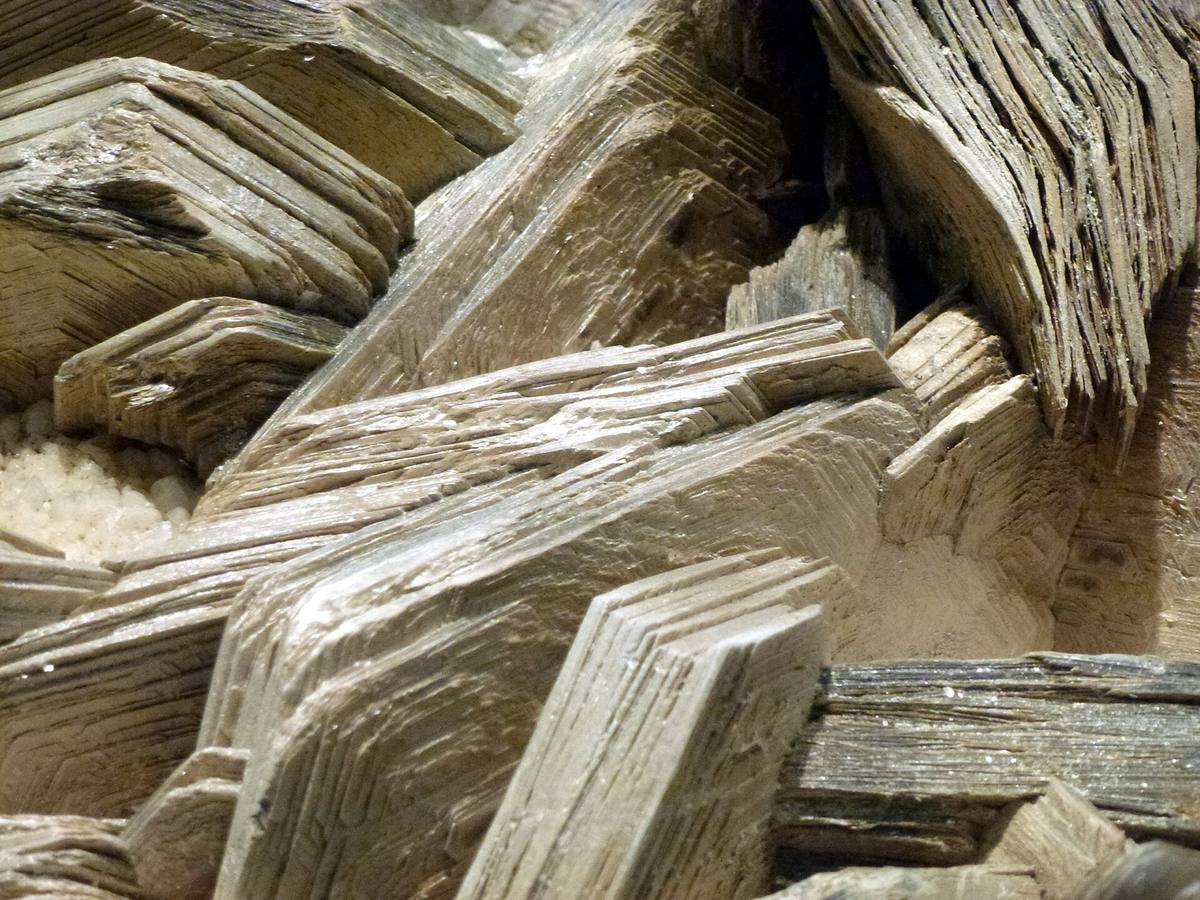
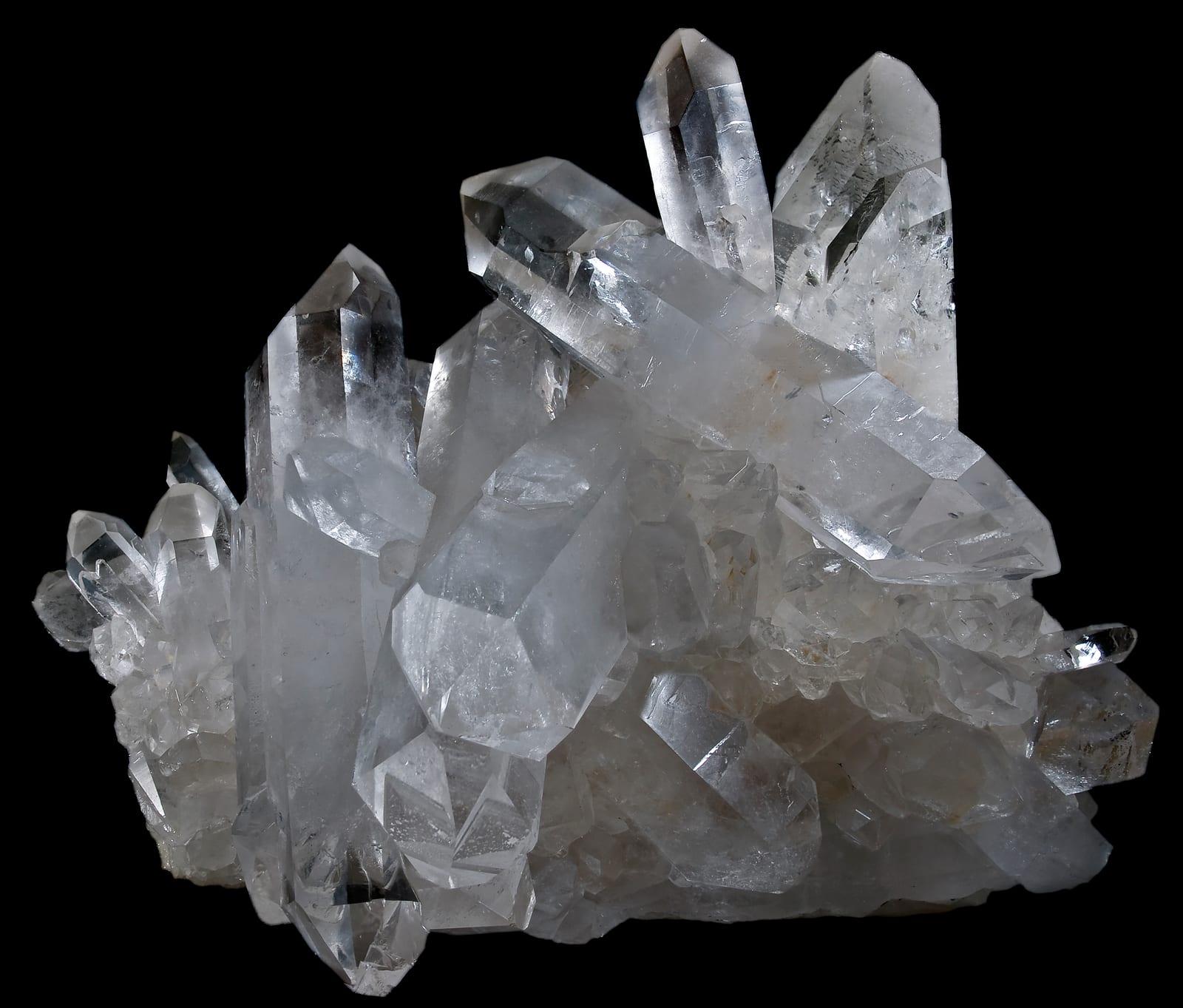
Minerals reported to co-occur with zircon. Spotting these in float or country rock is a strong cue you are in the right ground.
All properties
- Chemical formula
- ZrSiO₄
- Mohs hardness
- 7.5
- Density
- 4.6-4.7 g/cm³
- Streak
- White
- Luster
- Vitreous to adamantine; greasy when metamict
- Transparency
- Transparent to opaque
- Crystal system
- Tetragonal
- Crystal habit
- Prismatic crystals with pyramidal terminations
- Cleavage
- Indistinct on {110} and {111}
- Fluorescence
- Yellow under SW and LW UV
- Rarity
- Common
- Uses
- Gemstone, Geochronology, Industrial, Collector
- Host rock
- An accessory mineral in igneous and metamorphic rocks, with crystals reaching large size in mafic pegmatites and carbonatites; in sedimentary rocks and alluvial heavy-mineral sands
Where rockhounds find zircon
32 mapped spotsClassic worldwide localities
- Deer Hill, Orange Co., and Fine, St. Lawrence Co., New York, USA
- Franklin, Sussex Co., New Jersey, USA
- Green River, Henderson Co., North Carolina, USA
- Tigerville, Greenville Co., South Carolina, USA
- Larvik and Hakedal, Norway
- Seiland Island, Alta River, Finnmark, Norway
U.S. states with zircon
Each link opens a state-specific list of mapped rockhounding spots that produce zircon.
Field-hunting tip
Where it forms: An accessory mineral in igneous and metamorphic rocks, with crystals reaching large size in mafic pegmatites and carbonatites; in sedimentary rocks and alluvial heavy-mineral sands. If you start seeing feldspars, amphiboles, mica in float, you are in the right ground. Typical habit: prismatic crystals with pyramidal terminations. Train your eye for that shape before scanning the outcrop. In the U.S., the densest reported localities are in Utah, Colorado, South Carolina. Start trip planning there.
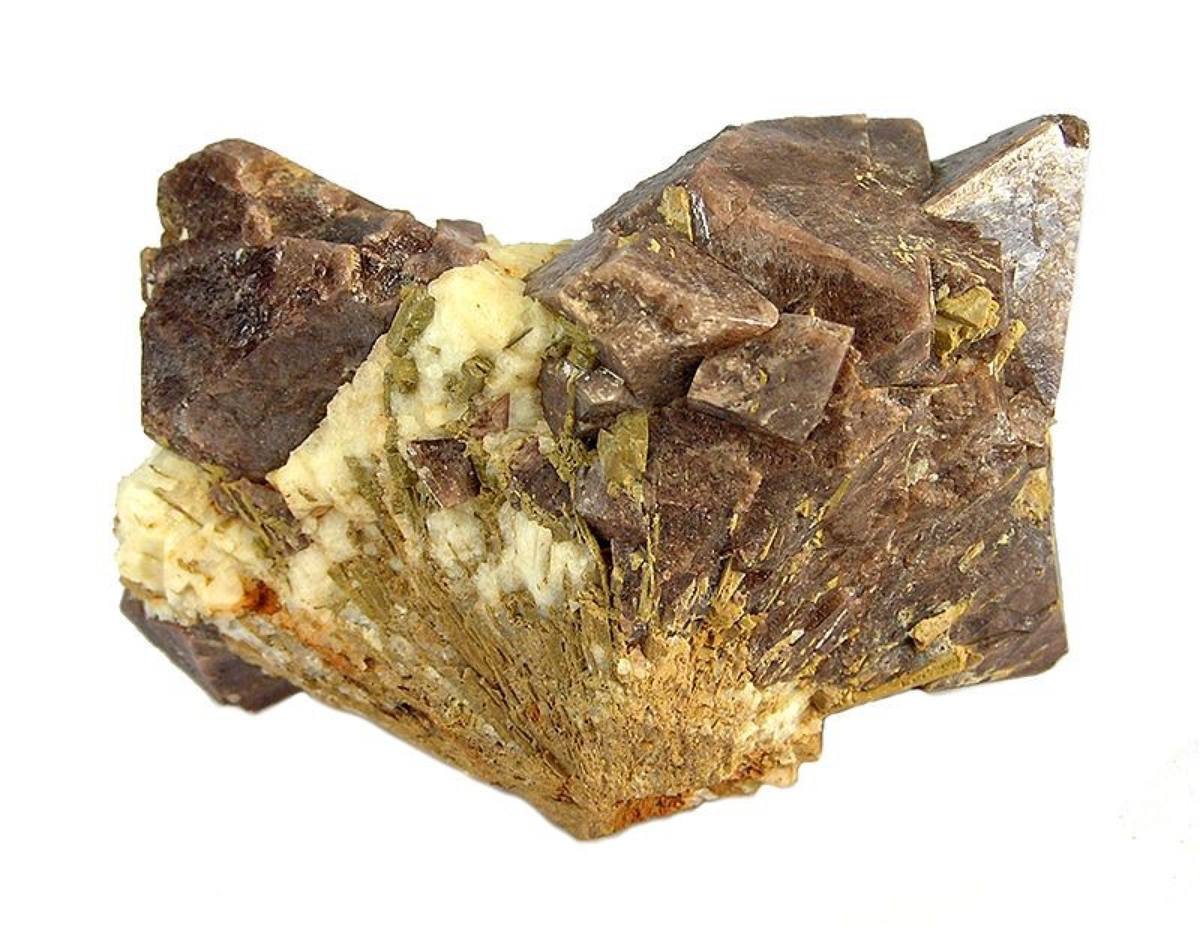
More zircon photos
Common questions
How do you identify zircon?+
Where is zircon found?+
Can I find zircon in the United States?+
Is zircon safe to handle?+
What rocks look like zircon?+
What minerals are found with zircon?+
What kind of rock does zircon form in?+
What is zircon used for?+
Find zircon on the map
RockHoundR shows mapped rockhounding spots, access rules, and lets you log every find.