
Where to Find Calcite in Illinois
Illinois has 6 mapped collecting spots that report calcite, spread across 3 counties. The largest share sits in Hancock County with 3 spots. 6 of the spots are on land mapped as publicly accessible.
Every calcite spot we track in Illinois
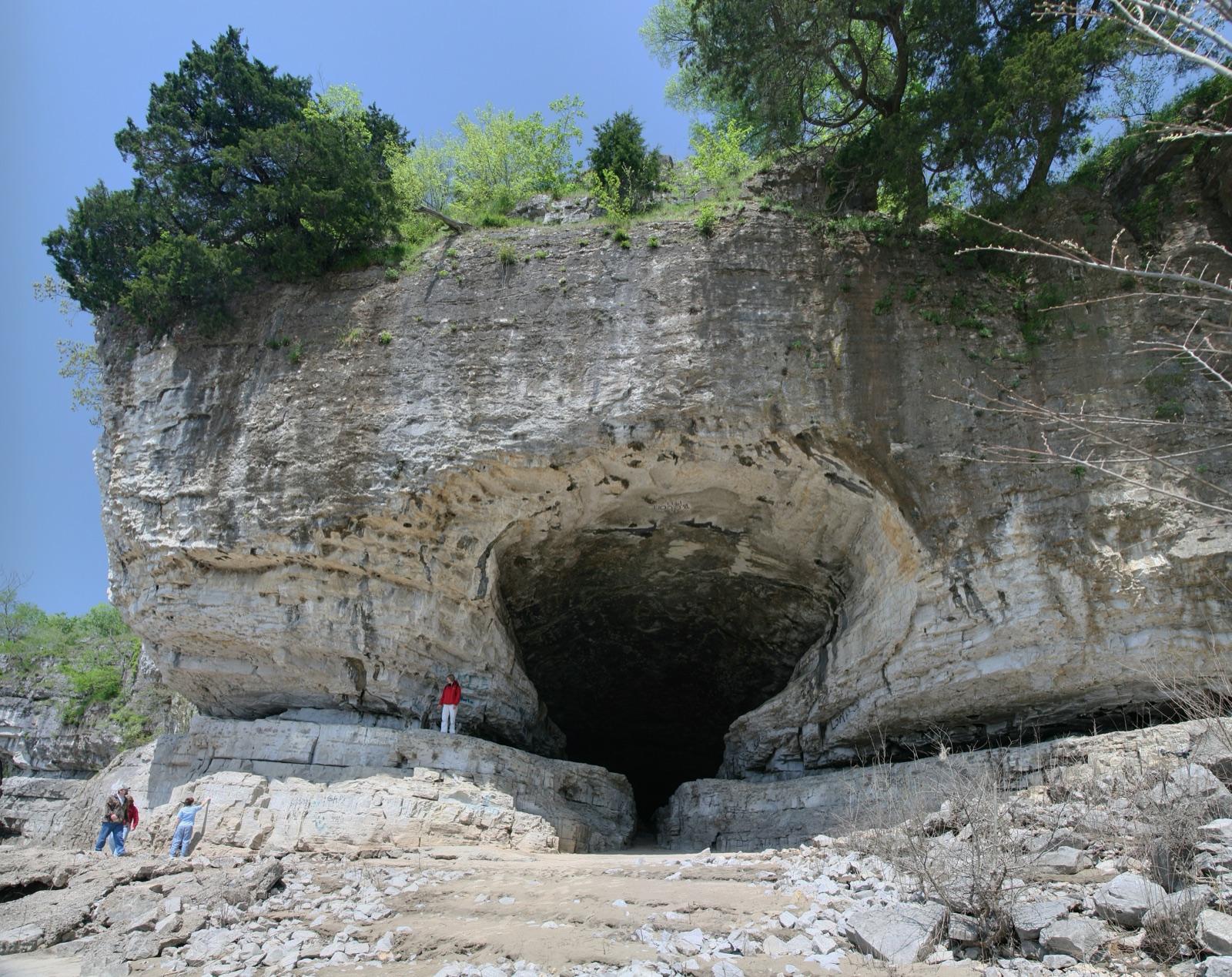 Best spotCave-In RockHardin County, IllinoisPublic access · Barite, Calcite, Cerussite +6
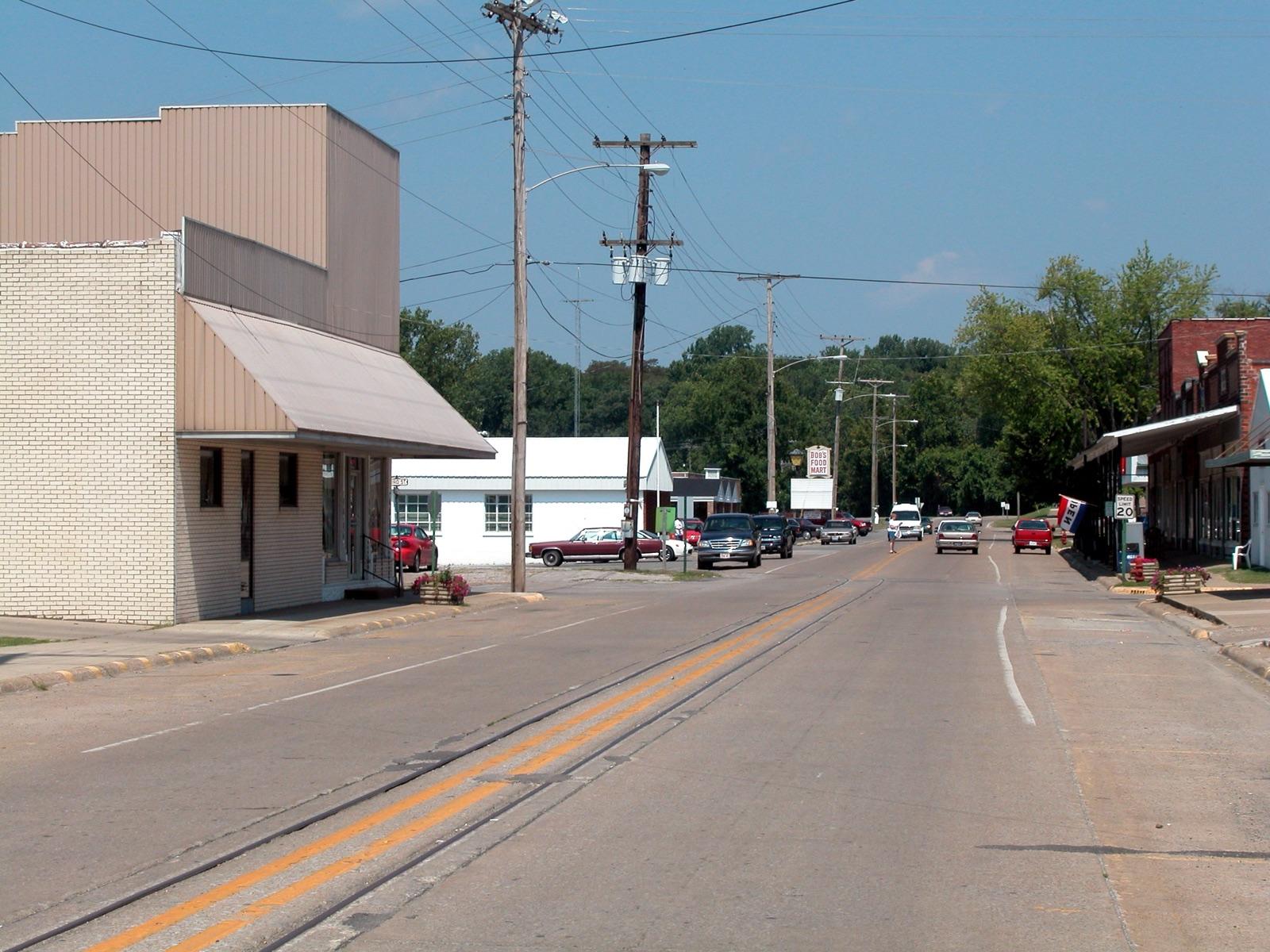 Best spotRosiclareHardin County, IllinoisPublic access · Calcite, Blue Fluorite, Yellow Fluorite +2
 Crystal Glen CreekHancock County, IllinoisPublic access · Geode, Barite, Calcite +5
- Hamilton QuarryHancock County, IllinoisPublic access · Geode, Pyrite, Calcite +1
- North AuroraKane County, IllinoisPublic access · Bornite, Calcite, Chalcopyrite +1
- Dallas CityHancock County, IllinoisPublic access · Geode, Calcite, Malachite
Standout calcite spots in Illinois
Hand-picked from the full list above, with the reason each one earns a trip.
Cave-In Rock
Hardin County
Cave-In Rock sits at the heart of the Illinois-Kentucky Fluorspar District, the largest fluorite-producing region in United States history and the reason fluorite is the Illinois state mineral.
Rosiclare
Hardin County
Rosiclare was the milling and shipping center of the Illinois fluorspar industry, and its sub-district produced the deep-blue and purple cubic fluorite that made the state mineral famous.
Best counties for calcite in Illinois
Ranked by the number of mapped calcite spots. County links open the full rockhounding page for that county.
- Hancock County3 spots
- Hardin County2 spots
- Kane County1 spot
Before you go
Read the calcite identification guide so you know what a keeper looks like in the field: Calcite in the encyclopedia.
Calcite in Illinois FAQ
Where can you find calcite in Illinois?+
How many calcite spots are mapped in Illinois?+
Is it legal to collect calcite in Illinois?+
Where else to find calcite
More minerals to hunt in Illinois
Hunt calcite in Illinois with the map in your pocket
RockHoundR puts these spots on an offline map with BLM and Forest Service overlays, geology layers, and a log for your finds.

