
Where to Find Pyrite in Illinois
Illinois has 7 mapped collecting spots that report pyrite, spread across 5 counties. The largest share sits in Hancock County with 3 spots. 7 of the spots are on land mapped as publicly accessible.
Every pyrite spot we track in Illinois
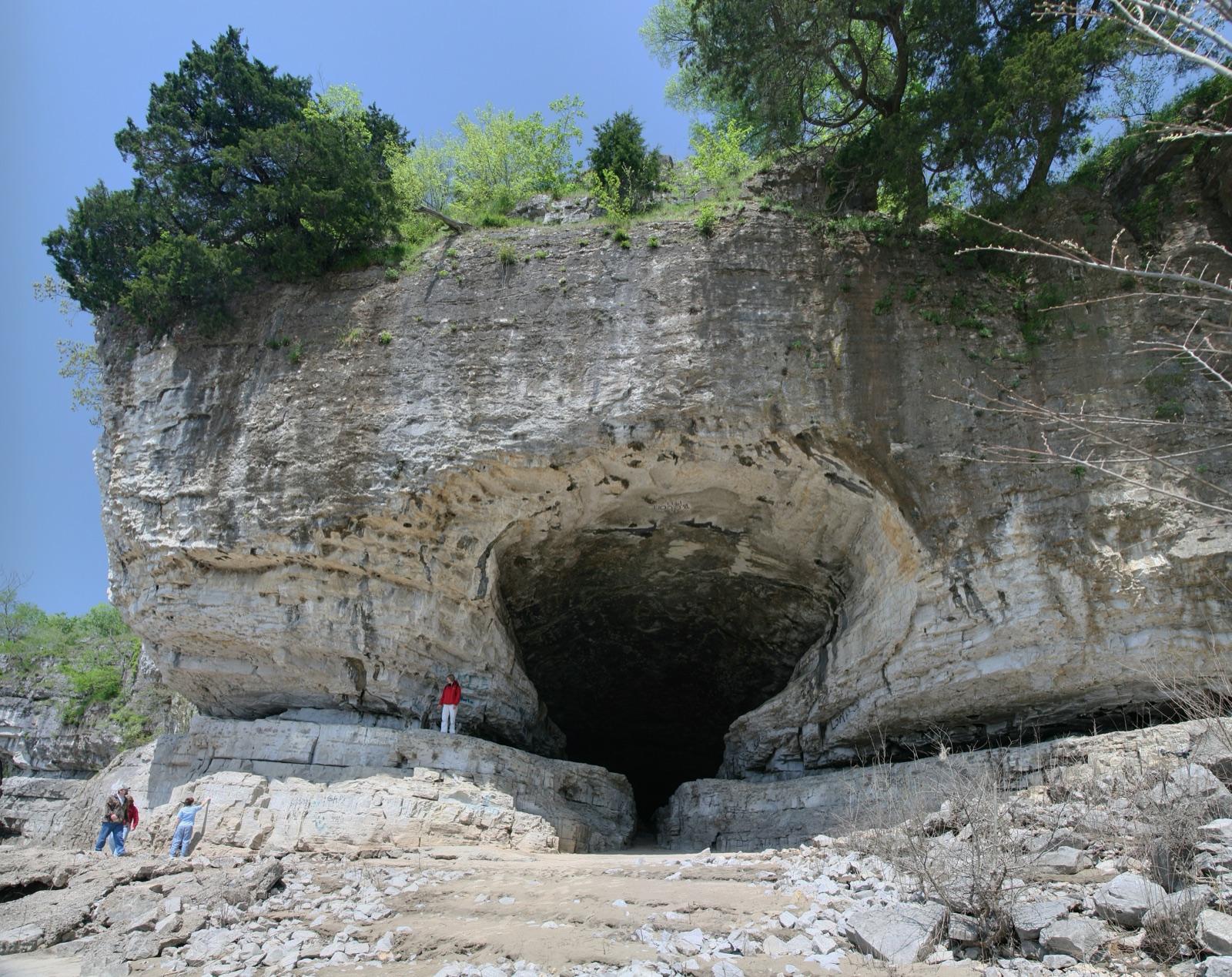 Best spotCave-In RockHardin County, IllinoisPublic access · Barite, Calcite, Cerussite +6
 Best spotSpartaRandolph County, IllinoisPublic access · Pyrite, Fossil
 Crystal Glen CreekHancock County, IllinoisPublic access · Geode, Barite, Calcite +5
- Spillman CreekHancock County, IllinoisPublic access · Geode, Pyrite, Chalcedony +2
- Hamilton QuarryHancock County, IllinoisPublic access · Geode, Pyrite, Calcite +1
- North AuroraKane County, IllinoisPublic access · Bornite, Calcite, Chalcopyrite +1
- East BrooklynGrundy County, IllinoisPublic access · Marcasite, Pyrite
Standout pyrite spots in Illinois
Hand-picked from the full list above, with the reason each one earns a trip.
Cave-In Rock
Hardin County
Cave-In Rock sits at the heart of the Illinois-Kentucky Fluorspar District, the largest fluorite-producing region in United States history and the reason fluorite is the Illinois state mineral.
Sparta
Randolph County
The coal-measure exposures around Sparta in Randolph County yield well-preserved Pennsylvanian plant fossils along with pyritized and marcasite-replaced material from the Carbondale Formation and associated beds.
Best counties for pyrite in Illinois
Ranked by the number of mapped pyrite spots. County links open the full rockhounding page for that county.
Before you go
Read the pyrite identification guide so you know what a keeper looks like in the field: Pyrite in the encyclopedia.
Pyrite in Illinois FAQ
Where can you find pyrite in Illinois?+
How many pyrite spots are mapped in Illinois?+
Is it legal to collect pyrite in Illinois?+
Where else to find pyrite
More minerals to hunt in Illinois
Hunt pyrite in Illinois with the map in your pocket
RockHoundR puts these spots on an offline map with BLM and Forest Service overlays, geology layers, and a log for your finds.

