Ammolite is a rare, iridescent, gem-quality material formed from the fossilized shells of extinct ammonites found primarily in Alberta, Canada. Collectors look for vibrant, multi-colored flashes that shift as the specimen is rotated. It is often found as fragments or whole ammonite shells embedded within dark marine shale.
Is this ammolite?
5-step field checkRun through these checks against the specimen in your hand. The more boxes tick, the more confident the ID.
- 1Test the hardnessTry to scratch ammolite with a known reference. Ammolite sits at Mohs 3.5-4.5, softer than the next harder reference, harder than the previous one.
- 2Name the organismDecide what left the fossil before worrying about the rock. Organism: Ammonites Placenticeras meeki and P. intercalare, and to a lesser degree Baculites compressus. Age: Late Cretaceous (Bearpaw Formation).
- 3Check the preservationPreservation: Original aragonite shell, iridescent. That controls the weight, the hardness and how the piece takes a polish.
- 4Read the lusterHold the specimen under a strong light. Luster: pearly.
- 5Match the color rangeCompare against the expected color range: iridescent red, green, gold, blue, violet.
Often confused with
Ammolite vs. its common look-alikes, and how to tell them apart in the field.
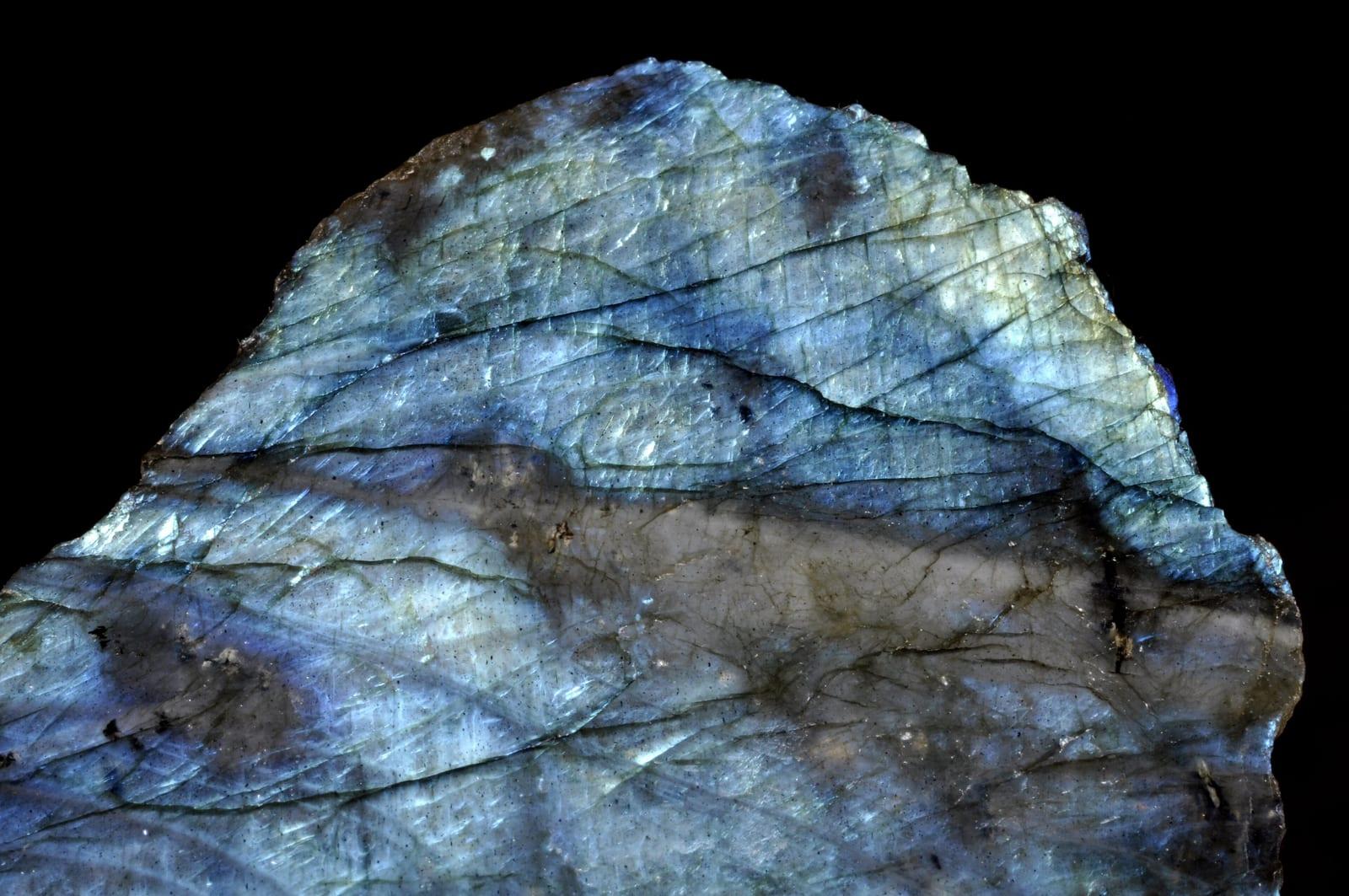
How to tell apart: Labradorite is the harder of the two (Mohs 6-6.5 vs. 3.5-4.5); luster reads pearly on Ammolite and vitreous; pearly on cleavages on Labradorite.
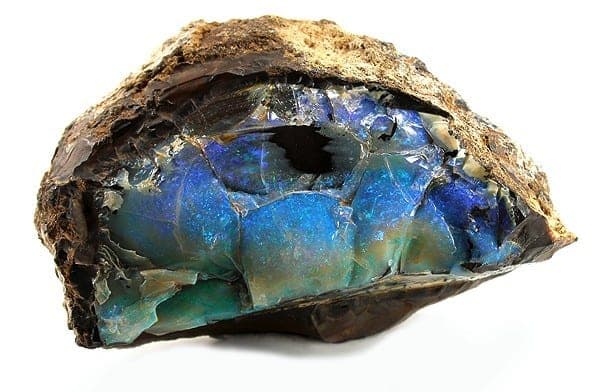
How to tell apart: Opal is the harder of the two (Mohs 5.5-6 vs. 3.5-4.5); luster reads pearly on Ammolite and vitreous to dull on Opal.
Often found alongside ammolite
Minerals reported to co-occur with ammolite. Spotting these in float or country rock is a strong cue you are in the right ground.
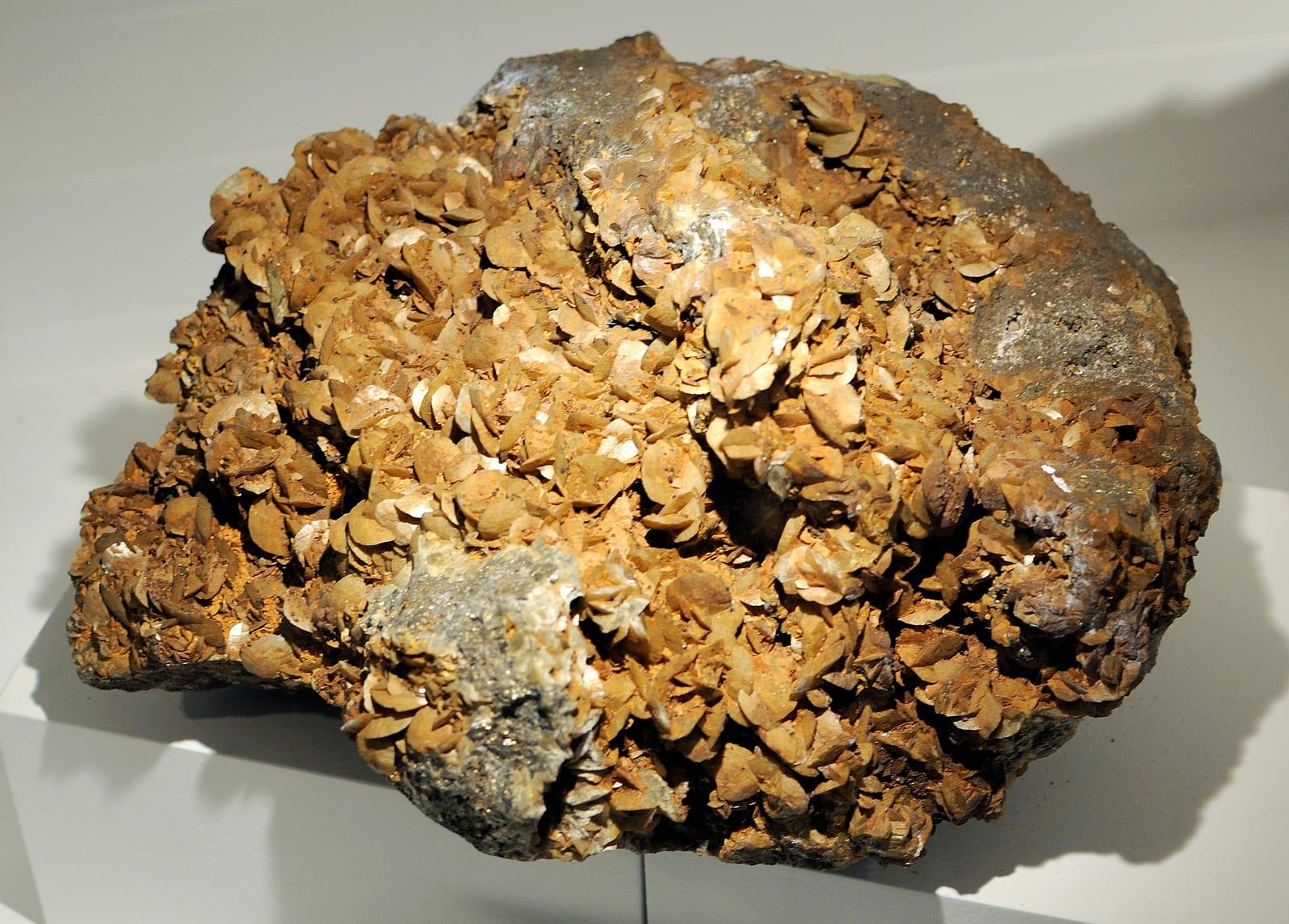
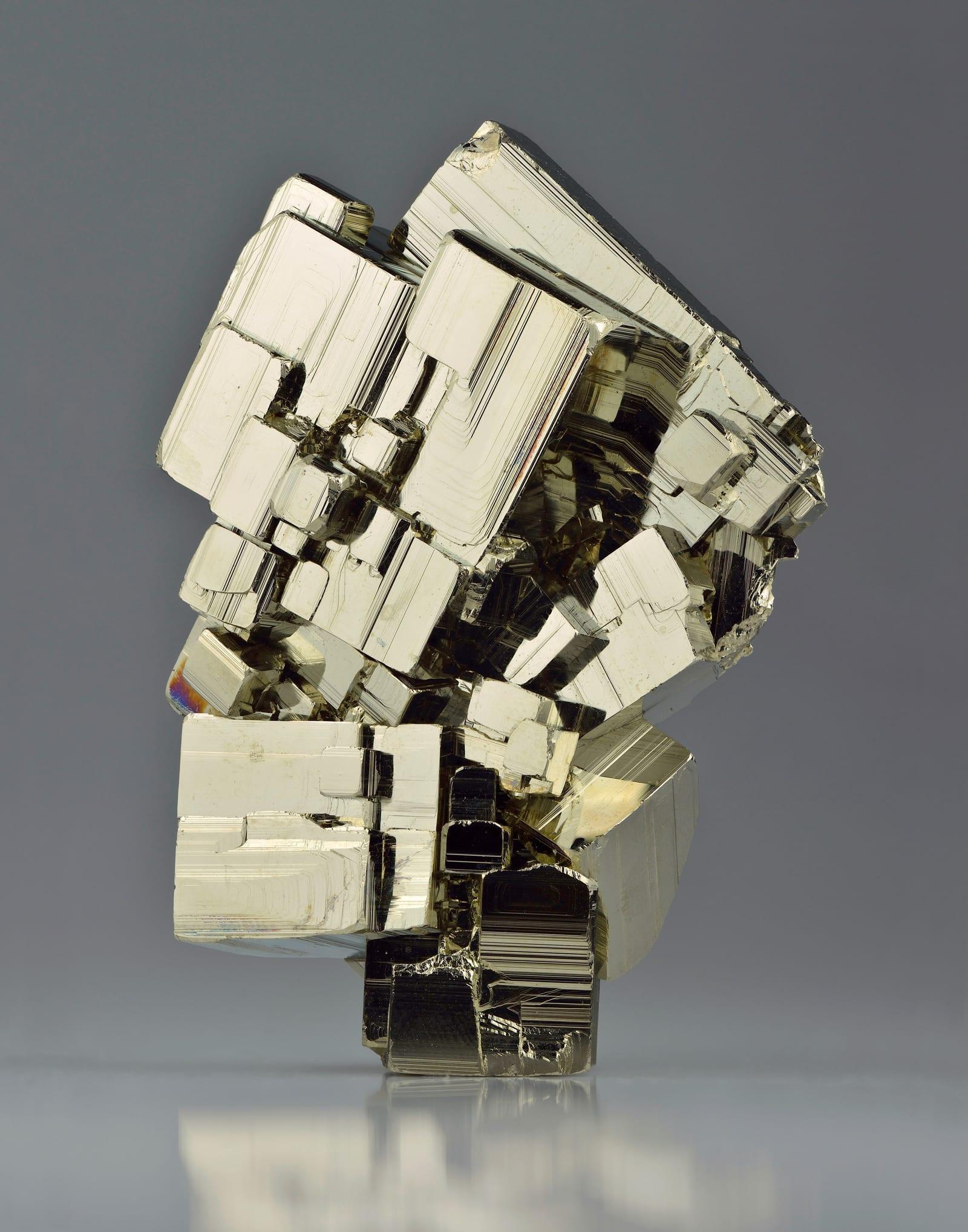
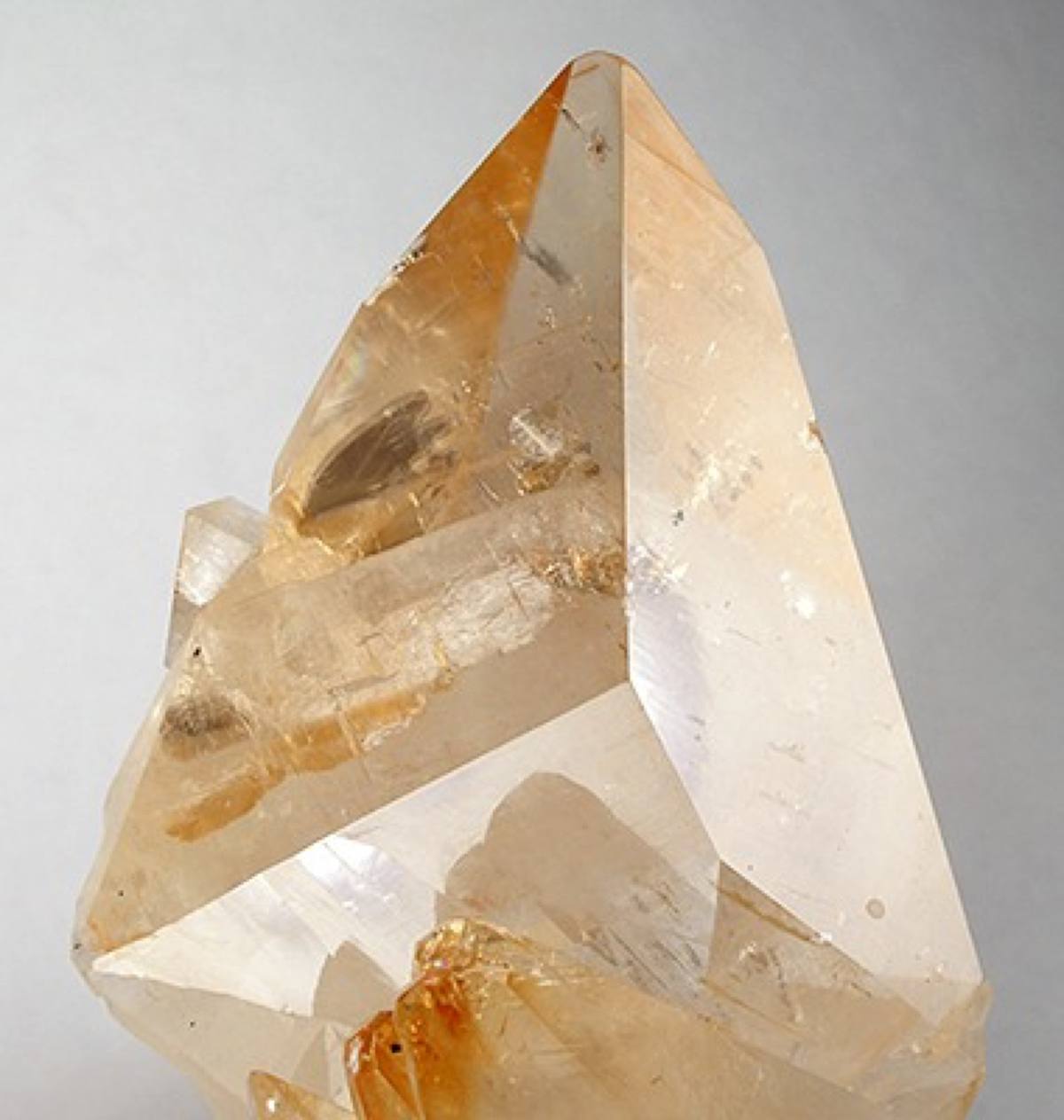
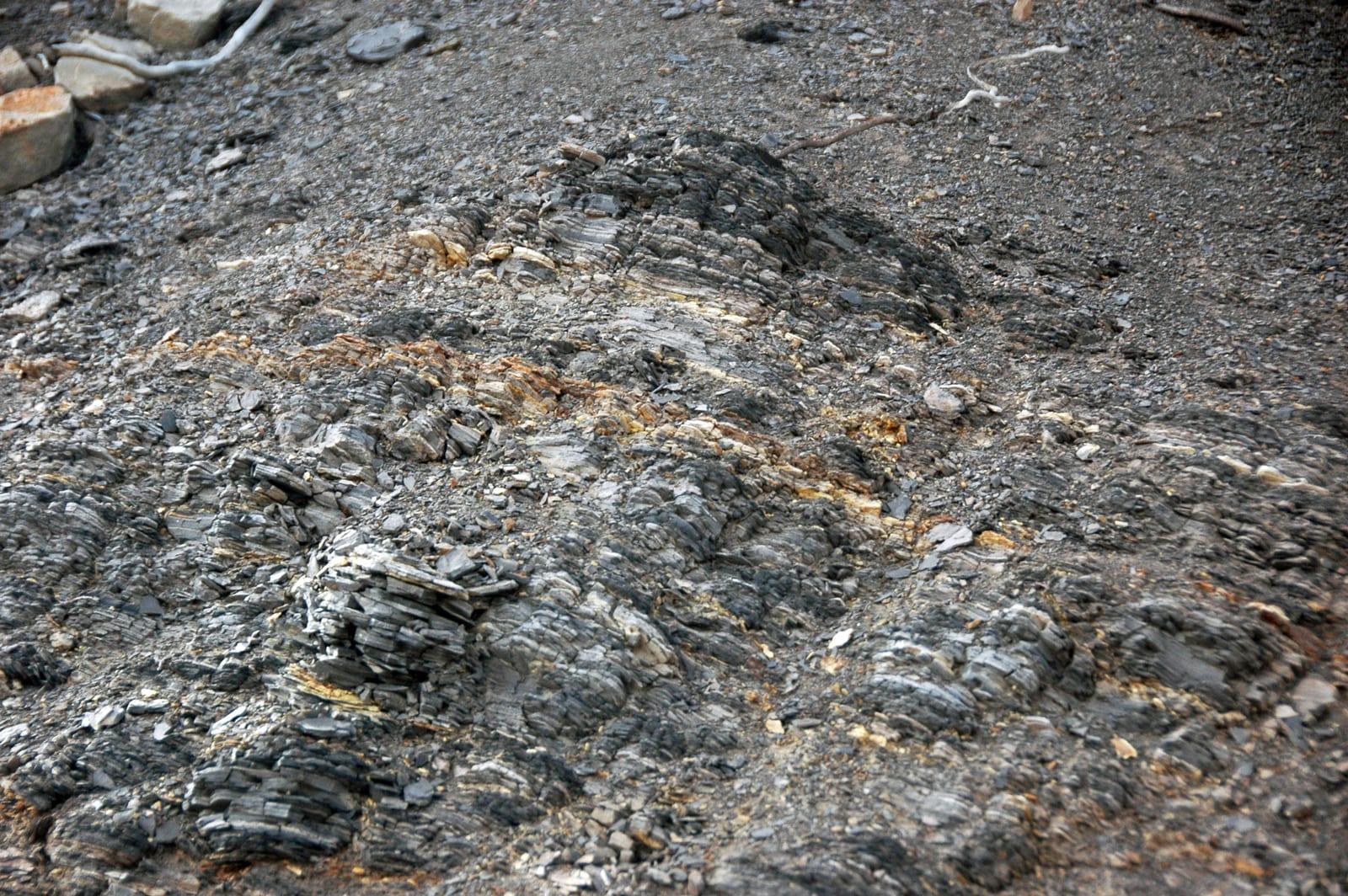
All properties
- Mohs hardness
- 3.5-4.5
- Density
- 2.6-2.8 g/cm³
- Luster
- Pearly
- Transparency
- Opaque
- Rarity
- Rare
- Uses
- Gemstone, Jewelry, Collector
- Host rock
- shale
- Organism
- Ammonites Placenticeras meeki and P. intercalare, and to a lesser degree Baculites compressus
- Age
- Late Cretaceous (Bearpaw Formation)
- Preservation
- Original aragonite shell, iridescent
Where rockhounds find ammolite
Classic worldwide localities
- Bearpaw Formation, Alberta, Canada
Field-hunting tip
Where it forms: shale. If you start seeing siderite, pyrite, calcite in float, you are in the right ground.
Common questions
How do you identify ammolite?+
Where is ammolite found?+
What rocks look like ammolite?+
What minerals are found with ammolite?+
What kind of rock does ammolite form in?+
What is ammolite used for?+
Find ammolite on the map
RockHoundR shows mapped rockhounding spots, access rules, and lets you log every find.