
Biggs Jasper is a highly prized ornamental stone known for its intricate, landscape-like patterns, swirling bands, and desert-inspired color palette. It originated from ancient volcanic ash beds near the Columbia River, which were later replaced by silica to form this dense, tough material. Collectors look for pieces with high-contrast orbicular patterns and clear, non-porous banding.
Spotting biggs jasper in the field
Field marks- 1
Fine, sharply drawn horizontal layers in tan, blue-grey, cream and brown
- 2
Layers often disturbed into folds and swirls, giving the classic canyon-and-cloud look
- 3
Very fine grained, dense, and takes an exceptional polish
Biggs is the benchmark picture jasper, from near Biggs Junction on the Columbia River in Oregon. The original roadside exposure was uncovered during highway work in the 1960s and the accessible ground was worked out decades ago, so realistically this is now a buying material rather than a collecting one. Be skeptical of the name: a great deal of ordinary Oregon picture jasper gets sold as Biggs, and the true material is distinguished by how fine and how sharply drawn the layers are.
Straight answers
- Is it worth cutting?
- One of the finest cabbing jaspers there is, and it deserves careful slab orientation. Cut a test slab, wet it, and only then decide the direction for the rest of the rock.
- What is it really worth?
- Genuine Biggs commands strong prices per slab, not per pound, and old collection rough is often worth more than newly sold material of uncertain origin.
- Can you legally keep it?
- The original deposit is not open ground. Treat anything offered as a current Biggs dig with suspicion.
Often confused with
Biggs Jasper vs. its common look-alikes, and how to tell them apart in the field.
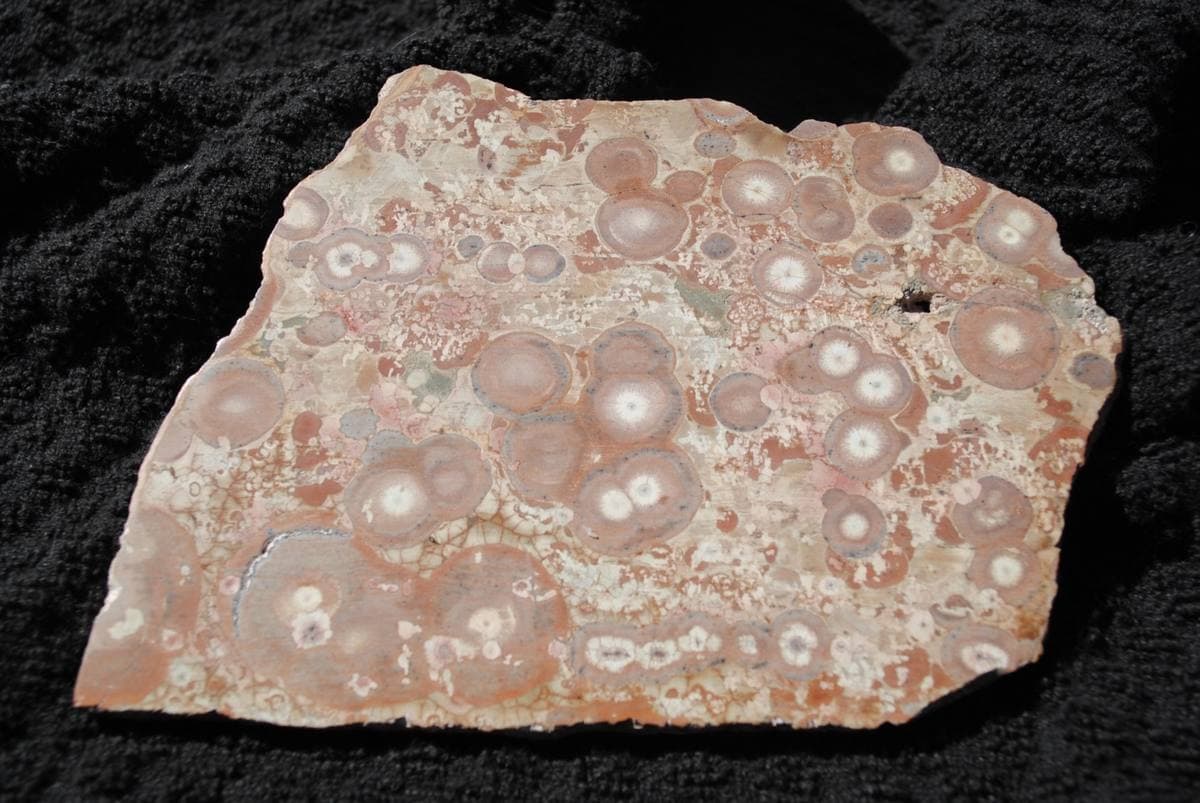
Often found alongside biggs jasper
Minerals reported to co-occur with biggs jasper. Spotting these in float or country rock is a strong cue you are in the right ground.
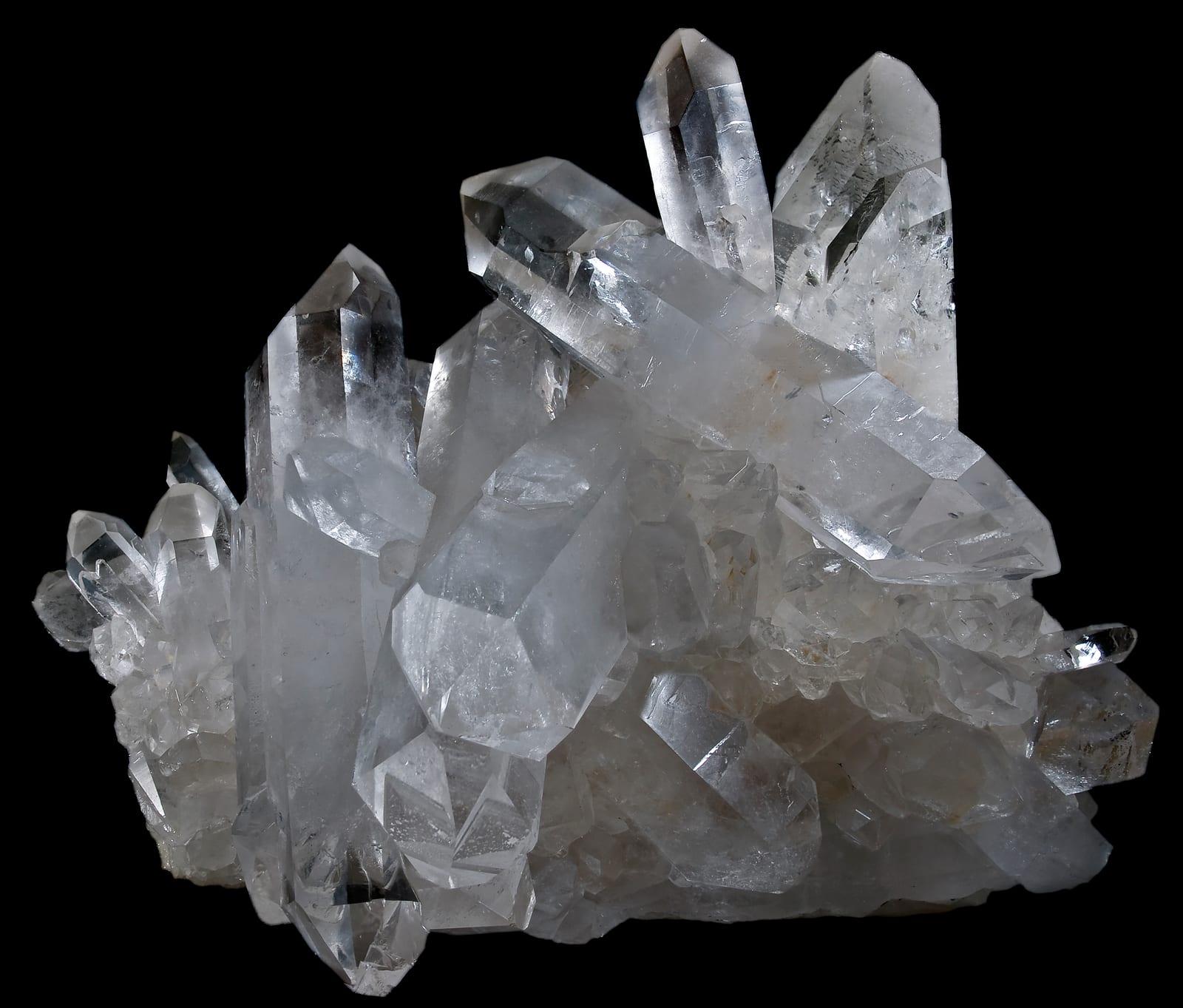
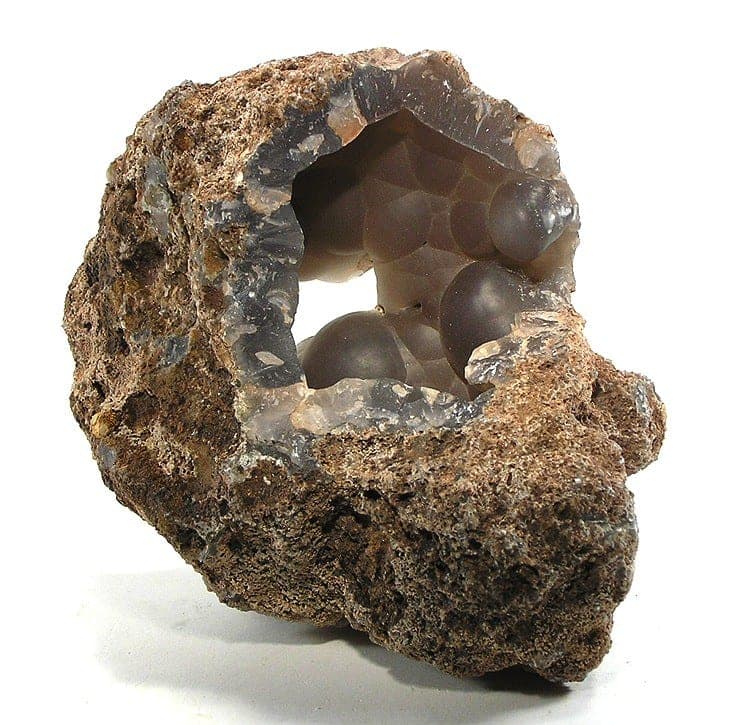
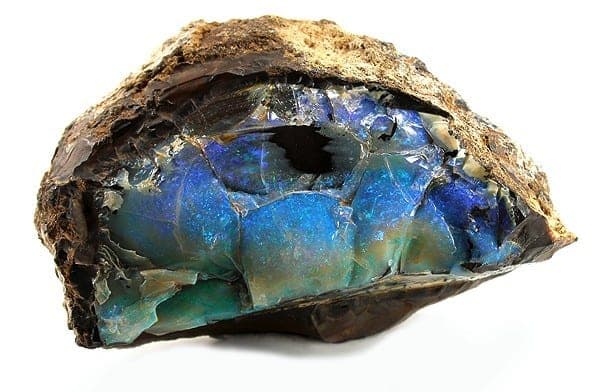
All properties
- Chemical formula
- SiO₂
- Mohs hardness
- 6.5-7
- Density
- 2.65 g/cm³
- Streak
- White
- Luster
- Waxy
- Transparency
- Opaque
- Crystal system
- Trigonal
- Crystal habit
- Massive
- Cleavage
- None
- Rarity
- Common
- Uses
- Lapidary, Collector, Decorative
- Host rock
- sedimentary volcanic ash deposits
Where rockhounds find biggs jasper
Classic worldwide localities
- Biggs Junction, Oregon, USA
- Sherman County, Oregon, USA
Field-hunting tip
Where it forms: sedimentary volcanic ash deposits. If you start seeing quartz, chalcedony, opal in float, you are in the right ground. Typical habit: massive. Train your eye for that shape before scanning the outcrop.
Common questions
How do you identify biggs jasper?+
Where is biggs jasper found?+
What rocks look like biggs jasper?+
What minerals are found with biggs jasper?+
What kind of rock does biggs jasper form in?+
What is biggs jasper used for?+
Find biggs jasper on the map
RockHoundR shows mapped rockhounding spots, access rules, and lets you log every find.

