
Botswana Agate is a variety of banded chalcedony characterized by its fine, parallel, often wavy or circular banding patterns in shades of grey, white, and occasionally pink or peach. Found primarily in the volcanic regions of Botswana, it is highly prized by lapidaries for its ability to take a high polish and its aesthetically pleasing, symmetrical layering.
Spotting botswana agate in the field
Field marks- 1
Very fine parallel banding in grey, white, lavender and soft pink
- 2
Often a distinct dark eye or nucleus at the center of the pattern
- 3
Even, tight, almost machined-looking layering with little color drama
From the Bobonong district in eastern Botswana, and again a buying rather than a collecting proposition for anyone outside the country. Its reputation rests on how consistently fine the banding is, which makes it a favorite for small cabs and beads where an agate with bolder banding would just look busy.
Straight answers
- Is it worth cutting?
- Excellent bead and small-cab material precisely because the pattern stays interesting at small sizes. Very forgiving to polish.
- What is it really worth?
- Reasonably priced for a named import agate and widely available, which is a fair reflection of steady supply rather than any lack of quality.
- Can you legally keep it?
- Imported. Botswana regulates mineral export, so buy from established dealers rather than informal sources.
Often confused with
Botswana Agate vs. its common look-alikes, and how to tell them apart in the field.
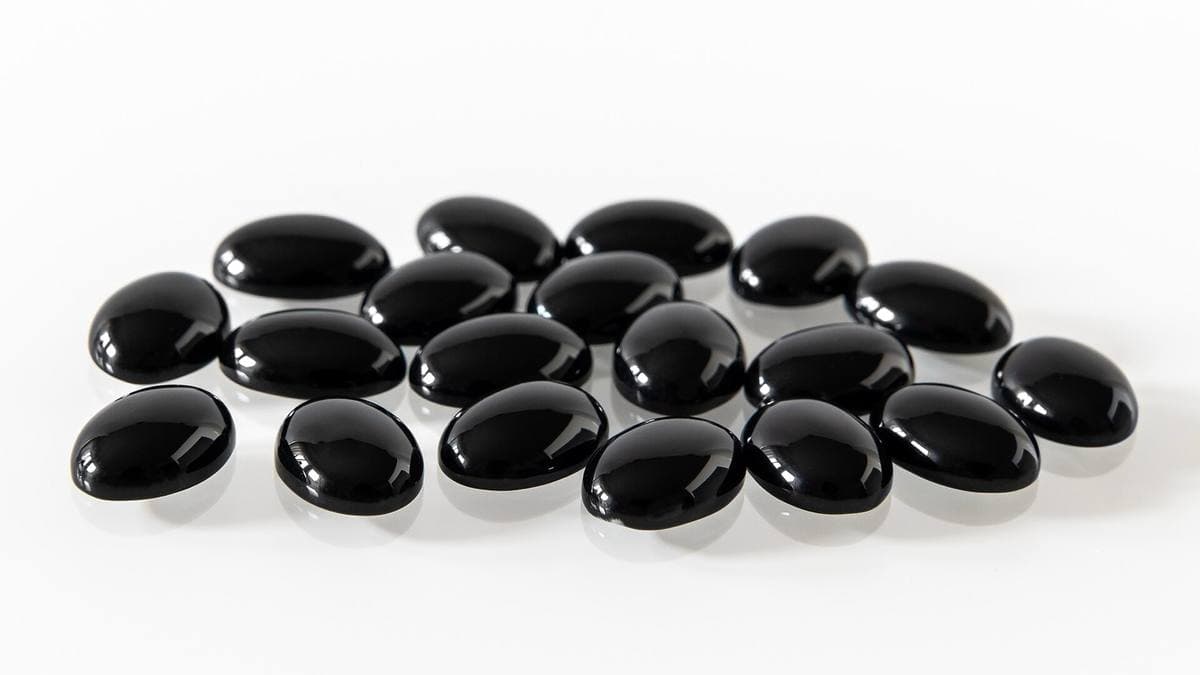
How to tell apart: Onyx has straight, flat, parallel bands. Botswana's bands follow the curve of the nodule wall and close on themselves.
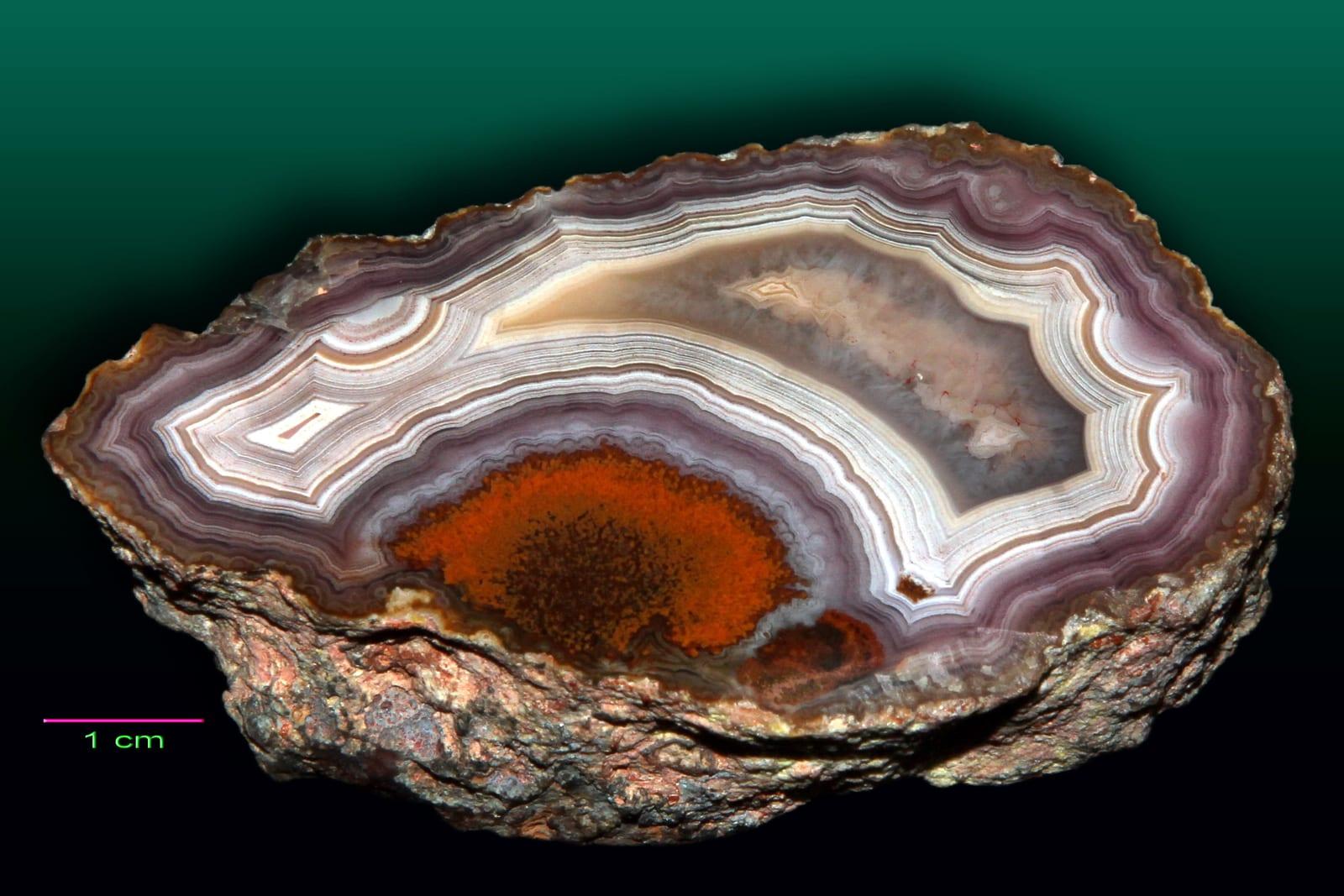
How to tell apart: Similar fineness of banding, entirely different palette. Botswana stays in greys and lavenders; Laguna brings red and gold.
Often found alongside botswana agate
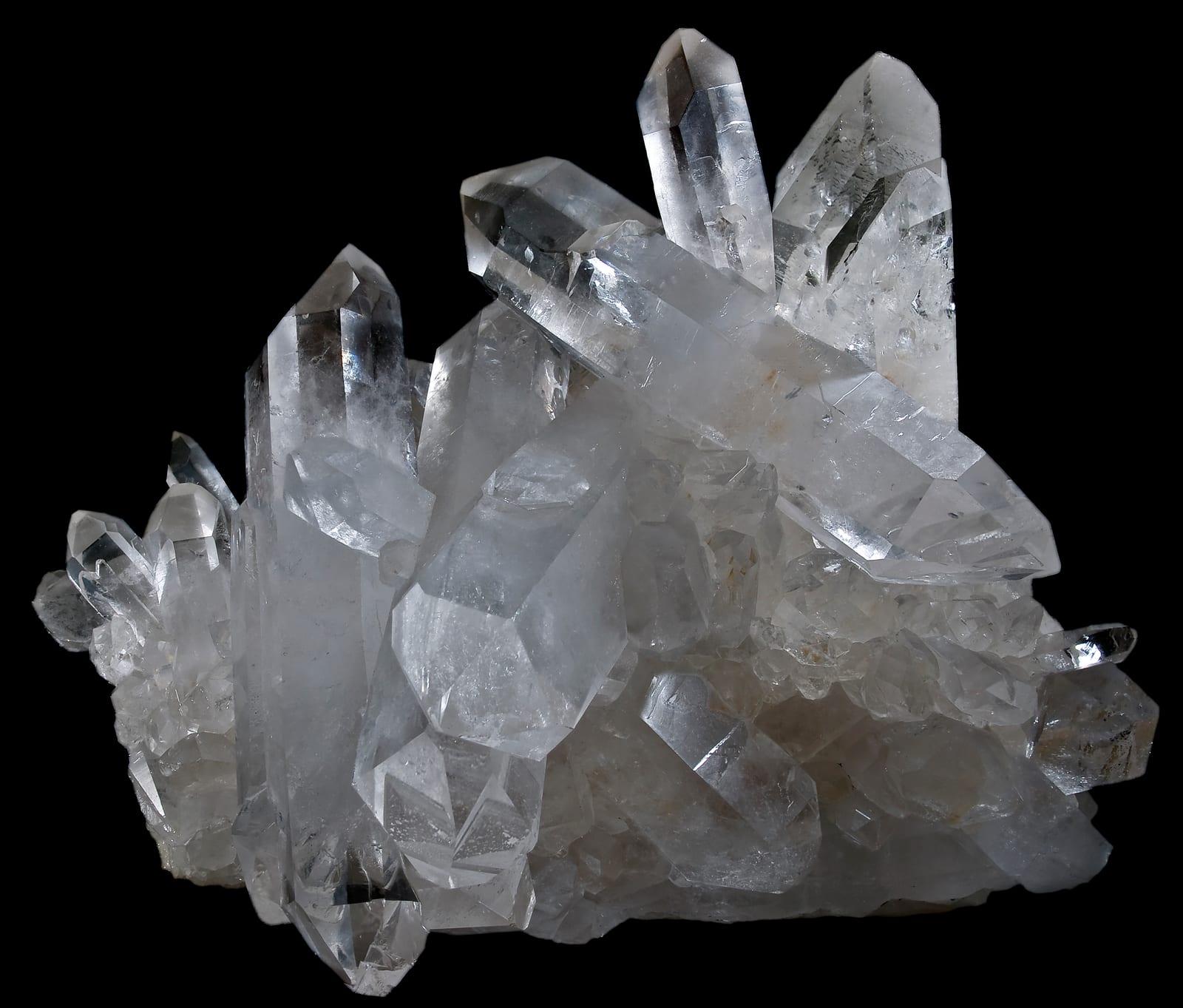
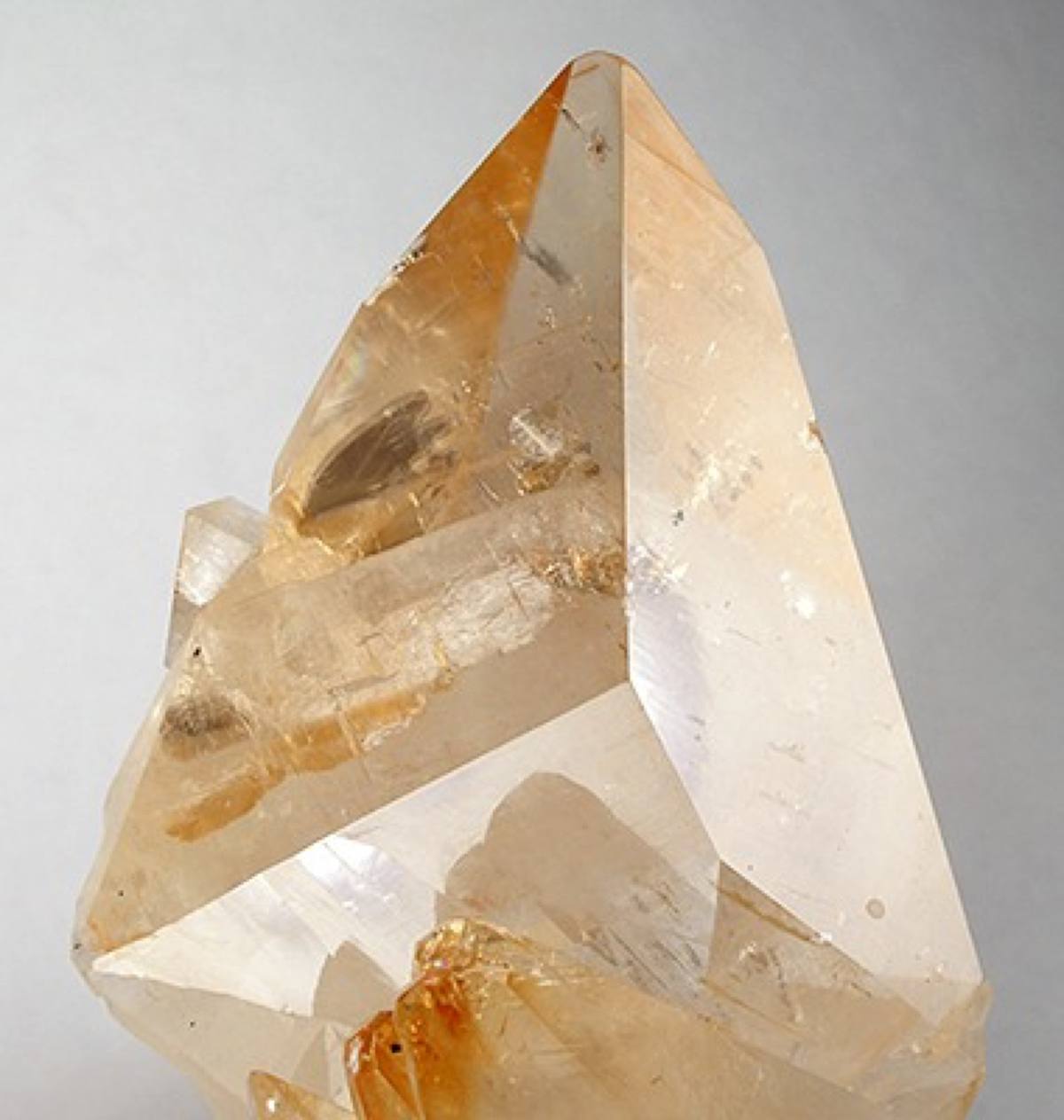
Minerals reported to co-occur with botswana agate. Spotting these in float or country rock is a strong cue you are in the right ground.
All properties
- Chemical formula
- SiO₂
- Mohs hardness
- 6.5-7
- Density
- 2.58-2.64 g/cm³
- Streak
- White
- Luster
- Waxy
- Transparency
- Translucent
- Crystal system
- Trigonal
- Crystal habit
- Banded, nodular, massive
- Cleavage
- None
- Rarity
- Common
- Uses
- Lapidary, Decorative, Collector
- Host rock
- volcanic basalt
Where rockhounds find botswana agate
Classic worldwide localities
- Bobonong, Botswana
- Selebi-Phikwe, Botswana
Field-hunting tip
Where it forms: volcanic basalt. If you start seeing quartz, calcite, zeolites in float, you are in the right ground. Typical habit: banded, nodular, massive. Train your eye for that shape before scanning the outcrop.
Common questions
How do you identify botswana agate?+
Where is botswana agate found?+
What rocks look like botswana agate?+
What minerals are found with botswana agate?+
What kind of rock does botswana agate form in?+
What is botswana agate used for?+
Find botswana agate on the map
RockHoundR shows mapped rockhounding spots, access rules, and lets you log every find.

