Bournonite is highly prized by collectors for its unique cyclic twinning that forms distinctive wheel-shaped crystals, earning it the nickname 'cogwheel ore.' It is a lead-copper-antimony sulfide typically found in hydrothermal vein deposits alongside other metallic sulfides.
Is this bournonite?
5-step field checkRun through these checks against the specimen in your hand. The more boxes tick, the more confident the ID.
- 1Test the hardnessTry to scratch bournonite with a known reference. Bournonite sits at Mohs 2.5-3, softer than the next harder reference, harder than the previous one.
- 2Check the streakDrag the specimen across an unglazed porcelain plate. Streak: steel-gray to iron-black.
- 3Read the lusterHold the specimen under a strong light. Luster: brilliant to dull.
- 4Match the color rangeCompare against the expected color range: steel gray, gray, black.
- 5Look at form & habitCrystal system: orthorhombic. Typical habit: cog-wheel, platy, pseudo cubic.
Often confused with
Bournonite vs. its common look-alikes, and how to tell them apart in the field.
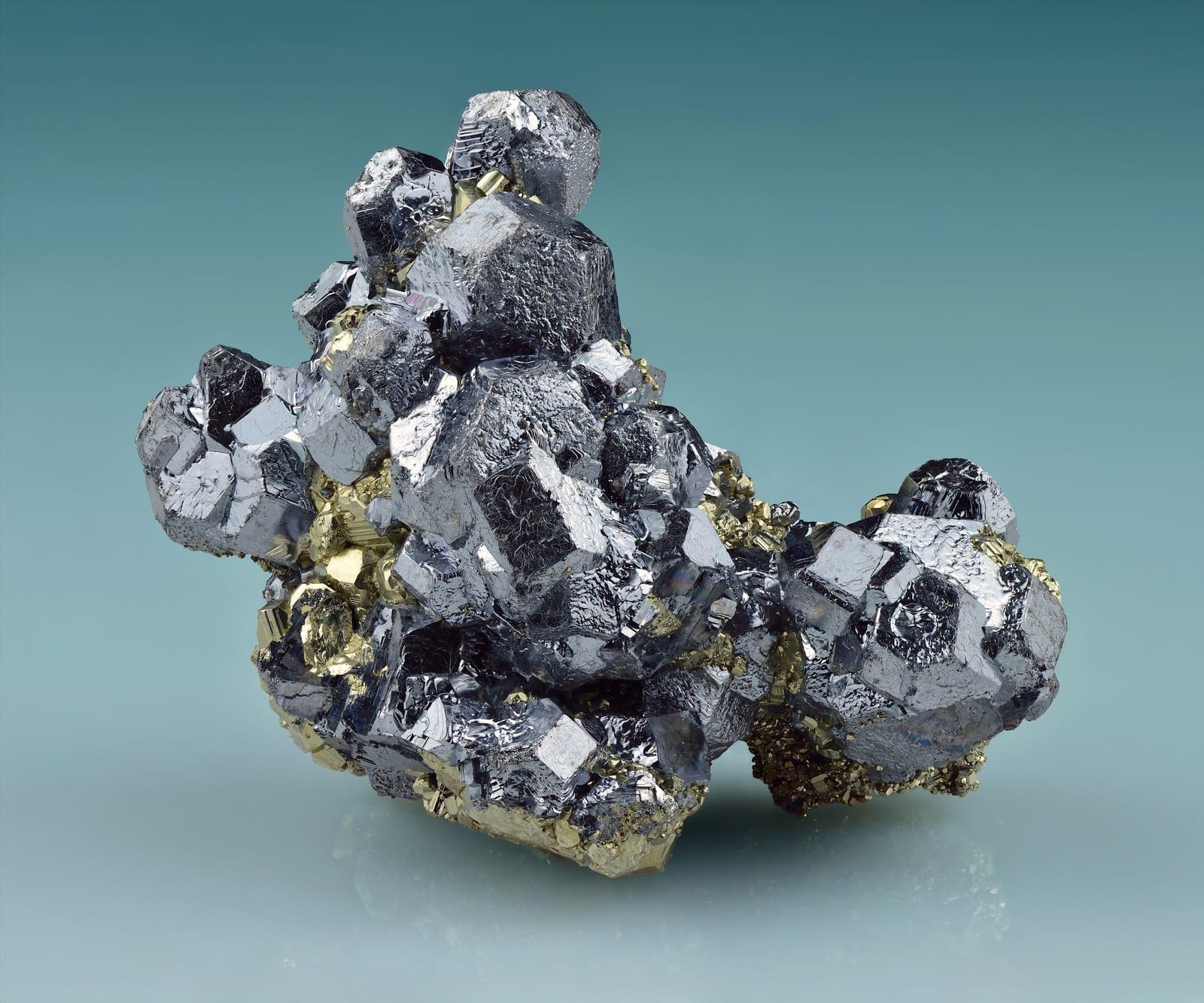
How to tell apart: Streak differs, so Bournonite leaves steel-gray to iron-black, Galena leaves lead-gray; luster reads brilliant to dull on Bournonite and metallic on Galena.
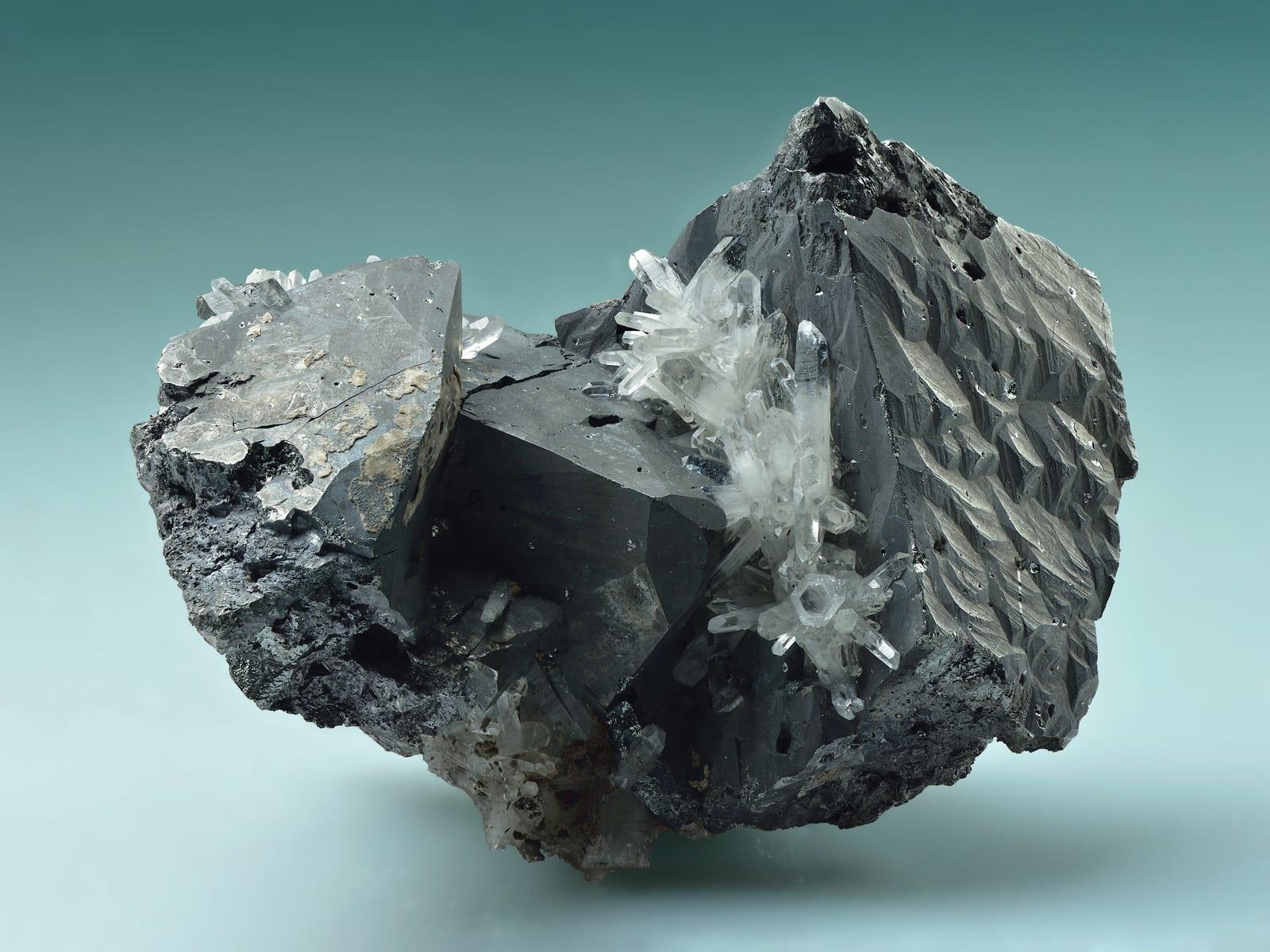
How to tell apart: Streak differs, so Bournonite leaves steel-gray to iron-black, Tetrahedrite leaves black to brown; luster reads brilliant to dull on Bournonite and metallic, commonly splendent on Tetrahedrite.
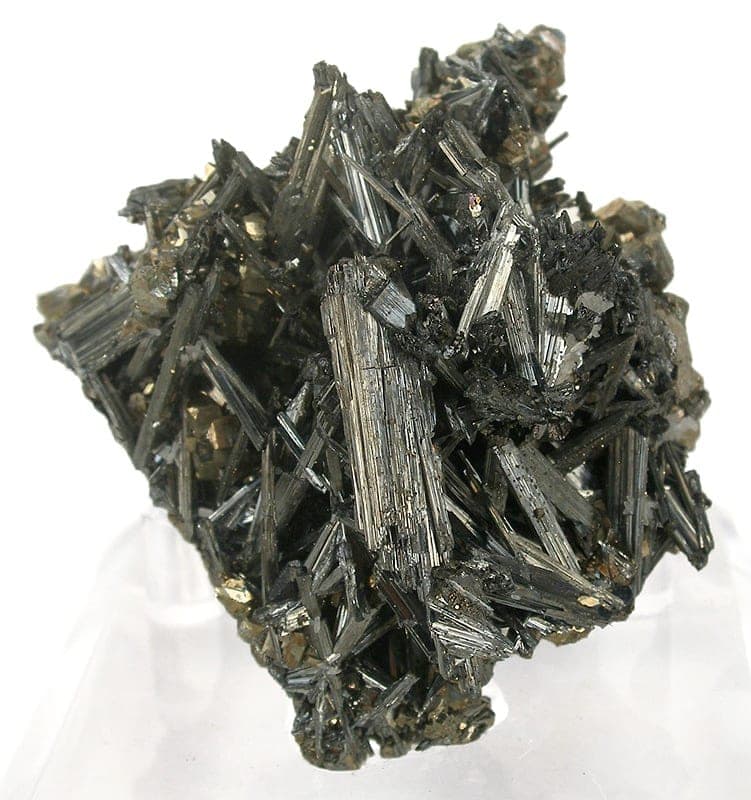
How to tell apart: Streak differs, so Bournonite leaves steel-gray to iron-black, Jamesonite leaves black. grayish; luster reads brilliant to dull on Bournonite and metallic on Jamesonite.
Often found alongside bournonite
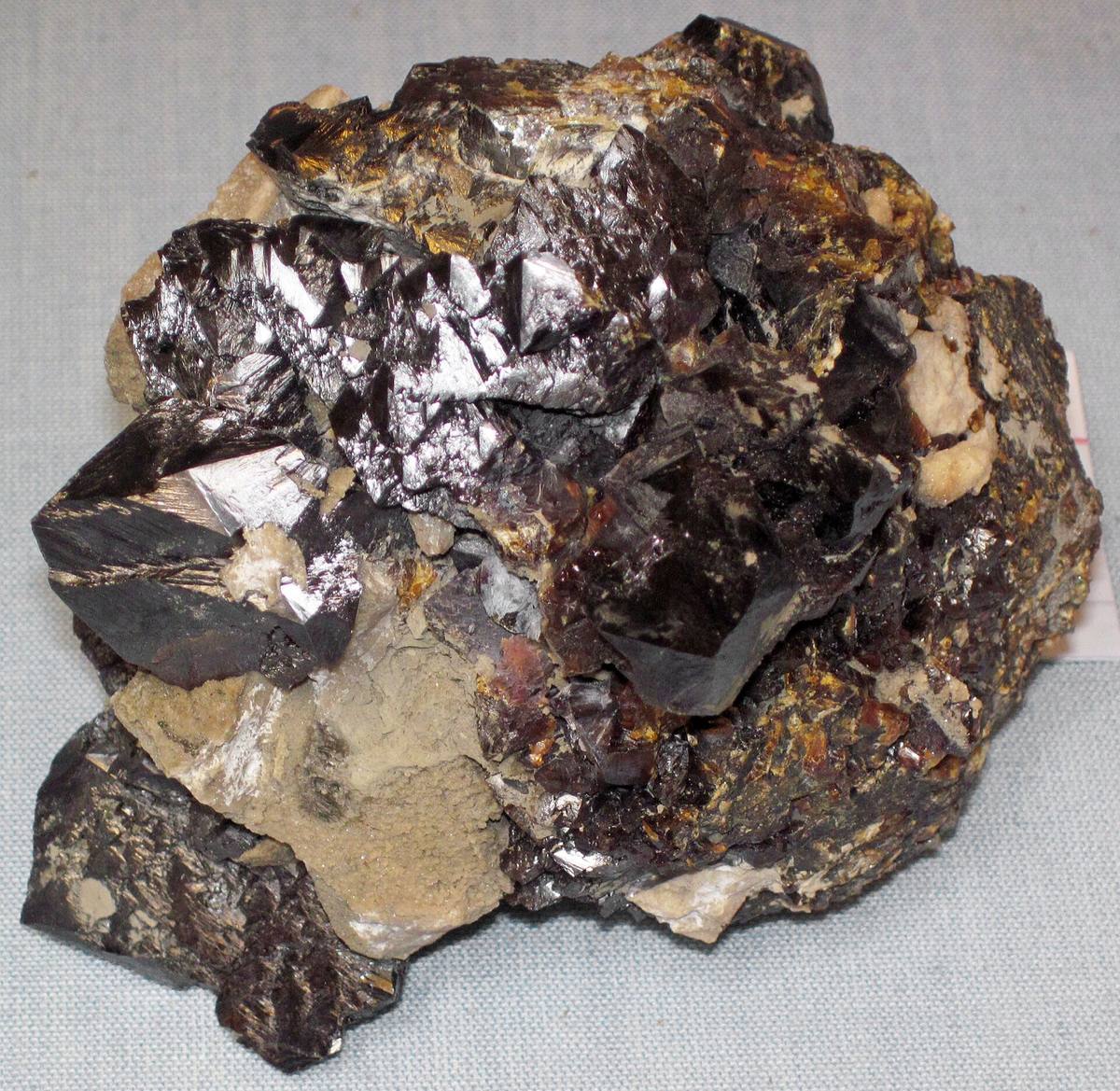
Minerals reported to co-occur with bournonite. Spotting these in float or country rock is a strong cue you are in the right ground.
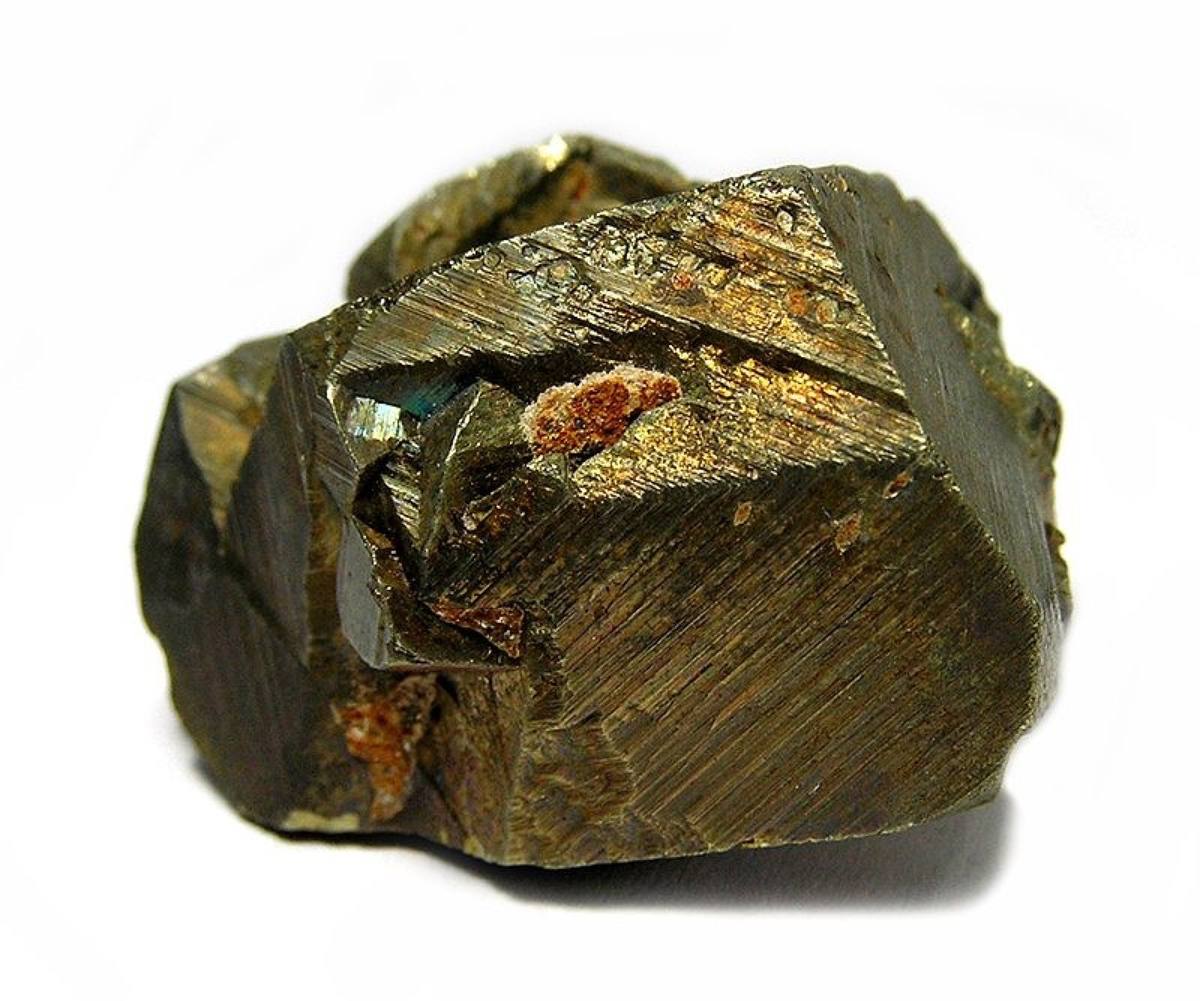
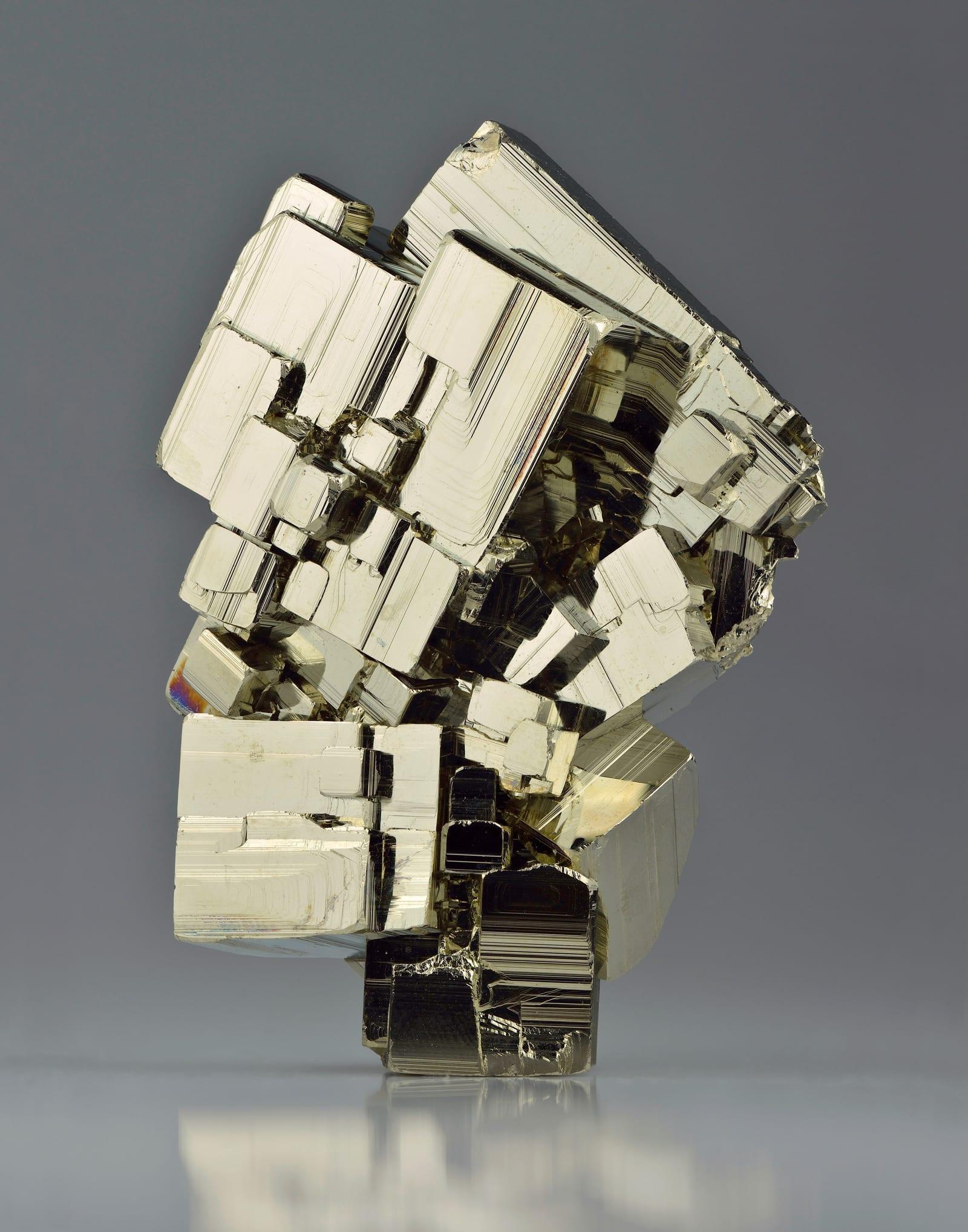
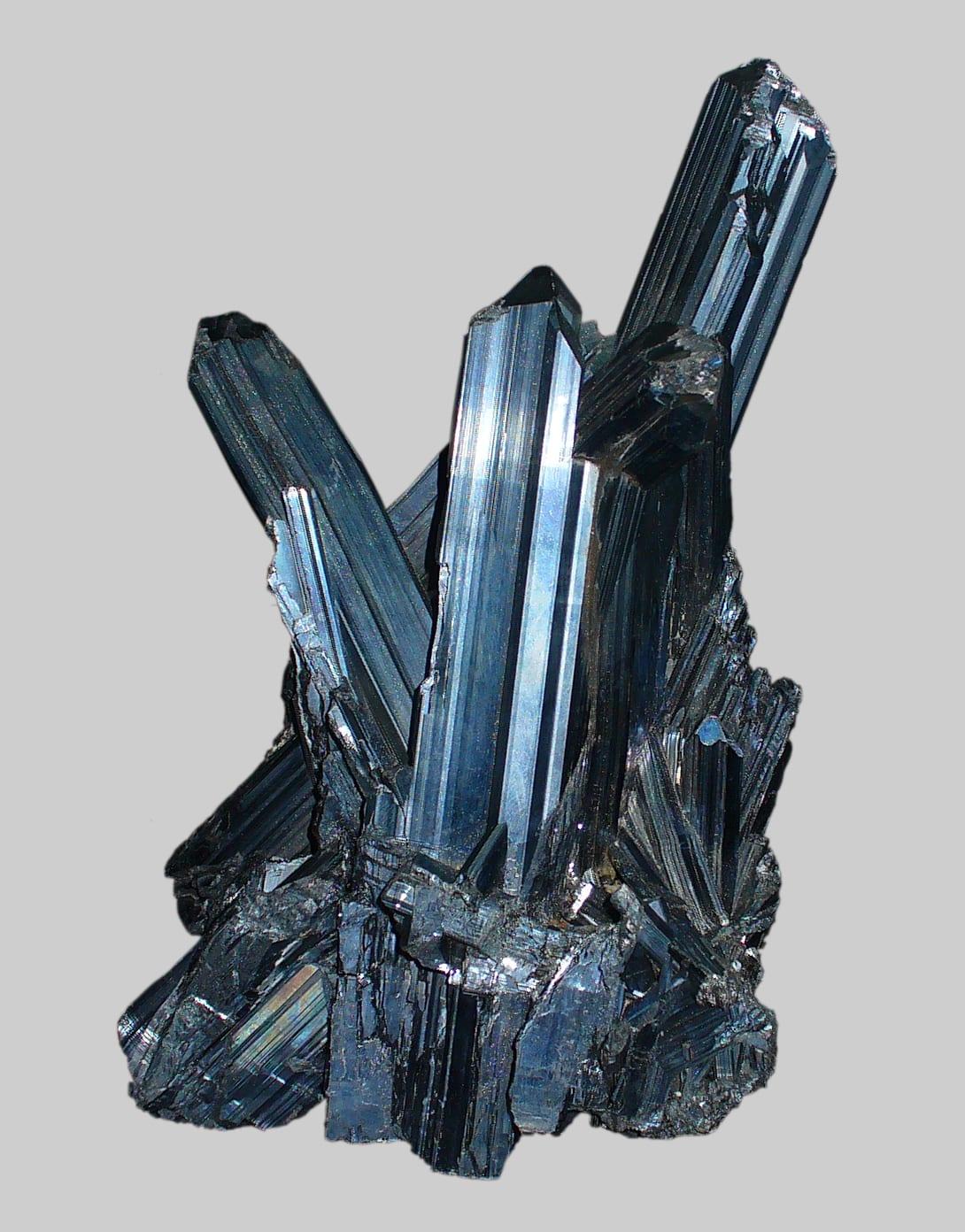
All properties
- Chemical formula
- PbCuSbS₃
- Mohs hardness
- 2.5-3
- Density
- 5.83 g/cm³
- Colors
- Streak
- Steel-gray to iron-black
- Luster
- Brilliant to dull
- Transparency
- Opaque
- Crystal system
- Orthorhombic
- Crystal habit
- Cog-wheel, platy, pseudo cubic
- Cleavage
- {010}, imperfect; {100} and {001}, less perfect
- Rarity
- Uncommon
- Uses
- Collector, Mineralogical study
- Host rock
- In hydrothermal veins formed at medium temperatures
Where rockhounds find bournonite
Classic worldwide localities
- Park City, Summit Co., Utah, USA
- Wheal Boys, St. Endellion (type locality), and in Herodsfoot mine, Lanreath, Cornwall, England
- Mogul mine, Silvermines, Co. Tipperary, Ireland
- Georg mine, near Horhausen, North Rhine-Westphalia, and at Clausthal, Neudorf, and Wolfsberg, Harz Mountains, Germany
- Příbram, Czech Republic
- Baia Sprie (Felsőbánya), Cavnic (Kapnikbánya), and Săcărı̂mb (Nagyág), Romania
Field-hunting tip
Where it forms: In hydrothermal veins formed at medium temperatures. If you start seeing galena, tetrahedrite, sphalerite in float, you are in the right ground. Typical habit: cog-wheel, platy, pseudo cubic. Train your eye for that shape before scanning the outcrop.
Common questions
How do you identify bournonite?+
Where is bournonite found?+
Is bournonite safe to handle?+
What rocks look like bournonite?+
What minerals are found with bournonite?+
What kind of rock does bournonite form in?+
What is bournonite used for?+
Find bournonite on the map
RockHoundR shows mapped rockhounding spots, access rules, and lets you log every find.