
Chalcanthite is a striking, deep blue secondary mineral typically found in the oxidized zones of copper deposits. It is famous for forming vibrant, crust-like aggregates or delicate, needle-like crystals, though it is highly fragile and readily dissolves in water.
Is this chalcanthite?
5-step field checkRun through these checks against the specimen in your hand. The more boxes tick, the more confident the ID.
- 1Test the hardnessTry to scratch chalcanthite with a known reference. Chalcanthite sits at Mohs 2.5, softer than the next harder reference, harder than the previous one.
- 2Check the streakDrag the specimen across an unglazed porcelain plate. Streak: white.
- 3Read the lusterHold the specimen under a strong light. Luster: vitreous to resinous.
- 4Match the color rangeCompare against the expected color range: green, green blue, light blue, dark blue.
- 5Look at form & habitCrystal system: triclinic. Typical habit: encrustations, reniform, stalactitic.
Often confused with
Chalcanthite vs. its common look-alikes, and how to tell them apart in the field.
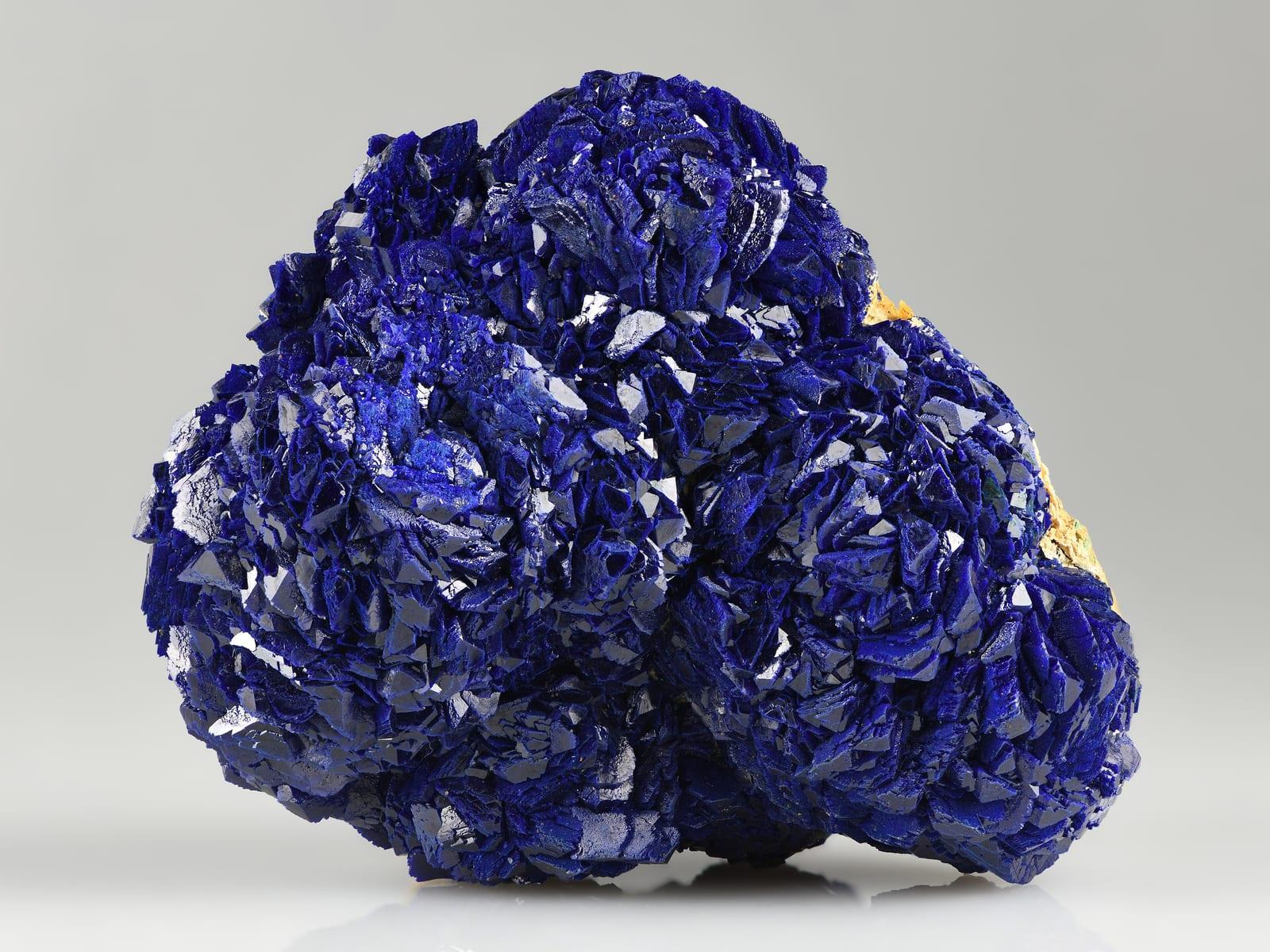
How to tell apart: Azurite is the harder of the two (Mohs 3.5-4 vs. 2.5); streak differs, so Chalcanthite leaves white, Azurite leaves pale blue.
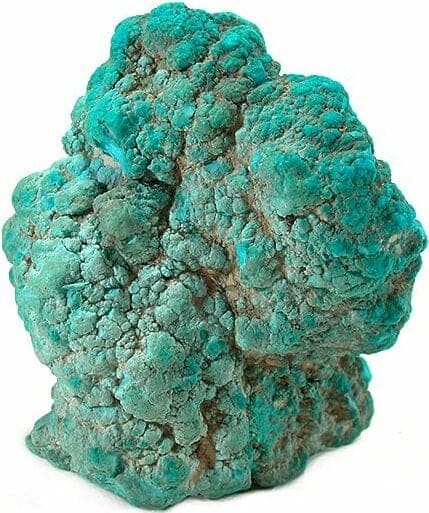
How to tell apart: Turquoise is the harder of the two (Mohs 5-6 vs. 2.5).
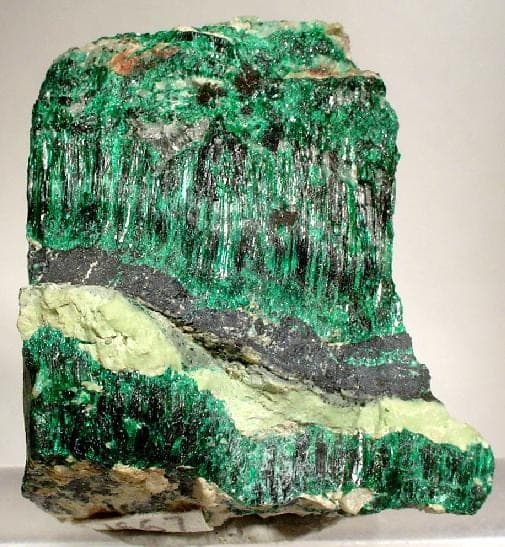
How to tell apart: Antlerite is the harder of the two (Mohs 3.5 vs. 2.5); streak differs, so Chalcanthite leaves white, Antlerite leaves pale green.
Often found alongside chalcanthite
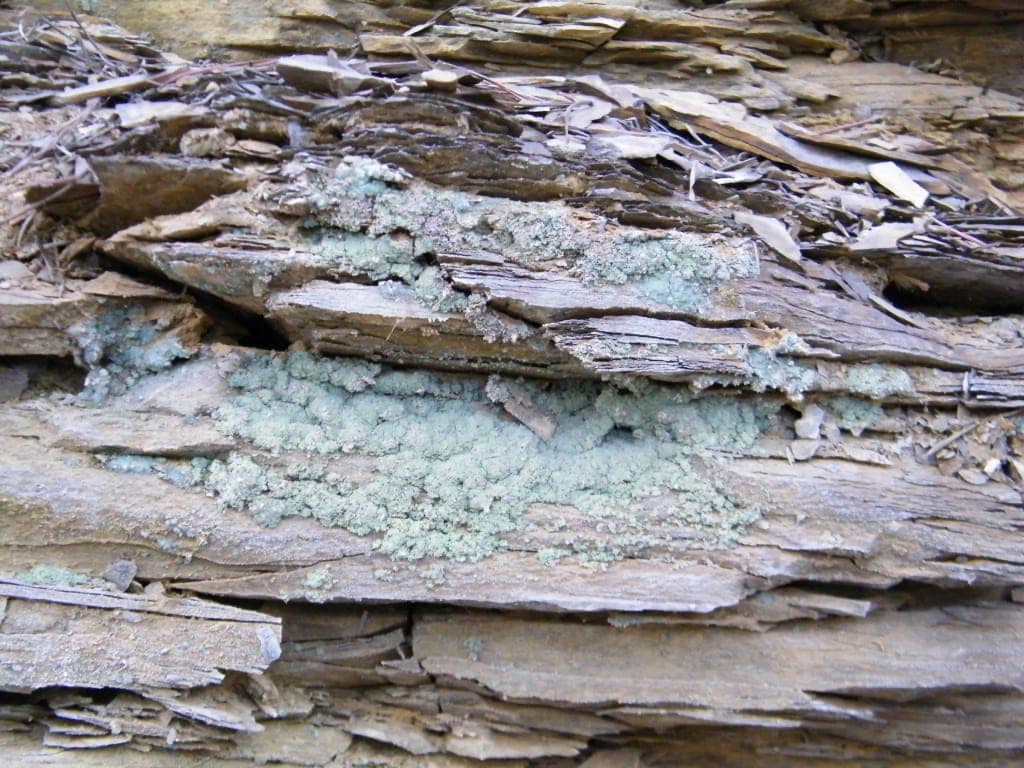
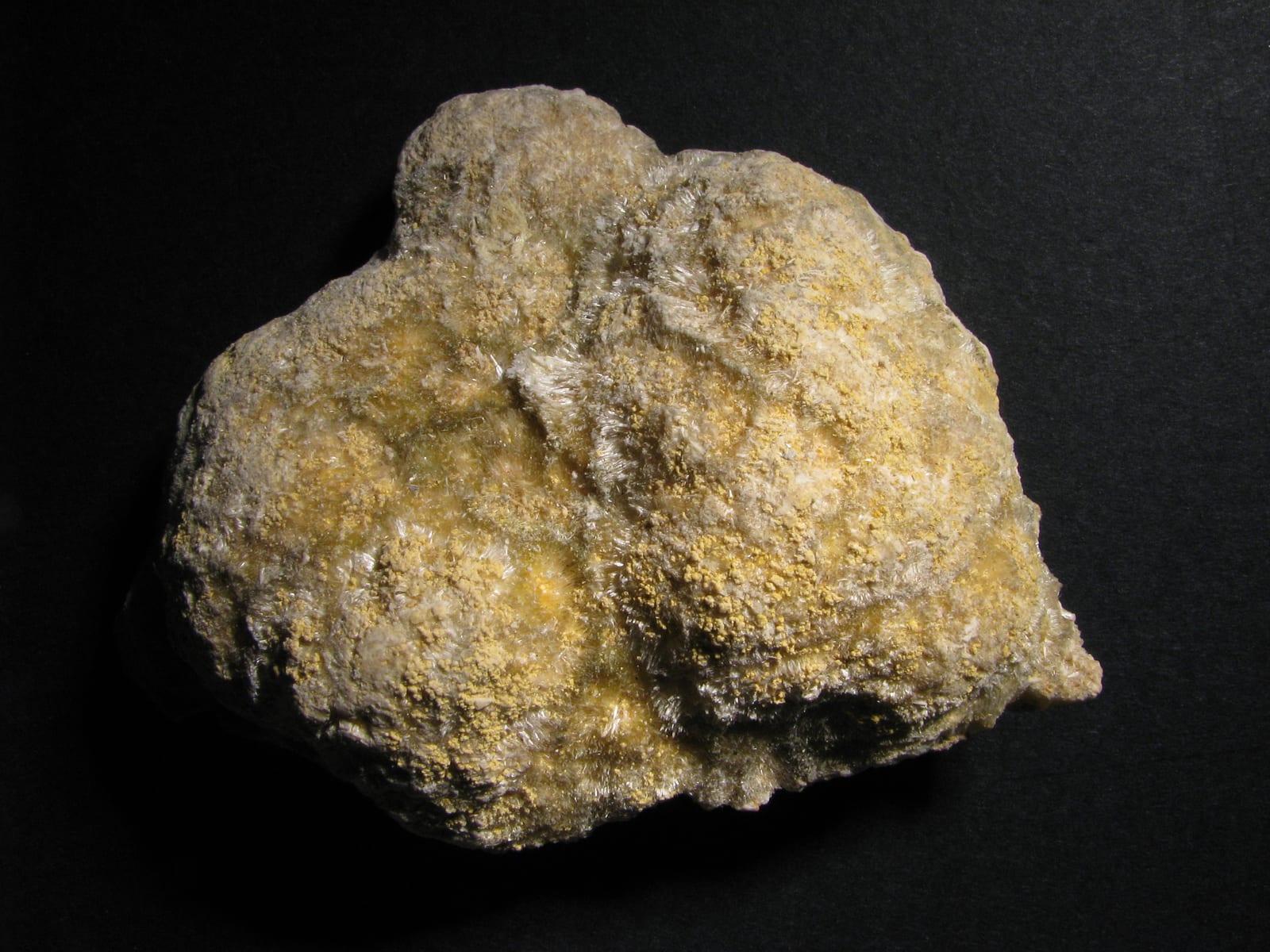
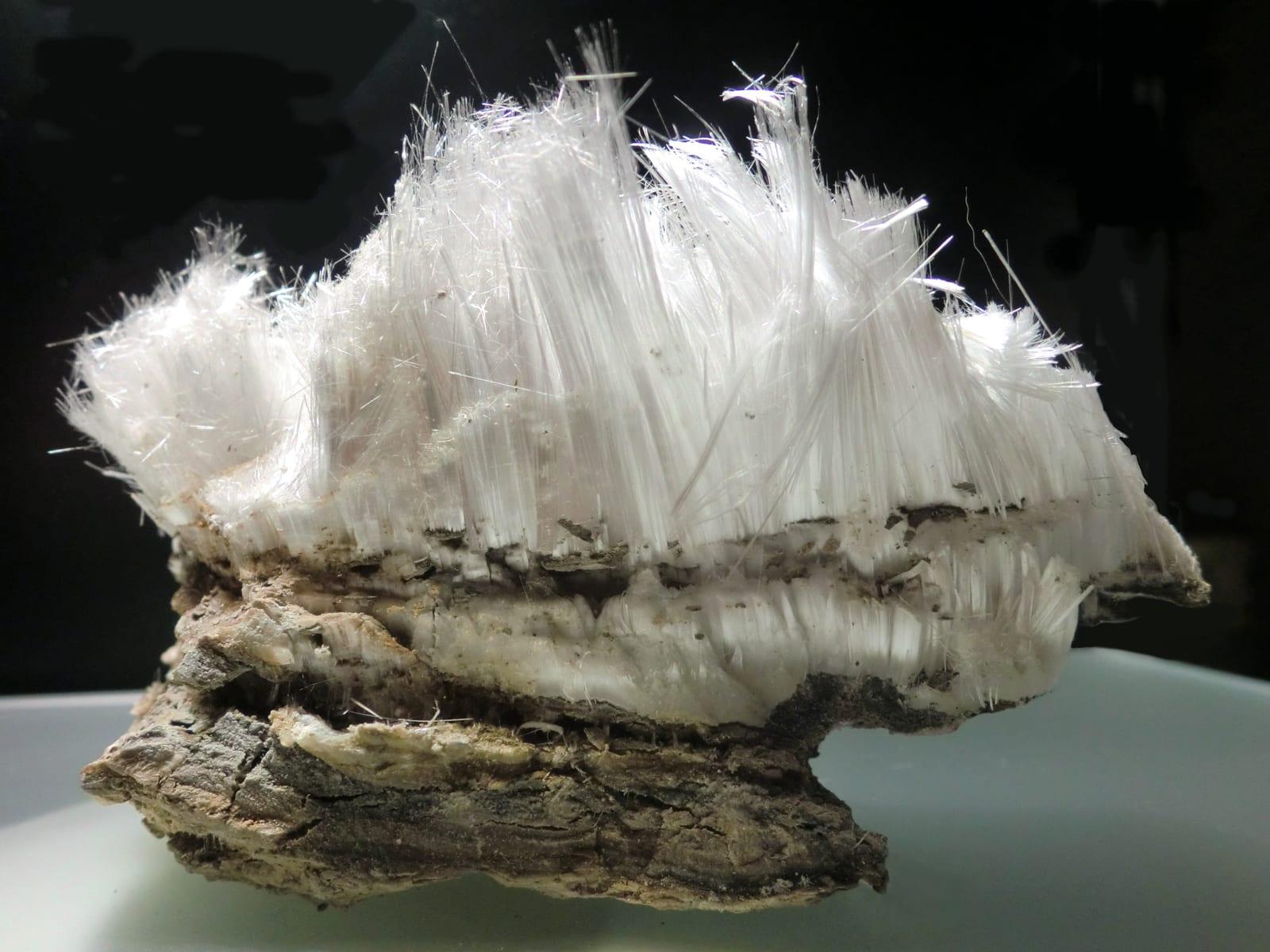
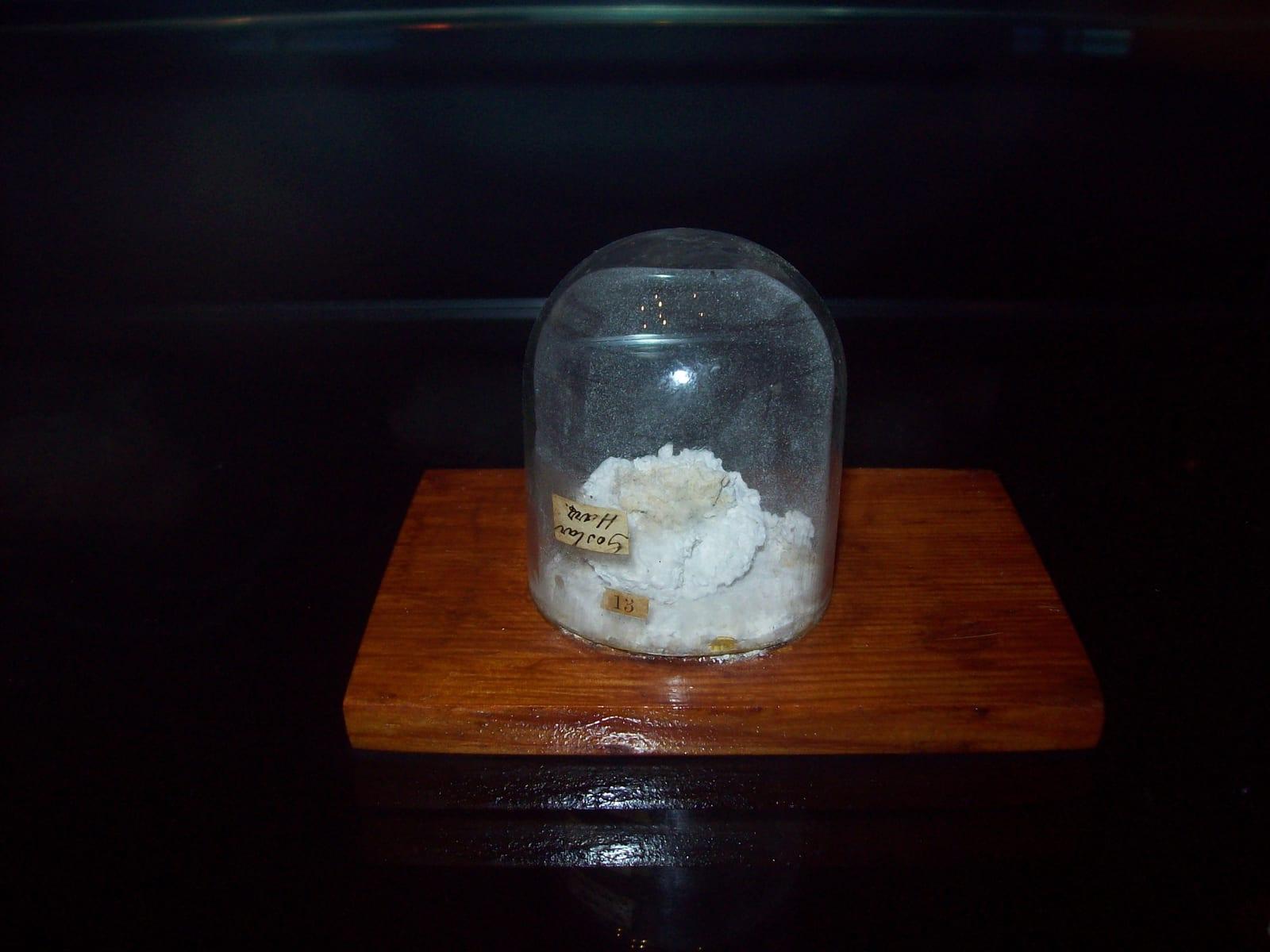
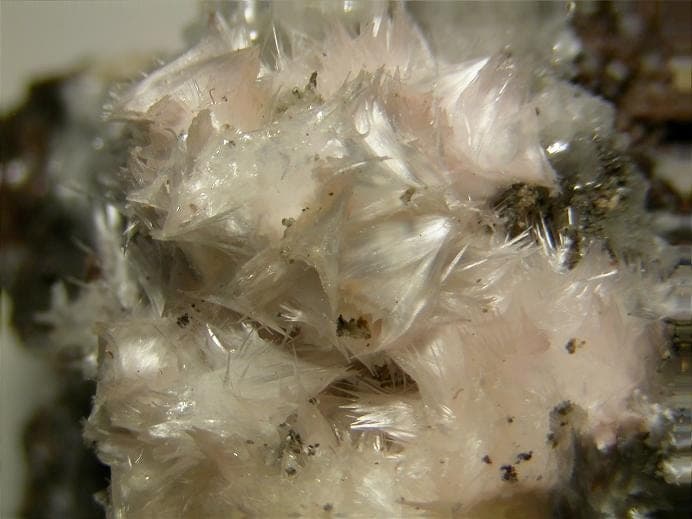
Minerals reported to co-occur with chalcanthite. Spotting these in float or country rock is a strong cue you are in the right ground.
All properties
- Chemical formula
- CuSO₄·5H₂O
- Mohs hardness
- 2.5
- Density
- 2.286 g/cm³
- Streak
- White
- Luster
- Vitreous to resinous
- Transparency
- Translucent
- Crystal system
- Triclinic
- Crystal habit
- Encrustations, reniform, stalactitic
- Cleavage
- Perfect on {110}; interrupted on {110}
- Rarity
- Uncommon
- Uses
- Collector
- Host rock
- A secondary mineral in the oxidized portions of copper sulfide deposits, commonly of post-mining formation; rarely as a fumarolic deposit
Where rockhounds find chalcanthite
1 mapped spotsClassic worldwide localities
- United Verde mine, Yavapai Co., and in the Clifton-Morenci district, Greenlee Co., Arizona, USA
- Blue Bird mine, Fierro-Hanover district, Grant Co., New Mexico, USA
- Bluestone mine, Yerington district, Lyon Co., Nevada, USA
- Butte, Silver Bow Co., Montana, USA
- Vesuvius, Campania, Italy
- Rammelsberg and Goslar, Harz Mountains, Germany
Field-hunting tip
Where it forms: A secondary mineral in the oxidized portions of copper sulfide deposits, commonly of post-mining formation; rarely as a fumarolic deposit. If you start seeing melanterite, fibroferrite, rhomboclase in float, you are in the right ground. Typical habit: encrustations, reniform, stalactitic. Train your eye for that shape before scanning the outcrop. In the U.S., the densest reported localities are in Nevada. Start trip planning there.
Common questions
How do you identify chalcanthite?+
Where is chalcanthite found?+
Can I find chalcanthite in the United States?+
Is chalcanthite safe to handle?+
What rocks look like chalcanthite?+
What minerals are found with chalcanthite?+
What kind of rock does chalcanthite form in?+
What is chalcanthite used for?+
Find chalcanthite on the map
RockHoundR shows mapped rockhounding spots, access rules, and lets you log every find.

