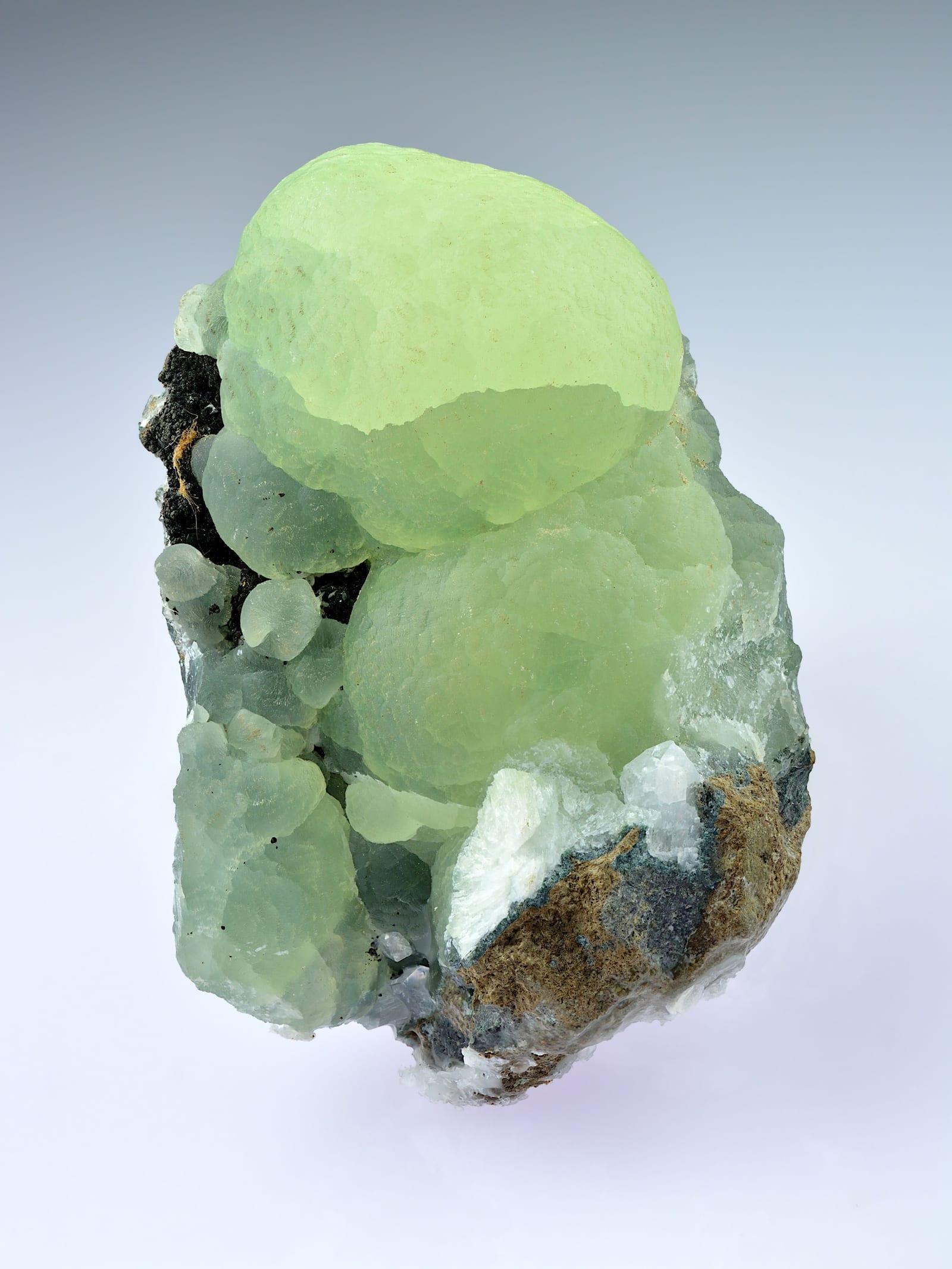
Chlorastrolite is a rare, fibrous variety of pumpellyite prized by lapidary enthusiasts for its distinctive 'turtle-back' radial pattern. It is typically found as amygdules within basaltic rocks and is recognized as the official state gemstone of Michigan.
Spotting chlorastrolite in the field
Field marks- 1
Segmented turtleback or snakeskin pattern in green, made of small interlocking cells
- 2
Chatoyant: the cells flash light as you rotate the stone
- 3
Small, usually pea-sized or less, and hardness 5 to 6
Isle Royale greenstone is the Michigan state gem and it is one of the hardest common materials to find, because good pieces are tiny and the pattern only shows when wet or polished. The segmented turtleback structure with its shifting chatoyancy is unlike anything else. Read the legal note carefully, because the place the material is named for is exactly the place you cannot collect it.
Before you collect
Isle Royale is a national park. Removing greenstone, or any rock, from it is a federal offense despite the material being named for the island and being the state gem. Collect on the Keweenaw mainland instead.
Straight answers
- Is it worth cutting?
- Cut as small high-domed cabs to bring out the chatoyancy. The material is so scarce that most cutters work with pieces under a centimeter.
- What is it really worth?
- High for its size. Well-patterned stones over a centimeter are genuinely rare and priced accordingly.
- Can you legally keep it?
- Collecting greenstone on Isle Royale National Park is prohibited, and this catches people out constantly because the stone is named after the island. The legal option is the Keweenaw Peninsula shoreline and mine dumps, where public beaches and fee-dig sites both work.
Where it is worth going
- Keweenaw Peninsula beachesKeweenaw County, Michigan
The legal alternative to Isle Royale. Beach cobble and historic mine dumps, some through fee digs.
Often confused with
Chlorastrolite vs. its common look-alikes, and how to tell them apart in the field.
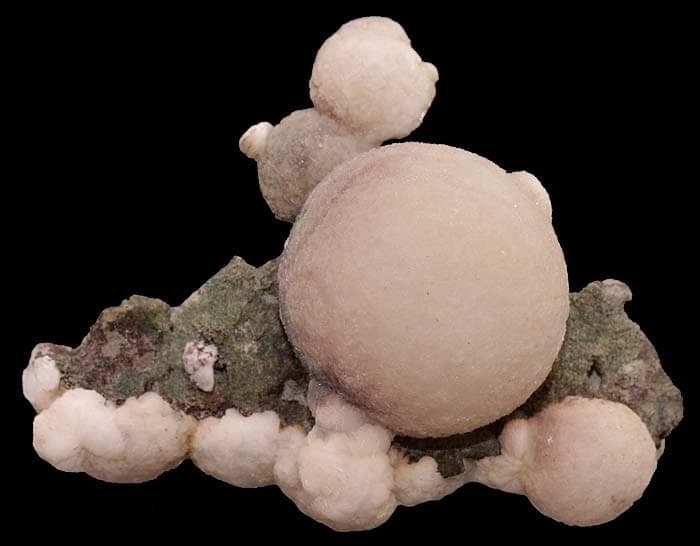
How to tell apart: Thomsonite has concentric eyes. Greenstone has a segmented turtleback of interlocking cells and a distinct chatoyant flash.
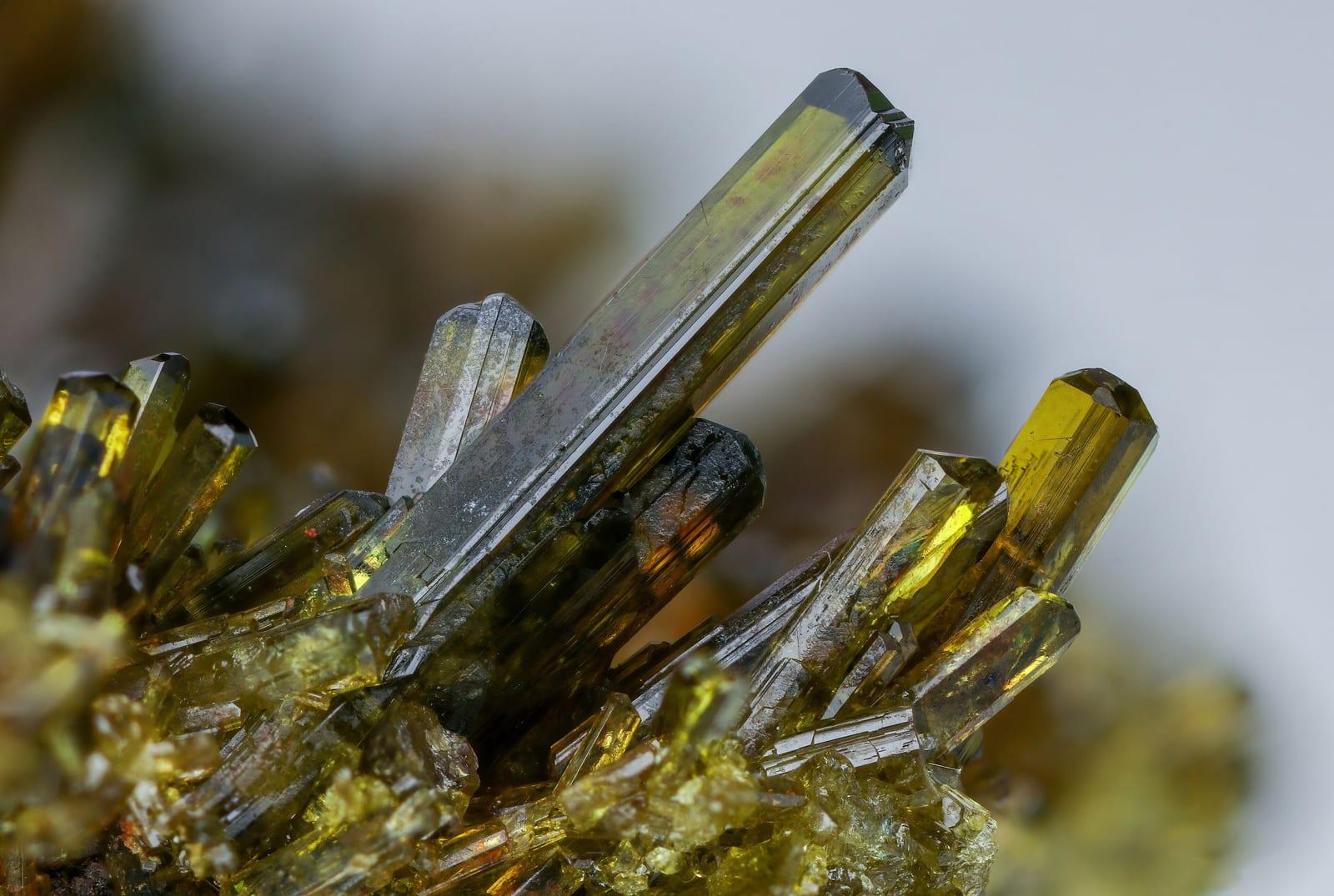
How to tell apart: Epidote is a yellower green without the cellular pattern or the chatoyancy.
Often found alongside chlorastrolite
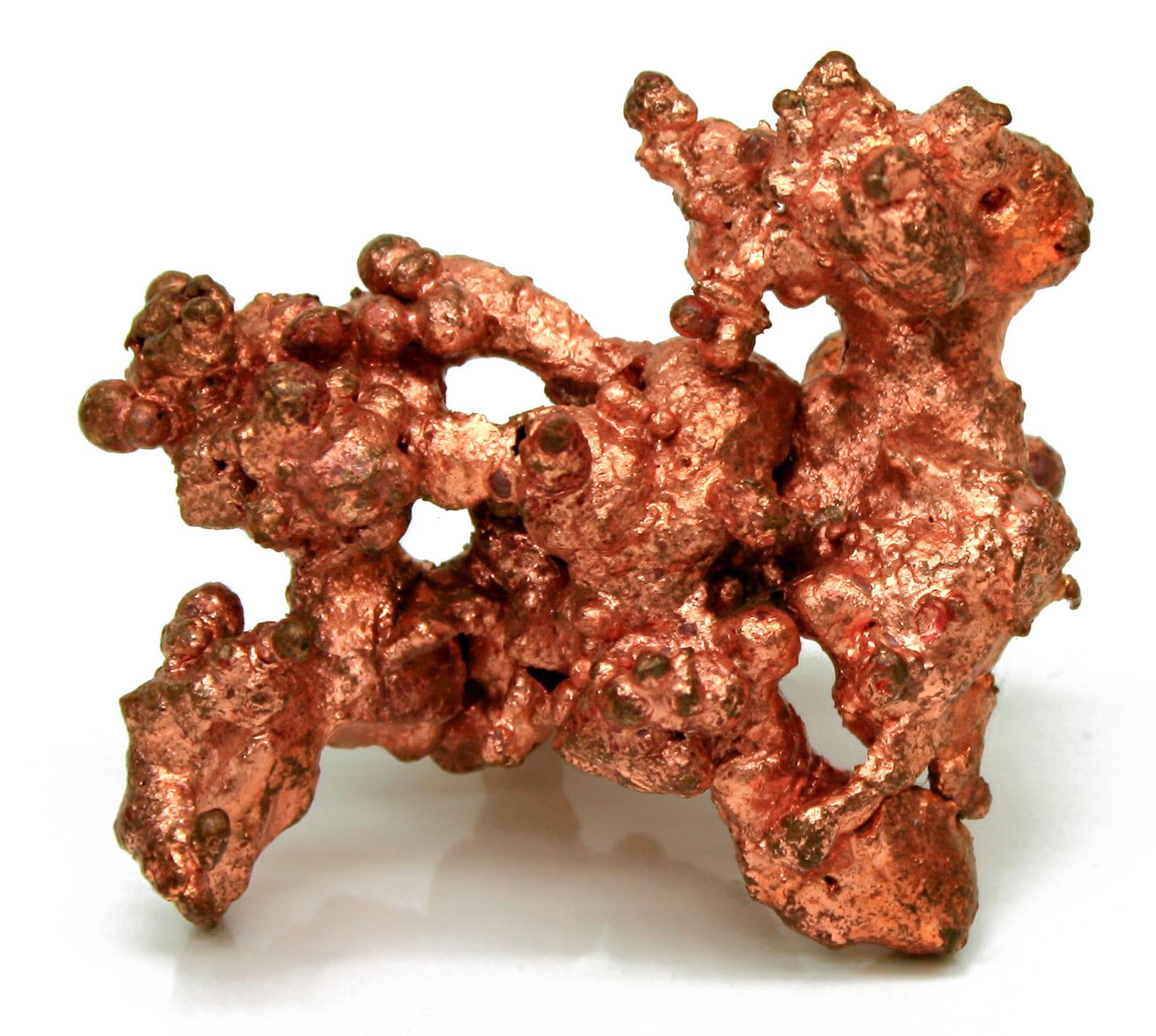
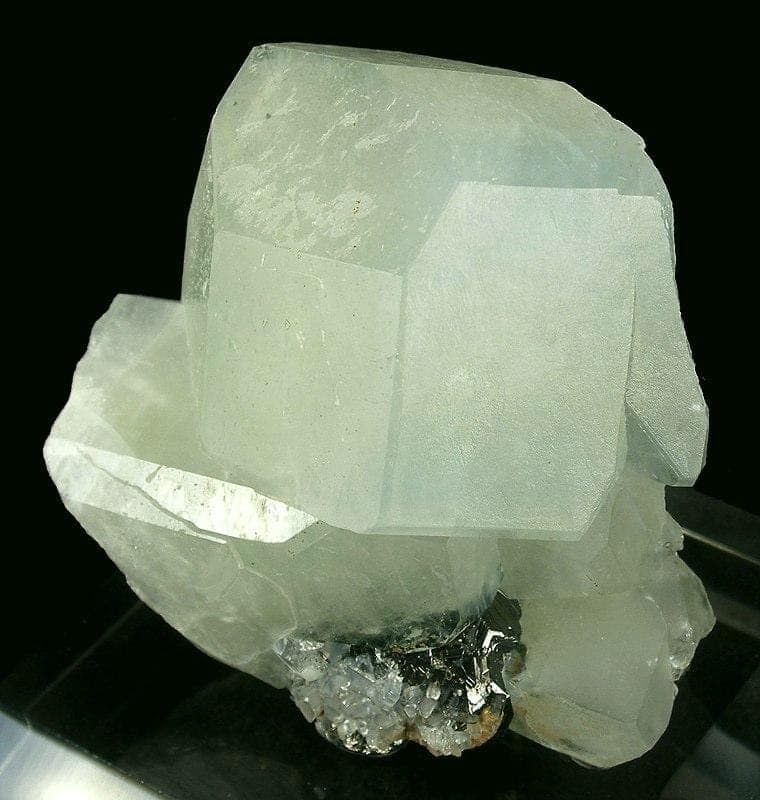
Minerals reported to co-occur with chlorastrolite. Spotting these in float or country rock is a strong cue you are in the right ground.
All properties
- Chemical formula
- Ca₂MgAl₂(SiO₄)(Si₂O₇)(OH)₂·H₂O
- Mohs hardness
- 5-6
- Density
- 3.2 g/cm³
- Colors
- Streak
- White
- Luster
- Vitreous
- Transparency
- Translucent
- Crystal system
- Monoclinic
- Crystal habit
- Botryoidal, radial fibrous
- Cleavage
- None
- Rarity
- Rare
- Uses
- Gemstone, Lapidary, Collector
- Host rock
- basaltic lava flows
Where rockhounds find chlorastrolite
4 mapped spotsClassic worldwide localities
- Isle Royale, Michigan, USA
- Keweenaw Peninsula, Michigan, USA
Field-hunting tip
Where it forms: basaltic lava flows. If you start seeing native copper, datolite, prehnite in float, you are in the right ground. Typical habit: botryoidal, radial fibrous. Train your eye for that shape before scanning the outcrop. In the U.S., the densest reported localities are in Michigan, Minnesota. Start trip planning there.
Common questions
How do you identify chlorastrolite?+
Where is chlorastrolite found?+
Can I find chlorastrolite in the United States?+
What rocks look like chlorastrolite?+
What minerals are found with chlorastrolite?+
What kind of rock does chlorastrolite form in?+
What is chlorastrolite used for?+
Find chlorastrolite on the map
RockHoundR shows mapped rockhounding spots, access rules, and lets you log every find.