Chrysoprase is a highly valued green variety of chalcedony that owes its distinct color to the presence of nickel. It typically occurs as massive or botryoidal formations and is most prized when displaying an intense, even apple-green hue.
Spotting chrysoprase in the field
Field marks- 1
Apple green to deep green, translucent, evenly colored
- 2
Color comes from nickel, so it is found around weathered nickel deposits
- 3
No banding, waxy luster, hardness 7
Chrysoprase is the most valuable of the plain chalcedonies and the green is unmistakable once seen. Because the color is nickel-derived, it occurs in weathered serpentinite and laterite over nickel ore bodies, which narrows the search dramatically: Marlborough in Queensland, Western Australia, Poland's Szklary deposit, and scattered California occurrences. If you are in nickel country, look in the weathered zone rather than the fresh rock.
Straight answers
- Is it worth cutting?
- Excellent cab material. Deep color can fade with prolonged strong sunlight and heat, so do not leave finished pieces in a car window.
- What is it really worth?
- The most expensive common chalcedony, with fine even deep green from Australia commanding real money. A great deal of cheap green chalcedony on the market is dyed.
- Can you legally keep it?
- Australian localities are largely private or leased. Ask before entering nickel-mine country anywhere.
Often confused with
Chrysoprase vs. its common look-alikes, and how to tell them apart in the field.
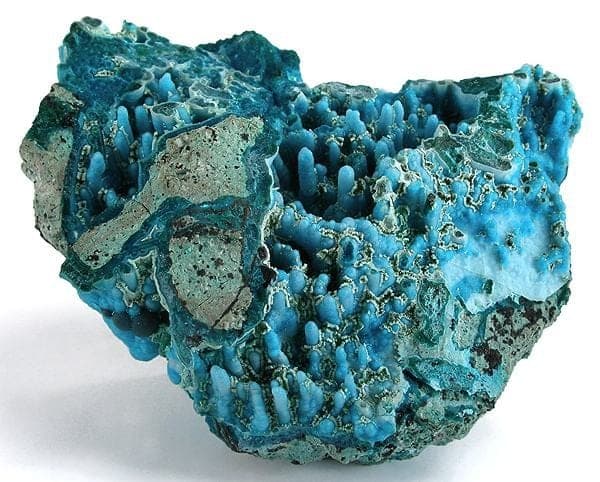
Often found alongside chrysoprase
Minerals reported to co-occur with chrysoprase. Spotting these in float or country rock is a strong cue you are in the right ground.
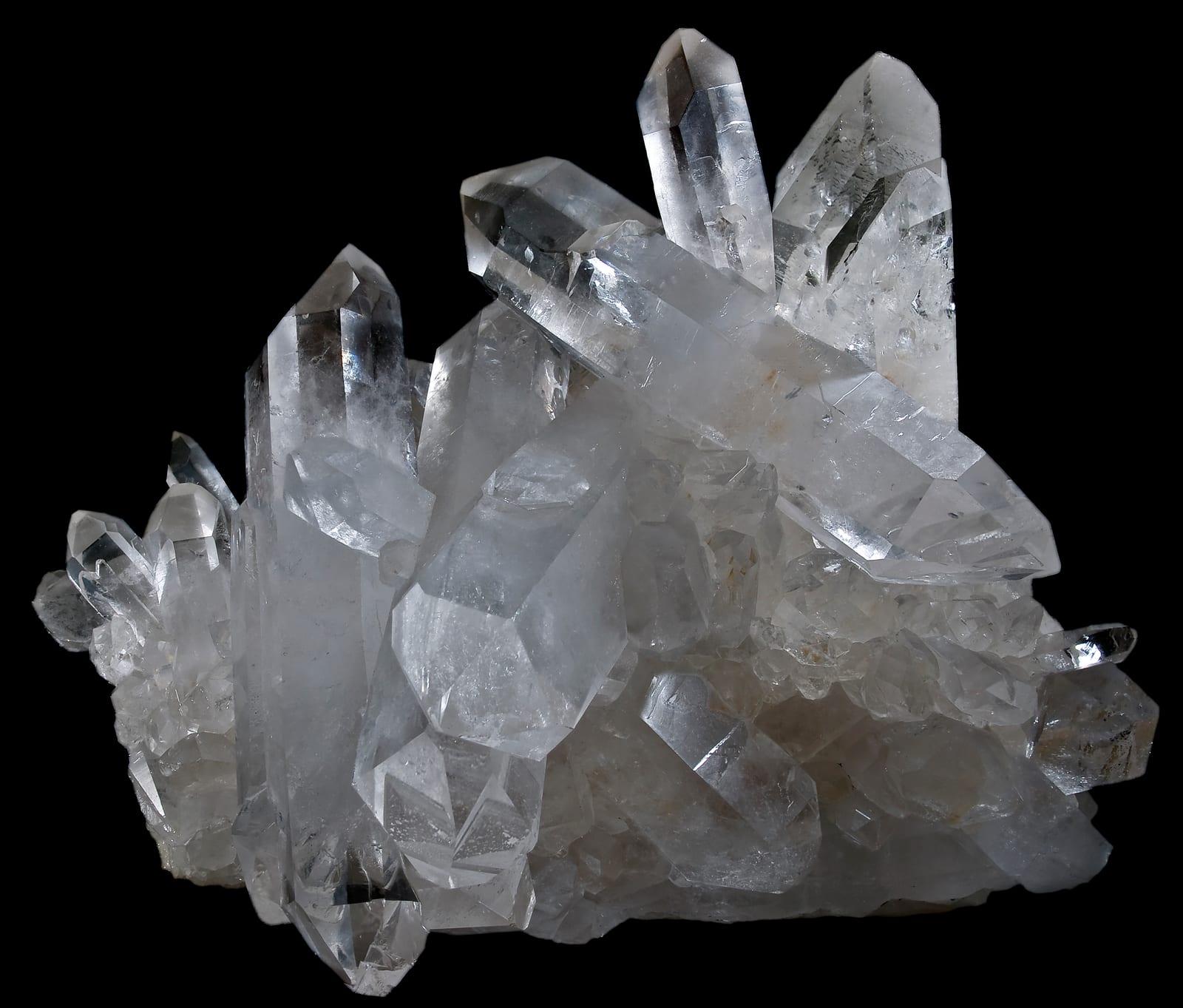
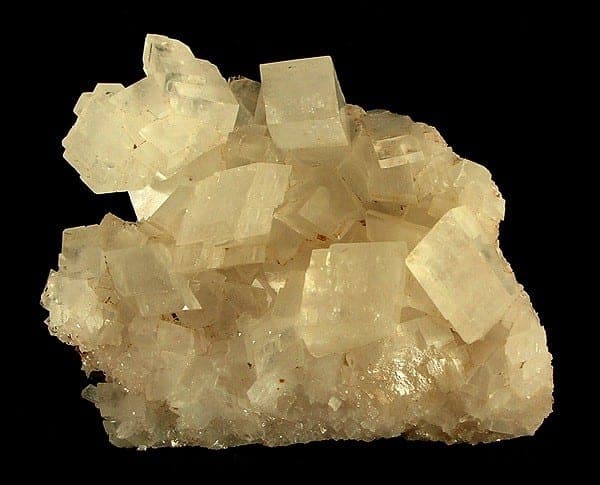
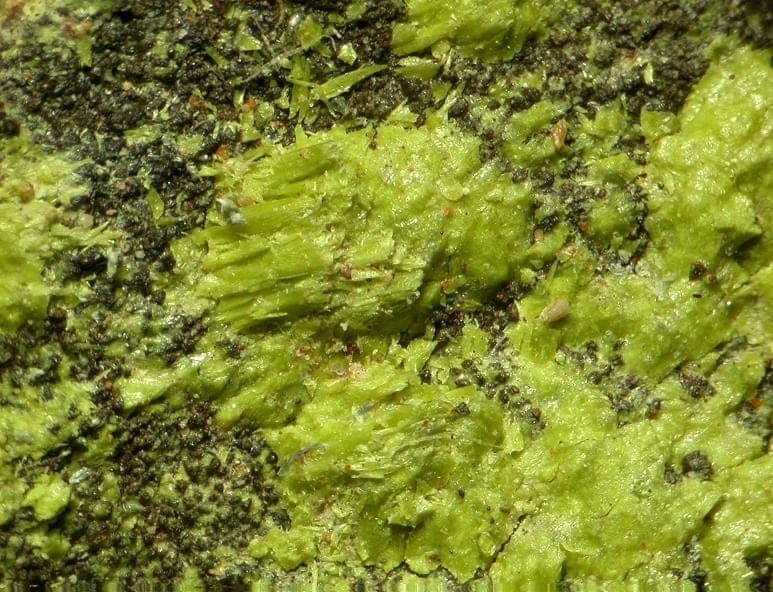
All properties
- Chemical formula
- SiO₂
- Mohs hardness
- 6.5-7
- Density
- 2.58-2.64 g/cm³
- Colors
- Streak
- White
- Luster
- Vitreous to waxy
- Transparency
- Translucent
- Crystal system
- Trigonal
- Crystal habit
- Massive, reniform, botryoidal
- Cleavage
- None
- Rarity
- Uncommon
- Uses
- Gemstone, Lapidary, Decorative
- Host rock
- nickel-bearing serpentinite weathering crusts
Where rockhounds find chrysoprase
2 mapped spotsClassic worldwide localities
- Queensland, Australia
- Szklary, Poland
- Kazakhstan
- California, USA
- Madagascar
Field-hunting tip
Where it forms: nickel-bearing serpentinite weathering crusts. If you start seeing quartz, magnesite, nontronite in float, you are in the right ground. Typical habit: massive, reniform, botryoidal. Train your eye for that shape before scanning the outcrop. In the U.S., the densest reported localities are in North Carolina, Oregon. Start trip planning there.
Common questions
How do you identify chrysoprase?+
Where is chrysoprase found?+
Can I find chrysoprase in the United States?+
What rocks look like chrysoprase?+
What minerals are found with chrysoprase?+
What kind of rock does chrysoprase form in?+
What is chrysoprase used for?+
Find chrysoprase on the map
RockHoundR shows mapped rockhounding spots, access rules, and lets you log every find.