
Cordierite is a magnesium-aluminum silicate commonly found in metamorphic rocks subjected to high-grade regional metamorphism. It is famous for its strong pleochroism, often appearing deep violet-blue when viewed from one direction and pale yellow or colorless from another.
Spotting cordierite in the field
Field marks- 1
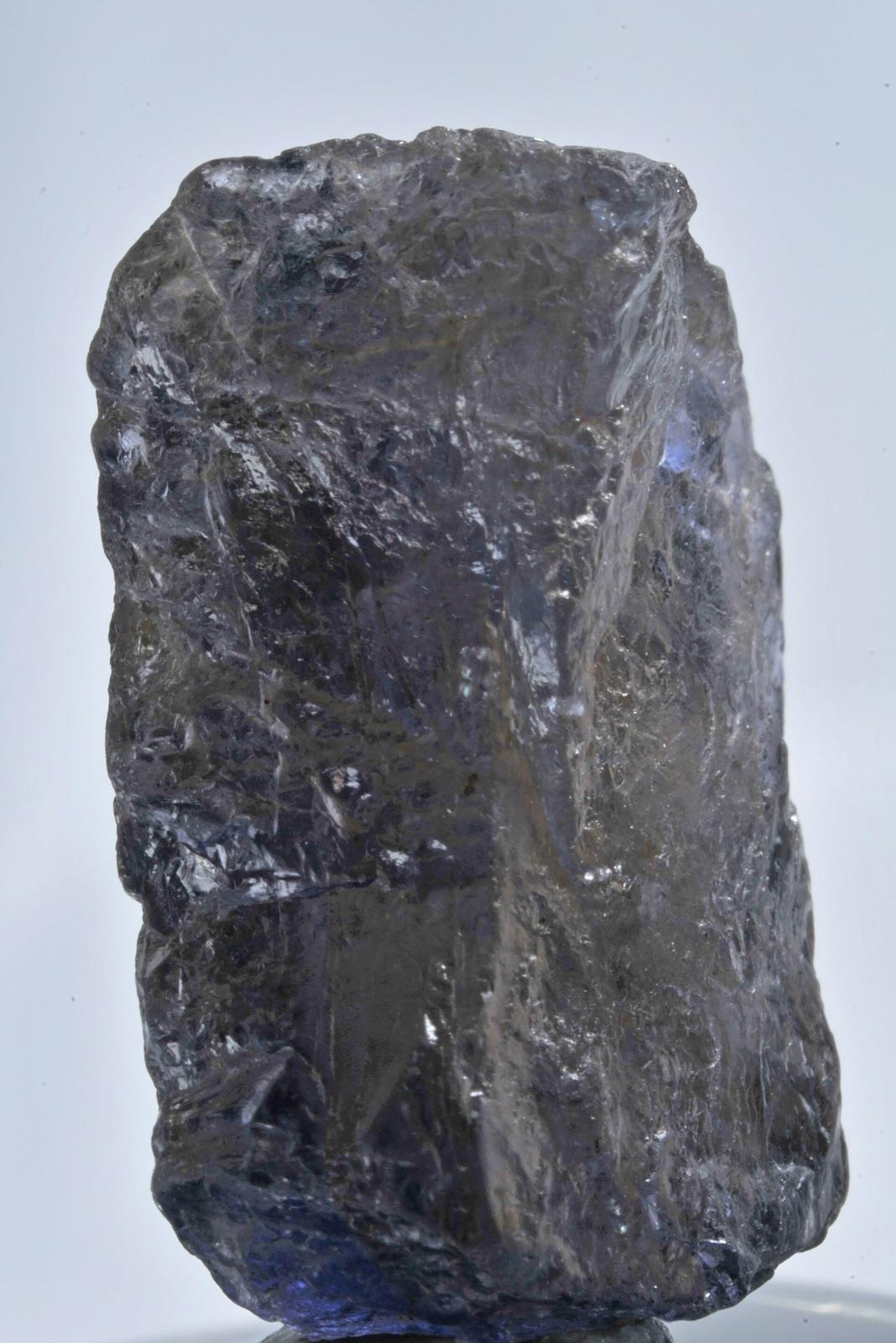
Dramatic pleochroism: violet-blue from one direction, pale yellow-grey from another
- 2
Transparent gem material is called iolite, and the color change is the identification
- 3
Hardness 7 to 7.5, glassy, with one direction of fair cleavage
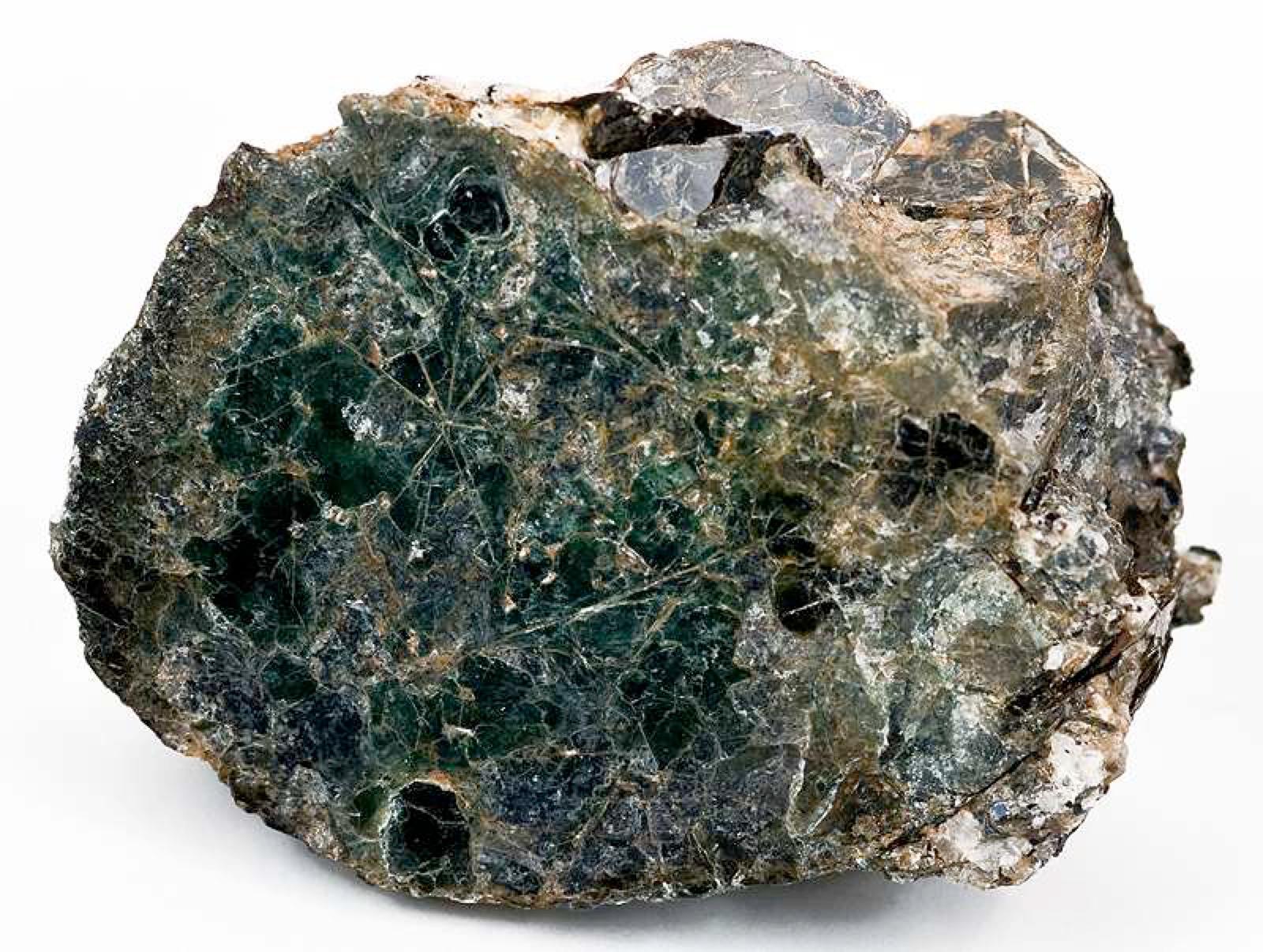
Nothing else common is this strongly pleochroic, and the test costs nothing: turn the stone through 90 degrees and watch the color collapse from deep violet-blue to a washed-out grey-yellow. That is why it was called water sapphire and why sellers who do not know what they have often price it as poor sapphire. It occurs in metamorphic rocks, especially aluminium-rich gneiss and schist, and in some pegmatites.
Straight answers
- Is it worth cutting?
- Orientation determines whether you get a beautiful violet-blue stone or a grey one. Find the best color direction on the rough with a polariscope or simply by rotating it in good light, then set the table perpendicular to it.
- What is it really worth?
- Inexpensive to moderate, and consistently undervalued relative to how attractive well-oriented material is.
- Can you legally keep it?
- Ordinary personal-use collecting rules apply.
Often confused with
Cordierite vs. its common look-alikes, and how to tell them apart in the field.
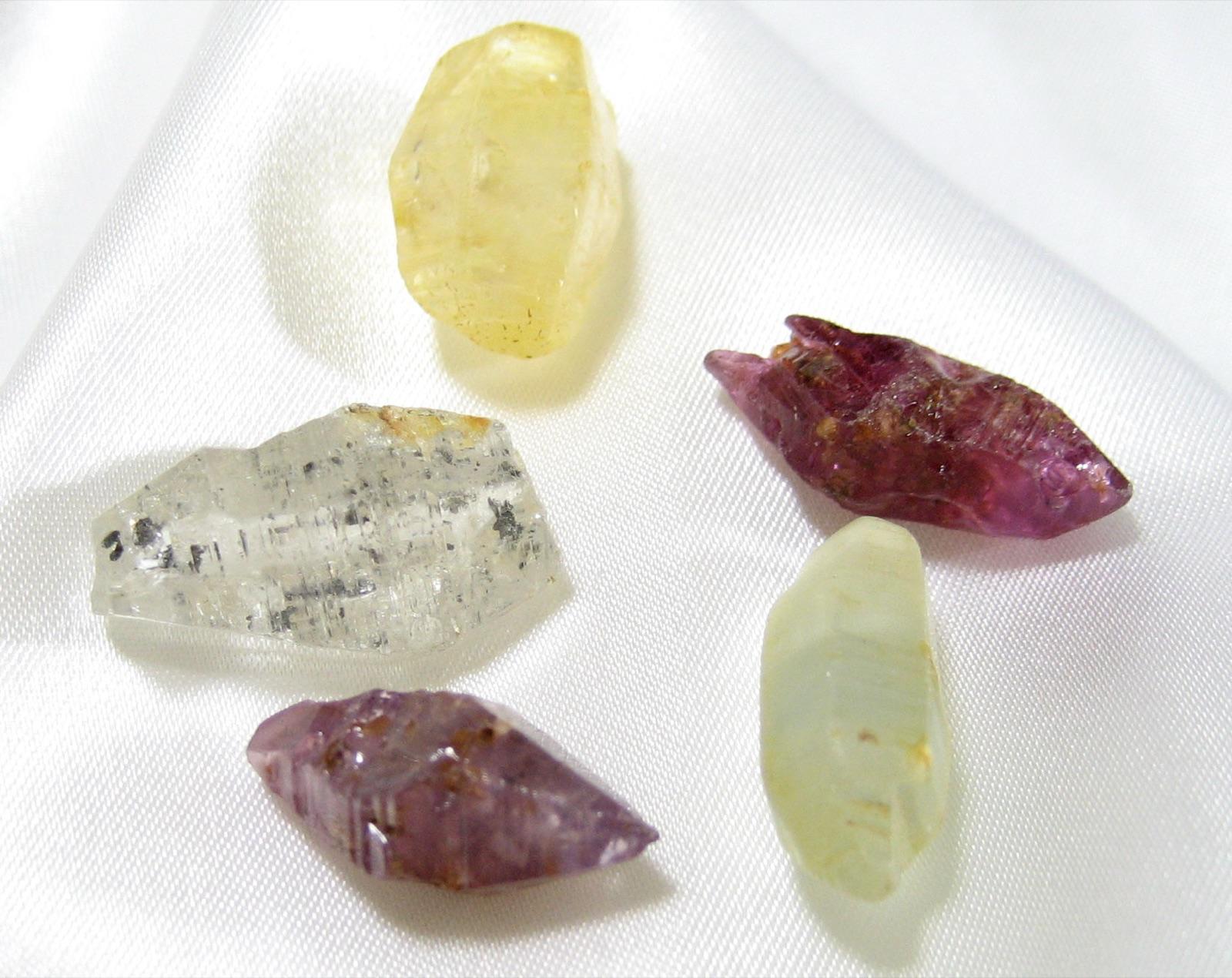
How to tell apart: Sapphire is hardness 9 and much heavier. Iolite is 7 to 7.5 and its pleochroism is far more extreme.
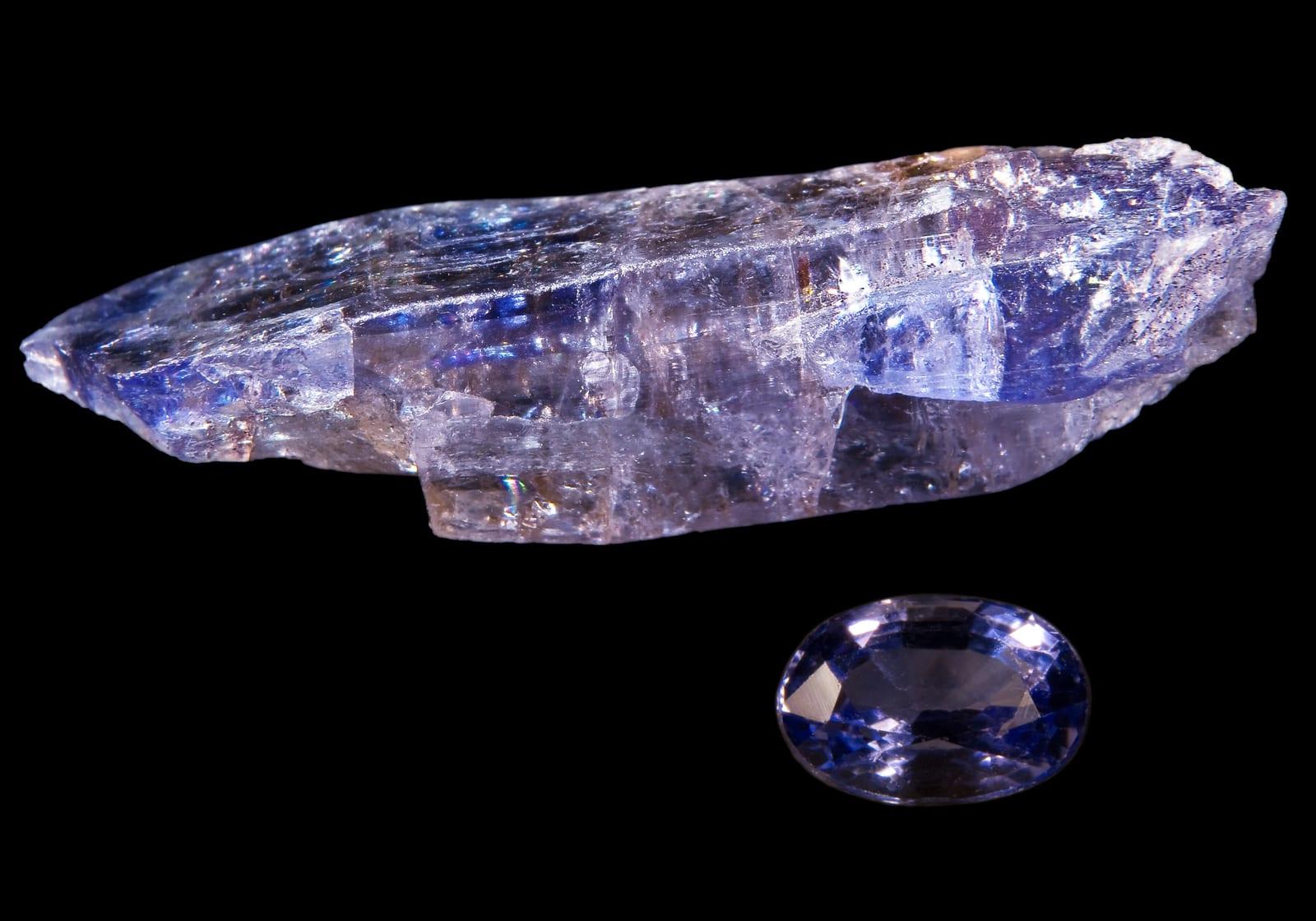
How to tell apart: Also strongly pleochroic but softer and typically more purple. Tanzanite is nearly always heat-treated and comes from one place in Tanzania.
Often found alongside cordierite
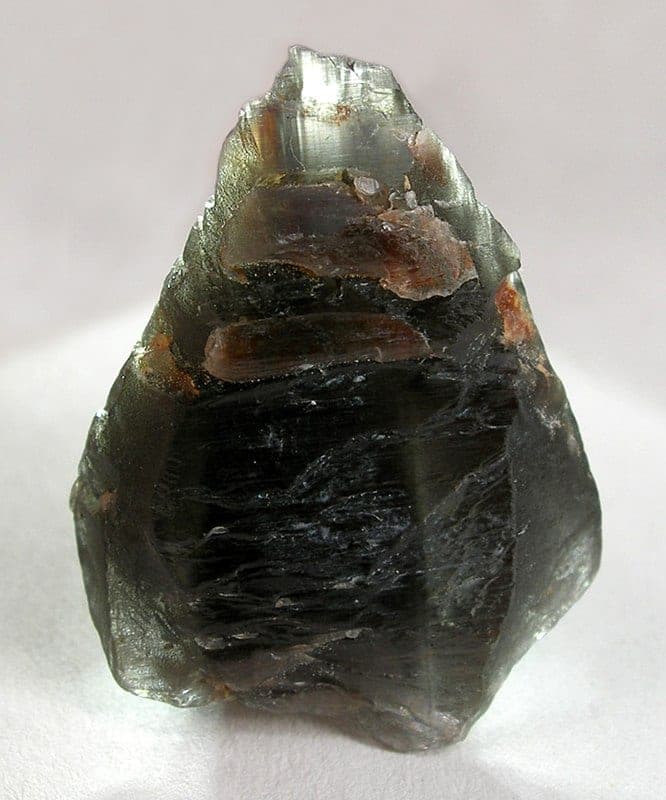
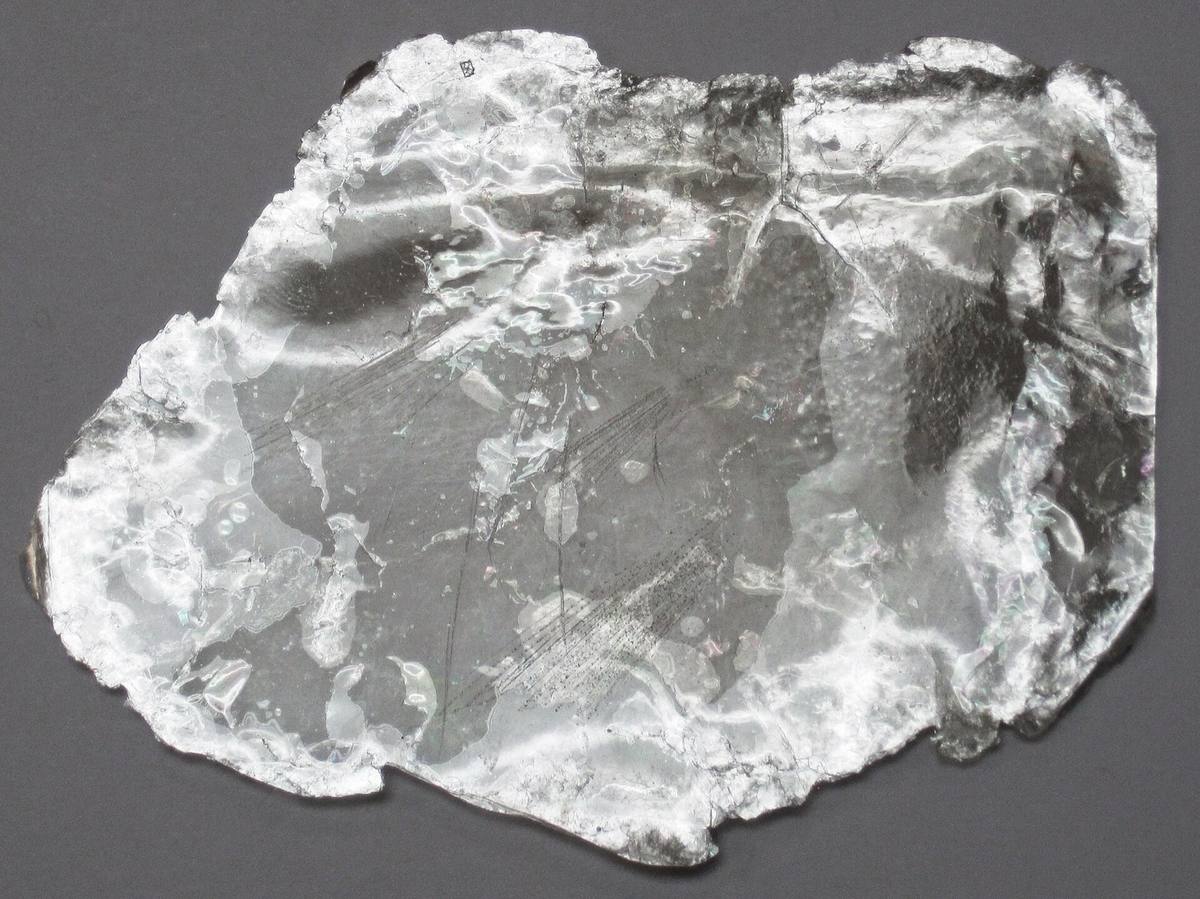
Minerals reported to co-occur with cordierite. Spotting these in float or country rock is a strong cue you are in the right ground.
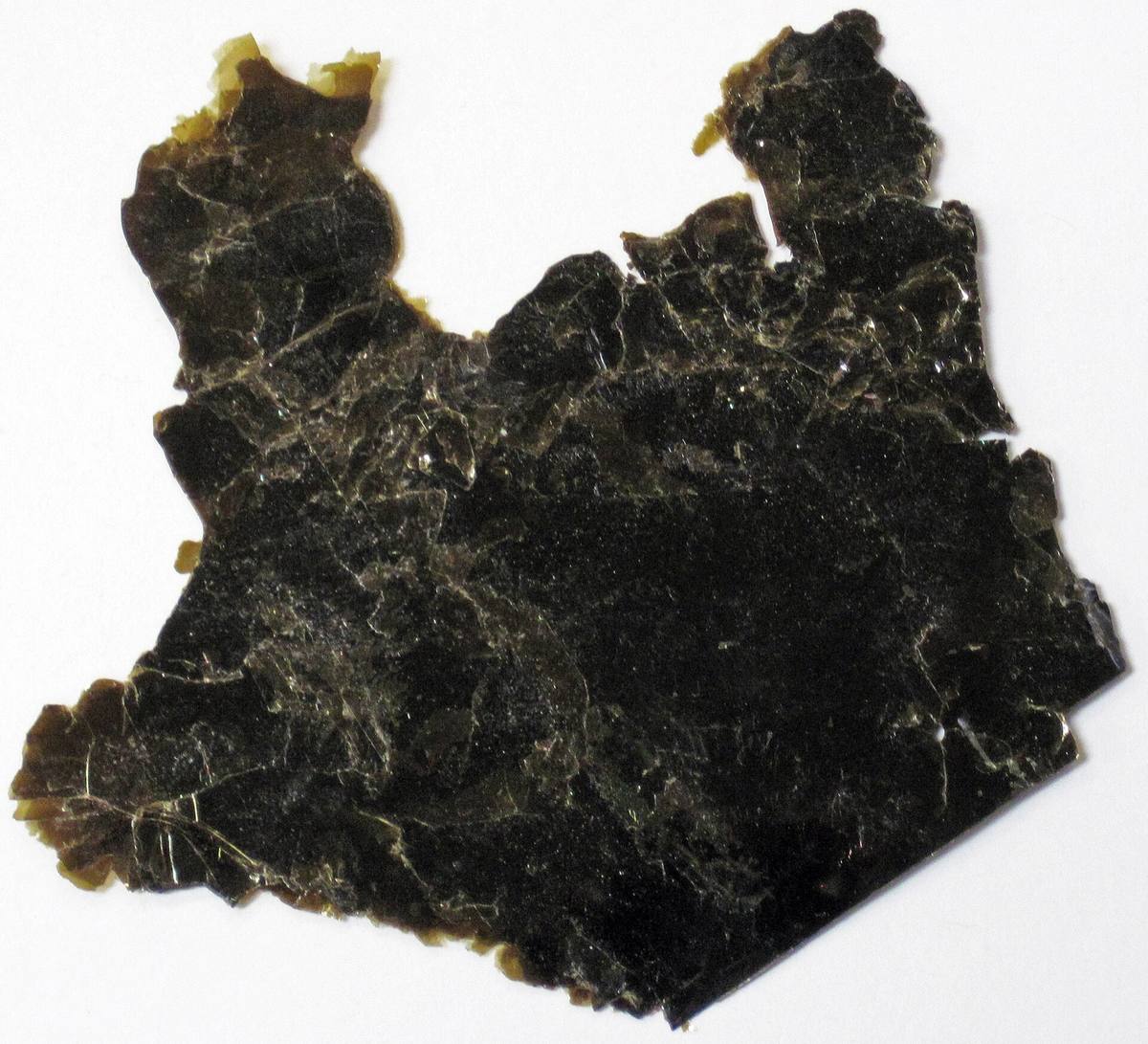
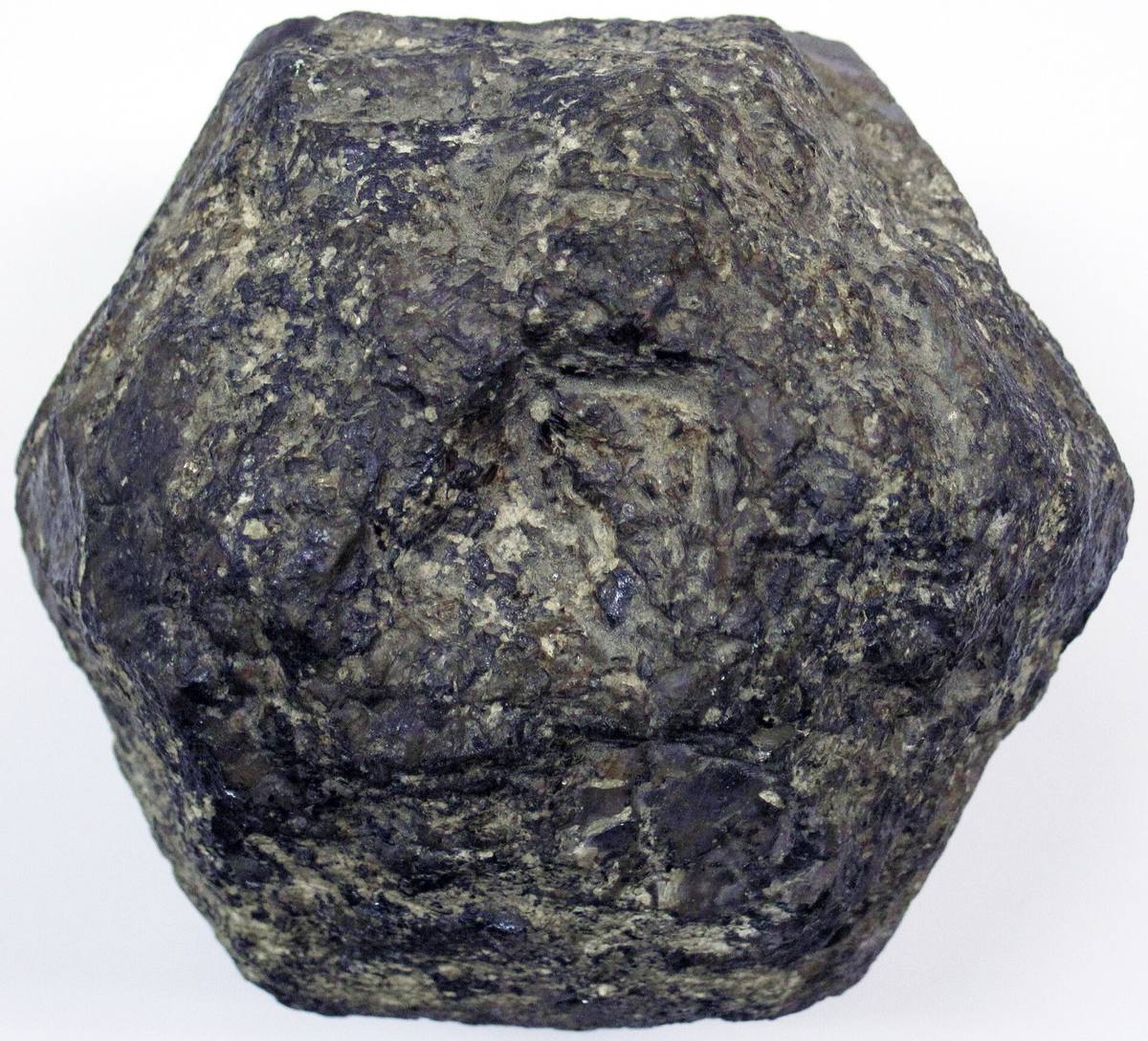
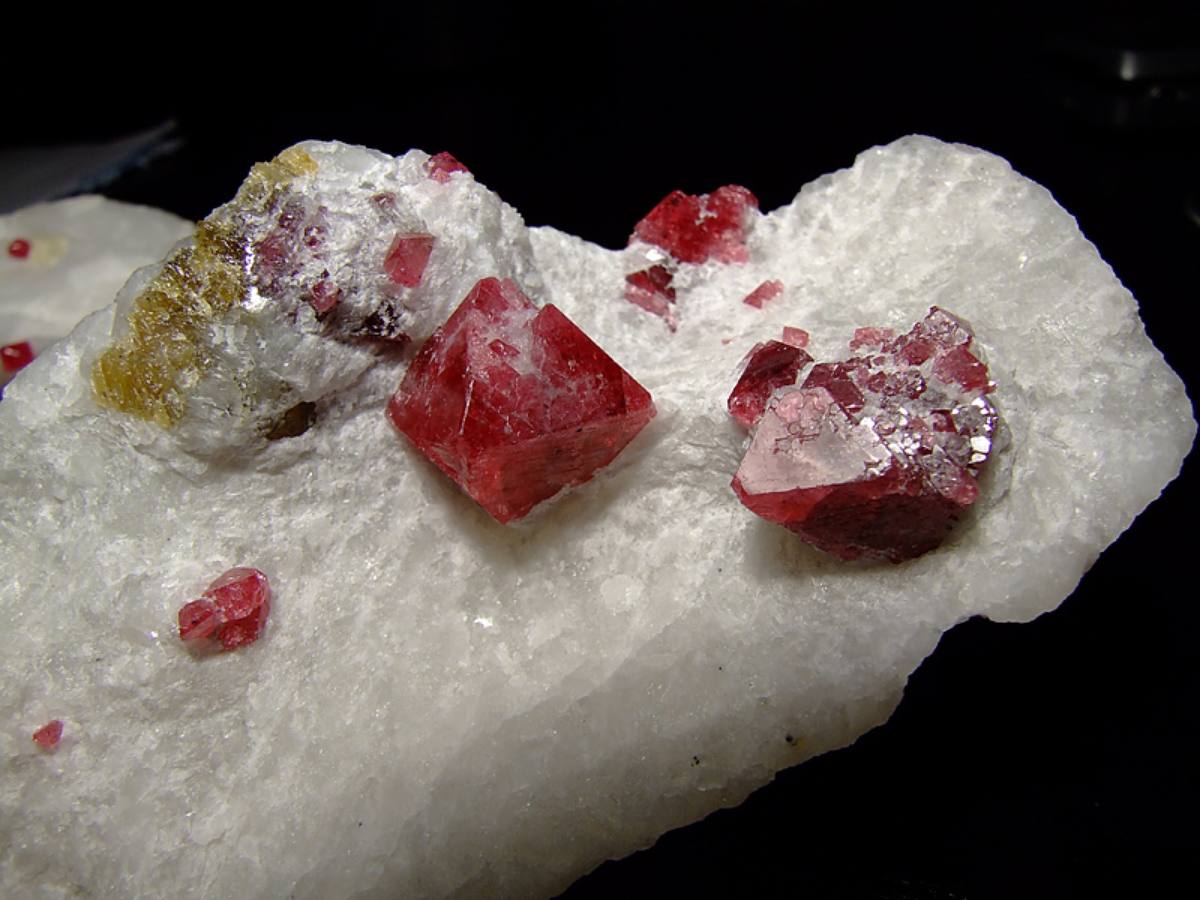
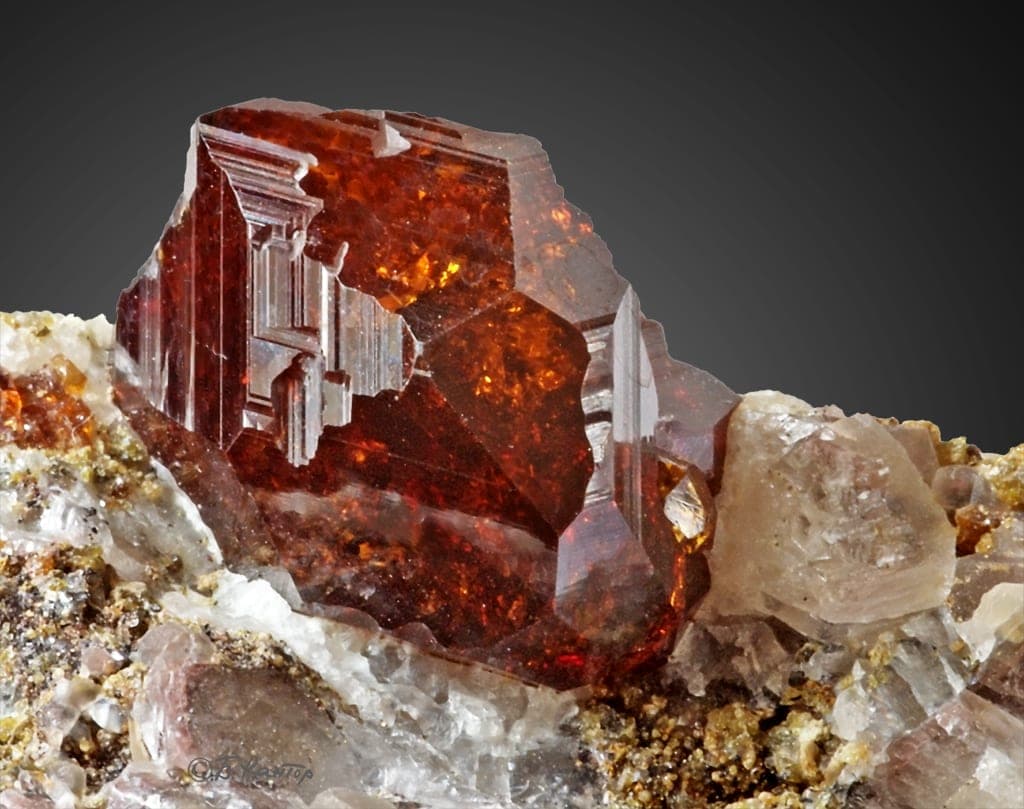
All properties
- Chemical formula
- Mg₂Al₄Si₅O₁₈
- Mohs hardness
- 7-7.5
- Density
- 2.60-2.66 g/cm³
- Streak
- White
- Luster
- Vitreous
- Transparency
- Transparent to translucent
- Crystal system
- Orthorhombic
- Crystal habit
- Short prismatic crystals, granular, massive
- Cleavage
- Fair on {100}, poor on {001} and {010}
- Rarity
- Common
- Uses
- Gemstone, Collector, Lapidary
- Host rock
- In thermally metamorphosed argillaceous sediments and high-grade regionally metamorphosed schists, gneisses, and granulites; in mafic igneous rocks and granites; detrital
Where rockhounds find cordierite
2 mapped spotsClassic worldwide localities
- Richmond, Cheshire Co., New Hampshire, USA
- Haddam, Middlesex Co., Connecticut, USA
- Bodenmais, Bavaria, Germany
- Orijärvi and Leppävirta, Finland
- Kragerö, near Tvedestrand, and Akland, Söndeled, near Risör, Norway
- Mt. Bity district, south of Antsirabe, Madagascar
Field-hunting tip
Where it forms: In thermally metamorphosed argillaceous sediments and high-grade regionally metamorphosed schists, gneisses, and granulites; in mafic igneous rocks and granites; detrital. If you start seeing sillimanite, potassic feldspar, muscovite in float, you are in the right ground. Typical habit: short prismatic crystals, granular, massive. Train your eye for that shape before scanning the outcrop. In the U.S., the densest reported localities are in Connecticut, Utah. Start trip planning there.
More cordierite photos
Common questions
How do you identify cordierite?+
Where is cordierite found?+
Can I find cordierite in the United States?+
What rocks look like cordierite?+
What minerals are found with cordierite?+
What kind of rock does cordierite form in?+
What is cordierite used for?+
Find cordierite on the map
RockHoundR shows mapped rockhounding spots, access rules, and lets you log every find.

