Sapphire is the gem-quality variety of corundum, excluding the red variety known as ruby. It is prized for its extreme hardness and rich color saturation, commonly occurring in blue, though it appears in a spectrum of other hues. Collectors look for strong pleochroism and high clarity, with the most valuable stones often originating from metamorphic deposits.
Spotting sapphire in the field
Field marks- 1
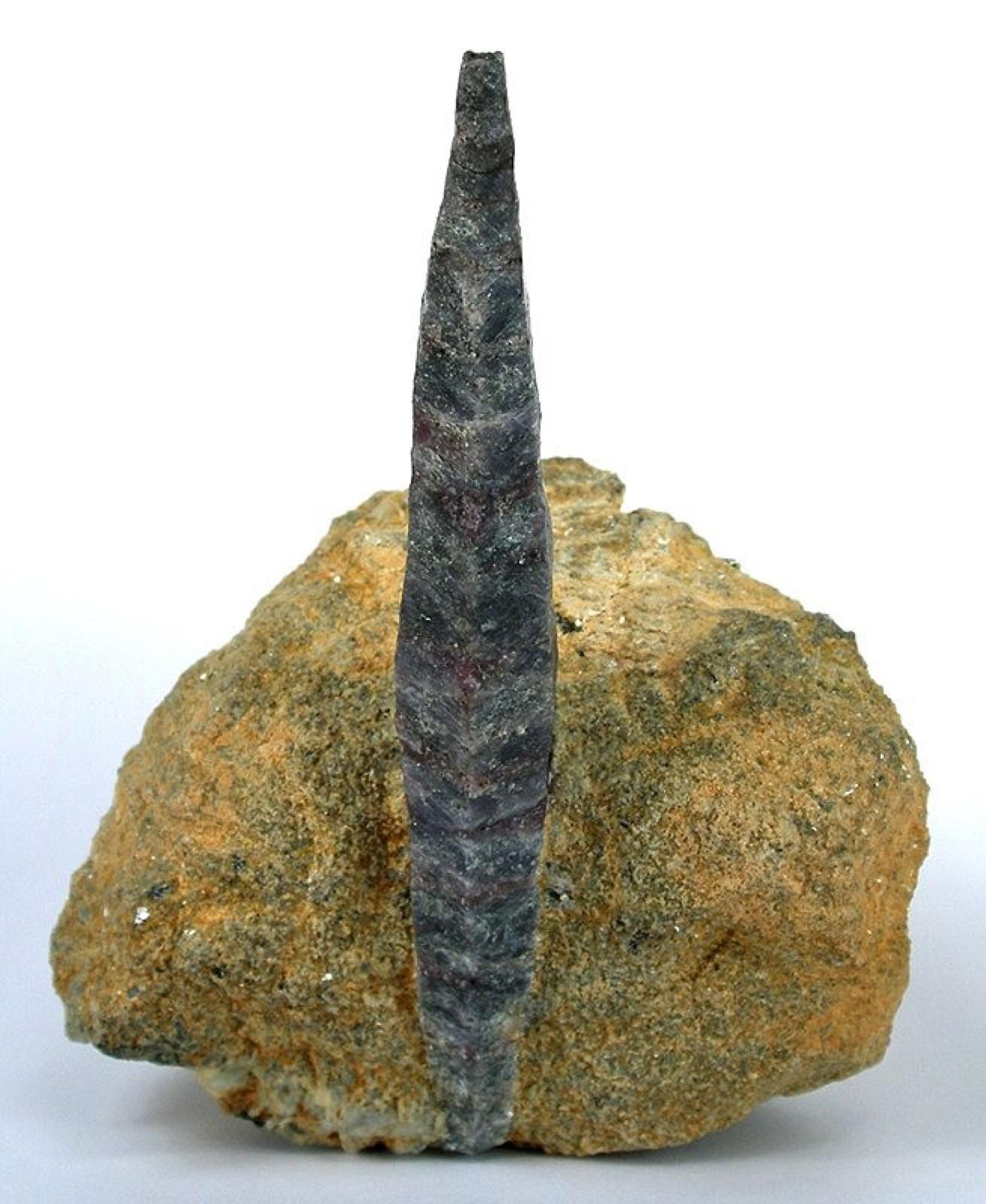
Barrel-shaped or tabular hexagonal crystals, often with flattened faces
- 2
Hardness 9, so it scratches everything except diamond
- 3
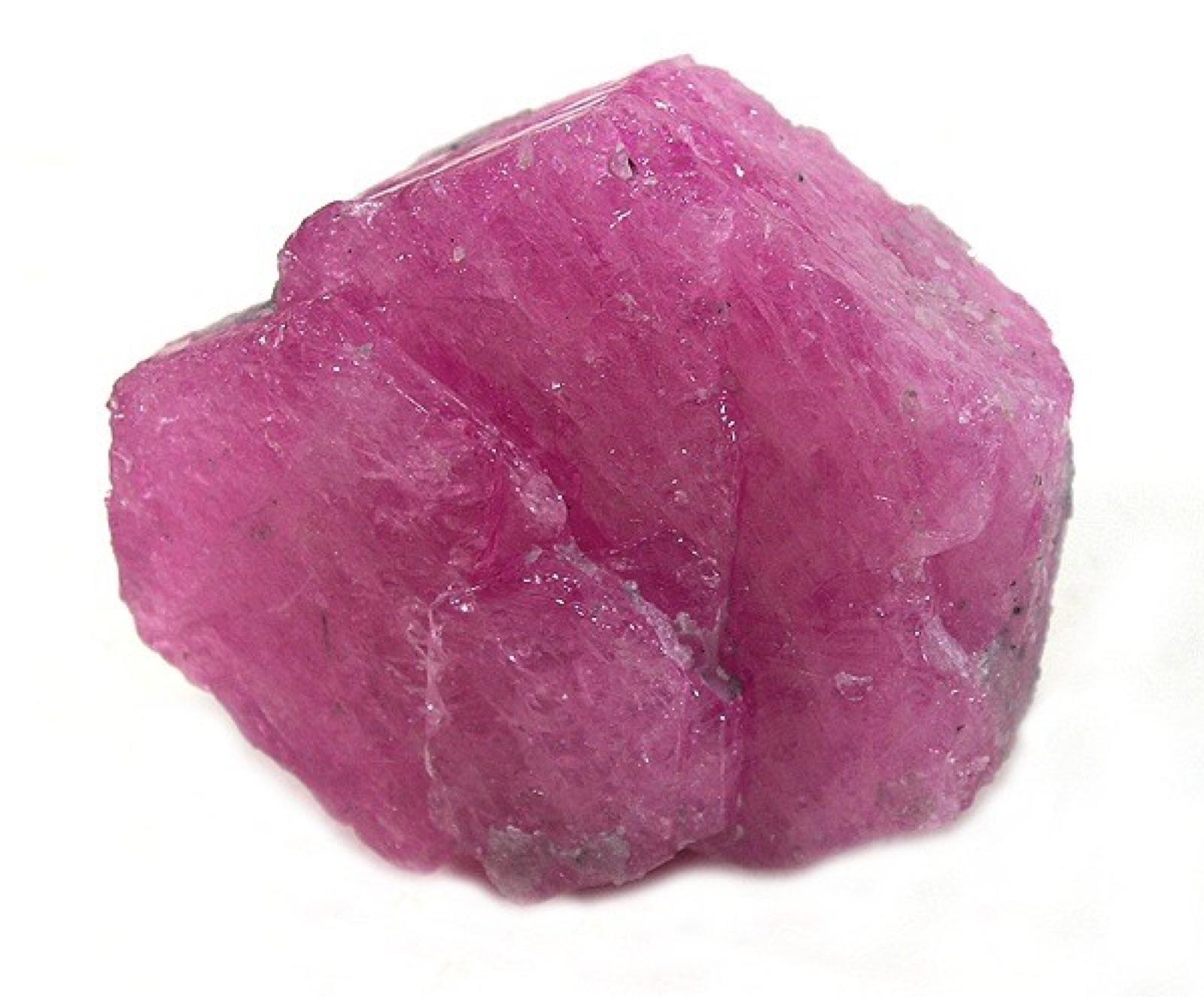
Heavy for its size, with a distinctly glassy to slightly satiny luster
Corundum is hardness 9, which makes it both easy to confirm and a survivor in stream gravels long after softer minerals have broken down. Montana is the American story: sapphires occur in the Missouri River bars near Helena, at Rock Creek near Philipsburg, and at Dry Cottonwood Creek, and the practical route is a fee-dig operation where you buy gravel and screen it. Montana sapphires often come out pale steely blue or green, and a large share of commercial Montana material is heat-treated to bring the color out.
Straight answers
- Is it worth cutting?
- Hard on equipment because of its hardness, but tough and durable in wear. Orient carefully, since corundum is often color-zoned in straight bands.
- What is it really worth?
- Wide range. Untreated Montana sapphire with good natural color, and Yogo Gulch material in particular, carries a strong premium over heat-treated stones.
- Can you legally keep it?
- Montana's public-access sapphire sites are commercial fee digs on private ground. Yogo Gulch, the source of the finest Montana sapphires, is privately held and not open to public digging.
Where it is worth going
- Gem Mountain and Rock CreekGranite County, Montana
Buy gravel by the bucket and screen it on site. The most accessible sapphire digging in the United States.
- Missouri River barsNear Helena, Montana
El Dorado Bar and Spokane Bar operate as fee digs on historic sapphire-bearing gravels.
Often confused with
Sapphire vs. its common look-alikes, and how to tell them apart in the field.
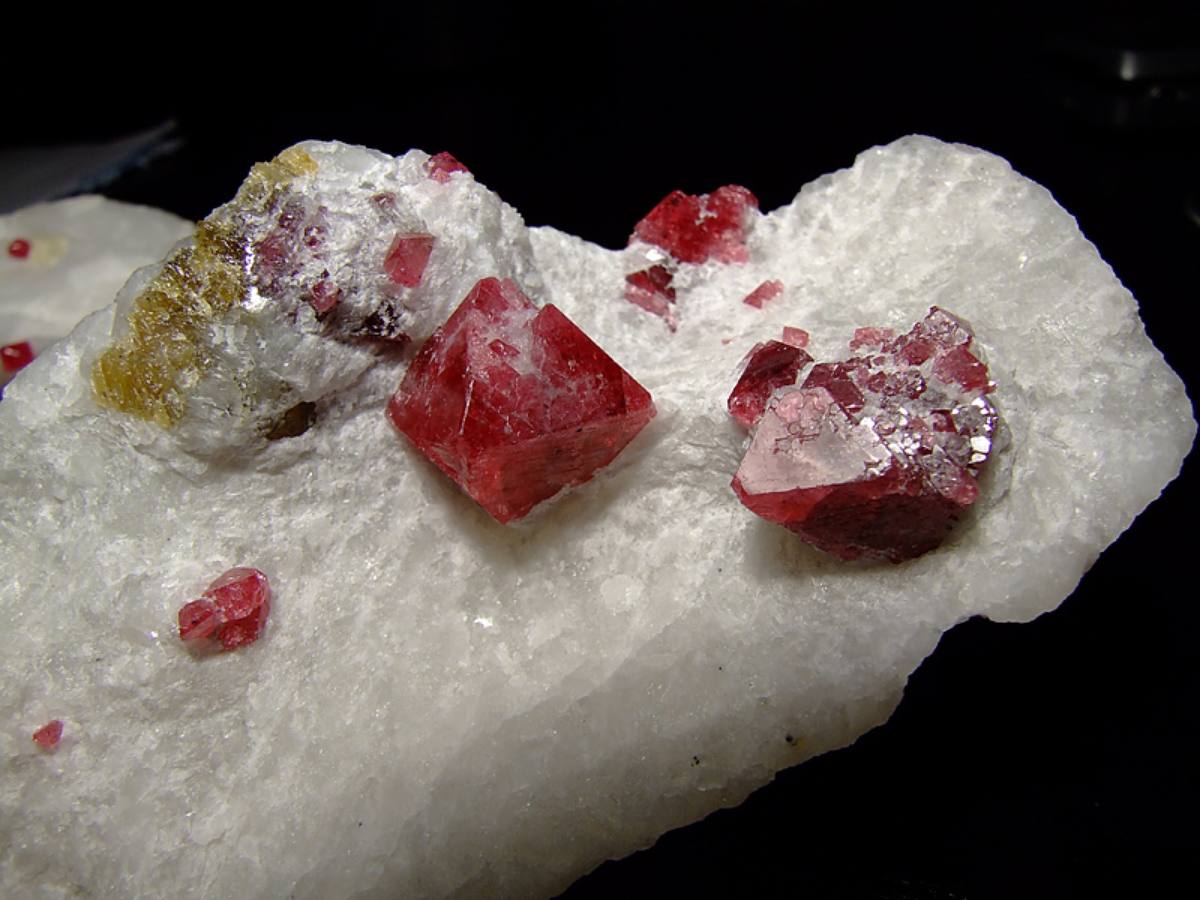
Often found alongside sapphire
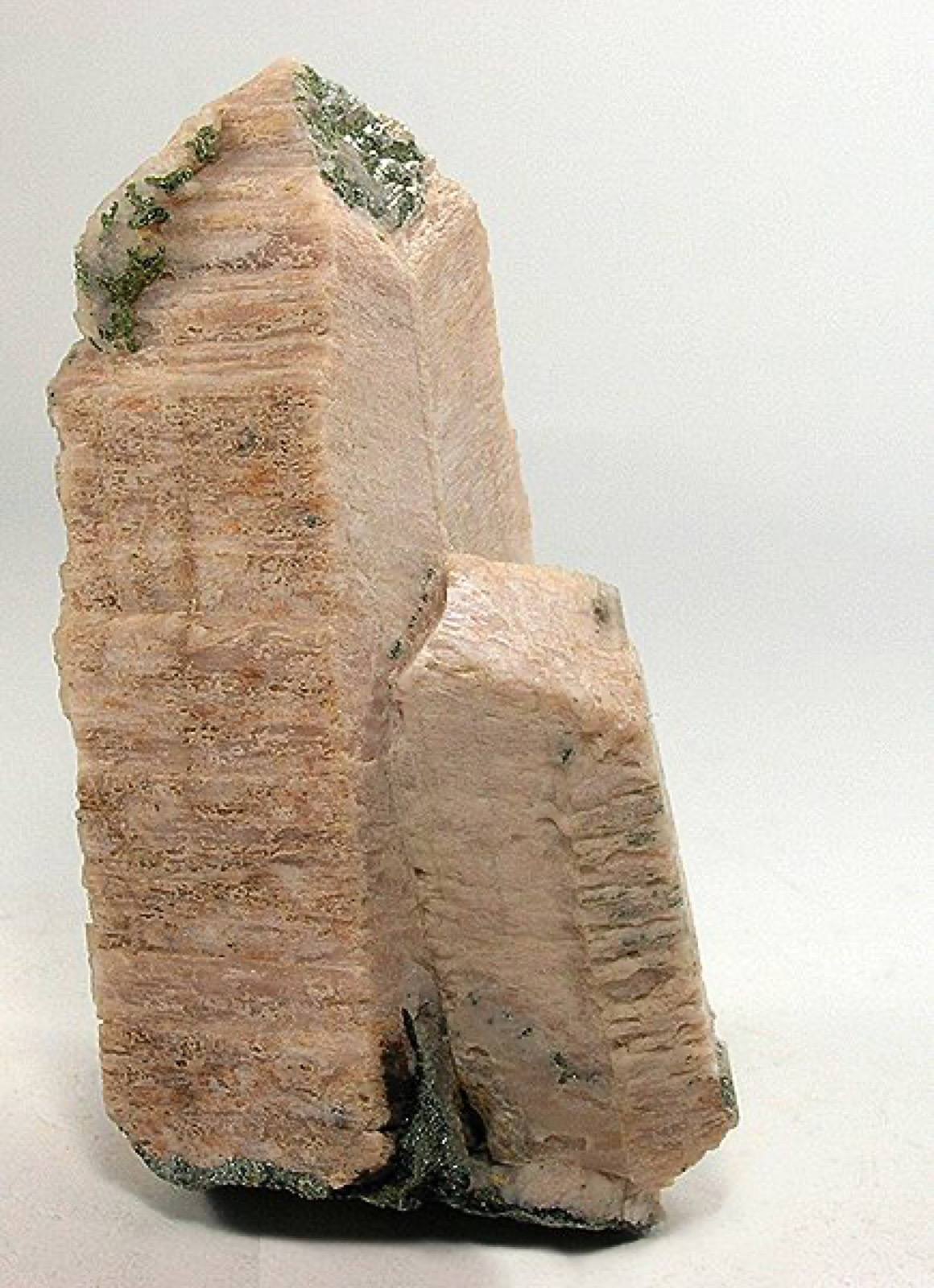
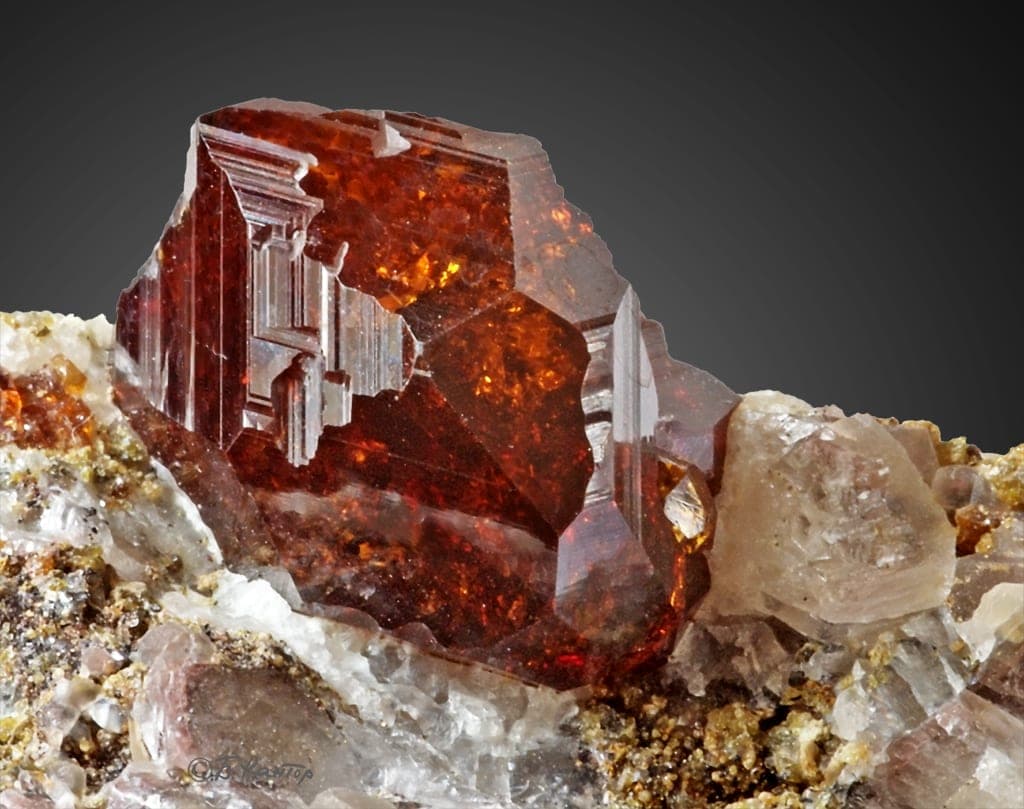
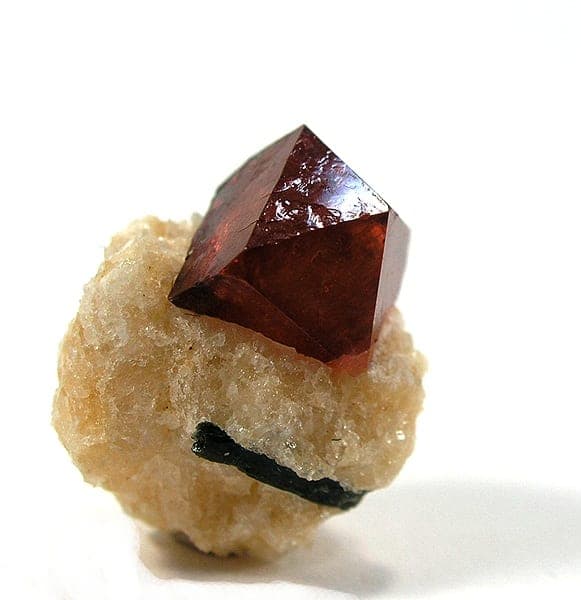
Minerals reported to co-occur with sapphire. Spotting these in float or country rock is a strong cue you are in the right ground.
All properties
- Chemical formula
- Al₂O₃
- Mohs hardness
- 9
- Density
- 3.98-4.10 g/cm³
- Streak
- Colorless
- Luster
- Vitreous
- Transparency
- Transparent
- Crystal system
- Trigonal
- Crystal habit
- Hexagonal bipyramidal crystals
- Cleavage
- None
- Rarity
- Common
- Uses
- Gemstone, Jewelry, Collector
- Host rock
- pegmatites, basalts, and metamorphic rocks like marble
Where rockhounds find sapphire
40 mapped spotsClassic worldwide localities
- Sri Lanka
- Myanmar
- Madagascar
- Kashmir
- Australia
- United States
U.S. states with sapphire
Each link opens a state-specific list of mapped rockhounding spots that produce sapphire.
Field-hunting tip
Where it forms: pegmatites, basalts, and metamorphic rocks like marble. If you start seeing feldspar, garnet, zircon in float, you are in the right ground. Typical habit: hexagonal bipyramidal crystals. Train your eye for that shape before scanning the outcrop. In the U.S., the densest reported localities are in North Carolina, Montana, Idaho. Start trip planning there.
More sapphire photos
Common questions
How do you identify sapphire?+
Where is sapphire found?+
Can I find sapphire in the United States?+
What rocks look like sapphire?+
What minerals are found with sapphire?+
What kind of rock does sapphire form in?+
What is sapphire used for?+
Find sapphire on the map
RockHoundR shows mapped rockhounding spots, access rules, and lets you log every find.