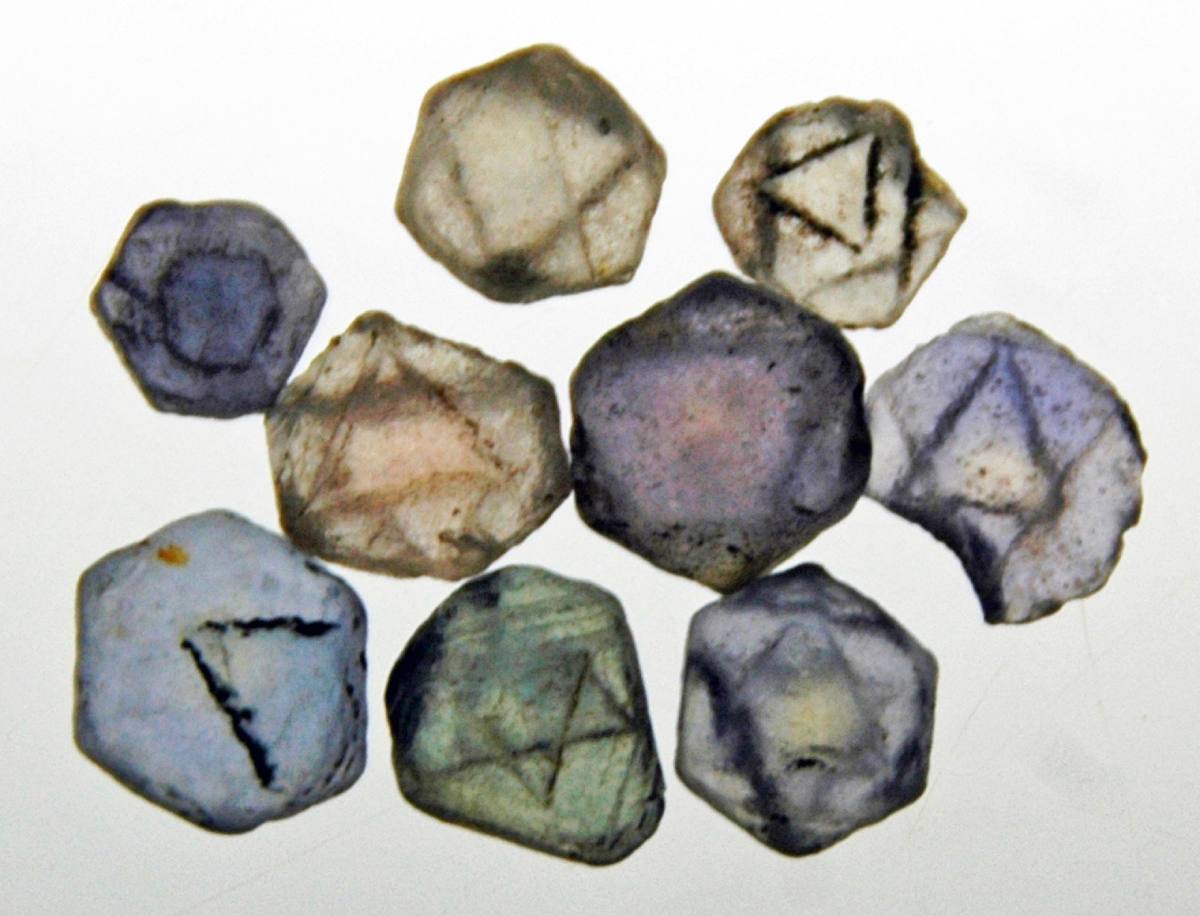
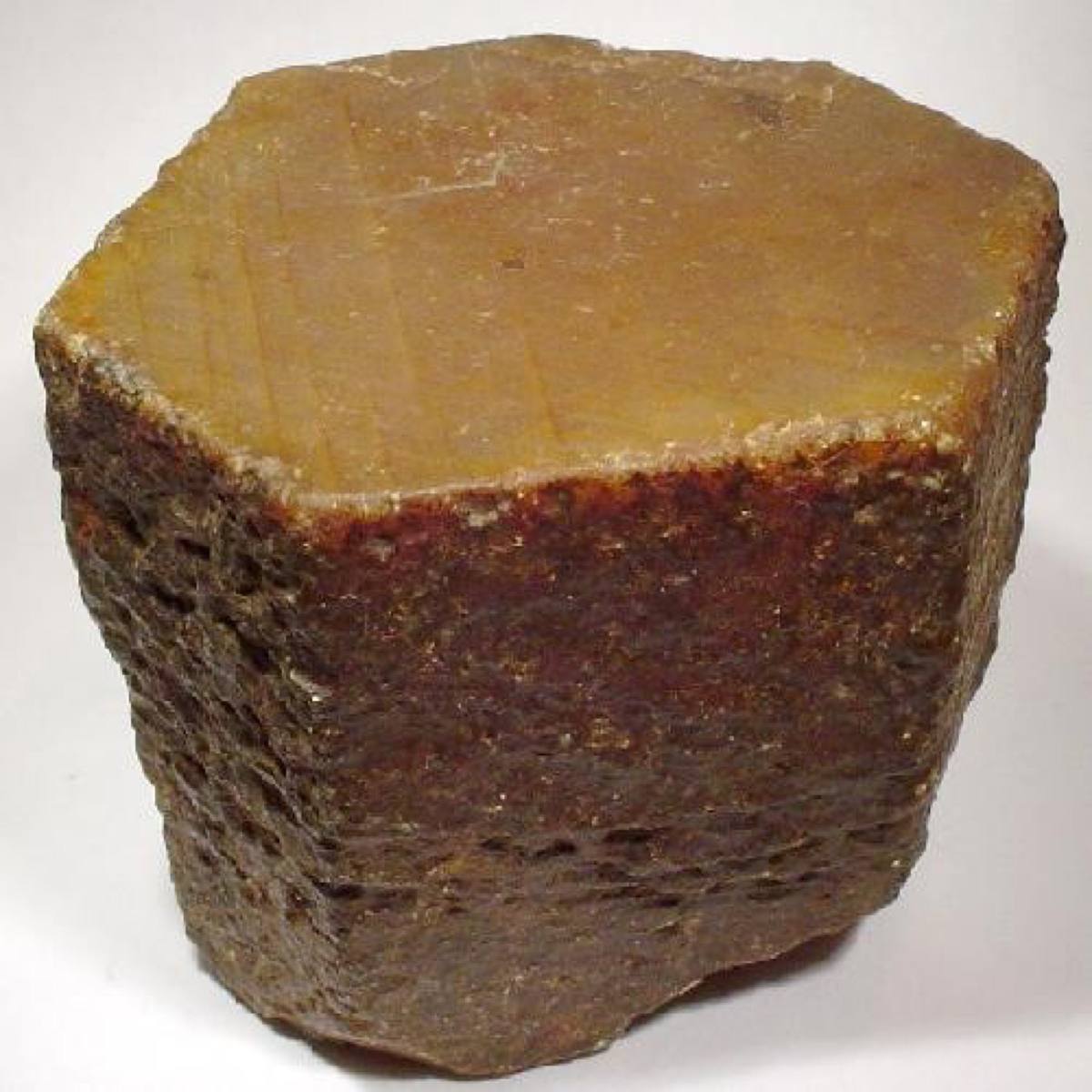
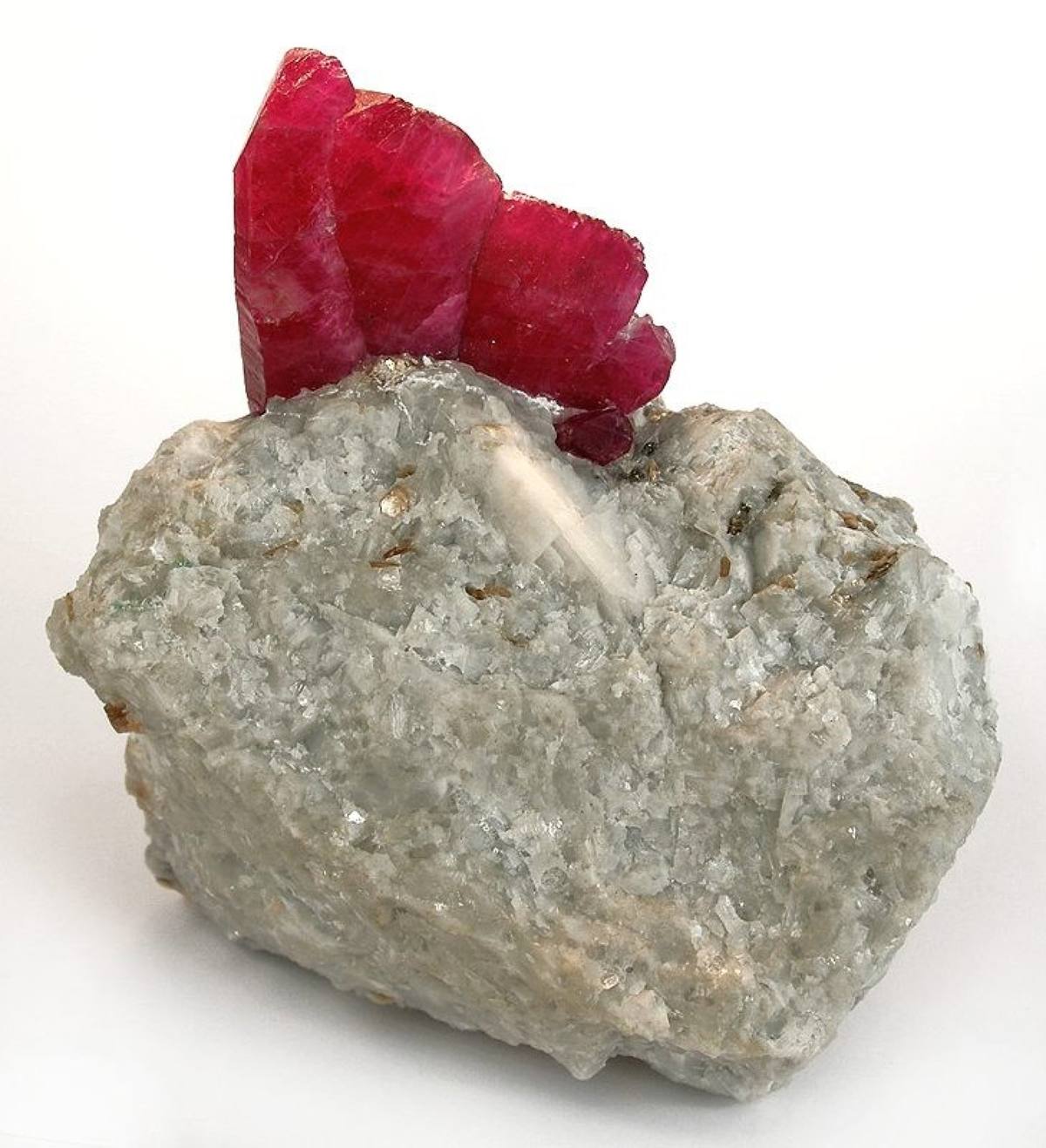
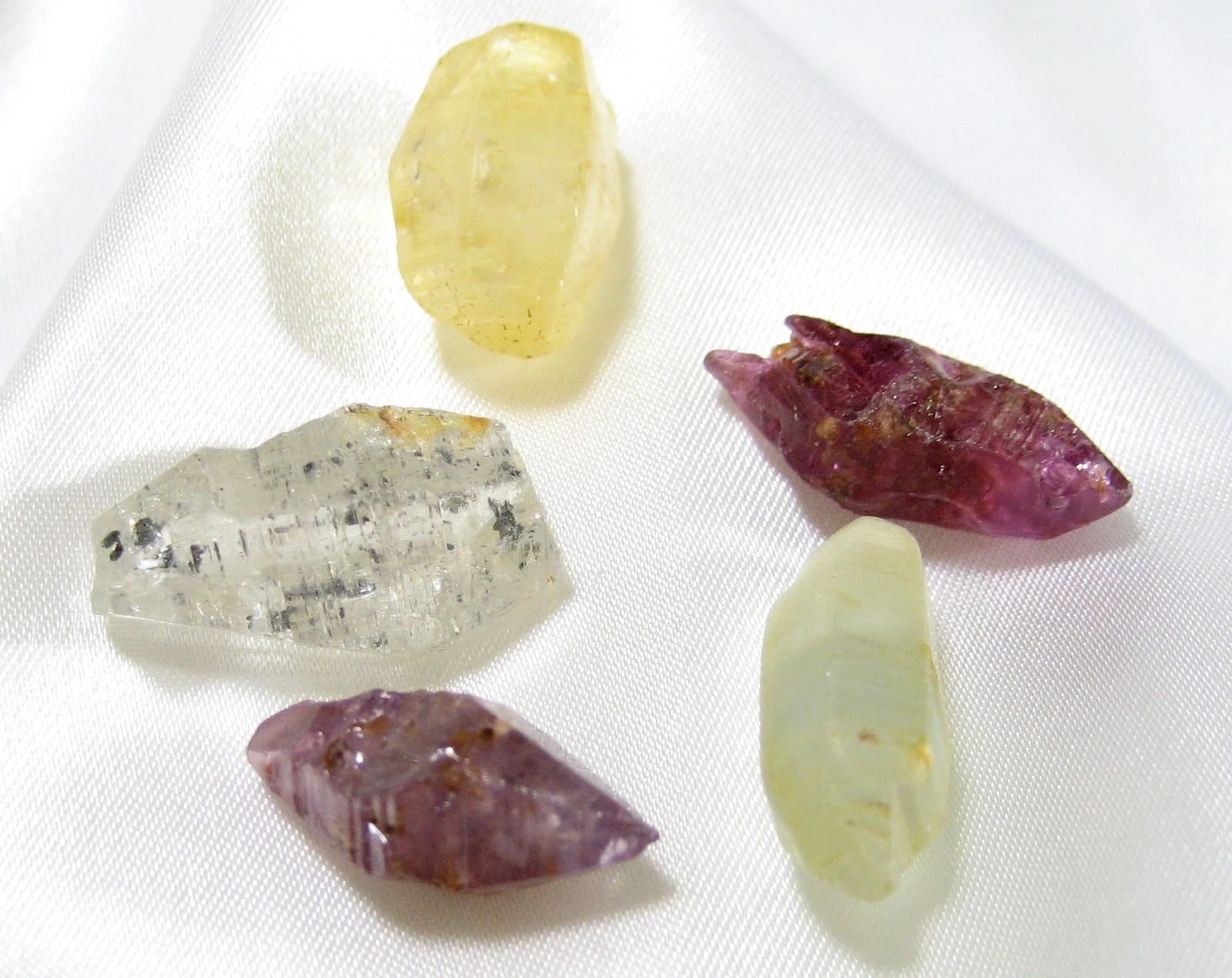
Corundum is an extremely hard aluminum oxide mineral known for its distinctive barrel-shaped hexagonal crystals. While industrial-grade corundum is relatively common, gem-quality varieties like Ruby and Sapphire are highly sought after by collectors and jewelers.
Is this corundum?
5-step field checkRun through these checks against the specimen in your hand. The more boxes tick, the more confident the ID.
- 1Test the hardnessTry to scratch corundum with a known reference. Corundum sits at Mohs 9, softer than the next harder reference, harder than the previous one.
- 2Check the streakDrag the specimen across an unglazed porcelain plate. Streak: white.
- 3Read the lusterHold the specimen under a strong light. Luster: adamantine to vitreous; pearly on partings.
- 4Match the color rangeCompare against the expected color range: colorless, red, blue, yellow, green, violet, brown, gray.
- 5Look at form & habitCrystal system: trigonal. Typical habit: euhedral crystals, prismatic, tabular.
Often confused with
Corundum vs. its common look-alikes, and how to tell them apart in the field.
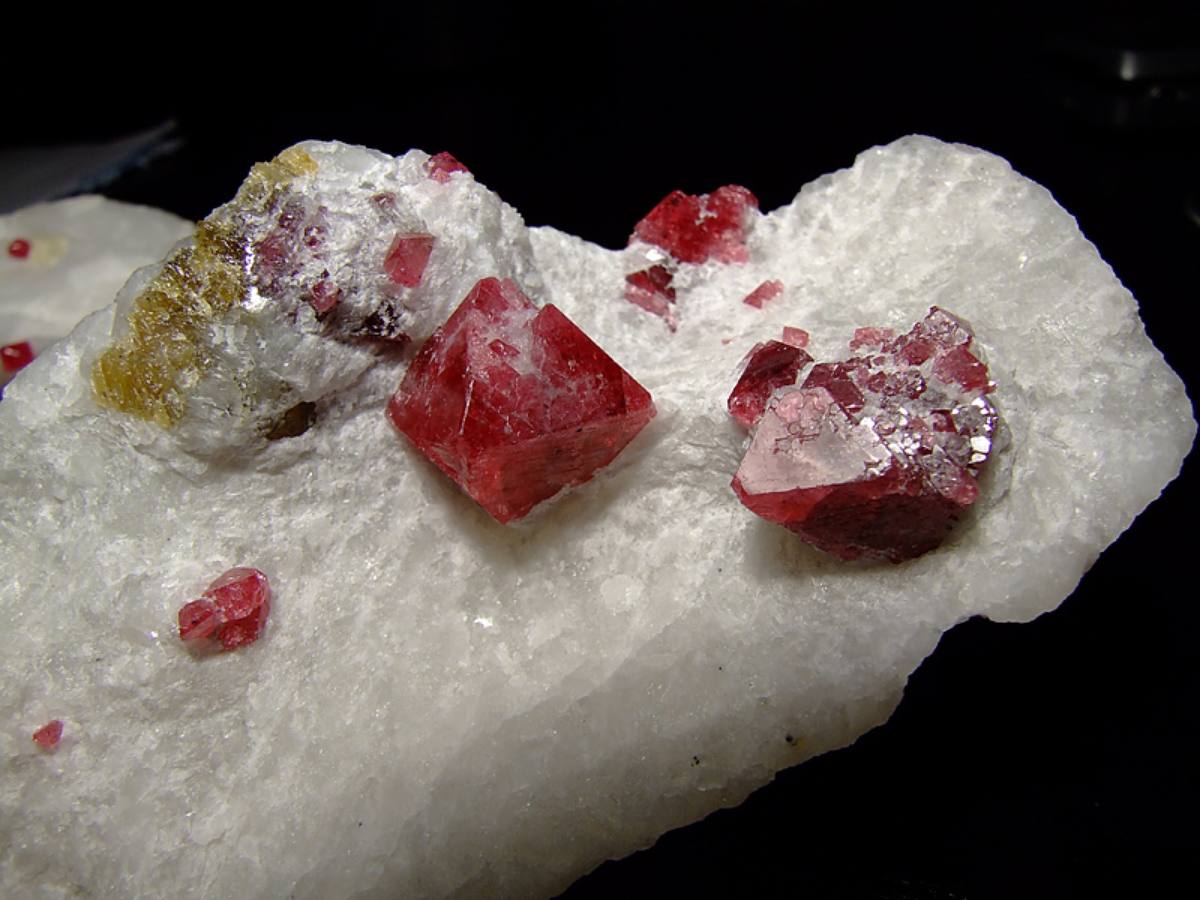
How to tell apart: Corundum is noticeably harder (Mohs 9 vs. 7.5-8); luster reads adamantine to vitreous; pearly on partings on Corundum and vitreous, splendent to dull on Spinel.
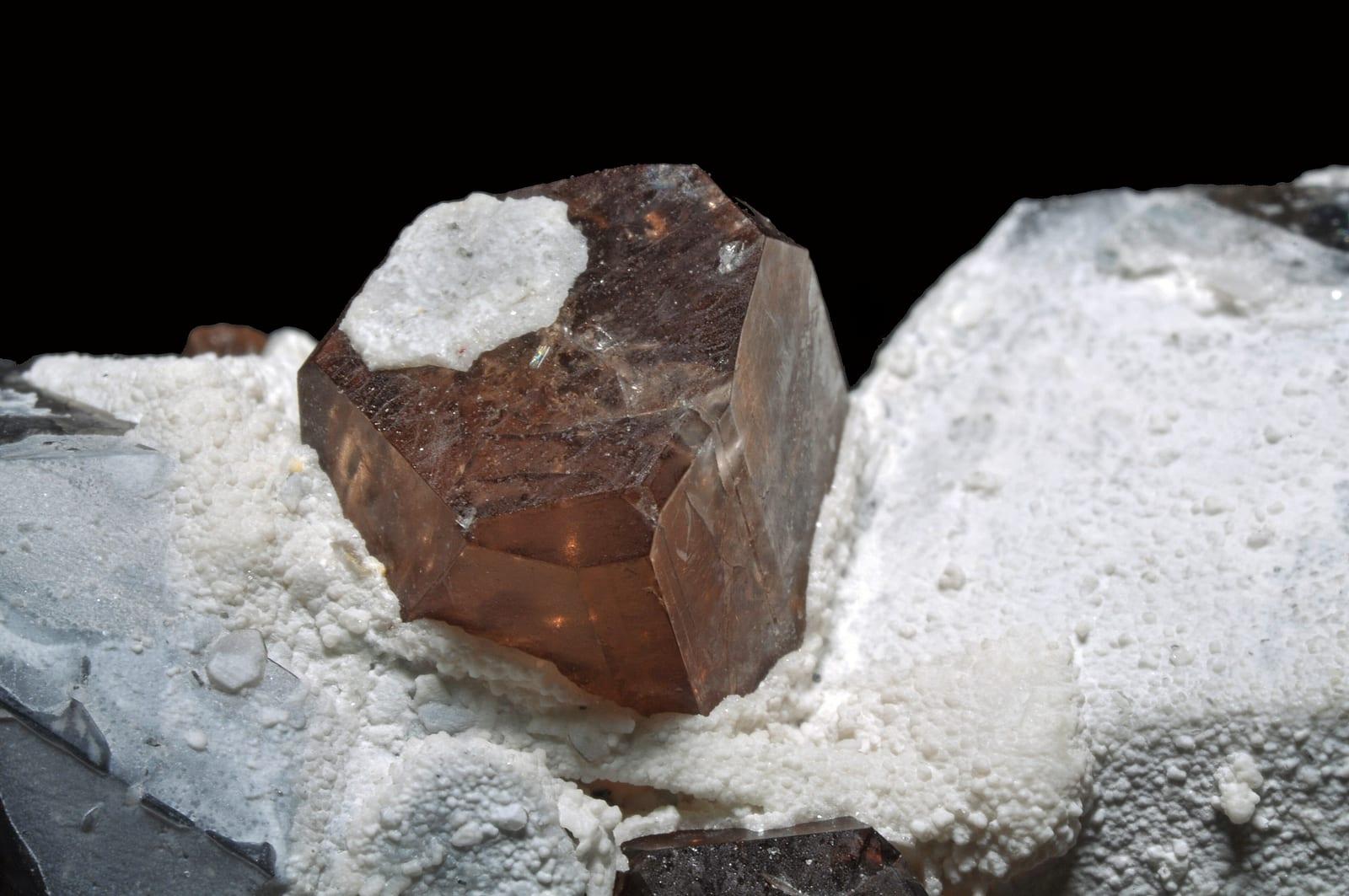
How to tell apart: Corundum is noticeably harder (Mohs 9 vs. 8); luster reads adamantine to vitreous; pearly on partings on Corundum and vitreous on Topaz.
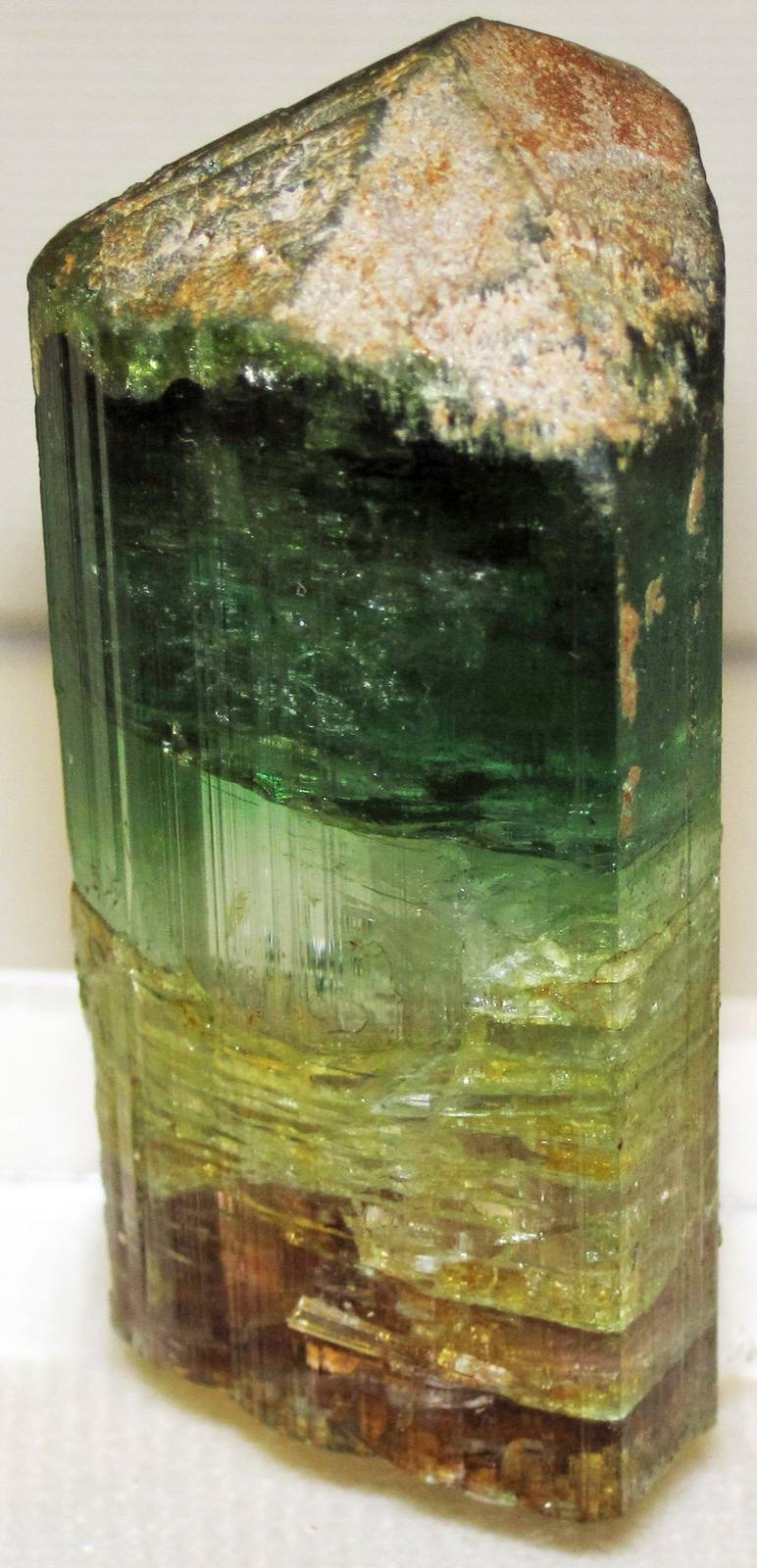
How to tell apart: Corundum is noticeably harder (Mohs 9 vs. 7-7.5); luster reads adamantine to vitreous; pearly on partings on Corundum and vitreous on Tourmaline.
Often found alongside corundum
Minerals reported to co-occur with corundum. Spotting these in float or country rock is a strong cue you are in the right ground.
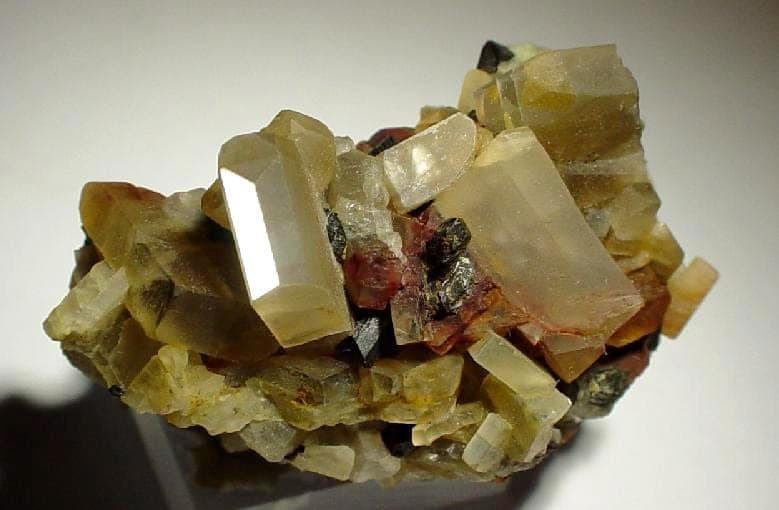
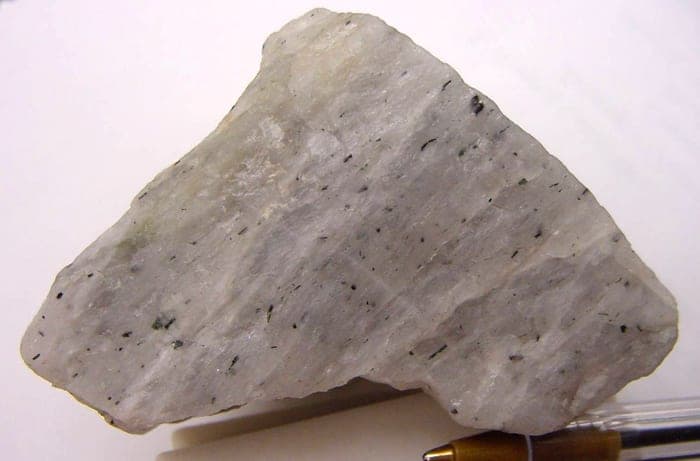
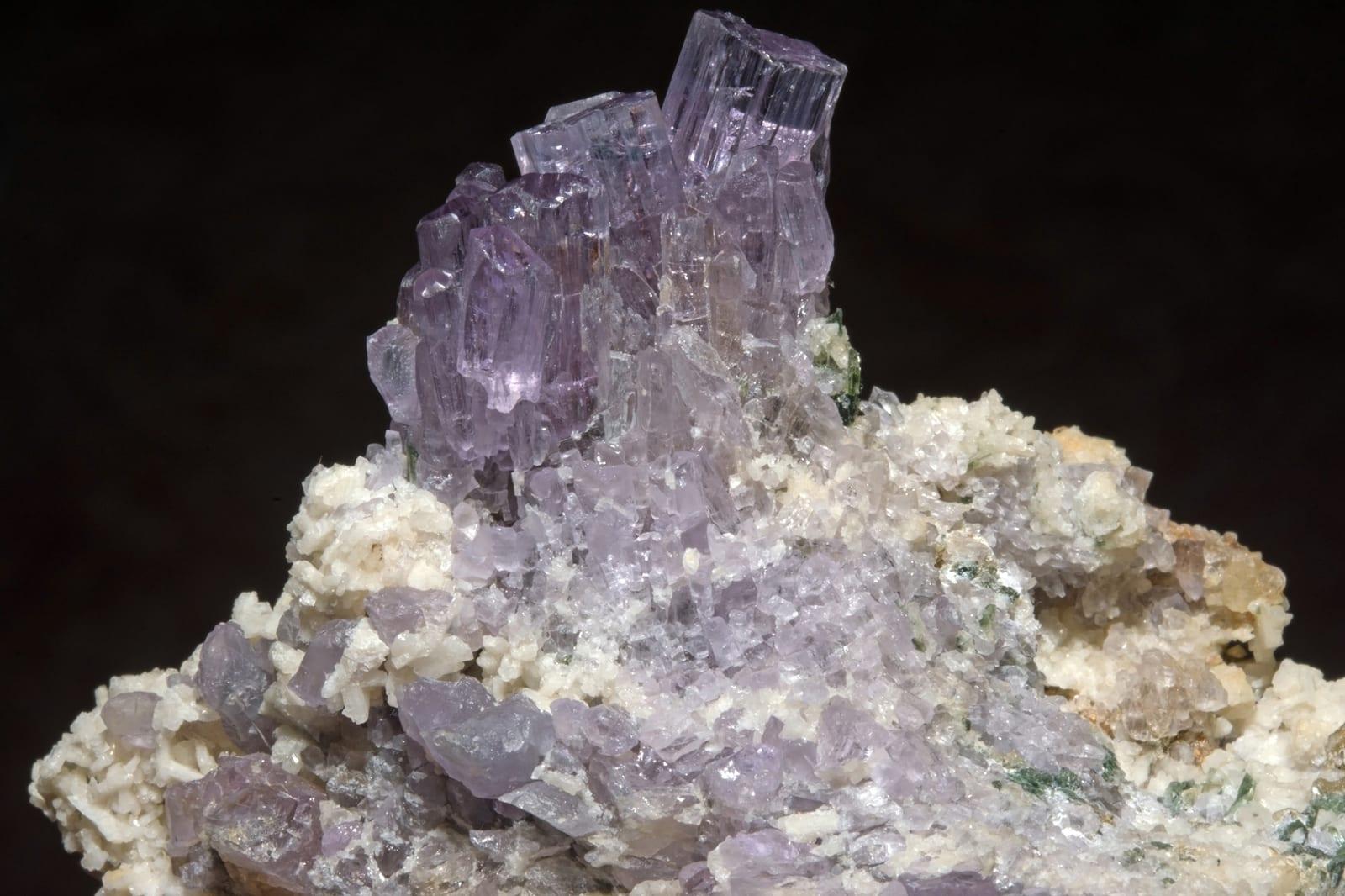
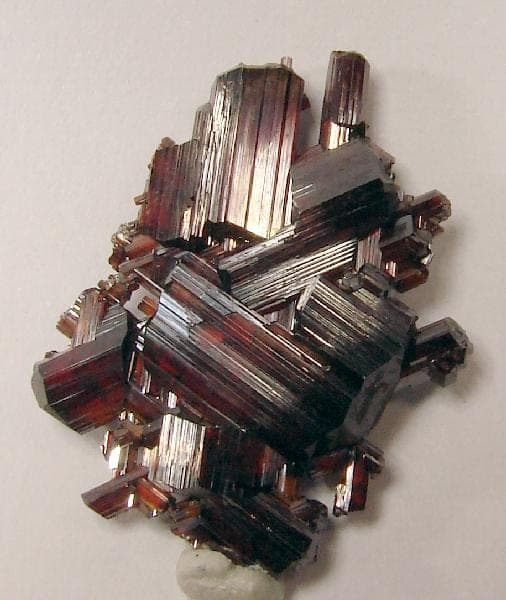
All properties
- Chemical formula
- Al₂O₃
- Mohs hardness
- 9
- Density
- 3.98-4.10 g/cm³
- Streak
- White
- Luster
- Adamantine to vitreous; pearly on partings
- Transparency
- Transparent to translucent
- Crystal system
- Trigonal
- Crystal habit
- Euhedral crystals, prismatic, tabular
- Cleavage
- Partings on {0001} and {1011}, from exsolved böhmite
- Fluorescence
- Red under LW UV
- Rarity
- Common
- Uses
- Gemstone, Lapidary, Industrial abrasive
- Host rock
- Characteristic of Al-rich, Si-poor geological environments; in syenite and monzonite, and some quartz-free pegmatites; primary or a reaction product in eclogitic xenoliths in kimberlites
Where rockhounds find corundum
49 mapped spotsClassic worldwide localities
- Chester, Hampden Co., Massachusetts, USA
- Cortland district, Westchester Co., New York, USA
- Franklin, Sussex Co., New Jersey, USA
- Hogback Mountain, Jackson Co., and Buck Creek, Clay Co., North Carolina, USA
- Bancroft and Haliburton, Ontario, Canada
- Naxos and Samos Islands, Greece
U.S. states with corundum
Each link opens a state-specific list of mapped rockhounding spots that produce corundum.
Field-hunting tip
Where it forms: Characteristic of Al-rich, Si-poor geological environments; in syenite and monzonite, and some quartz-free pegmatites; primary or a reaction product in eclogitic xenoliths in kimberlites. If you start seeing andesine, oligoclase, nepheline in float, you are in the right ground. Typical habit: euhedral crystals, prismatic, tabular. Train your eye for that shape before scanning the outcrop. In the U.S., the densest reported localities are in North Carolina, Georgia, Idaho. Start trip planning there.
More corundum photos
Common questions
How do you identify corundum?+
Where is corundum found?+
Can I find corundum in the United States?+
What rocks look like corundum?+
What minerals are found with corundum?+
What kind of rock does corundum form in?+
What is corundum used for?+
Find corundum on the map
RockHoundR shows mapped rockhounding spots, access rules, and lets you log every find.