Topaz is a highly prized silicate mineral often found in well-formed, prismatic crystals within granitic pegmatites. Collectors look for its characteristic high hardness and perfect basal cleavage, which distinguishes it from common quartz. While often blue, it naturally occurs in a wide spectrum of colors ranging from colorless to vibrant sherry, pink, and yellow hues.
Spotting topaz in the field
Field marks- 1
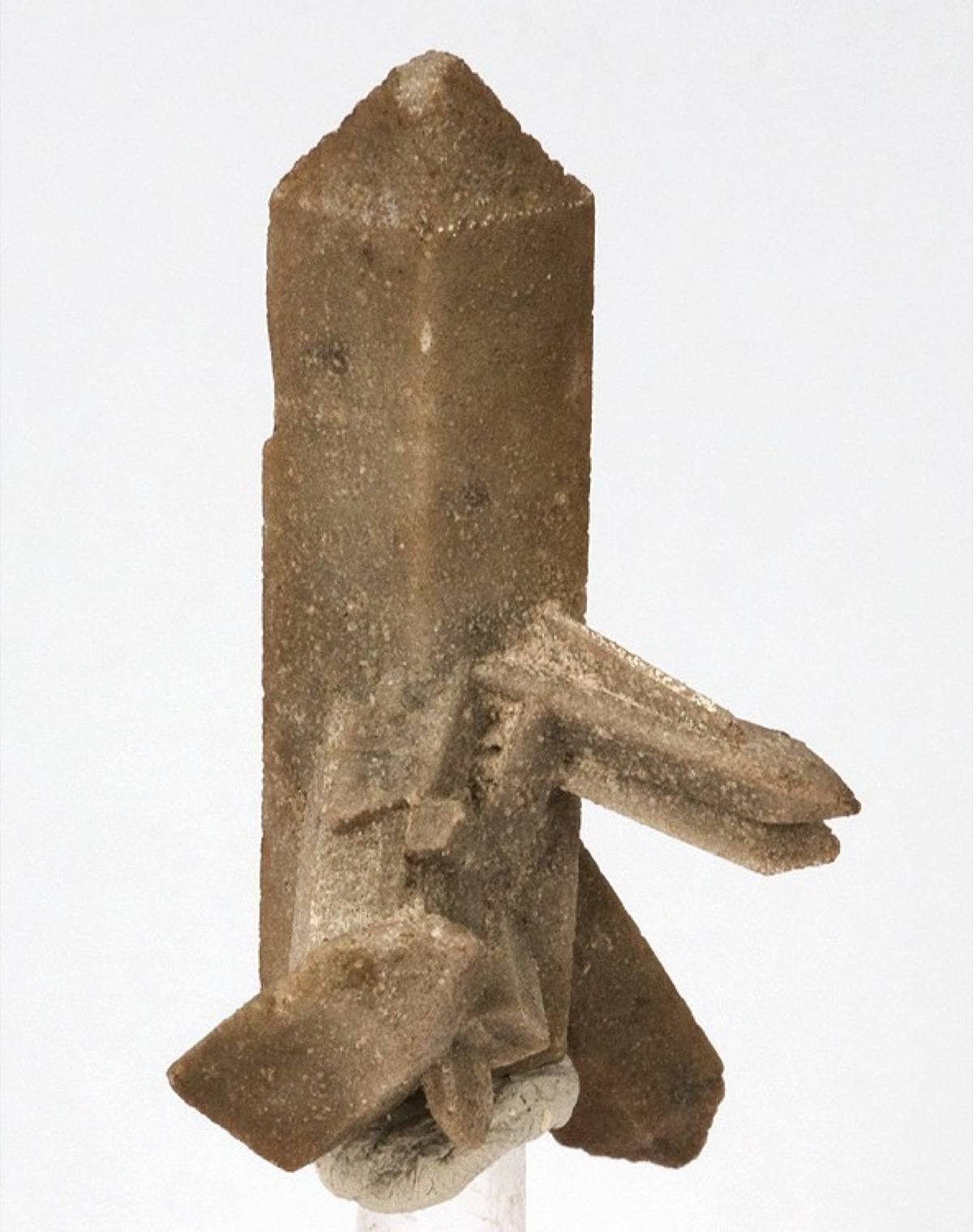
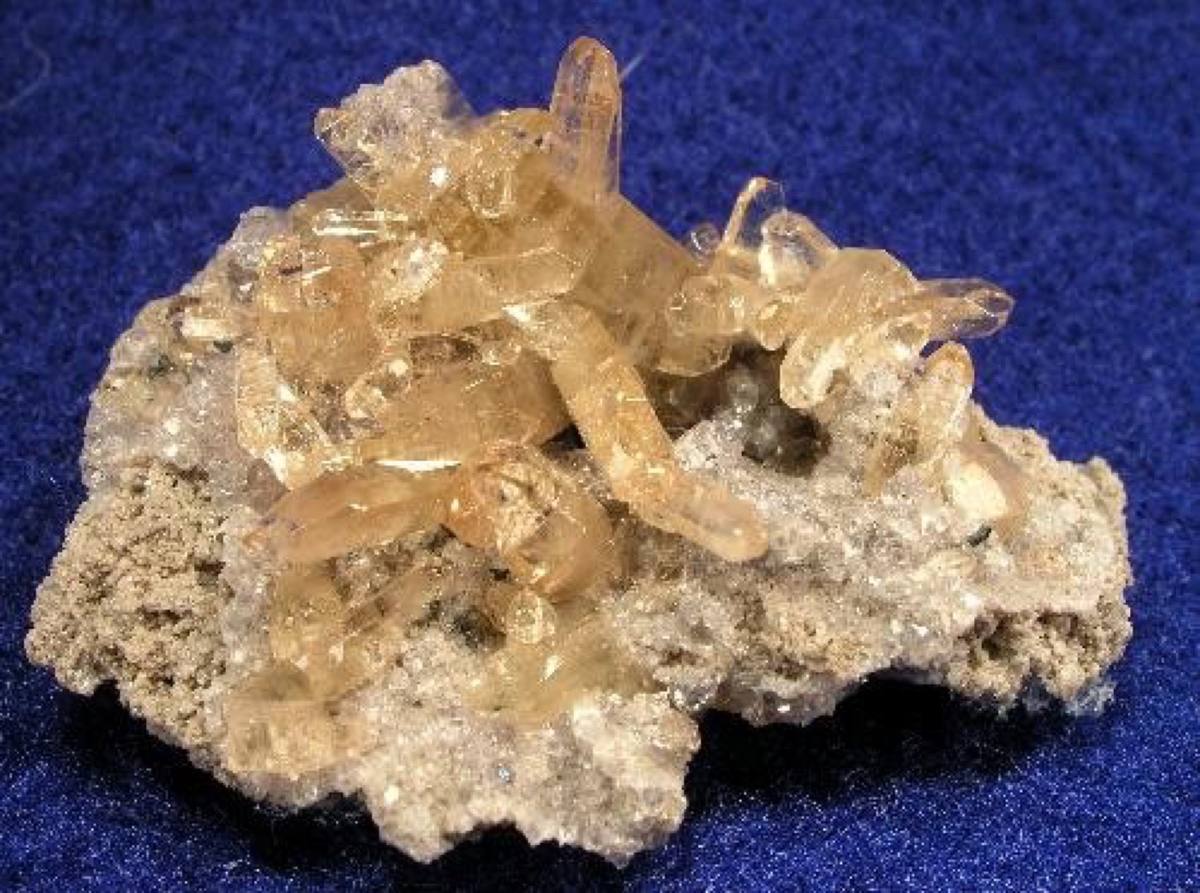
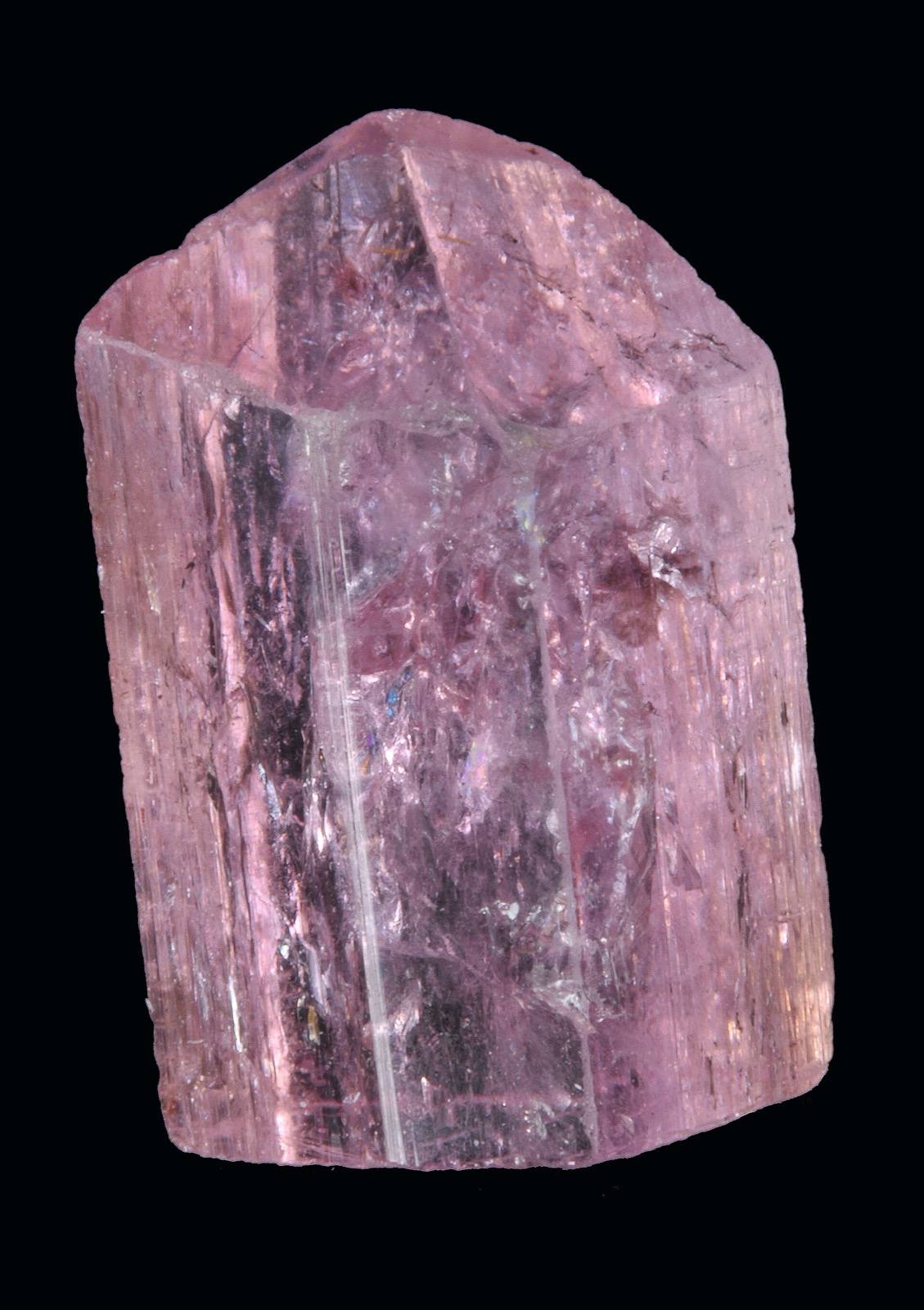
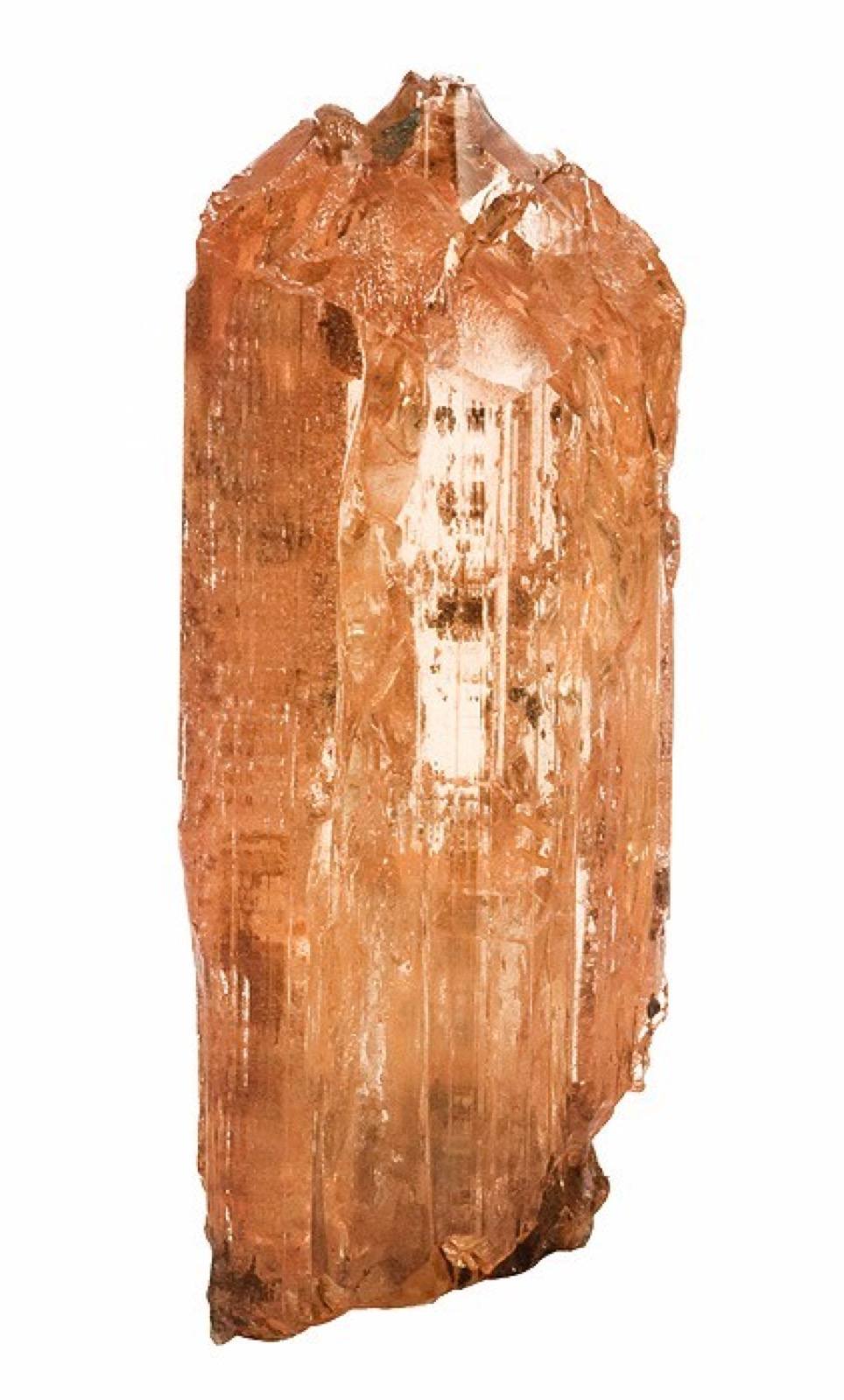
Prismatic crystals with lengthwise striations and a distinctly wedge-shaped termination
- 2
Perfect basal cleavage, so it can split flat straight across the crystal
- 3
Hardness 8 and unusually heavy for a pale, glassy mineral
Weight is the surprise with topaz: it is noticeably denser than quartz and picking one out of a handful of pale crystals is often done by heft. The perfect basal cleavage is both the diagnostic and the hazard, because a knock in the field can split a good crystal cleanly in half. Topaz Mountain in Utah's Thomas Range is the accessible American locality, where sherry-colored crystals sit in cavities in rhyolite and weather out into the talus below.
Before you collect
Topaz Mountain's sherry-colored crystals fade to colorless with prolonged exposure to sunlight, sometimes within weeks. Store and display them out of direct sun if you want the color to last, and be aware that colorless crystals in the same talus may once have been sherry.
Straight answers
- Is it worth cutting?
- The basal cleavage dominates everything. Orient the table of a faceted stone at an angle to the cleavage plane, never parallel to it, or the stone can part on the wheel or later in wear.
- What is it really worth?
- Inexpensive for common material, and most blue topaz in jewelry is irradiated colorless topaz. Natural imperial and sherry topaz carry real premiums.
- Can you legally keep it?
- Topaz Mountain is BLM land open to personal-use collecting without a permit, which makes it one of the best free gem-collecting destinations in the country. Texas topaz occurs on private ranches that charge for access.
Where it is worth going
- Topaz MountainThomas Range, Juab County, Utah
Free collecting on BLM land. Sherry topaz in rhyolite cavities and weathered out into the talus.
- Mason CountyCentral Texas
Blue topaz, the Texas state gem, on private ranches that offer paid access.
Often confused with
Topaz vs. its common look-alikes, and how to tell them apart in the field.
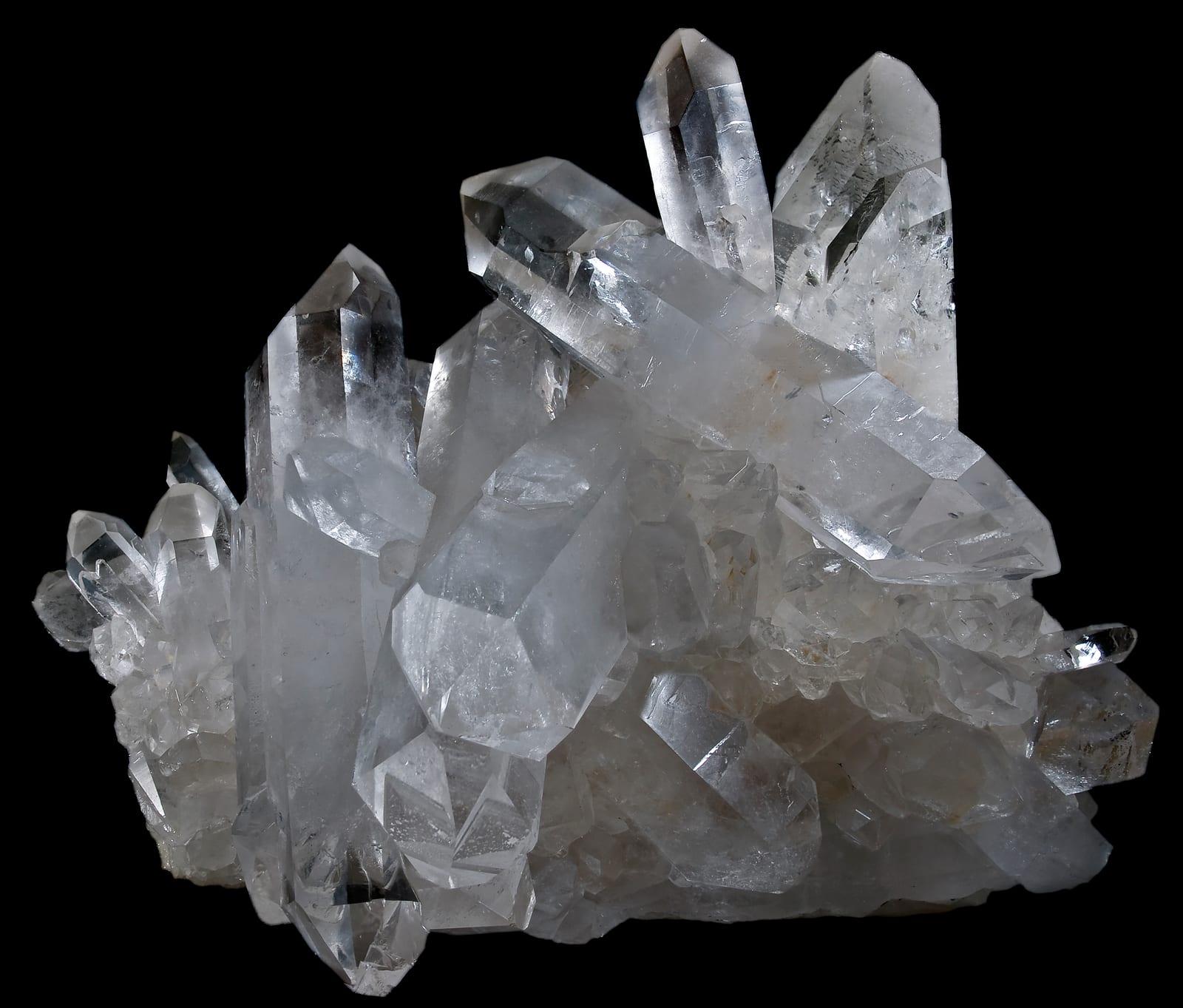
How to tell apart: Topaz is heavier, harder at 8, and has a perfect basal cleavage that quartz completely lacks.
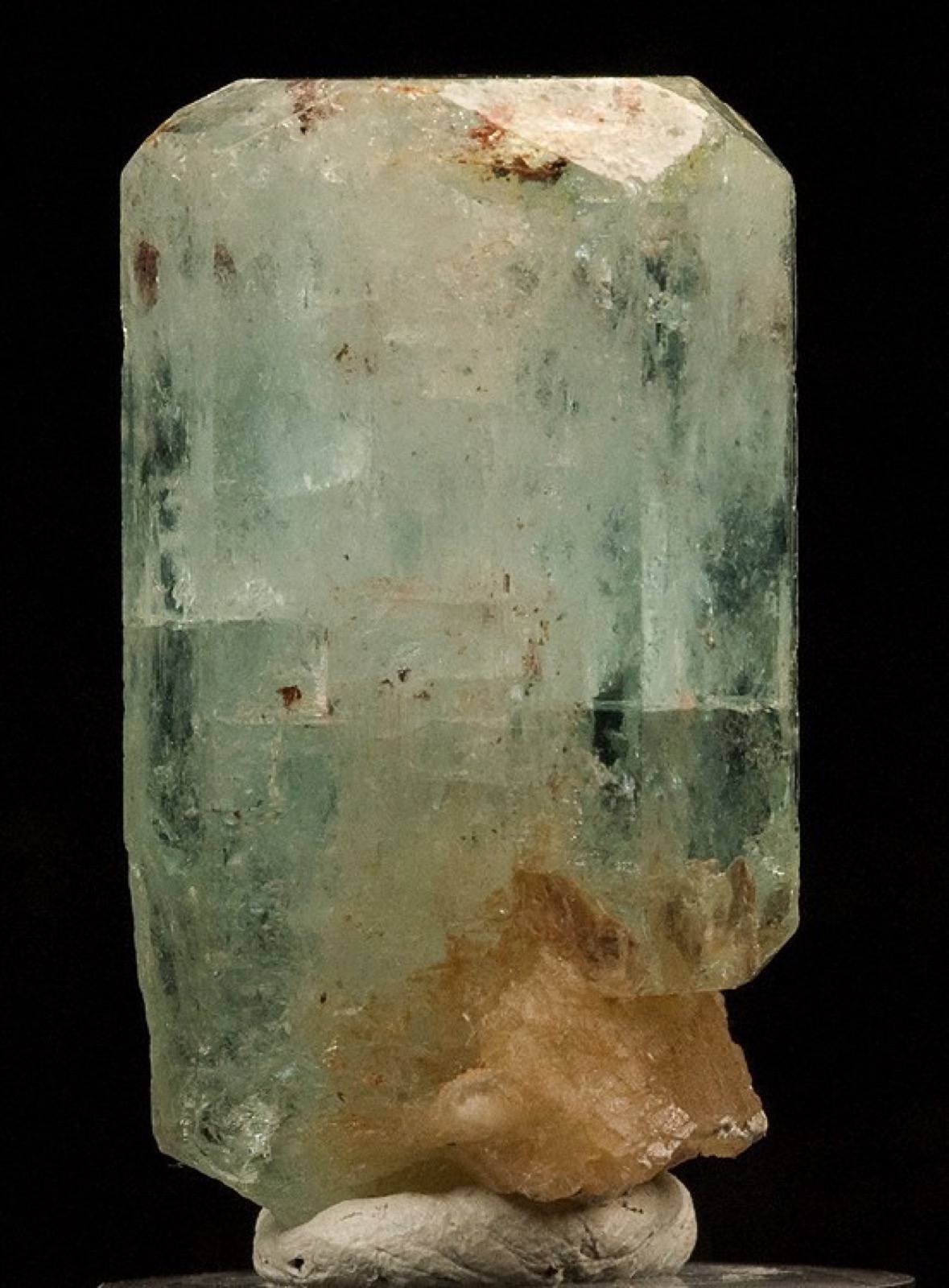
How to tell apart: Beryl is hexagonal in cross-section. Topaz is orthorhombic, giving a more diamond-shaped section, and topaz cleaves.
Often found alongside topaz
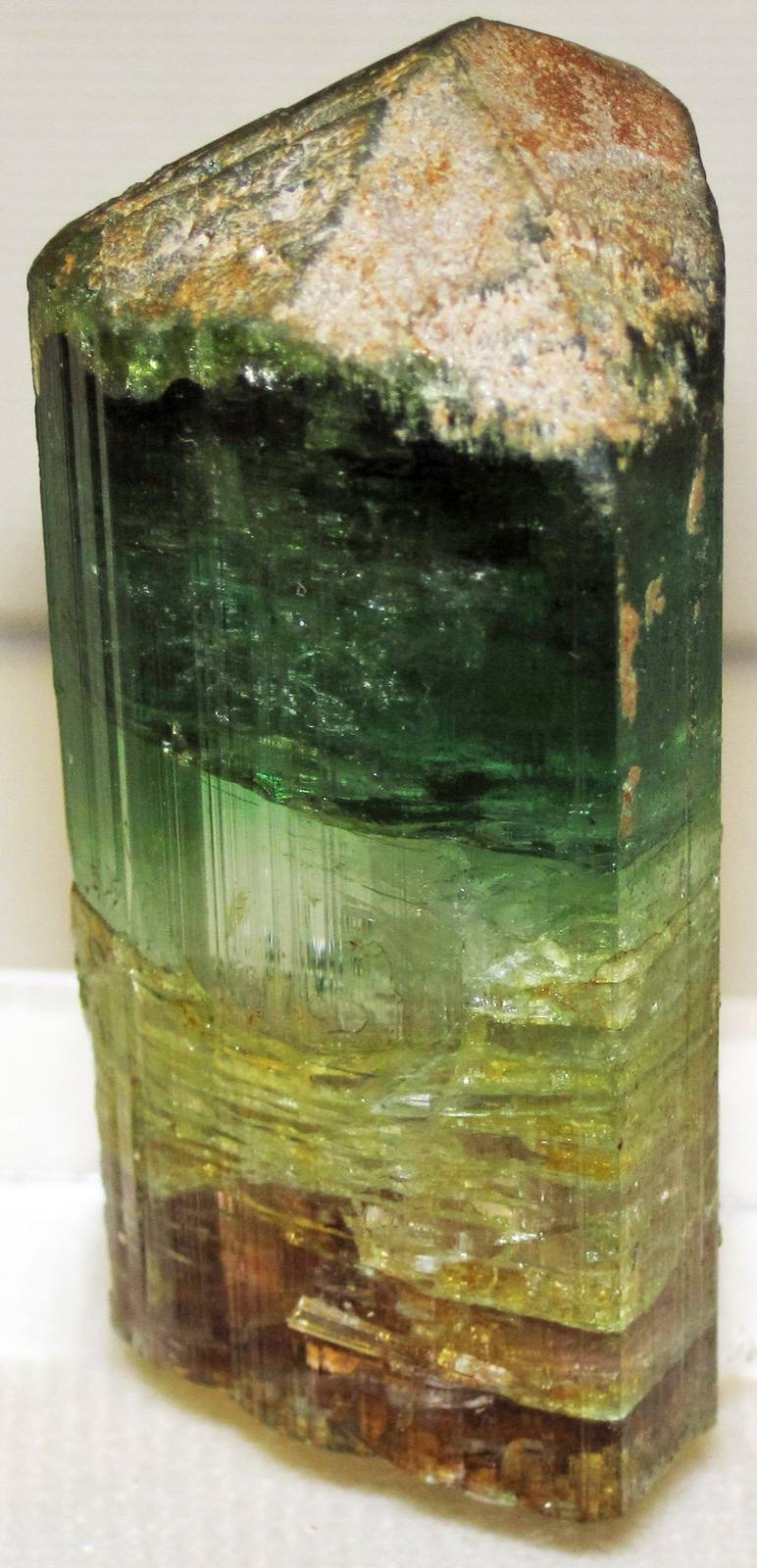
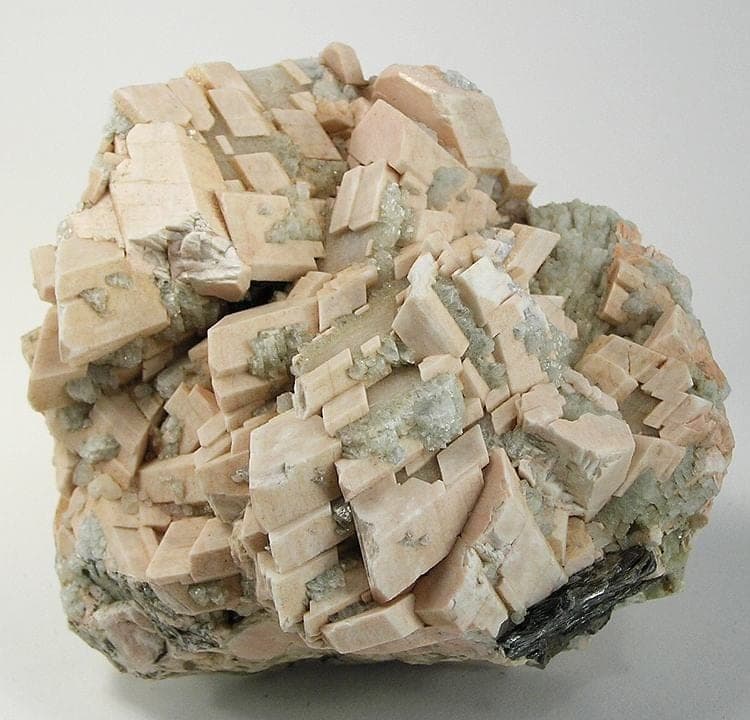
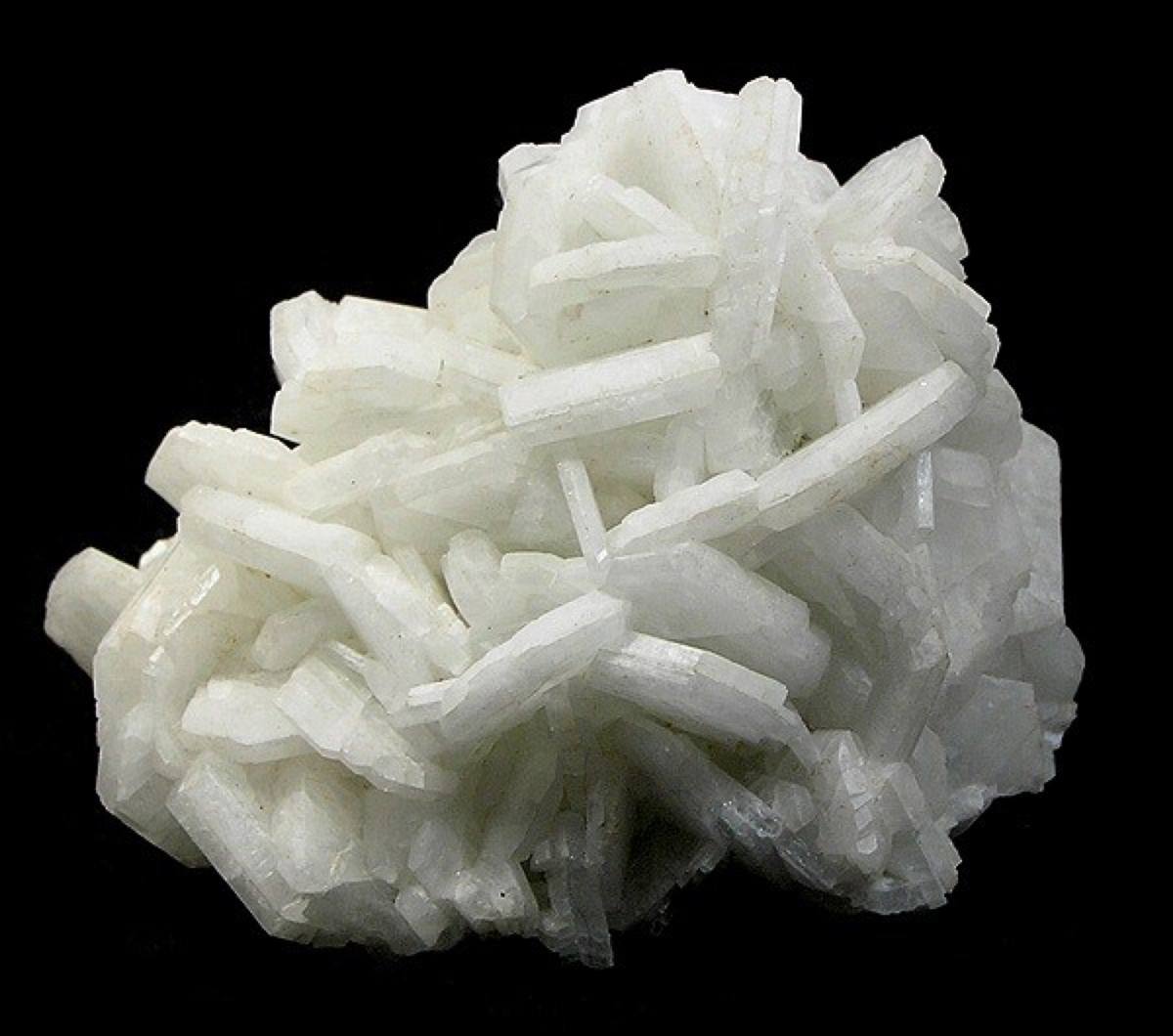
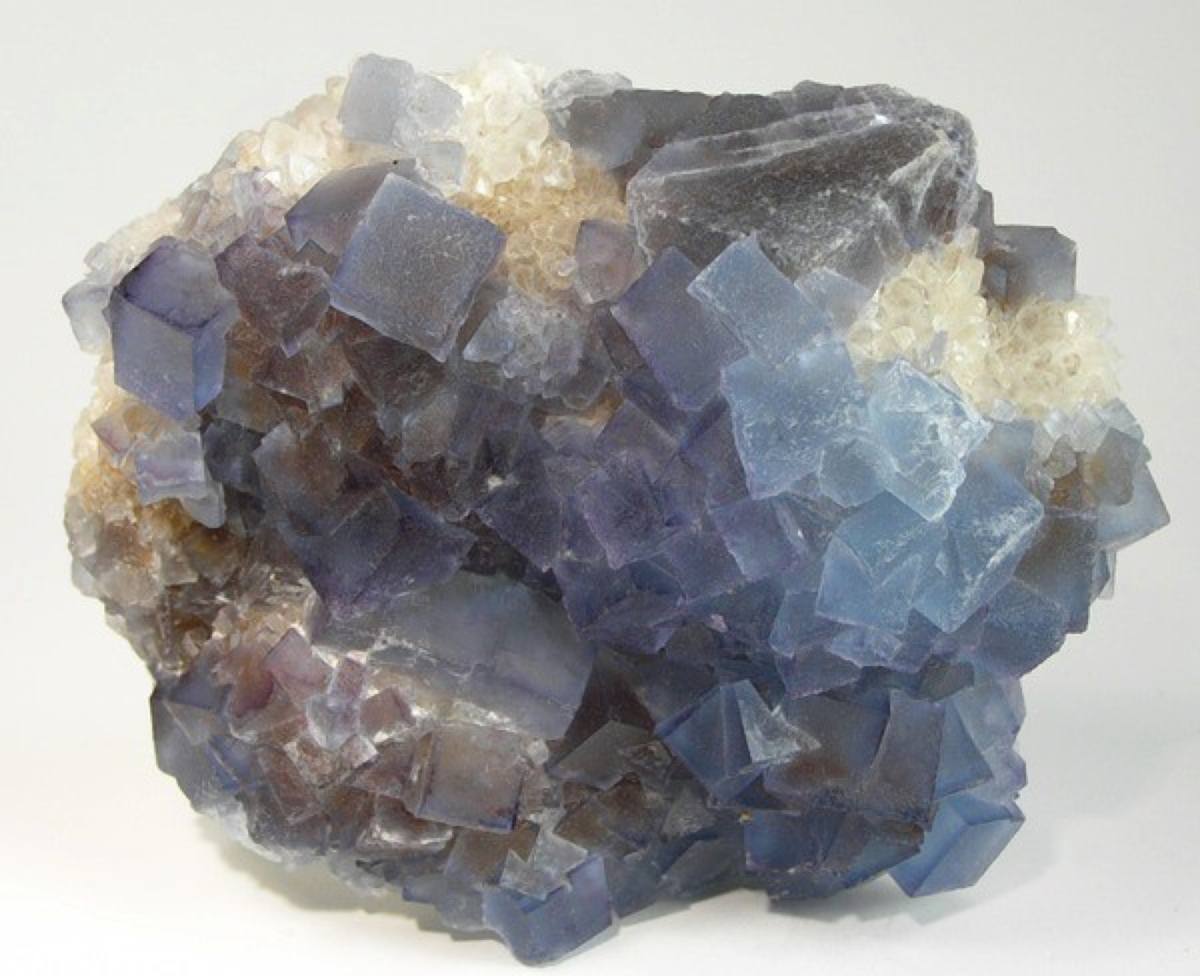
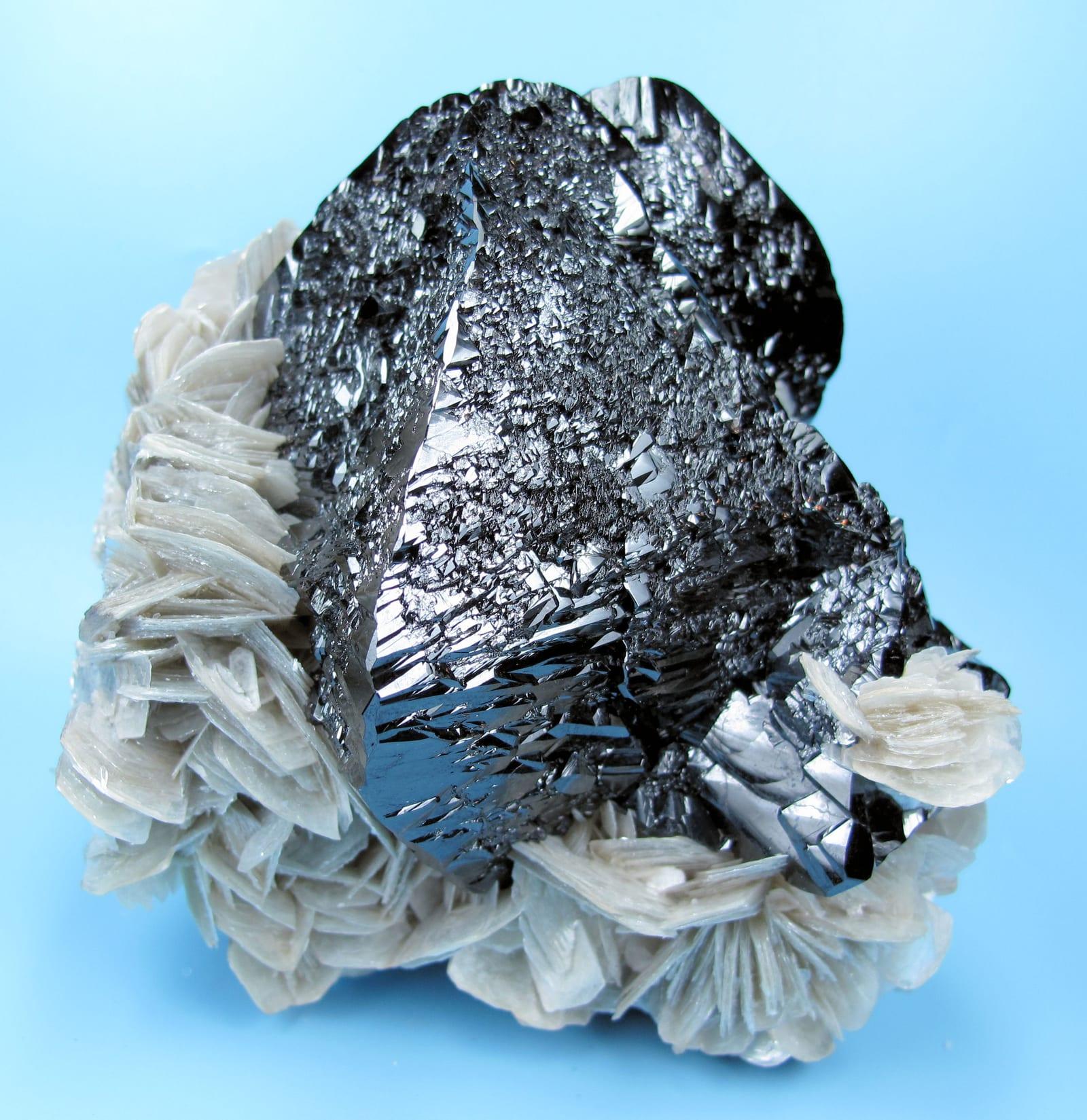
Minerals reported to co-occur with topaz. Spotting these in float or country rock is a strong cue you are in the right ground.
All properties
- Chemical formula
- Al₂SiO₄F₂
- Mohs hardness
- 8
- Density
- 3.49-3.57 g/cm³
- Streak
- White
- Luster
- Vitreous
- Transparency
- Transparent to opaque with inclusions
- Crystal system
- Orthorhombic
- Crystal habit
- Prismatic crystals with multi-faceted terminations
- Cleavage
- {001}, perfect
- Fluorescence
- Golden yellow under SW UV; cream under LW UV
- Rarity
- Common
- Uses
- Gemstone, Collector
- Host rock
- In veins and cavities in granite, granite pegmatite, rhyolite, and in greisen, formed from high-temperature, volatile-rich pneumatolytic hydrothermal fluids
Where rockhounds find topaz
44 mapped spotsClassic worldwide localities
- Devils Head, Douglas Co., Colorado, USA
- Thomas Range, Juab Co., Utah, USA
- Lord's Hill, Stoneham, Oxford Co., Maine, USA
- Baldface Mountain, Carroll Co., New Hampshire, USA
- Mursinka, Ural Mountains, and in the Adun-Chilon and Borshchovochnoii Mountains, Nerchinsk district, Siberia, Russia
- Schneckenstein, Saxony, Germany
U.S. states with topaz
Each link opens a state-specific list of mapped rockhounding spots that produce topaz.
Field-hunting tip
Where it forms: In veins and cavities in granite, granite pegmatite, rhyolite, and in greisen, formed from high-temperature, volatile-rich pneumatolytic hydrothermal fluids. If you start seeing tourmaline, beryl, microcline in float, you are in the right ground. Typical habit: prismatic crystals with multi-faceted terminations. Train your eye for that shape before scanning the outcrop. In the U.S., the densest reported localities are in Utah, Colorado, New Hampshire. Start trip planning there.
More topaz photos
Common questions
How do you identify topaz?+
Where is topaz found?+
Can I find topaz in the United States?+
What rocks look like topaz?+
What minerals are found with topaz?+
What kind of rock does topaz form in?+
What is topaz used for?+
Find topaz on the map
RockHoundR shows mapped rockhounding spots, access rules, and lets you log every find.