
Fire opal is a transparent to translucent variety of opal known for its vibrant yellow, orange, or red body color. Unlike precious opal, it is often valued for its intense base color rather than play-of-color, and is typically found filling cavities within volcanic rhyolite rocks.
Spotting fire opal in the field
Field marks- 1
Transparent to translucent orange, red or yellow body color
- 2
The name refers to the body color, which may or may not also show play of color
- 3
Waxy luster, light in the hand, softer than quartz
Fire opal is named for its warm body color rather than for play of color, which trips people up constantly. Most of it is transparent orange with no flashes at all, and a stone with both is worth substantially more. The classic source is Mexico, particularly Querétaro and Jalisco, where it occurs in cavities in rhyolite. American occurrences are scattered and minor.
Straight answers
- Is it worth cutting?
- Facets well when transparent, which is unusual for opal. Still needs low speed and plenty of water.
- What is it really worth?
- Moderate. Clean transparent stones with saturated orange-red color, and especially those that also show play of color, are the valuable ones.
- Can you legally keep it?
- Mexican material is imported and traded normally. Buy from dealers who know their source.
Often confused with
Fire Opal vs. its common look-alikes, and how to tell them apart in the field.
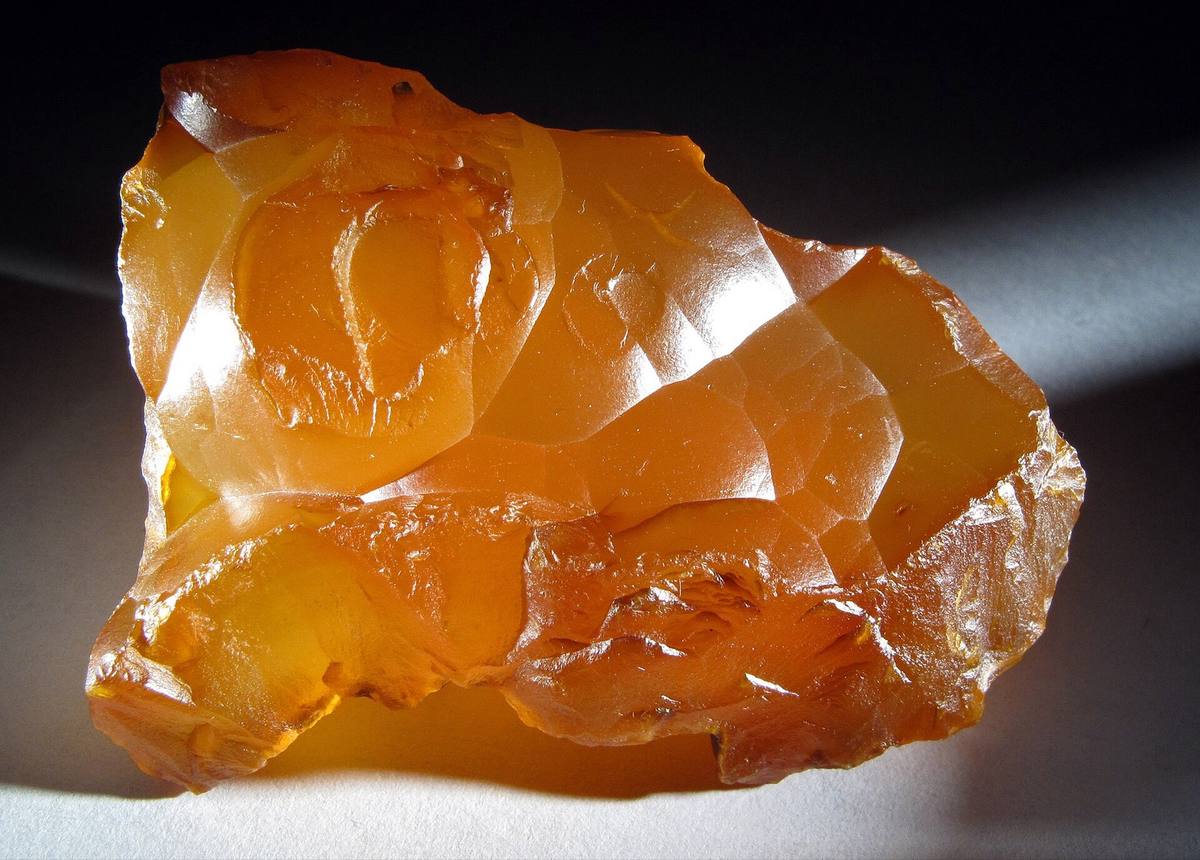
How to tell apart: Carnelian is hardness 7 and dense. Fire opal is softer and lighter, with a more resinous look.
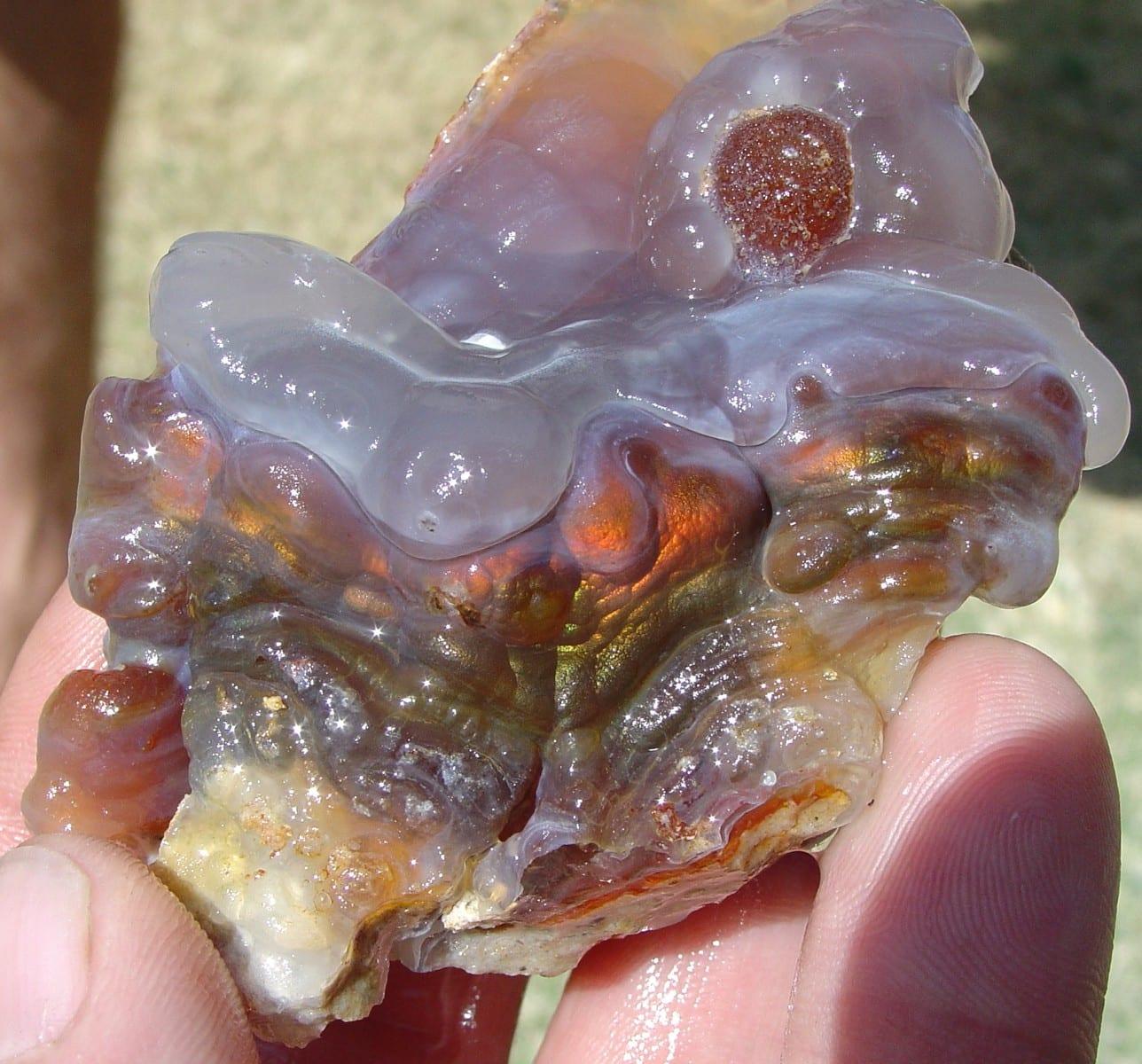
How to tell apart: A different material entirely. Fire agate is chalcedony with iridescent iron-oxide layers, hardness 7, and the iridescence sits in layers rather than as a body color.
Often found alongside fire opal
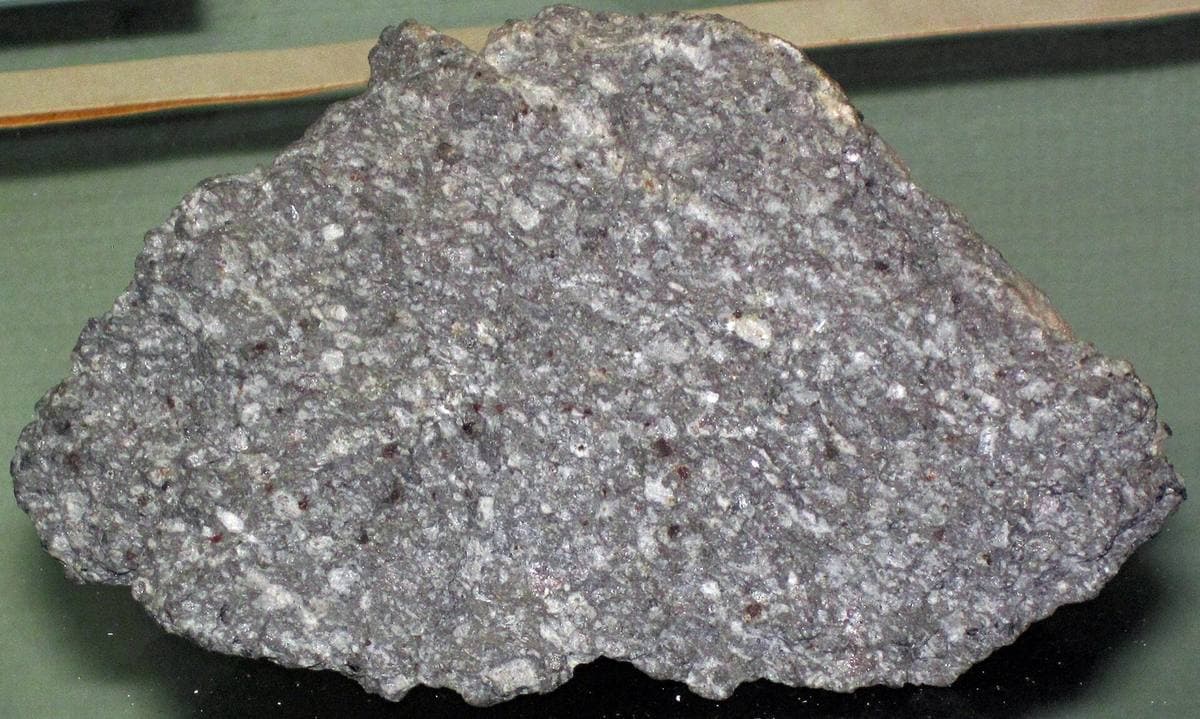
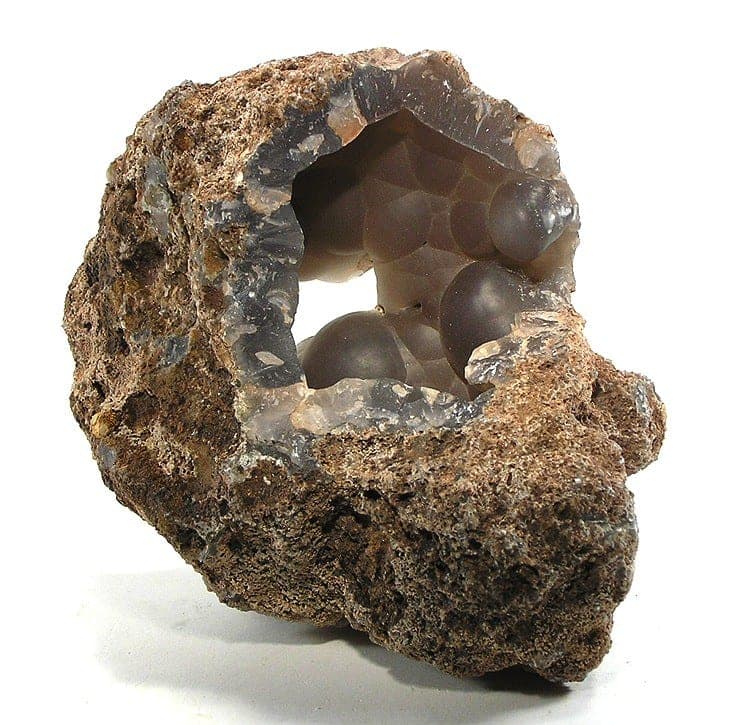
Minerals reported to co-occur with fire opal. Spotting these in float or country rock is a strong cue you are in the right ground.
All properties
- Chemical formula
- SiO₂·nH₂O
- Mohs hardness
- 5.5-6.5
- Density
- 1.9-2.2 g/cm³
- Streak
- White
- Luster
- Vitreous
- Transparency
- Transparent
- Crystal system
- Amorphous
- Crystal habit
- Massive, reniform, botryoidal
- Cleavage
- None
- Fluorescence
- Often green to white under LW UV
- Rarity
- Uncommon
- Uses
- Gemstone, Lapidary, Collector
- Host rock
- volcanic rhyolite flows
Where rockhounds find fire opal
17 mapped spotsClassic worldwide localities
- Querétaro, Mexico
- Hidalgo, Mexico
- Oregon, USA
- Ethiopia
U.S. states with fire opal
Each link opens a state-specific list of mapped rockhounding spots that produce fire opal.
Field-hunting tip
Where it forms: volcanic rhyolite flows. If you start seeing rhyolite, chalcedony, quartz in float, you are in the right ground. Typical habit: massive, reniform, botryoidal. Train your eye for that shape before scanning the outcrop. In the U.S., the densest reported localities are in New Jersey, Nevada, Idaho. Start trip planning there.
Common questions
How do you identify fire opal?+
Where is fire opal found?+
Can I find fire opal in the United States?+
What rocks look like fire opal?+
What minerals are found with fire opal?+
What kind of rock does fire opal form in?+
What is fire opal used for?+
Find fire opal on the map
RockHoundR shows mapped rockhounding spots, access rules, and lets you log every find.

