
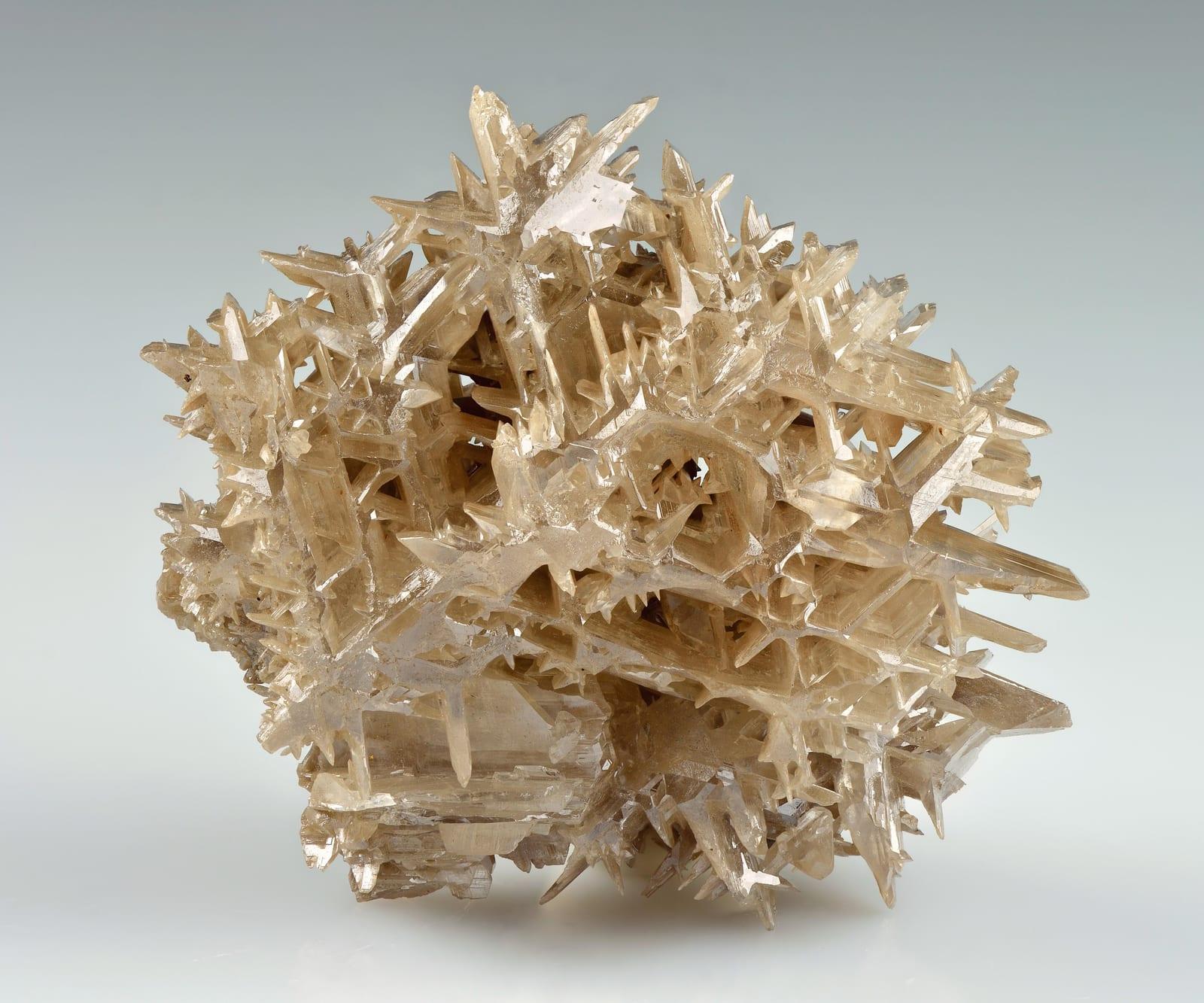
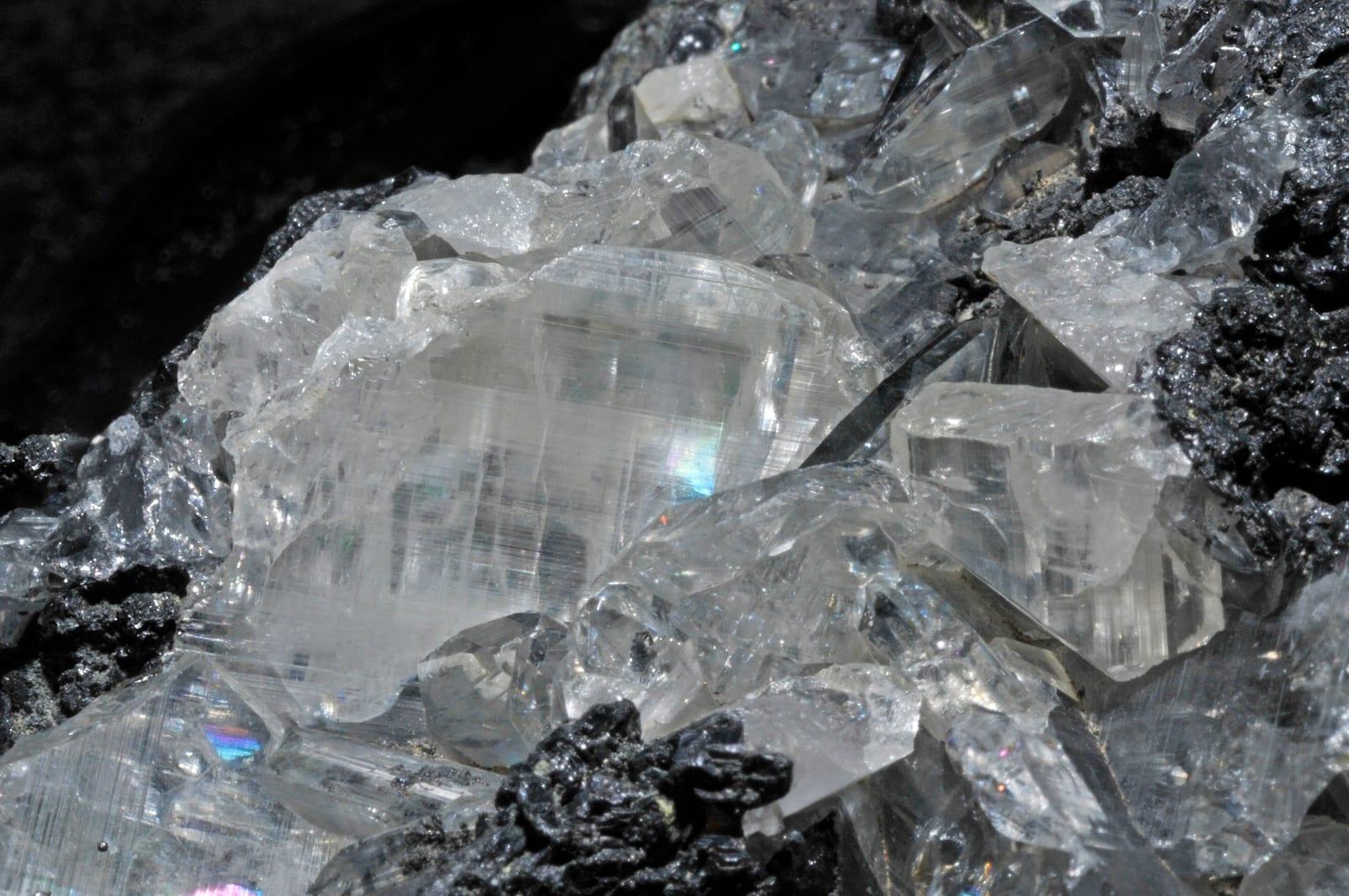
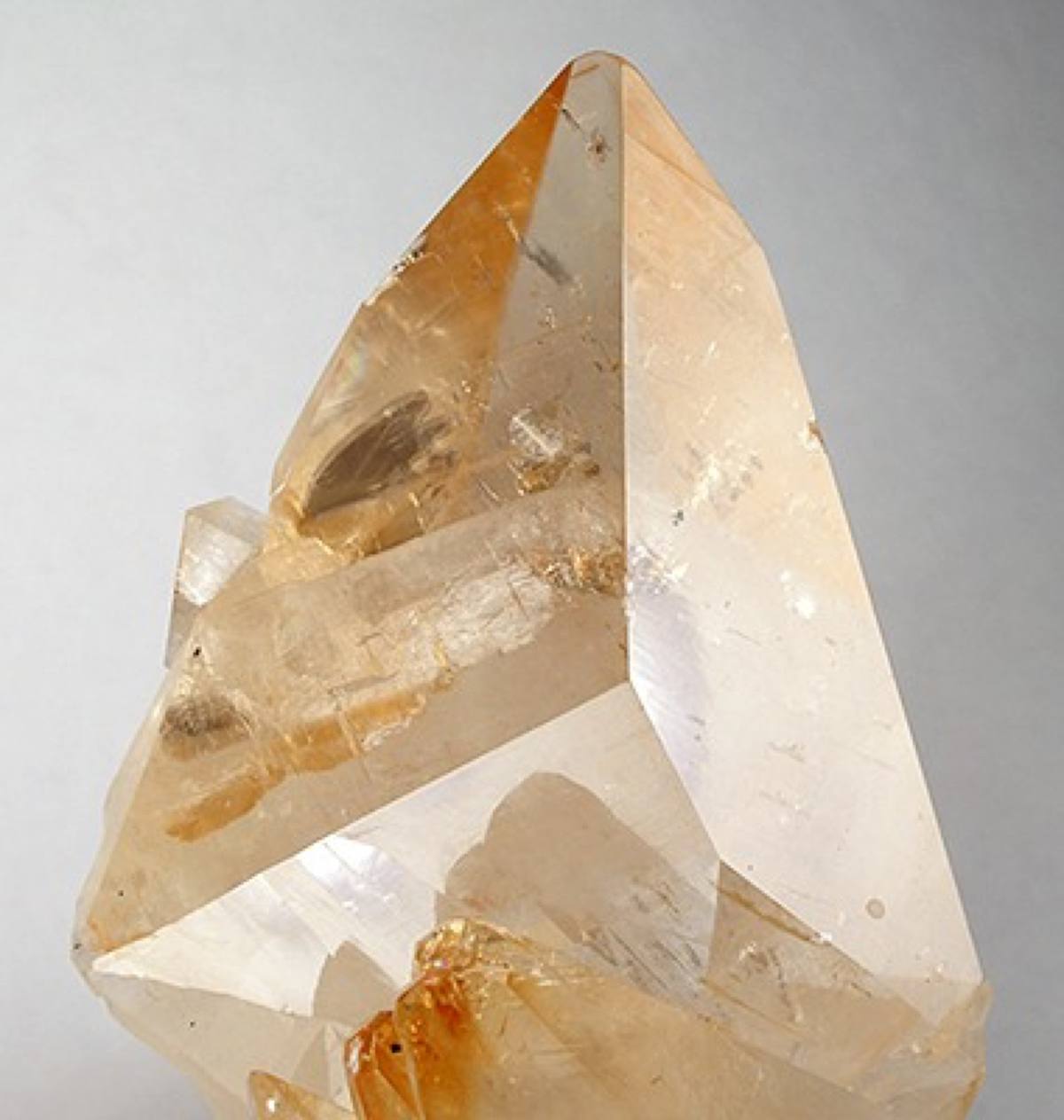
Hemimorphite is widely sought after by collectors for its vibrant, electric blue botryoidal habits, often found in oxidized zones of zinc deposits. It is distinct for its hemimorphic crystal development, where the crystal ends are physically and electrically different from each other. It is best displayed as colorful, crust-like aggregates or delicate radiating crystal sprays.
Spotting hemimorphite in the field
Field marks- 1
Blue to blue-green botryoidal crusts, or clear bladed crystals in fans
- 2
Crystals are terminated differently at each end, which is where the name comes from
- 3
Hardness 4.5 to 5, and it does not fizz in acid
Hemimorphite occurs alongside smithsonite in oxidized zinc deposits and the botryoidal blue forms are near-identical by eye. Acid separates them: hemimorphite is a silicate and stays quiet, smithsonite is a carbonate and fizzes in warm acid. The bladed crystal form, in radiating fans, is unmistakable and quite different from anything smithsonite does. Mapimí in Mexico produces the classic blue botryoidal material.
Straight answers
- Is it worth cutting?
- Botryoidal material is sometimes cabbed. Bladed crystal specimens are display pieces only.
- What is it really worth?
- Inexpensive to moderate. Strong blue color and sharp radiating crystal fans carry the value.
- Can you legally keep it?
- Zinc districts are largely private mine land.
Often confused with
Hemimorphite vs. its common look-alikes, and how to tell them apart in the field.
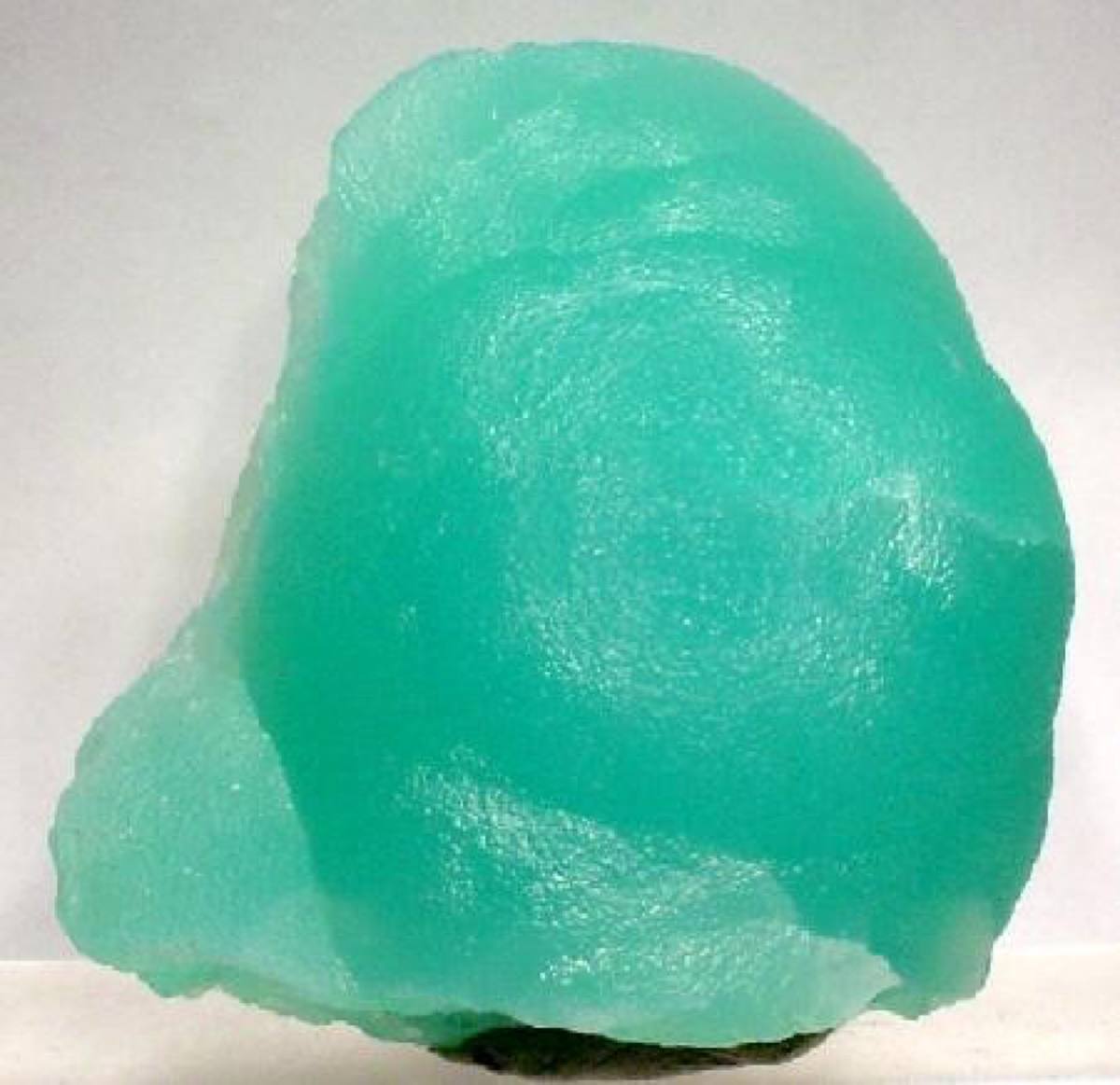
How to tell apart: The acid test is the practical field call. Warm dilute acid fizzes on smithsonite and not on hemimorphite.
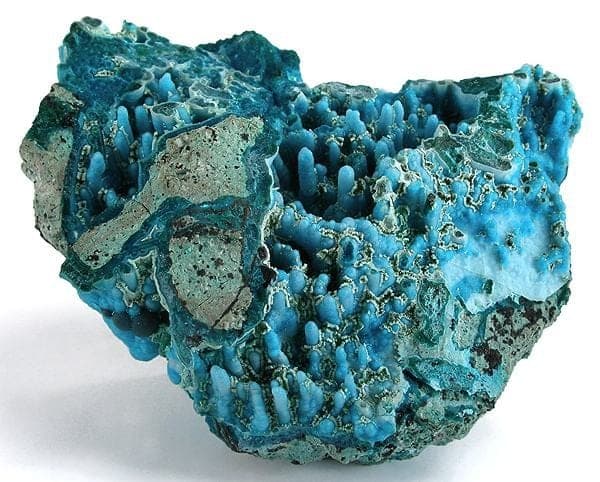
How to tell apart: Chrysocolla is a copper mineral, softer, and more electric blue-green. Hemimorphite has a paler, more powdery blue.
Often found alongside hemimorphite
Minerals reported to co-occur with hemimorphite. Spotting these in float or country rock is a strong cue you are in the right ground.
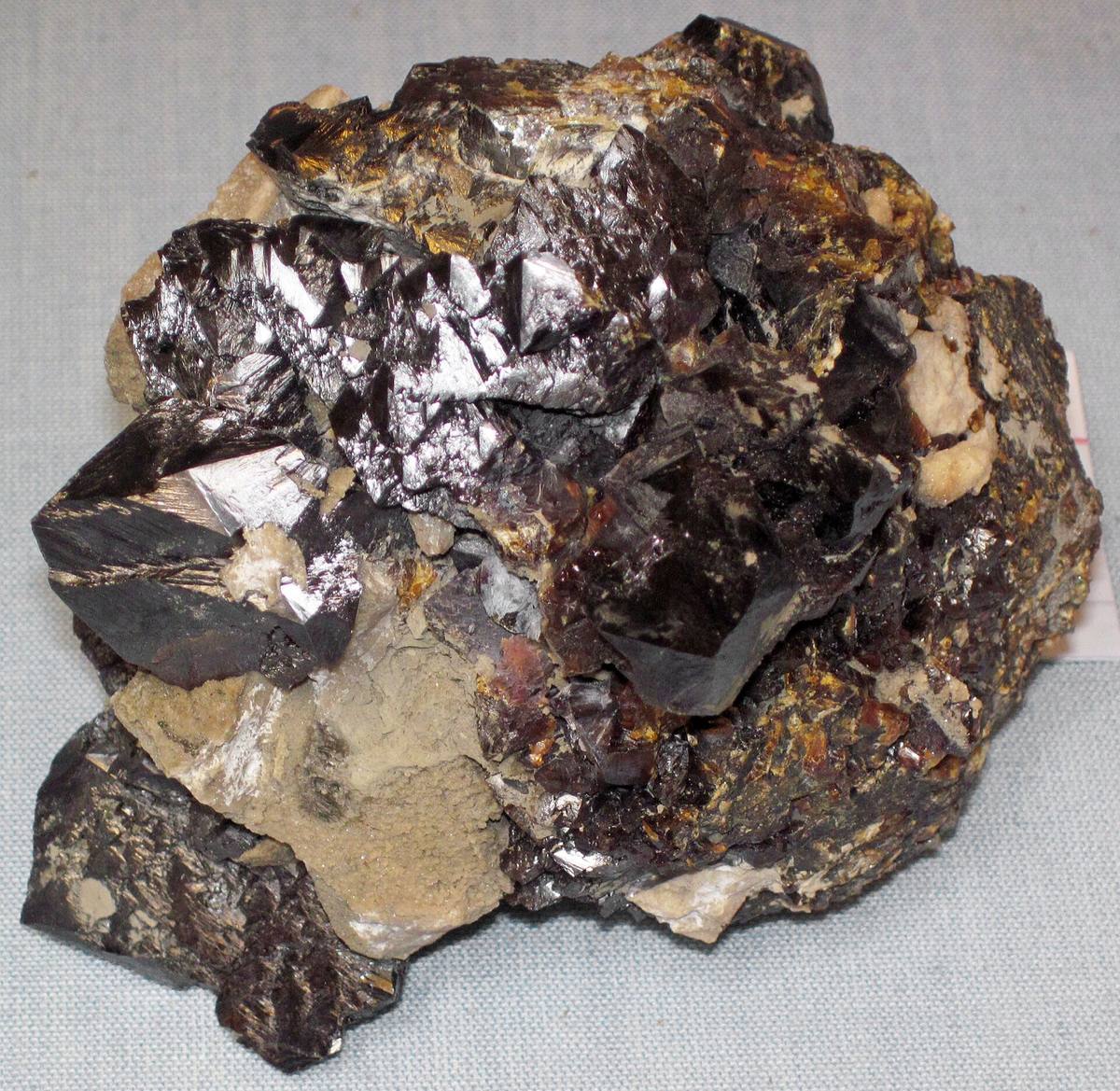
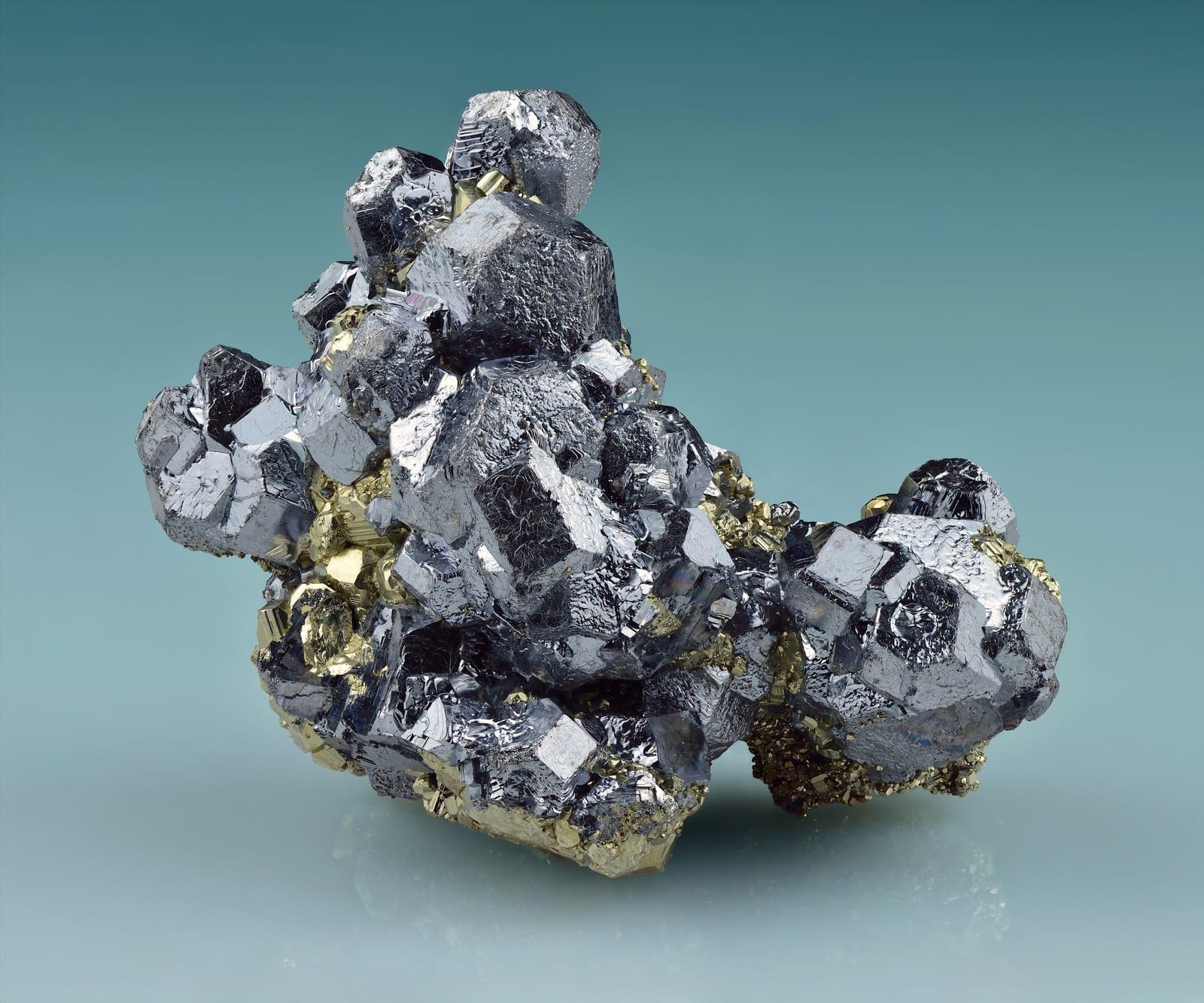
All properties
- Chemical formula
- Zn₄Si₂O₇(OH)₂·H₂O
- Mohs hardness
- 4.5-5
- Density
- 3.475 g/cm³
- Streak
- White
- Luster
- Vitreous, subpearly, adamantine, rarely silky
- Transparency
- Translucent, transparent in small crystals
- Crystal system
- Orthorhombic
- Crystal habit
- Botryoidal, crusts, fan-shaped clusters, acicular crystals
- Cleavage
- Perfect on {110}, poor on {101}; {001}, rare
- Fluorescence
- Dull white under SW and LW UV
- Rarity
- Common
- Uses
- Collector, Decorative, Minor zinc ore
- Host rock
- A secondary mineral typically found in the oxidized zone of zinc-bearing mineral deposits
Where rockhounds find hemimorphite
1 mapped spotsClassic worldwide localities
- Franklin and Sterling Hill, Ogdensburg, Sussex Co., New Jersey, USA
- Bisbee, Cochise Co., and in the 79 mine, Gila Co., Arizona, USA
- Emma mine, Little Cottonwood Canyon, Salt Lake Co., Utah, USA
- Ibex and Wolftone mines, Leadville, Lake Co., Colorado, USA
- B· anská Štiavnica (Schemnitz), Slovakia
- Caldbeck Fells, Cumbria, England
Field-hunting tip
Where it forms: A secondary mineral typically found in the oxidized zone of zinc-bearing mineral deposits. If you start seeing smithsonite, sphalerite, galena in float, you are in the right ground. Typical habit: botryoidal, crusts, fan-shaped clusters, acicular crystals. Train your eye for that shape before scanning the outcrop. In the U.S., the densest reported localities are in Missouri. Start trip planning there.
Common questions
How do you identify hemimorphite?+
Where is hemimorphite found?+
Can I find hemimorphite in the United States?+
What rocks look like hemimorphite?+
What minerals are found with hemimorphite?+
What kind of rock does hemimorphite form in?+
What is hemimorphite used for?+
Find hemimorphite on the map
RockHoundR shows mapped rockhounding spots, access rules, and lets you log every find.

