
Joséite-B is a rare bismuth telluride sulfide that typically appears as metallic, silver-gray foliated masses or thin plates. It is most often found in hydrothermal quartz veins associated with other bismuth minerals and native gold. Due to its softness and perfect cleavage, specimens should be handled with care to avoid damage to crystal structure.
Is this joséite-b?
5-step field checkRun through these checks against the specimen in your hand. The more boxes tick, the more confident the ID.
- 1Test the hardnessTry to scratch joséite-b with a known reference. Joséite-B sits at Mohs 2, softer than the next harder reference, harder than the previous one.
- 2Check the streakDrag the specimen across an unglazed porcelain plate. Streak: gray.
- 3Read the lusterHold the specimen under a strong light. Luster: metallic.
- 4Match the color rangeCompare against the expected color range: silver white.
- 5Look at form & habitCrystal system: trigonal. Typical habit: tabular crystals, foliated masses, or lamellar.
Often confused with
Joséite-B vs. its common look-alikes, and how to tell them apart in the field.
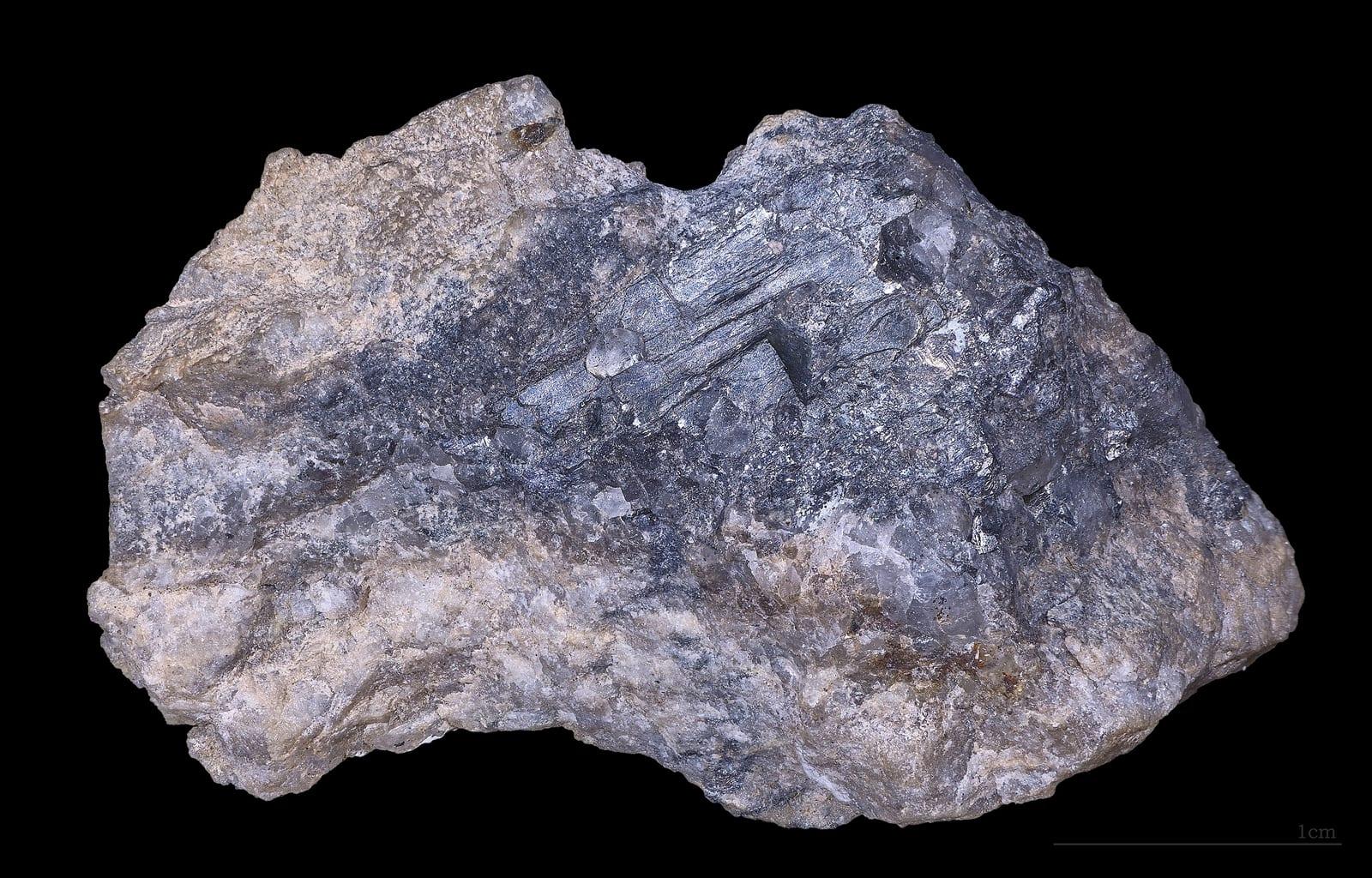
How to tell apart: Streak differs, so Joséite-B leaves gray, Tetradymite leaves pale steel-gray.
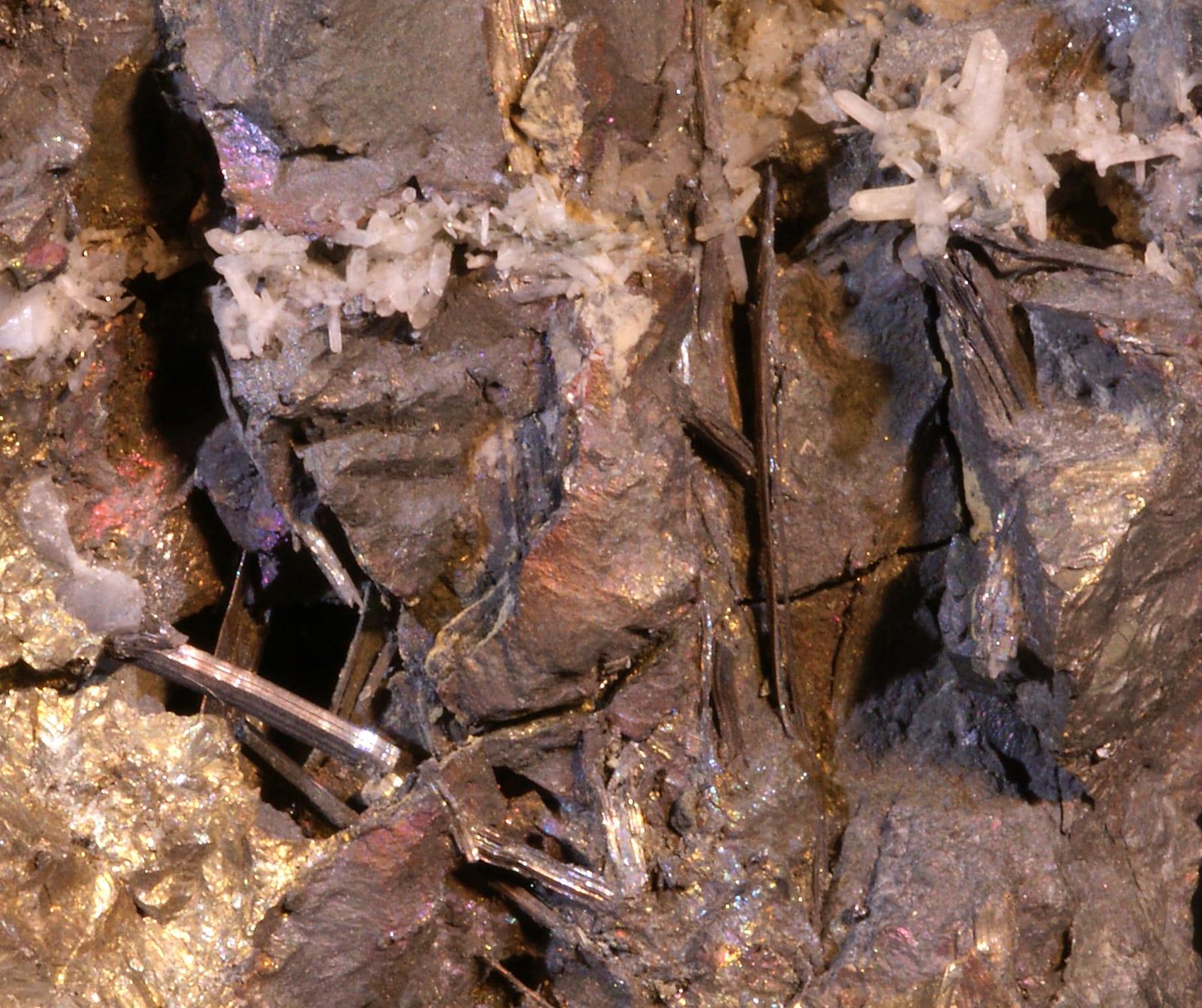
How to tell apart: Streak differs, so Joséite-B leaves gray, Bismuthinite leaves lead-gray.
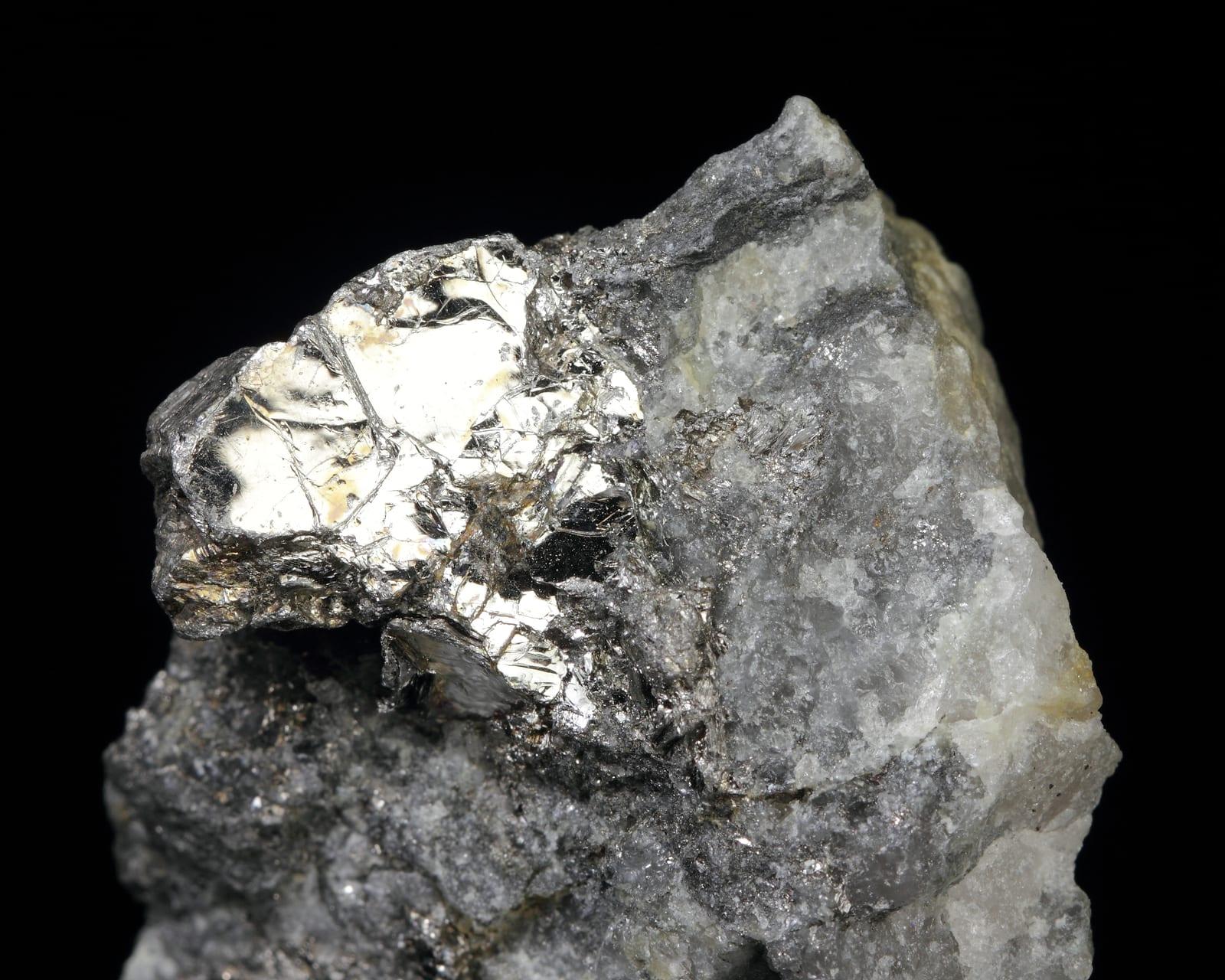
How to tell apart: Streak differs, so Joséite-B leaves gray, Tellurobismuthite leaves pale lead-gray.
Often found alongside joséite-b
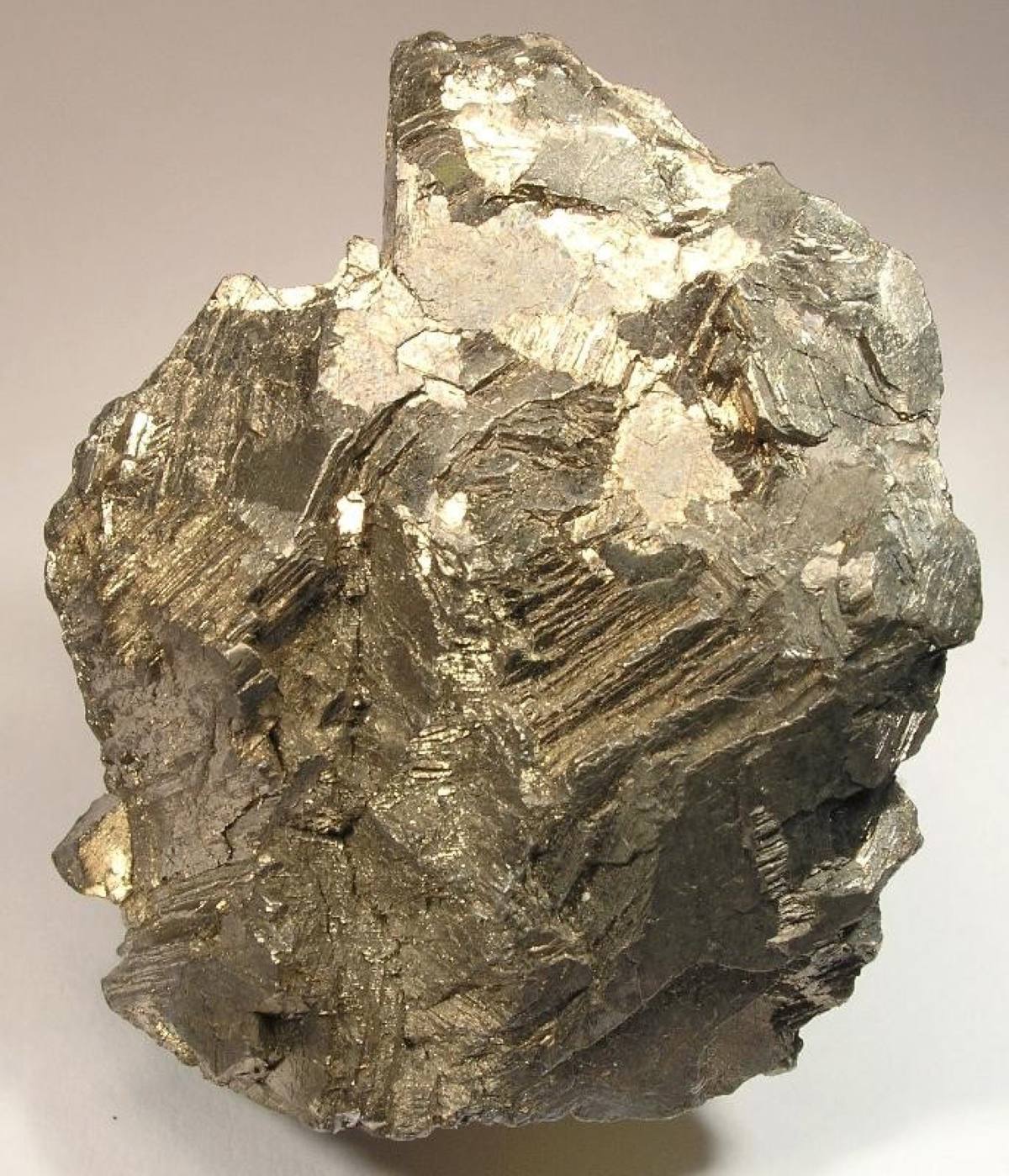
Minerals reported to co-occur with joséite-b. Spotting these in float or country rock is a strong cue you are in the right ground.
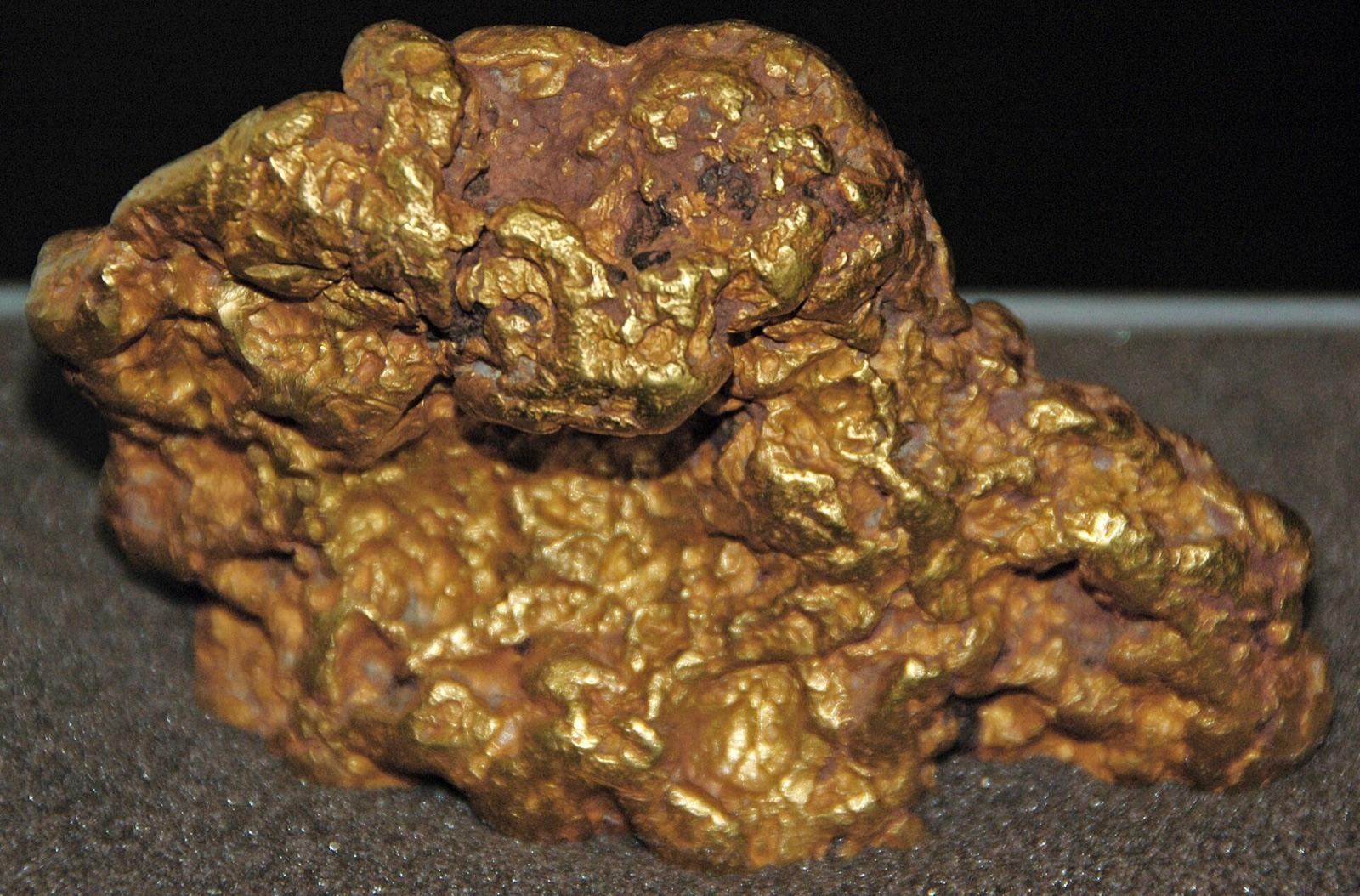
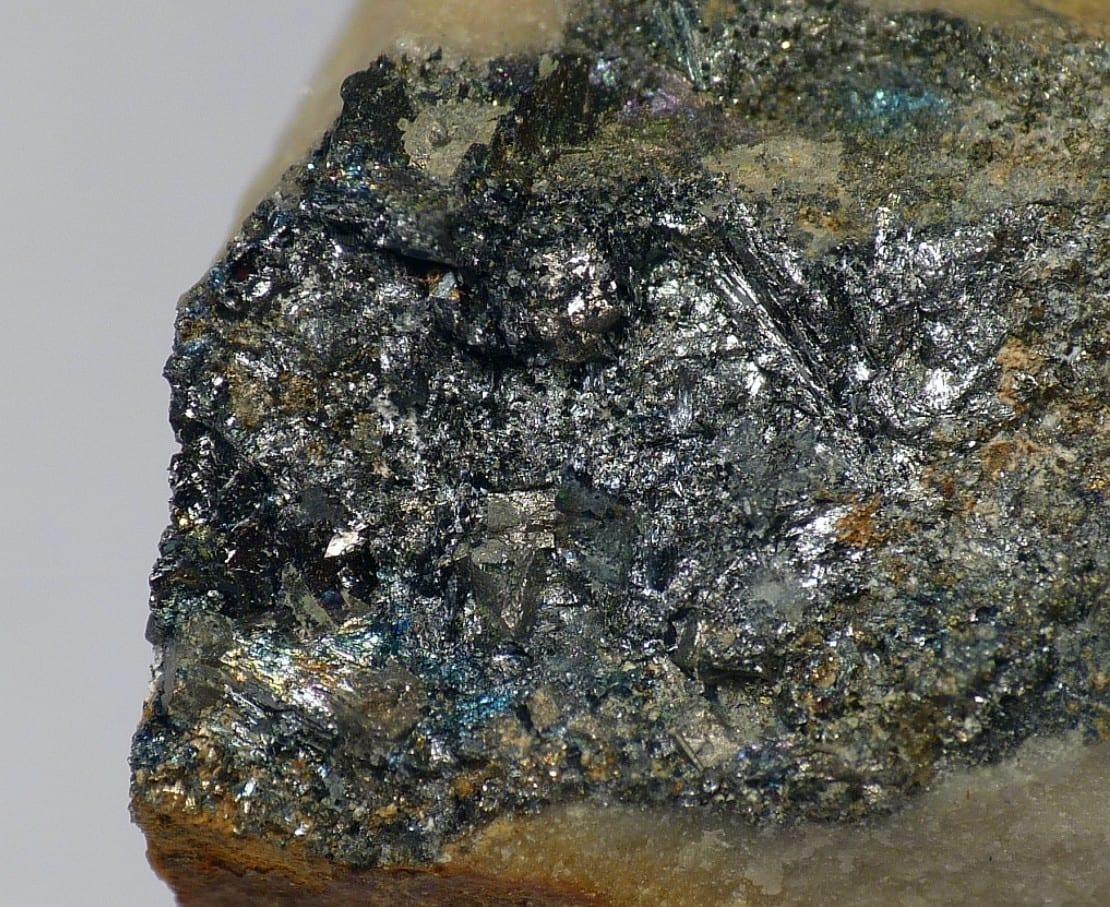
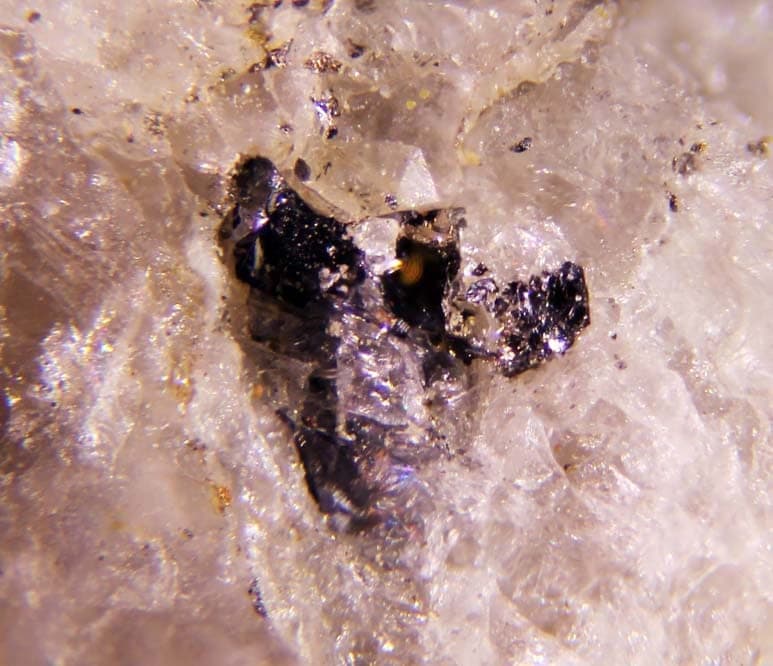
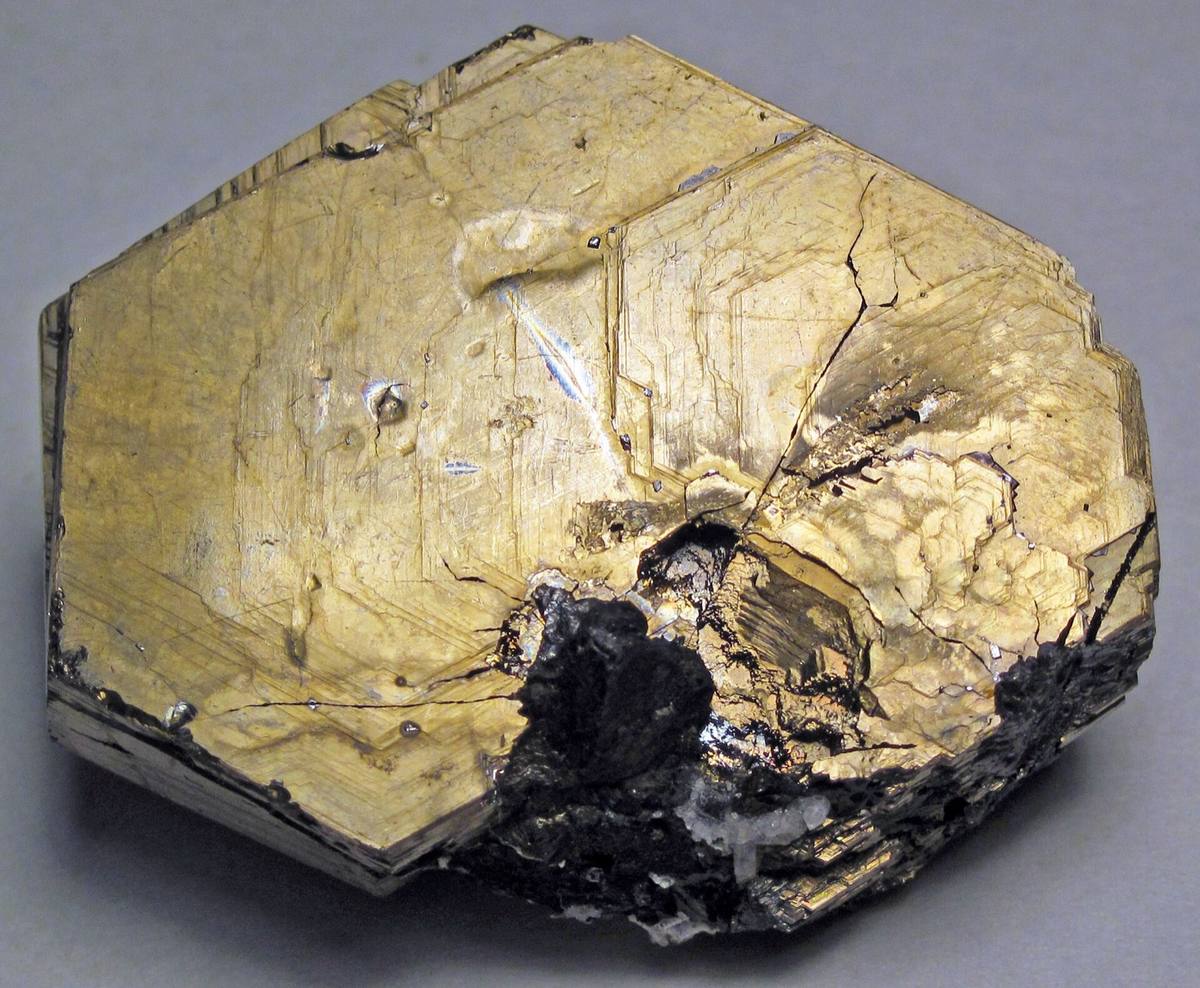
All properties
- Chemical formula
- Bi₄Te₂S
- Mohs hardness
- 2
- Density
- 8.3 g/cm³
- Colors
- Streak
- Gray
- Luster
- Metallic
- Transparency
- Opaque
- Crystal system
- Trigonal
- Crystal habit
- Tabular crystals, foliated masses, or lamellar
- Cleavage
- {0001}, perfect
- Rarity
- Rare
- Uses
- Collector
- Host rock
- In quartz and skarn (Hedley, Canada)
Where rockhounds find joséite-b
Classic worldwide localities
- Glacier Gulch, Hudson Bay Mountain, near Smithers (type locality), British Columbia, Canada
- Good Hope claim, near Hedley, Osoyoos mining division, British Columbia, Canada
- Stepnyak gold deposit, Kazakhstan
- Sosukchan deposit, northeastern Sakha, Russia
- Shumilovsk Sn–W deposit, and the gold placer Krasnyi Klyuch, Baikal region, eastern Siberia, Russia
- Kingsgate, New South Wales, Australia
Field-hunting tip
Where it forms: In quartz and skarn (Hedley, Canada). If you start seeing bismuth, gold, joséite in float, you are in the right ground. Typical habit: tabular crystals, foliated masses, or lamellar. Train your eye for that shape before scanning the outcrop.
Common questions
How do you identify joséite-b?+
Where is joséite-b found?+
Is joséite-b safe to handle?+
What rocks look like joséite-b?+
What minerals are found with joséite-b?+
What kind of rock does joséite-b form in?+
What is joséite-b used for?+
Find joséite-b on the map
RockHoundR shows mapped rockhounding spots, access rules, and lets you log every find.

