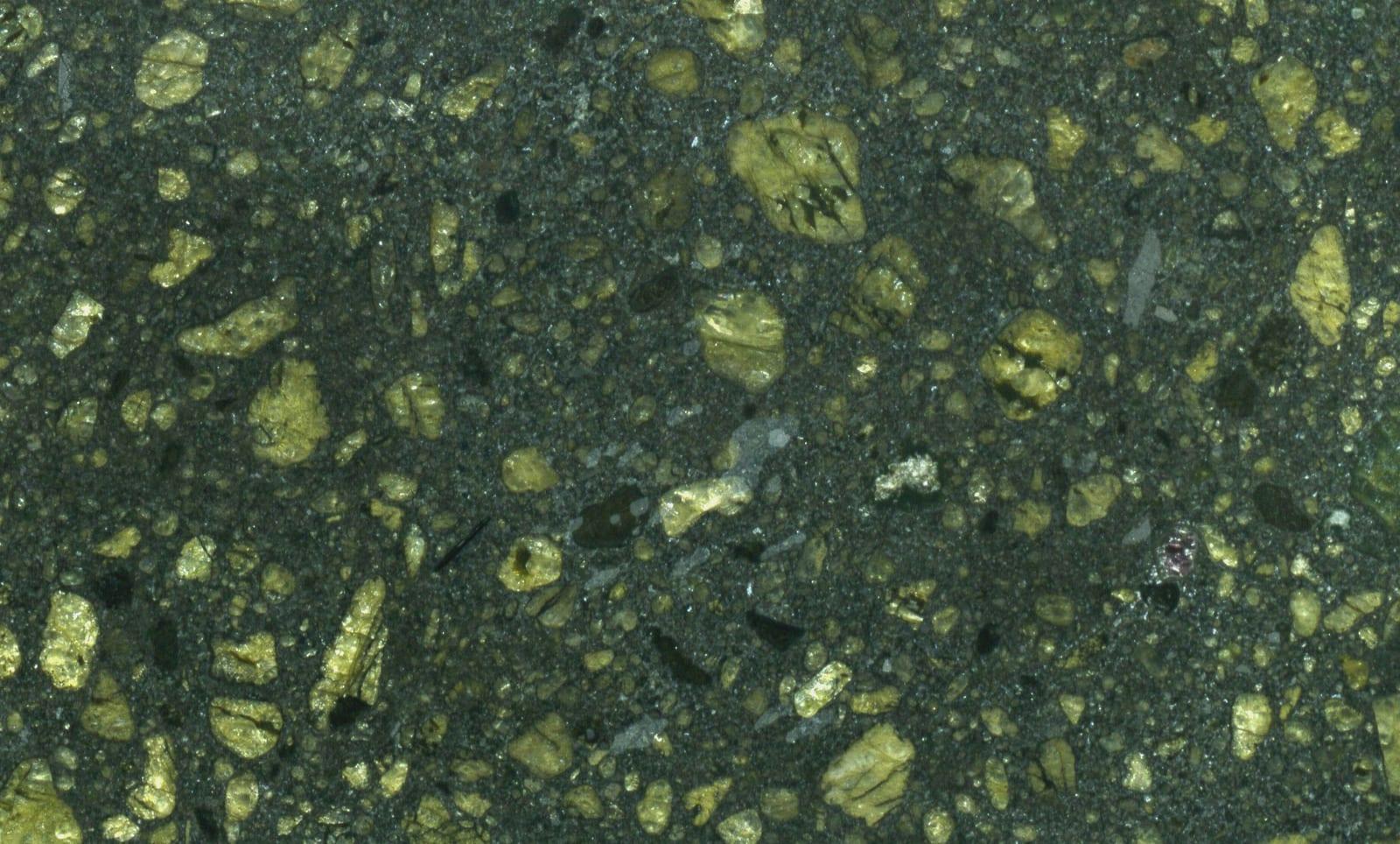
Lamproite is a rare, ultrapotassic volcanic or sub-volcanic rock known for its potential to host economic diamond deposits. It typically occurs as volcanic pipes and dikes, characterized by a complex mineralogy often dominated by phlogopite and leucite.
Is this lamproite?
3-step field checkRun through these checks against the specimen in your hand. The more boxes tick, the more confident the ID.
- 1Pick out the mineralsComposition: Forsteritic olivine, leucite, titanium-rich phlogopite, richterite, diopside and sanidine; 6 to 8 percent potassium oxide. Identify the two or three most abundant grains.
- 2Read the lusterHold the specimen under a strong light. Luster: dull.
- 3Match the color rangeCompare against the expected color range: gray, greenish-gray, brown, dark-gray.
Often confused with
Lamproite vs. its common look-alikes, and how to tell them apart in the field.
Often found alongside lamproite
Minerals reported to co-occur with lamproite. Spotting these in float or country rock is a strong cue you are in the right ground.
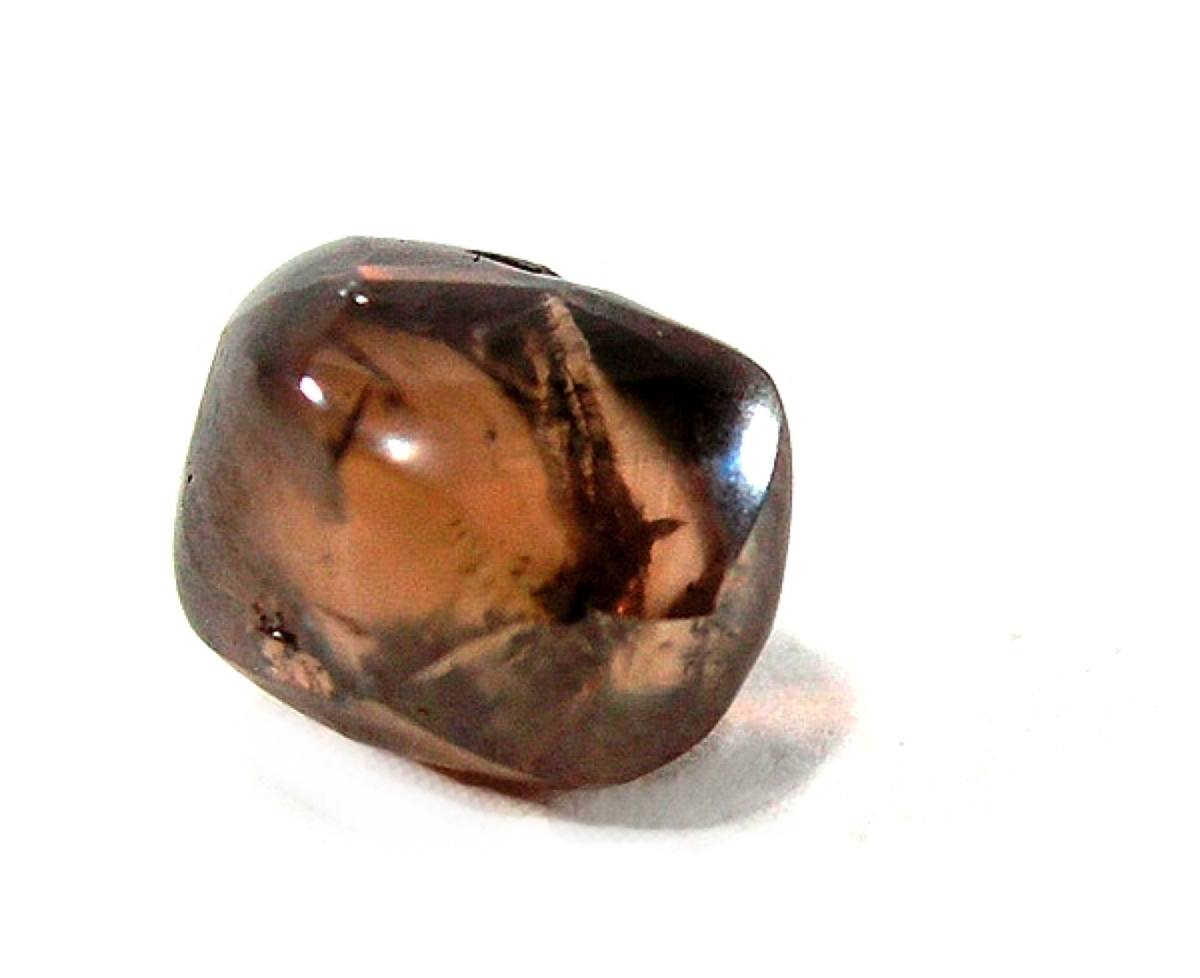
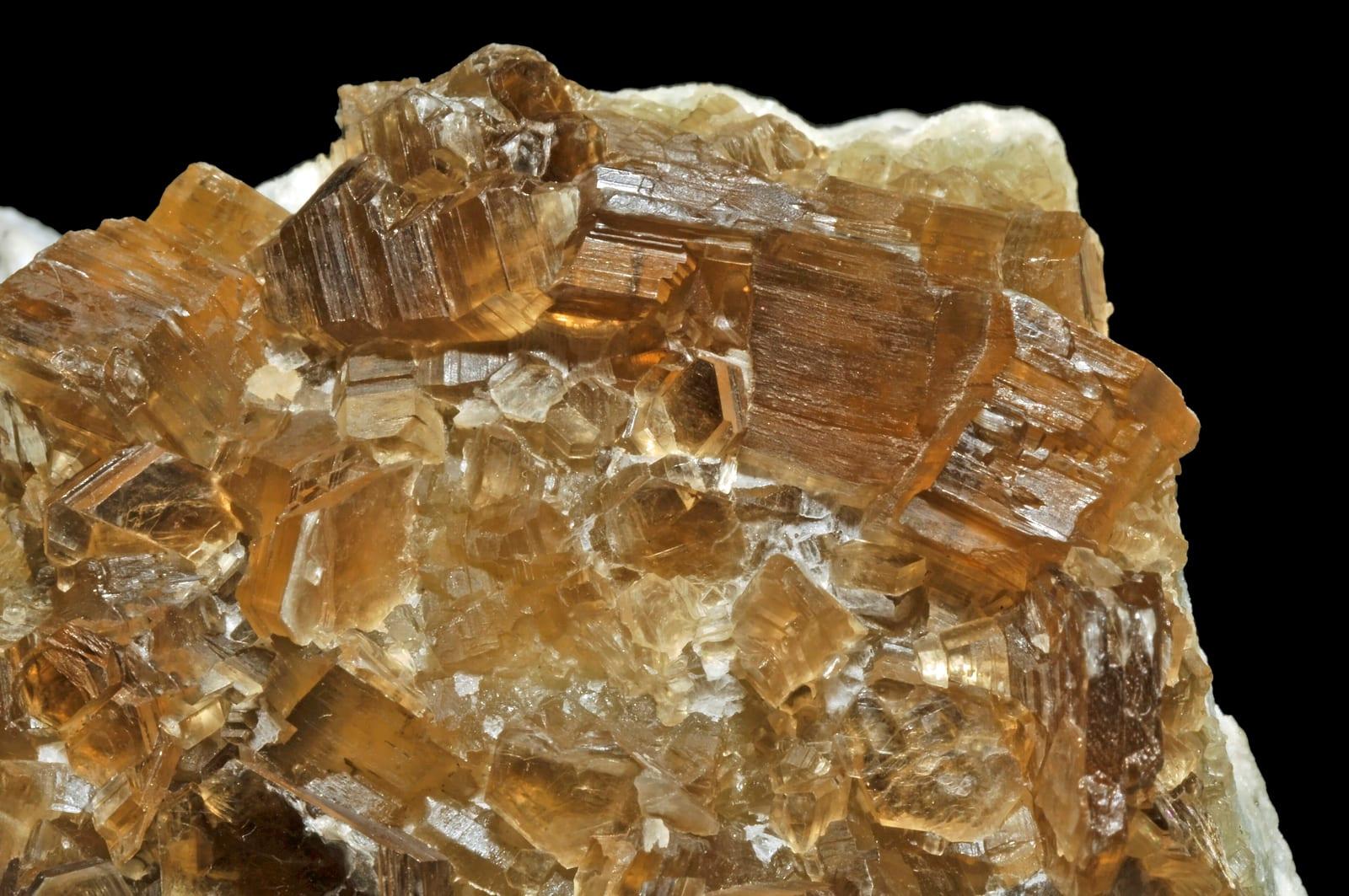
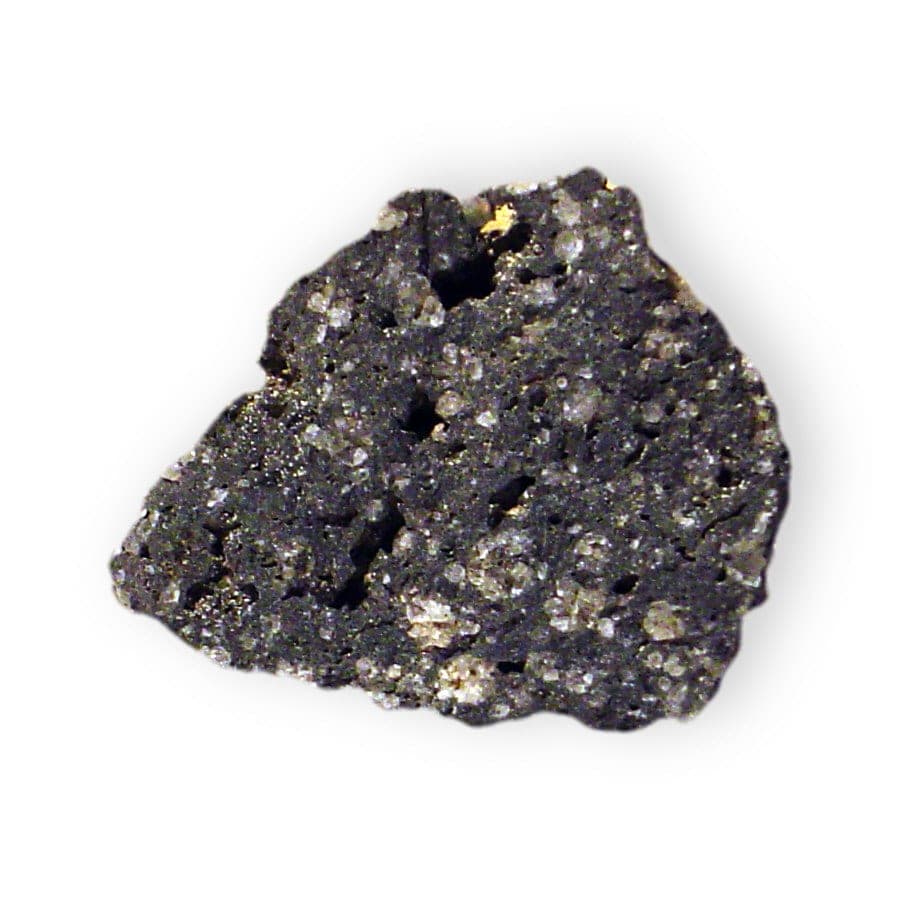
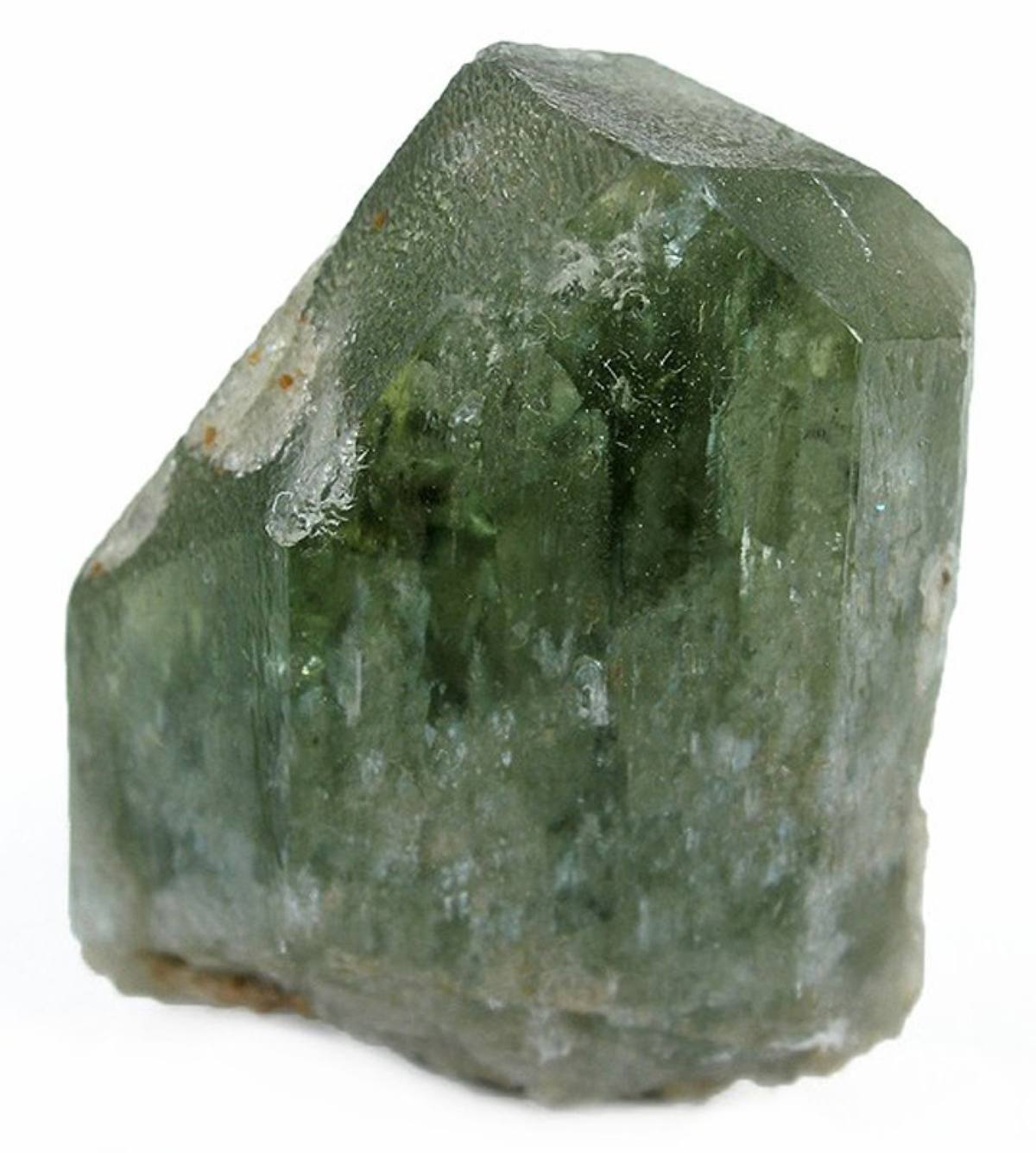
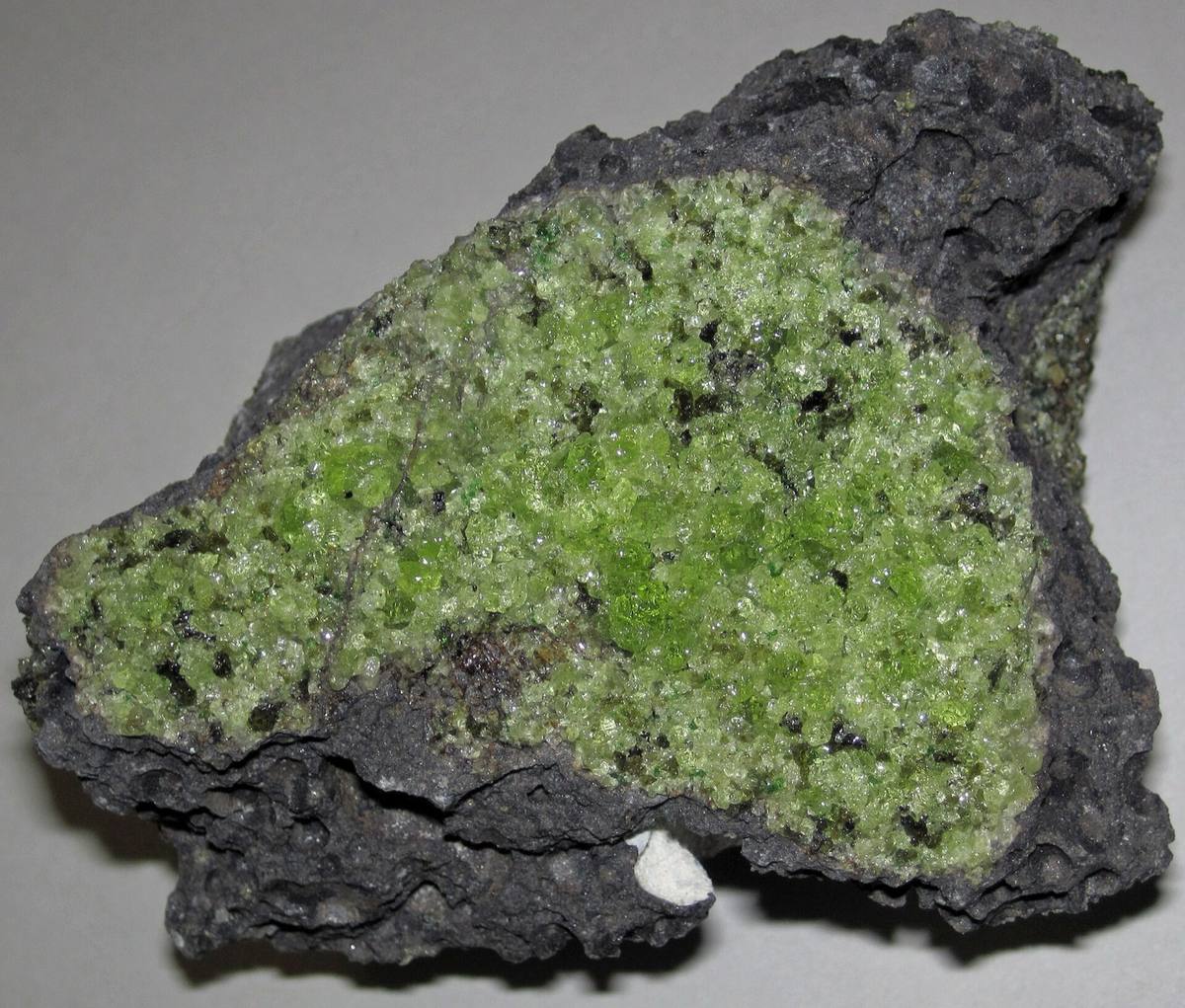
All properties
- Density
- 2.5-2.8 g/cm³
- Luster
- Dull
- Transparency
- Opaque
- Rarity
- Rare
- Uses
- Geological research, Diamond prospecting
- Host rock
- volcanic and sub-volcanic pipes and dikes
- Composition
- Forsteritic olivine, leucite, titanium-rich phlogopite, richterite, diopside and sanidine; 6 to 8 percent potassium oxide
Where rockhounds find lamproite
Classic worldwide localities
- Argyle Mine, Australia
- Leucite Hills, USA
- Spain
- India
Field-hunting tip
Where it forms: volcanic and sub-volcanic pipes and dikes. If you start seeing diamond, phlogopite, leucite in float, you are in the right ground.
Common questions
How do you identify lamproite?+
Where is lamproite found?+
What rocks look like lamproite?+
What minerals are found with lamproite?+
What kind of rock does lamproite form in?+
What is lamproite used for?+
Find lamproite on the map
RockHoundR shows mapped rockhounding spots, access rules, and lets you log every find.