
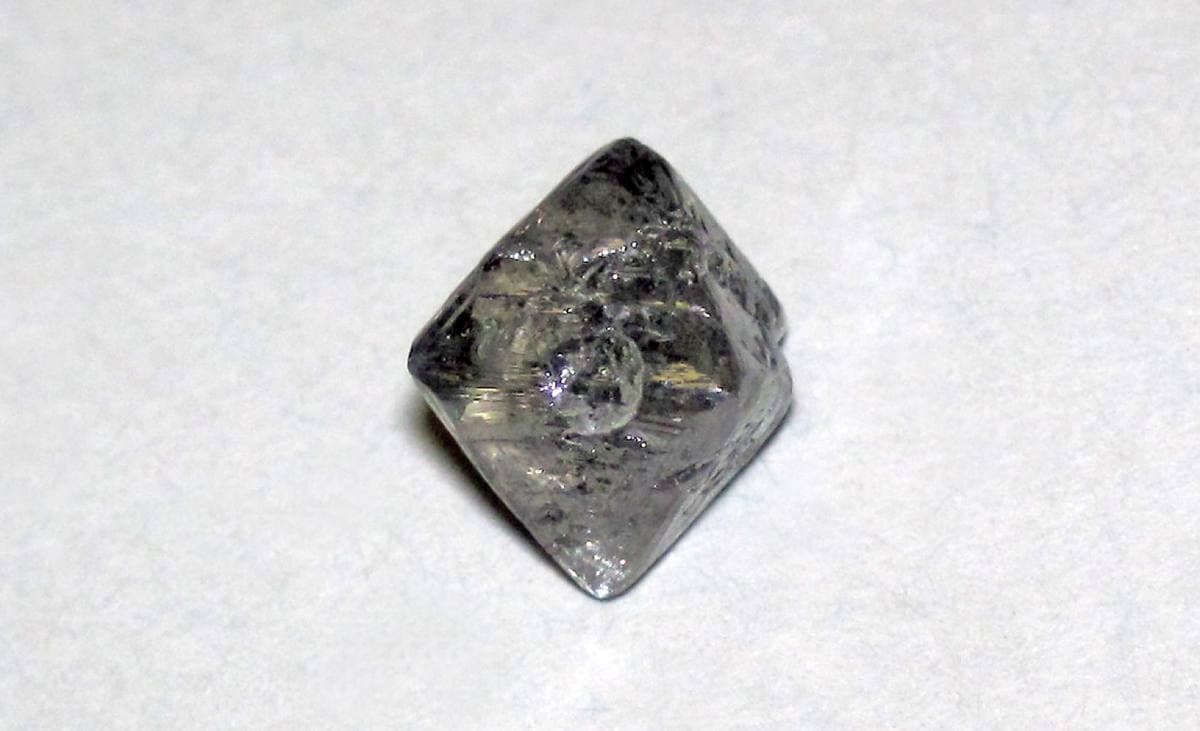
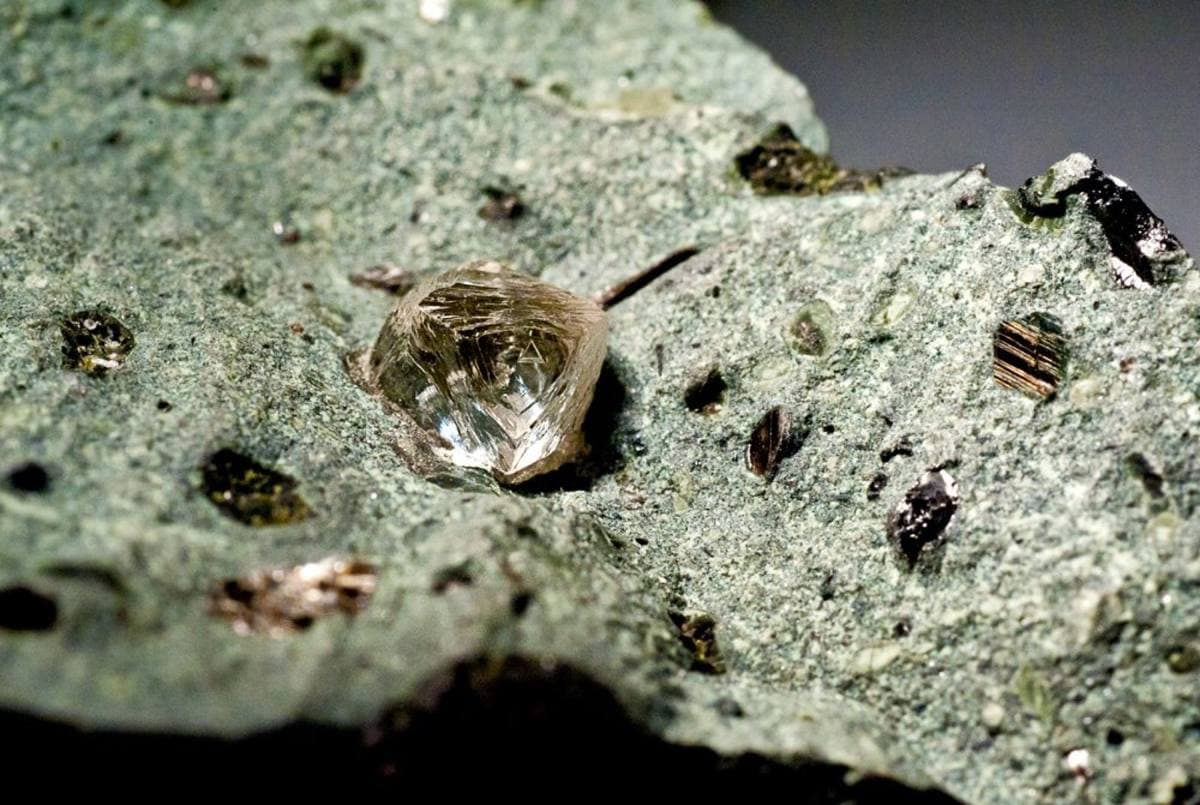
Diamond is the hardest known natural material, composed purely of carbon in a rigid cubic crystal lattice. It is most commonly found in kimberlite pipes or secondary alluvial deposits, often exhibiting octahedral or dodecahedral habits with a distinctive adamantine luster.
Spotting diamond in the field
Field marks- 1
Rounded octahedral crystals with a distinctive greasy, soapy surface luster
- 2
Hardness 10, so nothing scratches it
- 3
Dirt and dust slide off rather than clinging, which is how experienced hunters spot them
The greasy, non-wetting surface is the practical field mark: a diamond in the dirt looks oddly clean because water and dust do not stick to it, and it has a soapy sheen quite unlike glassy quartz. Crater of Diamonds State Park in Arkansas is the only place in the world where the public can dig for diamonds on a working volcanic pipe and keep whatever they find. The field is plowed periodically, and the two productive strategies are surface hunting after heavy rain, which washes the soil off, and wet sifting.
Straight answers
- Is it worth cutting?
- Not a hobbyist material. Cutting diamond requires specialist equipment, and park staff will identify a find for free.
- What is it really worth?
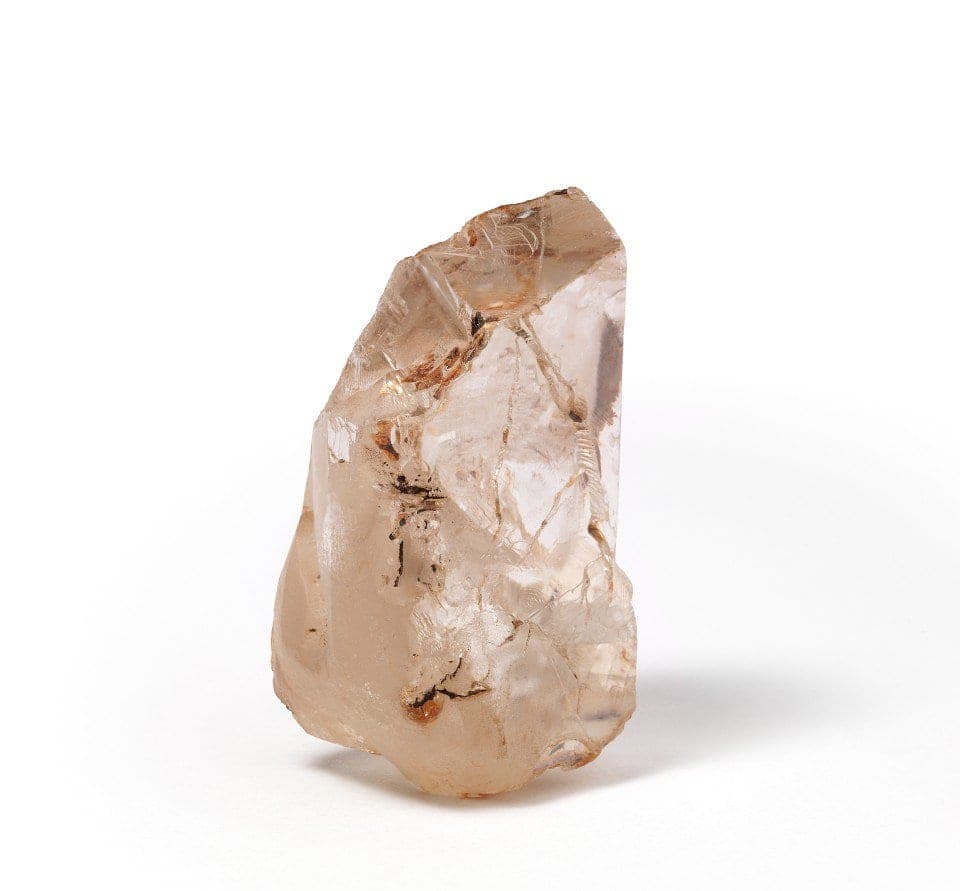
- Most finds are small, under half a carat, and brown or yellow. That is still a real diamond you dug yourself, which is the point. Large finds happen a few times a decade and make the news.
- Can you legally keep it?
- Crater of Diamonds State Park charges an admission fee and lets you keep everything you find, with no size limit. Hand tools only, no power equipment, and the park has clear rules on what digging is allowed.
Where it is worth going
- Crater of Diamonds State ParkMurfreesboro, Pike County, Arkansas
The only public diamond-bearing site in the world. Pay admission, dig the plowed field, keep what you find.
Often confused with
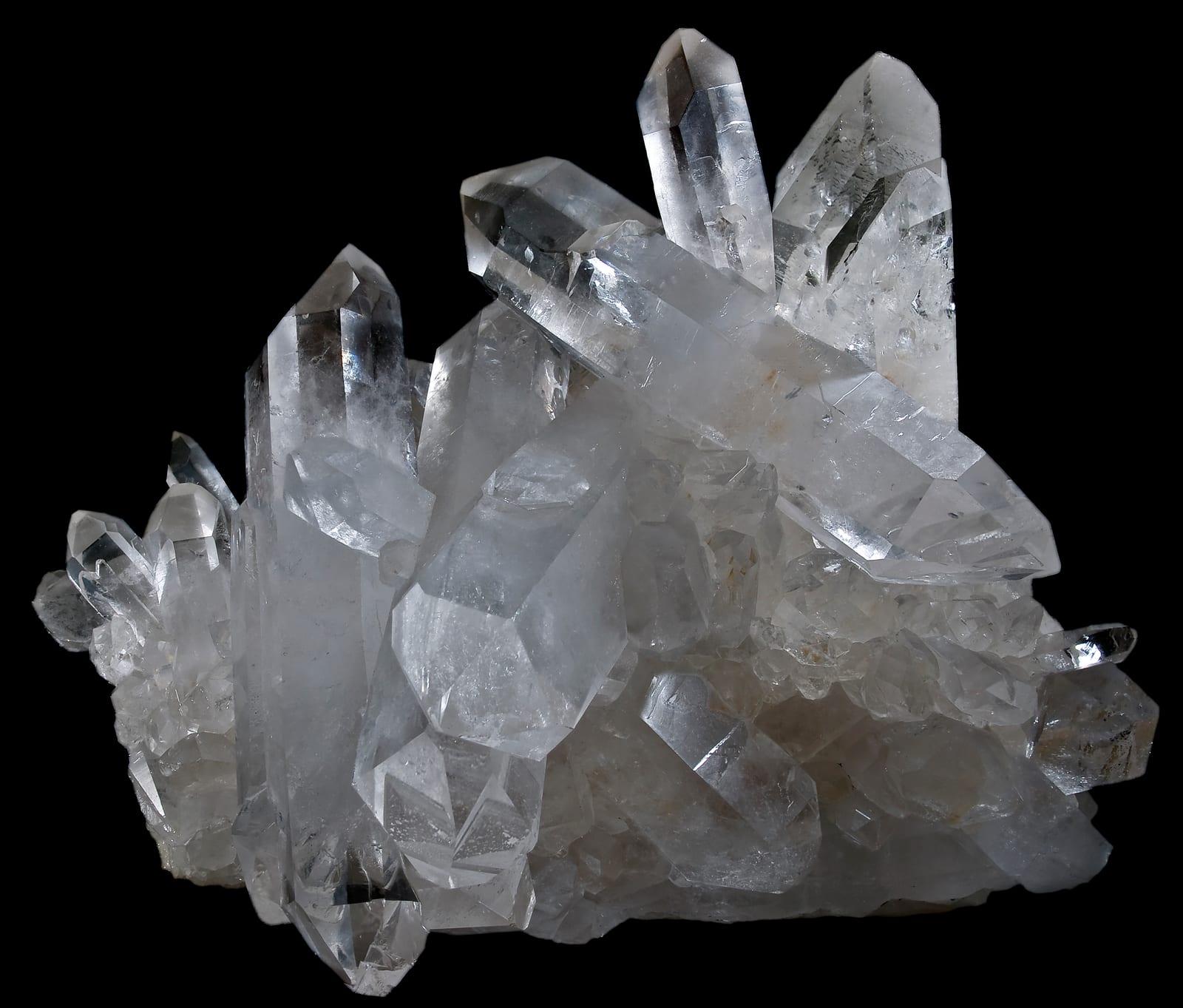
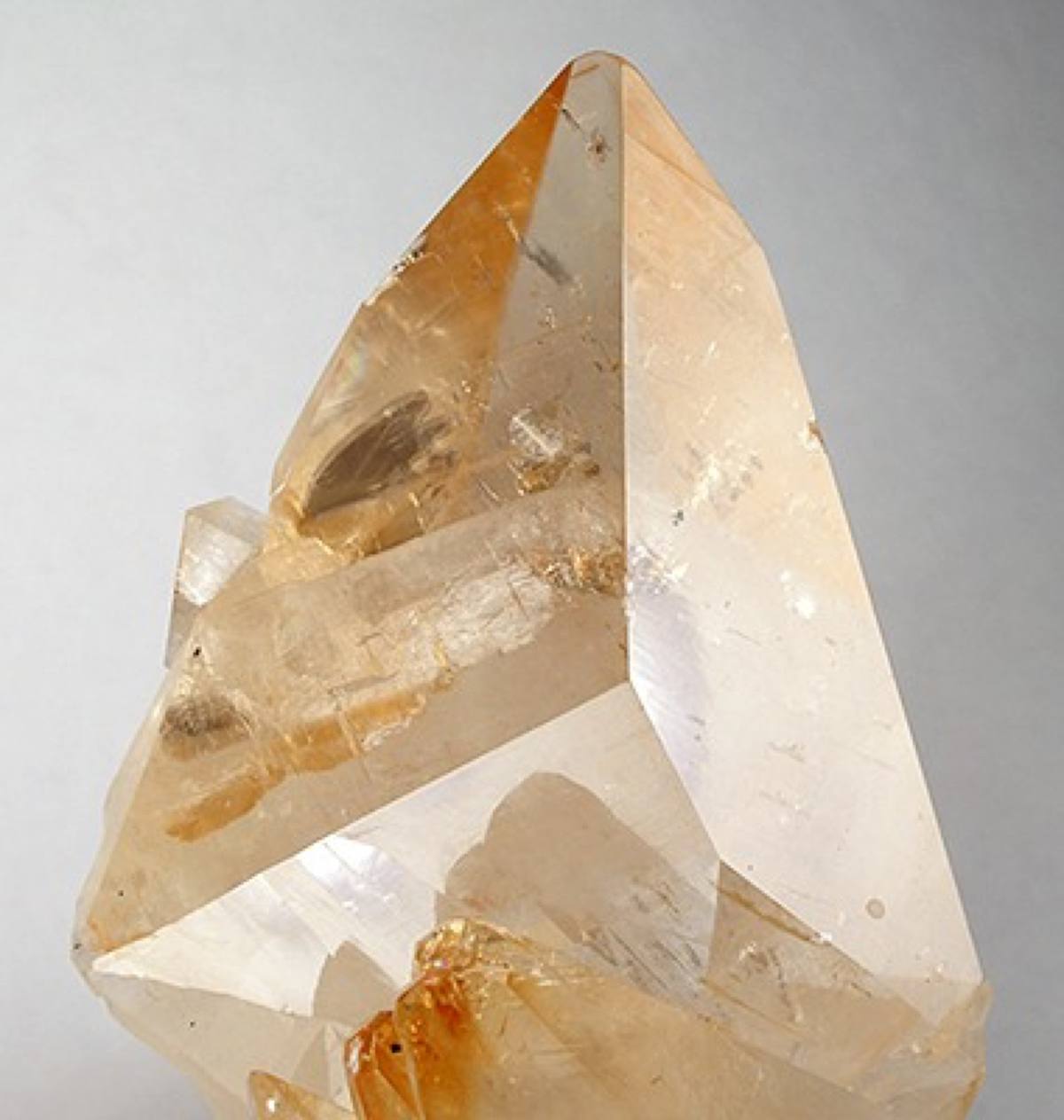
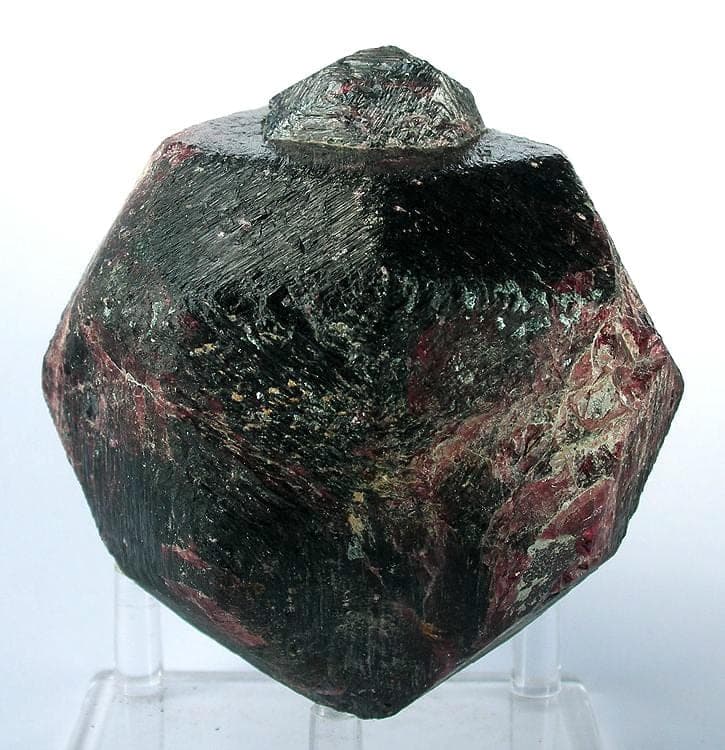
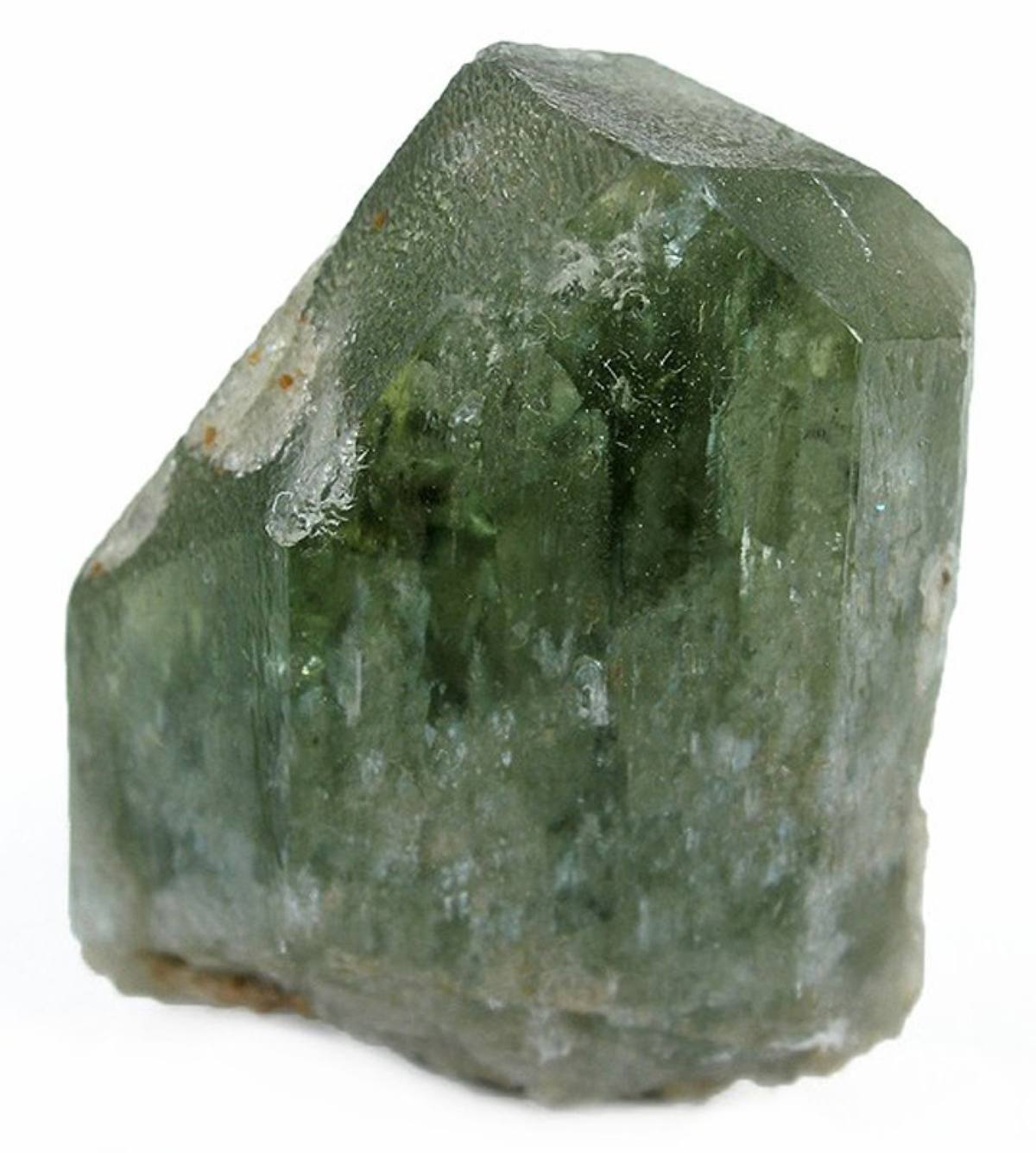
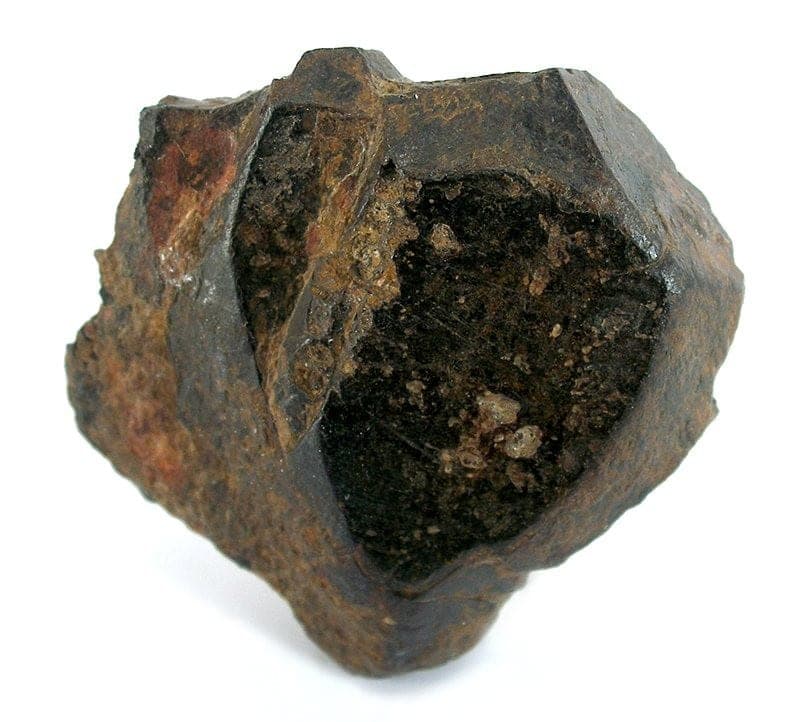
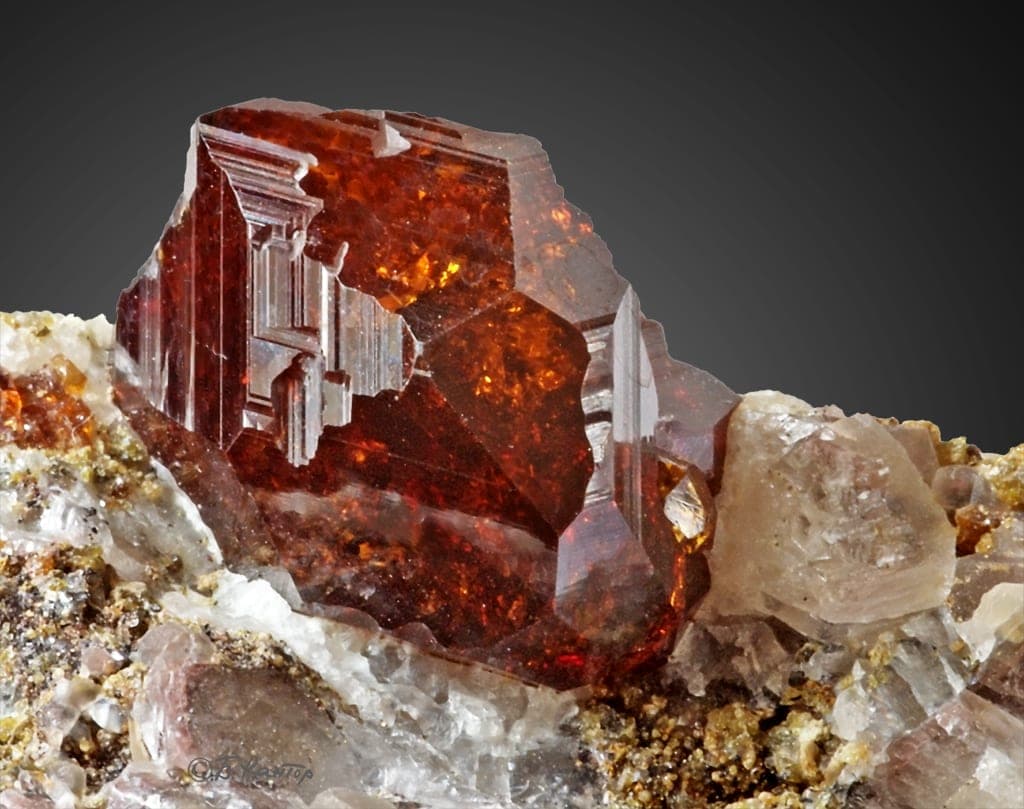
Diamond vs. its common look-alikes, and how to tell them apart in the field.
Often found alongside diamond
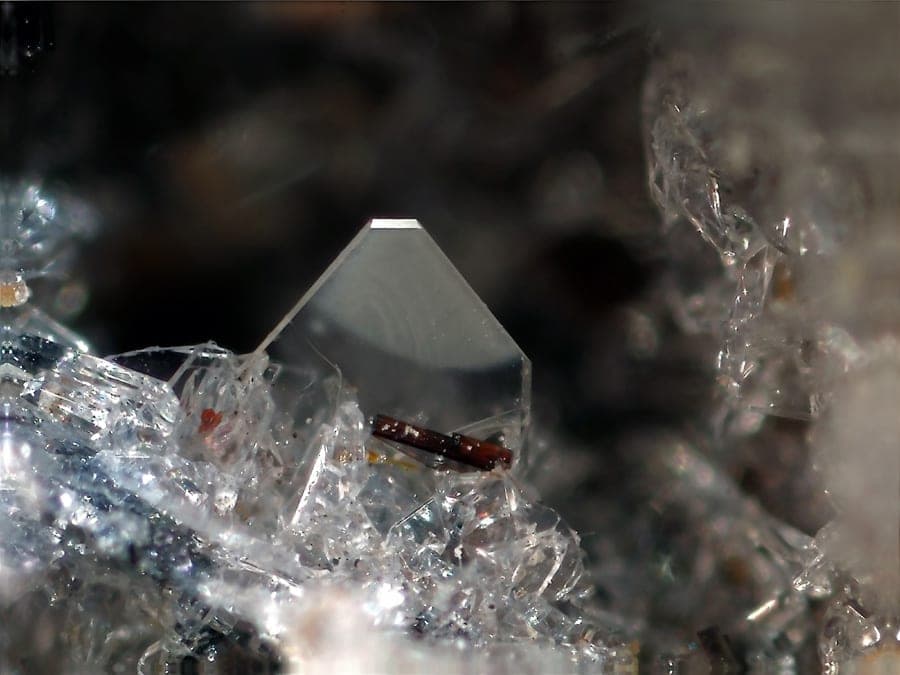
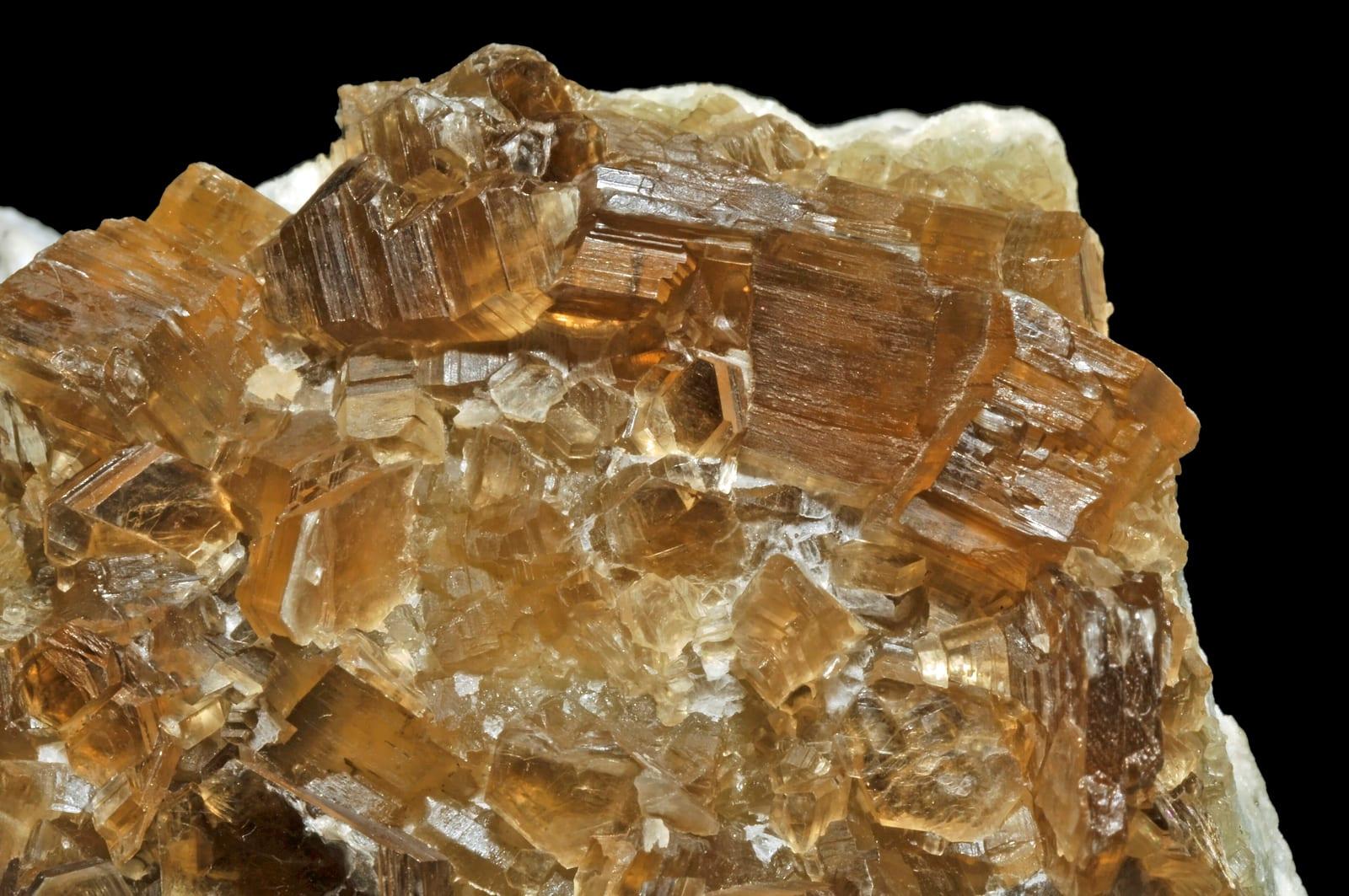
Minerals reported to co-occur with diamond. Spotting these in float or country rock is a strong cue you are in the right ground.
All properties
- Chemical formula
- C
- Mohs hardness
- 10
- Density
- 3.511 g/cm³
- Streak
- Colorless
- Luster
- Adamantine to greasy
- Transparency
- Transparent to translucent
- Crystal system
- Cubic
- Crystal habit
- Octahedral crystals, cubic crystals, macles
- Cleavage
- {111}, perfect
- Fluorescence
- Blue under SW and LW UV
- Rarity
- Common
- Uses
- Gemstone, Industrial, Abrasive, Collector
- Host rock
- Primarily formed in pipes, less commonly in dikes, of deep-seated, igneous origin, composed of kimberlite or lamproite, and in alluvial deposits formed by their weathering
Where rockhounds find diamond
27 mapped spotsClassic worldwide localities
- Dia, in the Golconda region, and near Nágpur and Bundelkhand
- Area around Diamantina, Minas Gerais, Brazil
- Formerly obtained from the Orange and Vaal Rivers, South Africa
- Still from along the coast north into Namibia, with offshore reserves estimated at 3 Bct, South Africa
- Lunda Norte Province, Angola, Congo
- Bakwanga and Tchikapa, Kasai Province, Congo (Zaire)
U.S. states with diamond
Each link opens a state-specific list of mapped rockhounding spots that produce diamond.
Field-hunting tip
Where it forms: Primarily formed in pipes, less commonly in dikes, of deep-seated, igneous origin, composed of kimberlite or lamproite, and in alluvial deposits formed by their weathering. If you start seeing forsterite, phlogopite, pyrope in float, you are in the right ground. Typical habit: octahedral crystals, cubic crystals, macles. Train your eye for that shape before scanning the outcrop. In the U.S., the densest reported localities are in North Carolina, Wisconsin, California. Start trip planning there.
More diamond photos
Common questions
How do you identify diamond?+
Where is diamond found?+
Can I find diamond in the United States?+
What rocks look like diamond?+
What minerals are found with diamond?+
What kind of rock does diamond form in?+
What is diamond used for?+
Find diamond on the map
RockHoundR shows mapped rockhounding spots, access rules, and lets you log every find.

