Kimberlite is a rare, potassic volcanic rock best known as the primary host rock for diamonds. It typically occurs in vertical, carrot-shaped structures known as volcanic pipes and is characterized by a porphyritic texture containing phenocrysts of olivine and phlogopite within a fine-grained matrix.
Is this kimberlite?
5-step field checkRun through these checks against the specimen in your hand. The more boxes tick, the more confident the ID.
- 1Test the hardnessTry to scratch kimberlite with a known reference. Kimberlite sits at Mohs 3-5, softer than the next harder reference, harder than the previous one.
- 2Read the textureLook at a fresh break with a hand lens. Texture: Inequigranular: large phenocrysts in a fine- to medium-grained groundmass. Grain size: Phenocrysts from 0.5 mm to 200 mm.
- 3Pick out the mineralsComposition: Olivine, pyrope, chromian diopside, magnesian ilmenite and phlogopite; over 12 percent magnesium oxide. Identify the two or three most abundant grains.
- 4Read the lusterHold the specimen under a strong light. Luster: dull.
- 5Match the color rangeCompare against the expected color range: dark gray, bluish gray, greenish gray, brown.
Often confused with
Kimberlite vs. its common look-alikes, and how to tell them apart in the field.
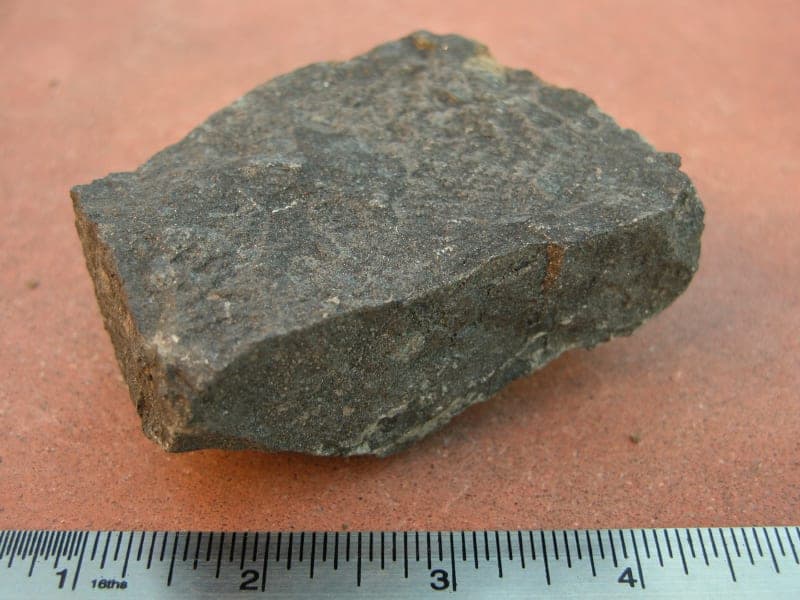
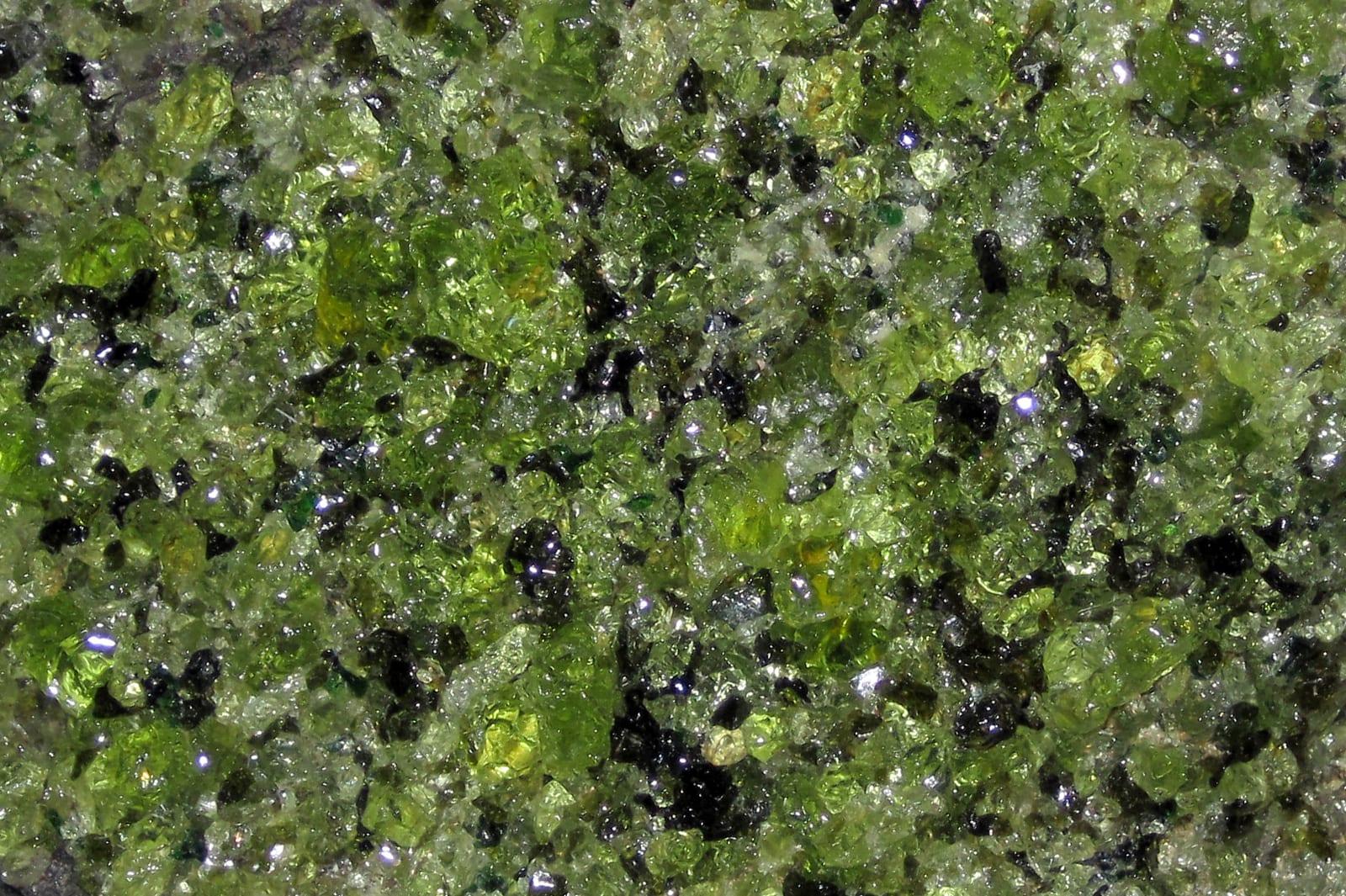
Often found alongside kimberlite
Minerals reported to co-occur with kimberlite. Spotting these in float or country rock is a strong cue you are in the right ground.
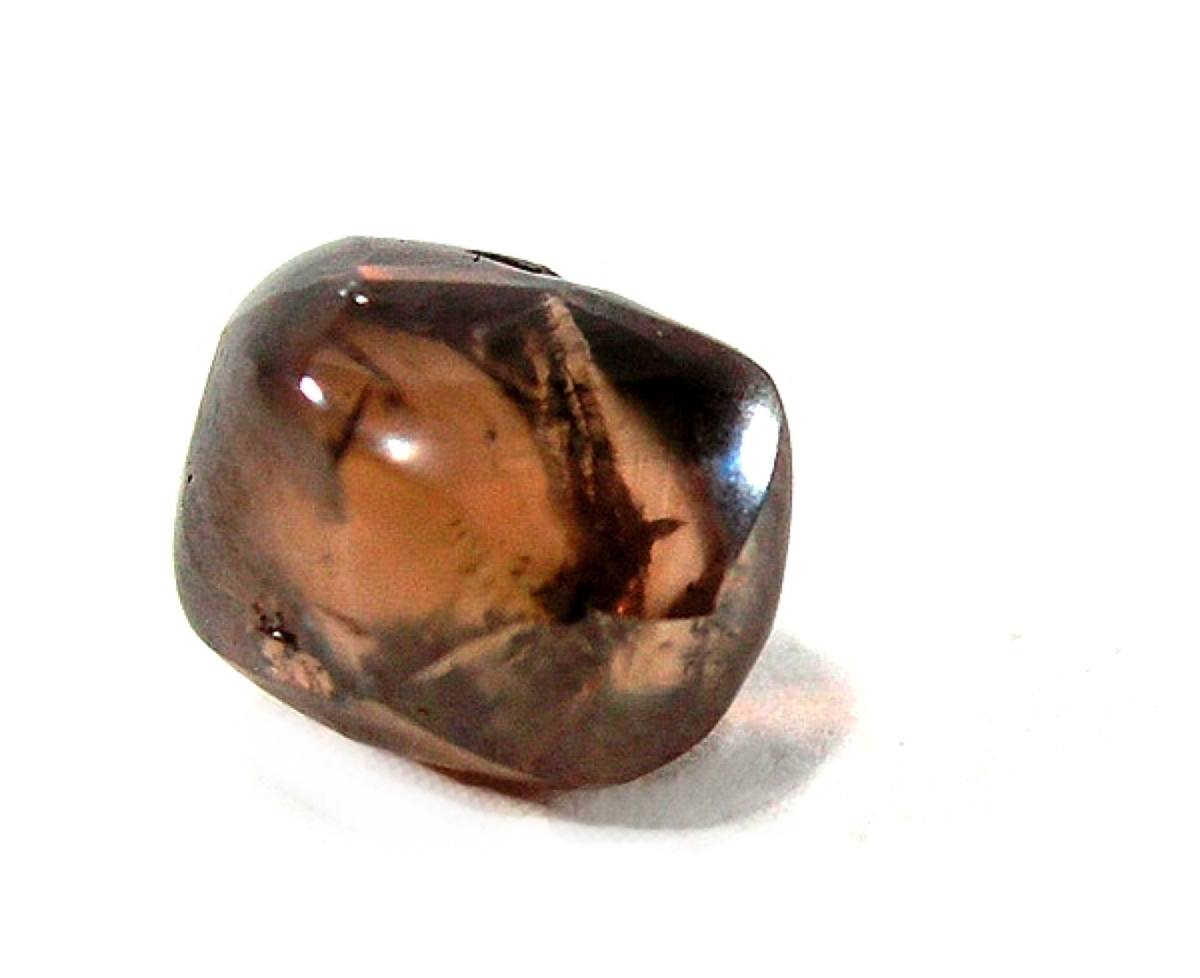
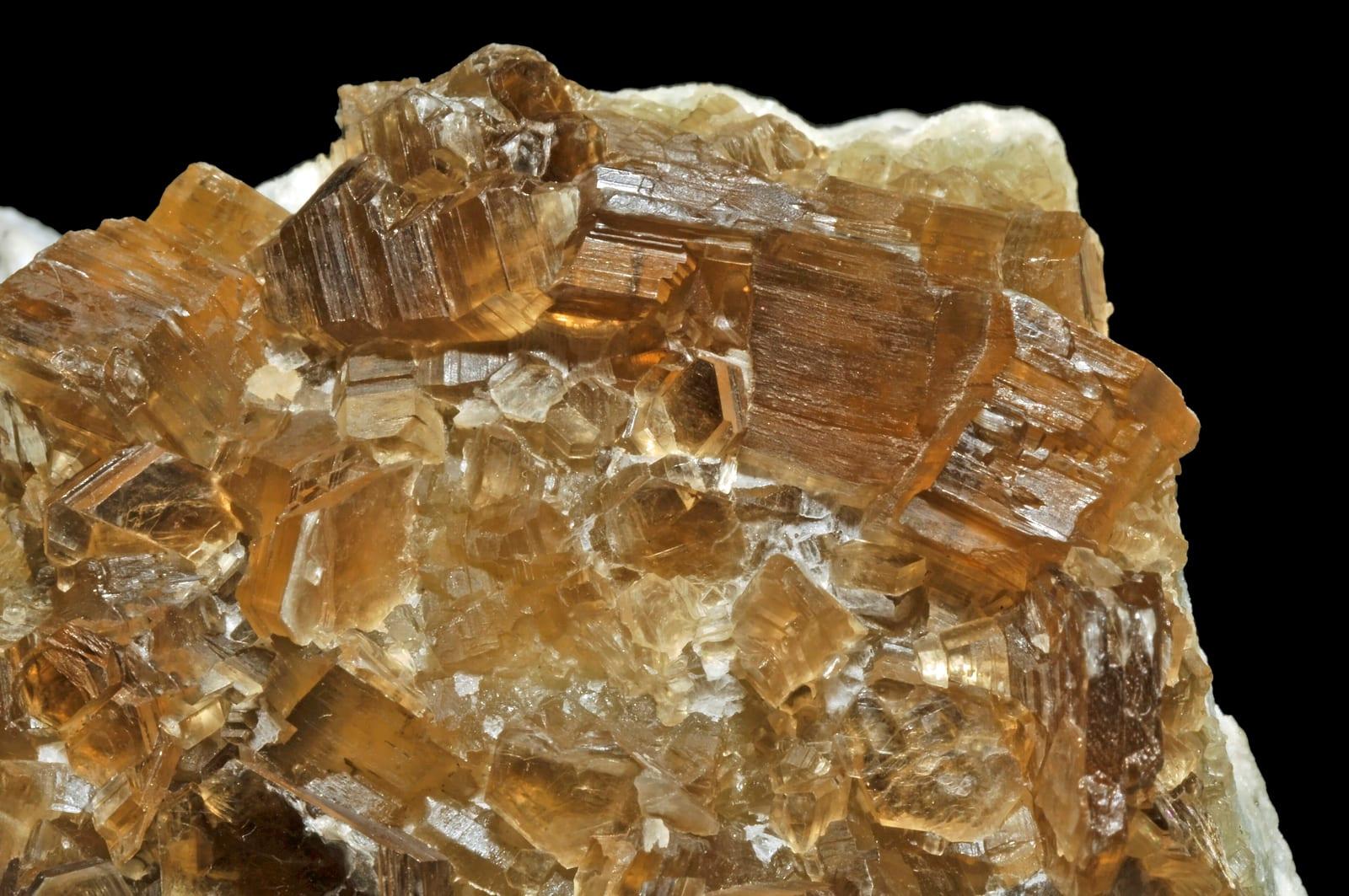
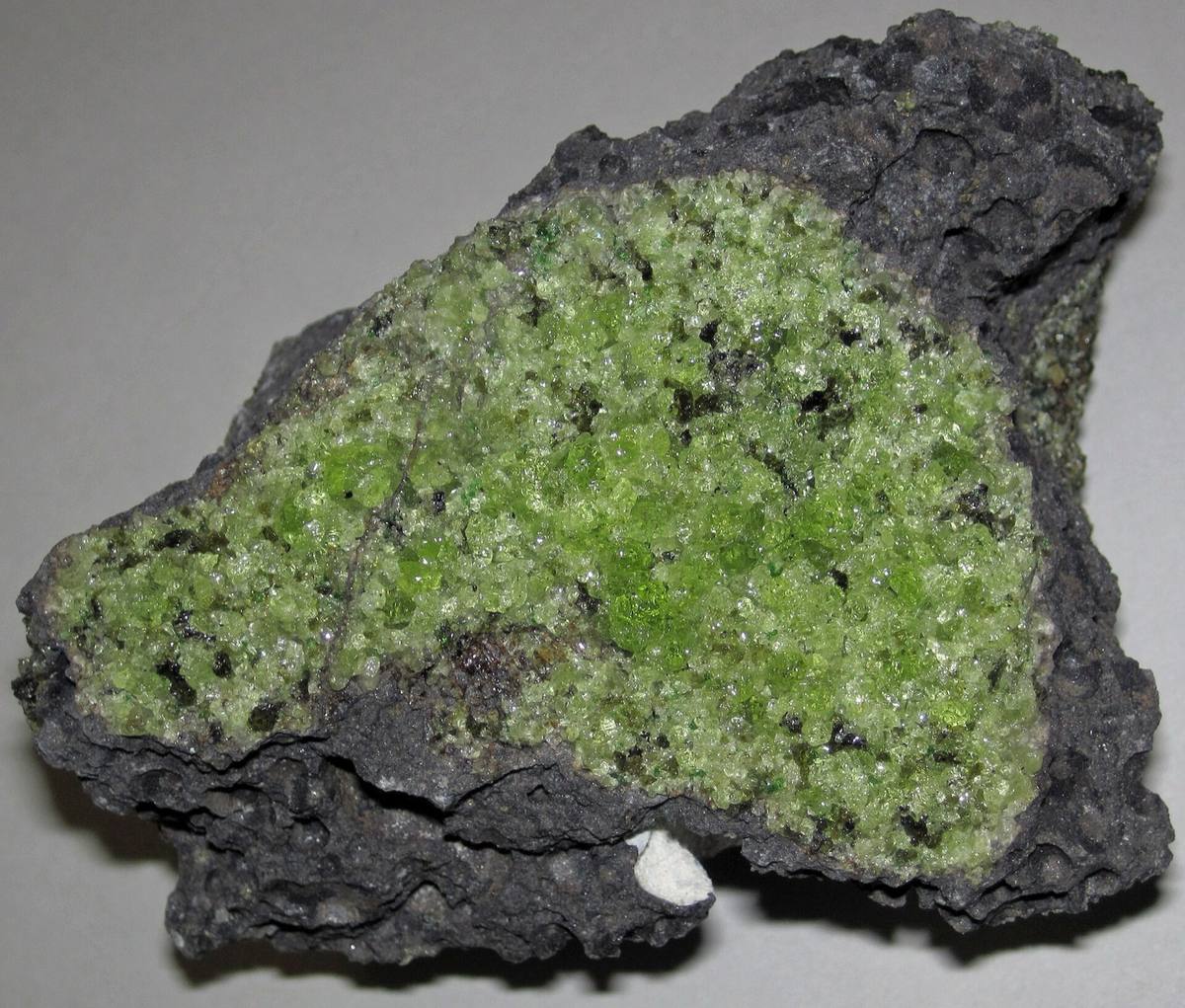
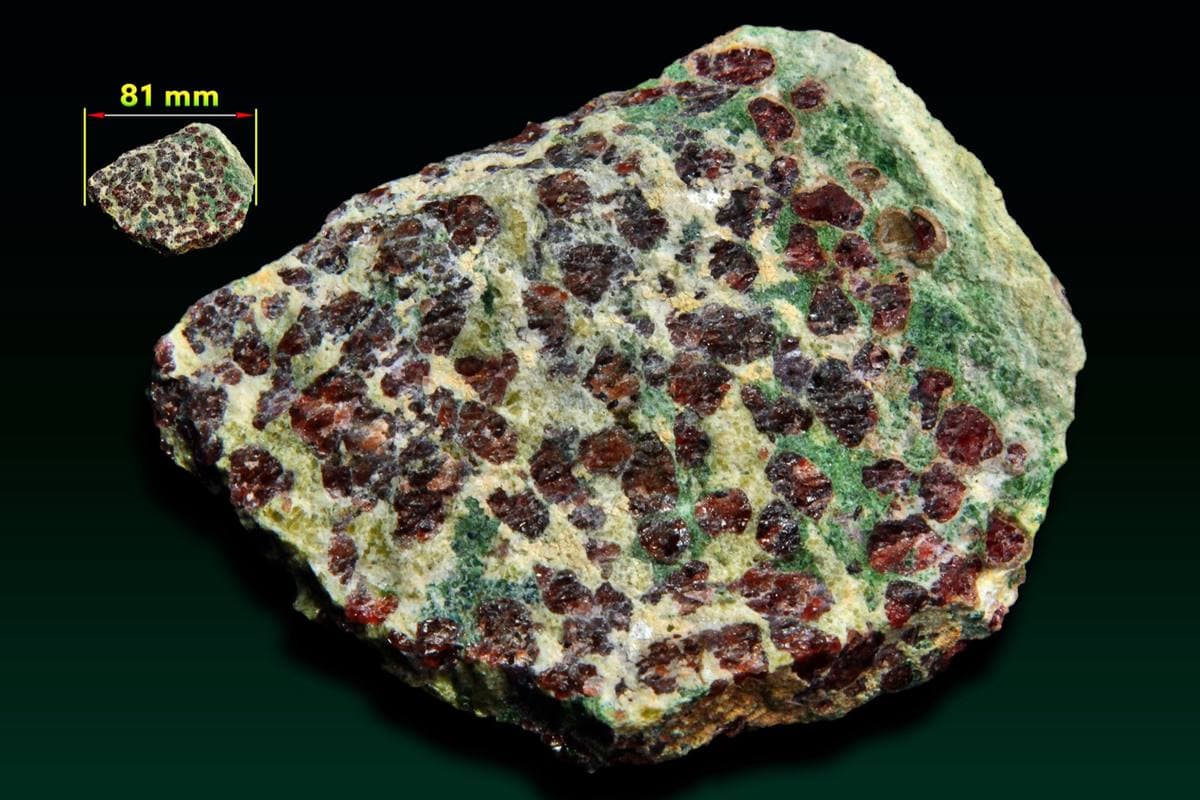
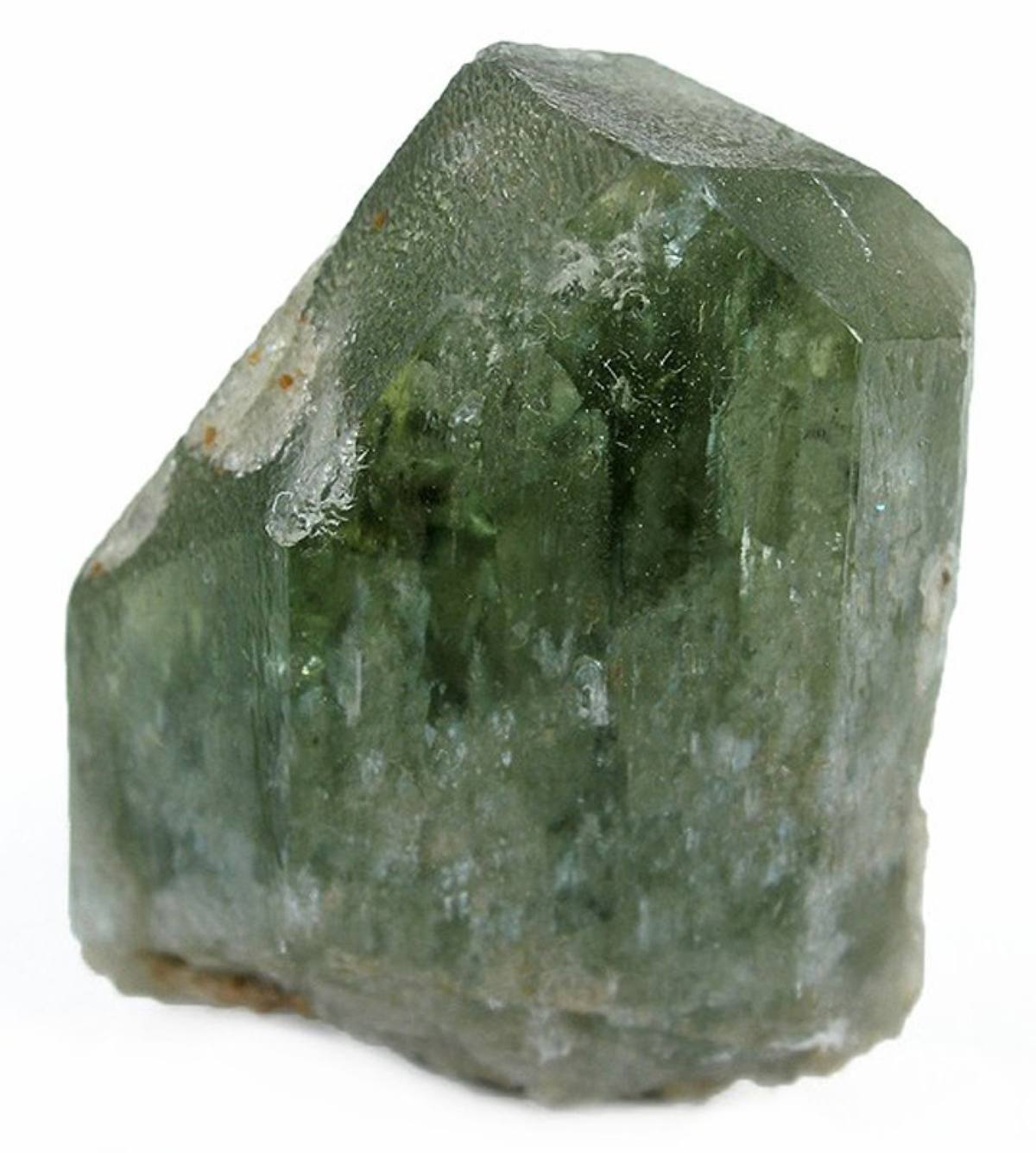
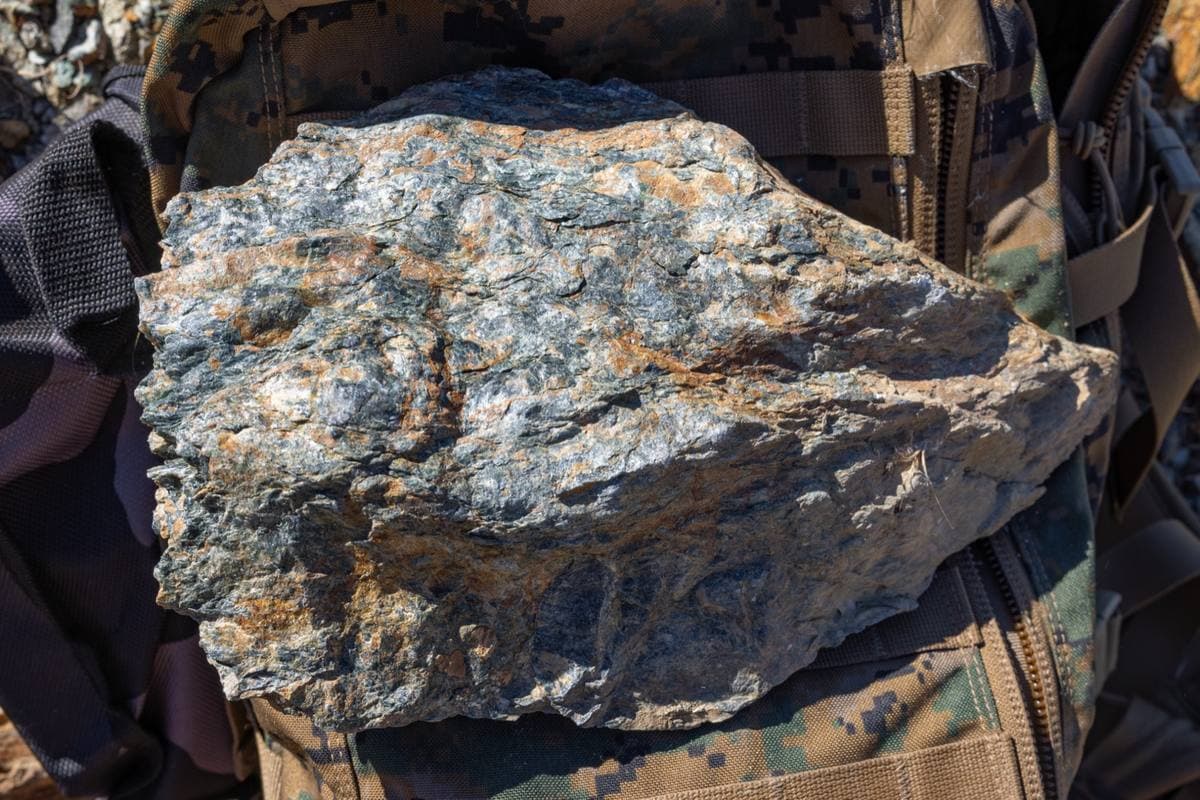
All properties
- Mohs hardness
- 3-5
- Density
- 2.6-2.9 g/cm³
- Luster
- Dull
- Transparency
- Opaque
- Rarity
- Uncommon
- Uses
- Collector, Geological study
- Host rock
- volcanic pipes
- Texture
- Inequigranular: large phenocrysts in a fine- to medium-grained groundmass
- Grain size
- Phenocrysts from 0.5 mm to 200 mm
- Composition
- Olivine, pyrope, chromian diopside, magnesian ilmenite and phlogopite; over 12 percent magnesium oxide
Where rockhounds find kimberlite
Classic worldwide localities
- Kimberley, South Africa
- Yakutia, Russia
- Ellendale, Australia
- Ekati, Canada
- Argyle, Australia
Field-hunting tip
Where it forms: volcanic pipes. If you start seeing diamond, phlogopite, olivine in float, you are in the right ground.
Common questions
How do you identify kimberlite?+
Where is kimberlite found?+
What rocks look like kimberlite?+
What minerals are found with kimberlite?+
What kind of rock does kimberlite form in?+
What is kimberlite used for?+
Find kimberlite on the map
RockHoundR shows mapped rockhounding spots, access rules, and lets you log every find.