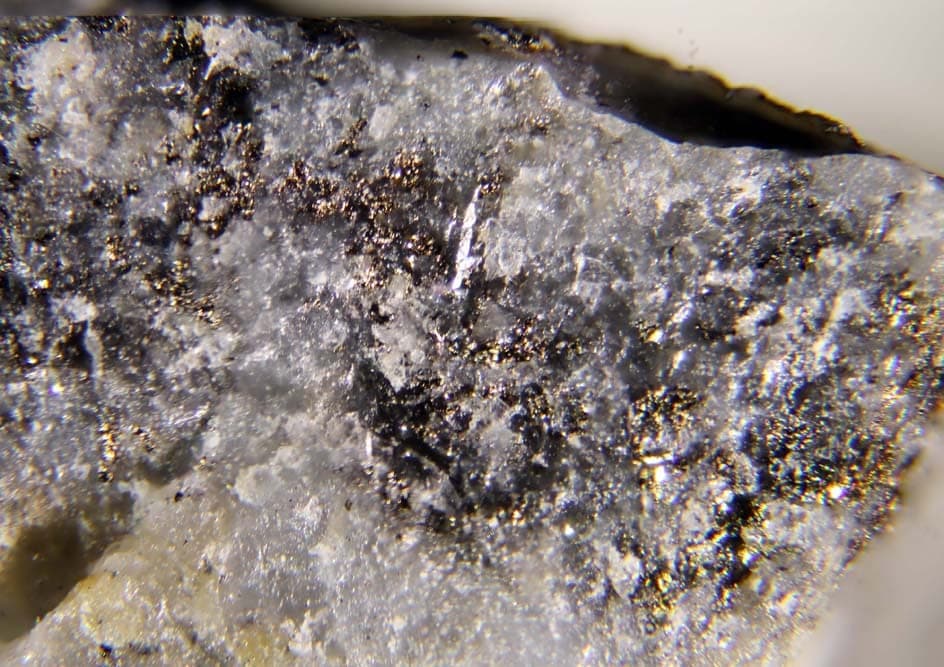
Luzonite is a rare copper arsenic sulfide that is dimorphous with enargite, typically forming as fine-grained, massive aggregates in epithermal deposits. It is best identified by its distinct pinkish-brown to reddish-brown tint compared to the grayer shades of enargite, often found intergrown with it in hydrothermal ores.
Is this luzonite?
5-step field checkRun through these checks against the specimen in your hand. The more boxes tick, the more confident the ID.
- 1Test the hardnessTry to scratch luzonite with a known reference. Luzonite sits at Mohs 3.5, softer than the next harder reference, harder than the previous one.
- 2Check the streakDrag the specimen across an unglazed porcelain plate. Streak: black.
- 3Read the lusterHold the specimen under a strong light. Luster: metallic, dull.
- 4Match the color rangeCompare against the expected color range: gray, dark pink brown, red.
- 5Look at form & habitCrystal system: tetragonal. Typical habit: euhedral crystals, granular.
Often confused with
Luzonite vs. its common look-alikes, and how to tell them apart in the field.
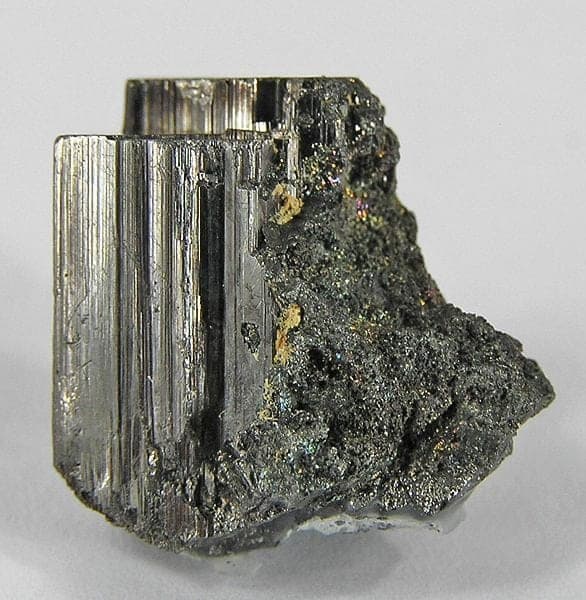
How to tell apart: Streak differs, so Luzonite leaves black, Enargite leaves grayish black.
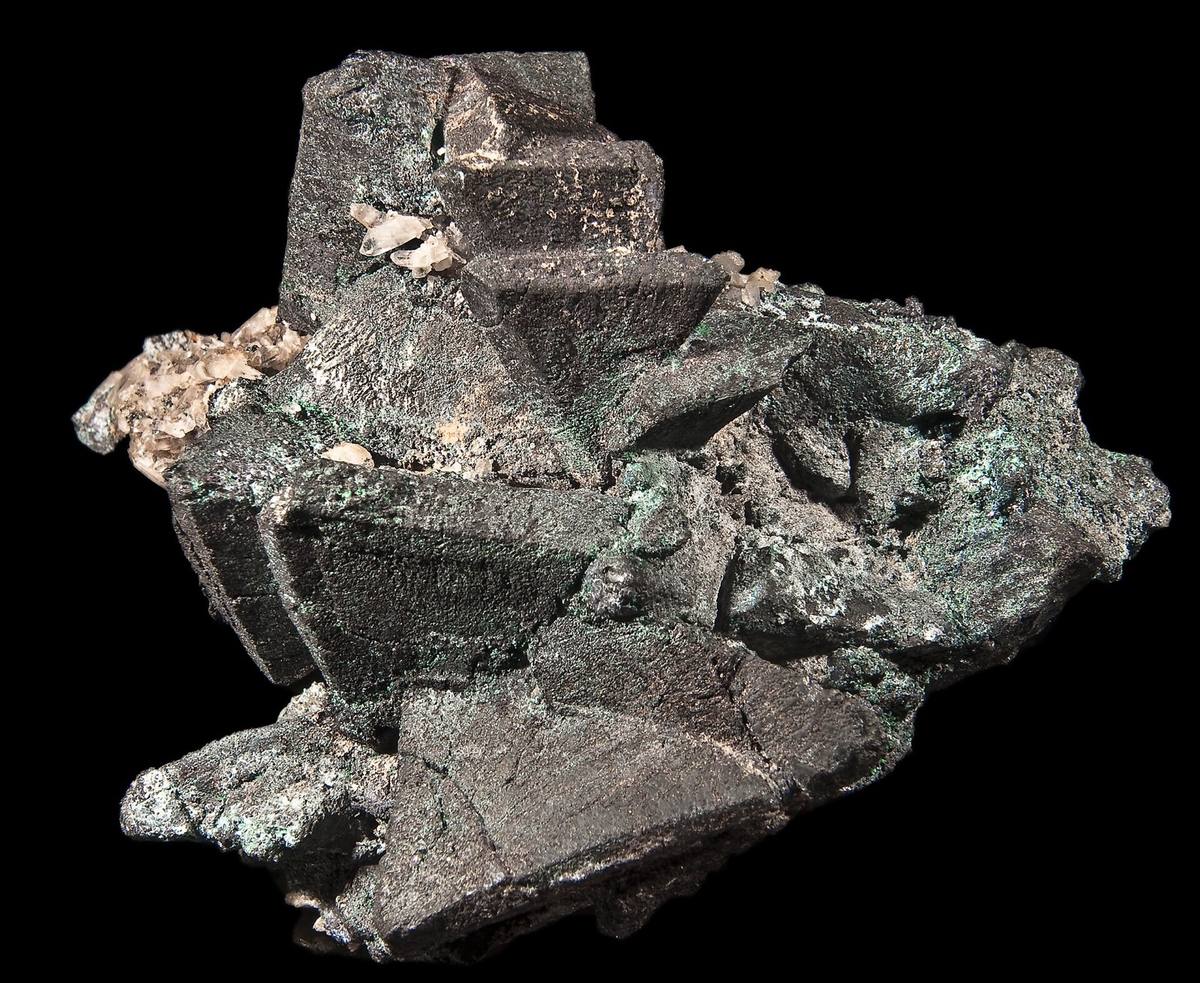
How to tell apart: Streak differs, so Luzonite leaves black, Tennantite leaves reddish gray.
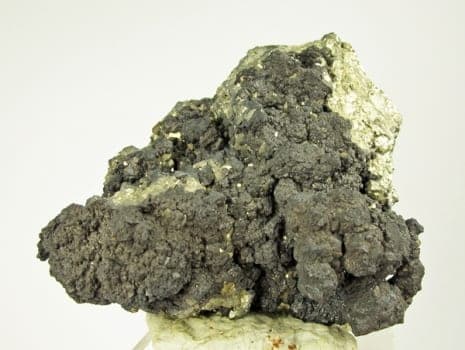
How to tell apart: Luster reads metallic, dull on Luzonite and dull metallic on Famatinite.
Often found alongside luzonite
Minerals reported to co-occur with luzonite. Spotting these in float or country rock is a strong cue you are in the right ground.
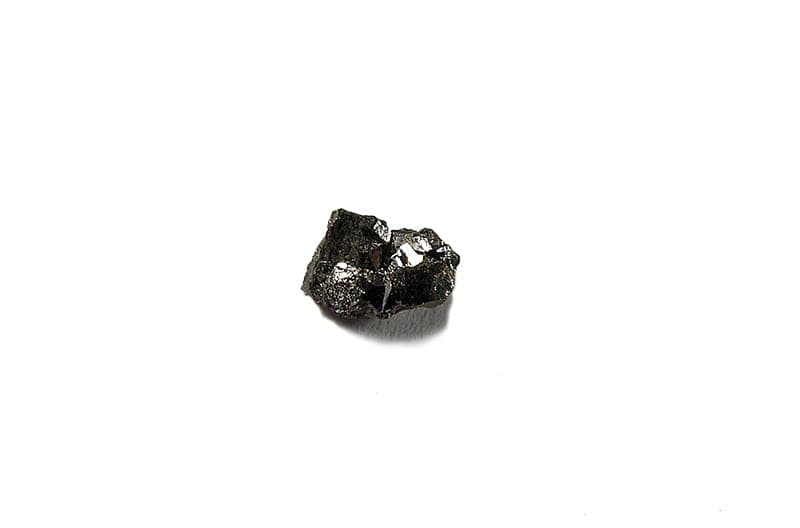
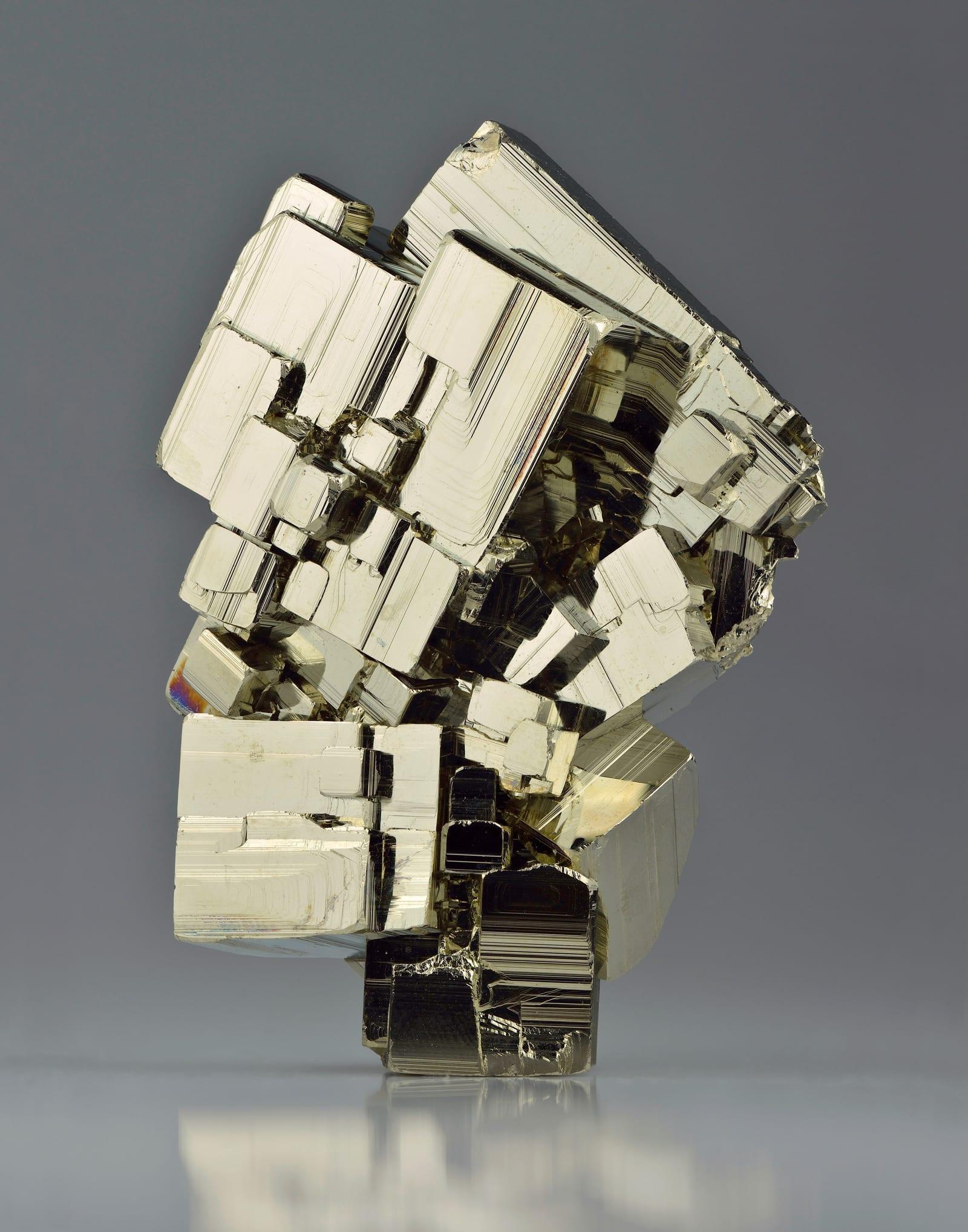
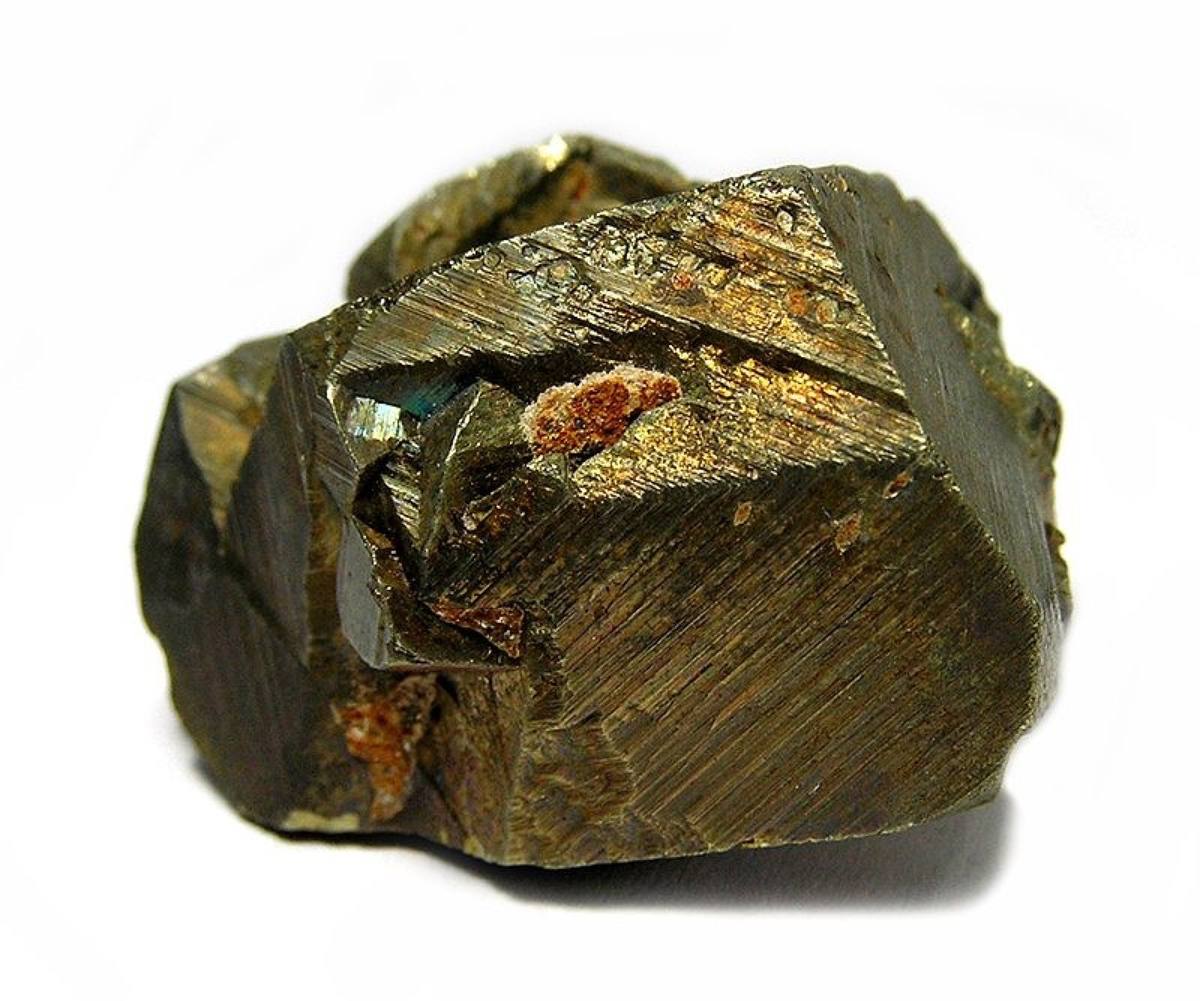
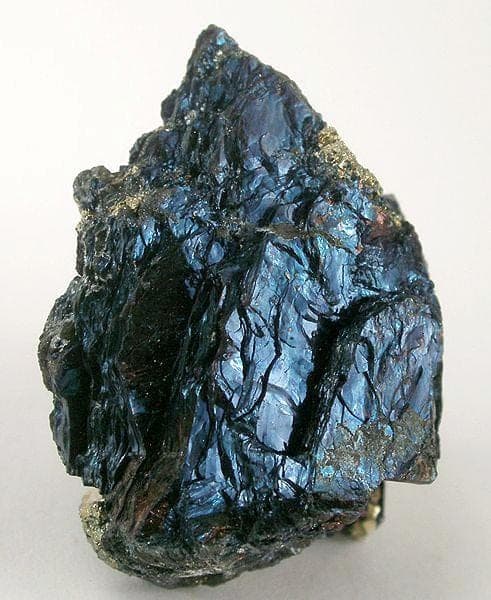
All properties
- Chemical formula
- Cu₃AsS₄
- Mohs hardness
- 3.5
- Density
- 4.38 g/cm³
- Streak
- Black
- Luster
- Metallic, dull
- Transparency
- Opaque
- Crystal system
- Tetragonal
- Crystal habit
- Euhedral crystals, granular
- Cleavage
- Good on {101}, distinct on {100}
- Rarity
- Uncommon
- Uses
- Collector, Ore of copper
- Host rock
- In hydrothermal Cu–As–Sb-rich vein and disseminated deposits, formed at low to medium temperatures
Where rockhounds find luzonite
Classic worldwide localities
- Goldfield, Esmeralda Co., from the Golden Chariot mine, Jamestown district, Nye Co., and in the Burrus vein, Pyramid district, Washoe Co., Nevada, USA
- Butte, Silver Bow Co., Montana, USA
- Summitville, Rio Grande Co., Colorado, USA
- Lepanto mine, Mankayan, Luzon, Philippines (type locality), as an ore mineral
- Chinkuashi mine, Keelung, Taiwan
- Teine, Morino, and Date mines, Hokkaido, Japan
Field-hunting tip
Where it forms: In hydrothermal Cu–As–Sb-rich vein and disseminated deposits, formed at low to medium temperatures. If you start seeing enargite, tetrahedrite–tennantite, colusite in float, you are in the right ground. Typical habit: euhedral crystals, granular. Train your eye for that shape before scanning the outcrop.
Common questions
How do you identify luzonite?+
Where is luzonite found?+
Is luzonite safe to handle?+
What rocks look like luzonite?+
What minerals are found with luzonite?+
What kind of rock does luzonite form in?+
What is luzonite used for?+
Find luzonite on the map
RockHoundR shows mapped rockhounding spots, access rules, and lets you log every find.