
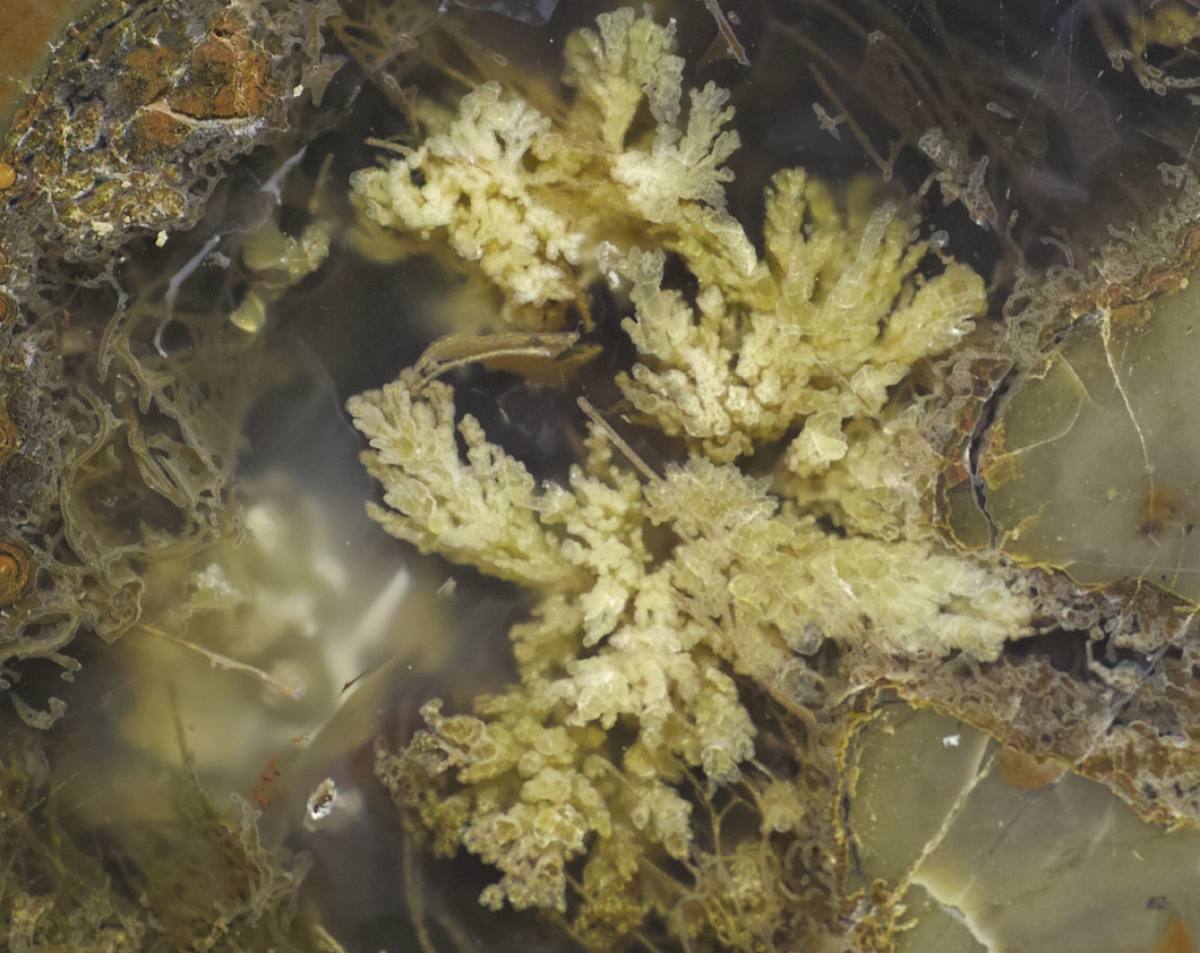
Plume agate is a microcrystalline variety of quartz characterized by feathery, plume-like inclusions of various minerals, typically iron or manganese oxides. It is highly sought after by lapidary artists due to the intricate, three-dimensional internal patterns that appear when cut and polished. Collectors usually find these in nodules or geodes within basaltic volcanic deposits.
Spotting plume agate in the field
Field marks- 1
Feathery, three-dimensional plumes that billow through clear or milky chalcedony
- 2
Plumes have soft, diffuse edges, unlike the sharp branching of dendrites
- 3
Best colors are red, gold and black, often several in one stone
Plume is a pattern rather than a place, and it turns up in agate beds across the American West. The plumes grew as mineral filaments in the silica gel before it set, so they have real depth and shift as you rotate the stone. That depth is what you are testing for in the field: a genuine plume looks different from two angles, while a surface stain does not. Wet everything, and cut a window on a nodule end if you are allowed to, because plume rarely announces itself through a rind.
Straight answers
- Is it worth cutting?
- The orientation problem in cabbing. Plume is directional, so a slab cut across the plume shows a stubby cross-section while a slab cut along it shows the full feather. Cut one end, look, then decide the rest of the rock.
- What is it really worth?
- Ranges from ordinary to genuinely expensive depending on how clean the host chalcedony is and how strong the plume color runs. Woodward Ranch material from Texas and Graveyard Point from the Oregon and Idaho border are the names that carry a premium.
- Can you legally keep it?
- Depends entirely on the bed. Several of the best plume localities are private fee-dig ranches, and the western public-land beds fall under normal BLM personal-use collecting.
Where it is worth going
- Woodward RanchNear Alpine, Texas
Long-running private fee dig, the classic source of red plume agate.
- Graveyard PointOregon and Idaho border, Owyhee country
Famous for plume in a blue-grey host. Much of the best ground is claimed.
Often confused with
Plume Agate vs. its common look-alikes, and how to tell them apart in the field.
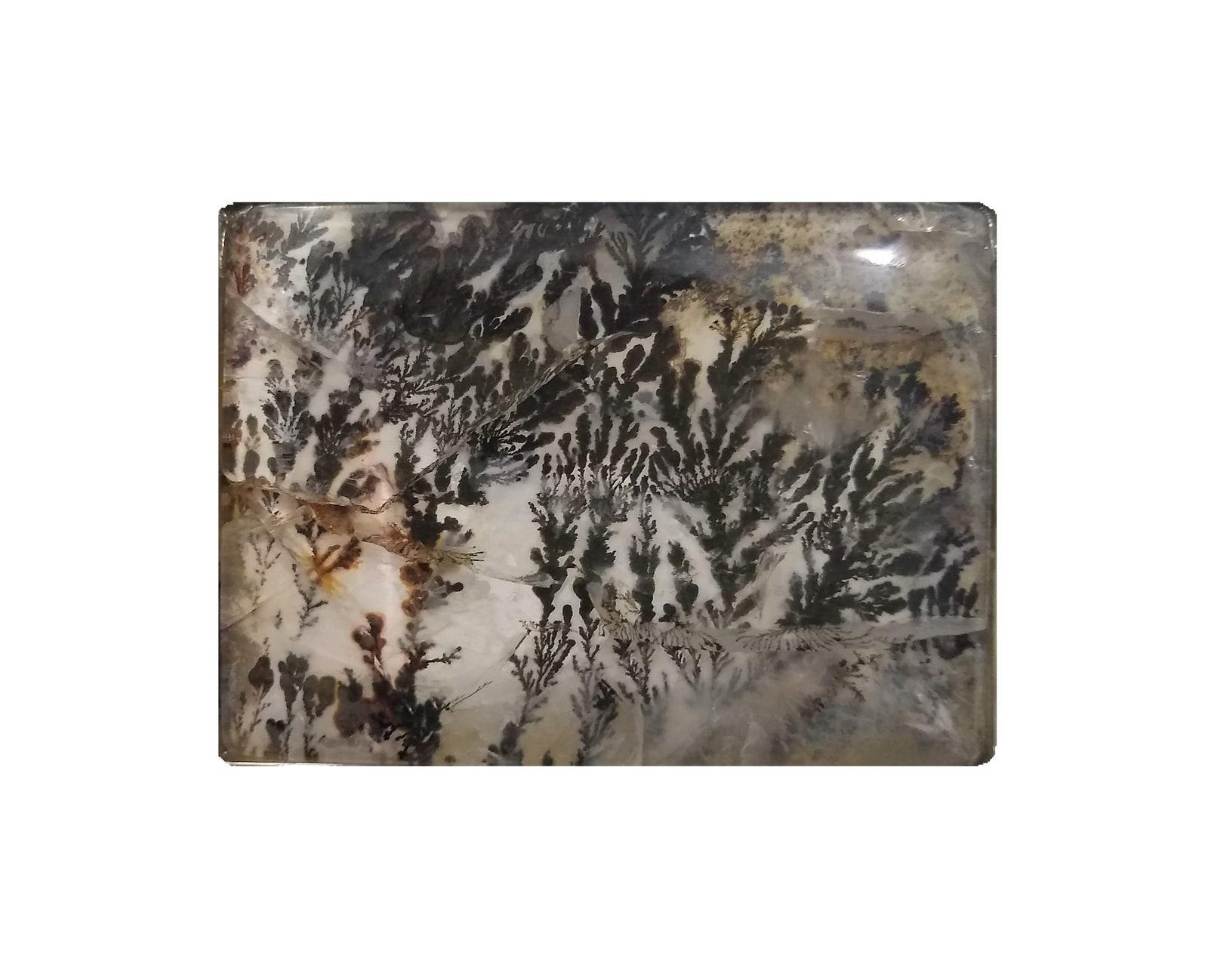
How to tell apart: Dendrites are flat, sharp, branching and grew along a fracture plane. Plumes are soft-edged, billowy and three-dimensional.
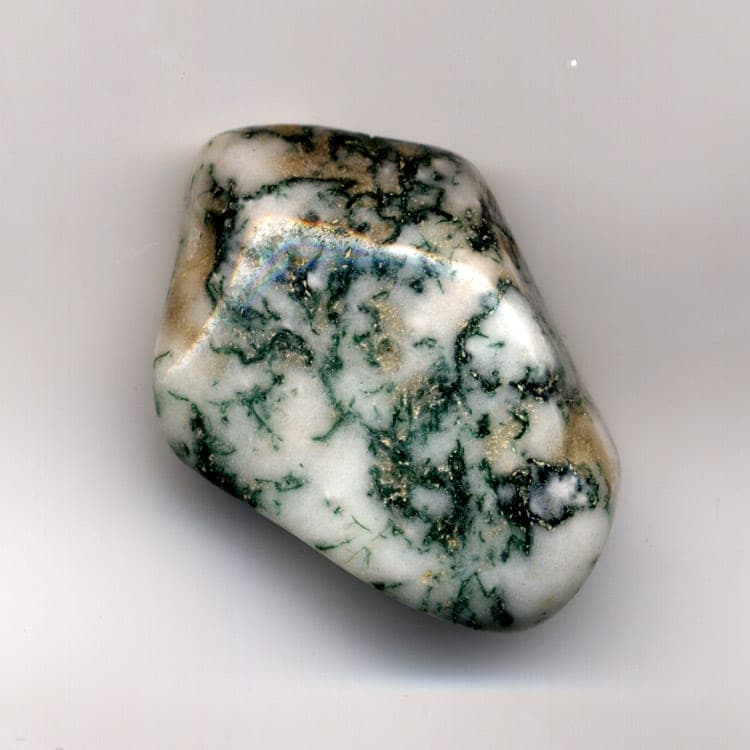
How to tell apart: Moss is dense, tangled and mat-like. Plume is open and directional, rising from a base like smoke.
Often found alongside plume agate
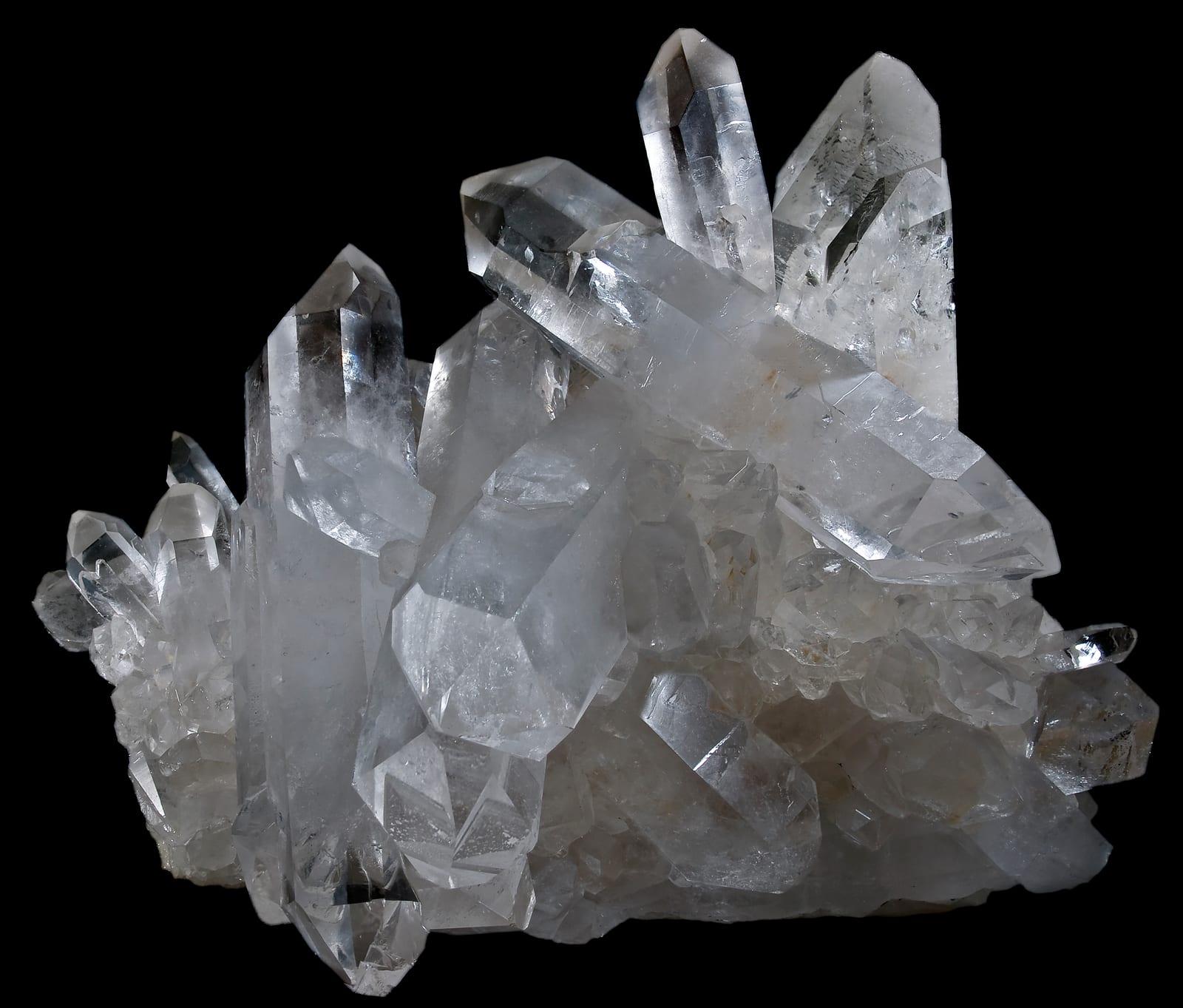
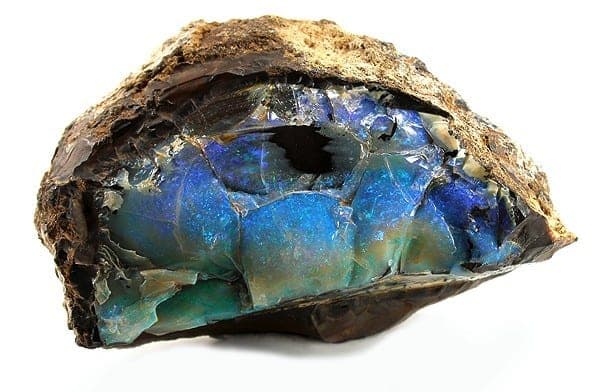
Minerals reported to co-occur with plume agate. Spotting these in float or country rock is a strong cue you are in the right ground.
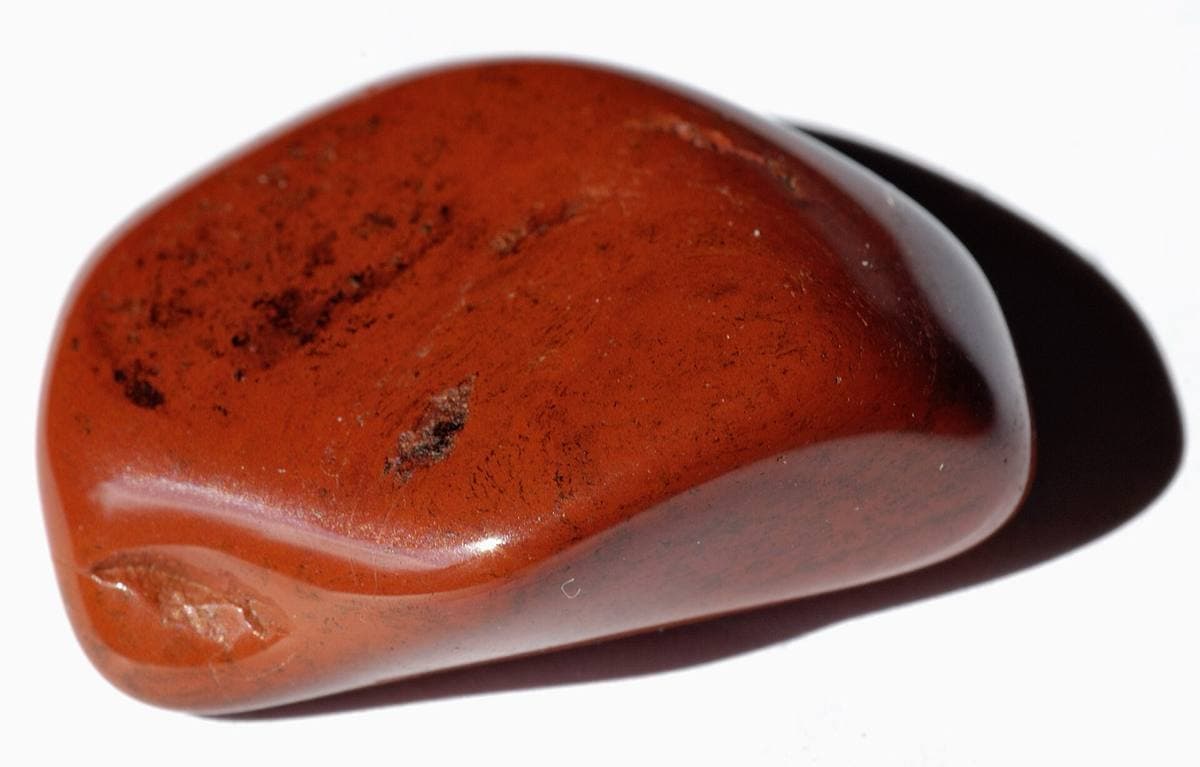
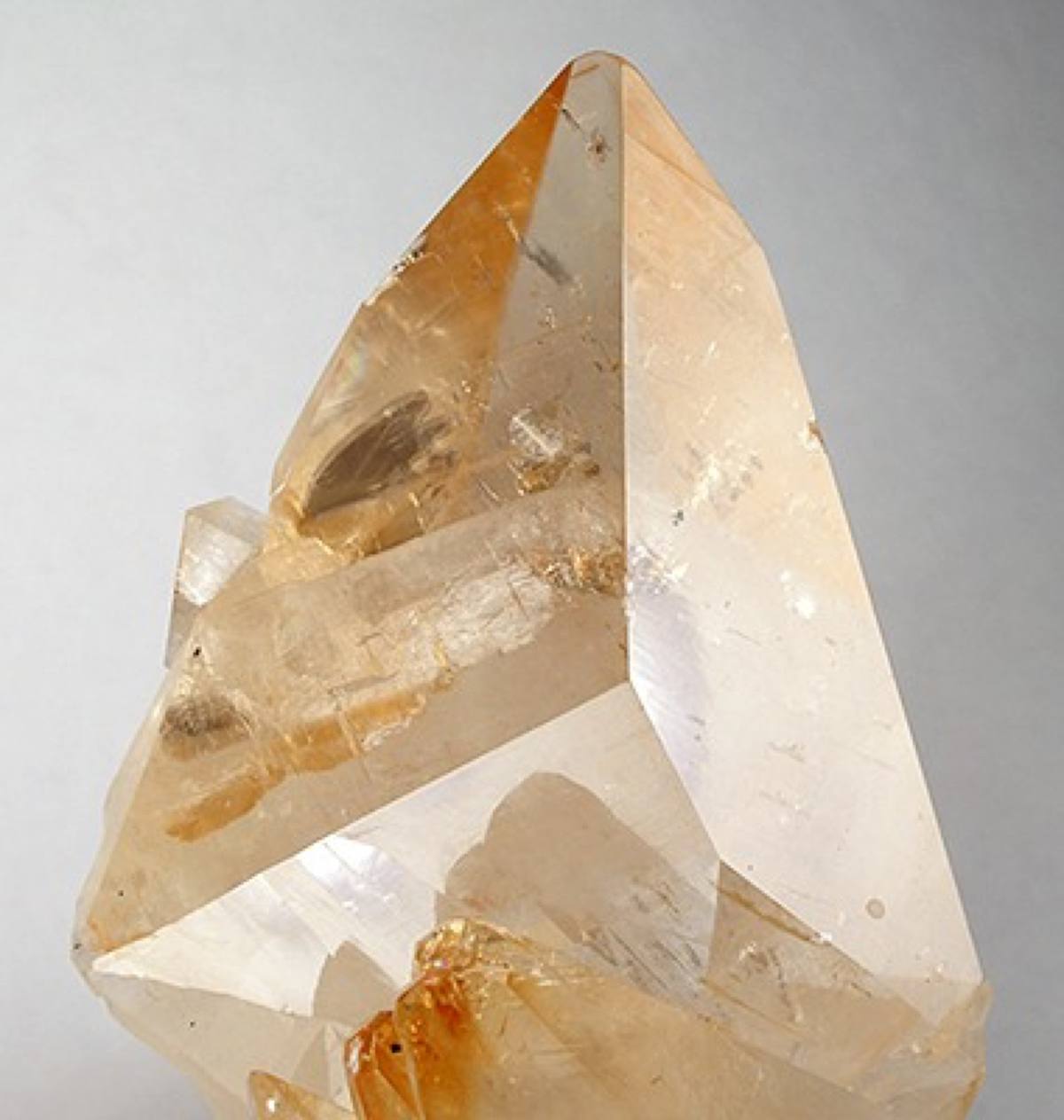
All properties
- Chemical formula
- SiO₂
- Mohs hardness
- 6.5-7
- Density
- 2.6-2.7 g/cm³
- Streak
- White
- Luster
- Waxy
- Transparency
- Translucent
- Crystal system
- Trigonal
- Crystal habit
- Massive
- Cleavage
- None
- Rarity
- Common
- Uses
- Lapidary, Collector, Decorative
- Host rock
- volcanic cavities and hydrothermal veins
Where rockhounds find plume agate
14 mapped spotsClassic worldwide localities
- Oregon
- Idaho
- Montana
- Mexico
- Brazil
Field-hunting tip
Where it forms: volcanic cavities and hydrothermal veins. If you start seeing quartz, opal, jasper in float, you are in the right ground. Typical habit: massive. Train your eye for that shape before scanning the outcrop. In the U.S., the densest reported localities are in Oregon, Idaho, Texas. Start trip planning there.
More plume agate photos
Common questions
How do you identify plume agate?+
Where is plume agate found?+
Can I find plume agate in the United States?+
What rocks look like plume agate?+
What minerals are found with plume agate?+
What kind of rock does plume agate form in?+
What is plume agate used for?+
Find plume agate on the map
RockHoundR shows mapped rockhounding spots, access rules, and lets you log every find.

