
Sunstone is a plagioclase feldspar variety known for its distinctive 'aventurescence', a glittering metallic sheen caused by internal reflections from copper or hematite inclusions. It typically occurs as transparent to translucent crystals in volcanic rocks or pegmatites and is prized by collectors for its warm, fiery colors and unique optical play.
Spotting sunstone in the field
Field marks- 1
Metallic glitter from within, caused by tiny reflective platelets
- 2
Body color from colorless through champagne to red and green in Oregon material
- 3
Feldspar cleavage, with two flat reflective directions
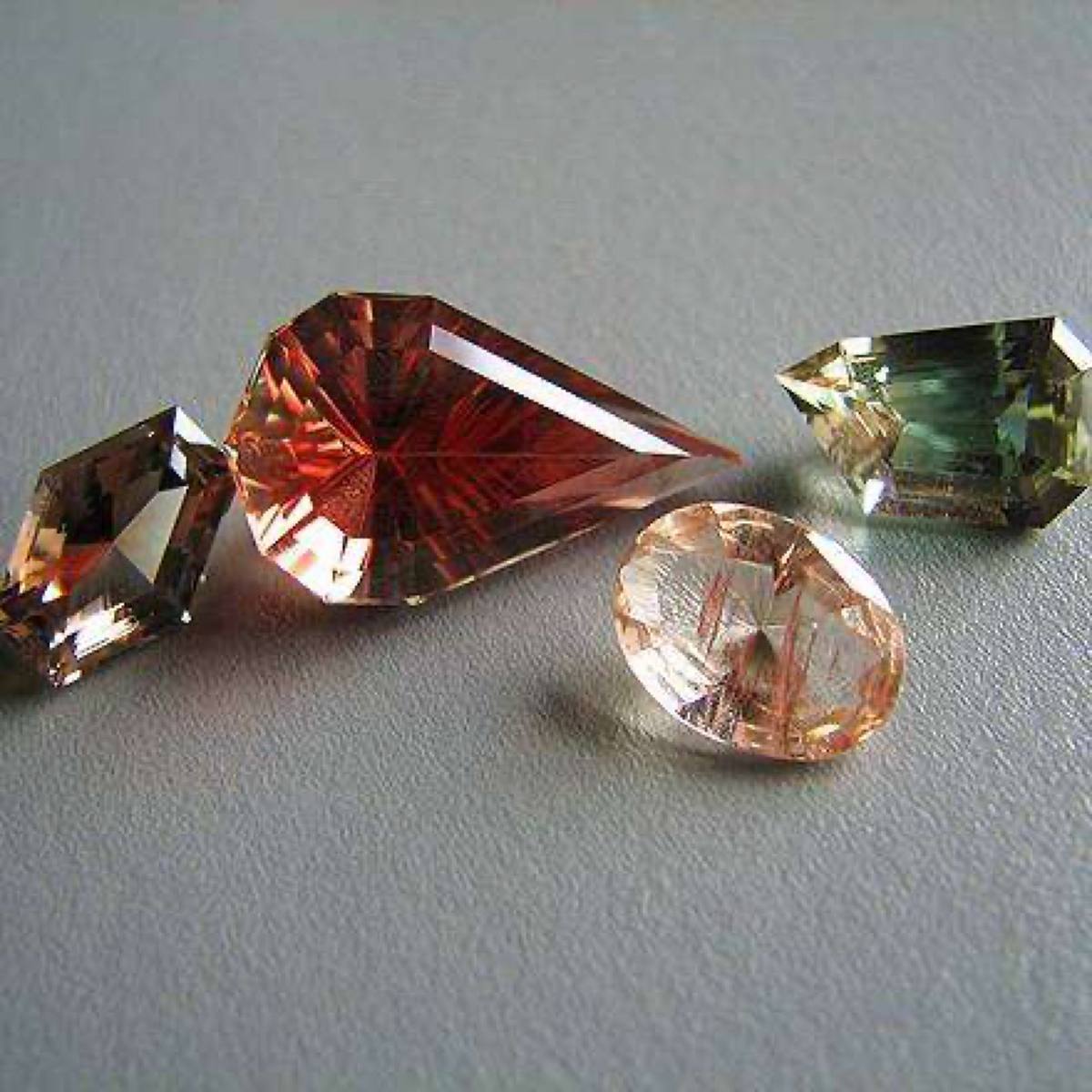
Sunstone is feldspar containing tiny reflective inclusions that produce an internal glitter called aventurescence. Most sunstone worldwide gets that from hematite platelets, but Oregon's is different and important: the sparkle comes from metallic copper, and copper is also what produces the red and green body colors that make Oregon sunstone unique in the world. Hold a piece to the sun and rotate: the schiller should flash from inside.
Straight answers
- Is it worth cutting?
- Orient so the schiller faces up through the dome. Copper-bearing Oregon material can be heat-sensitive, so keep it cool.
- What is it really worth?
- Common champagne material is inexpensive. Strongly red or green Oregon stones with good clarity are valuable, and stones showing both color and schiller more so.
- Can you legally keep it?
- Oregon has a free public collecting area on BLM land in the Rabbit Basin, plus several private mines nearby that charge for access to richer ground.
Where it is worth going
- Rabbit Basin public collection areaLake County, Oregon, near Plush
Free BLM collecting area, no permit needed. Remote high desert with no services, so carry water and fuel.
Often confused with
Sunstone vs. its common look-alikes, and how to tell them apart in the field.
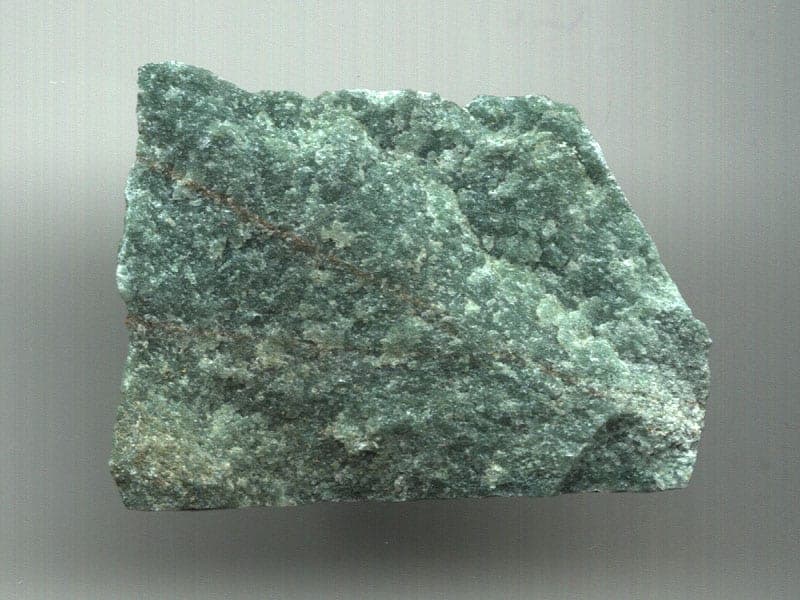
Often found alongside sunstone
Minerals reported to co-occur with sunstone. Spotting these in float or country rock is a strong cue you are in the right ground.
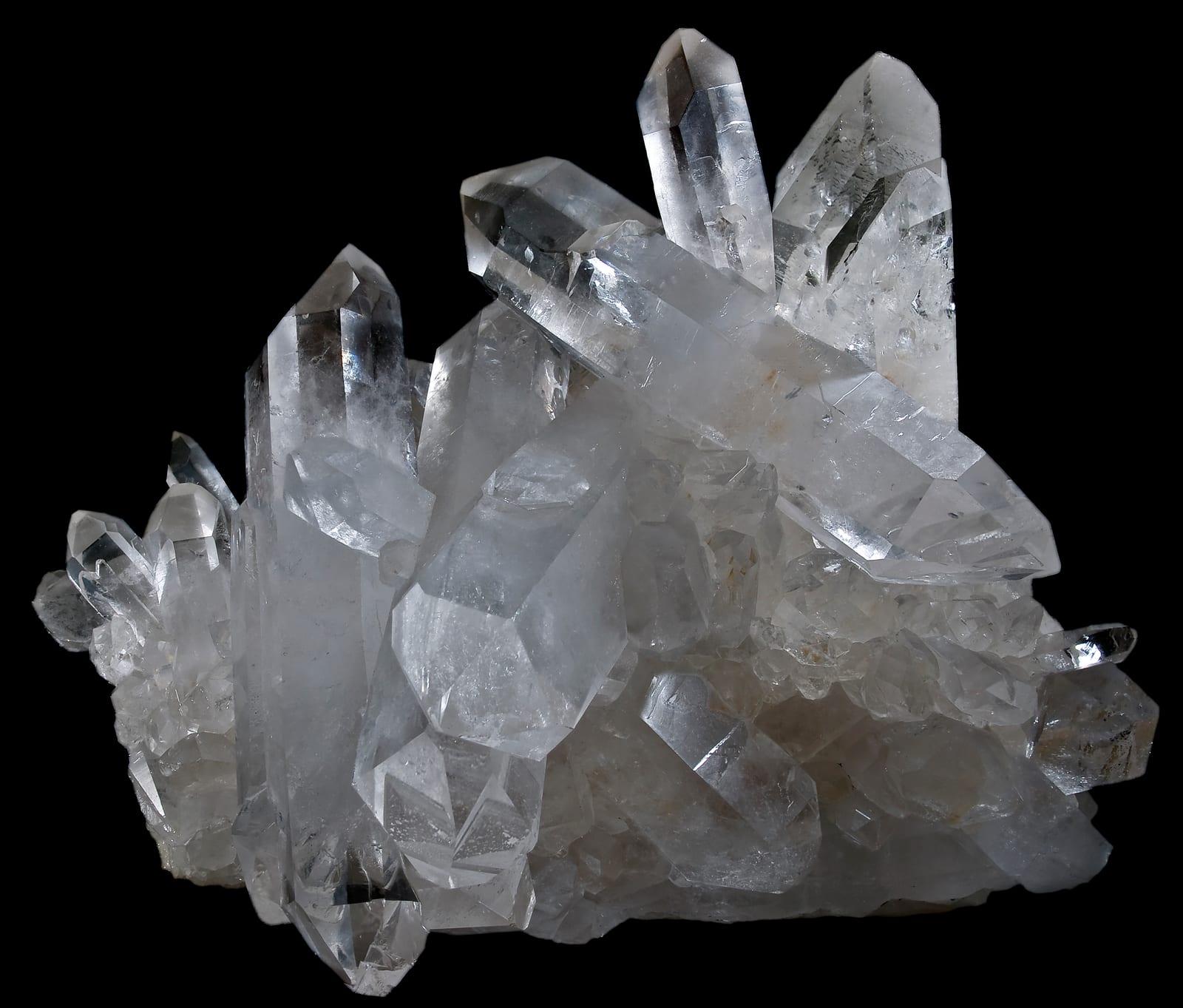
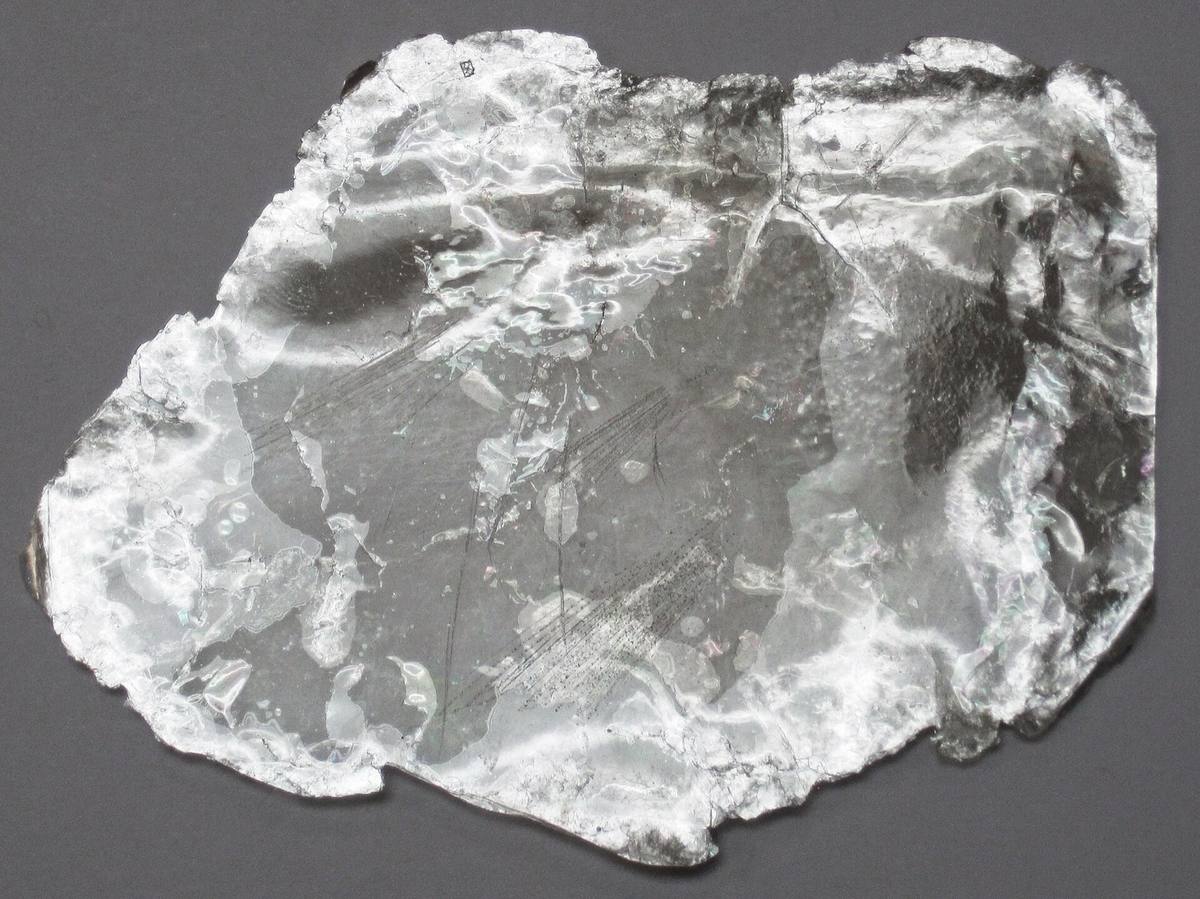
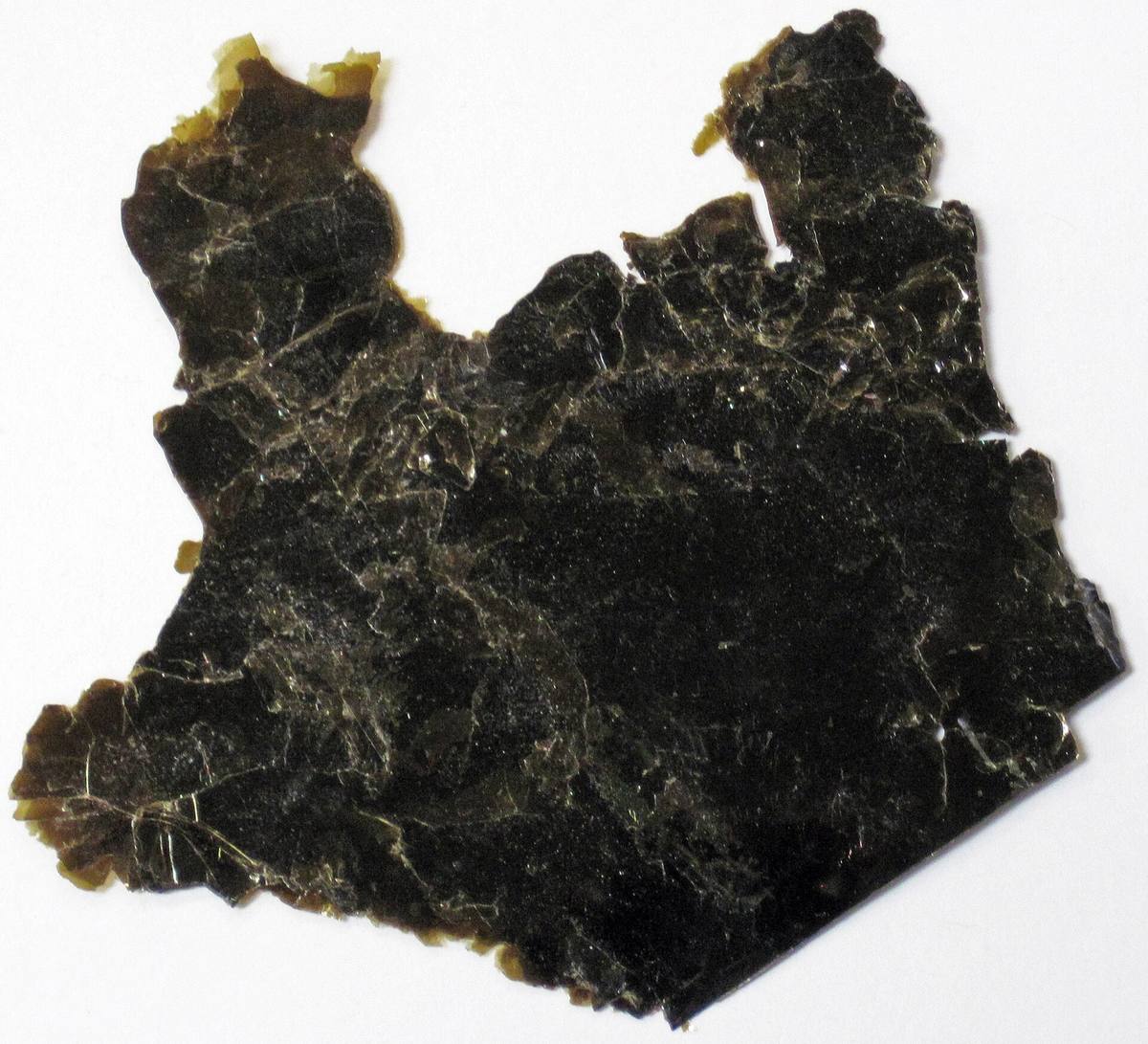
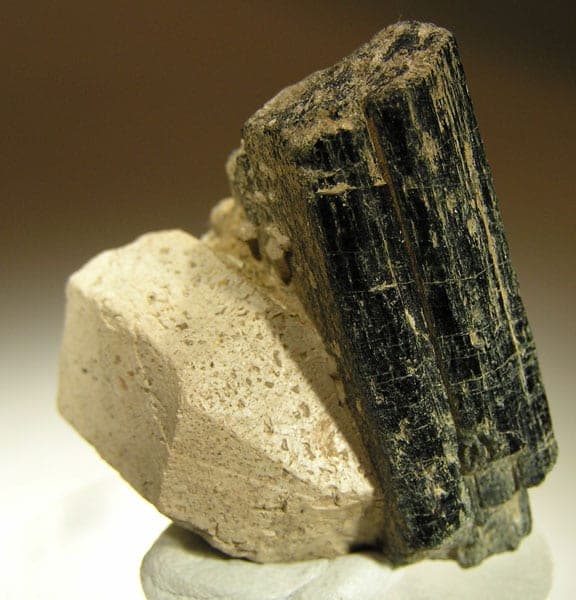
All properties
- Chemical formula
- (Na,Ca)(Si,Al)₄O₈
- Mohs hardness
- 6-6.5
- Density
- 2.62-2.67 g/cm³
- Streak
- White
- Luster
- Vitreous
- Transparency
- Translucent
- Crystal system
- Triclinic
- Crystal habit
- Tabular crystals
- Cleavage
- Perfect in two directions
- Rarity
- Uncommon
- Uses
- Gemstone, Lapidary, Collector
- Host rock
- basaltic lava flows, pegmatites
Where rockhounds find sunstone
13 mapped spotsClassic worldwide localities
- Oregon, USA
- Norway
- India
- Tanzania
- Canada
Field-hunting tip
Where it forms: basaltic lava flows, pegmatites. If you start seeing quartz, muscovite, biotite in float, you are in the right ground. Typical habit: tabular crystals. Train your eye for that shape before scanning the outcrop. In the U.S., the densest reported localities are in Oregon, New York, New Jersey. Start trip planning there.
More sunstone photos
Common questions
How do you identify sunstone?+
Where is sunstone found?+
Can I find sunstone in the United States?+
What rocks look like sunstone?+
What minerals are found with sunstone?+
What kind of rock does sunstone form in?+
What is sunstone used for?+
Find sunstone on the map
RockHoundR shows mapped rockhounding spots, access rules, and lets you log every find.

