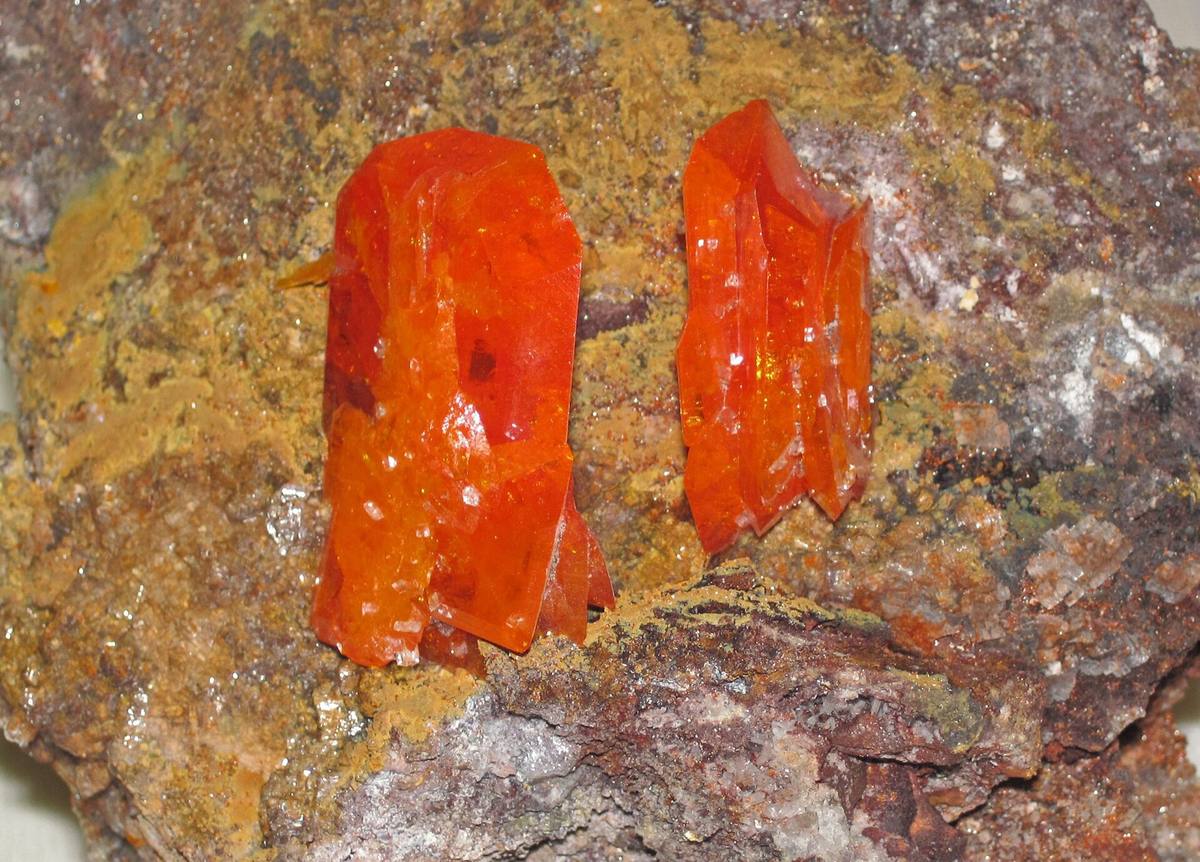
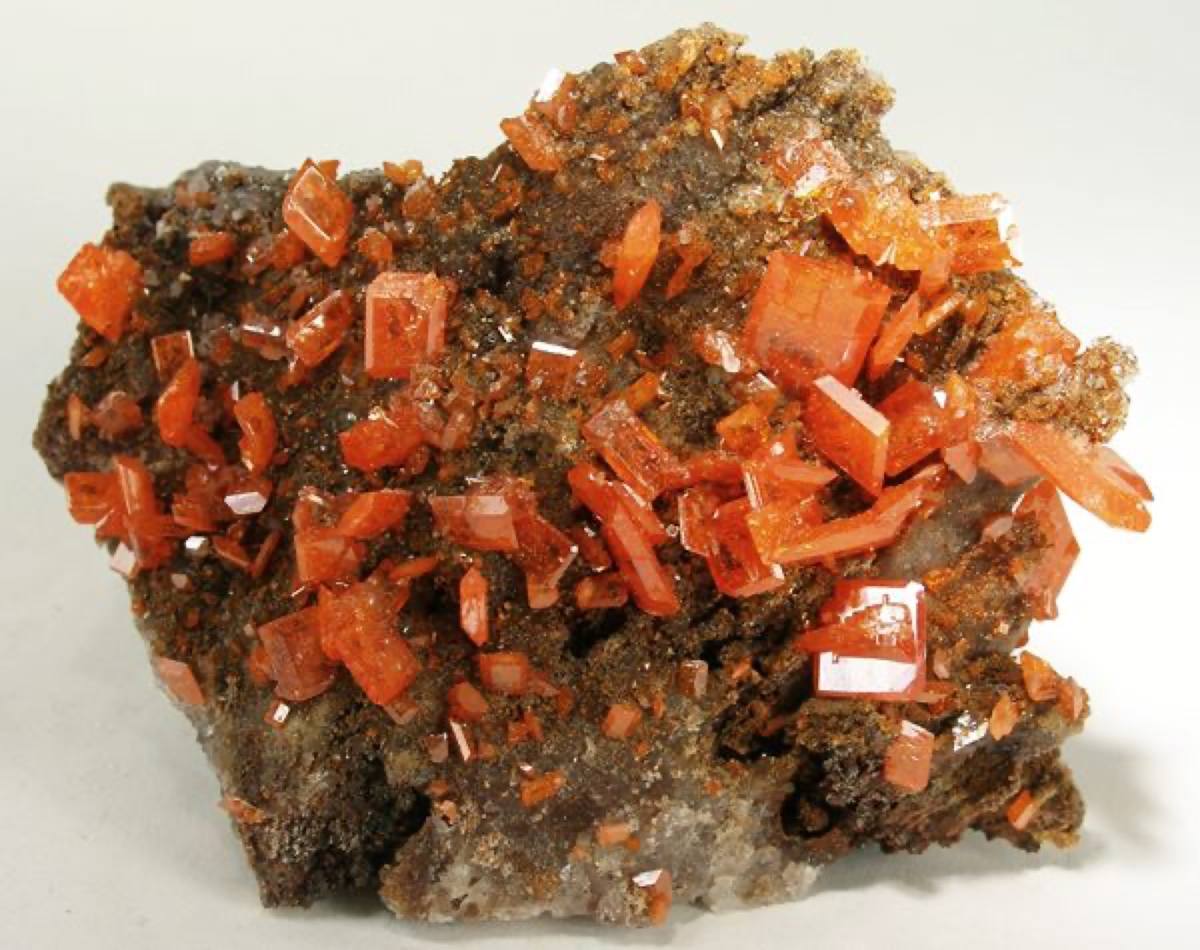
Wulfenite is highly prized by collectors for its brilliant orange to red, square, tabular crystals. It is typically found in the oxidized zones of lead-bearing ore deposits and often exhibits a characteristic resinous to adamantine luster.
Spotting wulfenite in the field
Field marks- 1
Thin square or tabular plates, often bright orange, yellow or red
- 2
Plates can be almost paper-thin and are extremely fragile
- 3
Soft at 2.5 to 3, with a resinous to adamantine luster
Wulfenite is the Arizona state mineral and the Red Cloud Mine in La Paz County produced the deep red tabular crystals that are the world standard. It forms in the oxidized zone of lead deposits, so look in the same arid oxidized settings as vanadinite. The crystals are so thin and so brittle that the main field skill is extracting them without destroying them: undercut the matrix and lift the whole piece, never pry at the crystals.
Before you collect
A lead molybdate. Wash hands after handling and keep it away from food and children.
Straight answers
- Is it worth cutting?
- Not cut. Too soft and far too fragile.
- What is it really worth?
- Moderate to high for good specimens. Red Cloud Mine material is a benchmark and priced accordingly.
- Can you legally keep it?
- The Arizona localities are private claims. The Red Cloud is not open to casual collecting.
Often confused with
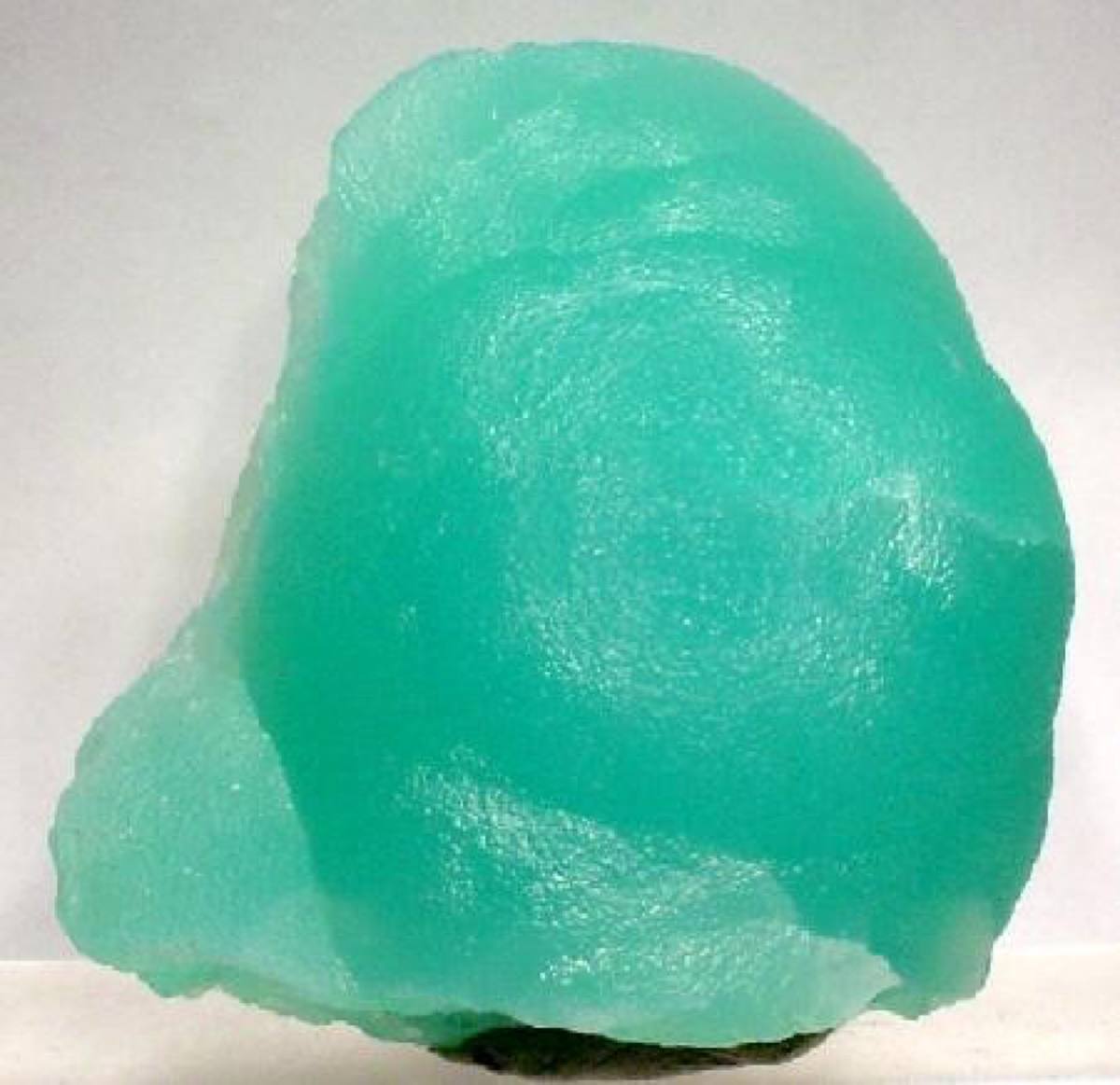
Wulfenite vs. its common look-alikes, and how to tell them apart in the field.
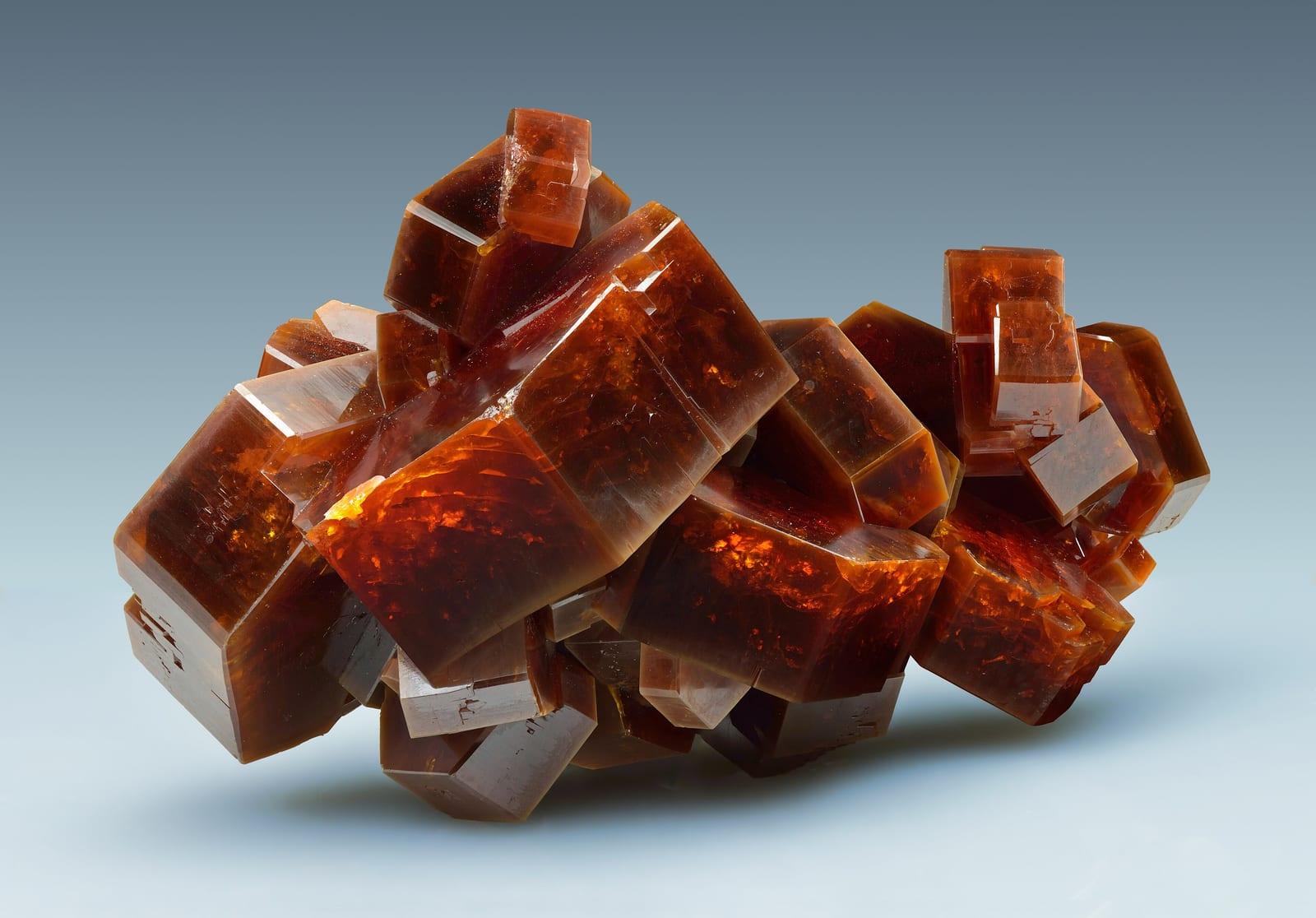
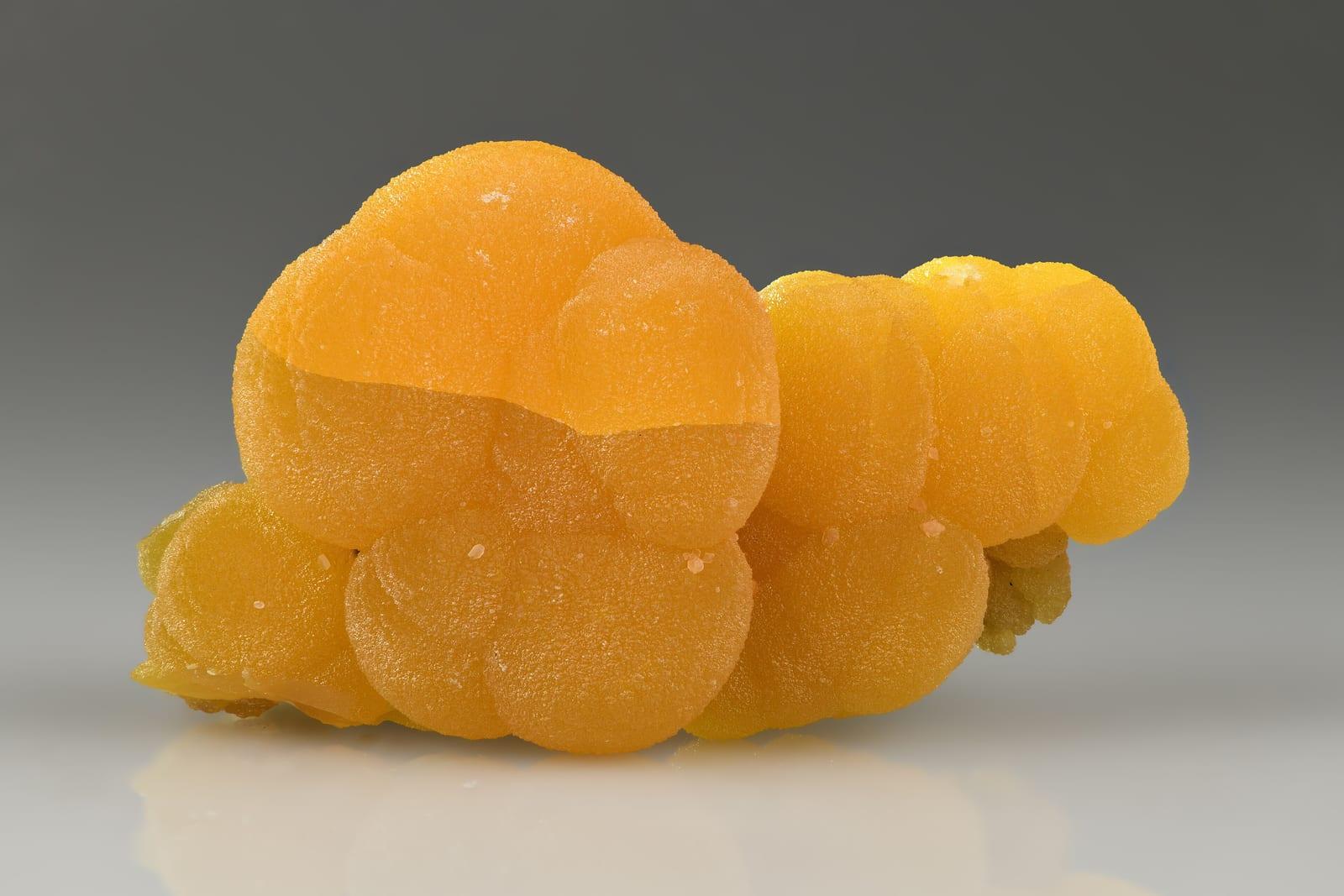
Often found alongside wulfenite
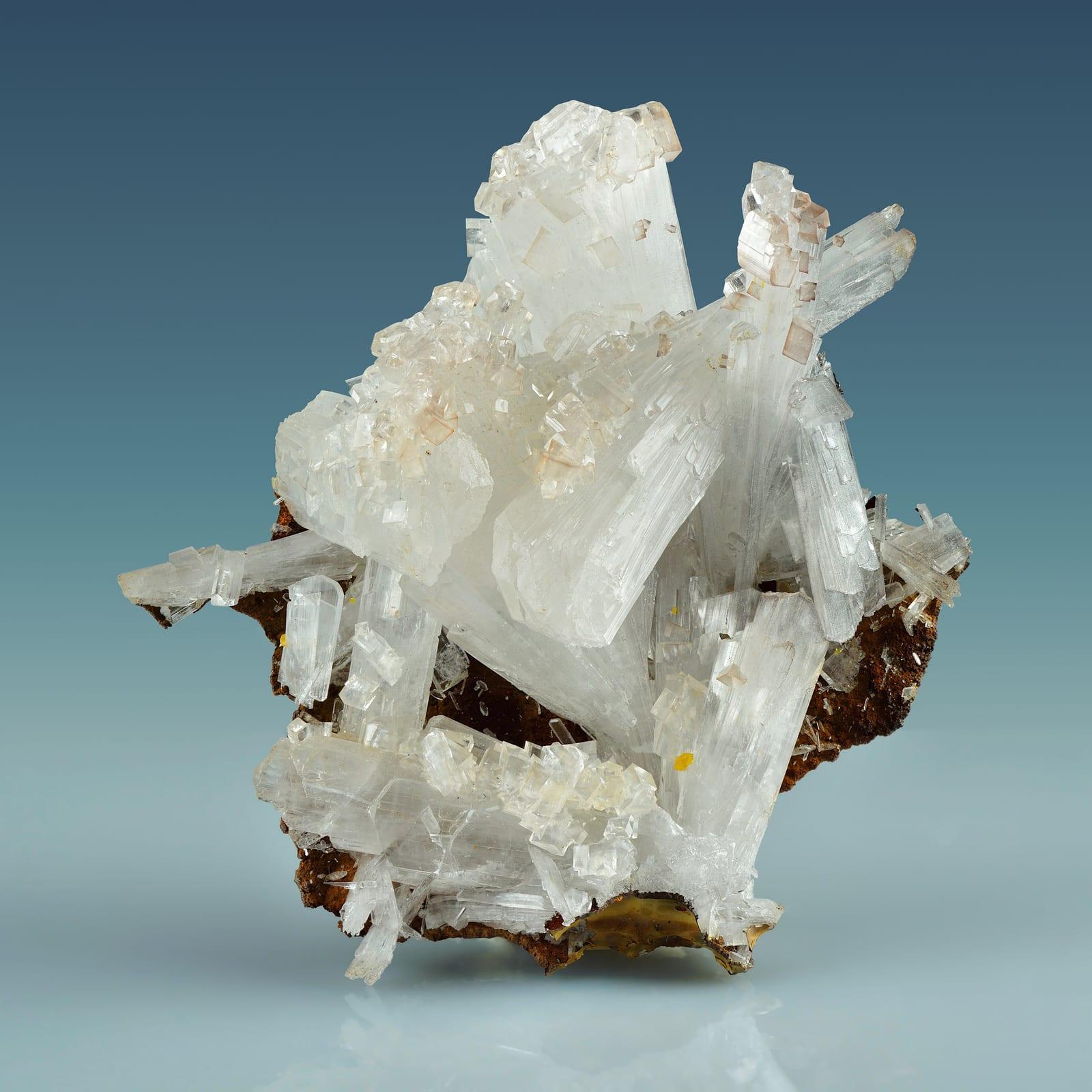
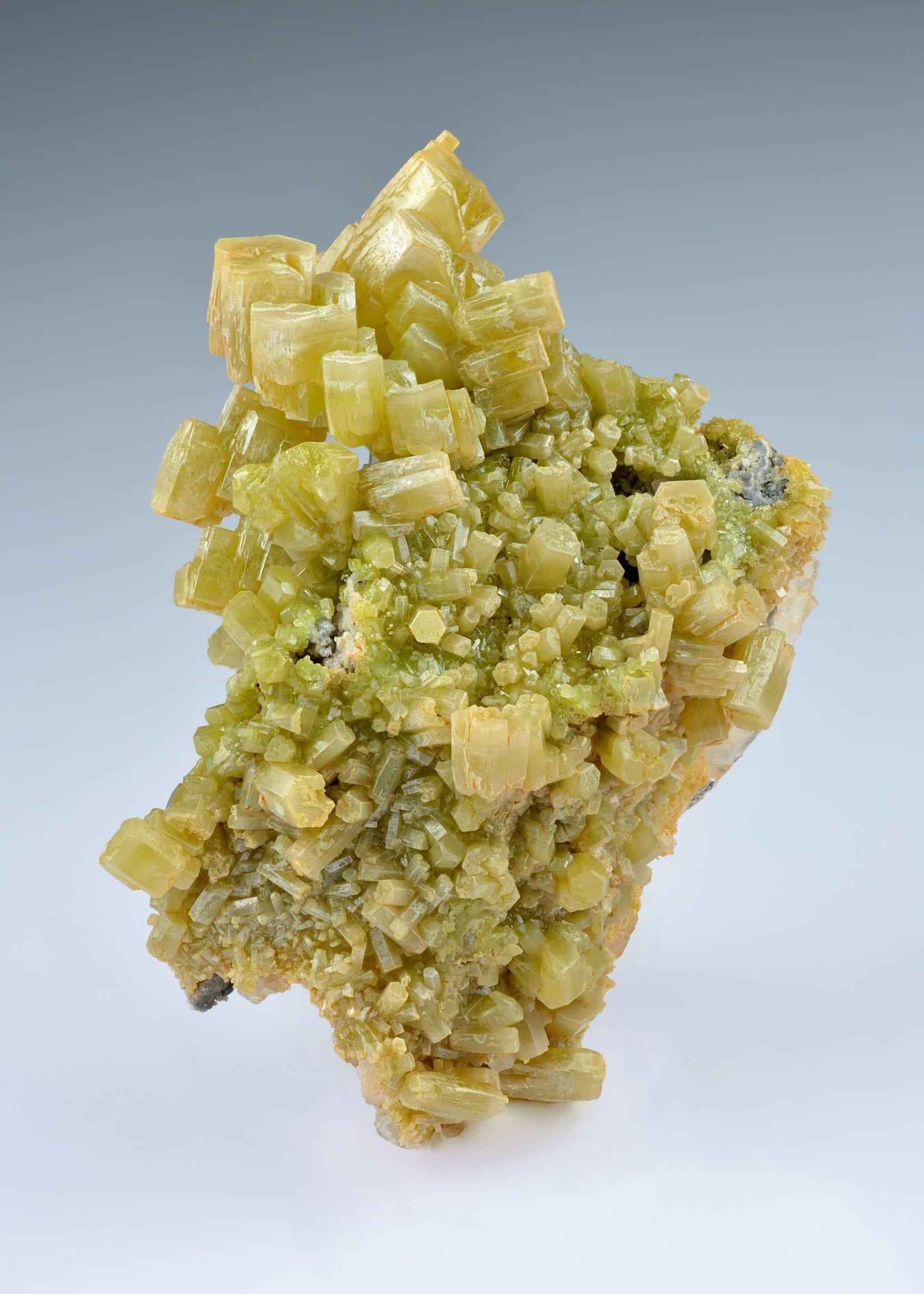
Minerals reported to co-occur with wulfenite. Spotting these in float or country rock is a strong cue you are in the right ground.
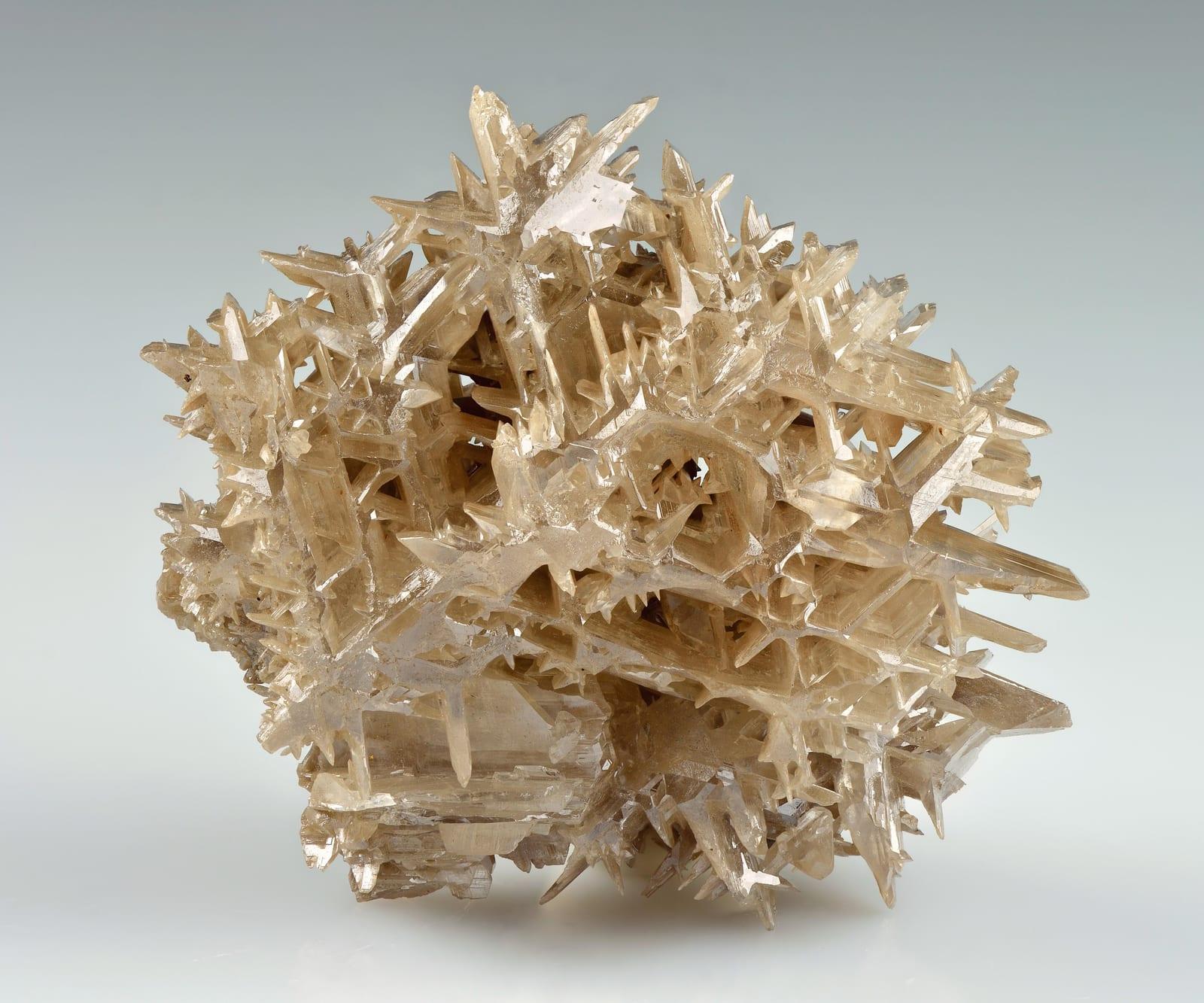
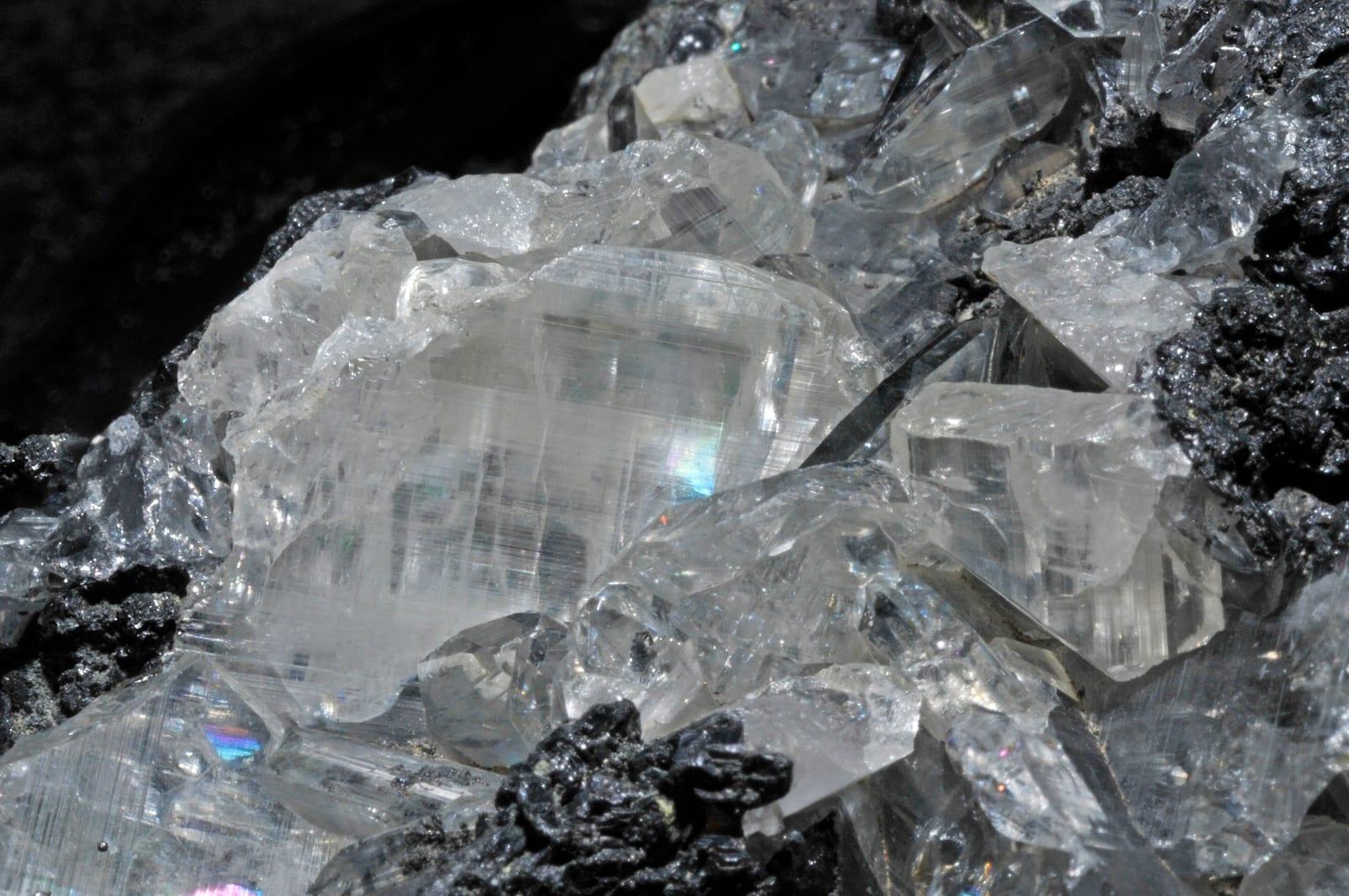
All properties
- Chemical formula
- PbMoO₄
- Mohs hardness
- 2.75-3
- Density
- 6.5-7.5 g/cm³
- Colors
- Streak
- White
- Luster
- Resinous, subadamantine to adamantine
- Transparency
- Transparent to opaque
- Crystal system
- Tetragonal
- Crystal habit
- Tabular crystals, pyramidal, massive
- Cleavage
- On {011}, distinct; on {001}, {013}, indistinct
- Fluorescence
- Yellow to orange to red under SW and LW UV
- Rarity
- Uncommon
- Uses
- Collector, Ornamental
- Host rock
- A secondary mineral formed in the oxidized zone of hydrothermal lead deposits, the molybdenum commonly introduced externally
Where rockhounds find wulfenite
10 mapped spotsClassic worldwide localities
- Stevenson-Bennett mine, Organ Mountains, Doña Ana Co., New Mexico, USA
- Lucin District, Elko Co., Nevada, USA
- Bleiberg, Carinthia, Austria
- Mežica (Mies) and Črna pri Prevaljah (Schwartzenbach), Slovenia
- San Francisco mine, Cerro Prieta, Magdalena, Sonora, Mexico
- Los Lamentos and Santa Eulalia, Chihuahua, Mexico
Field-hunting tip
Where it forms: A secondary mineral formed in the oxidized zone of hydrothermal lead deposits, the molybdenum commonly introduced externally. If you start seeing cerussite, anglesite, smithsonite in float, you are in the right ground. Typical habit: tabular crystals, pyramidal, massive. Train your eye for that shape before scanning the outcrop. In the U.S., the densest reported localities are in Utah, Arizona, Maine. Start trip planning there.
More wulfenite photos
Common questions
How do you identify wulfenite?+
Where is wulfenite found?+
Can I find wulfenite in the United States?+
Is wulfenite safe to handle?+
What rocks look like wulfenite?+
What minerals are found with wulfenite?+
What kind of rock does wulfenite form in?+
What is wulfenite used for?+
Find wulfenite on the map
RockHoundR shows mapped rockhounding spots, access rules, and lets you log every find.