Xieite is a high-pressure polymorph of chromite formed during intense meteorite impacts. It is found exclusively as microscopic grains embedded within shocked meteorites, making it a significant subject for planetary science and mineralogy. It occurs as a post-spinel phase in conditions of extreme heat and pressure.
Is this xieite?
4-step field checkRun through these checks against the specimen in your hand. The more boxes tick, the more confident the ID.
- 1Test the hardnessTry to scratch xieite with a known reference. Xieite sits at Mohs >5.5, softer than the next harder reference, harder than the previous one.
- 2Read the lusterHold the specimen under a strong light. Luster: metallic.
- 3Match the color rangeCompare against the expected color range: dark brown, black.
- 4Look at form & habitCrystal system: orthorhombic. Typical habit: microscopic grains in impact shock-metamorphosed rock.
Often confused with
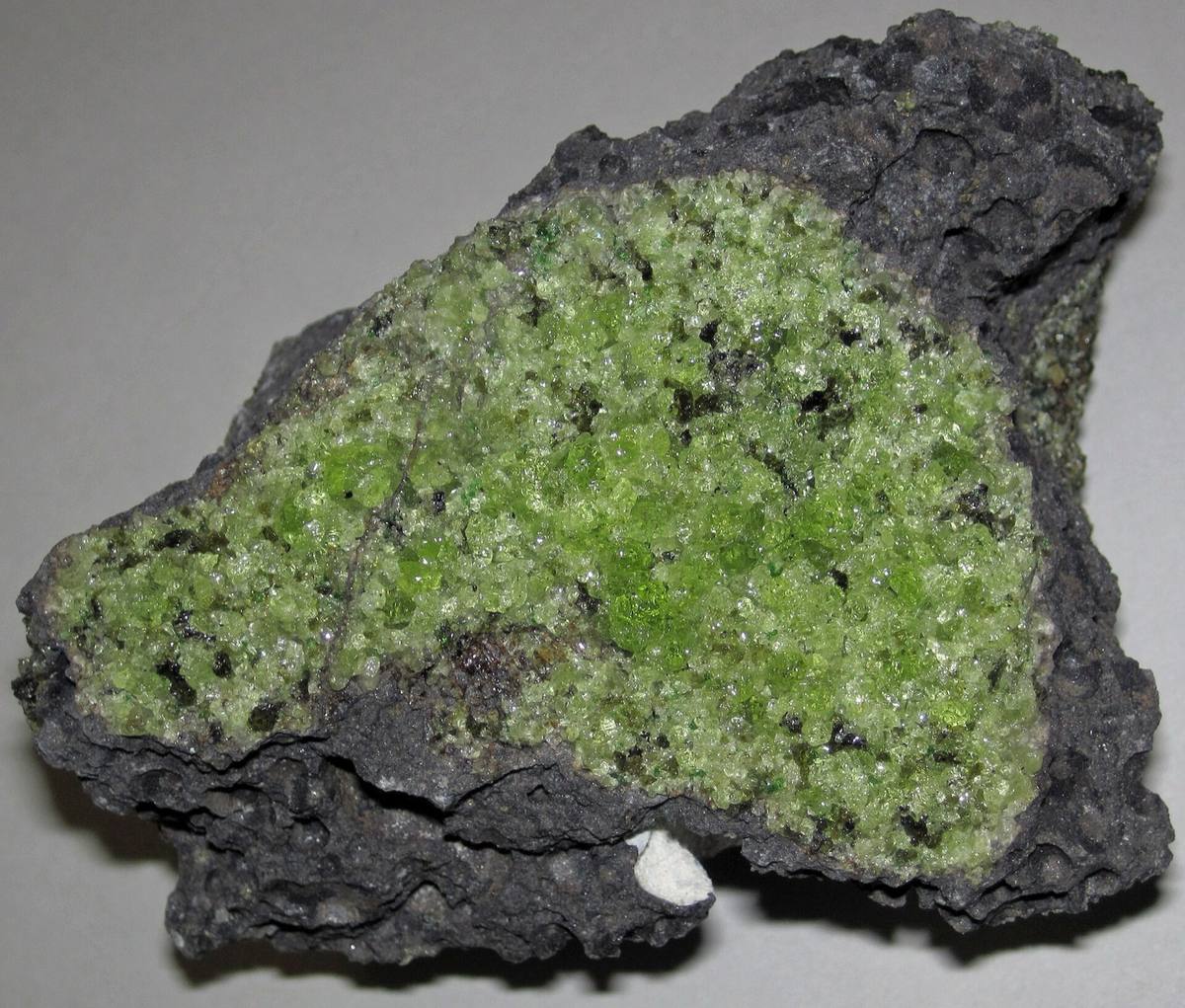
Xieite vs. its common look-alikes, and how to tell them apart in the field.
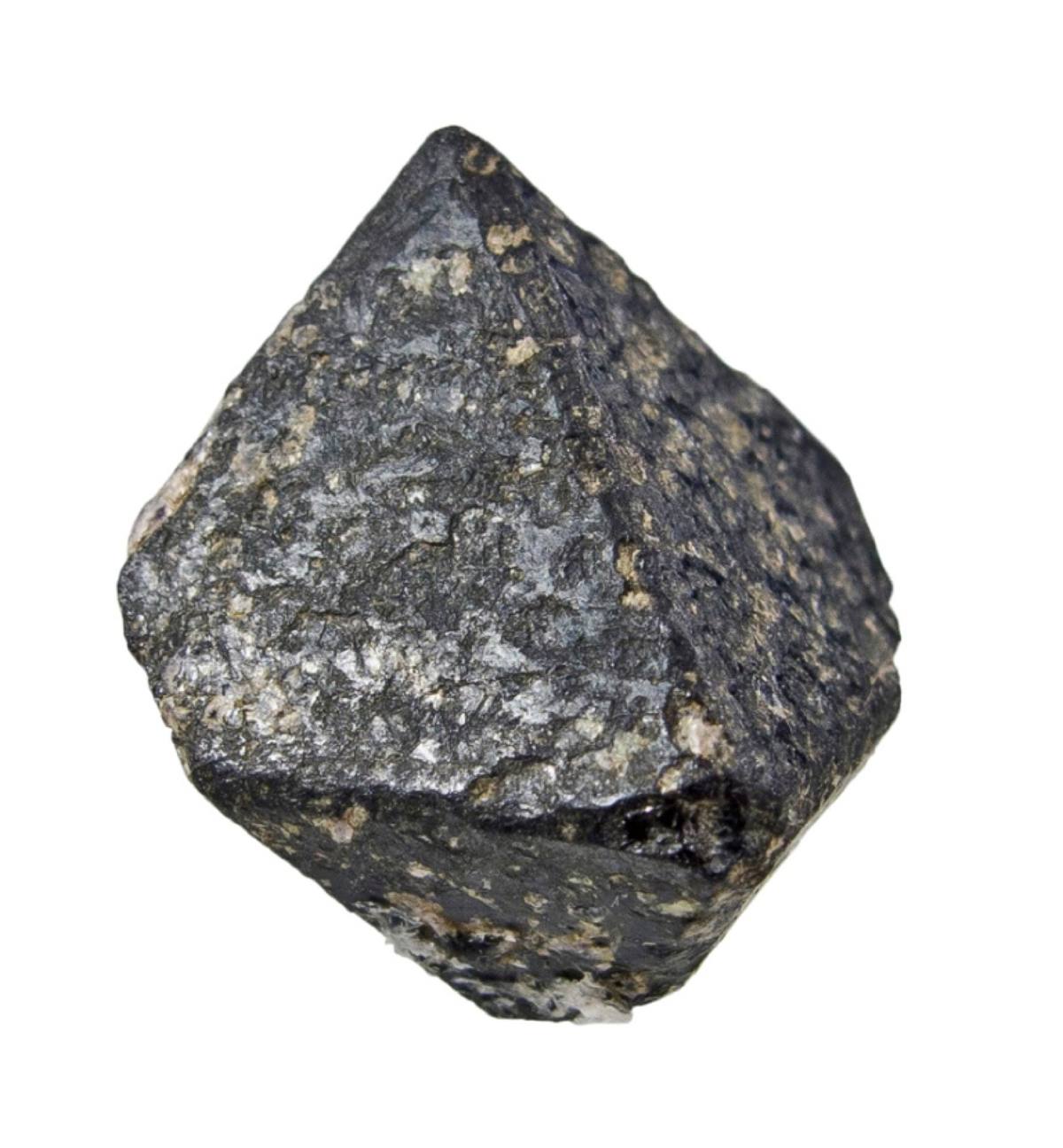
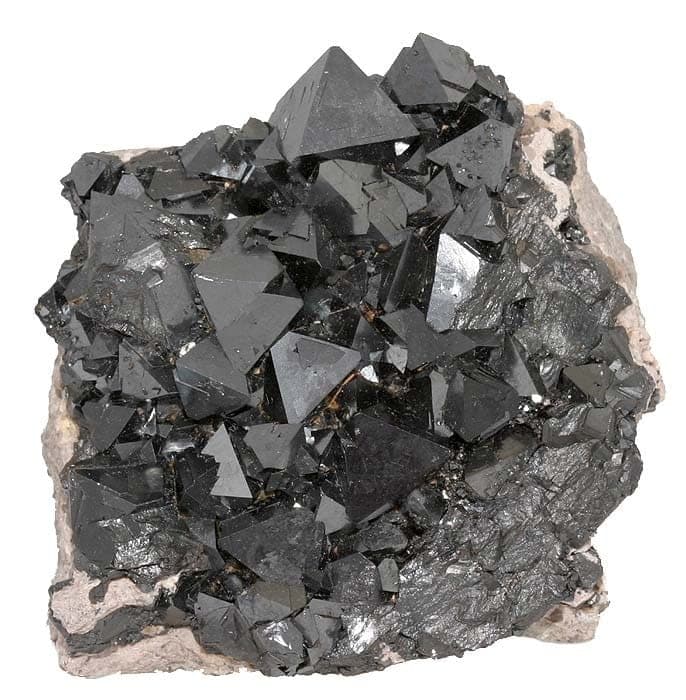
Often found alongside xieite
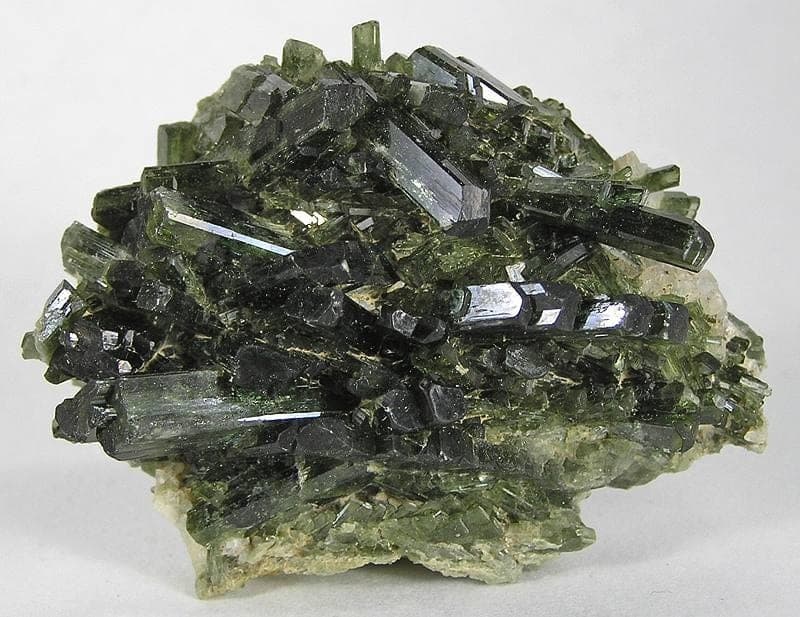
Minerals reported to co-occur with xieite. Spotting these in float or country rock is a strong cue you are in the right ground.
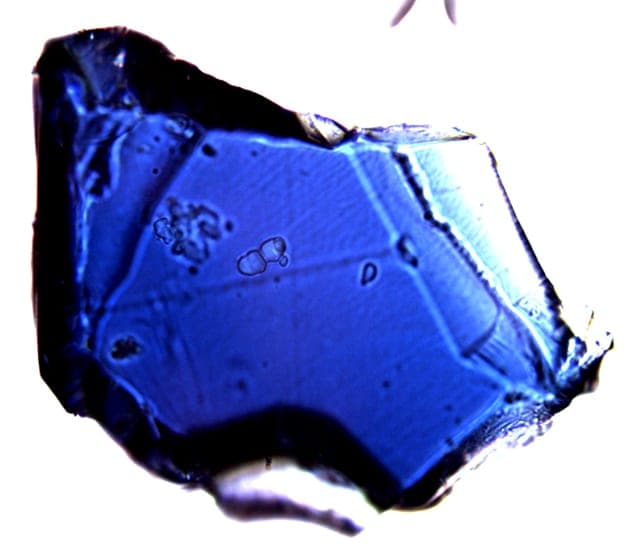
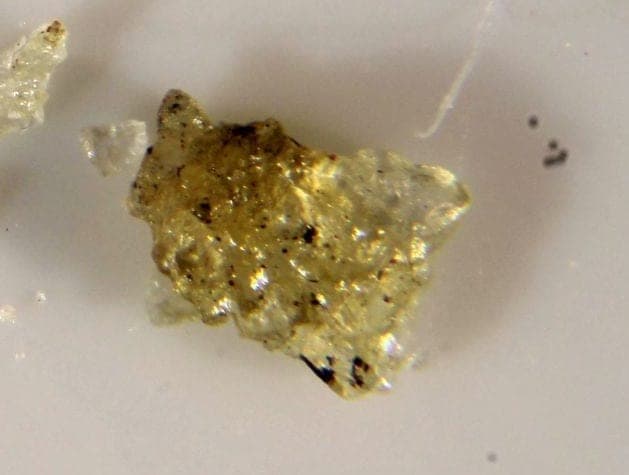
All properties
- Chemical formula
- FeCr₂O₄
- Mohs hardness
- >5.5
- Density
- 5.342 g/cm³
- Colors
- Luster
- Metallic
- Transparency
- Opaque
- Crystal system
- Orthorhombic
- Crystal habit
- Microscopic grains in impact shock-metamorphosed rock
- Rarity
- Rare
- Uses
- Collector, Scientific research
- Host rock
- In a shock vein in a L6 chondrite meteorite, formed by solid-state transformation of chromite under shock-induced high pressure and temperature (Suizhou)
Where rockhounds find xieite
Classic worldwide localities
- Suizhou meteorite, Hubei Province, China
Field-hunting tip
Where it forms: In a shock vein in a L6 chondrite meteorite, formed by solid-state transformation of chromite under shock-induced high pressure and temperature (Suizhou). If you start seeing ringwoodite, majorite, lingunite in float, you are in the right ground. Typical habit: microscopic grains in impact shock-metamorphosed rock. Train your eye for that shape before scanning the outcrop.
Common questions
How do you identify xieite?+
Where is xieite found?+
What rocks look like xieite?+
What minerals are found with xieite?+
What kind of rock does xieite form in?+
What is xieite used for?+
Find xieite on the map
RockHoundR shows mapped rockhounding spots, access rules, and lets you log every find.