Where to Find Agate in Kansas
Kansas has 12 mapped collecting spots that report agate, spread across 11 counties. The largest share sits in Barber County with 2 spots. 10 of the spots are on land mapped as publicly accessible.
Every agate spot we track in Kansas
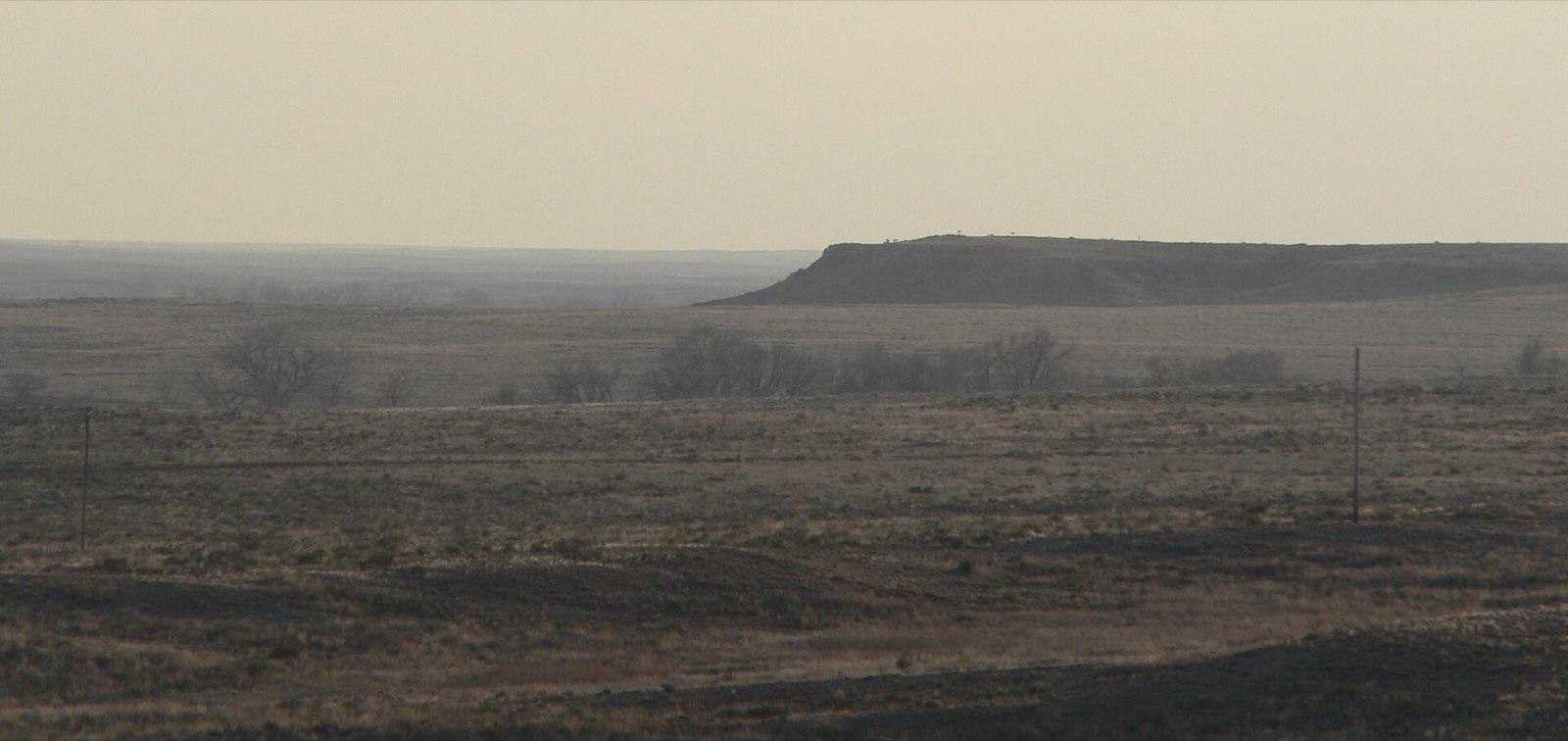 Best spotCimarron National GrasslandMorton County, KansasPublic access · Agate, Jasper, Chalcedony +2
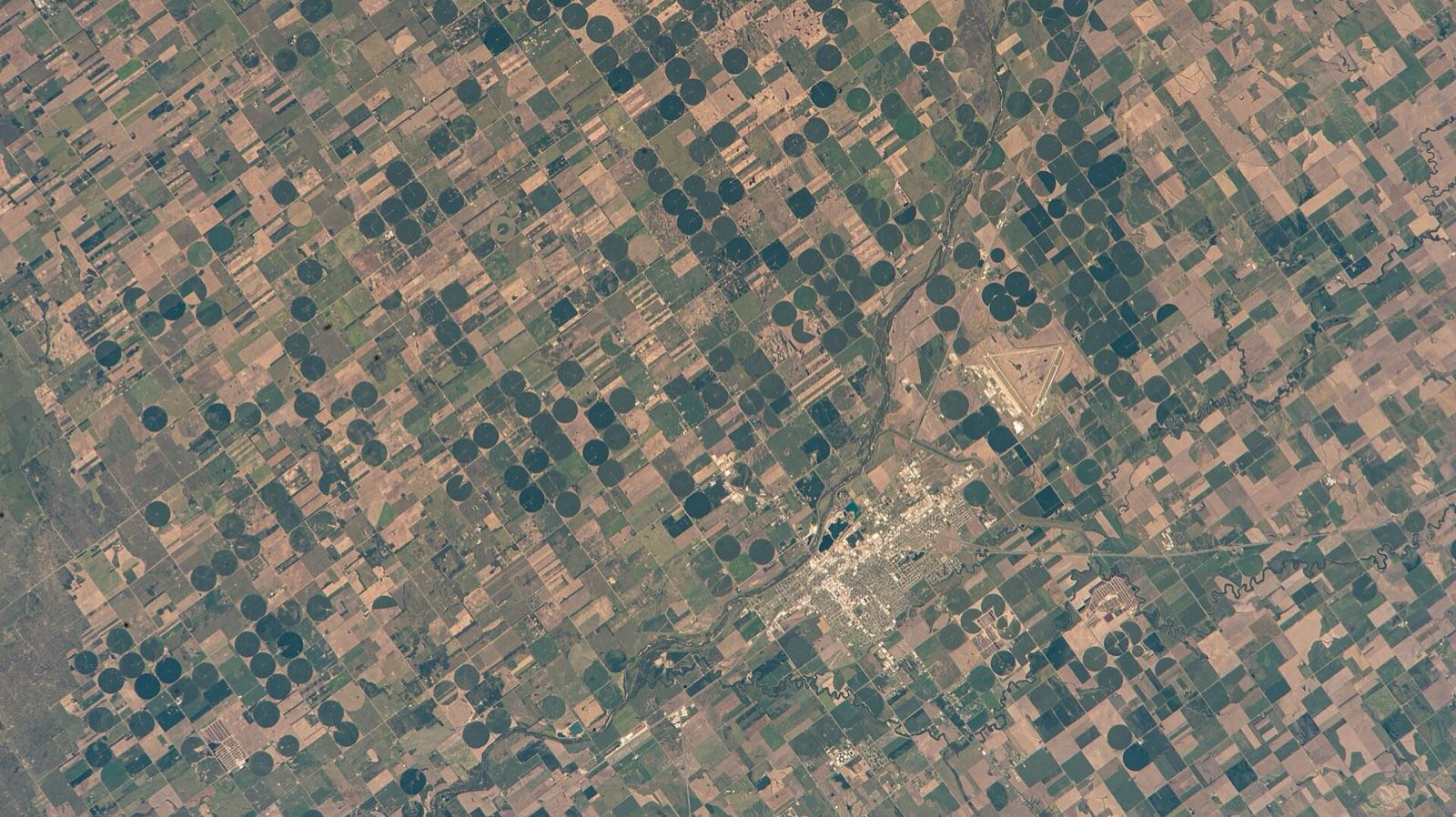 Best spotArkansas River at Great BendBarton County, KansasPublic access · Agate, Jasper, Chalcedony +1
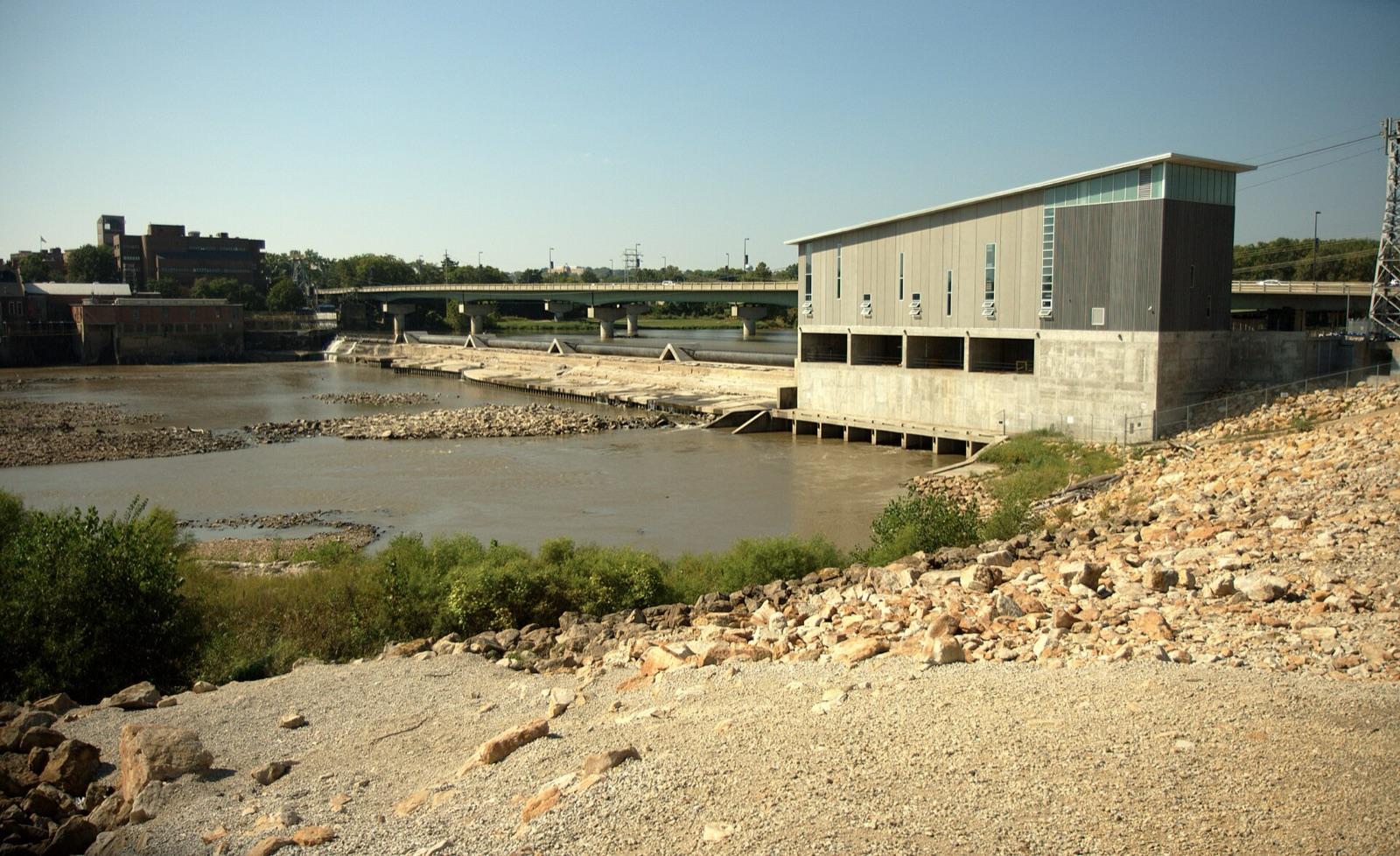 Best spotKansas River at LawrenceDouglas County, KansasPublic access · Lake Superior Agate, Agate, Chert +1
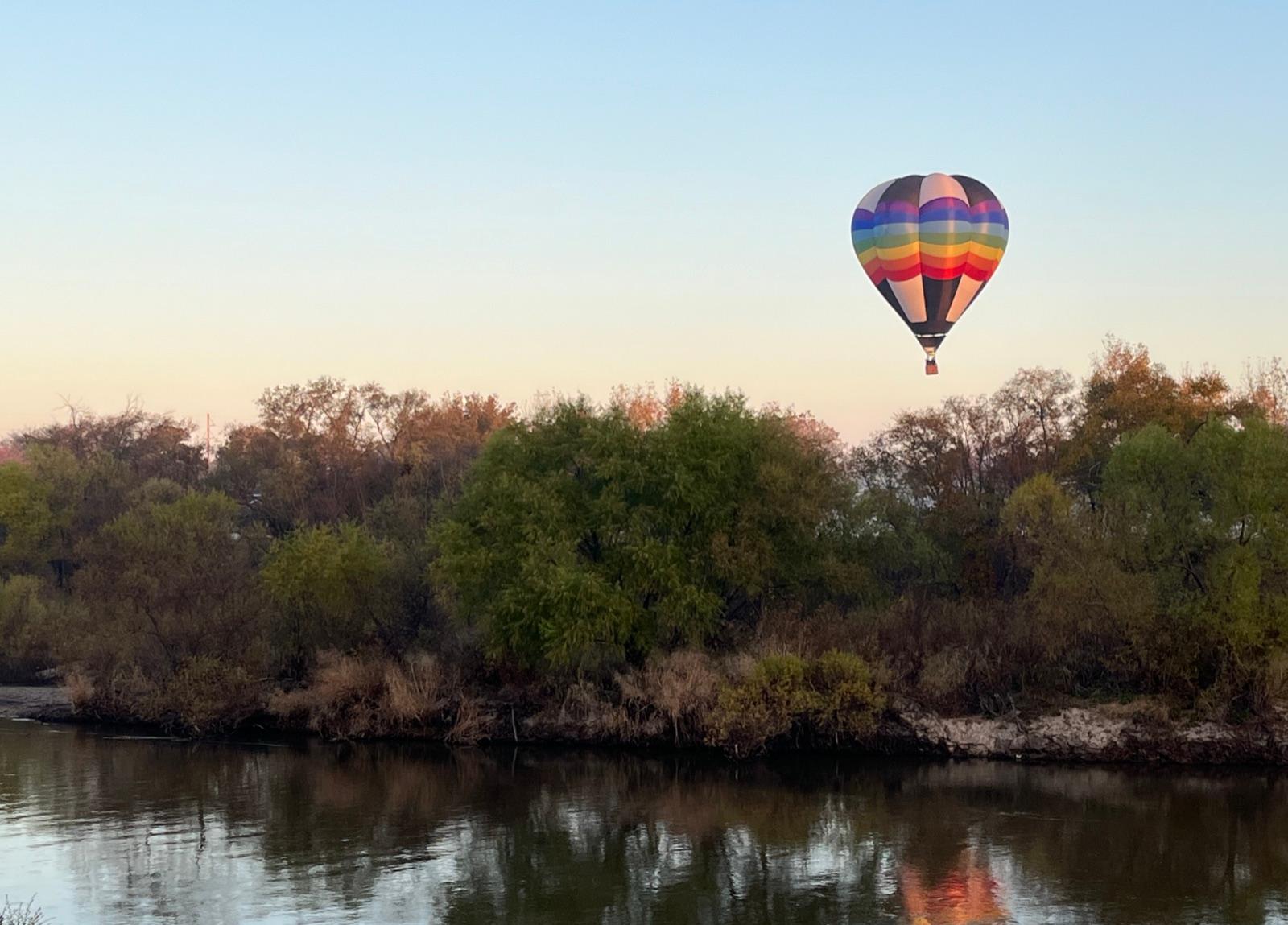 Best spotArkansas River at WichitaSedgwick County, KansasPublic access · Agate, Jasper, Petrified Wood
 Medicine Lodge RiverBarber County, KansasPublic access · Agate, Jasper, Agatized Wood +3
- ConcordiaCloud County, KansasPublic access · Agate, Moss Agate, Banded Agate +2
 Big Blue RiverMarshall County, KansasPermission required · Agate, Chalcedony, Chert +1
- Verdigris RiverWilson County, KansasPublic access · Agate, Jasper, Chalcedony +1
- Chikaskia RiverKingman County, KansasPublic access · Agate, Jasper, Petrified Wood
- AetnaBarber County, KansasPublic access · Agate, Agatized Wood
- Republican RiverGeary County, KansasPermission required · Agate, Jasper
- Sharon SpringsWallace County, KansasPublic access · Agate, Petrified Wood
Standout agate spots in Kansas
Hand-picked from the full list above, with the reason each one earns a trip.
Arkansas River at Great Bend
Barton County
At Great Bend the Arkansas River swings east and begins its 192-mile National Water Trail run to the Oklahoma line, a designation that gives the public access to sandbars and gravel islands along the route.
Kansas River at Lawrence
Douglas County
The Kansas River at Lawrence carries the same glacial gravels found upstream at Topeka, including Lake Superior agate along with chert, quartzite, and petrified wood shed from Ice Age drift.
Cimarron National Grassland
Morton County
Cimarron National Grassland covers about 108,000 acres in the far southwest corner of Kansas and is the largest tract of public land in the state, managed by the U.S. Forest Service.
Arkansas River at Wichita
Sedgwick County
The Arkansas River runs through the center of Wichita, where its gravel bars yield agate, jasper, and petrified wood carried from the west.
Best counties for agate in Kansas
Ranked by the number of mapped agate spots. County links open the full rockhounding page for that county.
- Barber County2 spots
- Barton County1 spot
- Cloud County1 spot
- Douglas County1 spot
- Geary County1 spot
- Kingman County1 spot
- Marshall County1 spot
- Morton County1 spot
- Sedgwick County1 spot
- Wallace County1 spot
- Wilson County1 spot
Before you go
Read the agate identification guide so you know what a keeper looks like in the field: Agate in the encyclopedia.
Agate in Kansas FAQ
Where can you find agate in Kansas?+
How many agate spots are mapped in Kansas?+
Is it legal to collect agate in Kansas?+
Where else to find agate
More minerals to hunt in Kansas
Hunt agate in Kansas with the map in your pocket
RockHoundR puts these spots on an offline map with BLM and Forest Service overlays, geology layers, and a log for your finds.