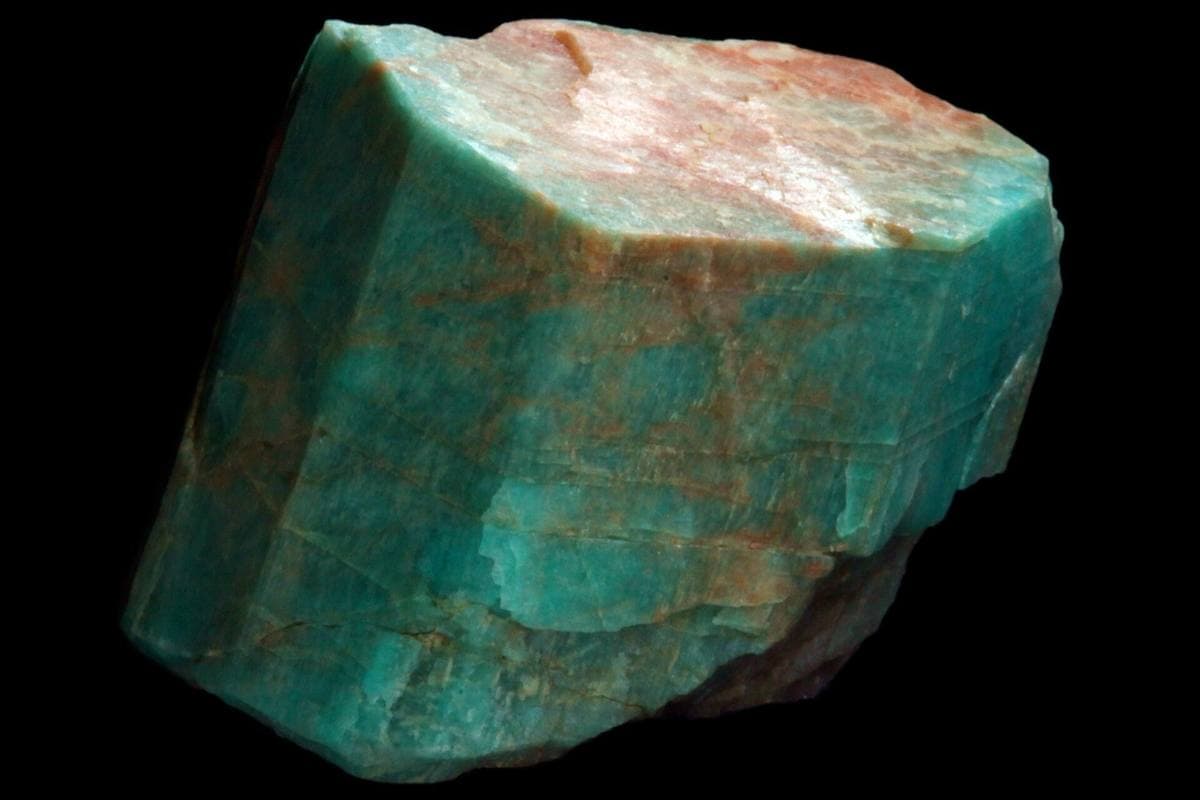
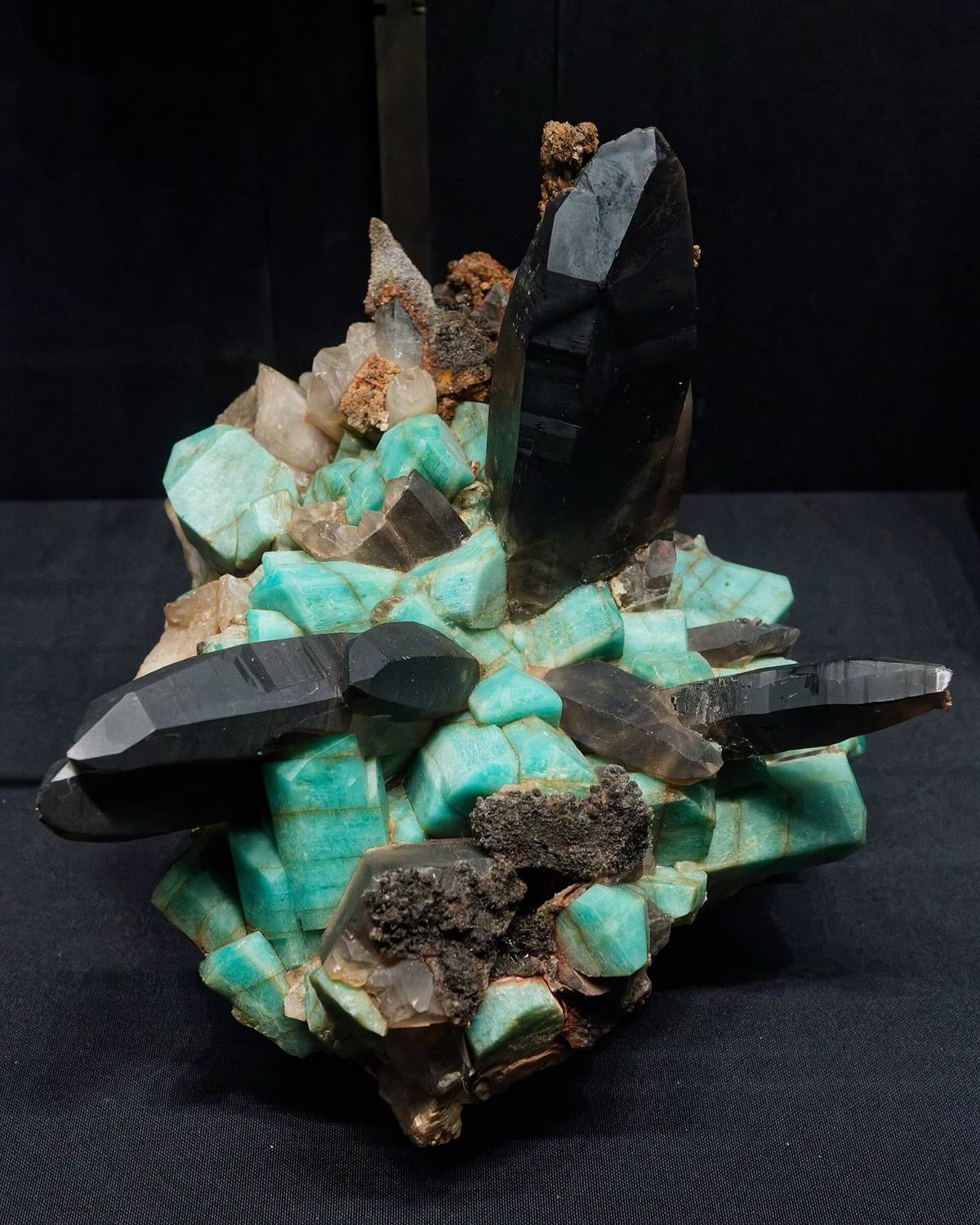
Amazonite is a vibrant green variety of potassium feldspar known for its distinct teal hue and characteristic cross-hatched twinning patterns. It is frequently collected in association with smoky quartz in granitic pegmatite pockets, making for highly aesthetic cabinet specimens.
Spotting amazonite in the field
Field marks- 1
Blue-green to turquoise-green feldspar, often with fine white streaks
- 2
Two flat cleavage directions at close to 90 degrees, reflecting as bright planes
- 3
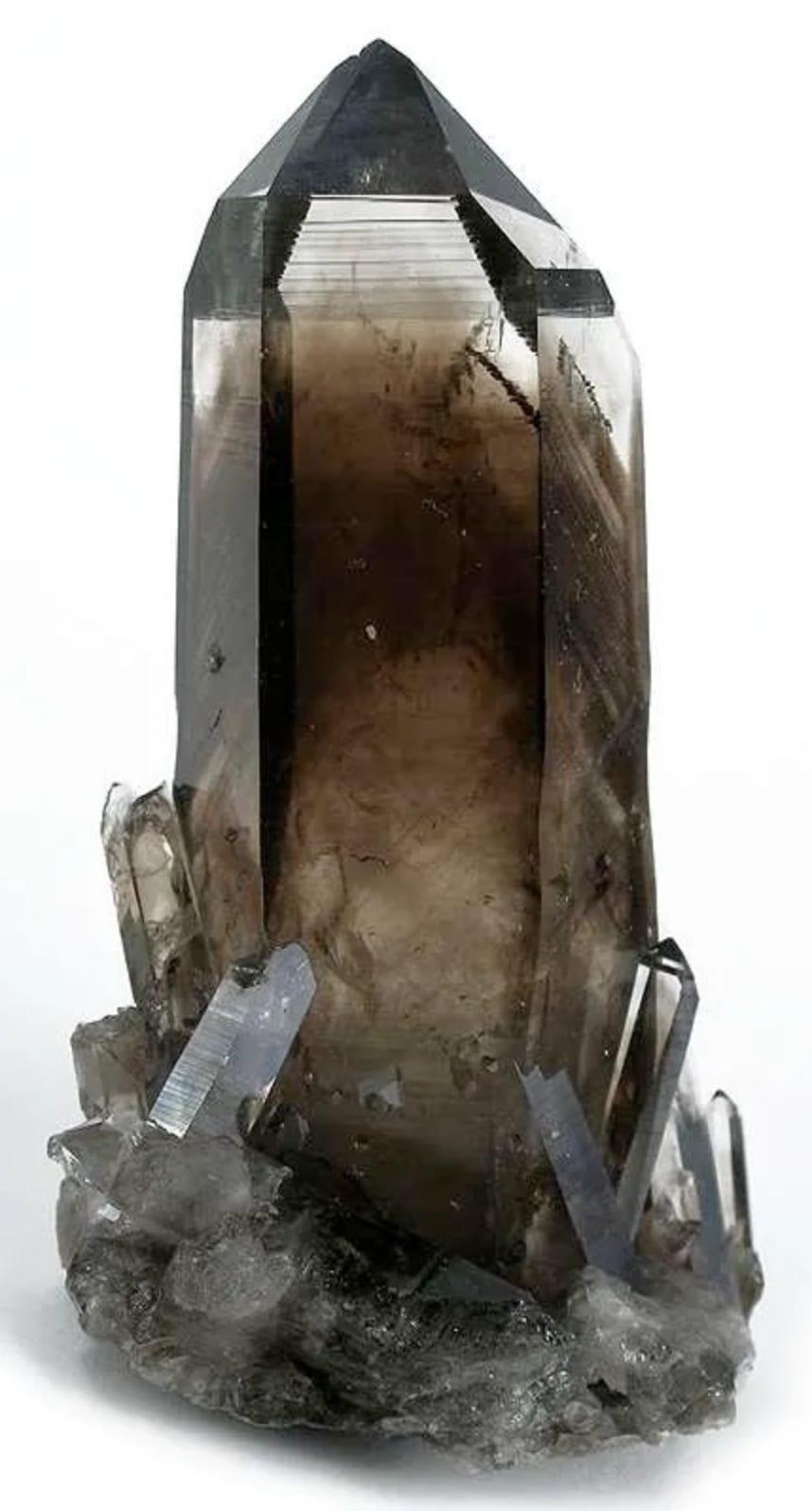
Frequently found with smoky quartz, which is the classic pairing
Amazonite is a green microcline feldspar and in Colorado's Pikes Peak granite it grows alongside smoky quartz in pockets, producing one of the most recognizable specimen combinations in North America. Look for weathered, clay-filled pocket zones in decomposing granite, and dig with hand tools and patience: the crystals are usually intact in the clay and get broken by impatient prying. The white streaks are perthite, thin lamellae of a second feldspar, and they are natural.
Straight answers
- Is it worth cutting?
- Cabs well but cleavage makes it chip at the edges, so bevel them and go gently on the final polish. The white perthite streaking is part of its character.
- What is it really worth?
- Inexpensive as cutting rough. Specimen value is where the money is, especially amazonite with smoky quartz on matrix from Colorado.
- Can you legally keep it?
- Colorado's Pikes Peak localities are a mix of national forest land, private property and active claims, with several commercial fee digs. Check status before digging.
Where it is worth going
- Crystal PeakTeller County, Colorado
The classic amazonite and smoky quartz pockets. Mixed land status, plus pay-to-dig claims.
Often confused with
Amazonite vs. its common look-alikes, and how to tell them apart in the field.
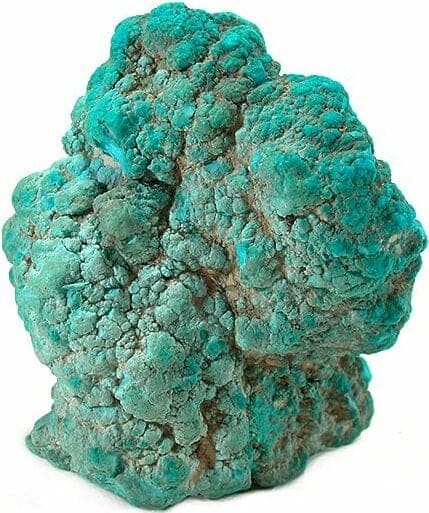
How to tell apart: Turquoise is softer, has no cleavage, and forms massive nodules and veins. Amazonite shows blocky crystals and flat cleavage planes.
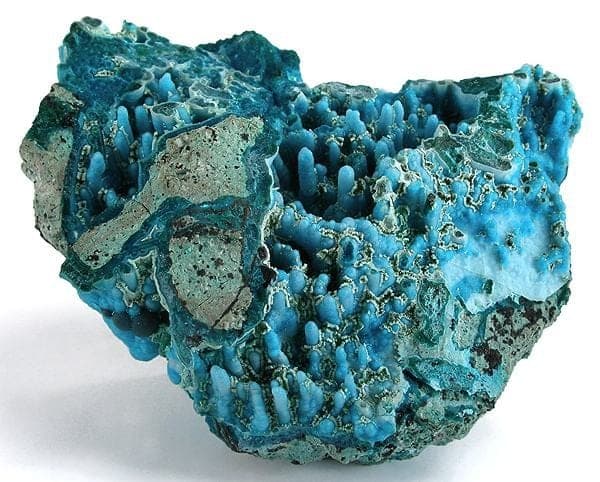
How to tell apart: Chrysocolla is much softer, often botryoidal, and is a copper mineral found in copper deposits rather than granite pegmatites.
Often found alongside amazonite
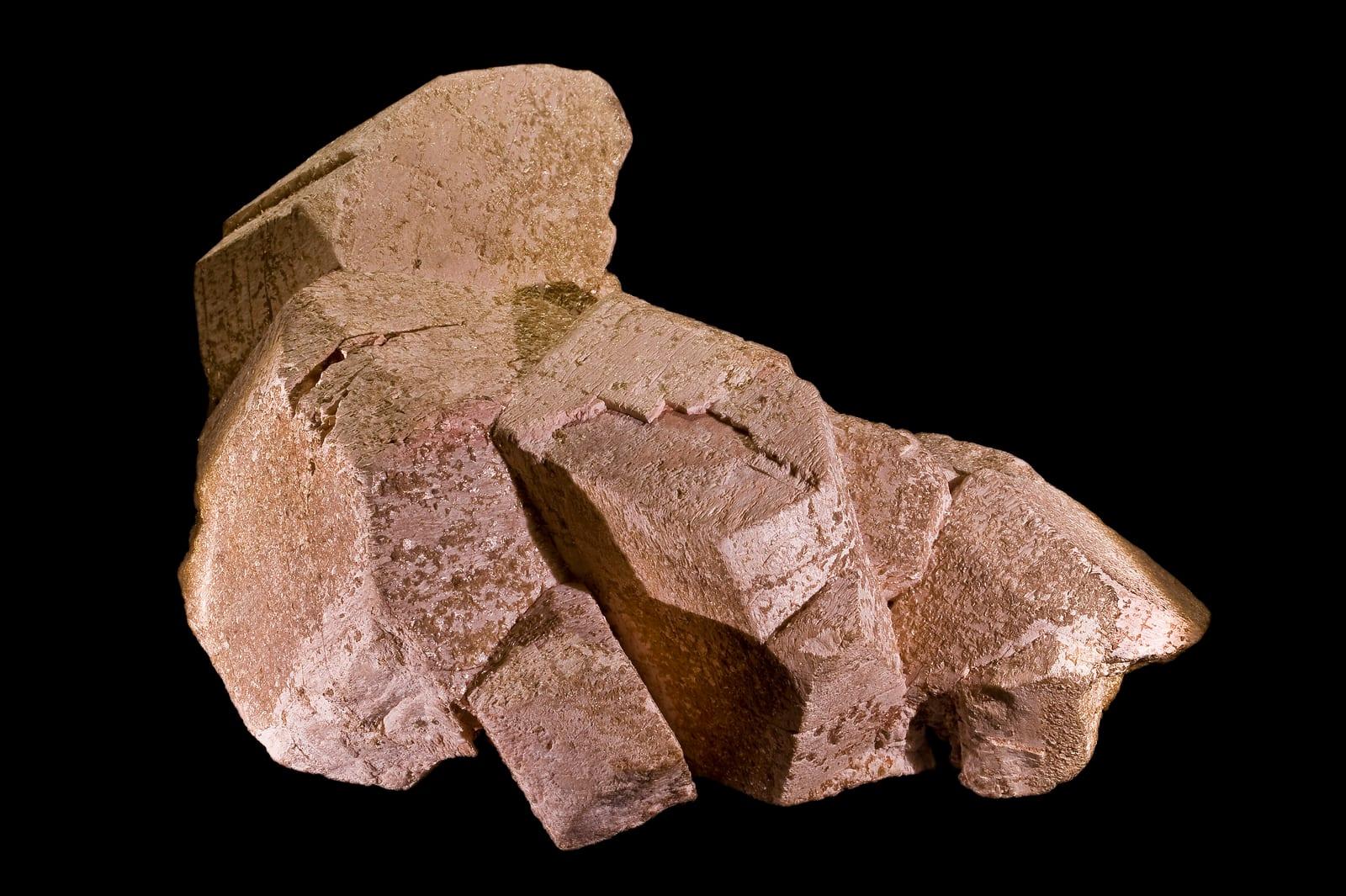
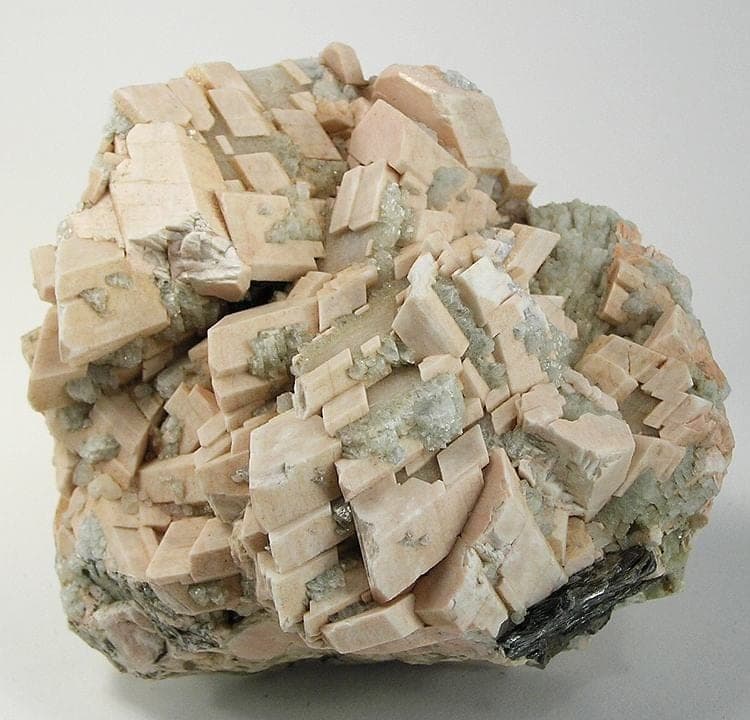
Minerals reported to co-occur with amazonite. Spotting these in float or country rock is a strong cue you are in the right ground.
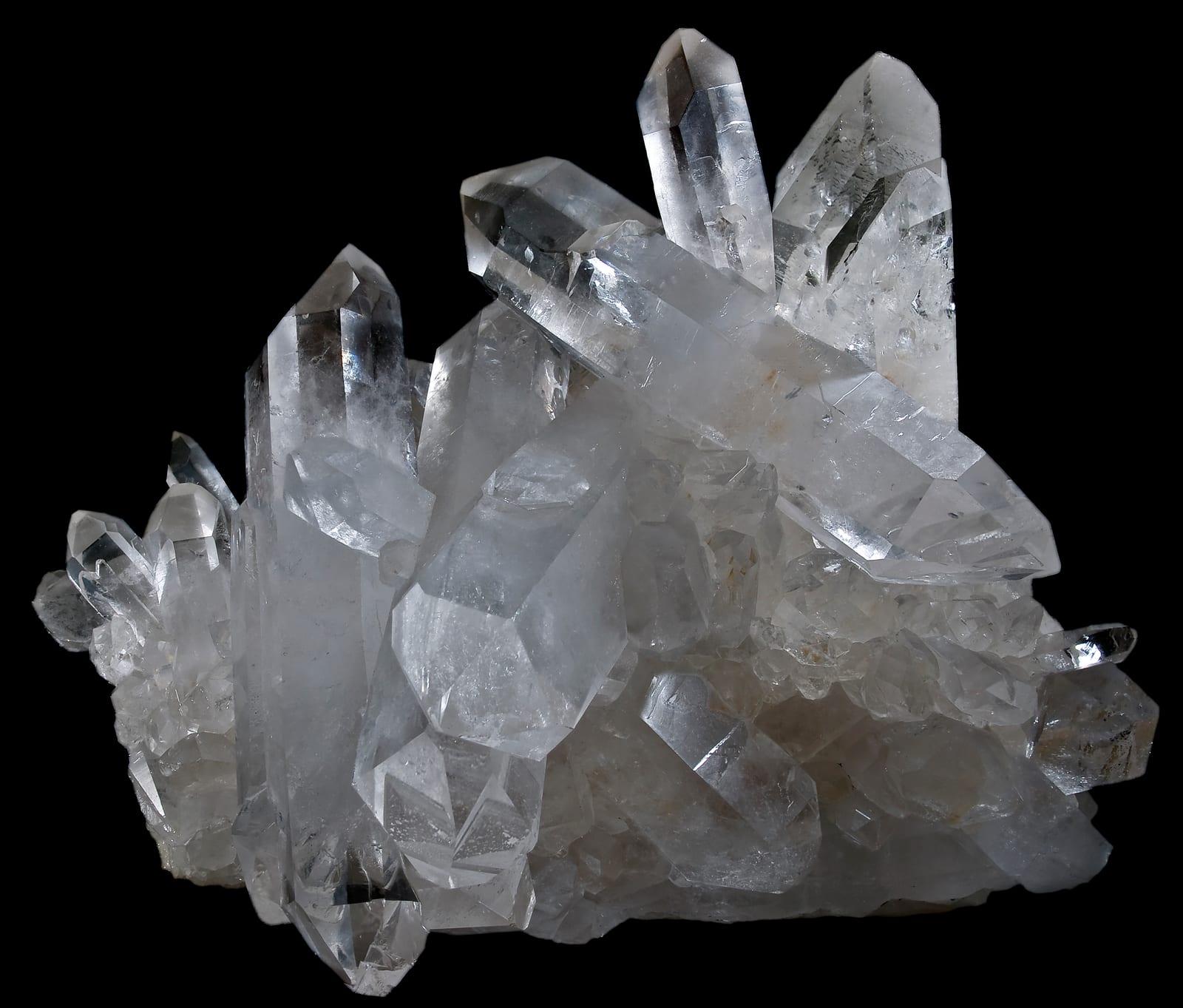
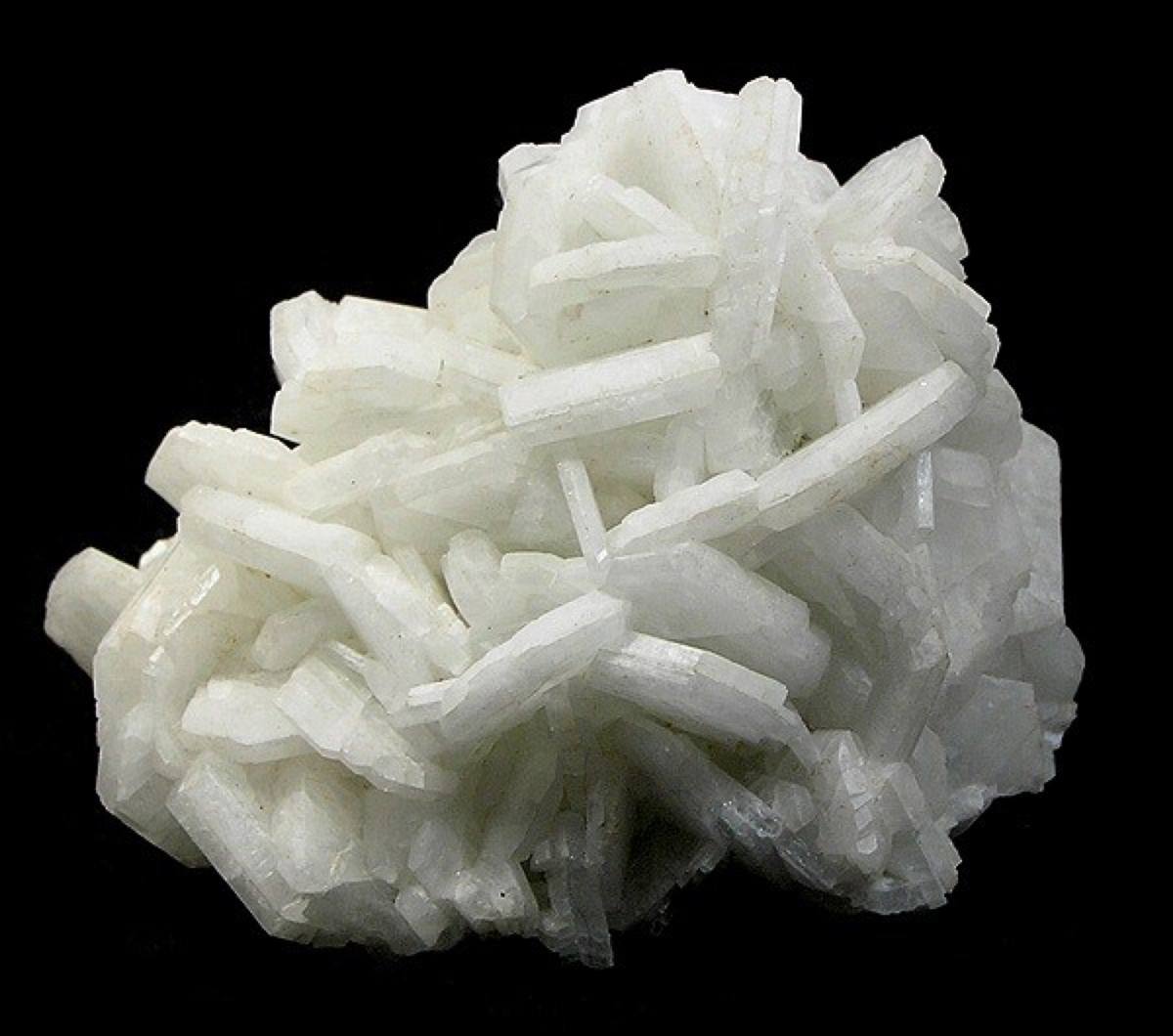
All properties
- Chemical formula
- KAlSi₃O₈
- Mohs hardness
- 6
- Density
- 2.56-2.58 g/cm³
- Colors
- Streak
- White
- Luster
- Vitreous
- Transparency
- Translucent
- Crystal system
- Triclinic
- Crystal habit
- Prismatic crystals, massive, granular
- Cleavage
- Perfect in two directions at right angles
- Rarity
- Common
- Uses
- Gemstone, Lapidary, Collector
- Host rock
- granite pegmatites
Where rockhounds find amazonite
22 mapped spotsClassic worldwide localities
- Colorado, USA
- Minas Gerais, Brazil
- Madagascar
- Russia
- Namibia
U.S. states with amazonite
Each link opens a state-specific list of mapped rockhounding spots that produce amazonite.
Field-hunting tip
Where it forms: granite pegmatites. If you start seeing quartz, albite, orthoclase in float, you are in the right ground. Typical habit: prismatic crystals, massive, granular. Train your eye for that shape before scanning the outcrop. In the U.S., the densest reported localities are in Colorado, Texas, Virginia. Start trip planning there.
More amazonite photos
Common questions
How do you identify amazonite?+
Where is amazonite found?+
Can I find amazonite in the United States?+
What rocks look like amazonite?+
What minerals are found with amazonite?+
What kind of rock does amazonite form in?+
What is amazonite used for?+
Find amazonite on the map
RockHoundR shows mapped rockhounding spots, access rules, and lets you log every find.