
Amethyst is the purple variety of quartz, colored by iron impurities and radiation exposure. It typically forms as prismatic crystal clusters within volcanic geodes, commonly sought by collectors for its vibrant violet hues and geometric point terminations.
Spotting amethyst in the field
Field marks- 1
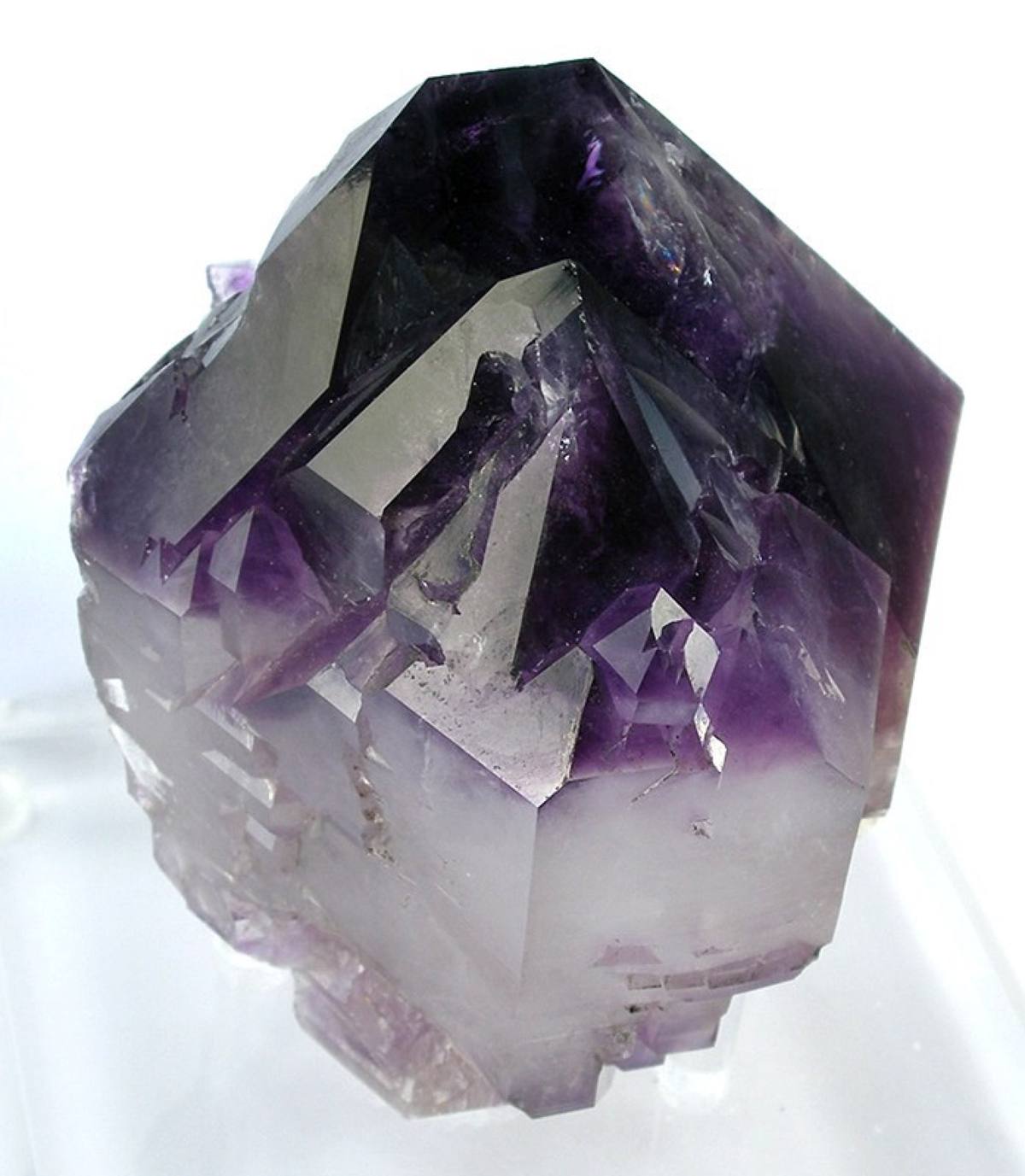
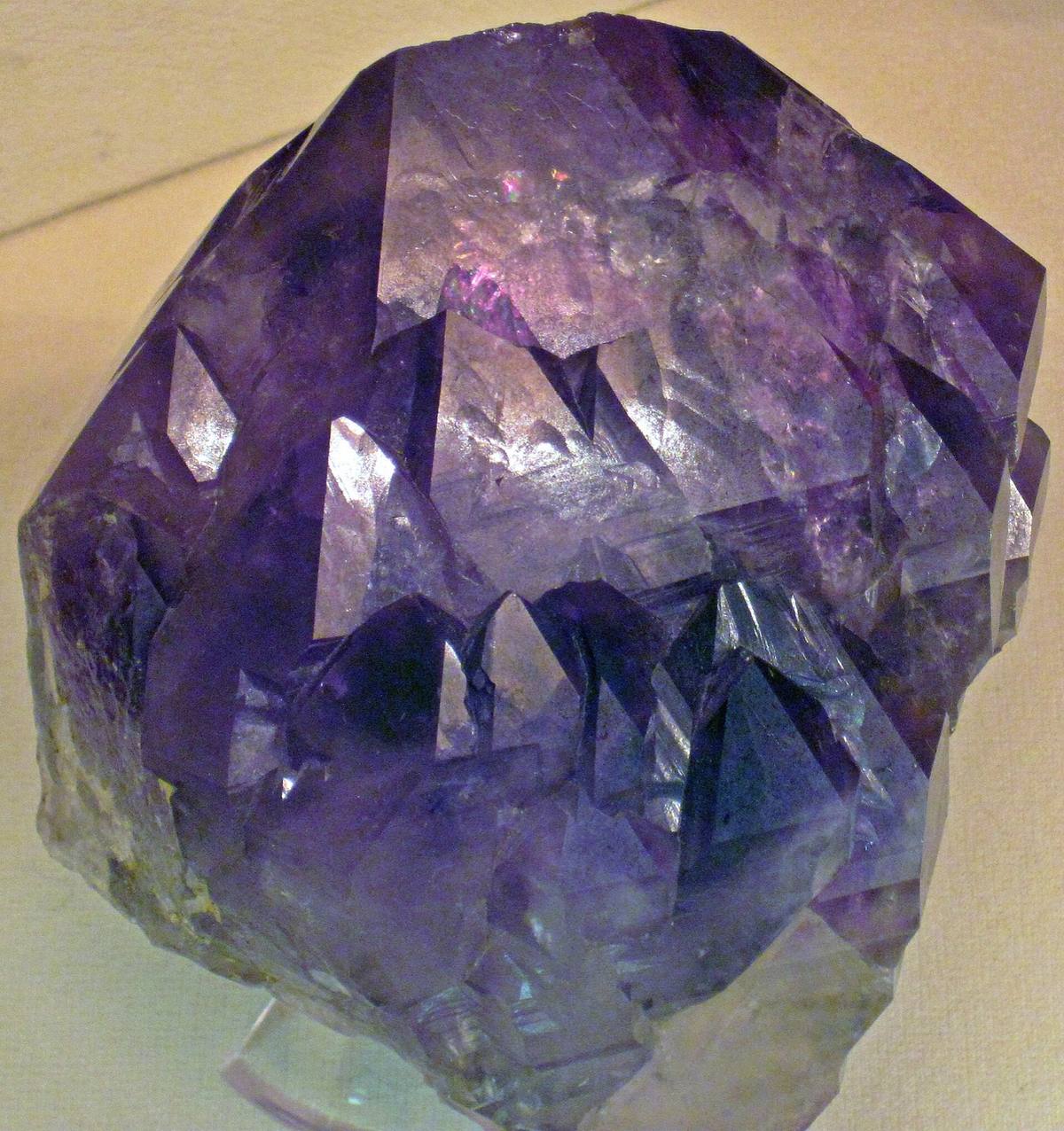
Purple quartz, usually darkest at the crystal tip and paler toward the base
- 2
Six-sided prisms with a glassy luster, hardness 7
- 3
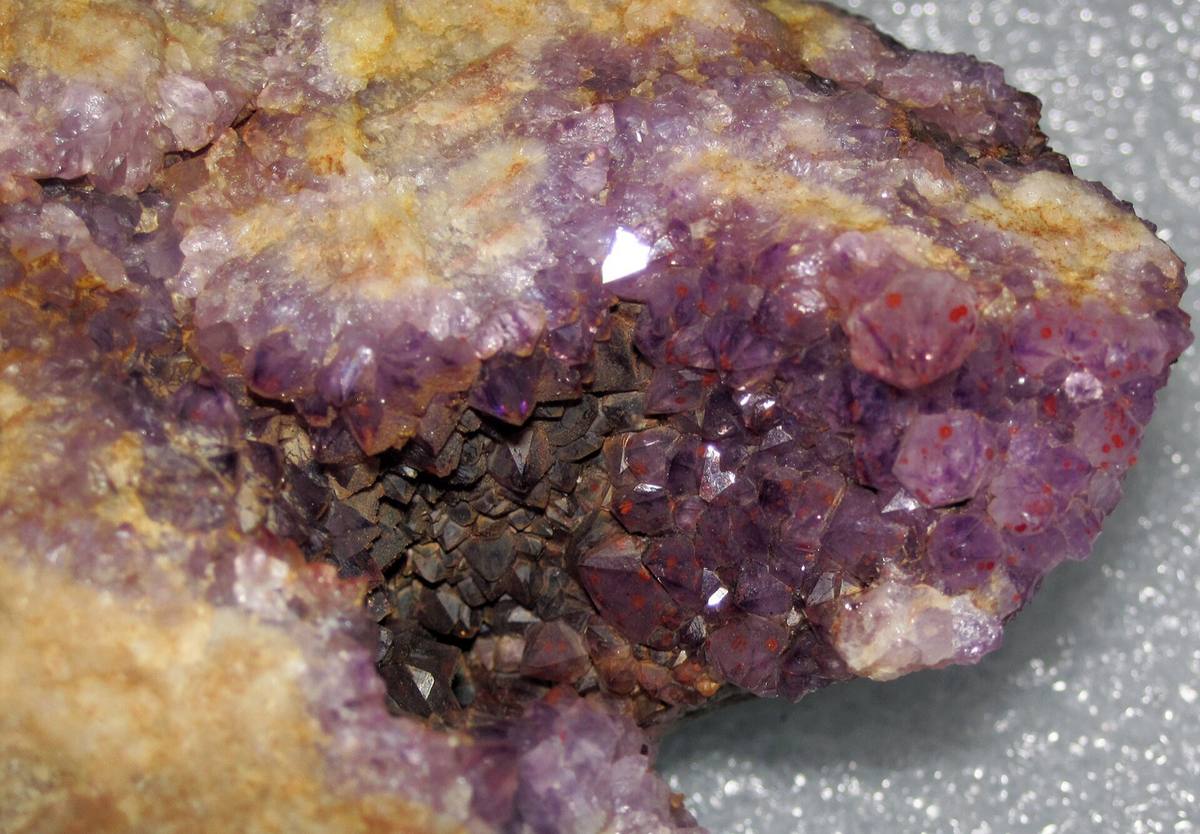
Commonly lines cavities as a crust of small pointed crystals
The color zoning is the useful field mark: natural amethyst is very often stronger at the termination and washes out lower down, which is why a broken crystal can look far paler than an intact one. Look in basalt cavities, hydrothermal veins and pegmatite pockets. In the field the crust-on-a-cavity habit is much more common than free-standing crystals, so watch broken vug faces in road cuts. Color fades with prolonged sunlight, so do not display good pieces on a sunny windowsill.
Straight answers
- Is it worth cutting?
- Cuts and tumbles well. Heat changes it, which is worth knowing in both directions: too much heat on the wheel can pale a good stone.
- What is it really worth?
- Once precious, now inexpensive because of large Brazilian and Uruguayan deposits. Deep, evenly saturated color without zoning is what still carries value, along with well-formed crystal specimens.
- Can you legally keep it?
- Widely collectible on public land under ordinary personal-use rules. Several famous North American localities are private fee digs.
Where it is worth going
- Four PeaksMaricopa County, Arizona
Deep purple with red flashes, from a remote high-elevation claim. Not open to casual collecting.
- Jackson's CrossroadsWilkes County, Georgia
Some of the finest amethyst in North America, from a private fee-dig operation.
Often confused with
Amethyst vs. its common look-alikes, and how to tell them apart in the field.
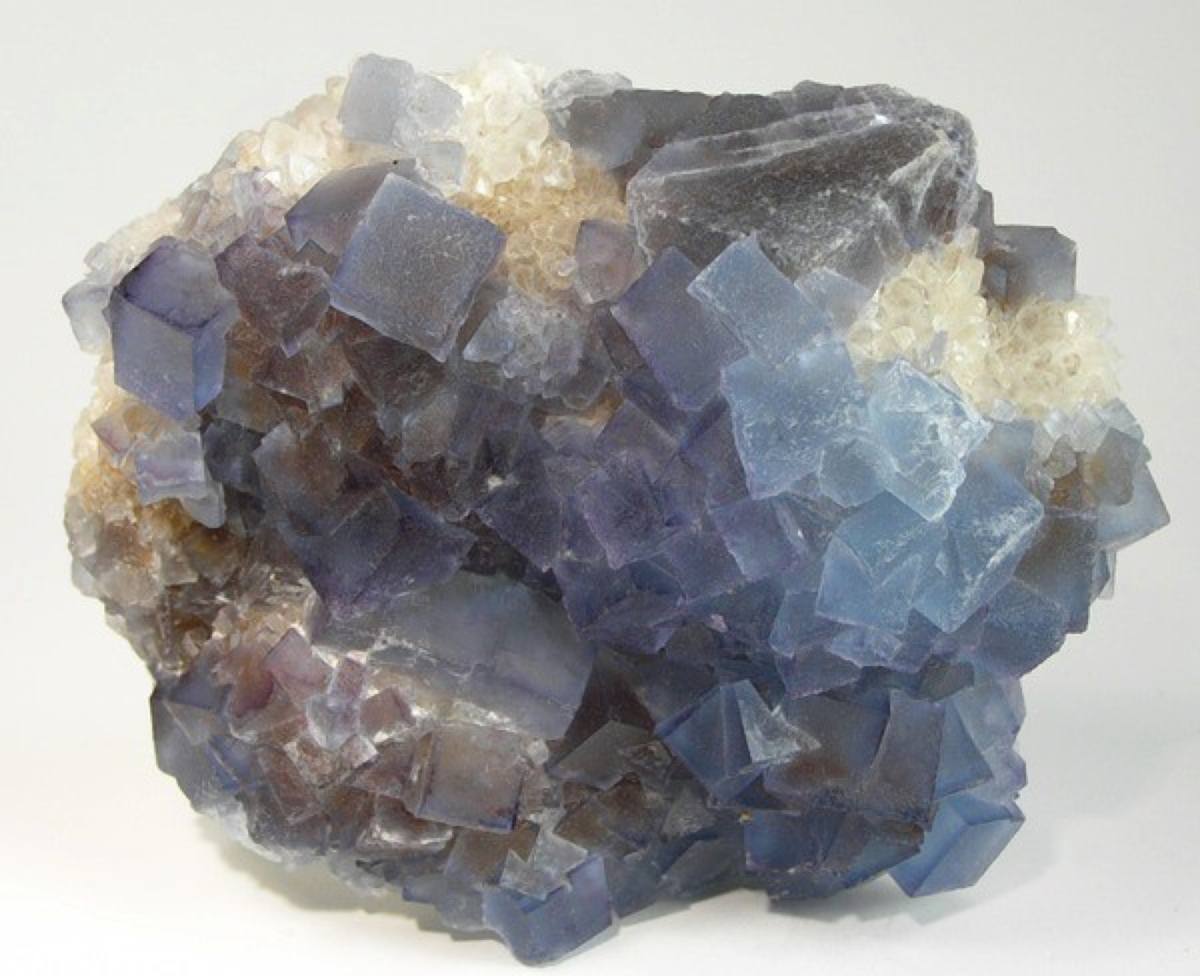
Often found alongside amethyst
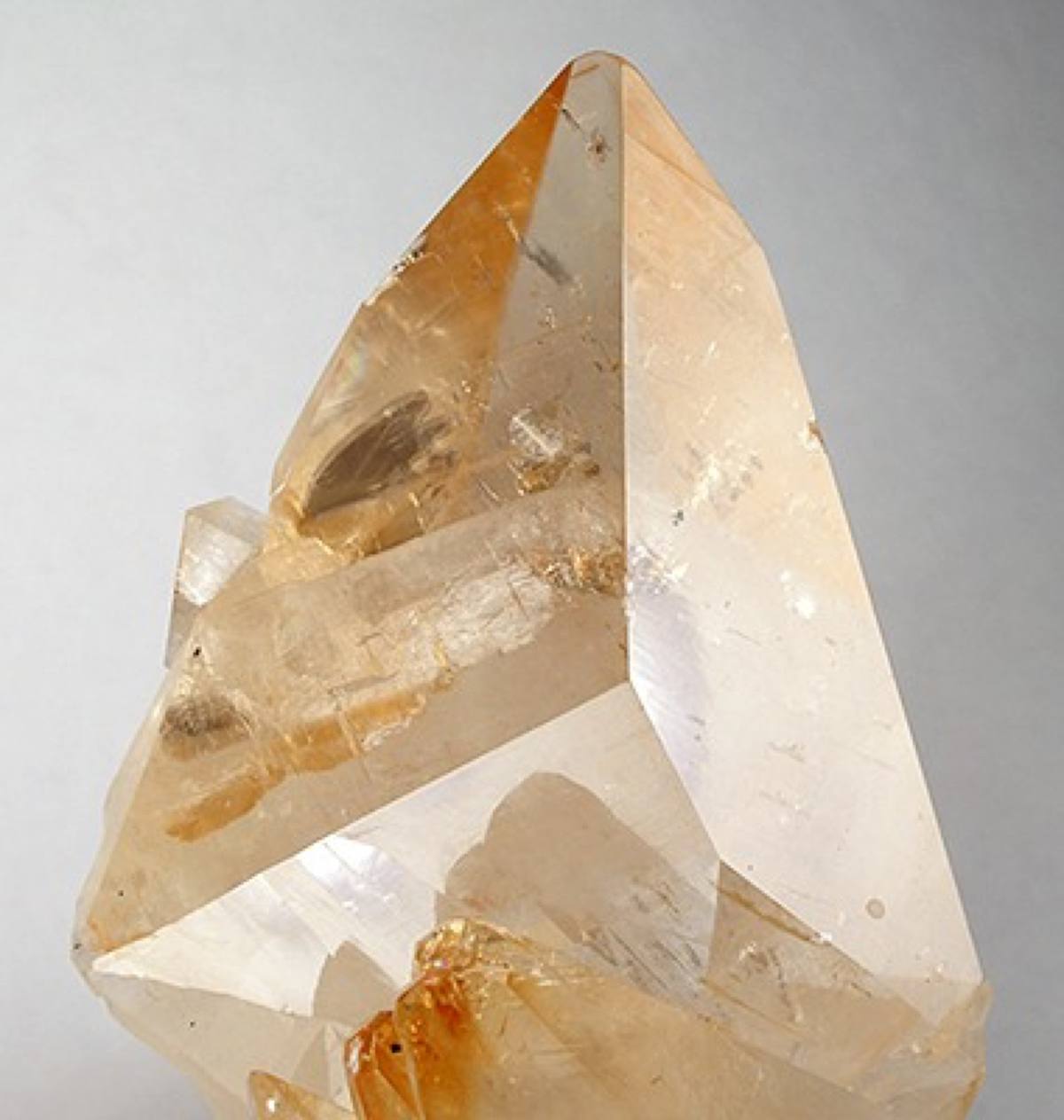
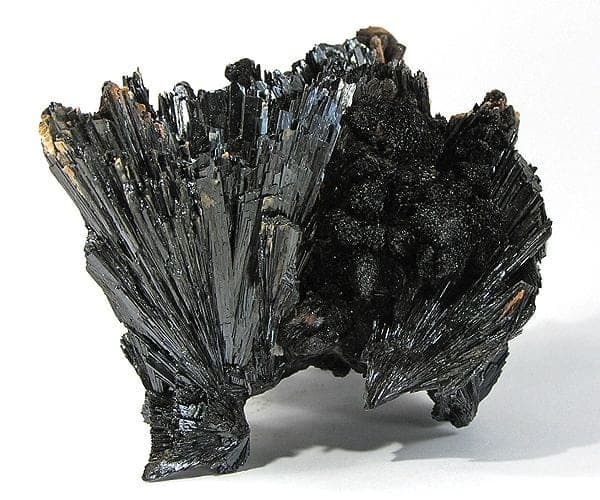
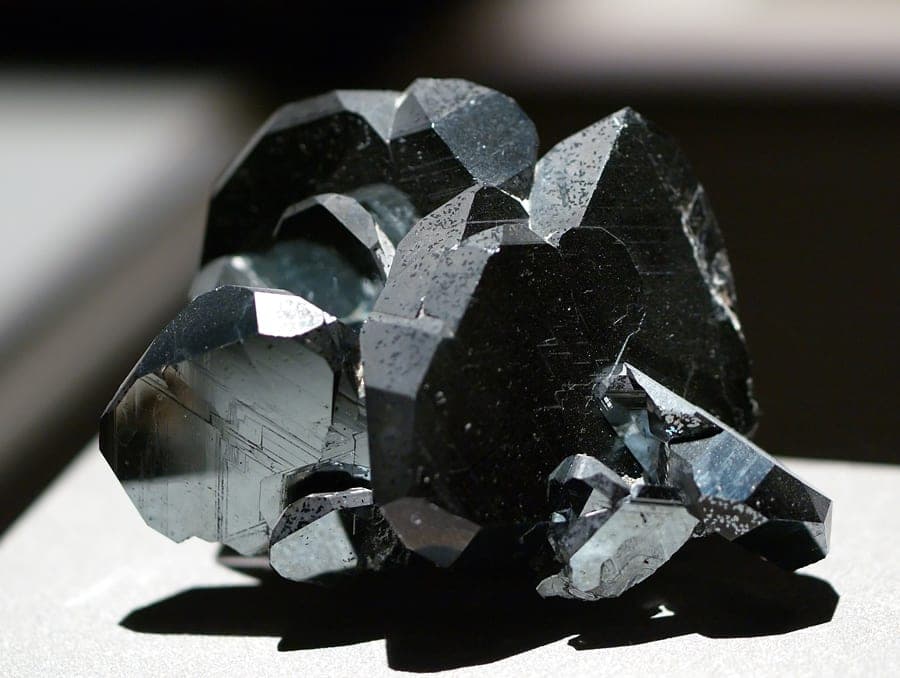
Minerals reported to co-occur with amethyst. Spotting these in float or country rock is a strong cue you are in the right ground.
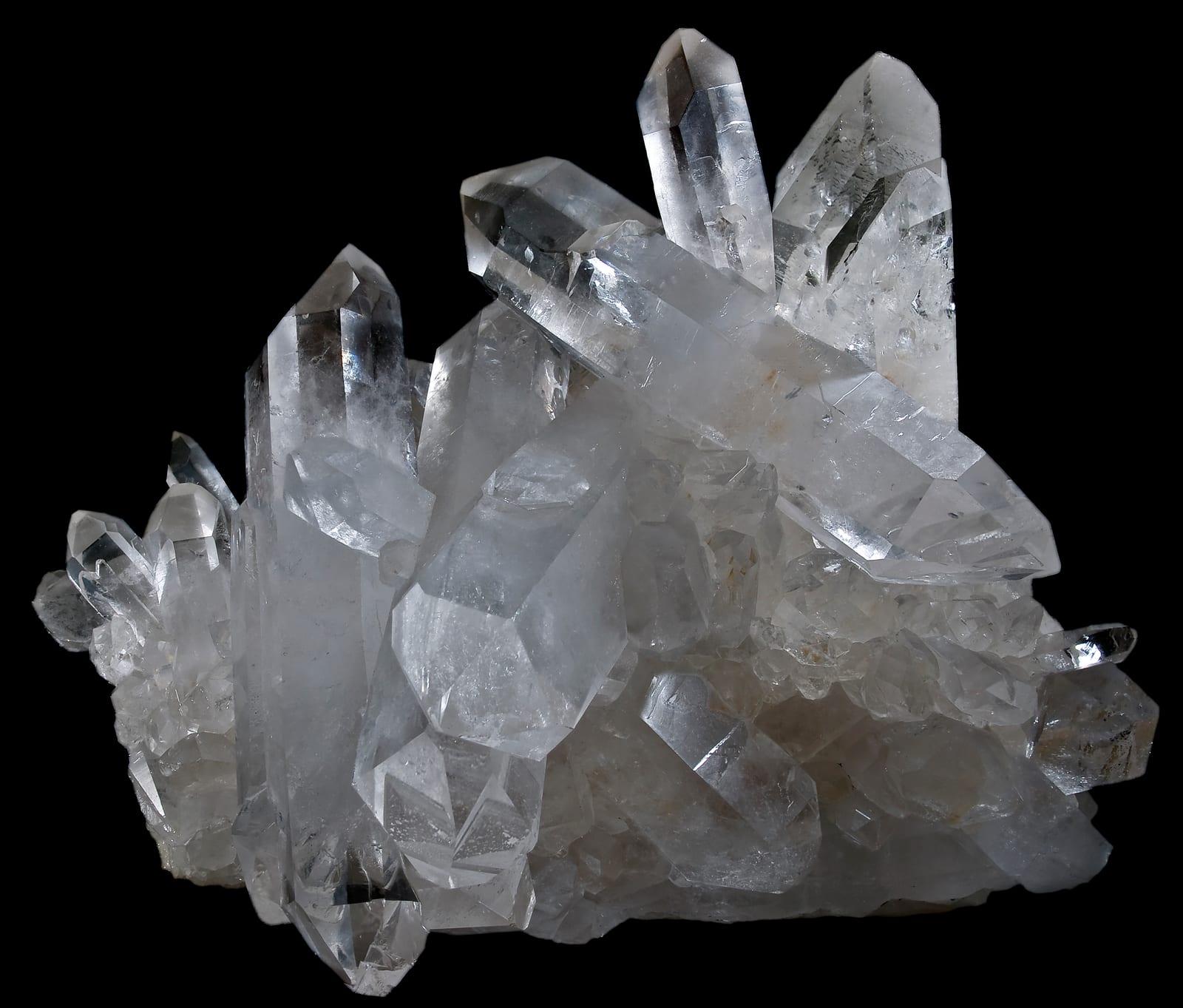
All properties
- Chemical formula
- SiO₂
- Mohs hardness
- 7
- Density
- 2.65 g/cm³
- Streak
- White
- Luster
- Vitreous
- Transparency
- Transparent
- Crystal system
- Trigonal
- Crystal habit
- Prismatic crystals in geodes
- Cleavage
- None
- Rarity
- Common
- Uses
- Gemstone, Lapidary, Collector, Decorative
- Host rock
- geodes in basalt and hydrothermal veins
Where rockhounds find amethyst
144 mapped spotsClassic worldwide localities
- Brazil
- Uruguay
- Zambia
- United States
- Madagascar
U.S. states with amethyst
Each link opens a state-specific list of mapped rockhounding spots that produce amethyst.
- North Carolina21 spots
- Virginia16 spots
- South Carolina11 spots
- New Jersey10 spots
- Pennsylvania10 spots
- New Hampshire8 spots
- Utah8 spots
- Georgia6 spots
Field-hunting tip
Where it forms: geodes in basalt and hydrothermal veins. If you start seeing calcite, goethite, hematite in float, you are in the right ground. Typical habit: prismatic crystals in geodes. Train your eye for that shape before scanning the outcrop. In the U.S., the densest reported localities are in North Carolina, Virginia, South Carolina. Start trip planning there.
More amethyst photos
Common questions
How do you identify amethyst?+
Where is amethyst found?+
Can I find amethyst in the United States?+
What rocks look like amethyst?+
What minerals are found with amethyst?+
What kind of rock does amethyst form in?+
What is amethyst used for?+
Find amethyst on the map
RockHoundR shows mapped rockhounding spots, access rules, and lets you log every find.

