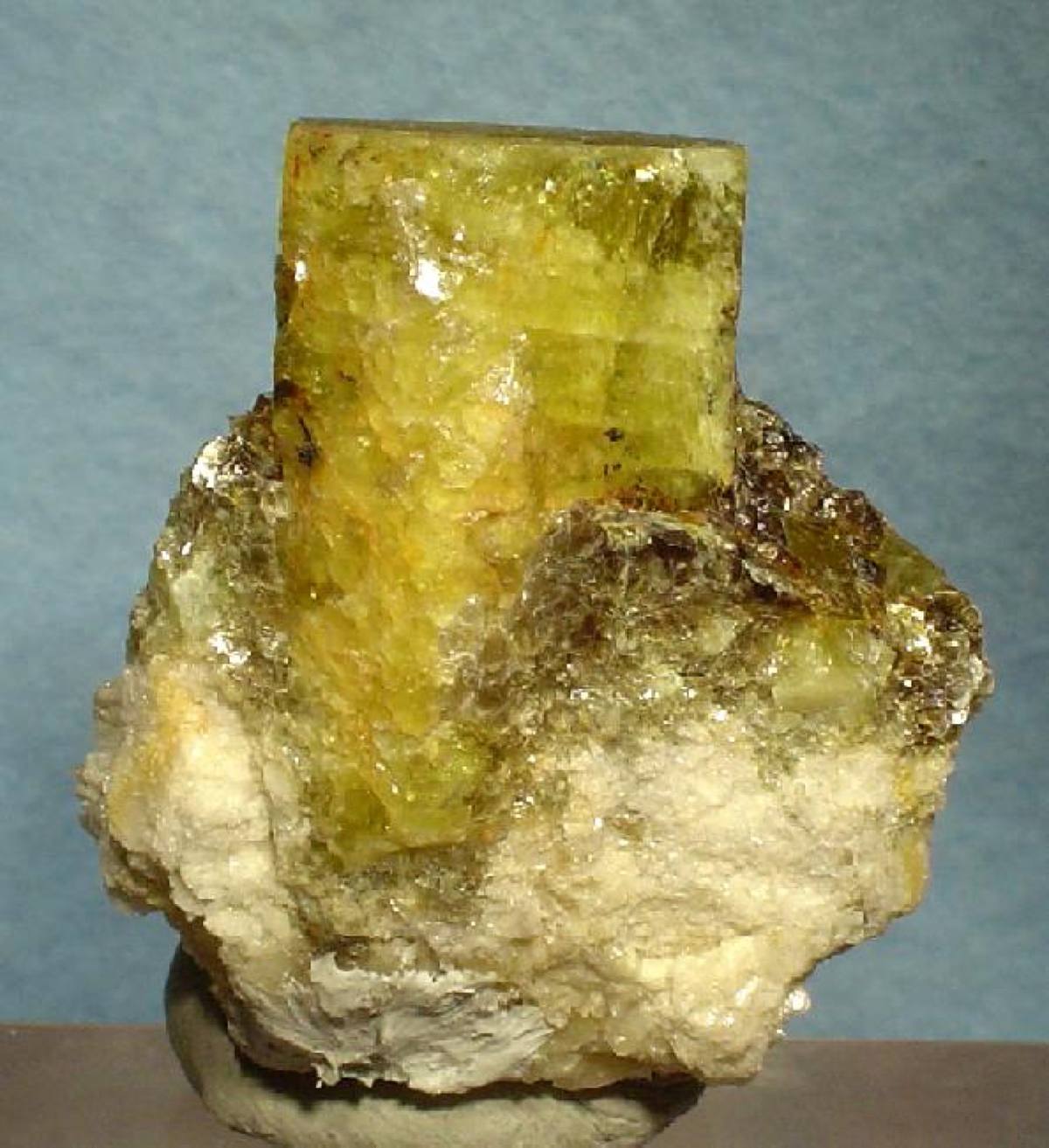
Beryl is a beryllium aluminum silicate that crystallizes in characteristic hexagonal prisms, often with prominent vertical striations. While common beryl is opaque and used as an ore, gem-quality varieties such as emerald and aquamarine are highly prized by collectors for their intense, characteristic colors.
Spotting beryl in the field
Field marks- 1
Six-sided prisms, often with flat ends rather than points
- 2
Hardness 7.5 to 8, harder than quartz, so it scratches a quartz crystal
- 3
Glassy luster, and a slightly greasy feel on weathered faces
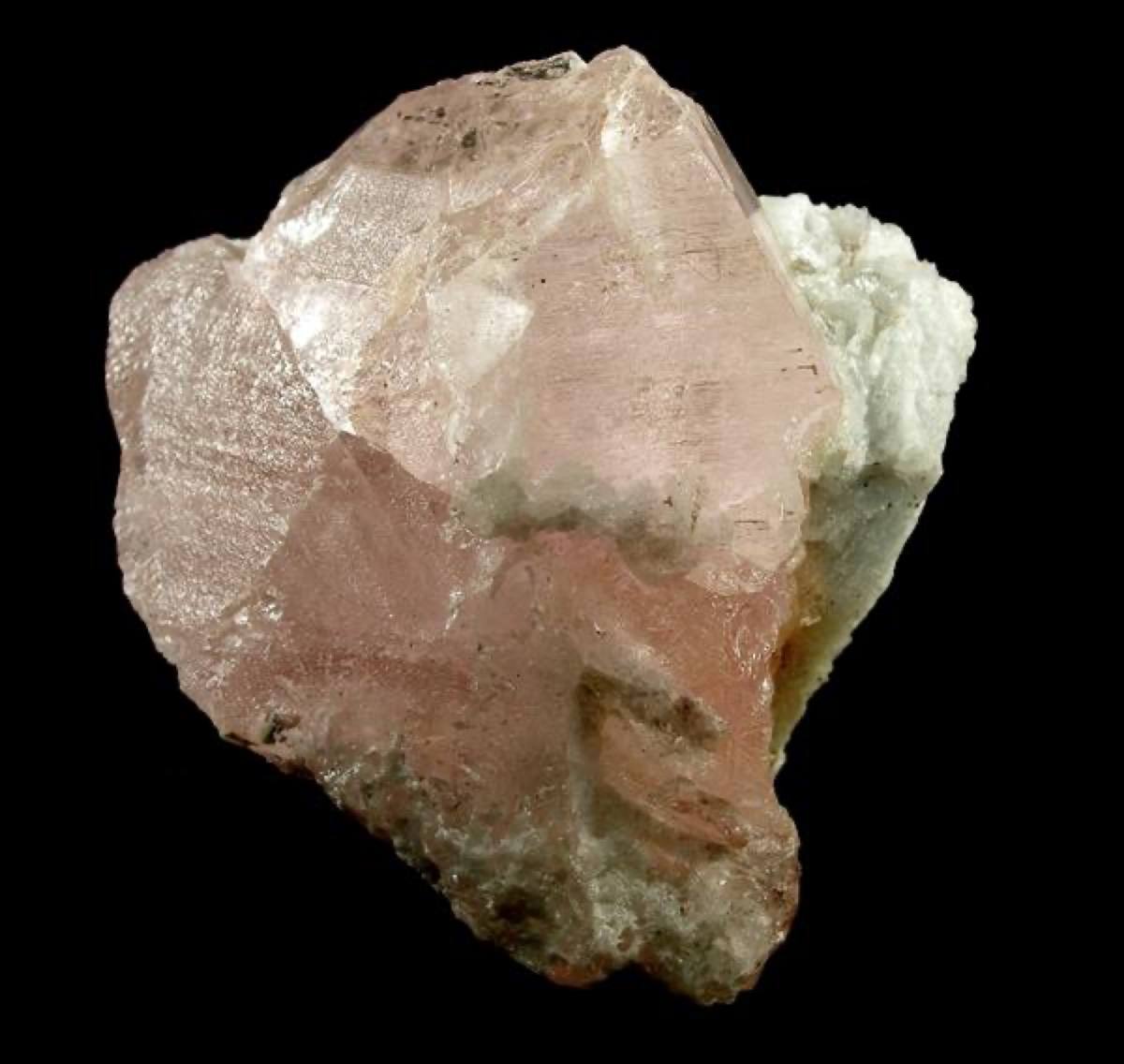
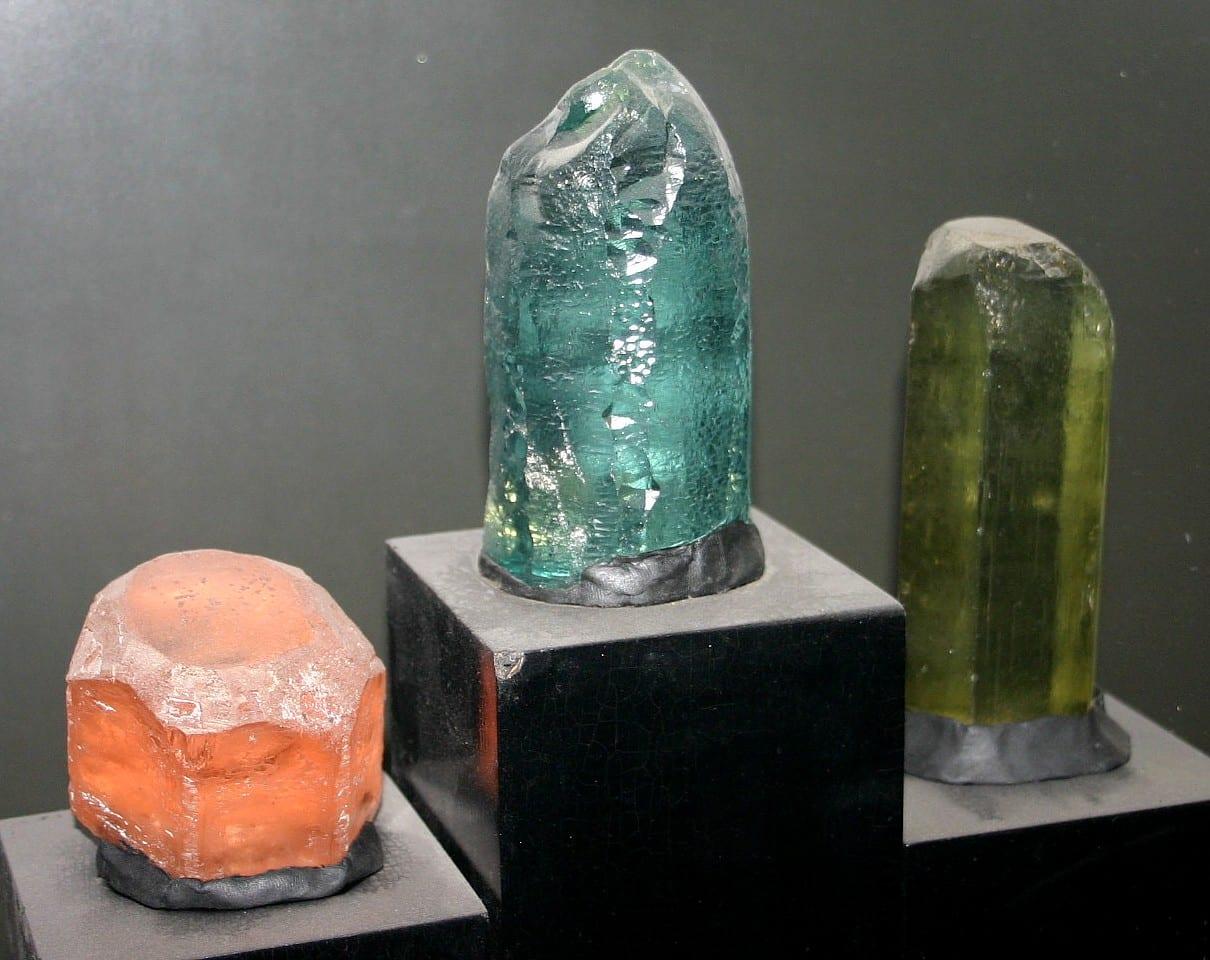
Beryl is the parent of aquamarine, emerald, morganite and heliodor, and in the field it usually turns up as pale green or yellowish opaque prisms that are easy to walk past. The flat-terminated hexagonal prism is the shape to look for, and it is harder than quartz, which is a quick and decisive field test. Look in granite pegmatites, especially near the contact zones and in pocket clay. Common beryl crystals can be very large, occasionally over a foot, while gem material sits in pockets.
Straight answers
- Is it worth cutting?
- Facets well but is brittle. Emerald in particular is heavily included and fragile, which is why it is almost always cut in a protective rectangular step cut.
- What is it really worth?
- Common opaque beryl is nearly worthless. Gem varieties range from moderate for morganite and heliodor up to very high for fine emerald.
- Can you legally keep it?
- Depends on the locality. Many American pegmatites are on national forest land with personal-use collecting allowed, and many are claimed.
Often confused with
Beryl vs. its common look-alikes, and how to tell them apart in the field.
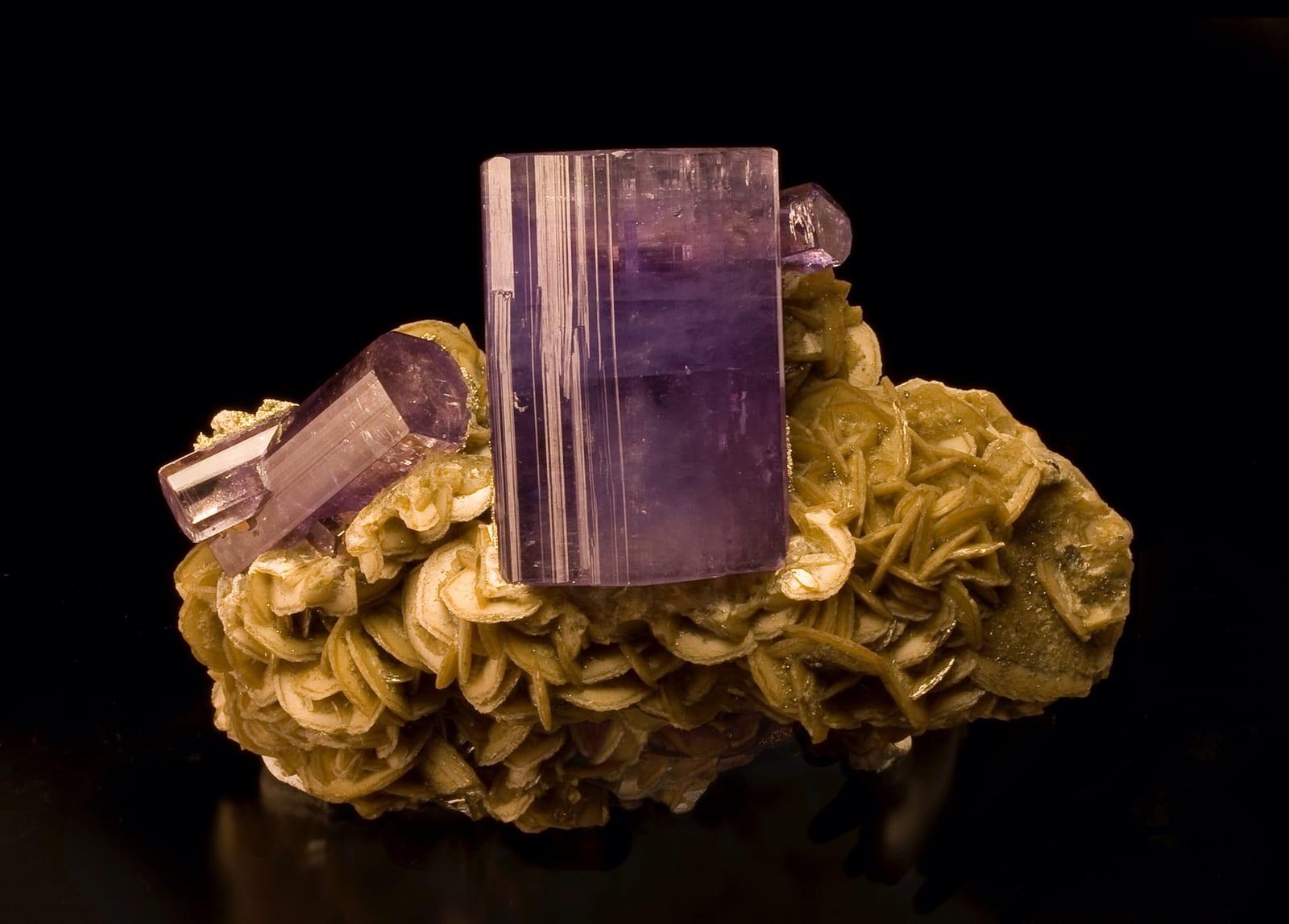
How to tell apart: Apatite is also hexagonal but is much softer at 5, so a knife marks it easily. Beryl at 7.5 to 8 will not take a steel scratch.
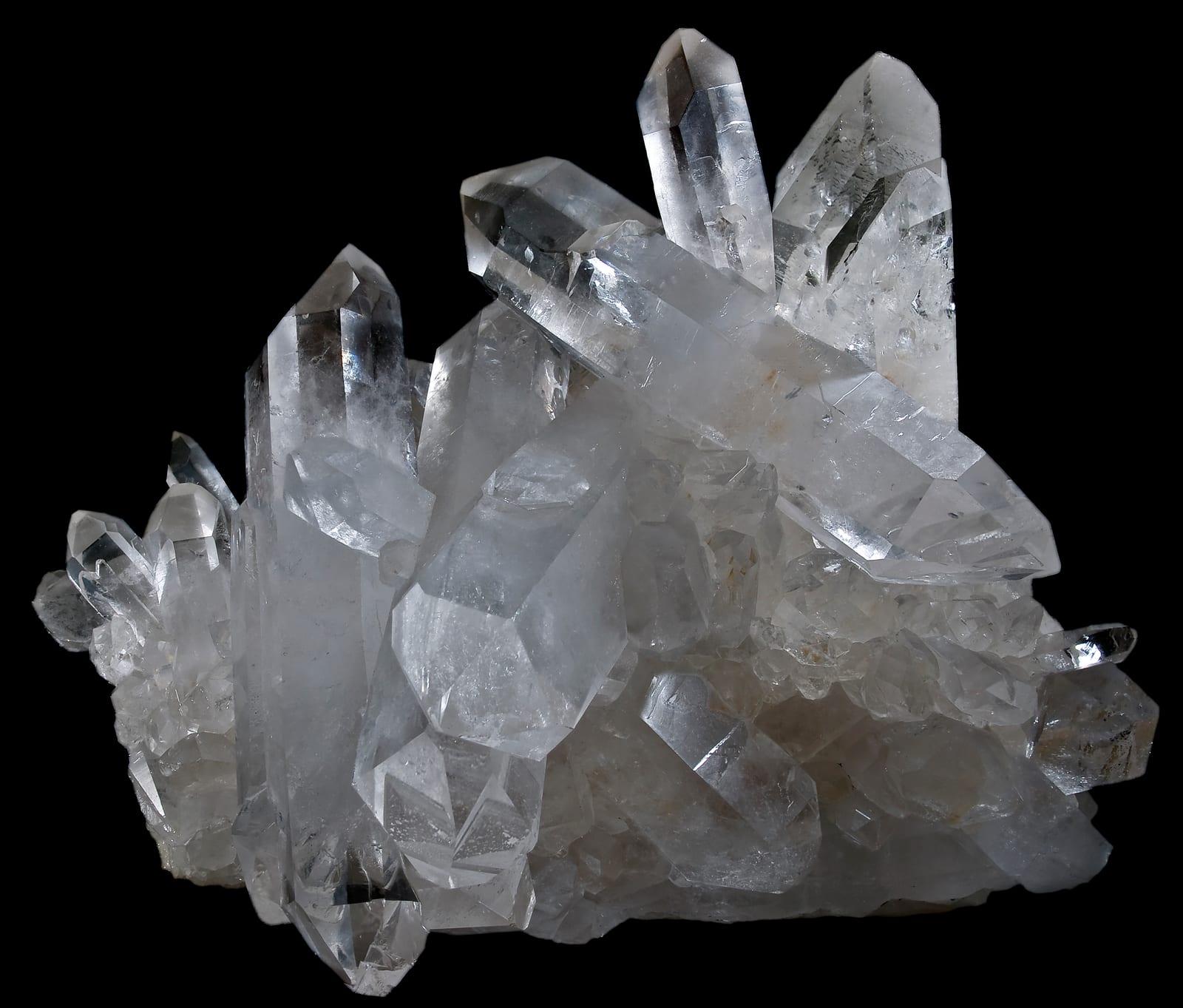
How to tell apart: Quartz prisms end in a six-faced point. Beryl usually ends flat, and beryl scratches quartz.
Often found alongside beryl
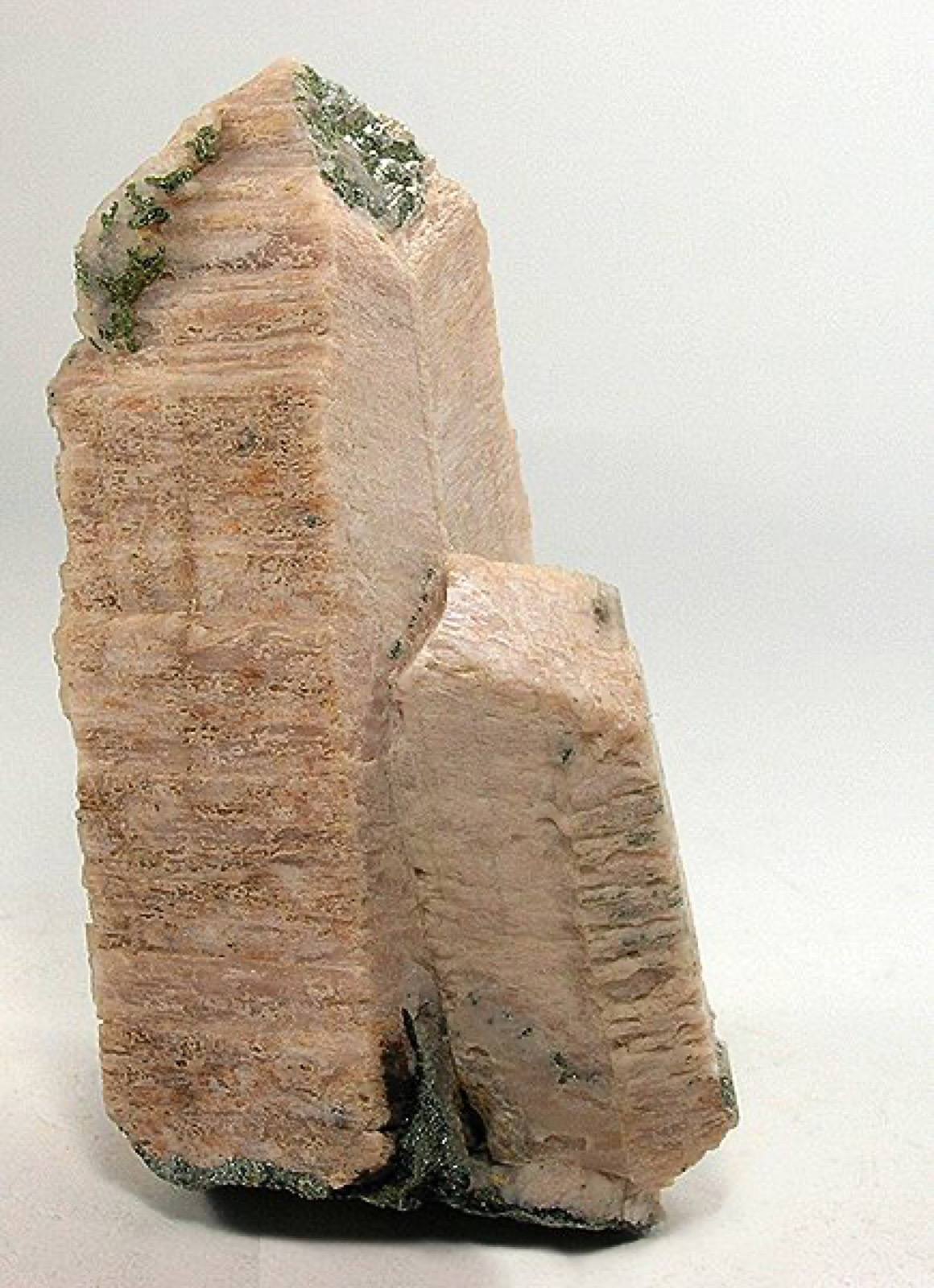
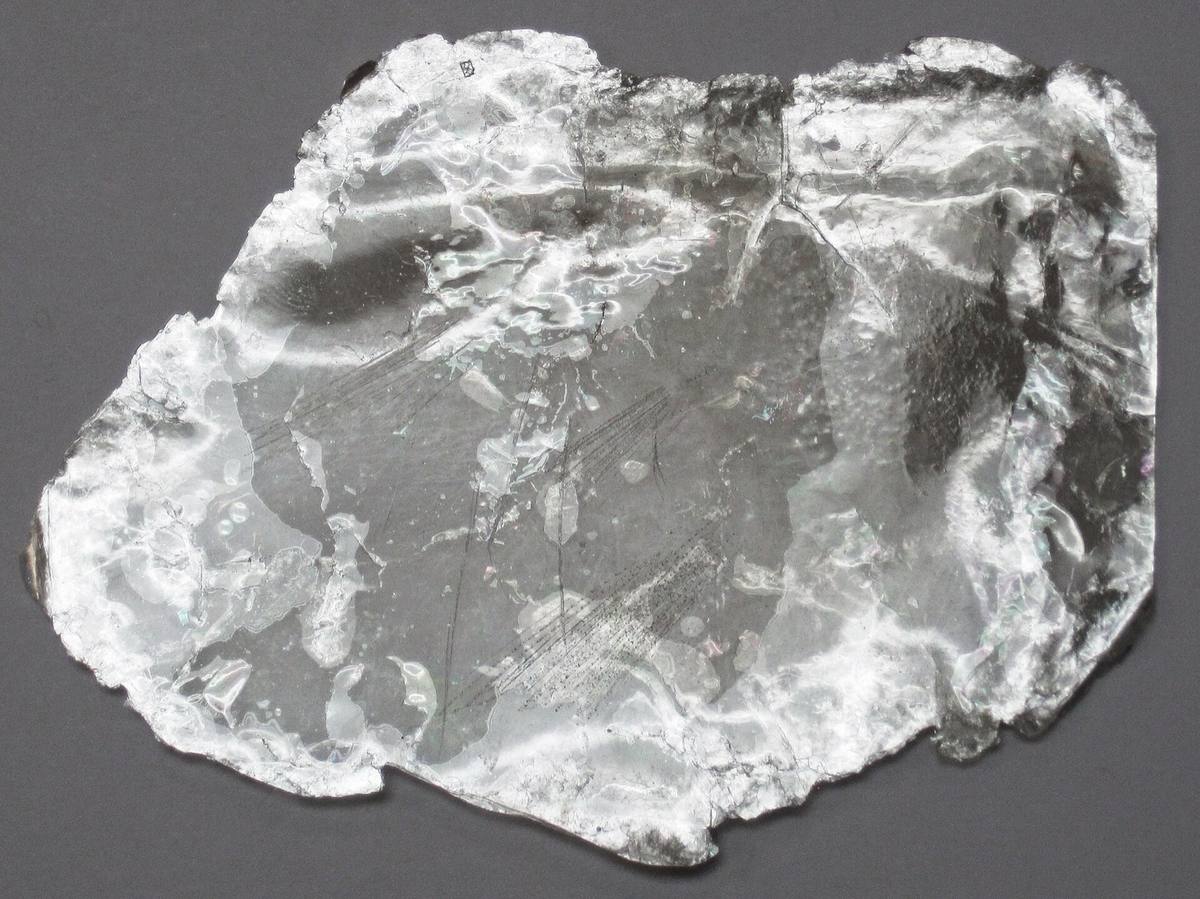
Minerals reported to co-occur with beryl. Spotting these in float or country rock is a strong cue you are in the right ground.
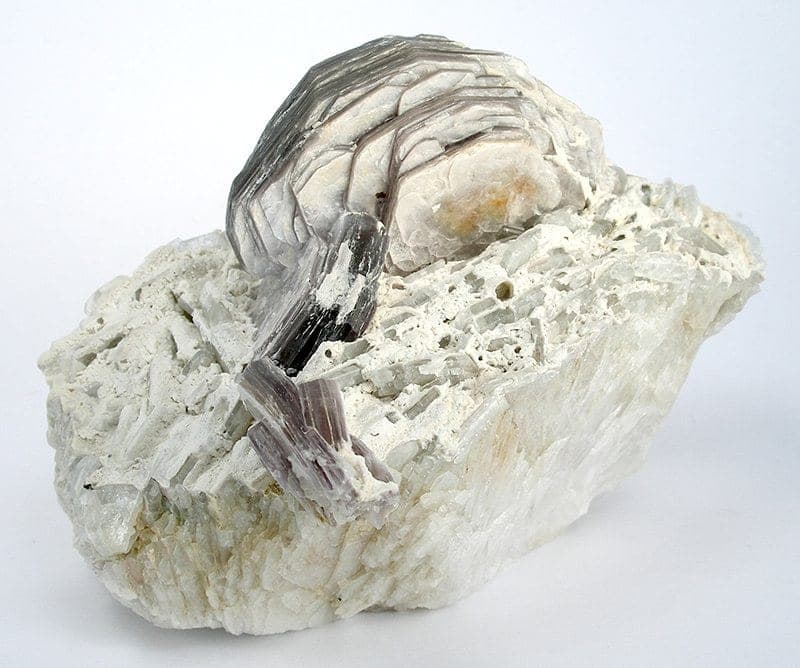
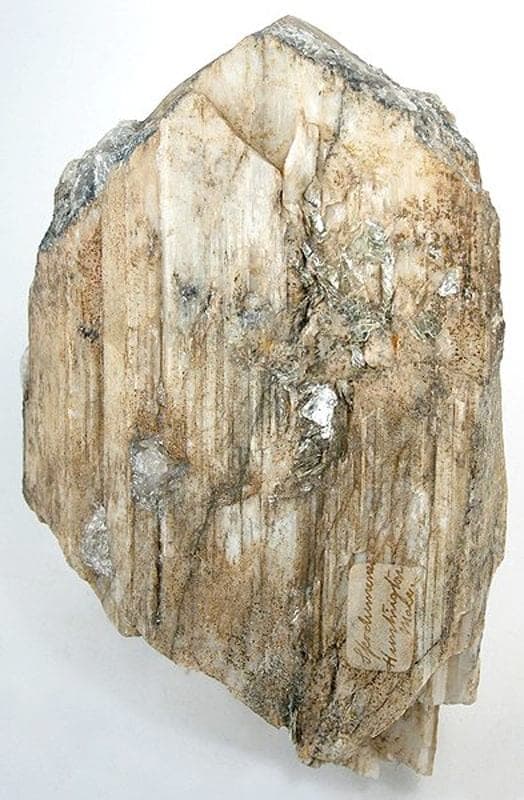
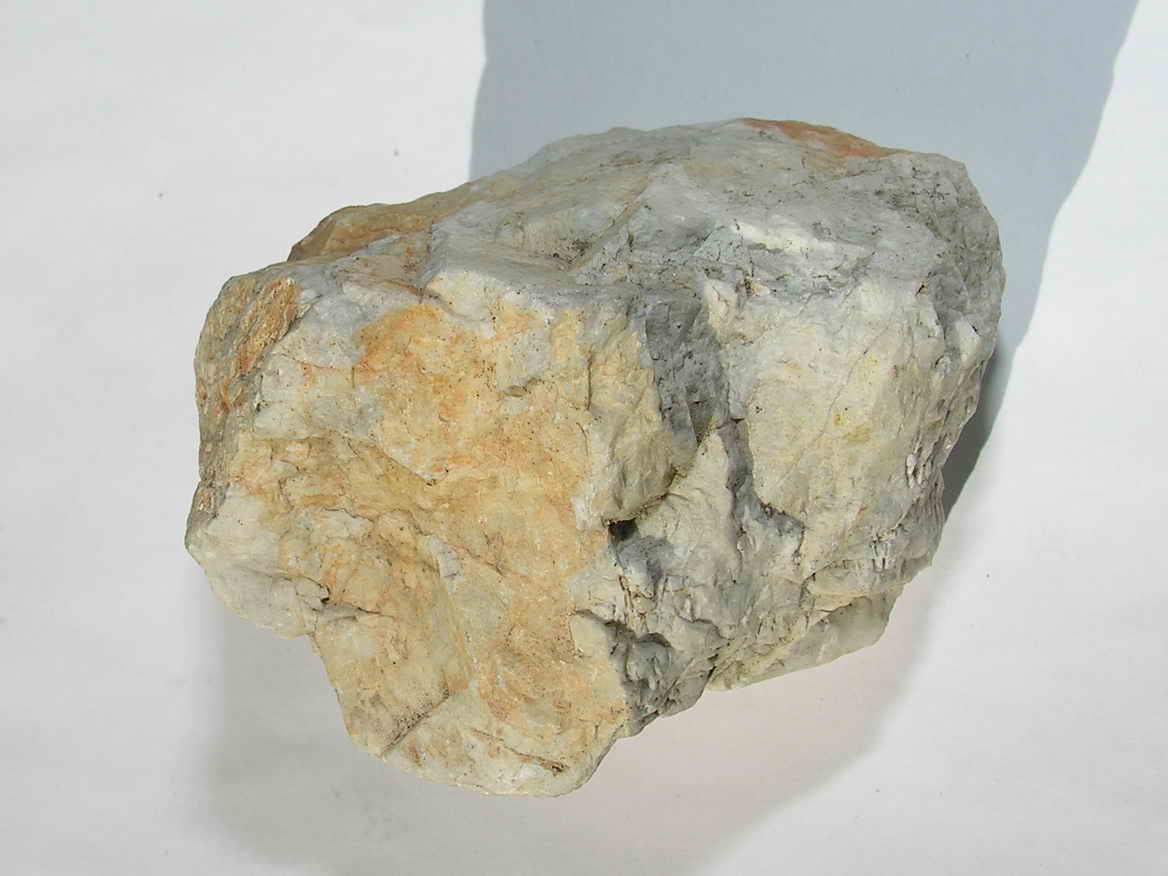
All properties
- Chemical formula
- Be₃Al₂Si₆O₁₈
- Mohs hardness
- 7.5-8
- Density
- 2.63-2.97 g/cm³
- Streak
- White
- Luster
- Vitreous, resinous
- Transparency
- Transparent to translucent
- Crystal system
- Hexagonal
- Crystal habit
- Prismatic crystals with flat terminations
- Cleavage
- Imperfect on {0001}
- Rarity
- Common
- Uses
- Gemstone, Collector, Industrial ore
- Host rock
- In granites and granite pegmatites, rarely in nepheline syenites
Where rockhounds find beryl
123 mapped spotsClassic worldwide localities
- Pala and Rincon districts, San Diego Co., California, USA
- Hiddenite, Alexander Co., North Carolina, USA
- Wah Wah Mountains, Beaver Co., Utah, USA
- Mt. Antero, Chaffee Co., Colorado, USA
- Mursinka-Alabashka area, near Yekaterinburg (Sverdlovsk), Ural Mountains, and from Nerchinsk south to Borzya, Adun-Chilon Mountains, Siberia, Russia
- Volhynia, Ukraine
U.S. states with beryl
Each link opens a state-specific list of mapped rockhounding spots that produce beryl.
- North Carolina15 spots
- Connecticut14 spots
- New Hampshire14 spots
- Maine13 spots
- Georgia10 spots
- Utah8 spots
- Massachusetts7 spots
- Colorado6 spots
Field-hunting tip
Where it forms: In granites and granite pegmatites, rarely in nepheline syenites. If you start seeing quartz, feldspar, muscovite in float, you are in the right ground. Typical habit: prismatic crystals with flat terminations. Train your eye for that shape before scanning the outcrop. In the U.S., the densest reported localities are in North Carolina, Connecticut, New Hampshire. Start trip planning there.
More beryl photos
Common questions
How do you identify beryl?+
Where is beryl found?+
Can I find beryl in the United States?+
Is beryl safe to handle?+
What rocks look like beryl?+
What minerals are found with beryl?+
What kind of rock does beryl form in?+
What is beryl used for?+
Find beryl on the map
RockHoundR shows mapped rockhounding spots, access rules, and lets you log every find.