Bixbyite is a rare manganese iron oxide characterized by its distinctive metallic black, cubic crystals. It is most famous among collectors for the sharp, well-formed cubes found in the rhyolite cavities of the Thomas Range in Utah, often associated with topaz.
Is this bixbyite-(mn)?
5-step field checkRun through these checks against the specimen in your hand. The more boxes tick, the more confident the ID.
- 1Test the hardnessTry to scratch bixbyite-(mn) with a known reference. Bixbyite-(Mn) sits at Mohs 6-6.5, softer than the next harder reference, harder than the previous one.
- 2Check the streakDrag the specimen across an unglazed porcelain plate. Streak: black.
- 3Read the lusterHold the specimen under a strong light. Luster: metallic.
- 4Match the color rangeCompare against the expected color range: black.
- 5Look at form & habitCrystal system: cubic. Typical habit: cubo-octahedral crystals, often showing striated faces.
Often confused with
Bixbyite-(Mn) vs. its common look-alikes, and how to tell them apart in the field.
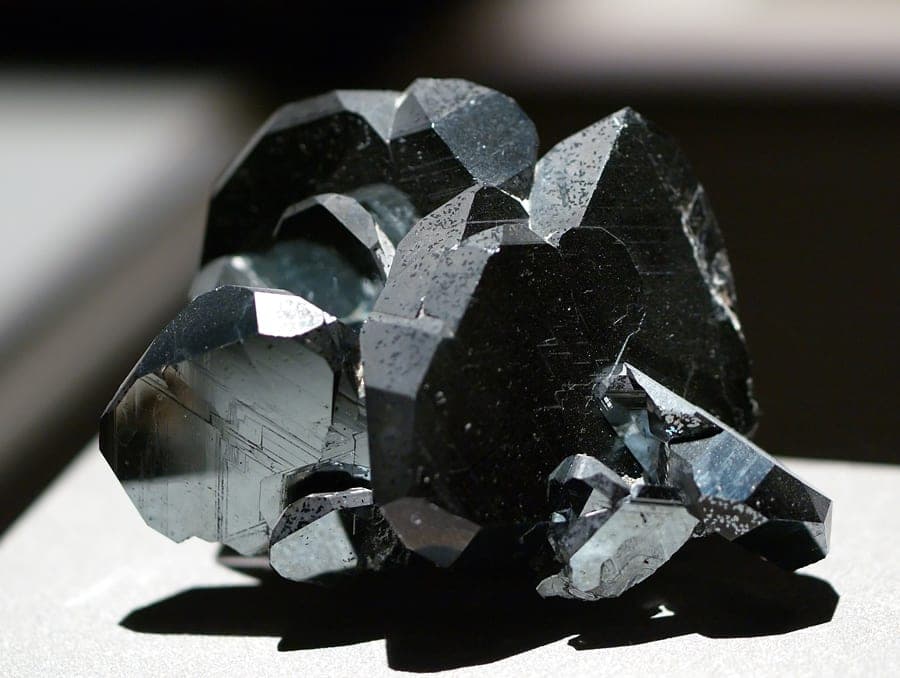
How to tell apart: Streak differs, so Bixbyite-(Mn) leaves black, Hematite leaves cherry-red or reddish brown.
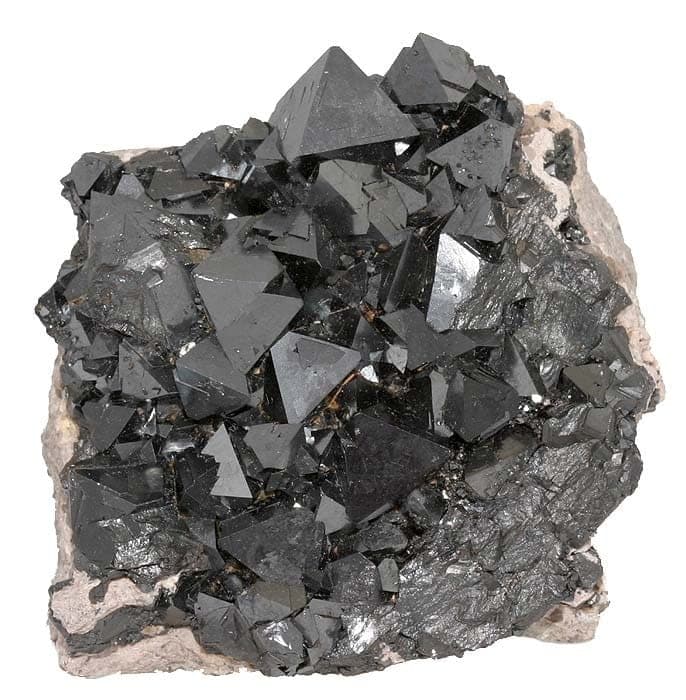
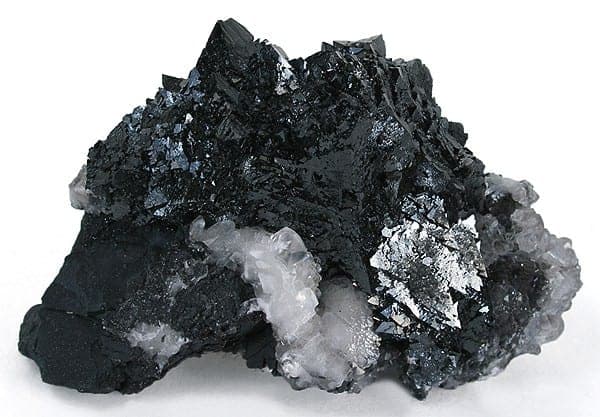
How to tell apart: Streak differs, so Bixbyite-(Mn) leaves black, Hausmannite leaves dark reddish brown; luster reads metallic on Bixbyite-(Mn) and submetallic on Hausmannite.
Often found alongside bixbyite-(mn)
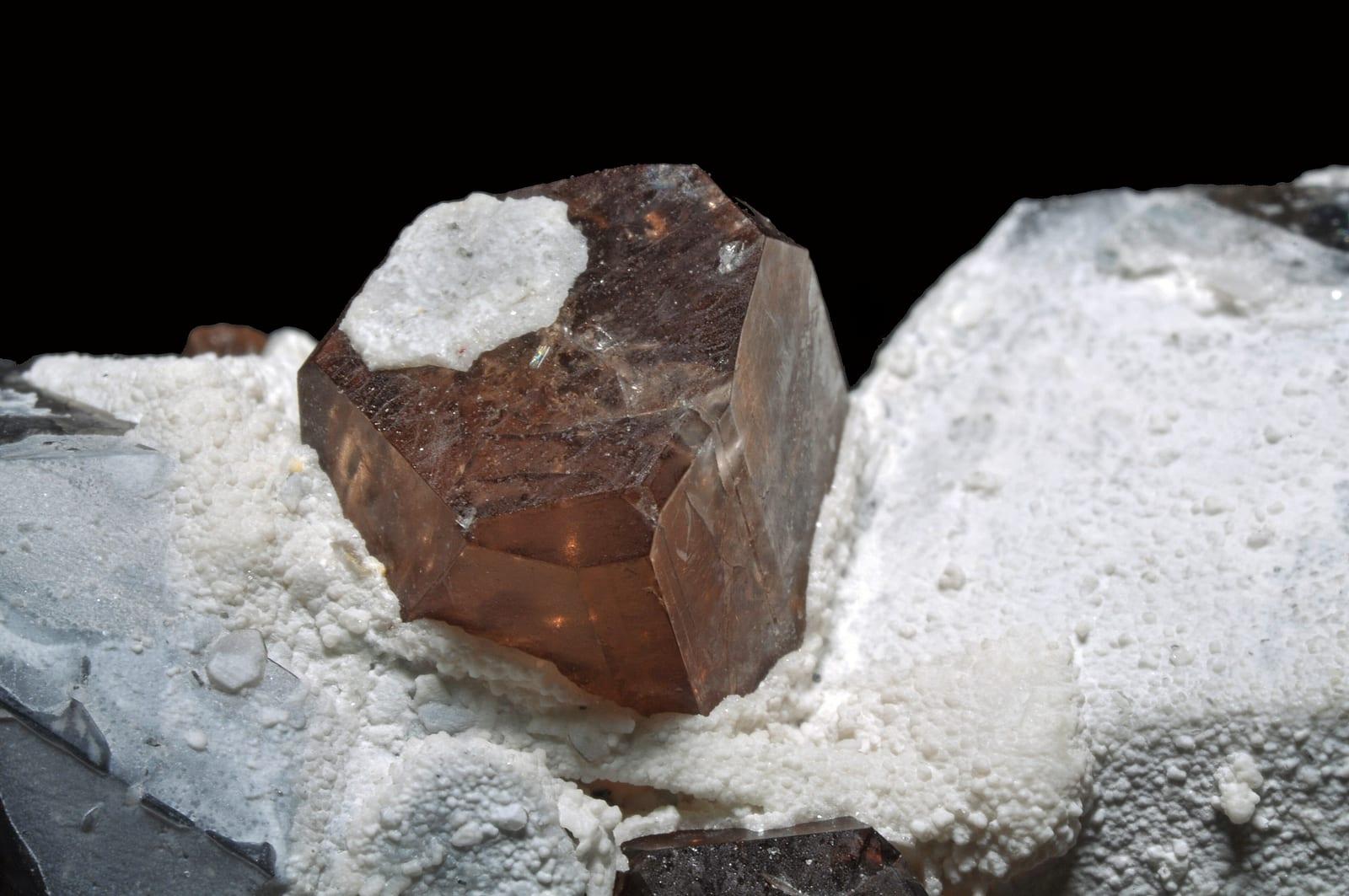
Minerals reported to co-occur with bixbyite-(mn). Spotting these in float or country rock is a strong cue you are in the right ground.
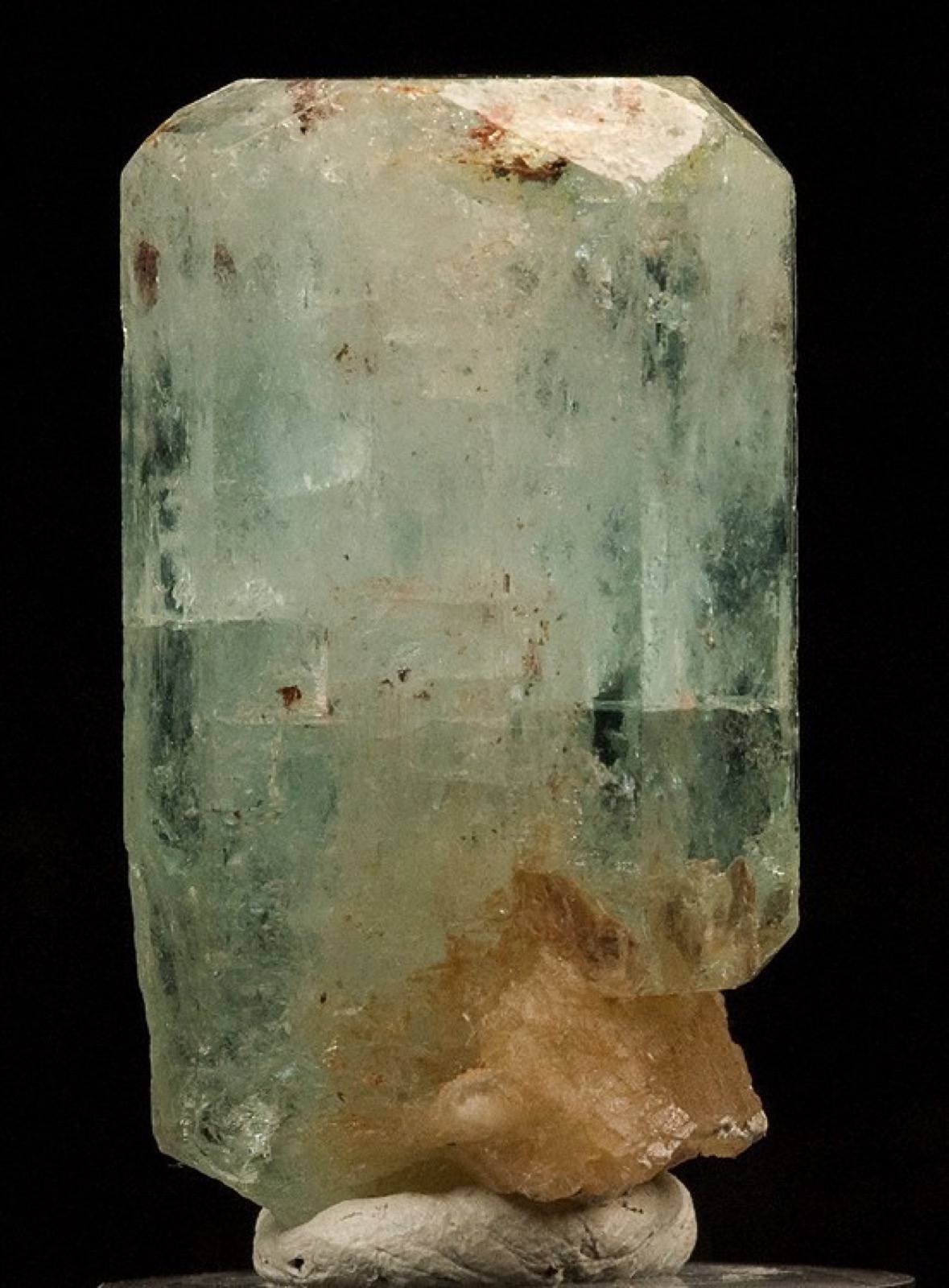
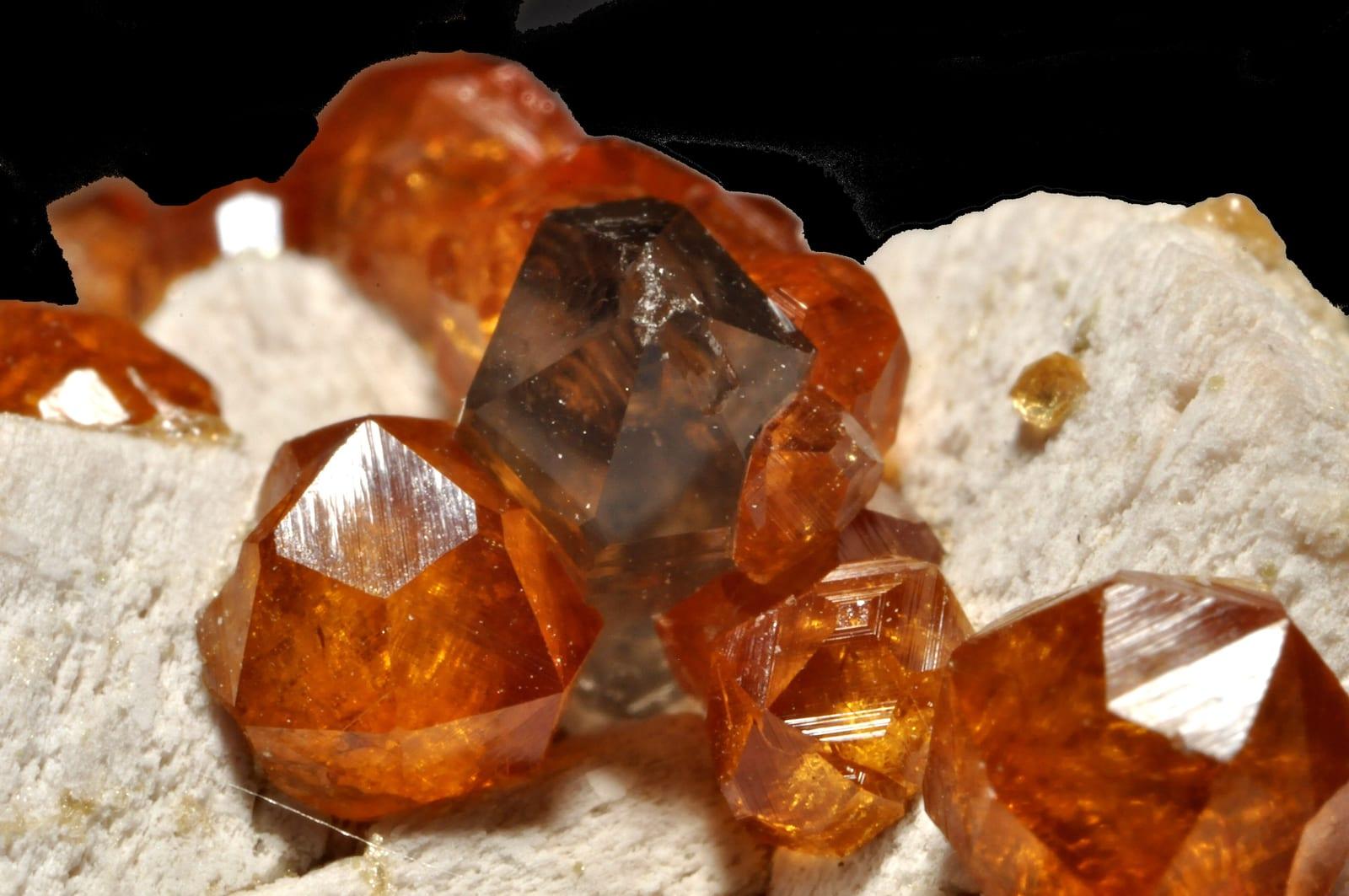
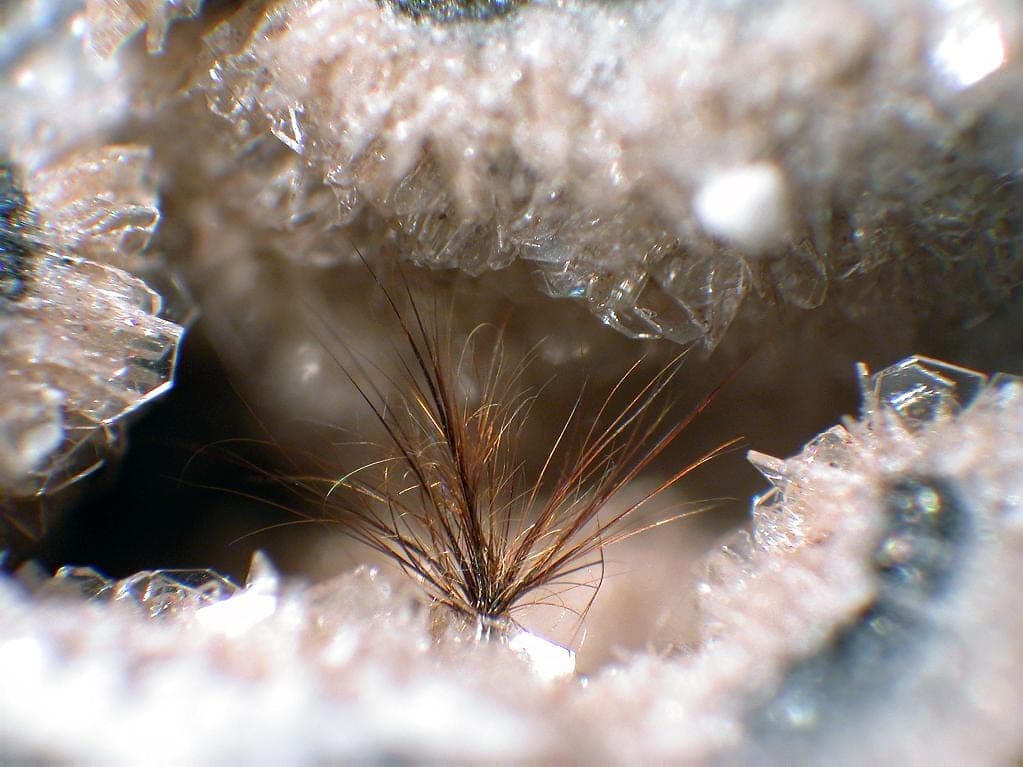
All properties
- Chemical formula
- Mn₂O₃
- Mohs hardness
- 6-6.5
- Density
- 4.9-5.0 g/cm³
- Colors
- Streak
- Black
- Luster
- Metallic
- Transparency
- Opaque
- Crystal system
- Cubic
- Crystal habit
- Cubo-octahedral crystals, often showing striated faces
- Cleavage
- {111}, in traces
- Rarity
- Rare
- Uses
- Collector, Mineral specimen
- Host rock
- rhyolite cavities, hydrothermal veins
Where rockhounds find bixbyite-(mn)
Classic worldwide localities
- Thomas Range, Utah, USA
- Artigas, Uruguay
- Kalahari Manganese Field, South Africa
- Pachapaqui, Peru
Field-hunting tip
Where it forms: rhyolite cavities, hydrothermal veins. If you start seeing topaz, beryl, spessartine in float, you are in the right ground. Typical habit: cubo-octahedral crystals, often showing striated faces. Train your eye for that shape before scanning the outcrop.
Common questions
How do you identify bixbyite-(mn)?+
Where is bixbyite-(mn) found?+
What rocks look like bixbyite-(mn)?+
What minerals are found with bixbyite-(mn)?+
What kind of rock does bixbyite-(mn) form in?+
What is bixbyite-(mn) used for?+
Find bixbyite-(mn) on the map
RockHoundR shows mapped rockhounding spots, access rules, and lets you log every find.