
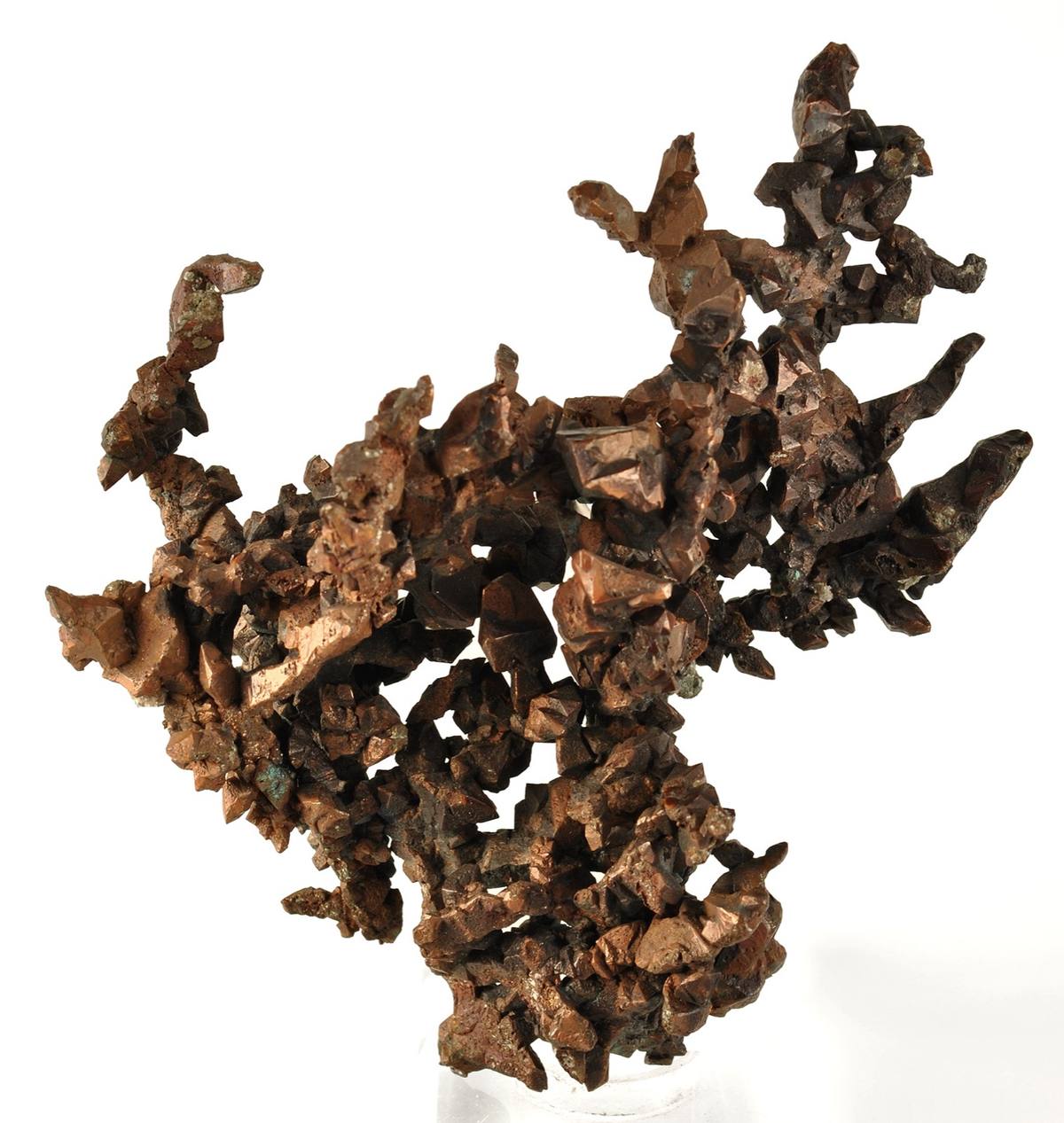
Native copper is a classic metallic mineral recognized by its distinctive reddish color and high density. It typically forms as jagged wires, dendritic growths, or solid masses in volcanic rocks and oxidized ore zones.
Spotting copper in the field
Field marks- 1
Green or black crusted exterior hiding bright metal on a fresh cut
- 2
Very heavy for its size, and it dents rather than chips when struck
- 3
Often in branching, twisted or plate-like masses rather than crystals
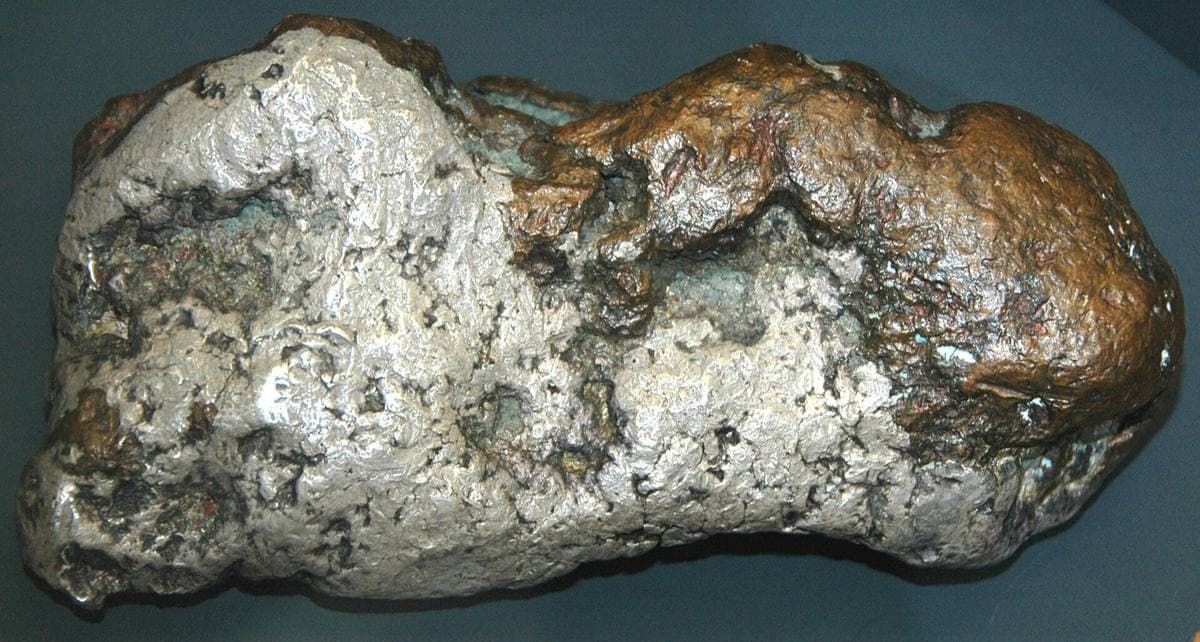
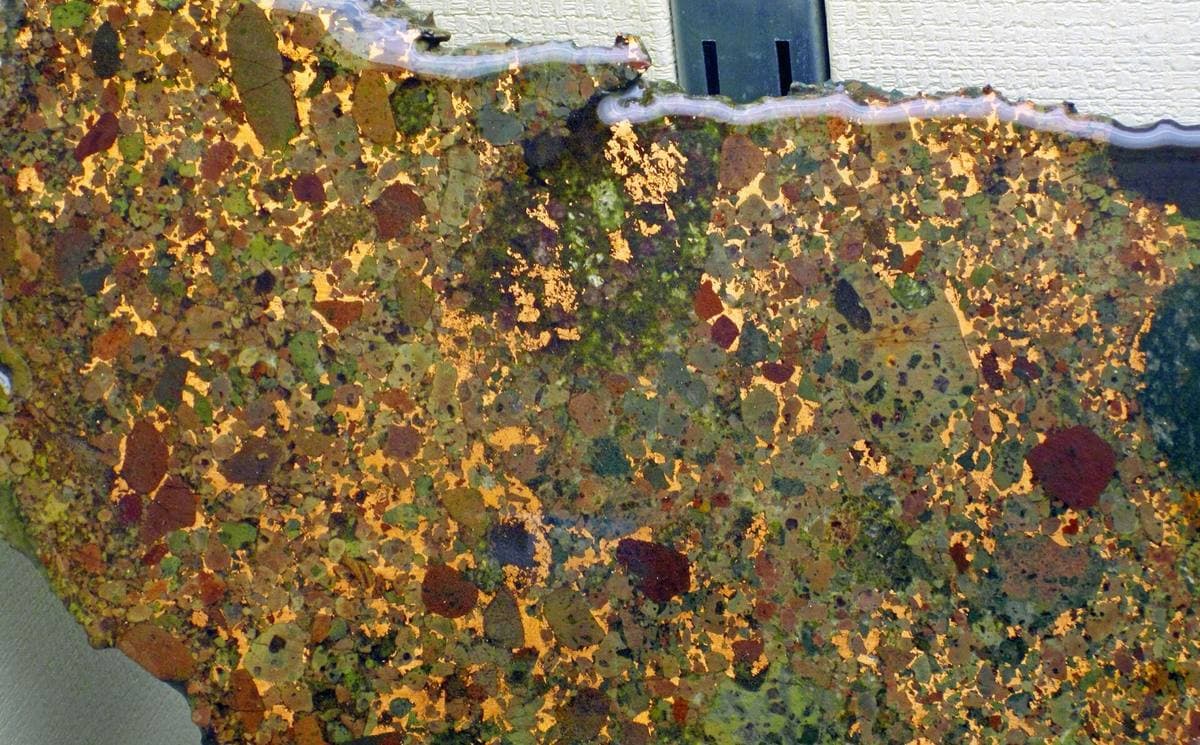
Native copper weathers to a green or dark brown crust that hides everything, so the field test is a small file or a hammer tap on a corner to expose bright metal. It is unusually heavy and it deforms rather than breaking, which no rock does. The Keweenaw Peninsula in Michigan is the great American occurrence, where copper occurs in basalt and conglomerate, and glacial ice spread copper float south across the region.
Before you collect
Do not help yourself to mine rock piles in Michigan. They look abandoned and are privately owned, local landowners prosecute, and the fee digs cost very little by comparison.
Straight answers
- Is it worth cutting?
- Copper in datolite or in agate is cut as a specimen material. Pure copper is cleaned and displayed rather than cut.
- What is it really worth?
- Modest for common float. Well-formed crystallized copper, half-breeds with silver, and copper included in datolite nodules are the collectible end.
- Can you legally keep it?
- Keweenaw poor rock piles are almost all private property, and several long-running fee-dig operations solve that legally for a day rate. Keweenaw National Historical Park land is closed to collecting.
Where it is worth going
- Keweenaw PeninsulaHoughton and Keweenaw counties, Michigan
The world's great native copper district. Access through commercial fee digs at historic mines.
Often confused with
Copper vs. its common look-alikes, and how to tell them apart in the field.
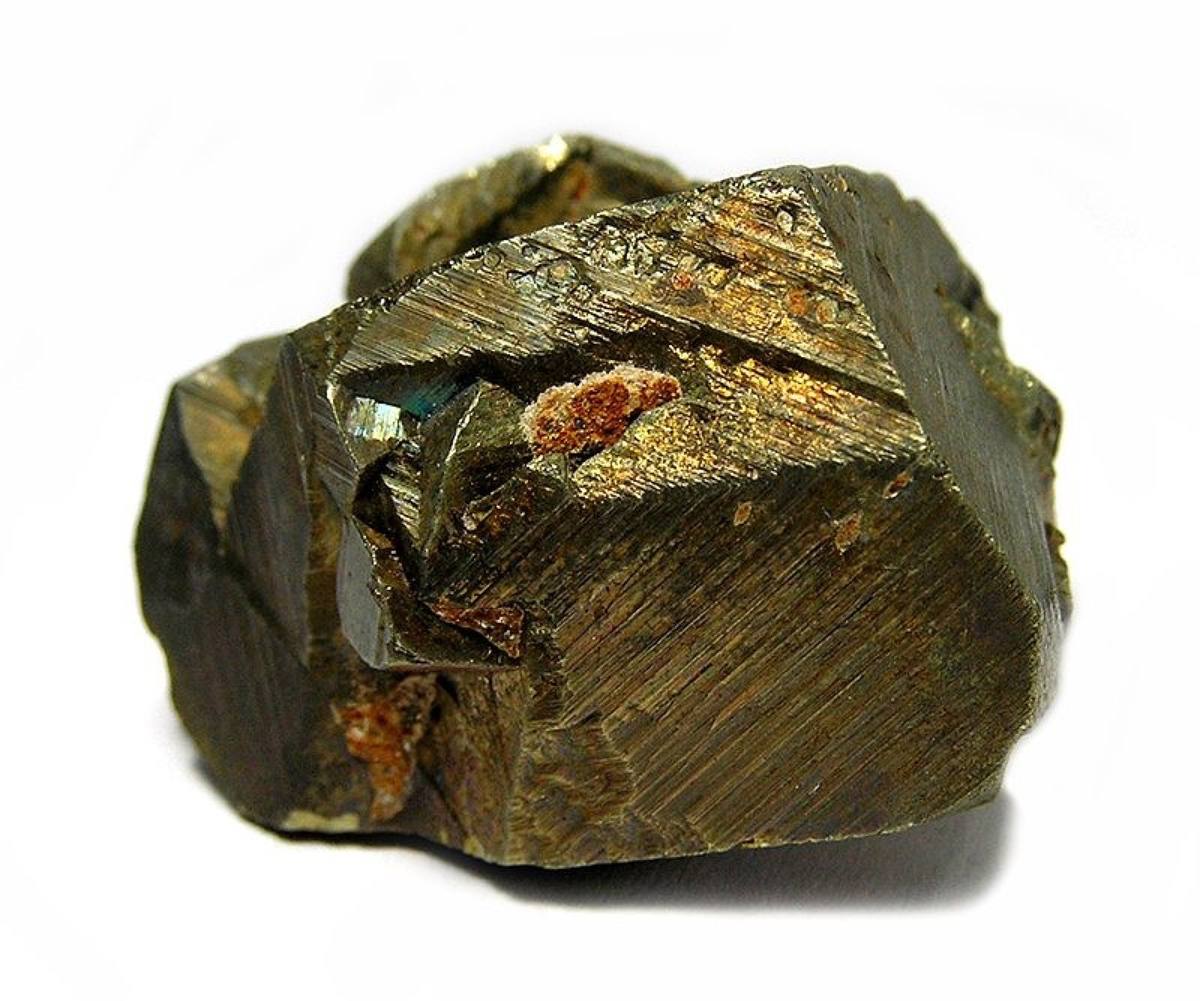
How to tell apart: Chalcopyrite is a brittle brassy sulfide that shatters. Native copper is malleable and dents.
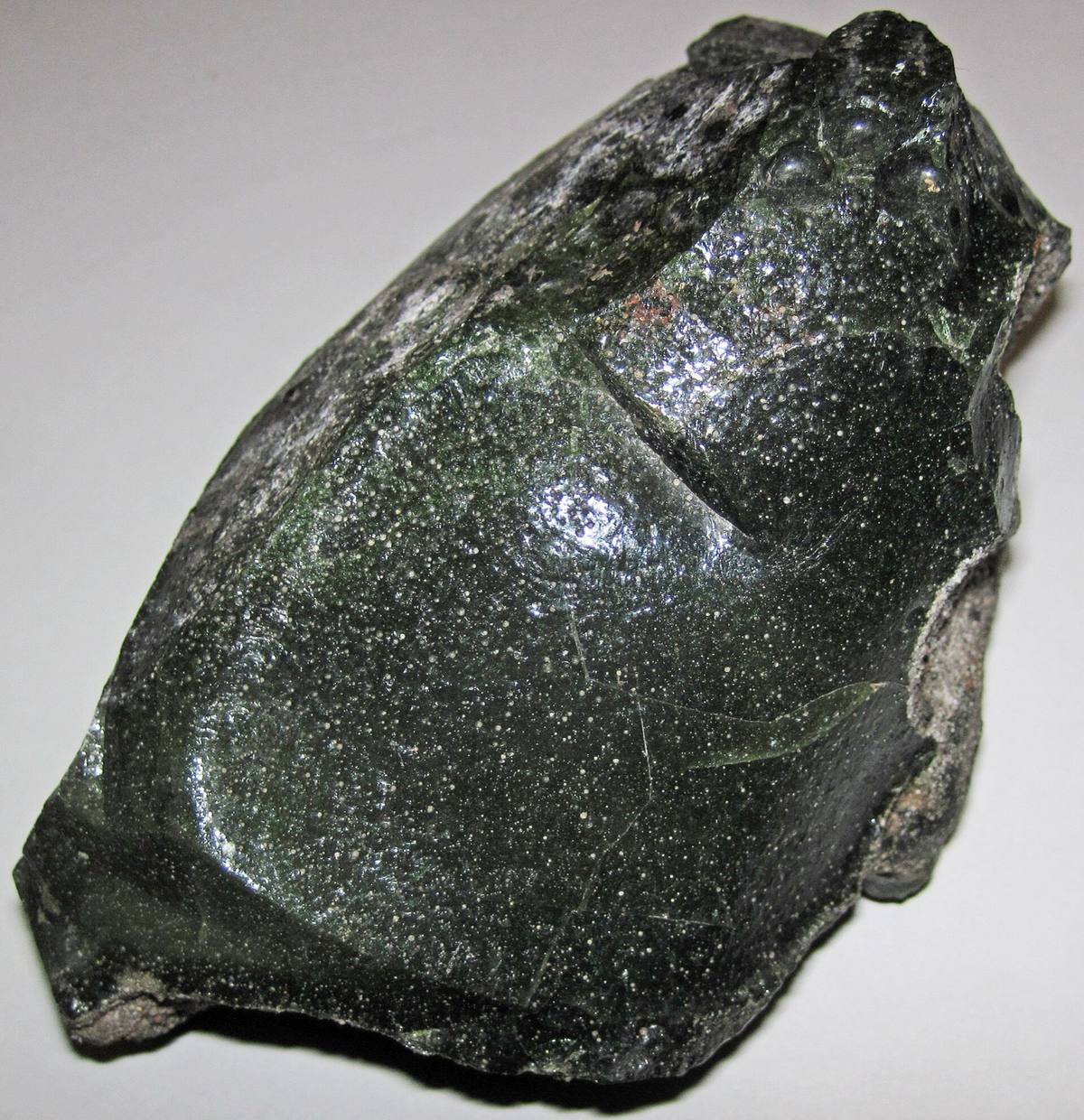
How to tell apart: Smelter slag is common around historic mining towns and can look metallic. Slag is glassy, full of gas bubbles, and much lighter.
Often found alongside copper
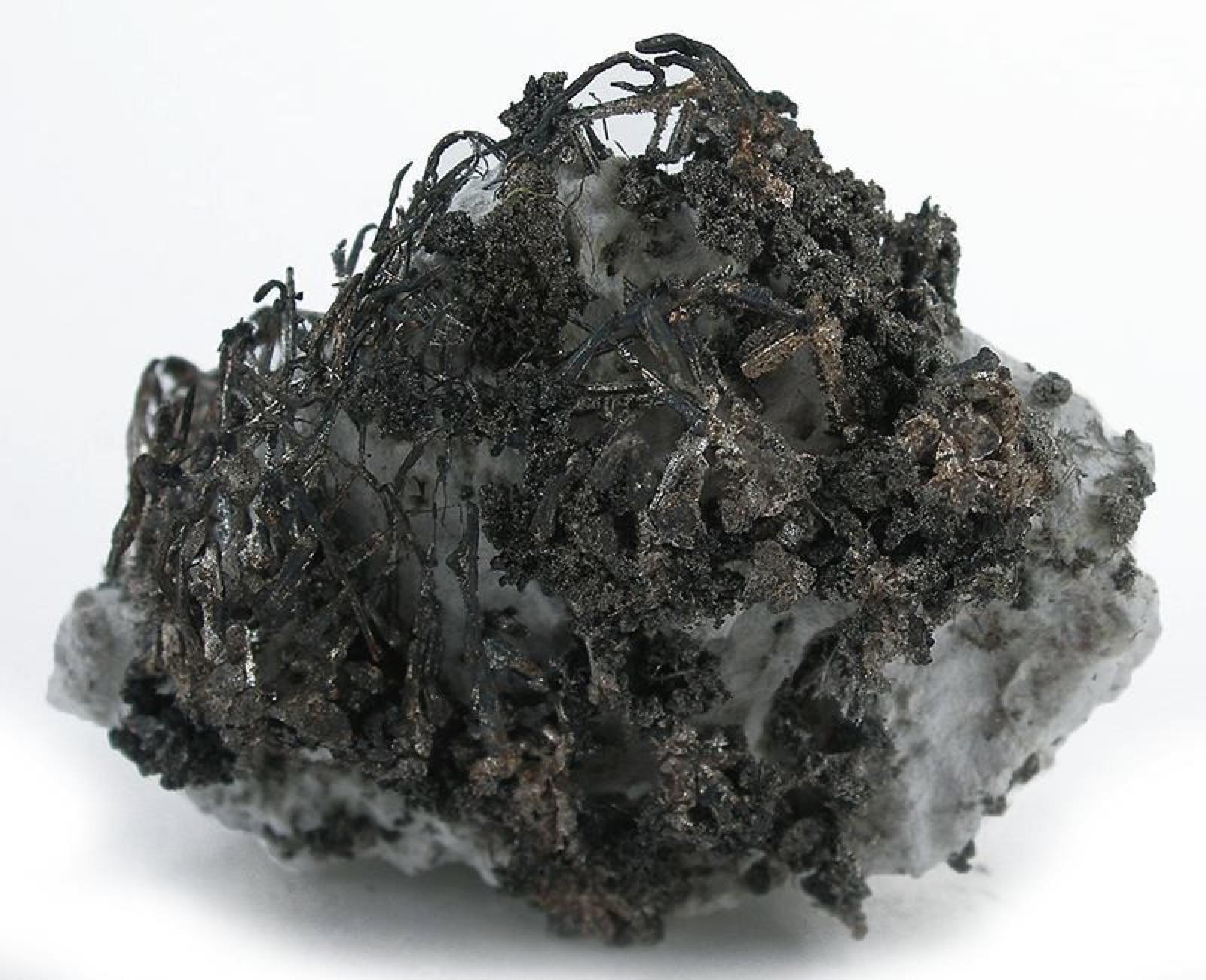
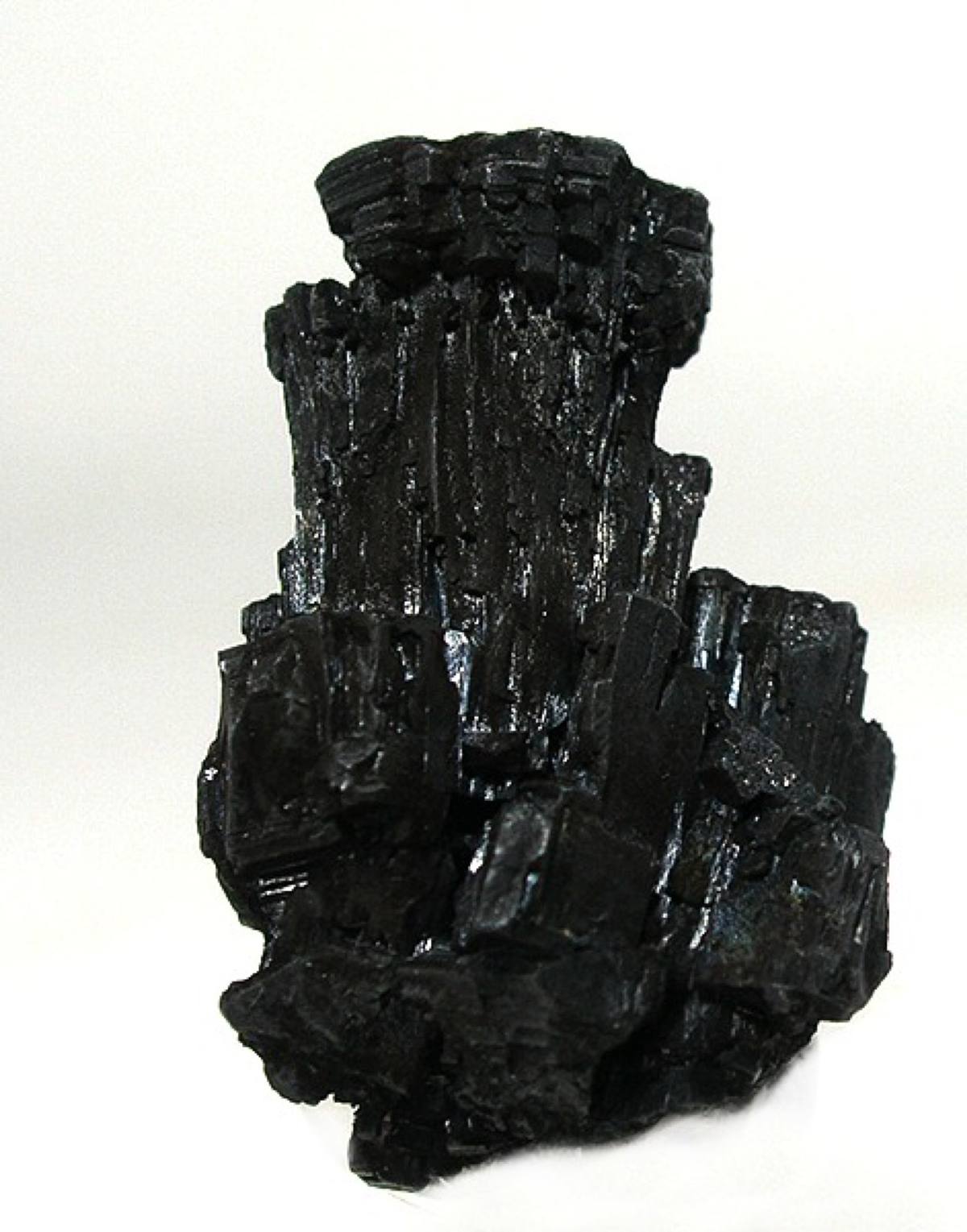
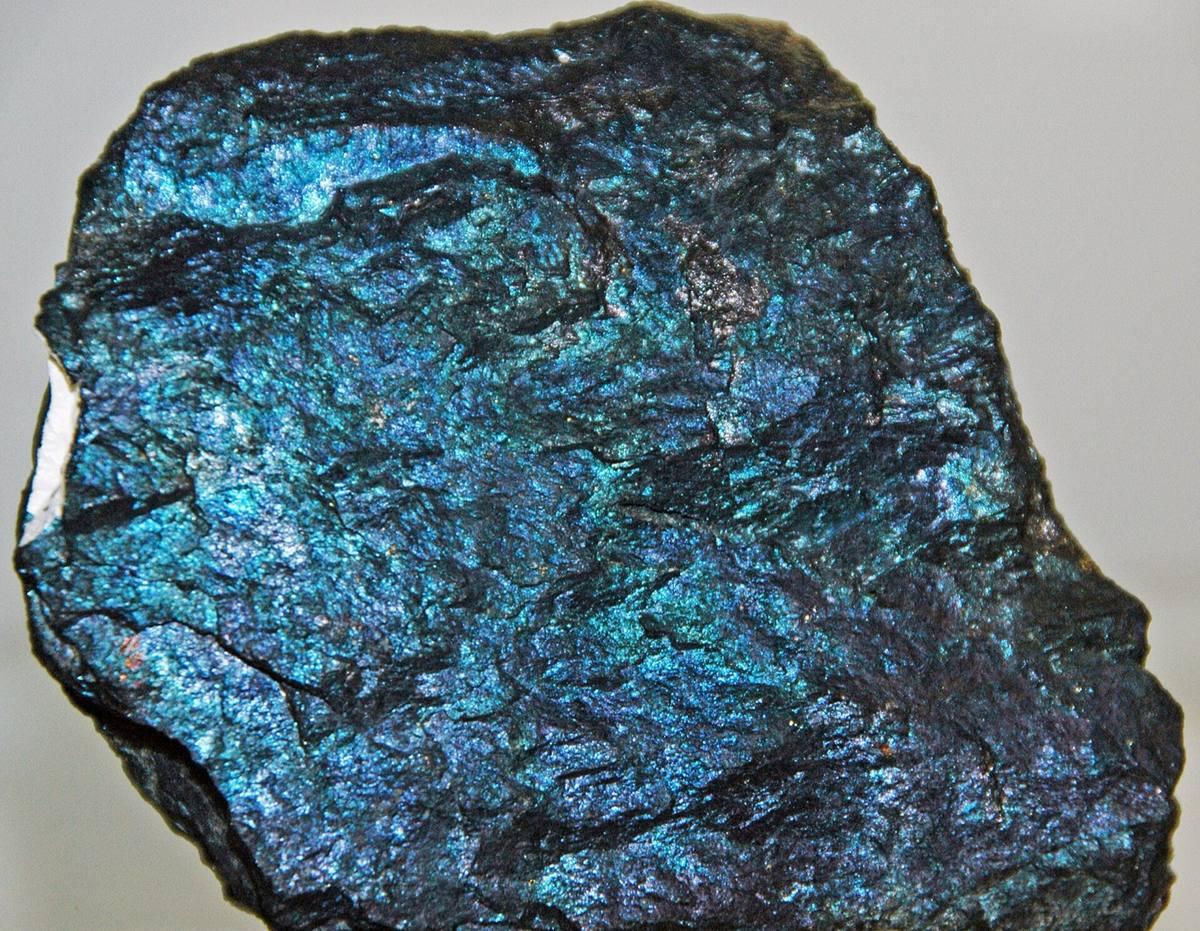
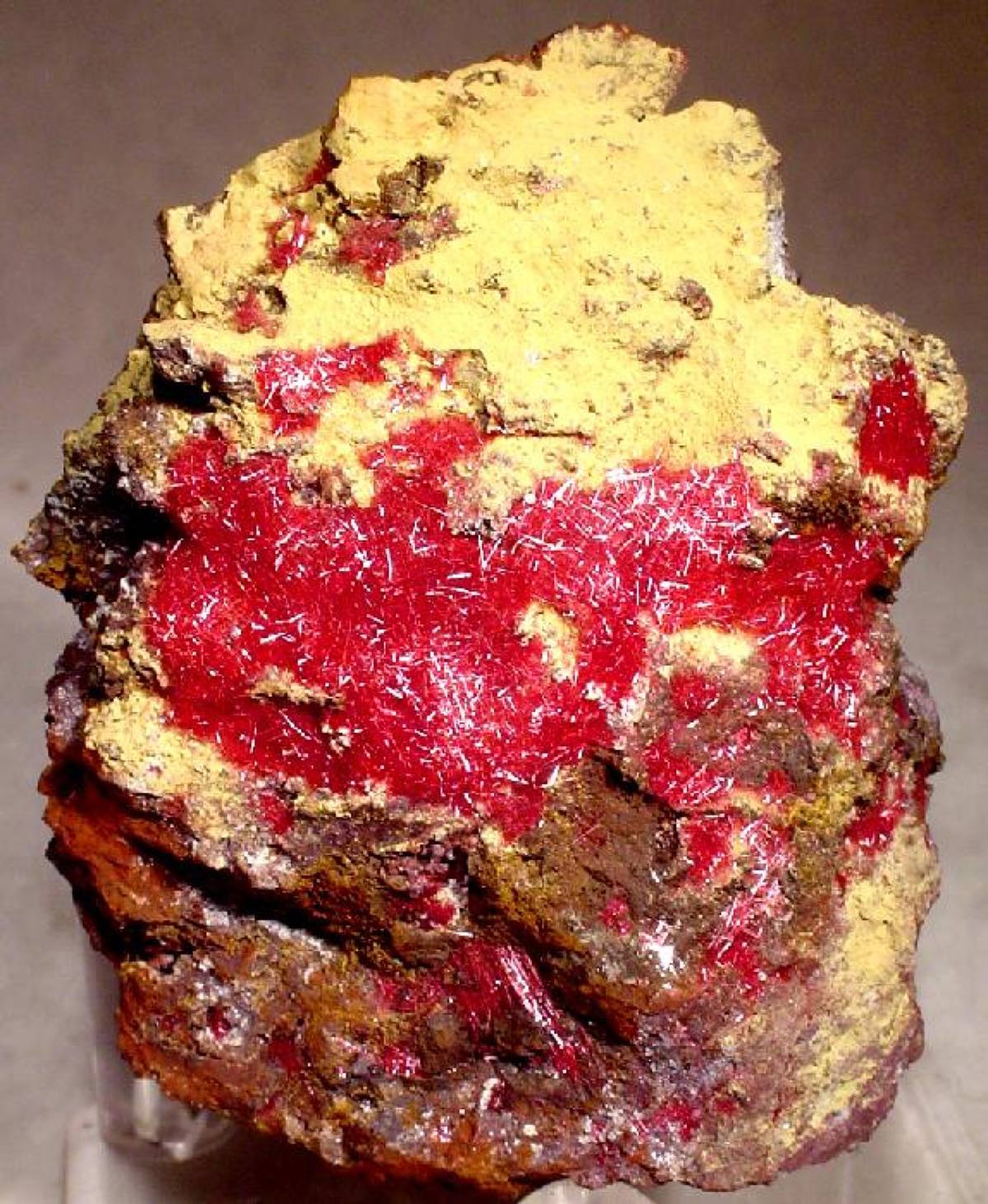
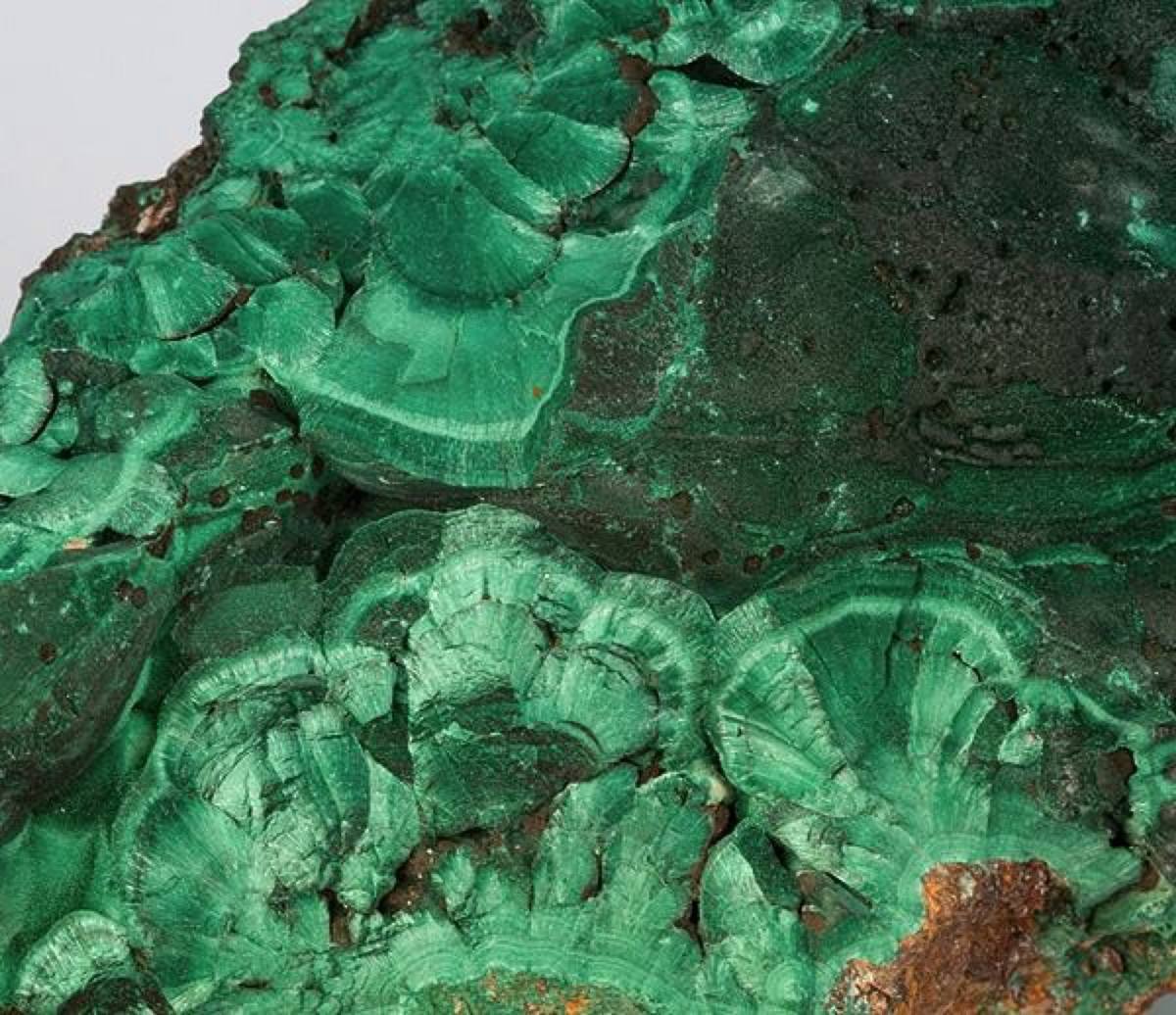
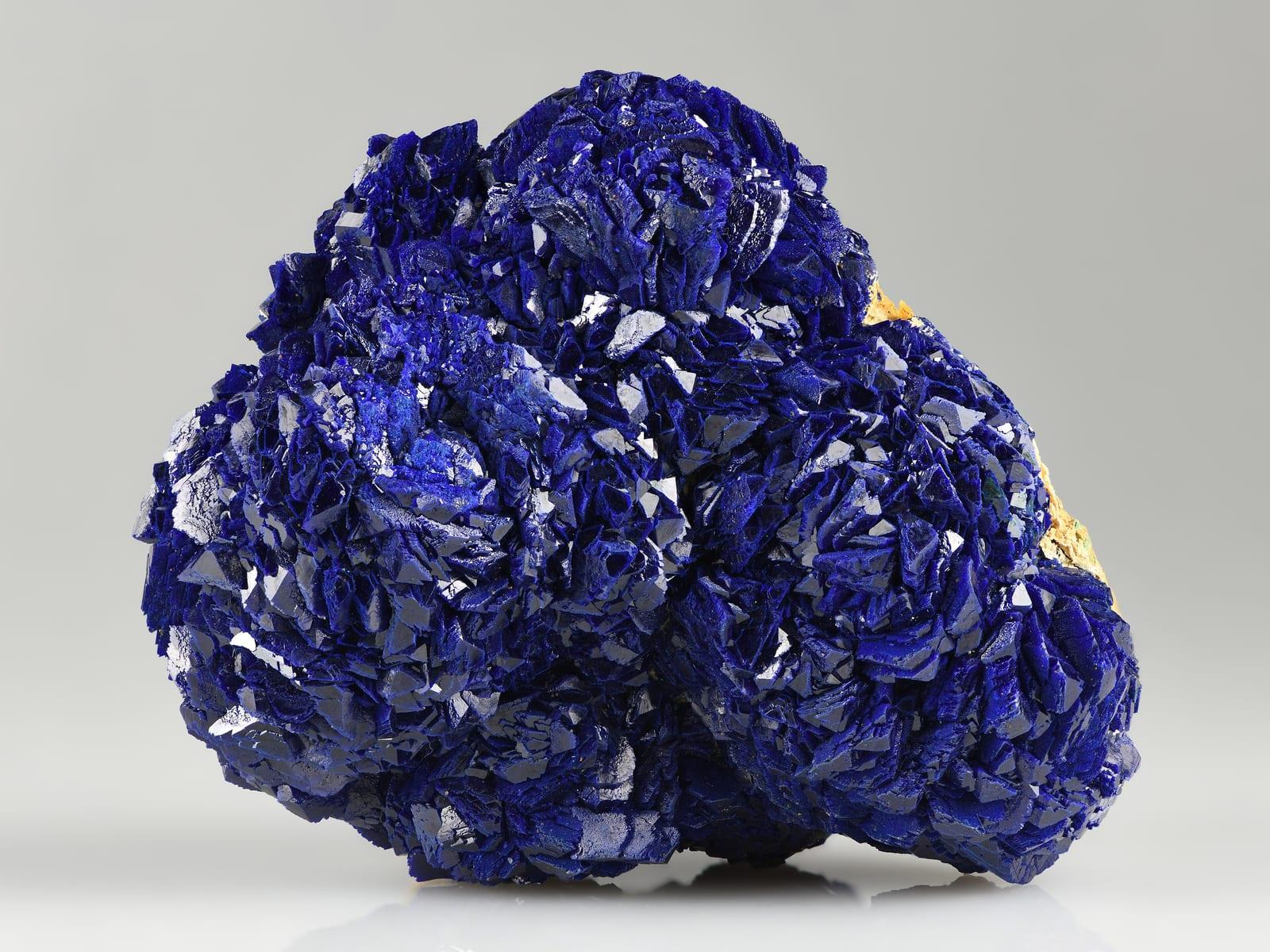
Minerals reported to co-occur with copper. Spotting these in float or country rock is a strong cue you are in the right ground.
All properties
- Chemical formula
- Cu
- Mohs hardness
- 2.5-3
- Density
- 8.95 g/cm³
- Streak
- Rose
- Luster
- Metallic
- Transparency
- Opaque
- Crystal system
- Cubic
- Crystal habit
- Massive, dendritic, arborescent, wire, plates
- Cleavage
- None
- Rarity
- Common
- Uses
- Collector, Scientific research
- Host rock
- Commonly associated with porous zones in mafic extrusive rocks, less commonly in sandstones and shales, where the copper was probably of hydrothermal origin, precipitated as the result of oxidizing conditions
Where rockhounds find copper
113 mapped spotsClassic worldwide localities
- Keweenaw Peninsula, Keweenaw and Houghton Cos., Michigan, USA
- New Cornelia mine, Ajo, Pima Co., Arizona, USA
- Bisbee, Cochise Co., Arizona, USA
- Ray, Gila Co., Arizona, USA
- Onganja mine, 60 km northeast of Windhoek, and at Tsumeb, Namibia
- Turinsk copper mine, Bogoslovsk, Ural Mountains, Russia
U.S. states with copper
Each link opens a state-specific list of mapped rockhounding spots that produce copper.
- Nevada35 spots
- New Mexico13 spots
- Michigan9 spots
- Arizona8 spots
- Utah7 spots
- Wisconsin7 spots
- Missouri5 spots
- Wyoming5 spots
Field-hunting tip
Where it forms: Commonly associated with porous zones in mafic extrusive rocks, less commonly in sandstones and shales, where the copper was probably of hydrothermal origin, precipitated as the result of oxidizing conditions. If you start seeing silver, chalcocite, bornite in float, you are in the right ground. Typical habit: massive, dendritic, arborescent, wire, plates. Train your eye for that shape before scanning the outcrop. In the U.S., the densest reported localities are in Nevada, New Mexico, Michigan. Start trip planning there.
More copper photos
Common questions
How do you identify copper?+
Where is copper found?+
Can I find copper in the United States?+
Is copper safe to handle?+
What rocks look like copper?+
What minerals are found with copper?+
What kind of rock does copper form in?+
What is copper used for?+
Find copper on the map
RockHoundR shows mapped rockhounding spots, access rules, and lets you log every find.

