
Hematite is a common iron oxide mineral recognizable by its distinctive reddish-brown streak even when the specimen itself is metallic and silver-gray. It occurs in a variety of habits including plate-like specularite and rounded botryoidal forms, making it a favorite for mineral collectors. It is found globally in a wide range of geological environments, often forming as a result of weathering or hydrothermal activity.
Spotting hematite in the field
Field marks- 1
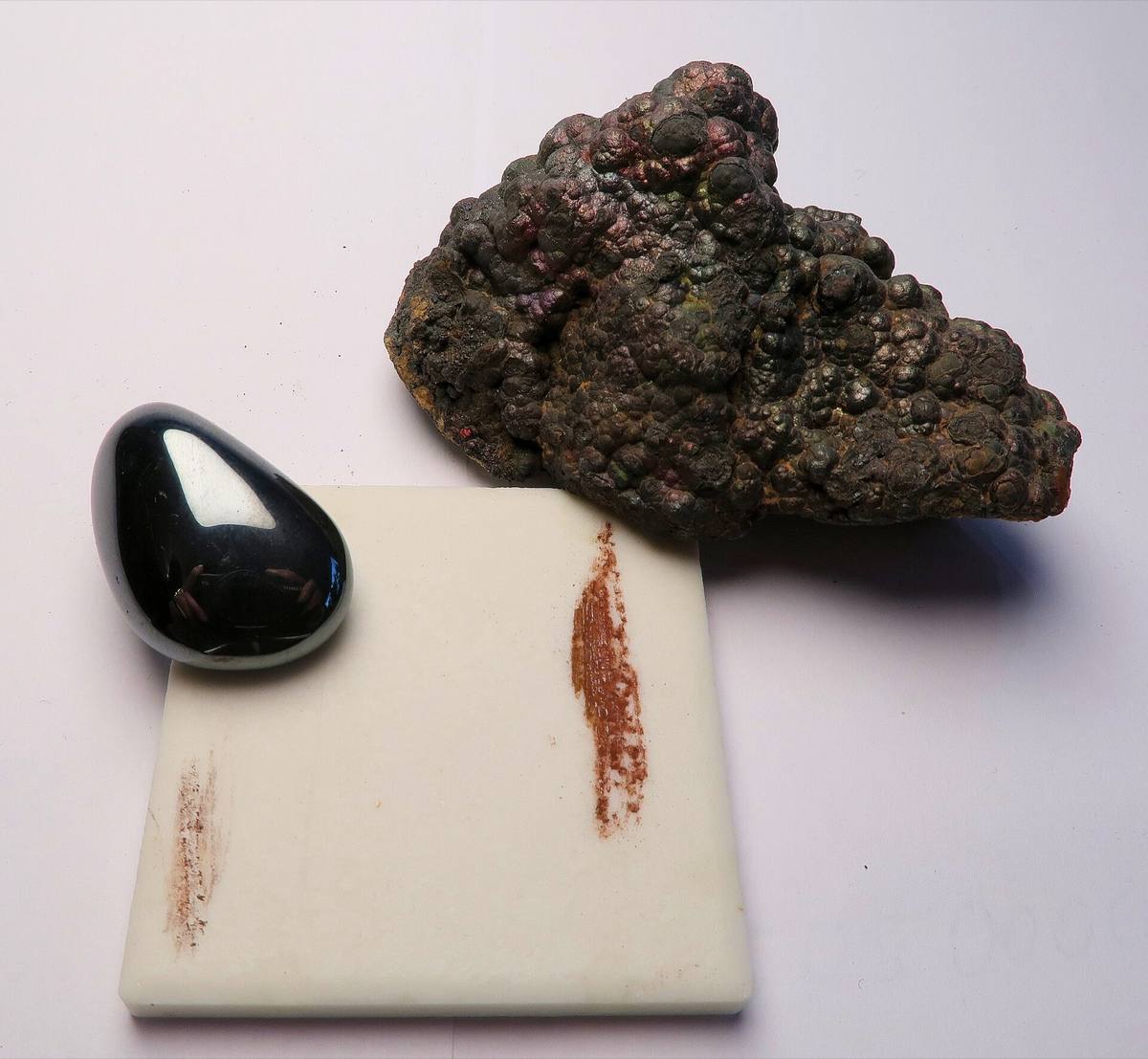
Leaves a distinctive red-brown streak no matter what color the specimen is
- 2
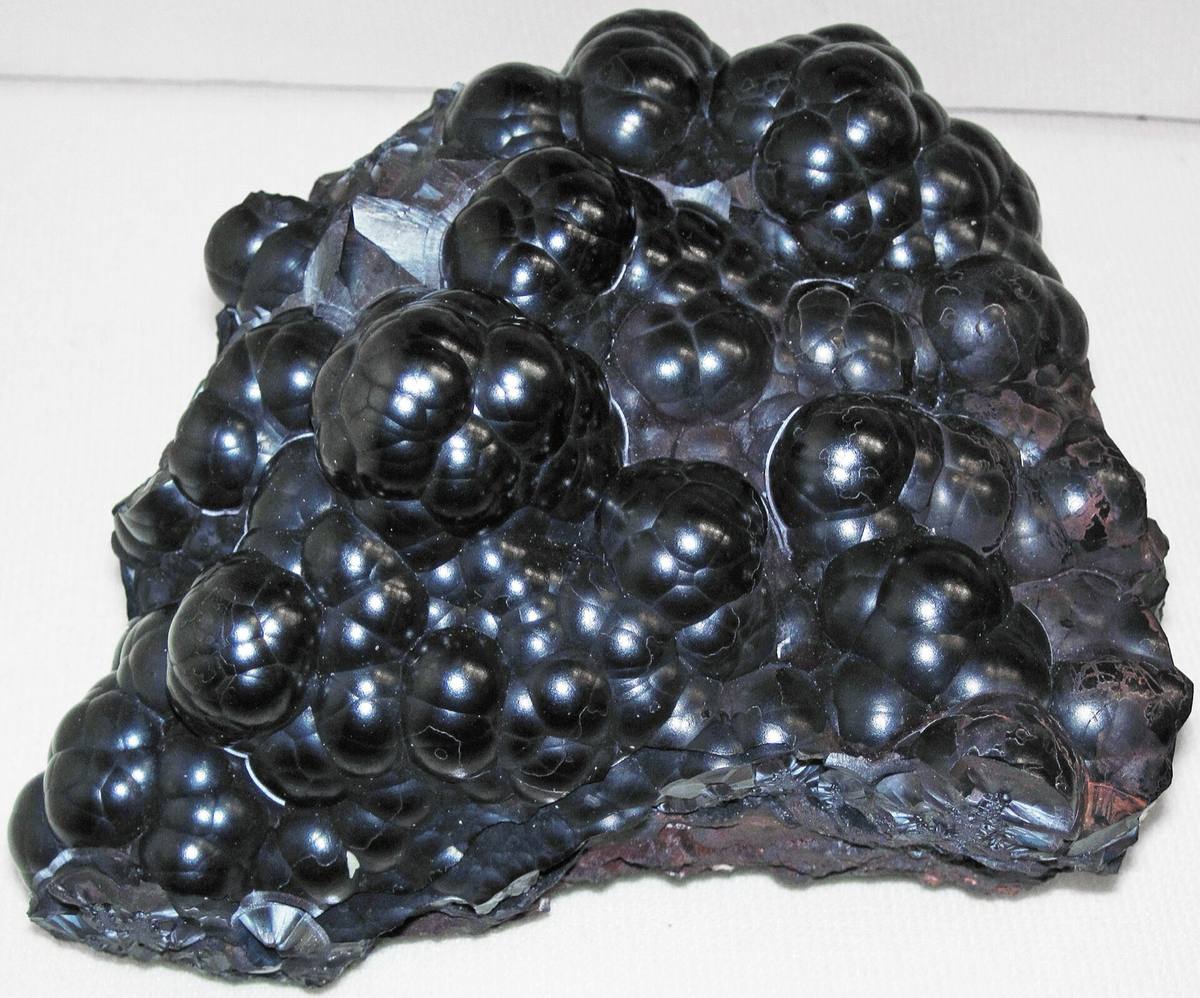
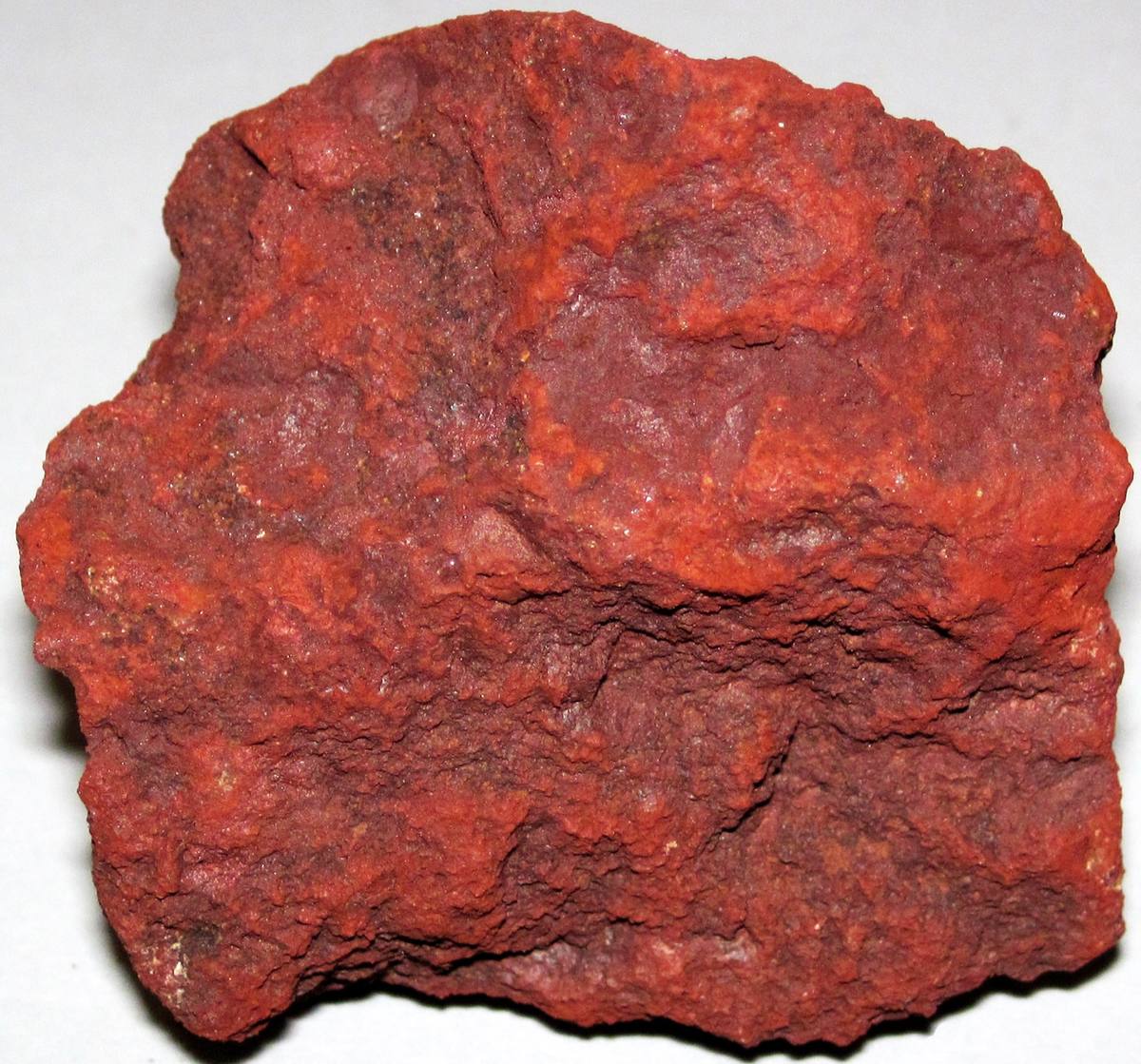
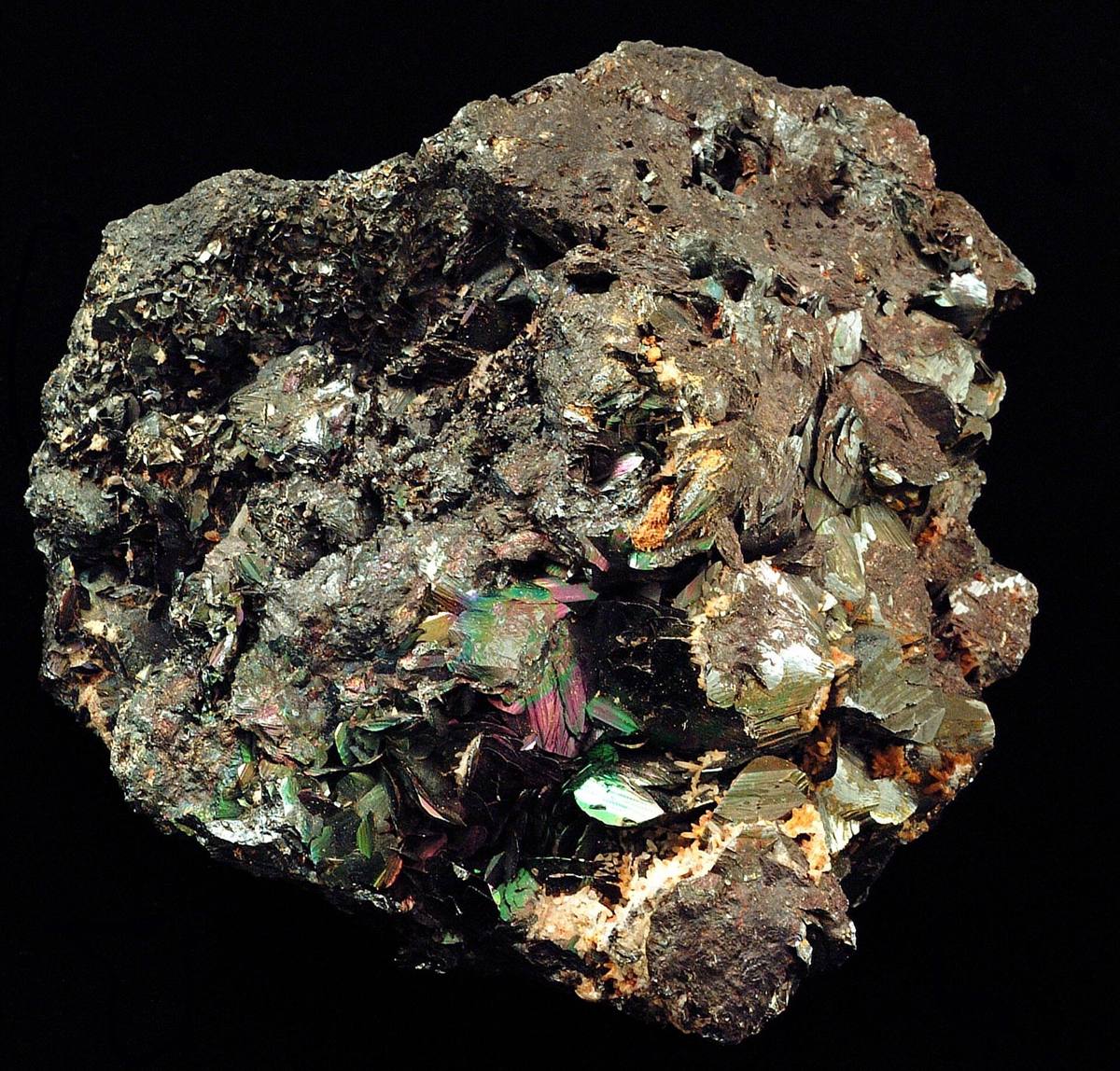
Occurs as metallic silver-grey masses, botryoidal kidney ore, or dull red earth
- 3
Heavy, hardness 5 to 6, and only weakly magnetic if at all
The red streak is everything. Hematite can be shiny silver, black, or dull brick red, but drag any of it across an unglazed porcelain plate and it leaves red-brown, which no other common iron mineral does. That test also makes it the standard check against meteorites, since a suspected meteorite that streaks red is hematite. Botryoidal kidney ore is the attractive collectible form.
Straight answers
- Is it worth cutting?
- Cuts and polishes to a bright metallic mirror. Heavy for jewelry, and it will rust if stored damp.
- What is it really worth?
- Very low. Botryoidal kidney ore and iridescent rainbow hematite are the collectible forms.
- Can you legally keep it?
- Ordinary personal-use collecting rules apply. Active iron mines are private.
Often confused with
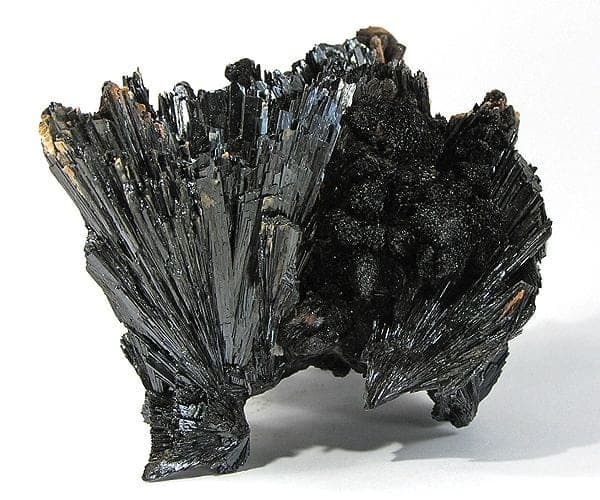
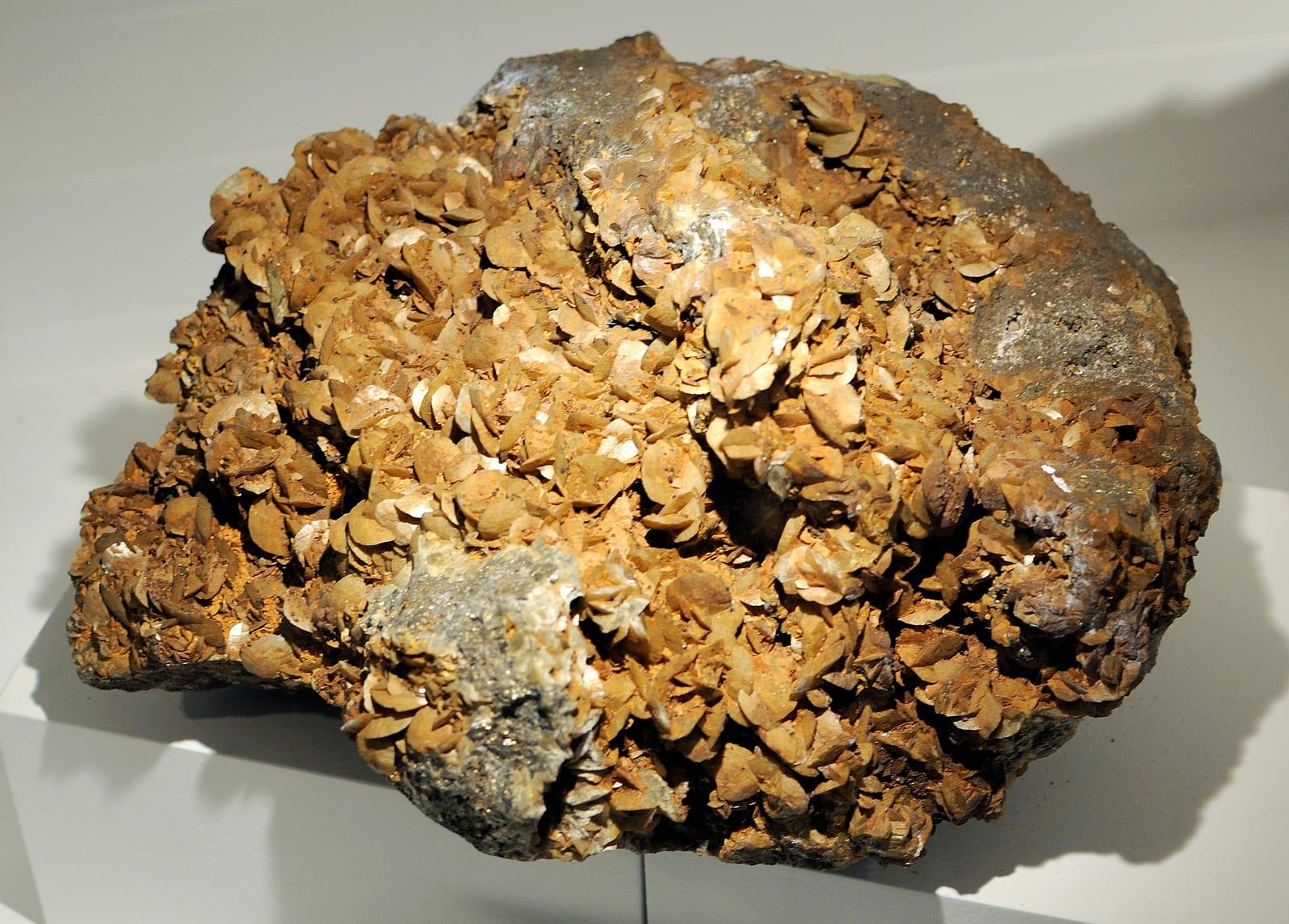
Hematite vs. its common look-alikes, and how to tell them apart in the field.
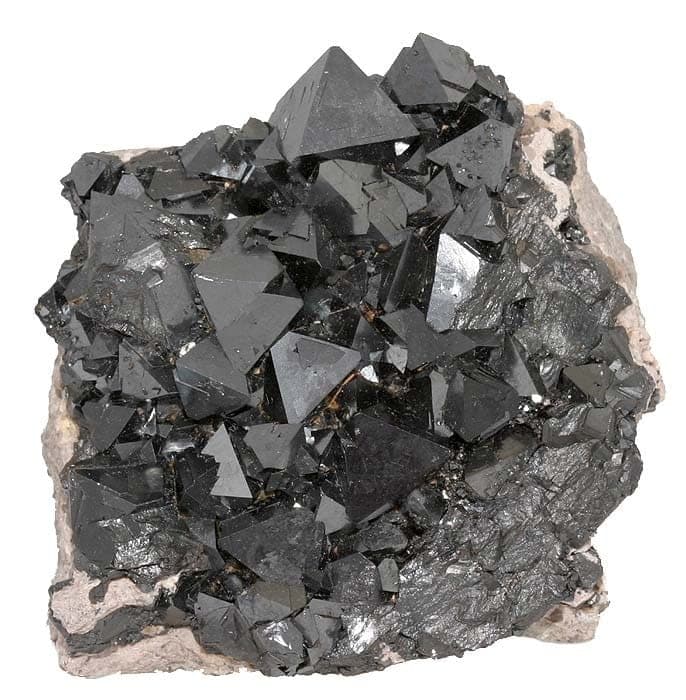
How to tell apart: Magnetite is strongly magnetic and streaks black. Hematite streaks red and is at most weakly magnetic.
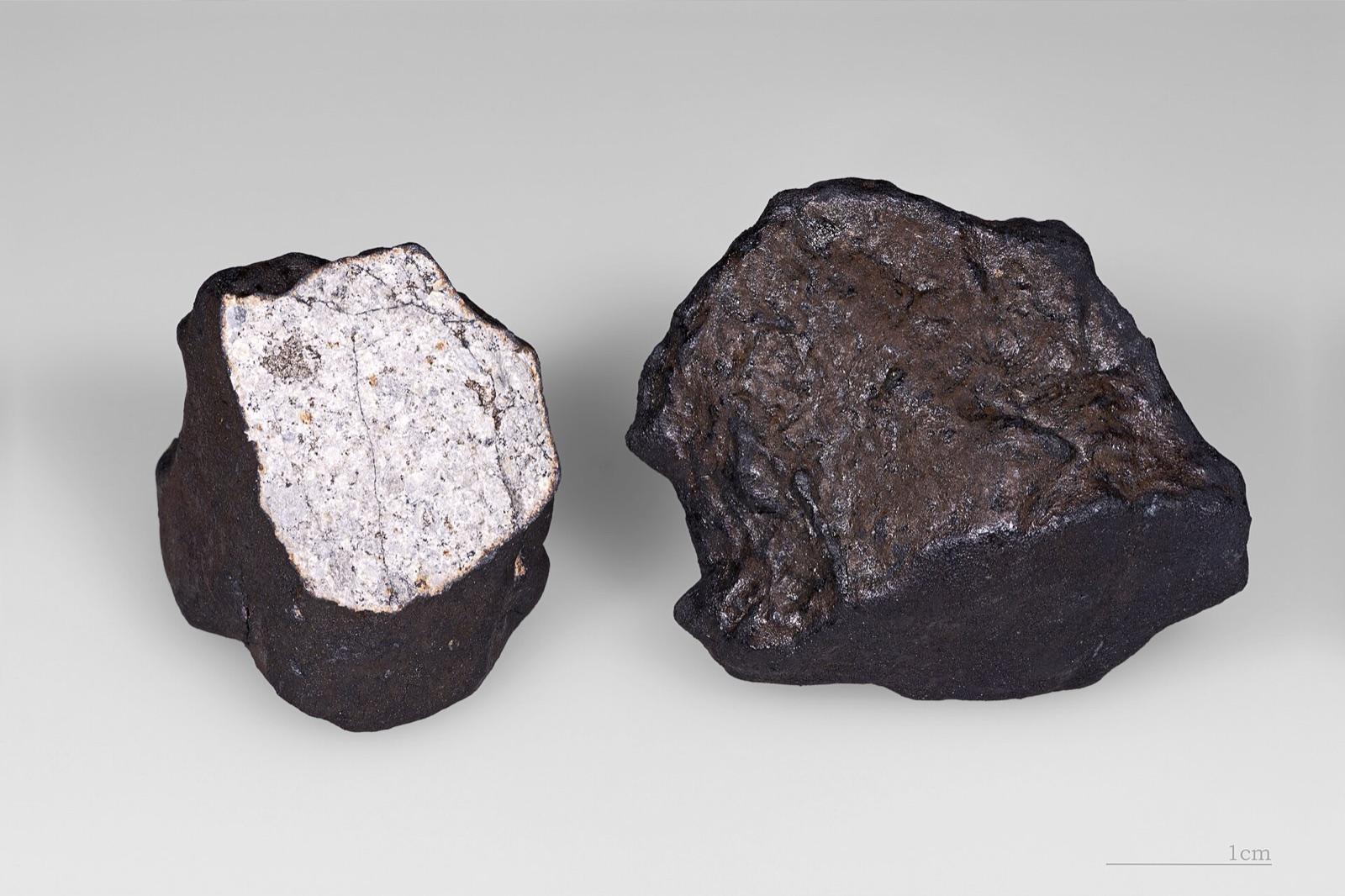
How to tell apart: One of the two great meteorwrongs. Streak it: meteorites leave essentially no streak, hematite leaves red-brown.
Often found alongside hematite
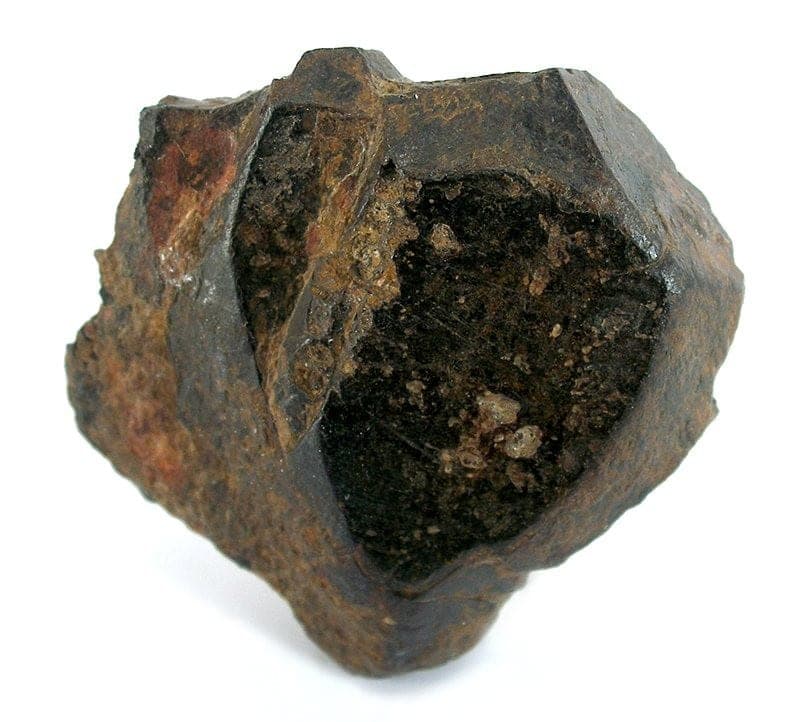
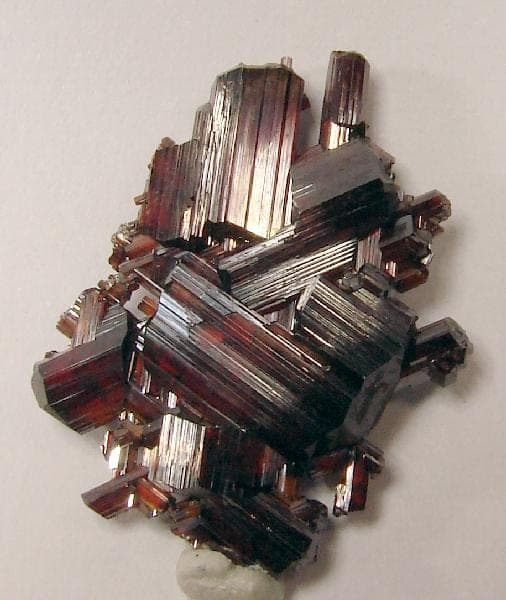
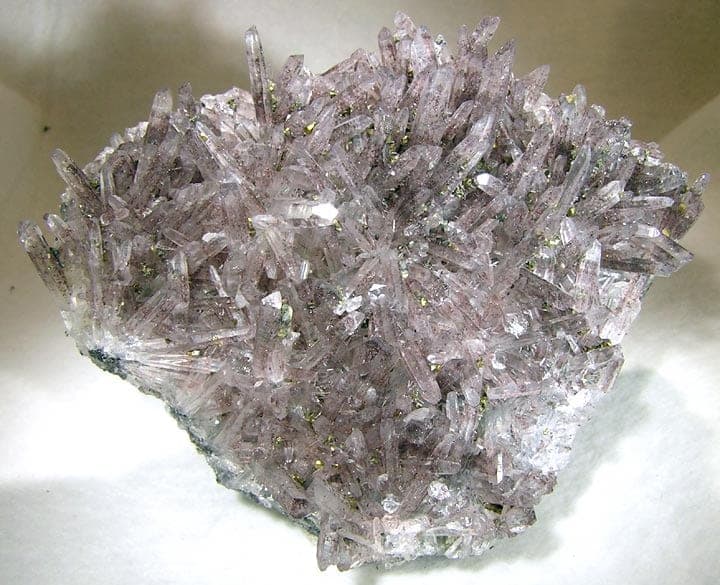
Minerals reported to co-occur with hematite. Spotting these in float or country rock is a strong cue you are in the right ground.
All properties
- Chemical formula
- Fe₂O₃
- Mohs hardness
- 5-6
- Density
- 5.26 g/cm³
- Colors
- Streak
- Cherry-red or reddish brown
- Luster
- Metallic or submetallic to dull
- Transparency
- Opaque, transparent on thin edges
- Crystal system
- Trigonal
- Crystal habit
- Tabular, micaceous, botryoidal, massive, or reniform
- Cleavage
- Parting on {0001} and {1011} due to twinning
- Rarity
- Common
- Uses
- Collector, Industrial, Pigment, Jewelry
- Host rock
- An accessory mineral in felsic igneous rocks, a late-stage sublimate in volcanic rocks, and in high-temperature hydrothermal veins
Where rockhounds find hematite
91 mapped spotsClassic worldwide localities
- Thomas Range, Juab Co., Utah, and near Quartzsite, La Paz Co., Arizona, USA
- Fibbia, St. Gotthard, Uri, Switzerland
- Binntal, Valais, Switzerland
- Cavradi, Tavetsch, Graübunden, Switzerland
- Rio Marina, Elba, Italy
- Cleator Moor, Cumbria, England
U.S. states with hematite
Each link opens a state-specific list of mapped rockhounding spots that produce hematite.
Field-hunting tip
Where it forms: An accessory mineral in felsic igneous rocks, a late-stage sublimate in volcanic rocks, and in high-temperature hydrothermal veins. If you start seeing ilmenite, rutile, magnetite in float, you are in the right ground. Typical habit: tabular, micaceous, botryoidal, massive, or reniform. Train your eye for that shape before scanning the outcrop. In the U.S., the densest reported localities are in Utah, Missouri, Michigan. Start trip planning there.
More hematite photos
Common questions
How do you identify hematite?+
Where is hematite found?+
Can I find hematite in the United States?+
What rocks look like hematite?+
What minerals are found with hematite?+
What kind of rock does hematite form in?+
What is hematite used for?+
Find hematite on the map
RockHoundR shows mapped rockhounding spots, access rules, and lets you log every find.

