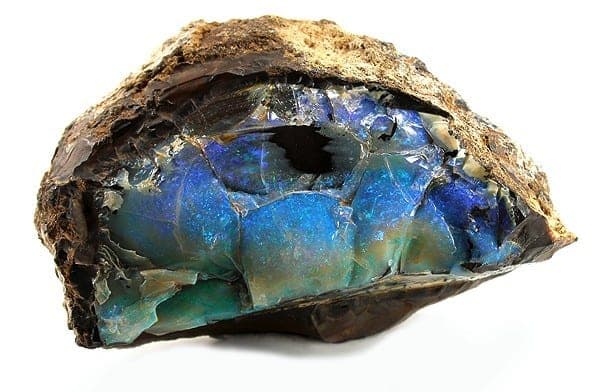
Limb casts are natural molds formed when molten volcanic debris buries a tree limb and the wood eventually rots away, leaving a hollow cavity that is later filled by silica-rich minerals. Collectors often find these as tubular or bark-textured rocks that can be broken open to reveal druzy quartz or colorful chalcedony linings. They are highly prized for their unique internal textures which preserve the shape of the original ancient vegetation.
Spotting limb cast in the field
Field marks- 1
Cylindrical, branch-shaped, but filled with solid agate or chalcedony
- 2
External bark texture may survive on the outside while the inside is banded agate
- 3
Often hollow-cored or lined with small quartz crystals
A limb cast is a mold, not a replacement: a branch was buried in volcanic ash, rotted away completely, and silica later filled the empty cylinder. That is why the outside can look like bark while the inside is banded agate with no wood structure whatsoever. Oregon is the classic ground, particularly the Sweet Home and Prineville areas, where casts weather out of ash beds. Look for pale cylindrical shapes in ash exposures, and dig carefully, because they break easily along the axis.
Straight answers
- Is it worth cutting?
- Cut across the axis for a round face with agate banding, which is the classic presentation. Casts often have an unfilled central void, so plan the cut to use it rather than fight it.
- What is it really worth?
- Modest to moderate. Complete casts with intact bark texture and a well-banded agate fill are the ones collectors want.
- Can you legally keep it?
- Treated as petrified wood on BLM land, so the 25 pounds per day and 250 pounds per year personal-use limits apply.
Where it is worth going
- Sweet Home and PrinevilleWestern and central Oregon
The classic American limb cast beds, some on public land and some at private fee digs.
Often confused with
Limb Cast vs. its common look-alikes, and how to tell them apart in the field.
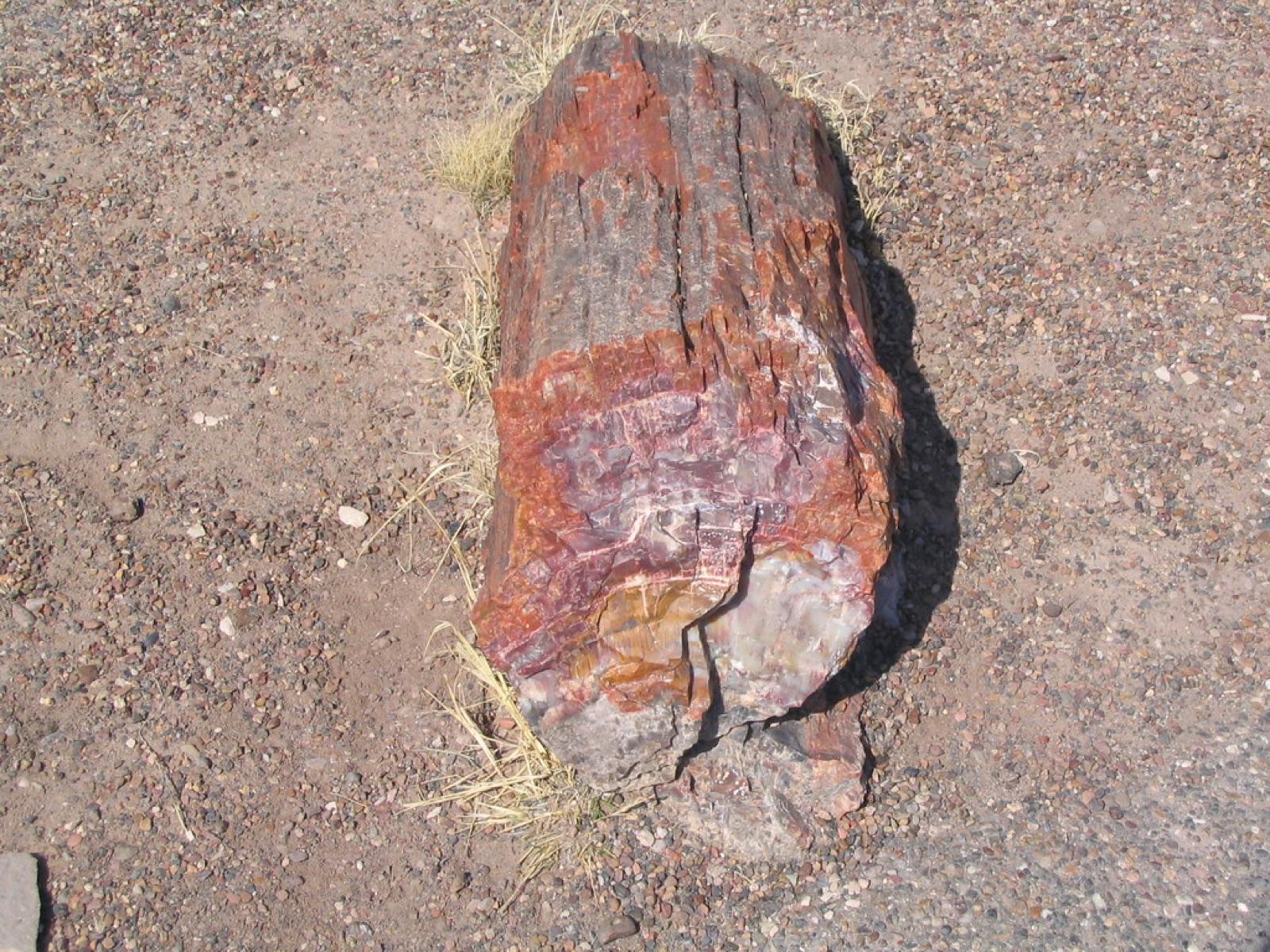
How to tell apart: The key structural difference. Petrified wood preserves cell structure and rings inside; a limb cast has none, because the wood was gone before the silica arrived.
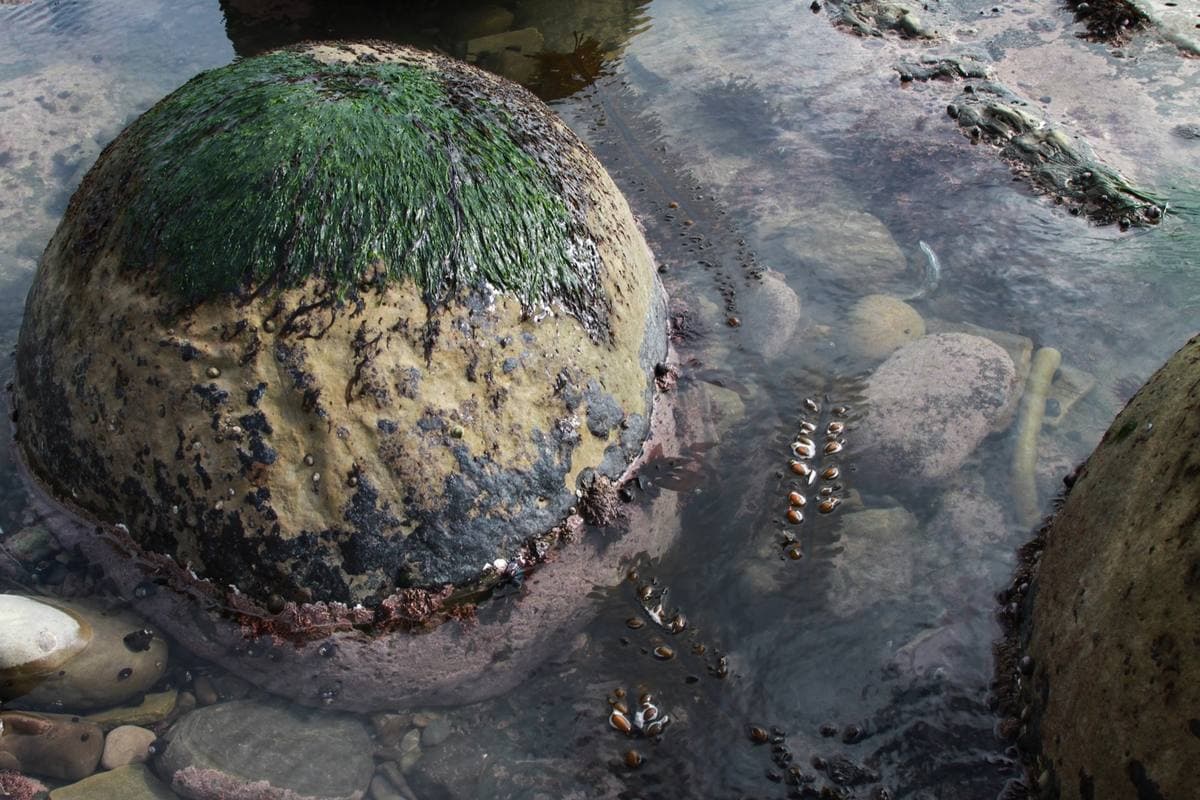
How to tell apart: Concretions grow around a nucleus and are usually rounded rather than cylindrical, and they lack the bark texture of a cast.
Often found alongside limb cast
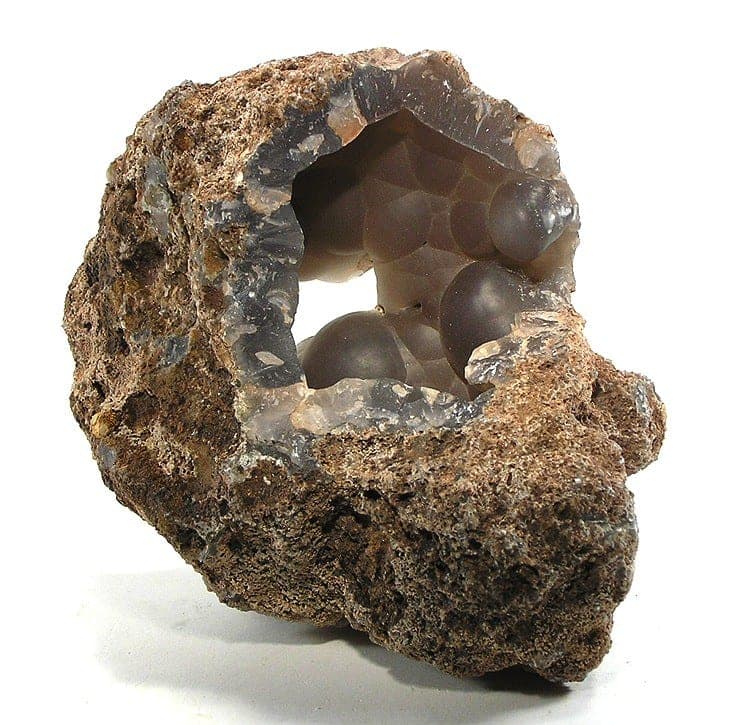
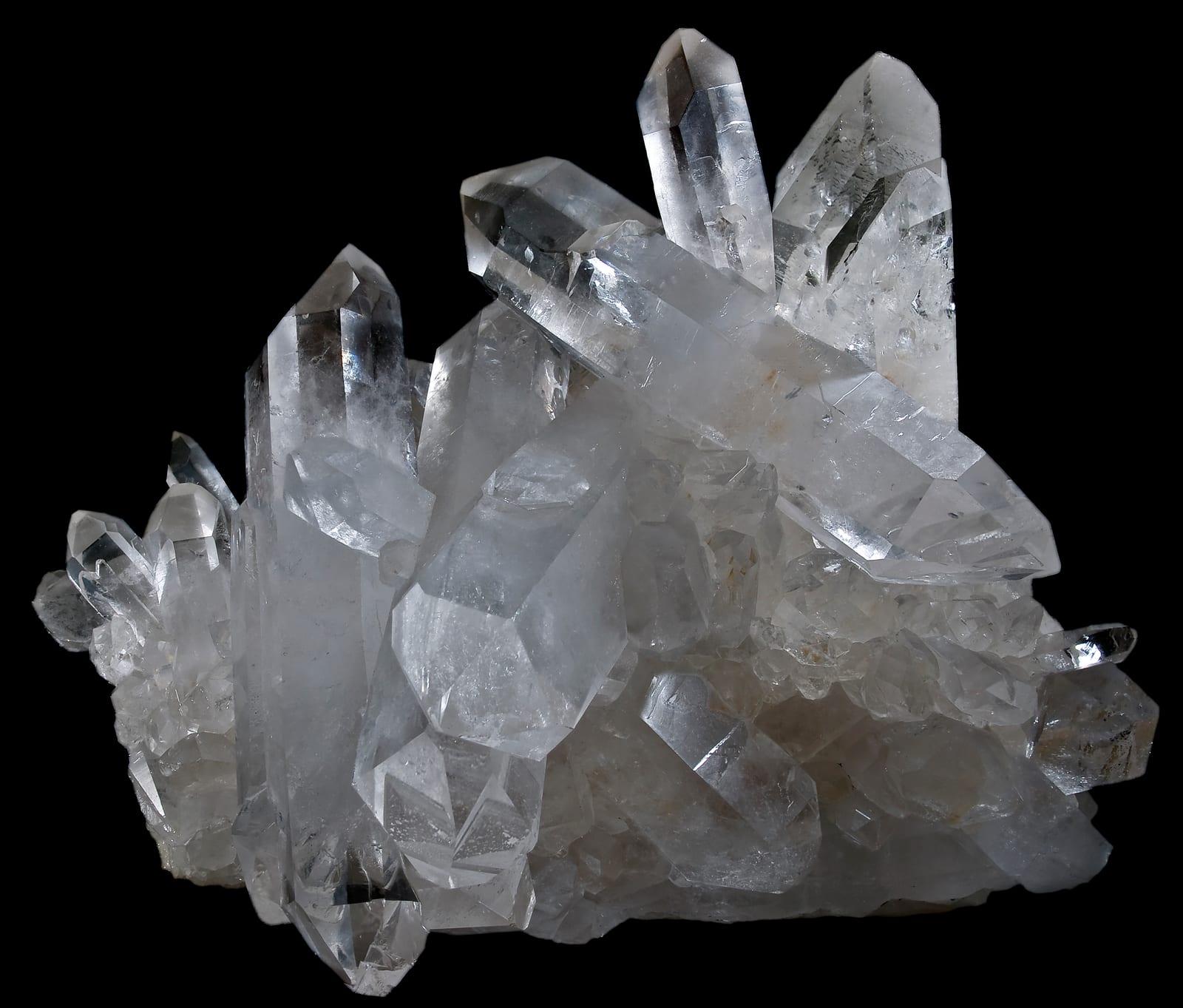
Minerals reported to co-occur with limb cast. Spotting these in float or country rock is a strong cue you are in the right ground.
All properties
- Mohs hardness
- 7
- Density
- 2.6-2.7 g/cm³
- Luster
- Vitreous
- Transparency
- Translucent
- Rarity
- Common
- Uses
- Lapidary, Collector, Decorative
- Host rock
- volcanic ash beds
Where rockhounds find limb cast
3 mapped spotsClassic worldwide localities
- Oregon, USA
- Washington, USA
- Idaho, USA
- Patagonia, Argentina
Field-hunting tip
Where it forms: volcanic ash beds. If you start seeing chalcedony, quartz, opal in float, you are in the right ground. In the U.S., the densest reported localities are in Oregon. Start trip planning there.
Common questions
How do you identify limb cast?+
Where is limb cast found?+
Can I find limb cast in the United States?+
What rocks look like limb cast?+
What minerals are found with limb cast?+
What kind of rock does limb cast form in?+
What is limb cast used for?+
Find limb cast on the map
RockHoundR shows mapped rockhounding spots, access rules, and lets you log every find.