
Oregon Sunstone is a variety of labradorite feldspar known for its unique metallic aventurescence caused by microscopic copper inclusions. Collectors prize these stones for their shifting colors ranging from pale yellow to deep reds and greens, which are often best viewed in natural light. They are primarily found as phenocrysts weathered out of basalt flows in the high desert of Oregon.
Spotting oregon sunstone in the field
Field marks- 1
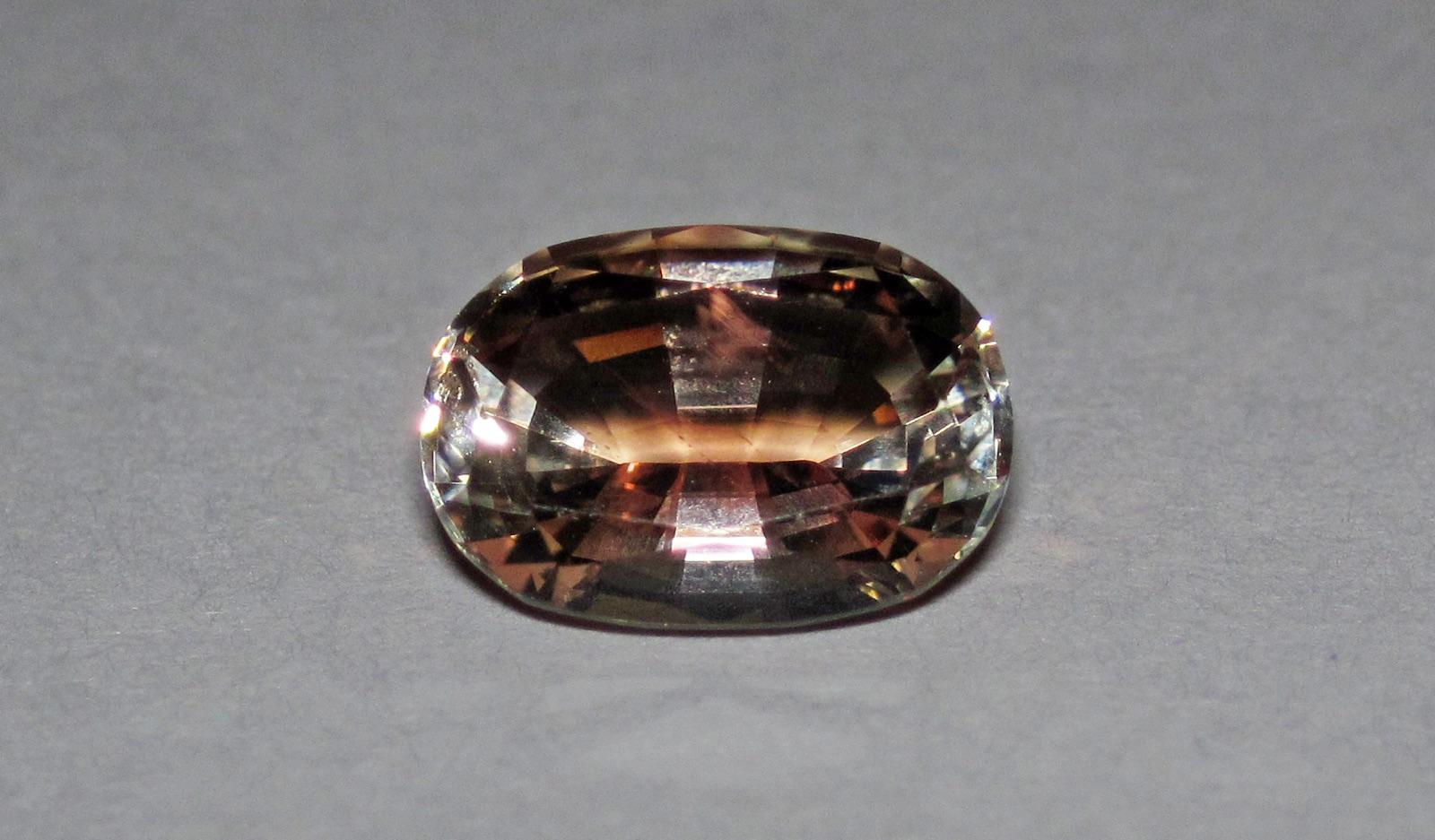
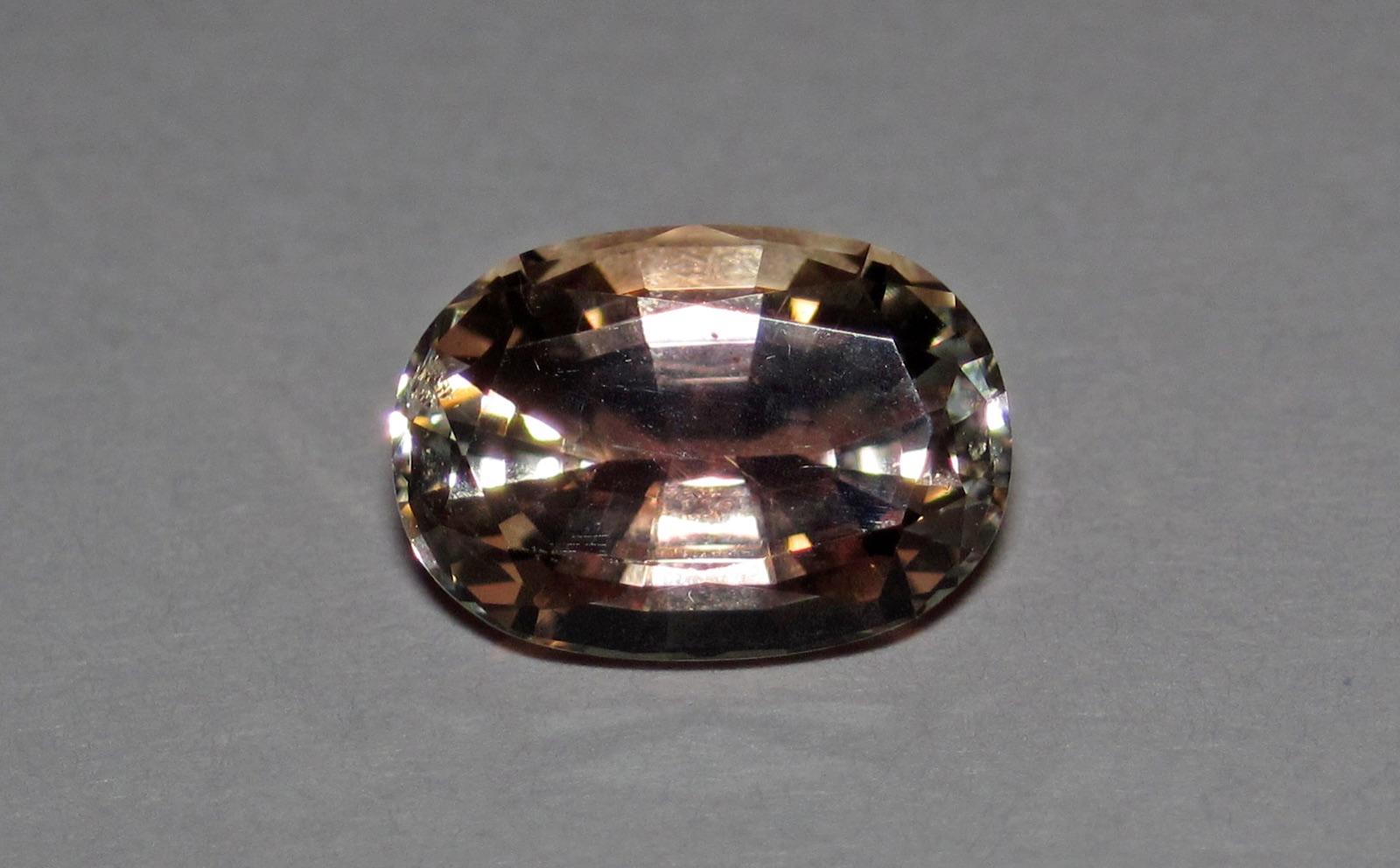
Copper schiller: a coppery internal glitter, not the hematite sparkle of other sunstones
- 2
Body colors from clear champagne through pink to deep red and green
- 3
Found as loose crystals weathering out of basalt in high desert flats
Oregon's state gem, and unique in the world because the color and the schiller both come from elemental copper. The crystals weather free from the basalt and lie loose on the desert surface, so this is a walking hunt across open flats, best in low sun when the crystals catch light. The free BLM public collecting area in the Rabbit Basin near Plush is genuinely open to anyone, no permit and no fee, and several private mines nearby sell access to ground that produces more of the red and green material.
Before you collect
The Rabbit Basin is remote high desert. There is no water, no fuel, no cell service and the roads are rough. Carry more water than you plan to use, a full-size spare, and tell someone your route.
Straight answers
- Is it worth cutting?
- Cut to keep the schiller facing up, and facet clean colored material rather than cabbing it. Red and green zoning in one stone is worth designing around rather than cutting out.
- What is it really worth?
- Clear and champagne material is cheap and abundant. Saturated red, green, and bicolor red-green stones are genuinely valuable, and clean faceted examples over a few carats command strong prices.
- Can you legally keep it?
- The Rabbit Basin public collection area is BLM land, free and open, with no permit required for personal-use hand collecting. The surrounding private mines charge a day rate.
Where it is worth going
- Rabbit Basin public collection areaLake County, Oregon, near Plush
Free BLM digging, open to all. Surface hunting plus shallow digging with hand tools.
Often confused with
Oregon Sunstone vs. its common look-alikes, and how to tell them apart in the field.
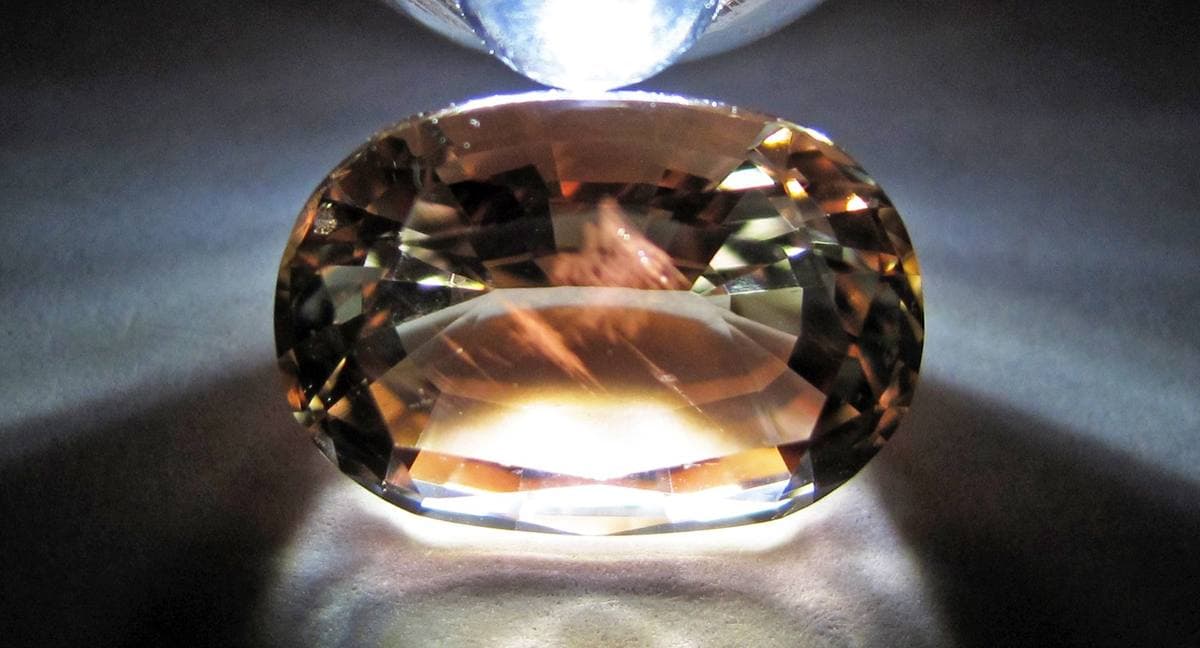
Often found alongside oregon sunstone
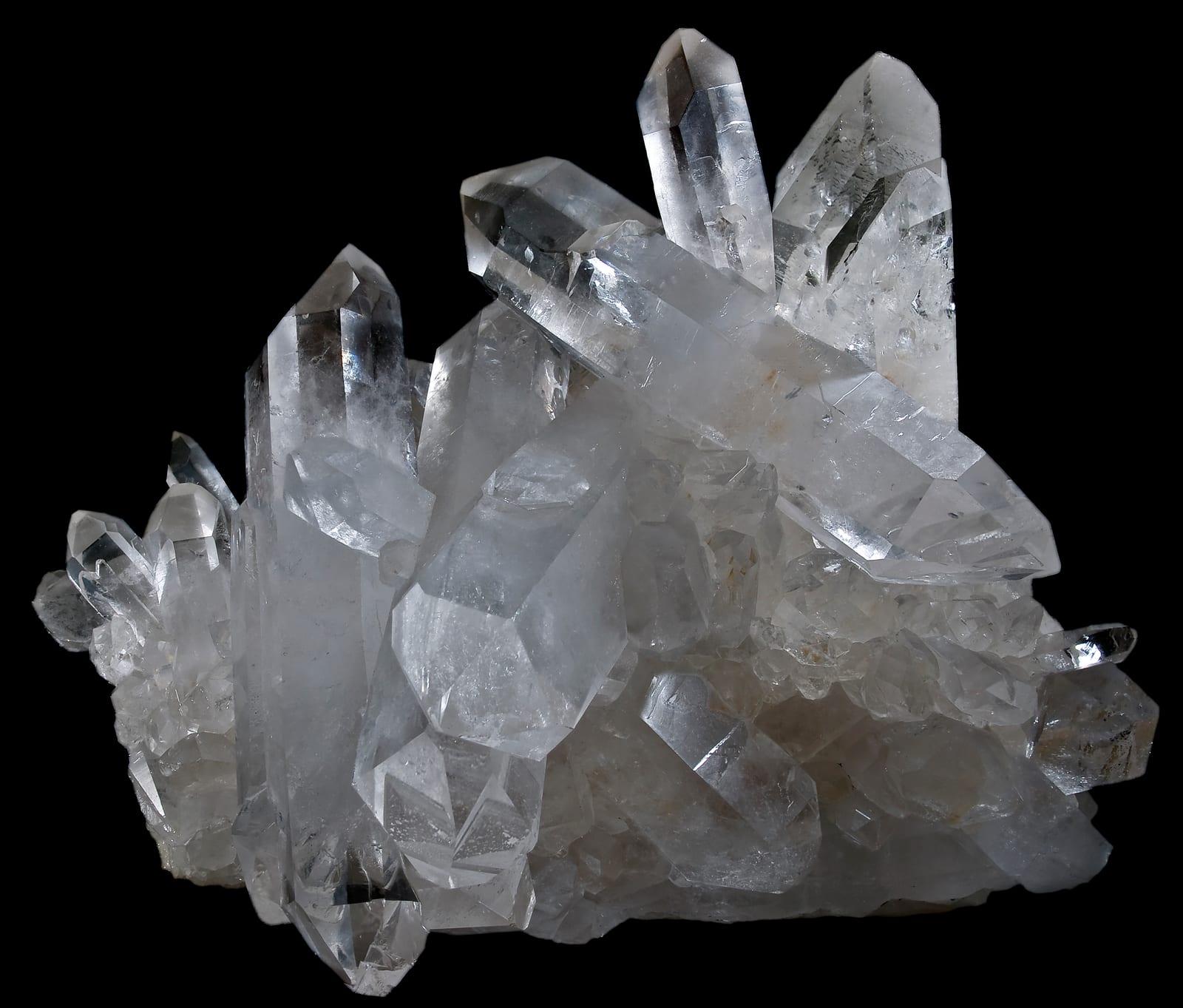
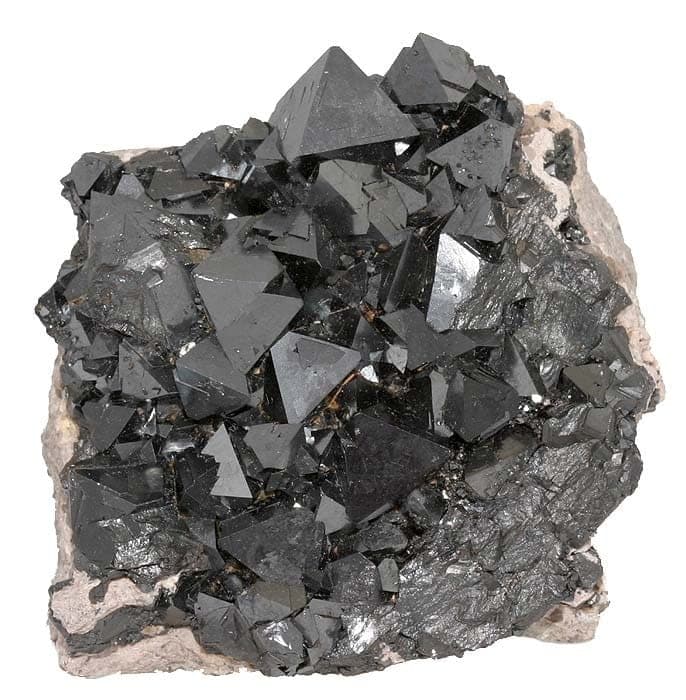
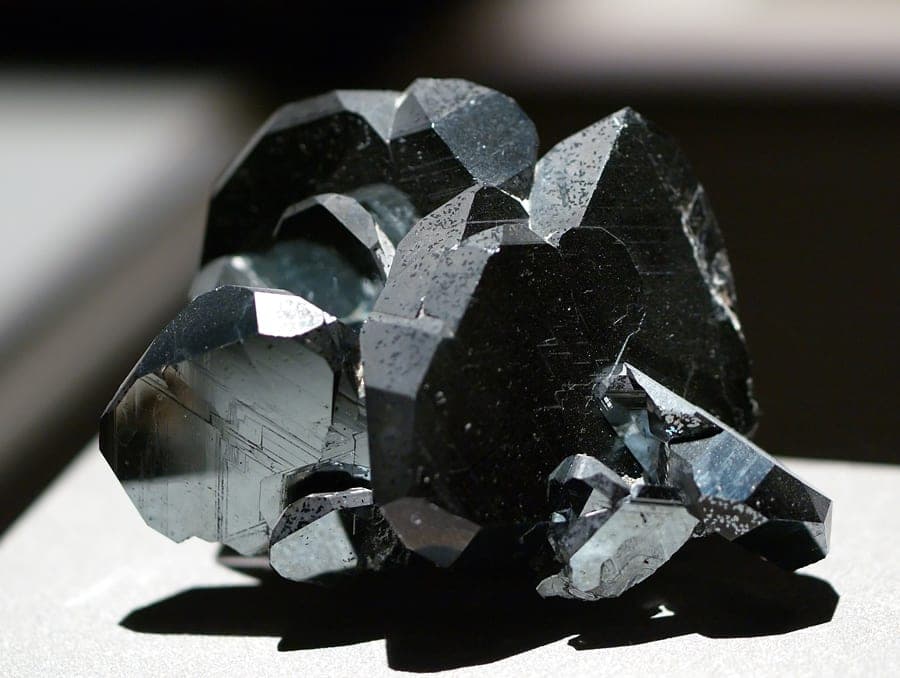
Minerals reported to co-occur with oregon sunstone. Spotting these in float or country rock is a strong cue you are in the right ground.
All properties
- Chemical formula
- (Ca,Na)(Al,Si)₄O₈
- Mohs hardness
- 6-6.5
- Density
- 2.65-2.75 g/cm³
- Streak
- White
- Luster
- Vitreous
- Transparency
- Transparent
- Crystal system
- Triclinic
- Crystal habit
- Tabular crystals
- Cleavage
- Perfect
- Rarity
- Uncommon
- Uses
- Gemstone, Jewelry, Collector
- Host rock
- basalt
Where rockhounds find oregon sunstone
2 mapped spotsClassic worldwide localities
- Ponderosa Mine, Oregon, USA
- Dust Devil Mine, Oregon, USA
- Rabbit Basin, Oregon, USA
Field-hunting tip
Where it forms: basalt. If you start seeing quartz, magnetite, hematite in float, you are in the right ground. Typical habit: tabular crystals. Train your eye for that shape before scanning the outcrop. In the U.S., the densest reported localities are in Oregon. Start trip planning there.
More oregon sunstone photos
Common questions
How do you identify oregon sunstone?+
Where is oregon sunstone found?+
Can I find oregon sunstone in the United States?+
What rocks look like oregon sunstone?+
What minerals are found with oregon sunstone?+
What kind of rock does oregon sunstone form in?+
What is oregon sunstone used for?+
Find oregon sunstone on the map
RockHoundR shows mapped rockhounding spots, access rules, and lets you log every find.

